

Note: This article contains affiliate links. If you click on these links and make a purchase, I may earn a small commission at no extra cost to you. This helps support my research and content. Read my full affiliate disclosure here.
Choosing the right fertilizer for a Bird of Paradise kept indoors makes a big difference in leaf size, color, and overall vigor. Indoor plants have limited soil volume and lower light than outdoor specimens, so nutrient needs and application frequency differ from garden practice. This guide focuses on fertilizers formulated and applied with indoor Bird of Paradise in mind. We shortlisted seven top options that suit common indoor growing setups and evaluated them on the factors that matter most to houseplant gardeners, including nutrient balance, ease of use, and root safety. Read on to understand which fertilizer style and feeding routine match your pot size, light level, and maintenance preferences.
Top Picks at a Glance


TATAWORM Organic Seaweed Fertilizer Bundle for Christmas Cactus & Bird of Paradise, 2 oz Liquid + 2 oz Powder

| Brand | TATAWORM |
|---|---|
| Formulation | Seaweed concentrates, liquid and powder |
| Plant focus | Christmas Cactus and Bird of Paradise |
| Ingredient source | Ascophyllum nodosum (Maine sea kelp) |
| OMRI Listed | Yes |
This bundle pairs a 2 oz liquid and a 2 oz powder seaweed concentrate aimed at supporting flowering indoor plants such as Bird of Paradise and Christmas cactus. Both formulas are water soluble and mix to make multiple gallons of plant food, so they are used as routine feedings for potted specimens to encourage stronger roots, balanced growth, and improved seasonal blooms. The product is OMRI listed and made in the USA, and the kelp-based ingredient profile supplies natural amino acids, macro and micronutrients that help with nutrient uptake and stress resilience. Practical benefits include targeted bloom and foliage support for indoor tropicals and economical concentrated dosing that keeps a small container lasting through several feed cycles. Limitations are that this is a kelp-based supplement rather than a complete granular fertilizer, so it works best as part of a regular feeding program and may need to be paired with a balanced NPK product for heavy-feeding stages or to correct specific nutrient deficiencies.
Best for: Houseplant owners who want an organic, kelp-based supplement to promote flowering and healthier roots in indoor tropicals and flowering containers and who prefer concentrated products that last through many feedings.
Less Ideal for: Gardeners seeking an all-in-one high-nitrogen or granular fertilizer for rapid growth or those who prefer single-step synthetic nutrient mixes for heavy-feeding species.
- OMRI listed organic seaweed formula sourced from Maine Ascophyllum nodosum
- Concentrated liquid and powder that dilute to make multiple gallons, extending product life
- Formulated to support root strength, nutrient uptake, foliage vigor, and bloom production
- Water-soluble mixes are easy to apply to potted indoor plants
- Not a complete NPK granular fertilizer so may not supply all macronutrients for heavy feeders
- Small package sizes require careful dilution and tracking of feed schedule
Verdict: A compact organic kelp concentrate bundle that gives indoor Bird of Paradise and other flowering houseplants a reliable boost to roots, foliage, and blooms while stretching across many feedings.
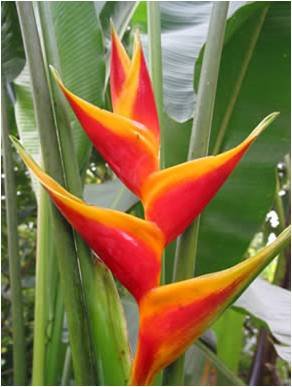
Exotica Tropicals Professional Nursery Heliconia & Bird of Paradise Fertilizer, 4 lb Slow Release
| Item Form | Granules |
|---|---|
| Application Method | Sprinkle |
| Coverage | Medium |
| Target Species | Heliconia / Bird of Paradise Plants |
| Mixing Ratio | 5:1 |
This granular fertilizer is made for heliconia and bird of paradise plants and is formulated for professional nursery use. It combines 5–6 month slow-release coated pellets with a small instant-release fraction so plants get both immediate green-up and steady feeding over months. You apply it by sprinkling around the root zone following the product mixing guidance, and because it contains micronutrients such as magnesium, manganese and iron it supports stronger foliage color and sustained growth. The medium coverage and concentrated pellets mean you need only modest amounts per application, which is convenient for multiple containers or a planting bed. Expect less frequent reapplication than with soluble feeds, but you will not get the instant, heavy growth response that liquid fertilizers can produce. This product is best used by gardeners who want reliable, low-maintenance nutrition specifically for bird of paradise and related tropicals and who prefer a professional-style slow-release option.
Best for: Gardeners who grow bird of paradise or heliconia and want low-maintenance, nursery-grade nutrition that feeds steadily through the growing season.
Less Ideal for: People who need immediate, heavy feeding for fast growth spurts or who want a broad-purpose fertilizer for many different plant types.
- Professional nursery-grade slow-release formula delivers nutrients for about 5–6 months
- Includes micronutrients (magnesium, manganese, iron) to support foliage health
- Granular coated pellets provide steady feeding with reduced application frequency
- Small instant-release portion gives an initial green-up after application
- Not a quick-fix like concentrated liquid fertilizers for rapid growth
- Formulation is targeted to heliconia/bird of paradise and may be overkill for general-purpose use
Verdict: Choose this slow-release, nursery-grade granule if you want reliable, low-frequency feeding tailored for bird of paradise and related tropicals.
Exotica Tropicals Professional Heliconia Slow-Release Fertilizer, 4 lb

| Net weight | 4 LB |
|---|---|
| Release period | 5-6 month slow release |
| Formulation type | Coated pellets with instant-release fraction |
| Target plants | Heliconia / Bird of Paradise |
This is a nursery-grade fertilizer designed specifically for heliconia and bird of paradise plants. It combines coated slow-release pellets that feed for approximately five to six months with a small instant-release fraction to give an initial green-up after application. The formula includes essential micronutrients such as magnesium, manganese, and iron, which support robust foliage color and steady growth in large-leaved tropical plants. Typical use is a single surface application to soil or potting mix at recommended rates, then watering in; the coated pellets reduce the need for frequent refeeding through the season. Practical benefits include predictable, long-lasting nutrient delivery for performance-oriented growers and reduced labor for multi-plant beds or nursery blocks. Important limitations are that it is a targeted product for heliconia/Bird of Paradise rather than a balanced all-purpose feed, and precise application rates must be followed to avoid overfertilizing sensitive specimens.
Best for: Serious gardeners or small-scale growers who prioritize dependable, long-duration feeding for heliconia and bird of paradise and want to reduce reapplication frequency.
Less Ideal for: Casual gardeners looking for a general-purpose houseplant or vegetable fertilizer should consider a broader-spectrum feed instead.
- Professional nursery-grade slow-release coating provides 5–6 months of continuous feeding
- Includes a small instant-release portion for quick green-up after application
- Contains micronutrients (magnesium, manganese, iron) important for tropical foliage health
- 4 lb bag is convenient for treating multiple plants or small beds
- Formulated specifically for heliconia/Bird of Paradise so may not suit all garden plants
- Requires careful rate adherence since it is a concentrated professional formulation
Verdict: Choose this product when you want a professional nursery-grade, long-lasting fertilizer that keeps heliconia and bird of paradise consistently fed with minimal reapplication.
Exotica Tropicals White Bird of Paradise Professional Nursery Fertilizer, 4 lb

| Item Form | Granules |
|---|---|
| Specific Uses For Product | Strelitzia nicolai feeding and fertilization |
| Coverage | 5 to 6 months |
| Mixing Ratio | 18:5:12 |
| Target Species | Strelitzia nicolai |
This granular, professional nursery fertilizer is formulated for White Bird of Paradise (Strelitzia nicolai) and combines a slow-release pellet with a small instant-feed portion to give both sustained nutrition and an immediate green-up. Apply to the soil surface around indoor plants following package directions or the mixing ratio 18:5:12; the slow-release formulation lasts roughly 5 to 6 months so you do not need frequent reapplications. Key features include an 18-5-12 NPK guaranteed analysis and added micronutrients such as magnesium, iron, manganese and zinc that support growth and flowering. For indoor use it provides steady feeding without daily liquid applications and reduces the chance of frequent overfertilizing when used as directed. Limitations are that dosage must be adjusted for pot size and houseplants since it is a nursery-strength product, and the granular form requires surface application rather than easy foliar feeding. Overall it is a concentrated option for growers who want a professional, low-maintenance feed specifically for White Bird of Paradise plants indoors.
Best for: Indoor plant owners who want a low-maintenance, species-specific fertilizer for White Bird of Paradise and prefer set-and-forget feeding over frequent liquid applications.
Less Ideal for: Growers who need an all-purpose houseplant fertilizer for many species or those who prefer liquid or foliar feeds for precise, small-dose control.
- Formulated specifically for White Bird of Paradise, matching species nutrient needs
- Slow-release pellets provide 5–6 months of feeding for low maintenance
- Contains micronutrients (Mg, Fe, Mn, Zn) that support robust growth and flowering
- Professional-strength formula may require careful dosing for smaller indoor pots
- Granular form is not suited for foliar feeding or very frequent light feed schedules
Verdict: If you want a low-maintenance, professional-strength fertilizer tailored to indoor White Bird of Paradise, this 5–6 month slow-release granular formula is a practical pick.
TATAWORM Organic Bird of Paradise Seaweed Powder Fertilizer, 2 oz

| Item Form | Powder |
|---|---|
| Application Method | soil drench |
| Target Species | bird of paradise, strelitzia |
| Mixing Ratio | 1/4 tsp per gallon of water |
| Formula | 0-0-18 |
This 2 oz TATAWORM seaweed powder is a concentrated, high-potassium plant food made for Bird of Paradise and related tropical species. It mixes easily with water (manufacturer recommends 1/4 tsp per gallon) and is applied as a soil drench every 2 to 3 weeks during active growth. The formula is OMRI listed, uses Maine-harvested Ascophyllum nodosum, and emphasizes gentle, organic nutrient support rather than fast-release chemicals. In practice that means steadier nutrient uptake, improved stress tolerance, and fuller foliage and blooms over weeks of consistent use. The included scoop and small container make dosing straightforward for potted plants and small landscape specimens. Important limitations are the small pack size and concentrated nature: a single 2 oz container covers up to 24 gallons when mixed so it is economical for individual plants but may not be convenient for larger gardens without repeat purchases. Also results are gradual, so this is best for growers who want reliable, organic support rather than immediate, dramatic changes.
Best for: Steady-minded plant owners who prioritize organic, low-risk nutrition for individual Bird of Paradise or tropical potted plants and want a simple, repeatable feeding routine.
Less Ideal for: Gardeners who need rapid, high-feeding solutions for large beds or those who prefer one-time bulk fertilizer for many plants should consider larger-size or different formulations.
- Organic seaweed formula (Ascophyllum nodosum) that supports root strength and bloom development
- Concentrated powder covers up to 24 gallons, so small doses go a long way
- OMRI listed and made without synthetic additives for organic gardening
- Easy to mix and apply with included scoop and simple soil drench instructions
- Small 2 oz package may require frequent repurchasing for multiple or larger plants
- Effects are gradual and require consistent use rather than delivering immediate results
Verdict: A reliable organic seaweed booster for Bird of Paradise growers who want gentle, consistent support for better roots and blooms.
TPS Nutrients Bird of Paradise Liquid Fertilizer, 8 oz

| Item Form | Liquid |
|---|---|
| Coverage | A few square feet or 1-3 plants |
| Target Species | Bird of Paradise |
| Mixing Ratio | 1:128 |
This 8 oz liquid formula from TPS Nutrients is designed specifically for Bird of Paradise and similar tropical plants, supplying kelp and micronutrients in a concentrated mix. It is used as a monthly feed for containers and landscape specimens or more frequently in active growth months by diluting 1 teaspoon per quart of water; directions also include a leaf-misting option for foliar feeding. In practice the product makes regular feeding straightforward for one to three plants and aims to promote fuller leaves, stronger stems, and better blooms. The small bottle is convenient for hobbyists and indoor growers who want a targeted fertilizer without complicated NPK claims. The main limitation is the small volume, which means frequent repurchase for larger collections or multiple plants, and it does not list detailed NPK numbers on the available information so users wanting exact macronutrient ratios may need to contact the maker or choose a different product. Safety directions and a clear mixing ratio are provided for safe, repeatable application.
Best for: Buyers who prefer a specialist, easy-to-use feed for one to a few Bird of Paradise or tropical container plants and value clear directions and botanical additives like kelp.
Less Ideal for: Gardeners managing large collections, beds, or who require exact NPK breakdowns for nutrient planning should consider larger or fully labeled formulations.
- Formulated specifically for Bird of Paradise and tropical plants with kelp and micronutrients
- Liquid concentrate with a clear mixing ratio (1:128) for easy dosing
- Suitable for indoor and outdoor container use and includes a foliar misting option
- Compact 8 oz bottle is easy to store and carry for spot treatments
- Small 8 oz volume may not be economical for gardeners with many plants
- Product information does not provide explicit NPK values for precise macronutrient planning
Verdict: A small, easy-to-use kelp and micronutrient liquid fertilizer aimed at improving foliage and blooms on one to a few Bird of Paradise plants.
Leaves and Soul Bird of Paradise Fertilizer and Soil Bundle (Liquid 3-1-2 + Well-Draining Potting Soil)

| Item Form | Liquid |
|---|---|
| Application Method | liquid |
| Mixing Ratio | 3:1:2 |
This bundle pairs a concentrated 3-1-2 liquid fertilizer with a ready-to-use potting soil blended for tropical plants, so you get nutrition and growing medium in one purchase. The liquid formula mixes with water for quick root uptake and is intended for regular feedings to promote stronger roots, greener foliage, and sturdier stems. The soil mix combines peat moss, coco coir, perlite, and dolomite to improve drainage and aeration while retaining balanced moisture, which helps reduce the risk of overwatering and root rot when repotting or topping up containers. Typical use is repotting or refreshing soil and then adopting a routine feeding schedule with the diluted fertilizer; the product notes a 3:1:2 mixing ratio for preparing feed. Practical benefits include convenience of a matched soil and fertilizer and a formulation targeted for Strelitzia species. Limitations are that the listing does not provide specific feeding frequency or concentration guidance beyond the mixing ratio and there is no NPK breakdown beyond the 3-1-2 label, so cautious users should start with weaker mixes and monitor plants when switching products.
Best for: Buyers who prefer a low-risk, all-in-one approach to indoor Bird of Paradise care and want a matched soil plus fertilizer solution to simplify repotting and regular feeding.
Less Ideal for: Growers who need full nutrient analytics, custom fertilization plans, or specific quantity information for commercial or highly controlled horticulture settings.
- Includes both liquid fertilizer and preblended well-draining soil for a complete repotting and feeding solution
- Liquid 3-1-2 formula mixes easily with water for fast nutrient uptake
- Soil blend (peat moss, coco coir, perlite, dolomite) improves drainage and aeration to help prevent root rot
- Designed specifically for Bird of Paradise and similar tropical indoor plants
- No detailed feeding schedule or full nutrient breakdown provided beyond the 3-1-2 ratio
- Bundle contents and quantities are not specified in the product information
Verdict: Choose this bundle if you want a simple, matched soil-and-fertilizer kit that makes repotting and feeding indoor Bird of Paradise plants straightforward and dependable.
Choosing the Right Fertilizer for Indoor Bird of Paradise: Key Factors to Consider
Nutrient Ratio and What It Means
The N-P-K ratio tells you how much nitrogen, phosphorus, and potassium the fertilizer supplies. For indoor Bird of Paradise, higher nitrogen supports larger, greener leaves while moderate phosphorus helps root health and occasional flowering. Overly high potassium is rarely necessary indoors and can be wasted if light limits growth.
Choose a balanced or slightly nitrogen-lean formulation if you are growing under bright indoor light and want bloom; choose a nitrogen-forward mix for primarily foliage development. Knowing the ratio helps you match feeding to the plant's stage and the indoor environment.
Concentration and Dosage Flexibility
Indoor pots have limited soil volume, so concentrated feeds can quickly lead to salt accumulation and root burn. A fertilizer that allows reliable dilution to quarter or half strength gives you control and reduces risk. Look for clear dosing instructions and the ability to make low-strength solutions for regular maintenance.
Flexible concentration also means you can use a product both for weekly light feedings and for occasional stronger feeds during active growth. This versatility prevents overfeeding mistakes common with single-dose products.
Solubility and Compatibility with Indoor Watering
Soluble fertilizers that dissolve fully are easier to apply through routine watering, and they reduce the chance of undissolved granules sitting on potting mix where they can burn roots. Liquid concentrates and water-soluble powders are generally more convenient indoors than slow-release granules, which can be uneven in small pots.
Compatibility with tap water and common indoor substrates matters. Some formulas precipitate if mixed with hard water. Choose products labeled for easy mixing and that will not leave residues in the top layer of your potting media.
Micronutrients and Trace Elements
Micronutrients such as magnesium, iron, and calcium influence leaf color, new growth quality, and resilience to minor stress. Bird of Paradise responds visibly to deficiencies with pale or mottled leaves, so a fertilizer that includes at least basic micronutrients helps maintain consistent color indoors.
Avoid products that only supply N-P-K without any trace elements unless you plan to supplement separately. Micronutrient content is particularly important when using filtered or softened water that may lack certain ions.
Application Method and Indoor Convenience
Indoor gardeners often prefer simple, low-mess application. Pump sprayers, bottle concentrates with measured caps, and water-soluble packets fit into common watering routines better than products requiring separate measuring spoons or heavy handling. Ease of application increases the likelihood you will feed on schedule.
Consider whether you want a product suitable for occasional foliar feeding versus one intended solely for soil drench. Foliar applications can correct minor nutrient issues faster but require more care to avoid wetting foliage repeatedly in low-ventilation spaces.
Residue, Salt Buildup, and Long-Term Soil Health
Regular indoor feeding can increase soluble salts in potting mix, which harms roots and reduces water uptake. Choose fertilizers formulated to minimize salt index or that recommend leaching flushes. Understanding how often to flush pots with plain water helps prevent long-term buildup.
Also consider whether the fertilizer contains chelating agents for micronutrients. Those keep elements available to roots in container media and reduce the chance of locked-up nutrients in alkaline conditions.
Best Feeding Schedule for Indoor Conditions
Indoor Bird of Paradise grow slower than outdoor plants because light and air movement are lower, so feeding frequency should reflect that pace. During active spring and summer growth, a light feed every two to four weeks at half the label strength is usually sufficient for most indoor setups. In low-light winter months, reduce feeding to once every six to eight weeks or stop entirely if growth halts.
Adjust frequency based on new leaf production, leaf color, and whether you use a soilless mix that dries quickly. Keep a calendar or note in your plant journal to avoid accidental overfeeding.
- Active growth: feed every 2-4 weeks at reduced strength
- Dormant or low light: feed sparingly or pause
- Flush pots yearly or if salts build up
Liquid Vs Granular: Pros and Cons Indoors
Liquid fertilizers and water-soluble powders are easy to dose into your watering can and distribute evenly through a pot, which reduces hot spots of concentrated salts. They are also quick to act and simple to adjust for weaker or stronger solutions.
Granular or slow-release products can be low-maintenance but are harder to control in small containers. They may release nutrients unevenly under indoor temperature swings and can complicate repotting since residual granules remain in the mix.
- Liquid: fast, adjustable, ideal for frequent light feeding
- Granular: low maintenance but less precise for small pots
Recognizing and Correcting Feeding Problems
Symptoms of overfeeding include leaf tip burn, brown edges, and slowed water uptake. If you suspect salt buildup, stop fertilizing and thoroughly flush the pot with several volumes of water, allowing excess to drain. If symptoms persist, consider repotting into fresh media.
Underfeeding often shows as pale new growth or small, narrow leaves. A corrective feed at a moderate concentration can restore vigor over a few weeks. Monitor new leaves rather than older ones to judge recovery.
- Overfeeding signs: brown edges, crust on soil surface, poor water absorption
- Underfeeding signs: pale new growth, reduced leaf size
Tailoring Feeding to Pot Size and Substrate
Smaller pots require lighter feeding because there is less soil to buffer salts. Use weaker solutions and feed less often in containers under 6 inches in diameter. In larger pots, nutrients are diluted across more media and you can use slightly stronger or more frequent feeds.
Soilless mixes, peat-based blends, and mixes with high drainage will behave differently. Well-draining mixes tend to require more frequent, lighter feedings while mixes with higher cation exchange capacity hold nutrients longer and benefit from less frequent applications.
- Small pots: low concentration, less frequent feeding
- Well-draining mixes: more regular light feeding
When to Consider Foliar Feeding
Foliar feeding can rapidly correct micronutrient deficiencies because leaves absorb trace elements quickly. Use foliar sprays sparingly and in the morning so leaves dry during the day. Do not rely on foliar feeding as the primary nutrient source for larger plants; it is best as a supplement.
Avoid foliar feeds under very high humidity or poor ventilation to reduce risk of fungal issues from prolonged leaf wetness.
- Use foliar sprays for quick micronutrient correction
- Apply in the morning and avoid wet foliage in stagnant air
How We Chose the Best Fertilizer for Indoor Bird of Paradise
We focused on fertilizers that address the specific constraints of growing Bird of Paradise indoors: confined root volume, intermittent watering, and the plant's tendency to produce large leaves when properly fed. Our selection criteria prioritized clear nutrient ratios appropriate for foliage and occasional bloom support, formulations that avoid salt buildup, and application methods that fit indoor routines. Concrete evaluation criteria included nutrient balance and N-P-K suitability for leafy growth; concentration and dilution flexibility to avoid root burn; solubility and ease of mixing for regular watering; and additives or micronutrients that support leaf color and stress tolerance. We also considered packaging and dosing clarity because indoor gardeners benefit from easy, repeatable dosages, and we assessed whether a product works with common indoor substrates and watering schedules. We excluded fertilizers designed exclusively for outdoor lawn, hydroponic nutrient lines without simple dilution guidance, and products with unclear ingredient lists. The shortlist represents fertilizers that meet practical indoor use standards rather than experimental or specialty-only formulations.
FAQ
How often should I fertilize my indoor Bird of Paradise?
Often it is best to feed lightly every two to four weeks during the active growing season and reduce or pause feeding in winter. Frequency depends on light level, pot size, and substrate drainage.
Can I use a houseplant fertilizer for Bird of Paradise?
Usually a balanced houseplant fertilizer will work if it allows dilution and includes micronutrients. Match the N-P-K to your growth goals and avoid concentrated full-strength applications in small pots.
How do I tell if my plant is getting too much fertilizer?
Signs of overfertilization include brown leaf tips and edges, crusty salt buildup on the soil surface, and slowed water uptake. If you see these, stop feeding and flush the pot with plain water.
Is slow-release fertilizer a good option indoors?
Slow-release granules can be convenient but are less precise in small containers. They may be suitable for gardeners who prefer low maintenance, but you should check release rates and monitor for salt accumulation.
Should I worry about micronutrients for indoor Bird of Paradise?
Yes, micronutrients like iron and magnesium influence leaf color and new growth. A fertilizer that includes trace elements helps prevent pale or mottled leaves, especially when using filtered water.
Final Verdict
Prioritize fertilizers that let you control concentration, supply a balanced N-P-K for foliage with basic micronutrients, and dissolve cleanly into your watering routine. Match feeding frequency to pot size and light, and watch new growth for the best clues about whether your plant is well nourished. When in doubt, err on the side of lighter, more frequent feeds and periodic flushing to prevent salt buildup so your indoor Bird of Paradise stays healthy and vigorous.
