

Note: This article contains affiliate links. If you click on these links and make a purchase, I may earn a small commission at no extra cost to you. This helps support my research and content. Read my full affiliate disclosure here.
Photinia is prized for its glossy leaves and bright red new growth, but that color and vigor depend on the right feeding routine. Choosing a fertilizer for Photinia matters because incorrect nutrient balance or too-fast release can burn foliage or mask iron deficiency, while the right product encourages dense growth and lasting color. This guide covers six top-rated fertilizers for Photinia selected for their nutrient profiles, release patterns, and garden practicality. We evaluate feeding frequency, nutrient balance, and how the product behaves in typical garden soils so you can pick the right match for your shrubs. Read on to see the shortlisted options and why each type suits different garden situations.
Top Picks at a Glance
| Best Quality Built to a higher standard if you want something more solid | Espoma Organic Tree-Tone 6-3-2 Organic Tree Fertilizer, 36 lb bag |  |
| Best Value The sweet spot between price and what you get | Miracle-Gro Water Soluble All Purpose Plant Food, 1.5 lb |  |
| Best Budget The cheapest option that still gets the job done reliably | Scotts Evergreen, Flowering Tree & Shrub Continuous Release Plant Food |  |
| Highest Rated A top-rated pick with lots of positive feedback | Jack's Classic 20-20-20 All Purpose Water-Soluble Fertilizer (24 oz) | 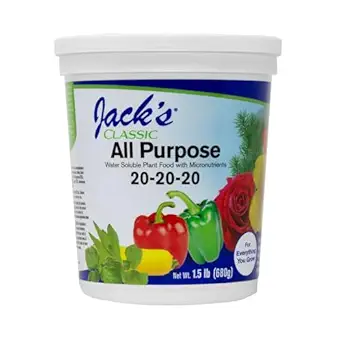 |
| Most Popular A crowd favorite that many people choose with confidence | Miracle-Gro Water Soluble All Purpose Plant Food, 3 lb |  |
| Best Seller A high-volume bestseller chosen again and again | Miracle-Gro Shake 'N Feed Flowering Trees & Shrubs Plant Food, 8 lb. |  |
Espoma Organic Tree-Tone 6-3-2 Organic Tree Fertilizer, 36 lb bag

| Item Form | Granules |
|---|---|
| Application Method | Granular spreading |
| Target Species | trees |
| Mixing Ratio | 1:0 |
Espoma Tree-Tone is a granular, ready-to-use organic fertilizer designed specifically for trees. You apply it by spreading around the root zone in spring and fall; because it is granular and contains natural ingredients plus a Bio-tone formula, it feeds gradually and improves soil biology rather than giving a sharp quick flush. The 6-3-2 NPK with 5% calcium suits long-term health for woody trees, helping root development and reducing nutrient shocks common with high-nitrogen synthetics. It is labeled for use on shade, fruit, and ornamental trees and is approved for organic gardening, which matters if you want to avoid synthetic inputs. Limitations are that the feed is medium coverage and slower acting, so it is not the best choice when a quick green-up is needed, and a 36 lb bag is comparatively heavy to handle for a single-use application. For performance-minded tree care, it favors steady, soil-building results over instant growth spurts.
Best for: Buyers who prioritize long-term tree health and soil-building for live oaks and other shade trees and who prefer organic, steady-release nutrition over fast-acting synthetics.
Less Ideal for: Gardeners who need a rapid foliage green-up or smaller-quantity, lightweight packaging for spot treatments should consider faster-acting or smaller-format products.
- Organic, natural ingredients that support soil biology and are approved for organic gardening
- Balanced 6-3-2 NPK with added calcium to support woody tree health and root development
- Ready-to-use granular form requires no mixing and is simple to apply around the root zone
- Medium coverage and slow-release action mean results appear gradually rather than immediately
- Large 36 lb bag can be cumbersome for single-person application
Verdict: Choose Espoma Tree-Tone when you want an organic, steady-release fertilizer that builds soil health and supports long-term vigor in live oak and other shade trees.
Miracle-Gro Water Soluble All Purpose Plant Food, 1.5 lb

| Item Form | Powder |
|---|---|
| Application Method | Watering Can |
| Target Species | For all flowers, vegetables, trees, shrubs and houseplants |
| Mixing Ratio | 24-8-16 |
Miracle-Gro Water Soluble All Purpose Plant Food is a powdered, water-soluble fertilizer formulated to deliver fast nutrition to a broad mix of plants. You mix the powder into a watering can or a garden feeder and apply every 1 to 2 weeks depending on whether plants are indoors or out. The 24-8-16 NPK ratio supplies a strong nitrogen boost for leafy growth along with phosphorus and potassium to support flowering and fruit set. For pepper growers this means it can help produce vigorous plants and encourage fruit development when used at the recommended strengths. Notable features include clear mixing guidance for both indoor and outdoor use and compatibility with container and in-ground plantings. Practical benefits are quick uptake by roots and flexible application options. Important limitations are the high nitrogen proportion, which can favor foliage over fruit if overused, and the need to follow dilution instructions to avoid nutrient burn. This product is best used as a regular boost within a balanced feeding plan rather than the only fertility source for long-term soil health.
Best for: Home gardeners looking for an affordable, easy-to-use boost to support vigorous pepper plant growth and quick results in both containers and garden beds.
Less Ideal for: Growers who want a low-nitrogen or slow-release fertility plan for long-term soil building should consider specialized or organic alternatives.
- Water-soluble powder that feeds plants quickly through the roots
- Clear mixing instructions for indoor and outdoor applications
- Broadly labeled for use on flowers, vegetables, trees, shrubs and houseplants
- Feeds approximately 600 sq. ft. from the 1.5 lb container
- High nitrogen ratio may encourage foliage more than fruit if used too frequently
Verdict: A budget-friendly, fast-acting soluble fertilizer that gives bell pepper plants a regular nitrogen-rich boost to promote vigorous growth and quicker results.
Scotts Evergreen, Flowering Tree & Shrub Continuous Release Plant Food

| Item Form | Powder |
|---|---|
| Application Method | Apply directly to soil |
| Coverage | Medium |
| Target Species | Evergreens, dogwoods, hydrangeas, magnolias, azaleas, camellias, rhododendrons |
This Scotts continuous-release plant food is designed for established magnolias, hydrangeas, azaleas and other acid-loving trees and shrubs. You apply the powder directly to the soil under the canopy, rake it into the top 1 to 3 inches, then water to start the slow-release feeding that lasts about two months. The formulation emphasizes steady nutrient availability to encourage vigorous root growth and lush foliage without the quick spikes that can stress woody shrubs. It is straightforward to use and sized for repeated applications through the growing season every two months. Limitations are that it is a general shrub formula rather than a magnolia-specific mix and coverage is described as medium, so larger trees will require multiple bags or repeated applications to treat the whole drip line. Also it is a granular/powder form so you must measure and distribute it evenly rather than using a liquid drench for quick correction of deficiencies.
Best for: Home gardeners on a budget who want a low-effort, periodic fertilizer to maintain established magnolia trees and similar acid-loving shrubs during the growing season.
Less Ideal for: People seeking a quick corrective treatment for nutrient deficiencies or a fertilizer tailored with a magnolia-specific N‑P‑K balance for intensive bloom or fruiting goals.
- Continuous-release formula feeds for up to two months reducing application frequency
- Formulated for acid-loving trees and shrubs common to magnolia care
- Easy application: apply from bag, rake into topsoil and water in
- Promotes root growth and fuller foliage suitable for woody ornamentals
- Coverage rated as medium so larger magnolias may need additional product to treat full canopy
Verdict: A simple, budget-friendly slow-release shrub fertilizer that keeps magnolias fed with minimal effort every two months.
Jack's Classic 20-20-20 All Purpose Water-Soluble Fertilizer (24 oz)

| Item Form | Powder |
|---|---|
| Specific Uses For Product | Plant Growth |
| Coverage | All |
| Mixing Ratio | 0.22 |
Jack's Classic 20-20-20 is a professional‑grade, water‑soluble powder fertilizer intended for general feeding of indoor and outdoor plants. You dissolve the measured spoonfuls in water and apply as a root drench or foliar spray every 7 to 14 days, or use weaker mixes for seedlings and cuttings. The even 20-20-20 NPK formula promotes quick green‑up and leaf expansion, while included micronutrients support overall plant health. Because it is a powder concentrate, a small tub makes multiple gallons of feed, which is convenient for regular maintenance across beds, containers, and ornamentals. The product ships with a measuring spoon and clear directions, so it is easy to dose consistently. Limitations to note are that it is a generalist formula rather than crop‑specific booster, so plants with specialized needs may do better with targeted blends, and it requires careful handling and dilution to avoid overfeeding. Protective handling is recommended since the powder can irritate skin and eyes.
Best for: Gardeners who want a reliable, easy-to-use all‑around fertilizer for regular maintenance of outdoor beds, containers, and ornamentals and who value predictable, balanced nutrition.
Less Ideal for: Growers seeking a specialized bloom booster or a fertilizer tailored to a single crop should choose a targeted formula instead.
- Balanced 20-20-20 NPK supports fast green-up and leaf growth across many plant types
- Water‑soluble powder stretches farther than comparable liquid feeds so one tub makes multiple gallons
- Usable as both foliar spray and root feed for flexible application
- Includes measuring spoon and clear mixing directions for consistent dosing
- Added micronutrients reduce need for separate supplements
- General all-purpose formula is not optimized for bloom or fruit boosting
- Requires accurate measuring and dilution to avoid fertilizer burn
Verdict: A straightforward, professional‑grade balanced fertilizer that delivers reliable, easy-to-dose nutrition for maintaining healthy outdoor plants.
Miracle-Gro Water Soluble All Purpose Plant Food, 3 lb

| Item Form | Powder |
|---|---|
| Application Method | Mix with water in a watering can |
| Fertilizer Analysis (N‑P‑K) | 24-8-16 |
| Unit Count | 48 Ounce |
| Coverage | Feeds approximately 1,200 sq. ft. |
Miracle‑Gro Water Soluble All Purpose Plant Food is a powdered NPK 24‑8‑16 formula that dissolves in water to give plants a quick nutrient boost. You mix measured scoops into a watering can and apply to the soil at the base of plants every 7–14 days for outdoor use or every 14 days for houseplants. Notable features include a high nitrogen content for leafy growth, compatibility with containers and in‑ground beds, and guidance for use with a Miracle‑Gro Garden Feeder for larger areas. In practical terms this is a fast‑acting feed that encourages bigger, greener foliage and works well in regular maintenance of perennials like hostas. Limitations are that it is a fast‑release fertilizer rather than a slow‑release option, so it requires regular reapplication and careful measuring to avoid overfeeding. Also, the 24‑8‑16 balance is geared toward vegetative growth, so it is not optimized if you want to prioritize flowering or bloom boosting.
Best for: Buyers who want a reliable, fast‑acting feed to maintain lush, leafy perennials and container plants and who value proven products with broad user endorsement.
Less Ideal for: Gardeners seeking a single, long‑lasting granular fertilizer or a bloom‑focused formula should consider alternative slow‑release or high‑phosphorus products.
- Water‑soluble powder mixes easily for quick uptake by roots
- High nitrogen formula promotes robust leafy growth ideal for shade plants
- Clear mixing and application instructions for both indoor and outdoor use
- Suitable for containers and in‑ground gardens and compatible with garden feeders
- Requires frequent applications so it is not a low‑maintenance, slow‑release option
- High nitrogen ratio is less suitable when the primary goal is more flowers than foliage
Verdict: A fast‑acting, water‑soluble fertilizer that reliably produces bigger, greener hosta leaves when used as directed.
Miracle-Gro Shake 'N Feed Flowering Trees & Shrubs Plant Food, 8 lb.

| Item Form | Granules |
|---|---|
| Application Method | shake evenly onto the soil |
| Target Species | flowering trees, shrubs and other acid-loving plants |
| Mixing Ratio | 18:6:12 |
| Unit Count | 128 Ounce |
Miracle-Gro Shake 'N Feed Flowering Trees & Shrubs is a granular, slow-release fertilizer designed to support flowering shrubs and acid-loving plants over an extended period. You apply it by shaking the granules evenly onto the soil under the branch spread or working it into potting mix for containers, then watering to activate the nutrients. The formula lists an 18-6-12 N-P-K ratio and includes organic-derived inputs such as kelp, feather meal, bone meal and earthworm castings to help feed soil microbes and support root development. Practically, that means less frequent feeding and improved foliage and bloom quality across a season—Miracle-Gro recommends reapplying every three months. It works for both in-ground and container plantings and covers a medium area per bag. Limitations are that it is a general-purpose shrub formula tuned for acid-loving species so it is not a precision fertilizer for nutrient-deficient soils and you still need to avoid contact with trunks and foliage when applying. For best results monitor soil pH and follow labeled application rates for newly planted versus established shrubs.
Best for: Gardeners who want a low-effort, season-long feed for flowering shrubs like forsythia and prefer a product that supports soil health without frequent reapplication.
Less Ideal for: Growers who need a precise corrective fertilizer for diagnosed nutrient deficiencies or who maintain shrubs that prefer neutral to alkaline soils.
- Continuous-release granules feed plants for up to three months reducing application frequency
- Contains organic inputs like kelp and earthworm castings to support soil microbes and root health
- Clear application method for both in-ground and container plants makes it easy to use
- Higher nitrogen ratio (18-6-12) promotes lush foliage and supports flowering season-long
- Not a targeted corrective fertilizer for specific mineral deficiencies
- Designed for acid-loving plants so less suitable for neutral or alkaline-preferring shrubs
Verdict: Use this to give forsythia and other acid-loving shrubs an easy, three-month continuous feeding that boosts foliage and blooms with minimal effort.
Choosing the Right Fertilizer for Photinia: Key Factors to Consider
Nutrient Balance and N-P-K Ratio
Photinia benefits from a fertilizer with a modest-to-moderate nitrogen level to support leaf production without forcing overly soft growth. A balanced N-P-K ratio tuned toward foliage development is ideal because excess phosphorus rarely helps established shrubs and can reduce uptake of other nutrients.
Understanding the N-P-K numbers helps you choose whether to use a maintenance feed or a corrective formula. If soil tests show low potassium or phosphorus you might adjust, but most plantings do best with a steady, slightly nitrogen-biased feed that supports the glossy red new leaves Photinia is known for.
Micronutrients and Iron Availability
Iron and other micronutrients like manganese and zinc affect leaf color and overall health. Photinia commonly shows interveinal yellowing when iron is scarce, especially in alkaline soils. Choosing a fertilizer that supplies chelated iron or a labeled source of available iron helps prevent or correct chlorosis.
Micronutrients are often present in small amounts, so look for products that state the form of iron and include a suite of micronutrients if your soil tends to be deficient. Foliar feeding can be a short-term fix, but a fertilizer with micronutrients provides season-long support when incorporated into a regular feeding plan.
Release Pattern and Timing
How quickly nutrients become available changes growth behavior. Slow-release or controlled-release fertilizers provide a steady supply and reduce the risk of leaf scorch or a sudden growth surge that makes shrubs vulnerable to pests. Quick-release formulas are useful for rapid correction of deficiencies but require more frequent applications.
Consider your climate and planting maturity when choosing release type. In colder regions, slower release matched to the growing season reduces waste. In fast-growing spring flushes, a combination of slow-release base feeding with targeted quick corrections can balance immediate needs and long-term stability.
Application Method and Ease
Different fertilizers are applied in different ways: granular broadcast, banded around the root zone, water-soluble drench, or foliar sprays. Photinia responds well to banded feeds near the dripline and to light surface applications under mulch. Ease of measuring and applying affects whether you will maintain a regular schedule.
Choose products with clear dosage guidance for shrubs rather than lawns. Granule size, solubility, and how the product interacts with mulch or irrigation should fit your usual garden routine. If you prefer low-maintenance feeding, controlled-release granules or slow-release spikes reduce application frequency.
Soil Type and Leaching Potential
Sandy soils drain quickly and increase the risk of nutrient leaching, while heavy clay holds nutrients but may restrict root uptake. The fertilizer you choose should match your soil's drainage properties to avoid waste and environmental runoff.
Controlled-release and less soluble formulations reduce leaching risk in sandy sites. In clay soils, smaller, more frequent applications help prevent nutrient tie-up. Consider local rainfall patterns and irrigation frequency when deciding on product solubility and recommended application rate.
Plant Age and Growth Stage
Young Photinia plants have different needs than established hedges. Seedlings and recent transplants benefit from gentler, lower-strength feeds to encourage root development without promoting excessive top growth. Mature shrubs often tolerate and benefit from a standard maintenance rate that supports seasonal leaf renewal and flowering.
Adjust feeding frequency and strength to the growth stage. Heavy nitrogen in early establishment can divert energy away from roots, while insufficient feeding on mature plants can lead to sparse growth and poor color. Match fertilizer concentration and timing to whether you are establishing, maintaining, or correcting deficiencies.
Interpreting Soil Tests for Photinia
A soil test gives the clearest direction before you pick a fertilizer. Tests report pH and available nutrients, letting you choose a product with the right N-P-K and micronutrient profile rather than guessing.
If your soil is alkaline and iron is low, prioritize a fertilizer with chelated iron or plan a separate iron supplement. If nitrogen is already adequate, select a maintenance formula with lower nitrogen and attention to micronutrients to preserve leaf color.
- Bring samples from the root zone and avoid including mulch or top debris.
- Compare the test recommendations to the product label rather than relying solely on ratio numbers.
Timing Feeds Through the Year
Feed Photinia when the shrub is actively growing but avoid heavy feeds late in the season that encourage tender new growth before frost. Early spring and a light mid-summer top-up suit most climates.
Slow-release products often allow for a single spring application, while soluble feeds work for quick corrections but need repeating. Tailor timing to your climate and the shrub's growth rhythm.
- Avoid feeding during drought stress; water first and apply when the plant is actively transpiring.
- Stop high-nitrogen applications well before the first expected frost in colder areas.
Applying Fertilizer Safely
Measure doses carefully and stay within recommended rates to avoid foliar burn or root damage. For granular products, distribute evenly within the root zone and lightly work the material into topsoil or cover with mulch to prevent surface runoff.
For water-soluble feeds, apply at recommended dilution and avoid wetting foliage excessively when disease pressure is high. Rinse dosing equipment after use and store fertilizer in a cool, dry place away from children and pets.
- Apply banded feeds at or just beyond the dripline where most feeder roots are active.
- Water in granular applications to move nutrients into the root zone and reduce volatilization.
Combining Fertilizer With Mulch and Compost
Mulch and compost supply slow nutrient release and improve soil structure, which changes how much supplemental fertilizer Photinia needs. A thick compost layer can reduce required synthetic fertilizer rates.
When adding chemical fertilizers over composted beds, reduce the recommended rate slightly and time applications to avoid nutrient lock-up. Organic amendments can improve long-term micronutrient availability, while targeted fertilizers correct immediate deficiencies.
- Top-dress compost in fall and use a balanced fertilizer in spring for best seasonal results.
- Avoid applying fresh high-carbon amendments directly with fertilizers because they can temporarily immobilize nitrogen.
Recognizing Nutrient Deficiency Symptoms
Early detection of yellowing, stunted growth, or weak new leaves helps you target feeding. Interveinal chlorosis often indicates iron or manganese issues, while overall pale foliage can be a sign of low nitrogen.
Correct diagnosis matters because applying more nitrogen will not fix a micronutrient deficiency and may mask the underlying problem. Use visual cues together with soil tests for effective corrections.
- Look for pattern differences: edge yellowing can indicate potassium issues, while uniform paleness suggests nitrogen shortage.
- Treat micronutrient deficiencies with chelated products or foliar sprays for quicker correction when needed.
How We Chose the Best Fertilizer for Photinia
We started by focusing on fertilizers that address the common needs of Photinia: balanced nitrogen for leaf production, available iron and micronutrients to prevent chlorosis, and a release pattern that supports steady growth without sudden flushes. We prioritized formulas with a clear N-P-K ratio and labeled micronutrient content so gardeners can match feed to soil test results or visible deficiency symptoms. Release mechanism was a key filter: slow-release and controlled-release options made the cut for steady feeding, while highly soluble quick-release products were only included where short-term correction is appropriate. Practical handling mattered too. We favored products with clear application instructions, suitable granule sizes for broadcast or localized banding, and options that integrate with common mulching and irrigation practices. Environmental considerations were applied: fertilizers with reduced leaching potential or with options for targeted application scored higher. Exclusions included products lacking nutrient breakdowns, those with ambiguous release claims, and fertilizers formulated exclusively for lawns or vegetables without guidance for woody shrubs. The final shortlist reflects nutrient balance, release control, ease of use, and gardener-relevant labeling.
FAQ
How often should I feed Photinia?
Frequency depends on the product. Slow-release fertilizers usually require one spring application, while soluble feeds need reapplication every 4 to 8 weeks during active growth. Adjust based on plant vigor and soil test results.
Can I use a general shrub fertilizer on Photinia?
Often yes. General shrub fertilizers with a balanced N-P-K and included micronutrients typically work well. Make sure the label provides guidance for woody ornamentals and check for iron content if your soil is alkaline.
Will too much fertilizer harm Photinia?
Yes. Excessive nitrogen can produce weak, leggy growth and increase disease susceptibility, and overapplication of soluble salts can burn roots. Follow label rates and water in granular feeds to reduce risk.
Should I address iron deficiency with foliar sprays or soil fertilizer?
Foliar sprays give faster visible correction, especially in alkaline soils. For longer-term improvement, use a fertilizer that contains available or chelated iron and combine it with soil pH management if practical.
Is organic fertilizer effective for Photinia?
Organic options provide slow, steady nutrient release and improve soil structure over time. They can be effective for maintenance feeding, though they may release nutrients more slowly and in lower concentrations than synthetic controlled-release products.
How does soil pH affect feeding Photinia?
Soil pH influences nutrient availability, particularly iron. In alkaline soils, iron becomes less available and plants show chlorosis despite adequate iron in the soil. Lowering pH or using chelated iron in fertilizers helps address that problem.
Final Verdict
Choose a fertilizer for Photinia by prioritizing nutrient balance, micronutrient availability, and a release pattern that fits your climate and routine. Match the product to soil test results and plant age so you avoid overfeeding while correcting deficiencies. For most gardeners, a steady slow-release base feed supplemented with targeted micronutrient corrections gives the best combination of color, density, and long-term shrub health.
