

Note: This article contains affiliate links. If you click on these links and make a purchase, I may earn a small commission at no extra cost to you. This helps support my research and content. Read my full affiliate disclosure here.
A trenching garden spade does a specific job in the garden: cutting narrow, deep channels for irrigation tubing, planting bare-root hedging, or running wiring without destroying surrounding soil. Choosing the right trenching spade matters because a mismatched blade shape or a poor handle can make trenching slow, messy, and physically taxing. This guide covers seven shortlisted trenching garden spades that suit small to medium yards and tight planting lines. We evaluate each tool for blade geometry, steel quality, and handle ergonomics so you can pick a spade that leaves neat trenches and reduces back strain. Read on for the criteria we used and practical notes to help you choose the best fit for your soil and planting needs.
Top Picks at a Glance
| Best Overall The best all-around choice for most situations | HIGHLIGHT 56-Inch Trenching Shovel with 4-Inch V-Cut Blade and Fiberglass Handle |  |
| Best Quality Built to a higher standard if you want something more solid | Bully Tools 13" All-Steel D-Grip Spade (12-Gauge, Closed-Back) |  |
| Best Value The sweet spot between price and what you get | VNIMTI 4-Inch Trenching Shovel with Fiberglass Handle, 56 Inches |  |
| Best Budget The cheapest option that still gets the job done reliably | DIOVPLX V‑Shaped Trenching Shovel with Adjustable Extension Handle |  |
| Highest Rated A top-rated pick with lots of positive feedback | Root Slayer Garden Shovel with Serrated V-Tip |  |
| Most Popular A crowd favorite that many people choose with confidence | HANTOP Sharp-Blade Fiberglass-Handle Garden Spade |  |
| Best Seller A high-volume bestseller chosen again and again | Root Slayer RS220 Heavy Duty Garden Shovel with Serrated Blade |  |
HIGHLIGHT 56-Inch Trenching Shovel with 4-Inch V-Cut Blade and Fiberglass Handle

| Blade Material | Carbon Steel |
|---|---|
| Handle Material | Fiberglass |
| Item Weight | 3.7 pounds |
| Item Dimensions | 4 x 4 x 56 inches |
| Grip Type | Fiberglass |
This HIGHLIGHT trenching shovel is built for precise digging tasks like irrigation trenches, landscape edging, and transplanting. The narrow 4-inch V-cut carbon steel blade slices through compacted soil, clay, and roots without over-digging, while the reinforced shank helps the blade resist bending on tougher ground. The 56-inch ergonomic fiberglass handle keeps the user more upright to reduce back strain and absorbs shock better than a wooden shaft, and the D-grip offers a secure hold when wearing gloves. In practice the tool excels at creating clean, narrow channels in lawns or beds and at cutting roots during transplanting; the long handle and step plate let you use body weight for leverage on stubborn soil. Expect a professional, durable feel but plan to maintain the blade edge if you encounter rocks frequently. The tool is specialized for trenching-style work rather than moving large volumes of loose soil, so it complements rather than replaces a standard round-point shovel for general digging or scooping jobs.
Best for: Gardeners who want a reliable, specialist trenching tool to make neat irrigation lines, edging, and transplanting easier while reducing back strain during extended work.
Less Ideal for: If your main tasks are bulk digging, filling, or moving large amounts of soil you should consider a standard round-point or scoop shovel instead.
- 4-inch V-cut carbon steel blade for precise, narrow trenches and cleaner cuts through roots
- Reinforced shank and forged steel construction for heavy-duty use and durability
- 56-inch ergonomic fiberglass handle reduces back strain and adds leverage
- Fiberglass handle is lightweight, shock-absorbing, and weather-resistant
- D-grip provides a secure hold even with gloves on
- Narrow blade is not suited for moving large volumes of loose soil or bulk scooping
- Blade edge will need periodic sharpening if used frequently on rocky ground
Verdict: Buy this shovel if you need a durable, long-handled trenching tool that cuts precise narrow channels and reduces back strain during irrigation, edging, and transplant work.
Bully Tools 13" All-Steel D-Grip Spade (12-Gauge, Closed-Back)
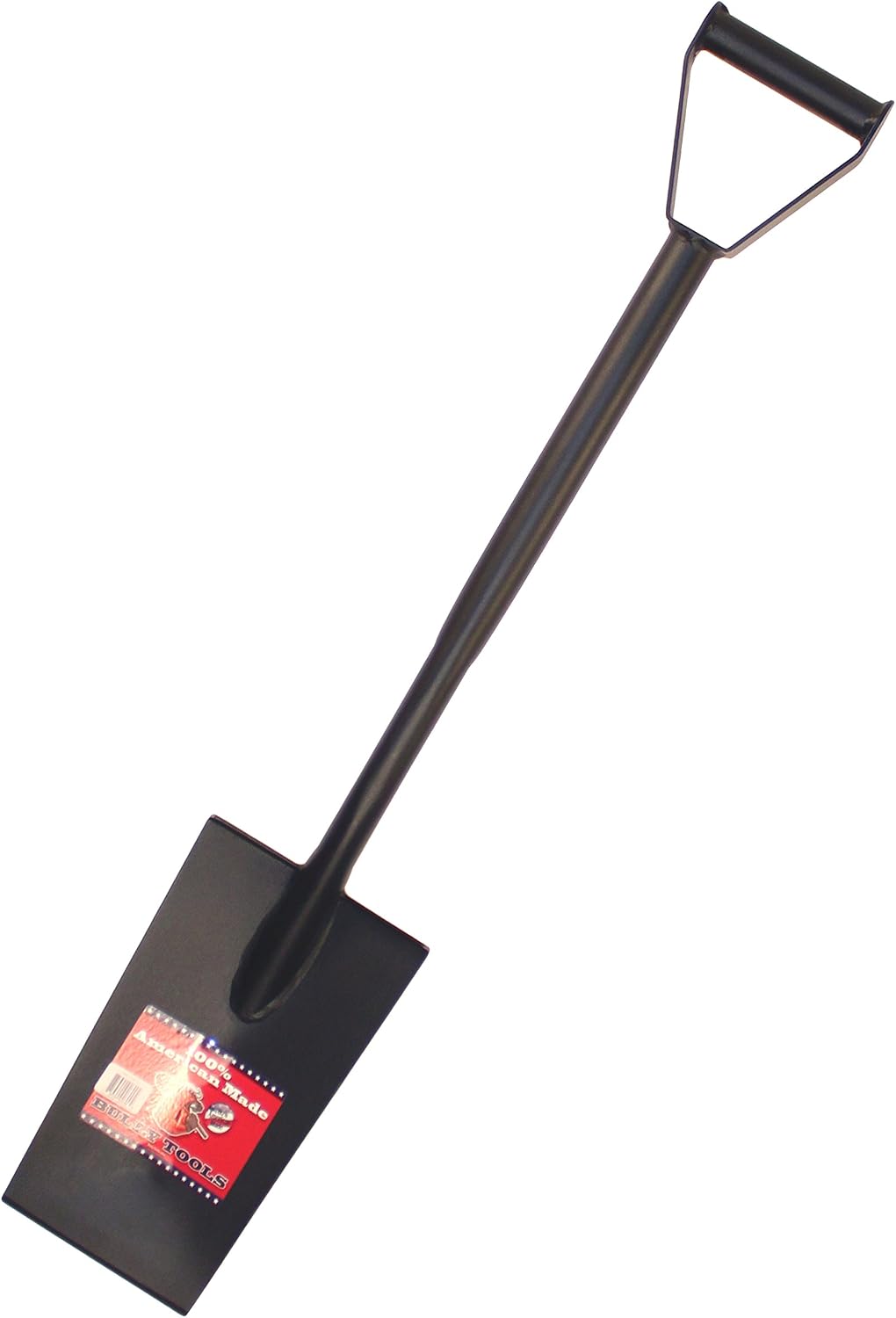
| Blade gauge | 12 |
|---|---|
| Handle material | Fiberglass |
| Blade material | Alloy Steel |
| Grip type | Ergonomic D-grip |
This Bully Tools spade is designed for hard use where durability and clean digging matter. The 12-gauge alloy steel blade and closed-back construction make it rigid under lateral stress and prevent soil from packing into the head, so you can trench and dig repeatedly without stopping to clear debris. The all-steel build with a reinforced D-grip offers strong leverage for prying roots and cutting into compacted soils, while the ergonomic polypropylene grip reduces hand fatigue during long shifts. Practical benefits include precise vertical cuts for trenching and planting and a powder-coated finish that helps resist rust in typical garden conditions. The all-steel handle gives the tool exceptional longevity compared with wood-handled models, but it also means the tool is heavier and transmits more vibration to the hands than cushioned or wooden options. If you need a spade that stands up to professional use and frequent, aggressive digging, this model delivers the strength and clean digging performance to match.
Best for: Gardeners and landscape professionals who prioritize durability and powerful digging performance for frequent trenching, planting, and tough soil work.
Less Ideal for: Casual gardeners, seniors, or anyone who needs a lightweight, low-vibration spade for occasional light digging.
- 12-gauge alloy steel blade and closed-back design for high structural strength and debris-free digging
- All-steel construction from blade to handle built for heavy professional use and long service life
- Redesigned D-grip offers good leverage and ergonomic control for trenching and vertical digging
- Powder-coated finish helps resist rust and extends tool life in typical garden conditions
- Heavier all-steel construction increases user fatigue compared with lighter wood or fiberglass-handled spades
- Rigid metal handle transmits more vibration to the hands than cushioned alternatives
Verdict: Choose this spade when you need a rugged, no-nonsense tool built for heavy-duty trenching and repeated professional digging.
VNIMTI 4-Inch Trenching Shovel with Fiberglass Handle, 56 Inches
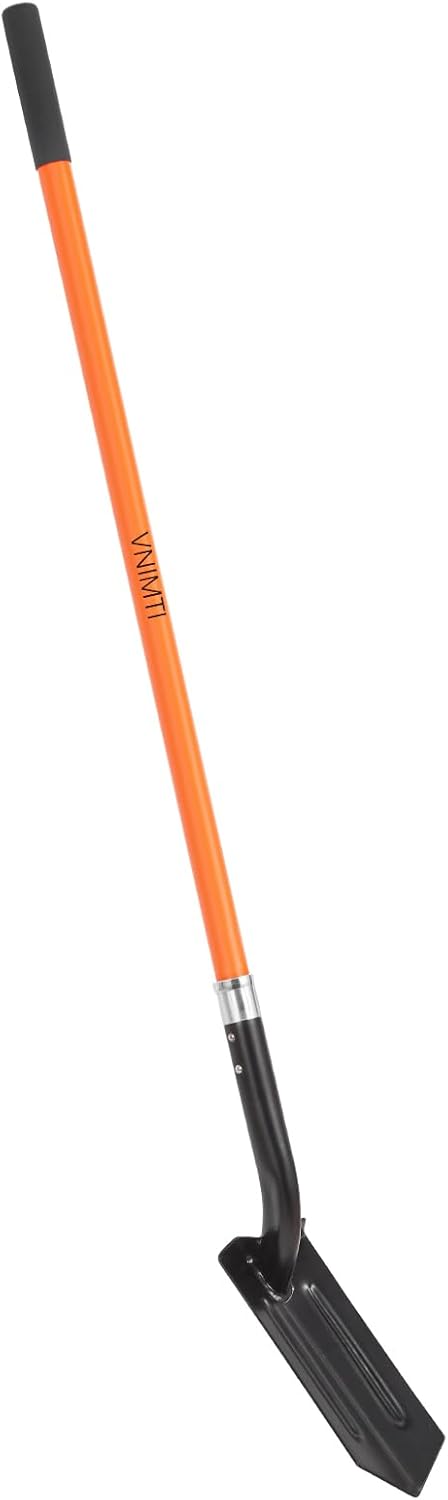
| Material Type | Fiberglass, High Carbon Steel |
|---|---|
| Handle Material | Fiberglass |
| Blade Material | Alloy Steel |
| Grip Type | Ergonomic |
This VNIMTI trenching shovel is built for digging narrow trenches and transplanting small shrubs where precision matters. The 4-inch V-shaped alloy steel blade concentrates force for clean, straight trenches and the high carbon steel construction should hold up to regular garden use. A 56-inch fiberglass handle keeps your back more upright while digging and includes an ergonomic non-slip grip area that helps control the tool even when wet. Typical uses are laying drip irrigation, edging beds, planting bulbs in rows, and cutting through compacted topsoil. The tool balances durability with a lighter handle material, so it is easier to manoeuvre for prolonged jobs than an all-steel shaft. Limitations are its narrow blade, which is ideal for trenches but makes moving large volumes of soil slower, and the fiberglass handle can transmit more vibration than a shock-absorbing grip on premium models. For straightforward trenching tasks this shovel offers a sensible mix of precision, reach, and durability.
Best for: Gardeners who prioritize efficient, accurate trenching and want a practical, lower-effort tool for installing irrigation, edging, or planting bulbs without heavy-duty excavation.
Less Ideal for: Not the best choice for users who need to move large volumes of soil, dig wide holes, or require a heavy-duty construction-grade spade for rockier ground.
- 4-inch V-shaped alloy steel blade designed for precise, narrow trenching
- 56-inch fiberglass handle reduces bending and helps protect the lower back
- Ergonomic non-slip grip area improves control in wet conditions
- High carbon steel blade material for durability in regular garden use
- Narrow blade moves less soil per pass, so larger excavations take longer
- Fiberglass handle gives less vibration damping than some premium handles
Verdict: A practical, long‑handled trenching shovel that delivers precise narrow trenches and reduced back strain for routine garden trenching tasks.
DIOVPLX V‑Shaped Trenching Shovel with Adjustable Extension Handle

| Handle Material | Metal |
|---|---|
| Blade Material | Stainless Steel |
| Number of Items | 1 |
| Model Number | TQC01 |
This DIOVPLX V‑shaped trenching shovel is built for narrow, precise digging tasks like irrigation trenches, lawn edging, and cable or pipe installation. The sharp V blade slices into compact soil, clay, and roots more effectively than a flat spade, which helps cut down effort and excess soil removal. The shovel breaks down into multiple screw‑fastened sections so you can set a longer handle for less bending or shorten it for transport and storage. Stainless steel construction and reinforced joints aim to resist bending and corrosion under regular yard use. Practical benefits include easier trenching with reduced fatigue and the convenience of a collapsible tool for projects that require moving between sites. Limitations are that the metal handle lacks cushioning for shock absorption and the sectional screws may need periodic tightening; the design also prioritizes trenching over bulk digging, so it is not the fastest choice for moving large volumes of soil.
Best for: Buyers who want an affordable, no‑frills trenching tool for irrigation, drainage, or landscape edging and appreciate a compact, adjustable design for storage and transport.
Less Ideal for: Gardeners who need a padded, single‑piece handle for heavy continuous digging or those who frequently move very large volumes of soil should consider a dedicated bulk‑digging spade instead.
- V‑shaped stainless steel blade designed for clean, narrow trenches and edging
- Adjustable multi‑section handle reduces back strain and packs down for transport
- Reinforced screw‑fastened joints increase stability during digging
- Stainless steel materials offer corrosion resistance for outdoor use
- Metal handle has no built‑in padding or vibration dampening
- Sectional connections require occasional tightening and inspection
Verdict: A budget‑minded, adjustable stainless steel trenching shovel that makes precise narrow trenches and edging much easier while packing down for storage.
Root Slayer Garden Shovel with Serrated V-Tip

| Blade Material | Carbon Steel |
|---|---|
| Handle Material | Carbon Steel |
| Blade Length | 13 inches |
| Grip Type | Ergonomic |
The Root Slayer is a purpose-built digging shovel that combines a sharpened inverted-V tip, sawtooth edges, and a sturdy carbon steel blade so you can cut through roots and packed soil without switching tools. In use it functions as a spade, root saw, and hatchet for tasks like digging planting holes, removing stubborn grasses, and trenching in clay or compacted ground. The resin-encased steel shaft and ergonomic O-handle give good leverage and a comfortable grip during repeated digs, while the powder-coated carbon steel resists rust and holds up to heavy garden work. Because the blade focuses force on a narrow point it penetrates hard-packed areas more easily than a flat shovel, and the serrated sides let you slice roots instead of yanking them. Expect a robust, long-lasting tool suited to regular backyard landscaping, but be mindful it is built for cutting and digging rather than prying or levering large stones, and the heavier construction adds noticeable weight compared with lightweight trowels or fiberglass-handled alternatives.
Best for: Gardeners who need a single robust tool for digging in compacted soil and cutting roots while valuing proven design and positive user feedback.
Less Ideal for: If you mainly need a lightweight transplanting trowel, long-handled pry tool, or a shovel for moving large volumes of loose material, this specialized root-cutting shovel is not the best match.
- V-shaped sharpened tip concentrates force to penetrate compacted soil and break through roots
- Serrated blade edges allow cutting through roots without switching tools
- Powder-coated carbon steel blade offers durability and rust resistance for repeated outdoor use
- Ergonomic O-handle and resin-encased steel shaft provide good leverage and a comfortable grip
- Heavier construction makes it less convenient for prolonged overhead or fine-detail tasks
- Not designed for heavy prying or levering large rocks
Verdict: Buy this if you want a durable, root-cutting shovel that makes digging holes in compacted soil and slicing roots significantly easier than a standard spade.
HANTOP Sharp-Blade Fiberglass-Handle Garden Spade

| Blade Material | Alloy Steel (1050MN) |
|---|---|
| Handle Material | Fiberglass |
| Grip Type | Ergonomic D-shaped PP |
| Item Weight | 4.5 pounds |
This HANTOP spade is built for typical backyard digging tasks where leverage and blade strength matter. The tempered 1050MN alloy steel head has a serrated edge that helps penetrate compacted or clay soils, while the wide footplate and wave-pattern embossing give a secure place to plant your foot for stronger downward force. The fiberglass shaft and metal ring with multiple rivets aim to keep the head secure under repeated use, and the D-shaped PP gripper provides a comfortable hold for levering and edging. In practice the spade works well for digging trenches, transplanting, cutting turf and moving compost; the sawtooth blade makes initial breaks in hard ground easier than a smooth lip. Expect a solid, somewhat heavier tool that trades lightness for durability. If you need a lightweight tool for frequent shoulder-level work or a specialist narrow-root saw, this broader, sturdier spade is less suitable. For buyers who value a robust, long-wearing digging tool with good foot control, this performs reliably.
Best for: Gardeners who want a durable, workhorse spade for regular digging, edging and turf cutting and who prioritize tool longevity and confident footing over minimal weight.
Less Ideal for: People seeking an ultralight or highly specialized root-saw tool for frequent precision work or long-duration carrying should consider lighter or narrower alternatives.
- Tempered 1050MN alloy steel head with sawtooth edge for easier penetration of compacted soil
- Fiberglass handle and metal ring with rivets designed to resist breakage and corrosion
- Wide, non-slip footplate with embossing for secure footing and better leverage
- Ergonomic D-shaped PP grip for comfortable handling during digging and edging
- Relatively heavy for prolonged overhead or one-handed tasks
- Broad square-point blade is less effective for very narrow or precision root work
Verdict: A robust, heavy-duty spade that gives reliable penetration and strong foot leverage for everyday digging and edging tasks.
Root Slayer RS220 Heavy Duty Garden Shovel with Serrated Blade

| Material Type | Alloy Steel |
|---|---|
| Handle Material | Alloy Steel |
| Blade Material | Alloy Steel |
| Grip Type | Ergonomic |
The Root Slayer RS220 is a stout digging shovel built for heavy garden and landscaping chores where roots and compacted ground are common. Its serrated, V-shaped tip and sharpened inverted edge let you slice through roots and penetrate hard soil more easily than a standard rounded blade. The powder-coated alloy steel head and full steel shaft add durability for repeated use, while the reinforced O-handle and ergonomic lower grip improve control and reduce wrist strain when levering the blade. Typical uses include digging planting holes, removing root balls, and breaking through compacted trenches. Because it is purpose-built to bite and cut, it can replace multiple tools for tough ground work, saving time on jobs that would otherwise require saws or extra digging tools. Important limitations are its heavier, all-steel construction and aggressive blade profile, which make it less suited to delicate transplanting or working in very soft raised beds where precision and a lighter touch matter.
Best for: A cautious buyer who wants a dependable, heavy-duty shovel that will handle root-filled and compacted ground without failing; great for homeowners who prioritize durability and straightforward performance for outdoor digging tasks.
Less Ideal for: Not a good fit for gardeners who need a lightweight tool for precise planting or frequent long-duration digging where reduced tool weight is the top priority.
- Serrated V-shaped tip slices through roots and compacted soil for faster digging
- Powder-coated alloy steel blade resists rust and stands up to heavy use
- Full steel shaft and reinforced O-handle increase strength and leverage for tough jobs
- Ergonomic lower grip and larger forward foot step improve control and reduce hand and wrist strain
- All-steel construction is heavier than fiberglass-shaft alternatives, which can cause fatigue on long jobs
- Aggressive serrated blade is not ideal for delicate transplanting or fine soil work
Verdict: Choose this shovel when you want a durable, root-cutting tool that reliably handles tough, compacted ground.
Choosing the Right Trenching Garden Spade: Key Factors to Consider
Blade Shape and Width
The blade profile determines the trench width and how cleanly the soil is cut. A narrow, tapered blade creates a slim trench ideal for irrigation tubing or planting bare-root hedges, while a slightly wider blade can move more soil per pass but may disrupt adjacent beds.
Blade tip shape matters too. A pointed tip penetrates compacted or rocky soils more easily, while a squared or rounded tip helps form uniform trench walls. Consider how tight your trench needs to be and whether you will be cutting through roots or sod when choosing the blade geometry.
Blade Steel and Heat Treatment
Steel composition and heat treatment affect how long the edge stays sharp and how resistant the blade is to bending. Hardened steel that still retains some toughness will hold an edge for repeated trenching without chipping, but overly brittle metal can crack when hitting stones.
Think about the typical soil in your yard. Rocky or gritty soils demand tougher, well-treated steel, while light loam is less demanding. A blade that can be easily re-sharpened on a file or grinder is often more durable in the long run than a thinner stamped blade that dulls quickly.
Handle Length and Ergonomics
Handle length affects reach and leverage. A longer shaft reduces how much you need to bend, which helps your back during long runs, but it can reduce control in tight spaces. D-handle or T-handle grips provide different leverage points-D-grips are good for two-handed shoves, while long straight shafts with a top cap let you step on the blade for extra force.
Grip material, diameter, and any shock-absorbing features influence comfort. A handle that feels secure and minimizes vibration helps prevent blisters and hand fatigue when cutting continuous trenches.
Head-to-Shaft Construction
How the blade attaches to the shaft determines long-term durability. A forged head with a full tang or a well-reinforced socket reduces the chance of the head loosening or the shaft separating under stress. Welding quality and rivet placement matter in frequent-use tools.
Gardeners who trench through rooty or compacted ground should look for robust connections and avoid designs with thin, welded sockets that can deform over time.
Weight, Balance, and Handling
A trenching spade must be heavy enough to drive smoothly into soil but light enough to handle repeatedly without tiring you out. Balanced weight distribution between head and shaft helps the blade bite without excessive downward force from your hands.
Consider how many linear feet you typically trench. For short jobs, a slightly heavier, sturdier tool may be fine. For long irrigation runs, a lighter, well-balanced spade will reduce fatigue and speed work.
Best Trenching Techniques for Clean Results
Start each run by marking the trench line with string or a hose so you maintain a straight path. Make a shallow guide cut along the line on your first pass to set trench depth and alignment before digging deeper.
Use your body weight and step carefully onto the top edge of the blade for compacted surfaces, then remove loosened soil with successive short passes rather than trying to lift a full-width section at once. Backfill and tamp sections as you go to prevent excess collapse and to keep trench walls tidy.
- Mark a clear line to maintain straight trenches
- Make a shallow guide cut before full-depth passes
- Step on the blade tip for added penetration in compact soil
- Remove loose soil in stages to keep trench walls neat
Maintaining Your Trenching Spade
Keep the blade clean and dry after use to slow corrosion. Scrape away packed clay and rinse gritty soils, then dry thoroughly. A light coat of oil on the metal after cleaning helps prevent rust.
Sharpen the cutting edge periodically with a file or grinder. Follow the original bevel and take small passes to maintain a consistent edge angle. Replace or repair handles showing deep cracks or severe wear to avoid failure while digging.
- Remove packed soil and dry the blade after each use
- Oil the metal surface lightly to prevent rust
- Sharpen edges with a file, following the factory bevel
- Inspect the handle and head connection for wear
Soil Types and Trenching Strategy
Sandy soils require less downward force and a narrower blade tends to work faster because it removes less material per pass. In these soils, focus on controlling collapse by trenching to a consistent depth and backfilling quickly.
Clay and compacted soils need a stronger, pointed blade and sometimes a sharper edge. Take shallower passes to avoid smearing the trench walls. If you encounter many roots or stones, make multiple short cuts to wear the edge gradually rather than forcing the blade through.
- Sandy soils: faster, shallower passes and prompt backfill
- Clay soils: pointed blades, shallower repeated cuts
- Rocky or root-filled ground: multiple short cuts to protect the edge
Ergonomic Tips to Reduce Strain
Switch hands periodically and take short breaks during long trenching runs to avoid repetitive strain. Use your legs and weight to drive the blade instead of relying only on arm strength.
If your back is sensitive, choose a longer-handled spade to limit forward bending. Pair the spade with knee protection when working at low depths to reduce cumulative stress on lower joints.
- Use body weight and leg drive rather than arm power
- Alternate hands and take frequent short breaks
- Consider a longer shaft if you have back issues
- Use knee pads for low trenching work
How We Chose the Best Trenching Garden Spade
We prioritized features that directly affect trenching performance and user comfort in real garden conditions. Key evaluation criteria included blade shape and width for cutting a narrow clean trench, blade steel grade and heat treatment for durability and edge retention, shaft length and handle shape for leverage and reach, and overall weight and balance to limit fatigue during repeated trench runs. We also considered socket and tang construction for long-term durability and how easily the blade penetrates compacted or root-laced soils. Tools that required excessive force, had flimsy head-to-shaft joins, or used thin stamped steel without reinforcement were excluded. We gave extra weight to spades that offer a useful compromise between a narrow cutting profile and a slightly beveled edge that slices roots. Products in the shortlist were chosen because they match those performance dimensions and suit gardeners who need neat, consistent trenches for irrigation, edging, or planting lines.
FAQ
How deep should a trenching garden spade cut for irrigation tubing?
Depth depends on tubing type and local frost depth, but most irrigation lines are laid 4 to 12 inches deep. A trenching spade with a narrow blade can set a consistent small-depth channel; measure and mark the desired depth on the blade or use a temporary depth guide.
Can I use a trenching spade in rocky soil?
You can, but expect slower progress and more wear. Choose a pointed, tougher steel blade and take multiple short cuts. Avoid forcing the blade through large stones to prevent edge chipping or bending.
Is a longer handle always better for trenching?
Longer handles reduce bending and can ease back strain, but they can reduce control in tight spaces. Choose a length that balances reach with maneuverability for the typical trenches you dig.
How often should I sharpen a trenching spade?
Frequency depends on soil conditions and use. In sandy, loose soils you may only need seasonal sharpening. In gritty or root-filled soils sharpen more often to maintain a clean cutting edge and reduce the force required per pass.
What is the best way to attach irrigation tubing after trenching?
Lay the tubing in the trench on a flat consistent bed, avoid kinks, and backfill with fine soil to protect the tubing from sharp stones. Compact the backfill gently to maintain trench shape and prevent air pockets around the line.
Final Verdict
A good trenching garden spade balances a narrow, well-shaped blade with sturdy steel and a handle that suits your reach and comfort needs. Prioritize blade geometry and steel treatment if you trench in compacted or rooty soils, and favor handle length and overall balance when you have long irrigation runs to dig. Keep the tool sharp, well-maintained, and matched to your soil type to get tidy trenches with less effort. With those tradeoffs in mind, pick the spade that best fits your typical trench depth, soil conditions, and physical comfort requirements.
