

Note: This article contains affiliate links. If you click on these links and make a purchase, I may earn a small commission at no extra cost to you. This helps support my research and content. Read my full affiliate disclosure here.
If you have a north-facing room, a hallway with small windows, or a shaded apartment balcony, the right low indirect light plants make the difference between a green space and a struggling one. These plants are selected for their ability to photosynthesize under low, filtered light while still offering attractive foliage and manageable care. This guide covers seven top picks that perform well in dimmer domestic and office settings. We shortlisted options that balance reliable low-light growth with straightforward watering and pest resilience. Below you will find practical notes on care, decision criteria used in selection, and common questions to help you pick the best plant for your specific spot.
Top Picks at a Glance
| Best Overall The best all-around choice for most situations | Thorsen's Greenhouse Live Peace Lily (4" Grower Pot) |  |
| Best Quality Built to a higher standard if you want something more solid | Plants for Pets Marble Queen Pothos in 4" Nursery Pot |  |
| Best Value The sweet spot between price and what you get | Altman Plants Snake Plant (Laurentii) in 4 in Grower Pot |  |
| Best Budget The cheapest option that still gets the job done reliably | Fleshy Flora 4" Live Golden Snake Plant (Sansevieria) |  |
| Highest Rated A top-rated pick with lots of positive feedback | Janet Craig Compacta Dracaena (Live, 4" Pot) |  |
| Most Popular A crowd favorite that many people choose with confidence | Costa Farms Snake Plant 3-Pack (Live Indoor Plants, 8–12 in, in Grower Pots) |  |
| Best Seller A high-volume bestseller chosen again and again | Costa Farms Golden Pothos Live Indoor Trailing Vine (Medium) |  |
Thorsen's Greenhouse Live Peace Lily (4" Grower Pot)

| Indoor Outdoor Usage | Indoor |
|---|---|
| Other Special Features of the Product | Air Purification, Extended Bloom Time, Fragrant, Low Maintenance, Shade Resistant |
| Expected Blooming Period | Spring |
| Sunlight Exposure | Partial Shade |
| Moisture Needs | Moderate Watering |
This live Peace Lily from Thorsen's Greenhouse is a compact, shade‑tolerant houseplant meant for indoor display in a 4" grower pot. It performs well in low to medium indirect light and is typically placed on shelves, tabletops, or in dim corners where other plants struggle. Notable features listed by the grower include air purification, extended bloom time, a sweet fragrance, and low maintenance care. In practice this means the plant is forgiving for busy households: water when the top inch of soil dries, mist for humidity to avoid browning leaf edges, and feed lightly in spring and summer. The included plastic growers pot has drainage, so repotting into a decorative container is straightforward. Expect variable appearance on arrival due to natural variation and possible shipping stress that may cause temporary wilting; allow an acclimation period. This size is best for beginning collectors or anyone wanting a small, attractive air‑cleaning plant for shaded indoor spots, but those wanting large dramatic specimens should plan to upgrade to a bigger pot as it grows.
Best for: Buyers who want an easy, attractive shade‑tolerant houseplant that cleans indoor air and fits small indoor spots without demanding daily care.
Less Ideal for: Gardeners seeking a large statement plant or an outdoor specimen should choose a larger nursery size or an outdoor‑hardy species instead.
- Performs well in low to medium indirect light suitable for shaded rooms
- Recognized air‑purifying plant that improves indoor air quality
- Compact 4" grower pot is easy to place on shelves or small tables
- Low maintenance care with clear watering and feeding guidance
- Small plant size may require repotting for long‑term display
- May show shipping stress or minor leaf damage on arrival
Verdict: A small, low‑maintenance Peace Lily that thrives in shaded indoor spots while providing air‑purifying benefits.
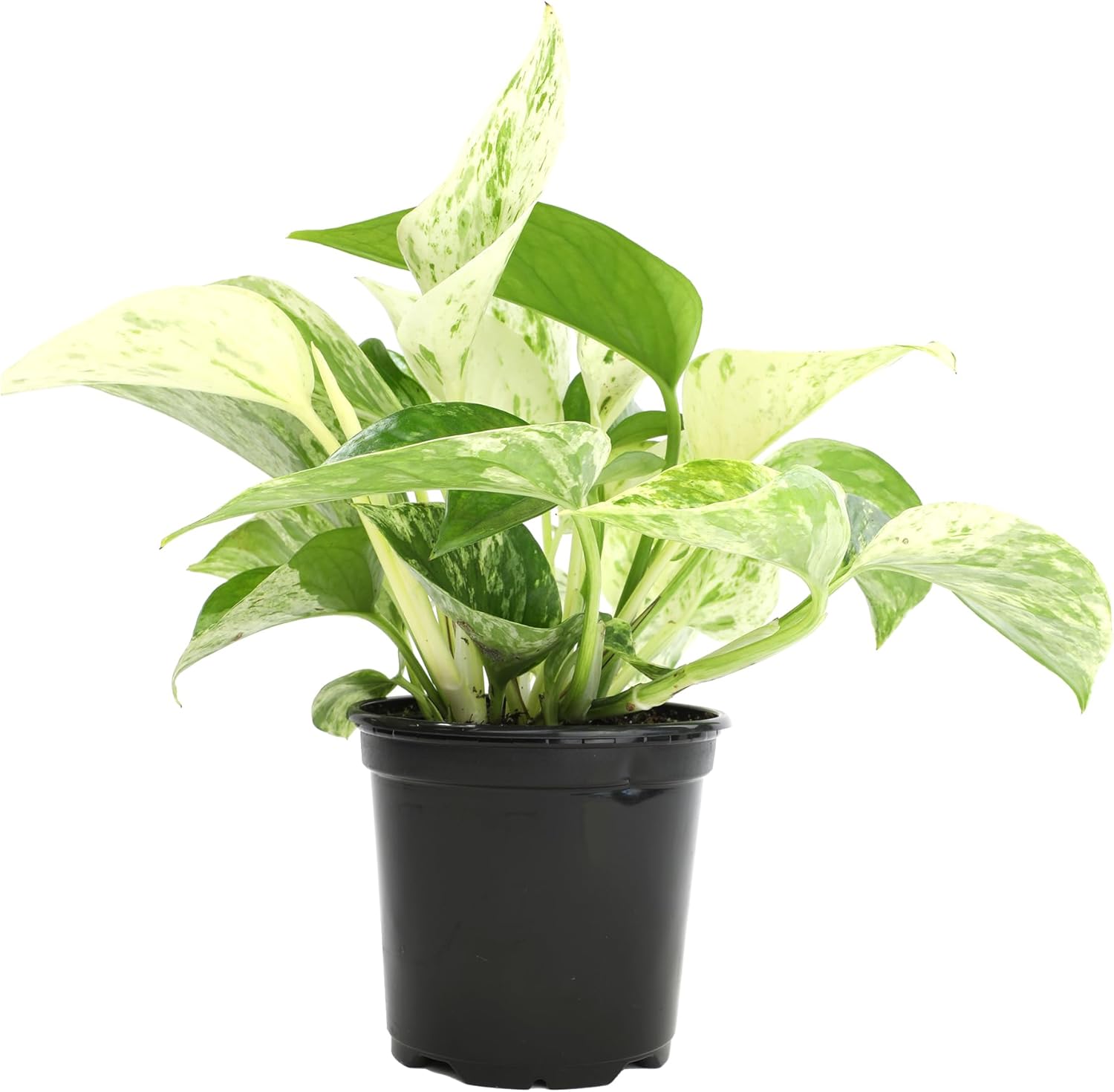
Plants for Pets Marble Queen Pothos in 4" Nursery Pot
| Indoor Outdoor Usage | Indoor |
|---|---|
| Other Special Features of the Product | Air Purification |
| Moisture Needs | Moderate Watering |
| Material Features | Natural |
The Marble Queen pothos is a compact, easy-care vining houseplant that arrives fully rooted in a 4" nursery pot and is suited for indoor spaces with limited light. Typical use is as a hanging plant, shelf specimen, or trailing accent where it can receive bright, indirect light or tolerate lower light levels. Notable features from the listing include variegated green-and-cream foliage, moderate watering needs, and an air-purifying benefit. Practically, this means the plant adds visual interest without demanding daily attention and recovers well if watering is occasionally missed, provided you avoid prolonged saturation that can cause root rot. It also responds to occasional feeding during spring and summer to keep new growth colorful. Limitations are its small nursery pot size on arrival, so taller or fuller displays will require repotting over time, and the plant is toxic to pets so it should be kept out of reach of cats and dogs. Buyers seeking a low-fuss, attractive trailing houseplant will find this an easy add to bedrooms, offices, and shaded living rooms.
Best for: Buyers who want an attractive, low-maintenance trailing houseplant for shaded rooms, shelves, or hanging displays and prefer a reliable plant that tolerates occasional care lapses.
Less Ideal for: People who need instant tall or full specimens without repotting or those who have curious pets that access plant foliage.
- Variegated, decorative foliage that brightens low-light spaces
- Tolerant of low to bright indirect light, making placement flexible
- Arrives fully rooted and ready to display in a nursery pot
- Low care: moderate watering and occasional feeding are sufficient
- Ships in a small 4" nursery pot so repotting is likely for faster growth
- Not pet friendly and should be kept away from cats and dogs
Verdict: A forgiving, variegated pothos that brings low-light rooms life with minimal maintenance and easy placement.
Altman Plants Snake Plant (Laurentii) in 4 in Grower Pot

| Indoor Outdoor Usage | Indoor, Outdoor |
|---|---|
| Other Special Features of the Product | Low Maintenance |
| Sunlight Exposure | Full Sun |
| USDA Hardiness Zone | 10, 11, 12 |
| Soil Type | Sandy Soil |
The Altman Plants Laurentii is a classic variegated snake plant that provides tall, architectural foliage with minimal fuss. Sold fully rooted in a 4-inch grower pot, it is grown to handle typical indoor conditions and is frequently used as a low-light office or home plant to add vertical structure and color. Notable features are its tolerance for a wide range of light levels, drought resilience, and simple watering needs — water only when the top few inches of soil dry out. Because it is hardy and low maintenance it works well on shelves, in corners, or near windows with indirect light and helps improve indoor air quality. Limitations are inherent to the small nursery pot size on arrival, which means you may want to repot within a few months for fuller growth, and it is listed for warm USDA zones if placed outdoors. Overall care is straightforward, making it a reliable pick for someone who wants a durable, low-effort plant.
Best for: Buyers who want a no-fuss, durable houseplant to brighten low-light rooms or busy environments without frequent care. Ideal for people seeking a reliable, easy-care plant that can be left to dry between waterings.
Less Ideal for: Gardeners wanting instant, large statement plants or those who need outdoor-hardy specimens for cooler climates should look elsewhere.
- Very low maintenance and drought tolerant, suitable for irregular watering
- Tolerates low, medium, and bright indirect light, versatile placement indoors
- Variegated leaves add height and visual interest to small spaces
- Arrives fully rooted in a grower pot so it can be displayed immediately
- Ships in a small grower pot which may require repotting for faster growth
- Not cold-hardy outside except in warm USDA zones listed
Verdict: A tough, variegated snake plant that delivers low-light tolerance and minimal care, perfect for practical buyers who want a dependable, low-effort indoor plant.
Fleshy Flora 4" Live Golden Snake Plant (Sansevieria)

| Sunlight Exposure | Partial Sun |
|---|---|
| Unit Count | 1 Count |
| Brand Name | Fleshy Flora |
This 4-inch golden snake plant is a compact, low-maintenance houseplant that fits on desks, windowsills, or shelves and is aimed at buyers who want a hardy green accent without fuss. It tolerates low to bright indirect light and only needs occasional watering, so it is appropriate for beginners and people who travel. The plant arrives hand-packed from the grower and provides upright, evergreen foliage that adds year-round interest and a tidy silhouette in small spaces. Because it is sold as a single live plant in a small pot, expect modest initial size and gradual growth rather than an instant statement piece. The small unit count keeps cost and care simple, but buyers who want a larger display will need to pot up or buy multiples. Overall this is a practical, low-effort choice for adding resilient greenery where space and maintenance time are limited.
Best for: Buyers looking for an inexpensive, low-effort indoor plant to add steady greenery to small rooms or workspaces without frequent care.
Less Ideal for: Those who want an immediate large floor plant or an instant dramatic statement without additional potting or multiple plants.
- Thrives in low to bright indirect light so it adapts to many indoor spots
- Very low watering needs, suitable for beginners and frequent travelers
- Compact 4-inch size fits small spaces like desks and shelves
- Hand-packed from the grower, arriving ready to display
- Sold as a single small plant so it may require repotting or multiples for a fuller look
Verdict: A compact, budget-friendly snake plant that delivers easy-care, low indirect light performance for small indoor spaces.
Janet Craig Compacta Dracaena (Live, 4" Pot)

| Indoor Outdoor Usage | Indoor |
|---|---|
| Other Special Features of the Product | Air Purification |
| Sunlight Exposure | Partial Shade |
| Moisture Needs | Moderate Watering |
| Soil Type | Peat Soil |
The Janet Craig Compacta Dracaena is a small, low-maintenance houseplant built for spots with limited light. It ships pre-potted in a plastic grower pot with drainage and arrives ready to sit in a corner, on a shelf, or near an office window. The plant’s deep green foliage contributes to indoor air purification and it prefers partial shade and moderate watering, so you only need to water when the soil is about half dry. Practical features include peat-based potting soil and straightforward care instructions that suit busy owners. Because it is compact and slow-growing, the plant is useful where space or height is limited, but it will not tolerate bright direct sun and needs consistent but light watering. If you want a resilient, low-effort green accent for very low-light rooms, this Dracaena does the job reliably; expect modest size and slow vertical growth rather than a dramatic focal specimen.
Best for: A buyer who wants a tough, low-effort houseplant that performs well in very low light and requires minimal hands-on care. Ideal for busy owners or office settings where reliability and easy placement matter more than rapid growth or size.
Less Ideal for: Not a good choice for someone seeking a large, dramatic focal plant or rapid vertical growth in a light-filled room.
- Tolerates low and partial shade, making it reliable in dim rooms
- Ships pre-potted and ready to display with drainage in place
- Low maintenance watering needs suited to infrequent care
- Deep green foliage helps with indoor air purification
- Small expected mature height limits use as a large statement plant
- Comes in a plastic grower pot so repotting may be needed for decorative display
Verdict: A compact, low-light performer that delivers reliable, low-effort greenery for dim rooms and busy owners.
Costa Farms Snake Plant 3-Pack (Live Indoor Plants, 8–12 in, in Grower Pots)

| Indoor Outdoor Usage | Indoor |
|---|---|
| Other Special Features of the Product | Air Purification, Drought Tolerant, Low Maintenance |
| Sunlight Exposure | Partial Sun |
| Moisture Needs | Little To No Watering |
| Product Care Instructions | Bright, Indirect Sunlight; Water 2-3 cups once a week |
These Costa Farms snake plants are a practical choice when you want low-maintenance greenery that still makes a visual impact. The 3-pack arrives in grower pots with plants sized about 8 to 12 inches tall, ready to place on shelves, desks, or narrow corners. Snake plants tolerate a wide range of light and require very little water, so they work well in dim bedrooms, windowless offices, or busy homes where regular care is unlikely. Notable features include drought tolerance, air-purifying qualities, and packaging designed to protect upright leaves during transit. The main benefits are instant decor with architectural vertical foliage, ease of care for beginner plant owners, and the flexibility to split the trio across rooms or give individual plants as gifts. Limitations are inherent to small potted plants: they are starter-size rather than mature floor specimens and come in plain grower pots so you may want to repot into decorative containers for long-term display.
Best for: Buyers who want reliable, low-effort houseplants to brighten low-light rooms or busy spaces and who value proven, widely purchased varieties with straightforward care.
Less Ideal for: People seeking large, mature statement floor plants or those who want decorative pots included out of the box.
- Very low water needs and tolerant of neglected watering
- Performs well in low to partial sun, suitable for dim indoor spots
- Arrives in a coordinated 3-pack for consistent styling across multiple areas
- Small, vertical growth habit fits narrow shelves and desks
- Advertised air-purifying benefit for healthier indoor air
- Ships in basic grower pots, so repotting or decorative containers are needed for long-term display
- Plants are starter-size (8–12 inches) rather than fully mature floor specimens
Verdict: Choose this 3-pack if you want dependable, nearly indestructible plants that add vertical greenery to low-light rooms with minimal care required.
Costa Farms Golden Pothos Live Indoor Trailing Vine (Medium)

| Indoor Outdoor Usage | Indoor |
|---|---|
| Other Special Features of the Product | Air Purification |
| Sunlight Exposure | Partial Sun |
| Moisture Needs | Regular Watering |
| USDA Hardiness Zone | 10 |
The Costa Farms Golden Pothos is a classic, easy-care indoor vine that arrives ready to display in a grower pot and is well suited to east-facing windows where it receives morning sun and bright indirect light. It is typically used as a trailing plant on shelves or in hanging baskets, or kept as a compact desk or tabletop specimen. Notable features from the listing include tolerance for medium, indirect light, a recommended weekly watering routine of about one cup, and natural air-purifying qualities. Practically, this means the pothos will tolerate inconsistent care, recover from occasional underwatering, and grow quickly when given moderate light and occasional fertilizer in spring and summer. Limitations are that it is shipped in a plastic grower pot and may need repotting as it grows, and it is not frost-hardy so it is strictly an indoor plant in most climates. Expect variability between individual plants since these are living items sourced from growers.
Best for: Buyers who want a reliable, low-maintenance houseplant to brighten an east-facing window, desk, or shelf and prefer a plant that tolerates irregular care.
Less Ideal for: People seeking a flowering or cold-hardy outdoor specimen or those who want a decorative plant in a permanent show pot without repotting.
- Tolerates low to medium indirect light, making it suitable for east-facing windows
- Low watering needs and forgiving of inconsistent care
- Fast-growing trailing habit useful for shelves, hanging baskets, or to fill space
- Listed air-purifying properties add a functional indoor benefit
- Arrives in a plastic grower pot and will likely need repotting as it matures
- Hardy only as an indoor plant in warm zones and not suitable for outdoor cold climates
Verdict: An easy, fast-growing pothos that reliably brightens east-facing windows and suits busy or beginner plant owners.
Choosing the Right Low Indirect Light Plants: Key Factors to Consider
Natural Light Availability
Assess where you plan to keep the plant and measure the type of light the spot receives over a day. Low indirect light means limited direct sun and mostly filtered or reflected daylight. A window that faces north, a curtain-filtered east or west window, or a bright room several feet from glass typically qualifies.
Knowing the light profile helps you choose species with the right photosynthetic needs. Even plants labeled for low indirect light vary in how little they tolerate. Picking a plant matched to your actual window exposure reduces stretching, sparse foliage, and slow growth.
Watering Rhythm and Soil Drainage
Low light slows plant metabolism, so plants often need less frequent watering than those in bright spots. Look for species that tolerate irregular schedules and avoid ones that demand constantly moist soil.
Equally important is potting mix and drainage. A well-draining mix prevents root rot in lower-light conditions where soil takes longer to dry. If you are likely to forget watering or tend to overwater, choose plants known to withstand brief dry periods.
Size and Growth Habit
Decide whether you want a compact tabletop plant, a trailing species for a hanging pot, or a taller upright specimen. Growth habit affects placement and pot choice. Some Low Indirect Light Plants remain small and slow-growing, which is ideal for shelves. Others can grow into floor-standing specimens over a few years.
Consider mature size to avoid frequent repotting or trimming. Predictable growth habit is especially useful in small apartments or when you need plants that will not outgrow their space quickly.
Leaf Structure and Cleanliness
Plants grown in low light often develop larger, thinner leaves to capture more photons. While attractive, these leaves can collect dust and look tired if not wiped occasionally. Choose plants with sturdy leaves if you prefer lower-maintenance cleaning.
Glossy or waxy leaves are easier to wipe and show less visible dust than finely textured foliage. Also consider whether you want variegation; variegated plants typically need slightly more light and can pale in dim conditions.
Temperature and Indoor Microclimate
Low indirect light areas can also have cooler temperatures or poor air circulation. Check the species' preferred temperature range and pick plants that tolerate typical indoor fluctuations.
Avoid plants that require high humidity unless you can provide it. In many homes, average indoor humidity is adequate for tolerant species, but bathrooms or kitchens with steamy air will support a different subset of plants than dry living rooms.
Maintenance Needs and Pest Susceptibility
Low light can weaken a plant's vigor, making it more susceptible to pests like mealybugs, scale, or spider mites. Select species that are known for pest resilience or that respond well to simple treatments.
Factor in pruning, leaf cleaning, and occasional feeding. Plants that require minimal grooming are better fits for low-light spots because they reproduce fewer new leaves and need less structural maintenance.
Placement Tips for Shaded Rooms
Place Low Indirect Light Plants where they receive reflected or filtered daylight rather than direct sun. A common successful location is a few feet away from a window or on a side table beneath a sheer curtain. Rotating plants every few weeks helps even out growth and prevents one-sided stretching.
- Measure light with a phone app or observe how long bright light appears in the spot each day.
- Use mirrors or light-colored walls to increase reflected light into deeper corners.
- Avoid locations near cold drafts or unheated exterior doors where temperatures dip at night.
Potting Mix and Repotting Guidelines
Use a light, well-draining potting mix with some organic matter. For many low-light species, adding perlite or orchid bark to standard indoor potting soil improves drainage and prevents soggy roots. Repot slow growers less frequently; many low-light plants prefer to be slightly root-bound and will not need new pots every year.
- Choose pots with drainage holes and a shallow saucer to catch excess water.
- When repotting, increase pot size by only one increment to avoid excess soil that stays wet longer.
- Top-dress with fresh mix rather than full repotting for mature, established plants if roots are not bound.
Fertilizing in Low Light
Because metabolism is slower in dim conditions, fertilize sparingly. A half-strength balanced houseplant fertilizer applied during the growing season is usually sufficient. Overfertilizing encourages pale or soft growth that is prone to collapse in low light.
- Apply fertilizer only during active growth months, typically spring through summer.
- Flush soil occasionally to remove accumulated salts if you use liquid feed.
Troubleshooting Common Problems
Yellowing lower leaves often indicate overwatering, while elongated stems and sparse foliage point to insufficient light. Inspect the undersides of leaves regularly for sap-sucking pests. Brown leaf edges can stem from dry indoor air or inconsistent watering rather than light issues.
- Move a plant closer to a light source for several weeks if it becomes leggy.
- Trim away dead foliage to redirect energy to healthy growth.
- Isolate and treat any infested plants promptly to protect other houseplants.
Using Artificial Light Supplementation
When natural light is too weak, a low-output LED grow light on a timer can boost plant health without demanding bright, direct illumination. Position the light to provide gentle, even illumination for several hours each day rather than intense close-range beams. LEDs with a broad spectrum that includes both warm and cool wavelengths support photosynthesis and coloration. Use supplemental light when spots are used for長-term display and cannot be moved to brighter positions.
- Set timers for eight to twelve hours of supplemental light on darker days.
- Keep fixtures a sensible distance away to avoid heat stress and concentrated bright spots.
Styling Low-Light Plants Indoors
Group plants with similar light and watering needs together to create a cohesive display and simplify care. Use different pot heights, decorative stands, and trailing planters to add visual interest without forcing plants into brighter zones. Pair foliage textures and colors to avoid monotony. Dark-leaved plants work well as anchors, while variegated or lighter-leaved species provide contrast where light is slightly better.
- Place trailing plants where they can spill over shelves rather than compete for window space.
- Change decorative pots but keep plants in breathable inner liners to protect roots from being kept too wet.
How We Chose the Best Low Indirect Light Plants
We focused on traits that matter in low-light indoor and sheltered outdoor settings. Primary evaluation criteria included documented tolerance to low indirect light, ease of care under inconsistent watering, and resilience to common indoor pests. We also considered growth habit and size to ensure plants suit compact spaces, plus visual appeal and leaf durability so foliage still looks good with minimal grooming. We excluded plants that require bright, direct, or highly specific light cycles, and any species that need frequent misting, complicated fertilizing schedules, or greenhouse conditions to perform. We prioritized species with widespread horticultural guidance and proven success in typical home environments. Final selections were filtered for accessibility and practicality so the list favors plants a typical gardener can maintain without specialized equipment.
FAQ
How much light is considered "low indirect light" for indoor plants?
Low indirect light usually means no direct sun hits the plant and the area receives only filtered or reflected daylight. This typically equates to locations several feet from a window or a north-facing window that gets soft light most of the day.
How often should I water plants kept in low indirect light?
Watering frequency often drops to every two to four weeks depending on pot size and soil. Check the top inch or two of soil for dryness before watering since overwatering is the most common issue in low light.
Can I keep variegated plants in low indirect light?
Variegated plants usually need a bit more light than fully green forms because the pale areas contain less chlorophyll. Some variegated types tolerate low indirect light if the site is on the brighter end of the low-light spectrum.
Are low indirect light plants more prone to pests?
They can be more vulnerable to pests because slower growth reduces a plant's ability to recover. Regular inspection, good sanitation, and prompt treatment of any infestations keep most issues under control.
Will low indirect light plants grow as fast as those in bright light?
No. Growth rates are typically slower in low light, so expect more modest seasonal growth and less frequent need for repotting or pruning. That can be an advantage if you want low-maintenance plants.
Is supplemental lighting necessary for shaded apartments?
Supplemental lighting is helpful if natural light is extremely limited or plants become leggy. A modest LED fixture on a timer can supply the extra photons plants need without mimicking full sun.
Final Verdict
Choose Low Indirect Light Plants that match the actual light levels, your watering habits, and the intended display size. Prioritize species with good low-light tolerance and forgiving watering needs if you prefer low-maintenance care. Expect slower growth and plan for occasional leaf cleaning and pest checks. With realistic expectations and the right match for placement and care, you can keep attractive, healthy greenery in dimmer indoor spaces.
