

Note: This article contains affiliate links. If you click on these links and make a purchase, I may earn a small commission at no extra cost to you. This helps support my research and content. Read my full affiliate disclosure here.
If you grow tomatoes on a balcony, small patio, or in a tight courtyard, the right patio tomato plants make the difference between a handful of fruit and a steady summer harvest. Compact varieties focus growth into a small footprint, produce manageable vines for containers or big half-barrels, and often set abundant fruit even in limited sun. This guide covers seven top patio tomato plants shortlisted for real small-space gardeners. We evaluated container performance, disease resistance, and ease of maintenance to help you pick plants that fit your space and seasonal goals. Read on for growing tips and decision criteria to match a variety to your patio.
Top Picks at a Glance
| Best Overall The best all-around choice for most situations | Wily Fox Tiny Tim Dwarf Cherry Tomato Seeds (200 Count, Red & Yellow) |  |
| Best Quality Built to a higher standard if you want something more solid | Bonnie Plants Husky Cherry Red Tomato Live Vegetable Plants, 4-Pack |  |
| Best Value The sweet spot between price and what you get | RDR Seeds Tiny Tim Dwarf Tomato Seeds (50 count) |  |
| Best Budget The cheapest option that still gets the job done reliably | SVI Patio Tomato Seeds (20 count) |  |
| Highest Rated A top-rated pick with lots of positive feedback | BULBORIUM Yellow & Red Dwarf Cherry Tomato Seeds (100 count) |  |
| Most Popular A crowd favorite that many people choose with confidence | SURVIVAL GARDEN SEEDS Tiny Tim Cherry Tomato Seeds (1 Pack) |  |
| Best Seller A high-volume bestseller chosen again and again | Bonnie Plants Patio Tomato Live Plant 4-Pack | |
Wily Fox Tiny Tim Dwarf Cherry Tomato Seeds (200 Count, Red & Yellow)

| Unit Count | 200 Count |
|---|---|
| Plant or Animal Product Type | Vegetable |
| Sunlight Exposure | Full Sun |
| Other Special Features of the Product | High Germination Rate |
These Tiny Tim seeds are a practical choice for growing cherry tomatoes in pots, balconies, or small patios. The packet contains 100+ red and 100+ yellow seeds of a dwarf, determinate variety that stays compact—typically 12 to 18 inches tall—so plants do not overpower small containers. The listing emphasizes high germination and non-GMO heirloom seed stock, which translates to reliable sprouting for multiple pots or successive plantings. Use them in 6–10 inch pots or small raised planters with full sun and regular feeding; they perform well for beginner and experienced growers who need steady yields without staking large indeterminate vines. The main limitations are that dwarf plants produce smaller yields per plant compared with full-size varieties and you may need several plants for continuous harvests. Also the packet does not include growing instructions beyond basic claims, so novices should consult a planting guide for spacing, fertilizing, and watering schedules.
Best for: Gardeners who need productive, space-efficient tomato plants for pots or balconies and prefer reliable, easy-to-manage varieties for steady harvests.
Less Ideal for: Growers who want large single-plant yields or who need a single plant to supply a large family meal throughout the season.
- Includes 200+ seeds covering red and yellow Tiny Tim varieties for color variety
- Dwarf habit suited to small containers and balcony pots
- High germination rate advertised for reliable sprouting
- Heirloom, non-GMO seeds suitable for seed saving and organic gardening
- Dwarf plants yield less fruit per plant than full-size tomato varieties
- Packet lacks detailed growing instructions specific to container culture
Verdict: Tiny Tim seeds are the go-to option for growers who want reliable, compact cherry tomato plants that fit pots and balconies without the hassle of large vines.
Bonnie Plants Husky Cherry Red Tomato Live Vegetable Plants, 4-Pack

| Expected Blooming Period | Spring to Summer |
|---|---|
| Sunlight Exposure | Full Sun |
| Expected Planting Period | Spring to Summer |
| Soil Type | Loam Soil |
| Moisture Needs | Regular Watering |
These Bonnie Plants Husky Cherry Red tomato starters arrive as young, vigorous plants ready to transplant after your last frost. The dwarf indeterminate vines stay compact, typically 3 to 4 feet, which makes them well suited to pots, small raised beds, or tight garden spaces while still producing long stretches of cherry tomato clusters. They are non-GMO and described as disease resistant, with plants maturing to fruit in about 65 days and needing full sun and regular watering. Practical benefits include faster harvests than seed-starting, an attractive tidy habit that needs only a small stake or cage for support, and good productivity from each plant. Limitations are the shorter mature height compared with full-size indeterminate varieties if you want very large yields, and the need to monitor watering and sun exposure closely when grown in containers to avoid stress. These come as a pack of four live plants, so expect the usual care of transplanting and initial acclimation when you get them.
Best for: Gardeners who want a reliable, space-efficient cherry tomato for patio pots or small vegetable beds and who prefer the convenience of transplant-ready plants over starting seeds.
Less Ideal for: Growers seeking very large commercial yields or those who prefer heirloom seed varieties and full control of cultivar selection from seed.
- Compact dwarf vines ideal for containers and small spaces
- Produces sweet, bite-sized cherry tomatoes around 65 days after planting
- Plants are disease resistant and non-GMO
- Starter plants speed harvest compared with beginning from seed
- Smaller overall yield per plant than full-size indeterminate tomatoes
Verdict: A compact, productive cherry tomato starter ideal for patio pots and small gardens when you want quick, reliable harvests without starting from seed.
RDR Seeds Tiny Tim Dwarf Tomato Seeds (50 count)

| Indoor Outdoor Usage | Indoor |
|---|---|
| Other Special Features of the Product | heirloom |
| Expected Blooming Period | Summer |
| Sunlight Exposure | Full Sun |
| Moisture Needs | Moderate Watering |
RDR Seeds Tiny Tim are dwarf, determinate cherry tomato seeds that grow into compact plants ideal for tight spaces. These seeds are meant for indoor starting or direct sowing after frost; plants typically reach around a foot tall and set many small, flavorful 1" tomatoes in about 60 days. The packet includes planting instructions and the brand uses water-resistant packaging to keep seeds viable. Tiny Tim performs well in containers, hanging baskets, and patio beds without staking because of its bush habit, which makes it low maintenance for growers with limited space. Being an heirloom variety, it delivers good flavor but seed-to-seed uniformity can vary more than hybrids. Expect moderate moisture needs and full sun exposure for best yields. If you want a compact, productive cherry tomato for small patios or balcony containers, these seeds are an efficient choice, though gardeners seeking larger fruit or hybrid disease resistance should consider other varieties.
Best for: Gardeners who need a reliable, space-efficient cherry tomato for containers, balconies, or small patios and prioritize productive, low-maintenance plants.
Less Ideal for: Growers who want large-fruited or disease-resistant hybrid varieties for high-production field plots or long-term commercial growing should look elsewhere.
- Compact determinate habit fits containers and patio spaces without staking
- High seed count (50) lets you sow extras and select strong seedlings
- Heirloom flavor with reliably small, tasty cherry tomatoes
- Water-resistant branded packaging helps maintain seed viability
- Not bred for hybrid disease resistance so may be more susceptible than hybrids
- Plants remain small and are not suited for gardeners who want larger slicing tomatoes
Verdict: Tiny Tim seeds are the practical choice for anyone who wants a compact, easy-to-grow cherry tomato that produces abundant fruit in containers and small patio spaces.
SVI Patio Tomato Seeds (20 count)

| Sunlight Exposure | Full Sun |
|---|---|
| USDA Hardiness Zone | 8 |
| Soil Type | Sandy Soil |
| Unit Count | 20 Count |
| Plant or Animal Product Type | tomato |
These SVI patio tomato seeds come as a 20-count variety pack intended for growing in containers on sunny patios. They are meant for gardeners who want to start multiple plants from seed to produce red tomatoes in full sun and sandy soil conditions typical of warmer, drier sites. The packet is straightforward and budget-friendly, letting you experiment with several plants without a large upfront cost. For container use you will need good potting mix, regular watering, and staking or small cages as plants develop. The product’s strengths are simplicity and quantity for trial planting, but germination and specific variety details are not provided on the packet which can make outcomes variable. Expect basic seed packet handling: sow indoors or direct-sow according to local frost dates, thin seedlings, and keep containers well fed. If you are looking for named cultivars or guaranteed germination rates, this generic variety pack may feel limited, but for economical patio trials it delivers decent value.
Best for: Gardeners on a tight budget who want to try growing several patio tomatoes in containers and are comfortable with standard seed-starting work and some variability in results.
Less Ideal for: Growers who need specific, named varieties, verified germination guarantees, or detailed performance data for breeding or commercial purposes should look elsewhere.
- Includes 20 seeds so you can grow multiple container plants or replace failures
- Sold as a variety pack for low-cost experimentation with different tomato types
- Designed for full sun patio conditions common in warm climates
- Compact, seed-packet format is easy to store and sow as needed
- No specific cultivar names or germination rate listed on the product information
- Targeted information like mature plant habit, days to harvest, and disease resistance are not provided
Verdict: If you want an inexpensive way to try multiple patio tomato plants in containers, this 20-count variety pack is a practical, low-cost choice.
BULBORIUM Yellow & Red Dwarf Cherry Tomato Seeds (100 count)
| Indoor Outdoor Usage | Outdoor |
|---|---|
| Other Special Features of the Product | High Germination Rate |
| Expected Blooming Period | Spring to Fall |
| Material Features | Heirloom |
| Unit Count | 100 Count |
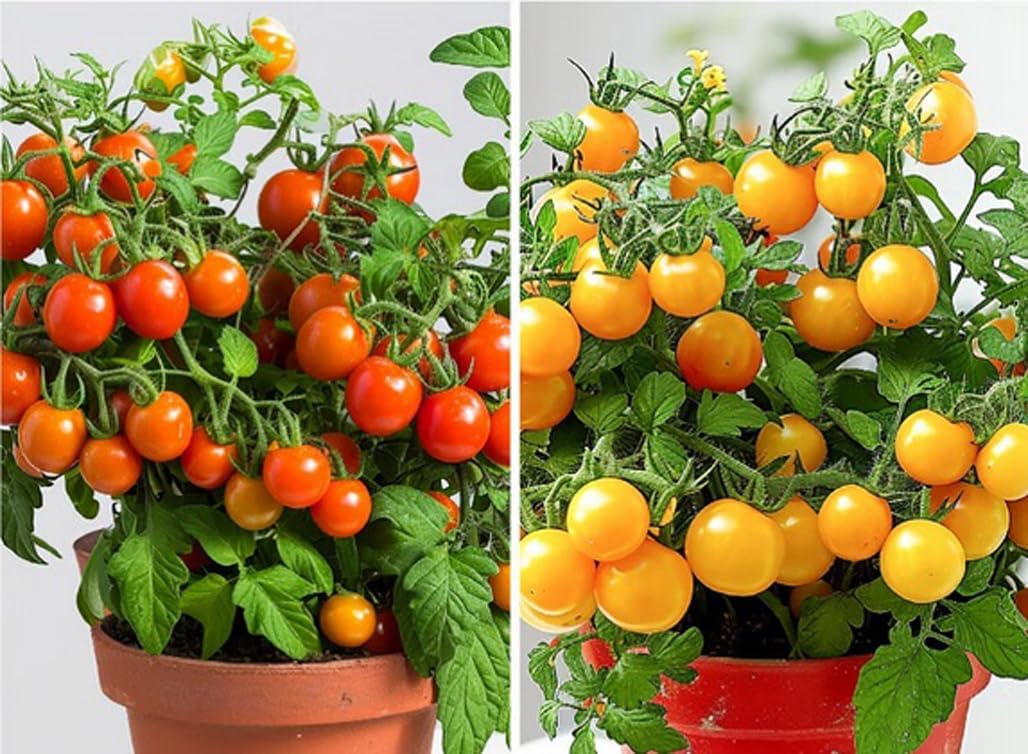
These heirloom Yellow & Red Dwarf Cherry Tomato seeds are marketed for container and small-space growing, delivering compact, bushy plants that set bite-sized tomatoes. Typical use is starting seeds indoors or directly sowing into pots and patio beds; the listing notes two packs of about 50 seeds each and includes a planting guide aimed at beginners. Key features are non-GMO, heirloom genetics and a claimed high germination rate, which translates to fewer wasted seeds and more predictable stands when you start multiple cells or pots. The compact habit and disease resistance make them a sensible pick for patio growers who want multiple small plants rather than a single large indeterminate vine. Limitations are that no specific days-to-maturity or variety names are provided on the listing, so timing harvests and comparing vigor to named cultivars may require trial and error. Also seed count and germination can vary between batches, so expect the usual variability of open-pollinated seed lots.
Best for: Gardeners who want reliable, compact tomato plants for patios and containers and who prioritize getting many seedlings from a single purchase to ensure successful stands.
Less Ideal for: Growers seeking a specific named hybrid or precise days-to-harvest information for tight scheduling should look for varieties with published maturity dates and cultivar names.
- Heirloom non-GMO seed for true-to-type flavor and appearance
- Sold in a 100-count pack suitable for starting many container plants or backups
- Compact dwarf habit suited to containers and small patios
- Includes a planting guide to help beginners achieve good germination
- Listing lacks specific maturity date and named cultivar details for precise planning
- Germination and vigor can vary with seed lot as typical for heirloom seeds
Verdict: A practical seed pack for patio gardeners who want compact, high-germination heirloom cherry tomatoes to raise multiple container plants with minimal fuss.
SURVIVAL GARDEN SEEDS Tiny Tim Cherry Tomato Seeds (1 Pack)

| Indoor Outdoor Usage | Indoor, Outdoor |
|---|---|
| Sunlight Exposure | Full Sun |
| USDA Hardiness Zone | 4-11 |
| Seed Treatment Method | Untreated |
| Material Features | GMO Free, Heirloom |
Tiny Tim cherry tomato seeds are a small-space variety designed for containers, patios, and windowsills. As an heirloom, non-GMO, untreated seed, it is intended to be started indoors 6 to 12 weeks before last frost, then hardened off and transplanted to loam-rich soil or a container with regular watering and full sun. Plants stay compact at roughly 12 to 18 inches and set heavy clusters of sweet red cherry tomatoes in about 50 to 65 days after transplanting, which makes them useful for quick, repeated harvests. The packet claims high germination, disease and pest resistance, and practical planting instructions for first-time growers and seed saving. Limitations are the small plant size and determinate habit, which means it will produce in a concentrated flush rather than continuously, and yields per plant are lower than larger indeterminate varieties; gardeners wanting long-season, high-volume harvests should plan multiple plants or different varieties. These seeds are untreated and open-pollinated, so expect the usual variability of heirloom seed stocks and follow good seed-starting practices for best results.
Best for: Ideal for budget-minded gardeners who want fresh cherry tomatoes from containers, balconies, or indoor setups and prefer seeds they can save and reuse.
Less Ideal for: Not the best choice for gardeners seeking continuous, high-volume production from each plant or those who need hybrid disease-resistant varieties backed by coatings or treatments.
- Compact determinate habit suits containers and tiny gardens
- Heirloom, non-GMO, and untreated seeds allow seed saving
- Short time to harvest (about 50–65 days after transplant)
- Brand packet includes clear planting and transplanting guidance
- Determinate growth produces a single main harvest rather than continuous fruiting
- Smaller plants yield less per plant compared with larger tomato varieties
Verdict: A compact, easy-to-grow heirloom cherry tomato seed that gives budget gardeners a quick, space-saving route to fresh tomatoes and reusable seed stock.
Bonnie Plants Patio Tomato Live Plant 4-Pack
| Sunlight Exposure | Full Shade |
|---|---|
| Expected Plant Height | 2 feet |
| Soil Type | Sandy Soil |
| Moisture Needs | Moderate Watering |
| Unit Count | 4 Count |
These Bonnie Plants patio tomatoes are small, determinate plants sold as a four-pack specifically for containers and small garden beds. Each plant grows to about 2 feet and sets many 3 to 4 ounce tomatoes, making them well suited to patio pots, window boxes, or a small raised bed. They are described as disease resistant to fusarium wilt, Alternaria stem canker, and gray leaf spot, and they reach maturity in roughly 70 days so you get relatively quick harvests. Use a small cage or stake for support and provide moderate watering and sandy, well-draining soil for best results. Practical benefits include compact size that saves space, reliable fruit set for fresh salads and grilling, and lower maintenance than indeterminate vines. Limitations are that fruit are small compared with slicing varieties and determinate plants finish their main crop in a short window rather than producing all season.
Best for: Buyers who want an easy-to-manage tomato for pots or limited space and who value a fast, productive harvest for fresh eating.
Less Ideal for: Gardeners seeking large, season-long producing slicing tomatoes or those who prefer indeterminate varieties for continuous harvests.
- Compact determinate habit ideal for containers and small gardens
- Produces many 3–4 oz tomatoes suitable for salads and grilling
- Disease resistance to fusarium wilt, Alternaria stem canker, and gray leaf spot
- Matures quickly at about 70 days for an early harvest
- Determinate plants produce a concentrated harvest period rather than continuous fruiting
- Smaller fruit size may not suit those who want large slicing tomatoes
Verdict: A compact, disease-resistant patio tomato pack that delivers quick, reliable harvests from containers and small gardens.
Choosing the Right Patio Tomato Plants: Key Factors to Consider
Container Size and Root Space
Container size directly affects root development, water retention, and nutrient availability. Patio tomato plants designed for small spaces typically tolerate 5 to 10 gallon containers, while larger varieties usually need more volume to avoid frequent stress. When pots are too small roots become root-bound, which reduces fruit set and increases the risk of blossom drop.
Choose containers that provide at least the minimum recommended volume and use high-quality potting mix with good drainage. Consider the container material because terracotta dries faster than plastic, which affects watering frequency and daily maintenance.
Plant Habit and Pruning Needs
Compact determinate or patio-specific cultivars grow in a bushy form and usually require less vertical support than indeterminate vines. Some patio tomato plants are semi-determinate and may benefit from light pruning to maintain airflow and focus energy into fruiting clusters. Understanding the plant habit tells you whether to use cages, short stakes, or no support at all.
Pruning frequency influences time investment. If you want near-no-fuss patio tomatoes, choose varieties with minimal pruning needs, while gardeners aiming for larger fruit or extended harvest may prefer cultivars that respond well to careful pruning and suckering.
Disease Resistance and Local Pressure
Tomatoes face a range of fungal, bacterial, and viral pressures that vary by region. Selecting plants with resistance to common local problems-early blight, late blight, septoria leaf spot, and fusarium or verticillium wilt-reduces the need for chemical controls and makes container culture more reliable. Resistance does not guarantee immunity but lowers risk and often preserves yield in wetter summers.
Assess your local disease history and pick varieties with resistance markers relevant to your area. Good hygiene, crop rotation of containers, and removing infected foliage complement inherent resistance for best results.
Sunlight and Microclimate Compatibility
Patios can vary from full sun to heavily shaded by buildings or trees. Patio tomato plants differ in how much light they need to set fruit. Even compact plants usually require at least six hours of direct sun for consistent yields and flavor. However, some varieties tolerate slightly less light and still produce decent crops in strong reflected heat or morning sun situations.
Evaluate your patio microclimate for daily sun hours, reflected heat, and wind exposure. Windy, hot spots may stress leaves and increase water needs, while shaded, cool patios slow ripening and favor smaller harvests. Matching plant choice to your microclimate makes container tomato growing much more predictable.
Watering Rhythm and Soil Mix
Container-grown tomatoes dry out faster than garden-planted ones, which affects nutrient uptake and fruit development. Patio tomato plants with more compact root systems still need consistent moisture during flowering and fruit set to prevent blossom end rot and uneven ripening. The right potting mix and watering schedule minimize these problems.
Use a well-draining potting blend with moisture-retention components, and consider using mulches or top-layer compost to slow evaporation. If you travel or forget frequent watering, select varieties that tolerate brief dry spells or set up drip irrigation or self-watering containers to maintain steady moisture.
Time to Maturity and Harvest Goals
Days to maturity determines whether you will get a full season of ripe fruit before the first fall frost or if you can squeeze multiple plantings into a warm-season window. Patio varieties often aim for earlier maturity, making them useful for short-season climates or balconies where late-season sunlight drops off.
Decide if you want earlier, smaller fruits but a faster harvest or larger fruits that take longer to ripen. For continuous harvest, staggered planting or mixing early and mid-season patio varieties helps extend usable production on a small patio.
Best Container Practices for Patio Tomatoes
Choose containers with adequate depth and volume for the root ball and plan for regular feeding because potting mixes have limited nutrient reserves. A 5 to 10 gallon container is a practical baseline for most patio tomato plants, but larger containers reduce stress and lengthen the interval between waterings.
Place containers where they get the most consistent direct sun and consider moving pots seasonally if shadows change. Provide stable support such as short cages or adjustable stakes for varieties that produce heavy trusses.
- Use potting mix formulated for vegetables with added compost
- Ensure drainage holes are adequate and elevation prevents waterlogging
- Top-dress with slow-release fertilizer or plan biweekly liquid feeding
Managing Water and Nutrients in Small Pots
Because containers dry quickly, monitor moisture by feel or with a probe. Water deeply until excess drains, then allow the top inch to dry before watering again. Consistent moisture during flowering and fruit set prevents blossom end rot and keeps fruit sizes steady.
Feed container tomatoes more often than garden ones. Use a balanced fertilizer early, then switch to a bloom-boosting formula as fruits develop. Avoid overfertilizing nitrogen late in the season to prevent excessive leafy growth at the expense of fruit.
- Water deeply rather than frequent light misting
- Adjust feeding when plants are setting fruit to boost potassium
- Mulch the surface of the pot to slow evaporation
Pest and Disease Control on Patios
Patio setups can concentrate pest and disease pressure because plants are close together and containers often reuse the same soil. Regularly inspect foliage and remove any diseased leaves. Good airflow around pots reduces fungal infections.
Use physical controls first, such as handpicking pests and using insecticidal soaps for soft-bodied insects. For fungal issues, improve watering practices and remove infected debris rather than relying on repeated sprays.
- Rotate container soil between seasons when possible
- Space pots to allow airflow and reduce humidity
- Sanitize tools and containers to lower disease carryover
Extending the Patio Tomato Season
You can extend production by choosing a mix of early and mid-season patio varieties and by managing microclimate factors. Move pots to capture late-season sun or use reflective surfaces to increase light. In cool climates, white walls or heat-retentive surfaces help ripen fruit.
Protect plants from early frost with lightweight covers and pull interior pots closer to the house for extra warmth. Regular pruning of older foliage can help redirect energy to new fruiting clusters late in the season.
- Stagger planting dates to even out harvests
- Use compact row covers for brief cool snaps
- Bring smaller pots indoors on very cold nights
Flavor and Cooking Uses for Patio Varieties
Compact patio tomatoes come in a range of flavors from bright and acidic to sweet and mild. Think about how you will use the harvest-snacking, slicing, or sauce production-when selecting varieties. Smaller fruited patio cultivars often concentrate flavor, which is ideal for fresh eating and salads.
If you plan to preserve or cook, choose plants that set abundant medium-sized fruits and ripen uniformly to reduce processing time. For fresh use, prioritize flavor and texture over sheer yield.
- Taste a few fruits from different varieties before committing next season
- Consider fruit size and skin thickness for salads or cooking
- Note sugar-acid balance when choosing varieties for fresh eating
How We Chose the Best Patio Tomato Plants
We focused on attributes that matter to gardeners who grow tomatoes in containers or very limited ground space. Primary evaluation criteria included container suitability, which covers plant size and root behavior in pots; yield potential per plant in typical patio conditions; disease resistance to common tomato pathogens; and flavor and maturity, because compact plants should still produce tasty fruit within a practical season. We also considered ease of maintenance, including staking or cage needs, pruning tolerance, and typical feeding responsiveness for potted culture. We excluded varieties that require extensive trellising, indeterminate vines that reach tree size, or cultivars intended only for greenhouse production. Varieties that demand specialized root systems or uncommon pot volumes were not considered. The final shortlist emphasizes plants that reliably set fruit in standard patio containers, handle variable watering schedules, and offer balanced resistance to late blight, early blight, and common foliar diseases. These criteria align with the scoring labels used in the product scorecards.
FAQ
What size pot is best for patio tomato plants?
Most patio tomato plants do well in 5 to 10 gallon containers. Larger pots reduce watering frequency and give roots more stability, but a properly managed 5 gallon pot will support many compact varieties.
Do patio tomato plants need staking or cages?
Many patio varieties are compact and need only short cages or light staking, but some semi-determinate types benefit from modest support to keep fruit off the soil and improve air circulation.
How often should I water tomatoes in containers on a patio?
Watering frequency depends on container size, potting mix, and weather. Expect to water daily during heat waves in shallow pots, and less often if using larger containers or moisture-retentive mixes. Water deeply and check the top inch of soil before rewatering.
Can I grow patio tomatoes in partial shade?
Patio tomatoes perform best with at least six hours of direct sun. In partial shade they will grow but yields and fruit sweetness may be reduced. Select varieties known to tolerate lower light if full sun is not available.
How do I prevent blossom end rot in container tomatoes?
Blossom end rot is usually caused by inconsistent moisture and calcium uptake. Maintain steady watering, use a well-balanced potting mix, and avoid overfertilizing with high nitrogen. Adding crushed eggshells or a calcium supplement can help in deficient soils.
When should I start patio tomato plants from seed or transplants?
Start seeds indoors about six to eight weeks before your last expected frost so transplants are robust at planting time. If buying transplants, wait until night temperatures are consistently above frost risk before moving them to patio containers outdoors.
Final Verdict
Choose patio tomato plants that match your container size, sunlight, and tolerance for maintenance. Prioritize container suitability and disease resistance if you want reliable, low-fuss production, and favor shorter maturity times when your season is brief. Balance flavor and yield according to how you will use the harvest. With clear priorities and proper container care, most gardeners can achieve steady, flavorful tomato harvests from compact patio plants. Focus on the tradeoffs that matter to your space and routine to pick the best fit.
