

Note: This article contains affiliate links. If you click on these links and make a purchase, I may earn a small commission at no extra cost to you. This helps support my research and content. Read my full affiliate disclosure here.
Canna lilies thrive when planted in soil that balances fertility, moisture retention, and drainage. The wrong mix can leave tubers soggy or starved of nutrients, reducing flowering and vigor. This guide looks at seven top Canna Lily soils chosen for how they behave in beds and containers, focusing on factors that matter to gardeners: drainage, organic matter, nutrient profile, and texture. Below you will find the short list of soils that made our cut plus the criteria we used to evaluate them so you can pick the best mix for your planting situation.
Top Picks at a Glance
| Best Overall The best all-around choice for most situations | plantonix Buffered Coco Bliss — Pre-Buffered Coco Coir Brick (10 lb, Expands to 15 gal) |  |
| Best Quality Built to a higher standard if you want something more solid | Canna Bio Terra Plus Organic Soil Mix, 50 L | 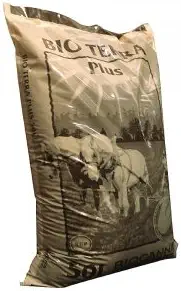 |
| Best Value The sweet spot between price and what you get | CANNA Coco Potting Media, 50 L Bag |  |
| Best Budget The cheapest option that still gets the job done reliably | ZeeDix Coco Coir Bricks (2 Pack) — 100% Organic Coconut Coir |  |
| Highest Rated A top-rated pick with lots of positive feedback | CANNA Expandable Coco Brick 40L (8L Dry) Natural Plant Medium |  |
| Most Popular A crowd favorite that many people choose with confidence | CANNA Coco Potting Medium, 50 L |  |
| Best Seller A high-volume bestseller chosen again and again | Back to the Roots Organic Indoor Potting Mix, 6 Quart |  |
plantonix Buffered Coco Bliss — Pre-Buffered Coco Coir Brick (10 lb, Expands to 15 gal)

| Unit Count | 160 Ounce |
|---|---|
| Volume | 15 gallons |
| Item Type Name | Coco Coir Pith |
| Item Highlight | Pre-Buffered Coconut Coir Brick |
Plantonix Buffered Coco Bliss is a compressed coco coir brick designed to expand into a loose, water-holding growing medium that improves aeration and drainage when mixed into potting soil or used on its own for seed starting and container plants. The brick is pre-rinsed and pre-buffered to lower salts and stabilize pH, so you can hydrate, fluff, and use it without the extra rinsing or calcium-magnesium soak many coirs require. It soaks up water like a sponge while creating small air pockets that keep mixes lighter and reduce compaction in raised beds or pots. Practical benefits include easy storage when compressed, simple on-the-spot expansion in a tub or wheelbarrow, and compatibility with perlite or vermiculite for adjusting drainage. Important limitations are that pure coir stays fairly moist, so it should be blended with extra perlite or sand for plants that prefer fast drying soils. Also safety guidance notes to avoid inhaling dust during handling. For gardeners seeking a peat-free, ready-to-use organic amendment, this product streamlines prep and helps maintain consistent moisture in container and garden mixes.
Best for: Gardeners who want a ready-to-use, peat-free soil amendment for container planting, seed starting, or mixing into raised bed soil and value easy prep and consistent moisture retention.
Less Ideal for: Growers who need a very fast-draining mix for succulents or drought-tolerant species without further amendments should choose a coarser substrate or add substantially more inorganic drainage material.
- Pre-buffered and pre-rinsed to reduce salts and avoid a separate buffering step
- Expands up to 15 gallons from a compact 10 lb brick for easy storage and transport
- High moisture retention while improving aeration and reducing soil compaction
- Washed and screened to remove fiber, sand, and debris for a clean, consistent medium
- Retains a lot of moisture on its own so it needs added perlite or grit for fast-draining mixes
- Can produce dust when handling compressed brick, requiring care to avoid inhalation
Verdict: A convenient, pre-buffered coco coir brick that makes it easy to add peat-free moisture retention and aeration to soil mixes for container-grown canna lilies and other moisture-loving plants.
Canna Bio Terra Plus Organic Soil Mix, 50 L

| Brand Name | Home Hydro |
|---|---|
| Manufacturer | Canna |
| Volume | 50 liters |
| Unit Count | 1690.7 Fluid Ounces |
This 50 L bag of Canna Bio Terra Plus is a ready-to-use, organic soil mix designed to create a predictable root environment for high-performance plants such as canna lilies. It is OMRI listed and certified for organic growing, so it pairs well with organic nutrient programs like Bio Vega and Bio Flores. The mix aims to maintain a stable pH and good structure from the start, which helps with consistent feeding and predictable growth in containers and beds. Practical benefits include reduced need for pH correction and a plant-focused blend that supports vigorous root development and flowering. Important limitations are that it is a pre-blended medium so advanced growers who want to fine-tune drainage, aeration, or nutrient concentrations may still amend it for specific cultivars or heavy feeders. Also follow the safety guidance; it may irritate skin and should be kept away from children and pets. For growers seeking an organic, performance-oriented base medium, this provides a reliable starting point for canna lilies and other flowering perennials.
Best for: Gardeners who prioritize plant performance and want an organic, ready-made soil that promotes reliable root health and flowering for canna lilies and similar ornamentals.
Less Ideal for: Growers who need a highly customized mix for extreme drainage or those who prefer to blend every component themselves should look elsewhere.
- OMRI-listed organic blend certified for organic growing
- Formulated to provide a stable, predictable soil pH from the start
- Large 50 L volume suitable for multiple containers or sizeable beds
- Designed to create an optimum root environment that supports flowering and vigor
- Pre-mixed formulation may require additional amendments for specific drainage or nutrient preferences
- Product safety notes warn of possible skin irritation and recommend handling precautions
Verdict: Choose this OMRI-listed Canna soil when you want an organic, performance-focused base medium that delivers a stable pH and reliable root environment for canna lilies.
CANNA Coco Potting Media, 50 L Bag

| Unit Count | 800 Ounce |
|---|---|
| Brand Name | CANNA |
| Manufacturer | Canna |
| Volume | 1 gallons |
CANNA Coco is a compressed coconut coir product intended as a sterile, fiber-free potting media for container gardening. The flakes expand when hydrated and are formulated to hold a balanced air-to-water ratio, making them suitable for repeated use in pots and small containers. It includes the beneficial fungus Trichoderma to help suppress soil-borne diseases, and the manufacturer positions it as free of chemical additives and harmful viruses. Practically, this makes CANNA Coco easy to use for repotting Canna lilies into gallon-sized containers and larger pots where moisture retention plus oxygenation at the roots are important. It fills multiple one-gallon pots per bag and is convenient for growers who prefer a soilless, reusable medium. Limitations are that it is a plain substrate with no added nutrients, so you will need to feed plants with a suitable fertilizer schedule, and you must monitor irrigation because coir can retain salts if not rinsed or pre-buffered for some installations.
Best for: Gardeners who want a reliable, reusable soilless medium to pot Canna lilies and prioritize root oxygenation and disease resistance in container setups.
Less Ideal for: Growers who prefer an all-in-one potting mix with built-in fertilization or those who need an unamended garden soil substitute for in-ground planting.
- Sterile, fiber-free coconut coir that reduces soil-borne pathogens
- Good air/water balance for healthy root oxygenation and moisture retention
- Includes Trichoderma for biological disease suppression
- Expandable flakes allow easy filling of multiple one-gallon containers
- Reusable across several growing cycles when handled properly
- Does not contain plant nutrients so requires a separate fertilizer program
- May require buffering or rinsing before use to manage salts in some water supplies
Verdict: Choose CANNA Coco if you want a sterile, reusable coconut coir medium that improves root aeration and helps protect container-grown Canna lilies from soil diseases.
ZeeDix Coco Coir Bricks (2 Pack) — 100% Organic Coconut Coir

| Number of Packs | 2 |
|---|---|
| Unit Count | 44.8 Ounce |
| Item Highlight | Low EC & pH Balance Coconut Fiber Seed Starter Soil |
| Volume | 15 quarts |
These ZeeDix coco coir bricks are a simple, low-cost way to get an airy, moisture-retentive growing medium for potted plants and seedlings. Each compact brick soaks up water and expands into a loose coir that provides good breathability and water retention, making it useful as a seed-starting mix, potting-media component, or amendment for heavy garden soils. Typical use is to soak the brick in water until it swells, break it up by hand or with a tool, then mix with perlite, compost, or potting soil depending on the crop. Notable features include 100% natural coconut fiber composition, low electrical conductivity and balanced pH for sensitive plants, and a claimed expansion to about 15 quarts from the pair. Practical benefits are lighter storage and shipping weight before use, improved root oxygenation and drainage after rehydration, and flexible multi-purpose applications from seed trays to grow bags. Limitations are that coco coir is inert so it provides little nutrition by itself and usually needs fertilizer, and you must rehydrate and break the bricks up before use which adds prep time.
Best for: Budget-minded gardeners who want an affordable peat-free amendment or seed-starting medium for container-grown Canna lilies and similar moisture-loving bulbs, and who prefer to buy lightweight, compact supplies they can hydrate as needed.
Less Ideal for: Growers who want an all-in-one potting mix with built-in fertilizer or those who prefer ready-to-use bagged soil with no prep required.
- 100% organic coconut fiber for a natural, peat-free medium
- Compresses small for easy storage and expands quickly when soaked
- Low EC and balanced pH suitable for sensitive plants and seedlings
- Provides good breathability and water retention to support healthy roots
- Inert medium so it supplies little to no nutrients without added fertilizer
- Requires soaking and manual breaking up before use
Verdict: A compact, budget-friendly way to add airy, moisture-retentive coco coir to Canna lily potting mixes when you want a peat-free, easy-to-store medium.
CANNA Expandable Coco Brick 40L (8L Dry) Natural Plant Medium

| Brand | CANNA |
|---|---|
| Volume (expanded) | 40 liters |
| Volume (dry) | 8 liters |
| Unit Count | 128 Ounce |
This CANNA coco brick is a compact, reusable block of organic coco coir that expands to 40 liters when hydrated and is intended as a neutral, reliable planting medium for potted plants such as canna lilies. Typical use is simple: soak the 8 liter dry brick in water to rehydrate it, break it apart, and mix or fill containers as a standalone substrate or blend with soil or fertilizer. Notable features are its organic coco composition, large expanded volume from a small dry footprint, and reusability for multiple grow cycles. Practical benefits include consistent drainage and aeration compared with heavy garden soils, easy storage before use, and less mess when transporting media. Important limitations are that it is a neutral medium so nutrients must be supplied separately, and users should handle the dry dust carefully and follow the safety note about skin and eye contact. For growers seeking a dependable, easy-to-store substrate for container-grown canna lilies, this provides predictable structure and moisture retention once prepared.
Best for: Gardeners who want a dependable, easy-to-store substrate for container-grown canna lilies and prefer a consistent, well-draining medium they can control nutritionally.
Less Ideal for: People who want an all-in-one potting mix with built-in fertilizer or those who prefer to garden directly in native heavy soils rather than containers.
- Expands to a large 40 liter volume from a compact 8 liter dry brick for easy storage
- Organic coco coir provides good drainage and aeration for container plants
- Reusable across multiple grow cycles when properly rinsed and reconditioned
- Low bulk weight when stored and transported compared with bagged soils
- Neutral medium with no nutrients so fertilizer is required for established feeding
- Dry brick can produce dust and may irritate skin or eyes during handling
Verdict: Choose this CANNA coco brick when you need a compact, reliable coco coir substrate that expands into a large, well-draining medium for container-grown canna lilies.
CANNA Coco Potting Medium, 50 L

| Brand Name | CANNA |
|---|---|
| Unit Count | 1 Count |
| Number of Packs | 1 |
| Volume | 50 liters |
This 50 L bag of CANNA Coco is a pre-buffered coco coir medium meant to act as a sterile, reusable potting mix or soil improver. It is typically used to fill containers or to amend heavy soils where improved drainage and aeration are needed. The manufacturer buffers the coir so it does not tie up nutrients, meaning fertilizers are available to plants immediately without extra pre-treatment. The product description highlights a homogeneous texture and a controlled water/air balance that supports healthy root development. Because it is produced to be free of common soil pathogens, it reduces the risk of introducing diseases to container-grown plants. Practical benefits include easy handling for repotting, consistent moisture retention without waterlogging, and the ability to reuse the medium after harvest or season with proper cleaning. Important limitations are that coco coir itself contains little inherent nutrition, so regular fertilizer is still required, and users should monitor EC and pH when reusing the medium to avoid salt buildup.
Best for: Buyers who want a reliable, pathogen-free potting medium for container-grown Canna lilies and value a ready-to-use substrate that reduces prep work and early nutrient tie-up.
Less Ideal for: Gardeners who prefer an all-in-one potting mix with built-in fertilizers or those unwilling to monitor and manage fertilizer and salt levels when reusing media.
- Buffered to prevent nutrient uptake by the medium, so added fertilizers are available to plants right away
- Sterile production reduces risk of soil-borne viruses and diseases
- Consistent water/air balance supports good root aeration and reduces overwatering problems
- Large 50 L volume suitable for multiple pots or larger containers and for amending garden soil
- Contains little to no nutrients on its own so fertilization is required
- Can accumulate salts if reused repeatedly without proper flushing and monitoring
Verdict: Choose CANNA Coco when you need a sterile, buffered coco coir that provides consistent drainage and immediate nutrient availability for container-grown Canna lilies.
Back to the Roots Organic Indoor Potting Mix, 6 Quart

| Unit Count | 192 Fluid Ounces |
|---|---|
| Item Type Name | Indoor Potting Mix 6qt |
| Item Highlight | Peat-free, 100% organic, made in the USA |
| Ingredients | Coconut Coir, Yucca, Mycorrhizae, Perlite, Horticultural Sand |
This Back to the Roots indoor potting mix is a ready-to-use, 6-quart blend designed for common houseplants such as pothos, monstera and ferns. It combines coconut coir, yucca extract, mycorrhizae, perlite and horticultural sand to improve moisture retention, drainage and root development without peat. In practice it feels light and friable, so it is easy to pot seedlings or repot mature plants and it reduces compaction that can suffocate roots. The added mycorrhizae helps young roots establish and take up nutrients more efficiently while yucca extract helps the mix hold water between waterings, which is convenient for forgetful or busy plant owners. Because it is peat-free and made in the USA, it is a more sustainable choice versus traditional peat-based mixes. Limitations are the small 6-quart size, which means frequent repurchasing for larger collections, and the bag does not include fertilizer so you will need to feed plants separately as they grow.
Best for: Buyers who prioritize low-risk, easy-care houseplant solutions and want an organic, ready-to-use potting mix that reduces watering hassles and supports healthy root growth.
Less Ideal for: Not ideal for gardeners who need large-volume soil for many pots or for those expecting a mix that includes built-in fertilizer for long-term feeding.
- Peat-free organic formula that reduces environmental impact
- Yucca extract improves moisture retention between waterings
- Contains mycorrhizae to support root development and nutrient uptake
- Light, well-draining texture suitable for repotting seedlings and houseplants
- Small 6-quart volume may require frequent repurchasing for larger plant collections
- Does not include fertilizer so additional feeding is necessary
Verdict: A compact, peat-free potting mix that simplifies indoor plant care by holding moisture and boosting root establishment.
Choosing the Right Canna Lily Soil: Key Factors to Consider
Drainage and Aeration
Canna lilies need soil that stays evenly moist but does not remain waterlogged. Good drainage and air space around roots prevent tuber rot and support vigorous growth.
When assessing a soil mix, look for components that improve porosity, such as coarse sand, perlite, or well-processed composted bark. Dense, heavy soils compact over time and reduce oxygen to roots, so prioritize mixes described as well-draining even when amended for moisture.
Organic Matter and Nutrient Supply
Cannas are heavy feeders that respond to steady nutrient availability. Soils with a healthy proportion of compost or well-aged organic matter supply nitrogen, phosphorus, and potassium as well as micronutrients.
Prefer mixes that list compost, composted bark, or stable leaf mold rather than raw manures. A moderate initial fertilizer charge can help early growth, but long-term fertility should be maintained with regular feeding or top-dressing to support flowering.
Moisture Retention Versus Dry-Down
The ideal soil holds enough moisture to keep roots active between waterings but allows excess water to drain away. Components like coconut coir or fine compost increase water retention, while larger particles and mineral grit speed dry-down.
Think about your planting situation: containers dry faster than beds, so container mixes should retain more moisture. In-ground beds may benefit from quicker-draining mixes to avoid saturation after heavy rain.
Texture and Ease of Planting Tubers
Soil texture affects how easily you can position and cover canna tubers and how roots expand. A crumbly, loose mix lets you set tubers at the right depth without compacting the surrounding media.
Avoid soils that crush into a paste when wet or form hard clods when dry. Good texture also makes division and spring planting less messy and reduces root disturbance.
pH and Nutrient Availability
Canna lilies tolerate a range of soil pH but perform best in slightly acidic to neutral soils where nutrients remain available. If soil is strongly acidic or alkaline, some nutrients can become locked up or overly mobile.
Consider testing existing garden soil and choosing a potting mix that will not dramatically shift pH. If called for, amend with lime or sulfur in small amounts based on test results rather than relying on broad assumptions.
Disease and Pest Safety of Ingredients
Soil ingredients can introduce pests, weed seeds, or pathogens if not properly processed. Well-composted organic matter and sterilized components reduce those risks.
Avoid mixes that list unprocessed manures or unknown feedstocks. For container-grown cannas, sterilized or proprietary potting mixes lower the chance of damping-off or tuber rot during the vulnerable early growth stage.
Soil for Containers Versus In-Ground Beds
Container-grown cannas face different moisture and root-space constraints than those planted in beds. Containers require mixes that hold moisture longer and resist compaction, while bed soils should encourage lateral root spread and handle rainfall without staying saturated.
For containers, aim for a blend with higher organic content plus coarse materials such as perlite or grit to maintain aeration. For beds, improving native soil with compost and grit or coarse sand creates a balance between fertility and drainage without needing full potting mix depth.
- Containers: higher water retention, stable organic matter, added aeration particles
- Beds: amend native soil for structure, prioritize drainage in heavy clay
- Raised beds: a deeper, looser mix can combine both retention and drainage
Preparing Soil Before Planting Tubers
Prepare the planting area by loosening the top foot of soil and mixing in 25 to 50 percent organic matter for beds. This improves root penetration and nutrient availability. For containers, fill with the chosen mix and water thoroughly to settle the media before planting tubers.
Set tubers at the recommended depth with eyes facing up and avoid burying them too deeply in heavy soils. A loose, friable mix makes it easier to place tubers at the right depth and reduces compaction as roots establish.
- Loosen soil at least 12 inches deep for beds
- Mix in compost or well-rotted organic matter rather than raw materials
- Pre-moisten container mixes to eliminate large air pockets
Seasonal Care and Soil Management
Keep soil moisture consistent through the growing season, increasing water during hot, dry spells when cannas are actively flowering. Mulch beds to conserve moisture and moderate soil temperature, but avoid piling mulch directly against crowns to reduce rot risk.
Top-dress with compost or a balanced fertilizer midseason to replenish nutrients. In containers, plan for more frequent feeding because potting mixes release nutrients faster and are subject to leaching from regular watering.
- Mulch to conserve moisture but keep crown clear
- Top-dress beds with compost in late spring and midseason
- Fertilize containers monthly during active growth
Amending Heavy Clay or Sandy Sites
Heavy clay holds water and can suffocate canna tubers. Improve clay sites by incorporating coarse sand, grit, and generous organic matter to break up compaction and increase pore space. Avoid fine sands that create a concrete-like mix with clay.
Sandy sites drain quickly and lose nutrients. Add plenty of organic matter and use water-retentive components like coir or compost to increase moisture-holding capacity while still allowing adequate drainage.
- Clay: add compost and coarse grit to increase porosity
- Sandy: add compost and coir to boost moisture retention
- Aim for a loam-like structure that balances both extremes
Monitoring and Adjusting Soil Over Time
Soil is a dynamic medium. Observe plant vigor, flowering, and tuber health to decide when to amend. Pale leaves or reduced flowering often indicate nutrient shortfalls, while soft, rotten tubers point to chronic overwatering or poor drainage.
Each season, refresh container mixes partially and add organic matter to beds every one to two years to maintain structure and fertility. Regular small adjustments keep soil performing well without major overhauls.
- Watch for yellowing leaves and weak flowering as fertility cues
- Refresh containers yearly by replacing one quarter to one third of the mix
- Add compost to beds every one to two years
How We Chose the Best Canna Lily Soil
We evaluated soil mixes and potting blends based on practical, garden-facing criteria that affect canna lily growth. Primary evaluation points included drainage and water-holding balance, because cannas need moist but not waterlogged conditions. We tested descriptions and spec sheets for organic content and nutrient profile to judge initial fertility and ongoing nutrient release. Texture and structure were assessed for ease of planting, tuber positioning, and root penetration. Longevity and reusability of the mix were considered to estimate how often gardeners need to amend or replace soil. Lastly, pest and disease risk from poorly composted ingredients was reviewed to exclude mixes that list uncomposted manures or unknown feedstocks. We excluded mixes intended only for succulents, cacti, or highly specialized high-acid plants, as those do not match canna lily needs. The shortlisted soils are ones that, on paper and in garden-tested practice, provide the right balance of drainage, aeration, and organic nutrients for healthy tubers and prolific flowering.
FAQ
What soil pH do canna lilies prefer?
Canna lilies usually do well in slightly acidic to neutral soil. Most garden soils in that range allow good nutrient availability. If your soil is strongly acidic or alkaline, adjust gradually based on a soil test.
Can I plant canna tubers directly into native soil?
Yes, if the native soil drains reasonably well and has been loosened and amended with compost. In heavy clay or very sandy soil, amend to improve structure and moisture balance before planting.
How often should I fertilize cannas planted in containers?
Container-grown cannas typically need feeding more often than those in beds. A balanced fertilizer applied every four to six weeks during active growth keeps blooms strong and supports tuber development.
Will adding compost prevent tuber rot?
Compost improves structure and fertility but will not prevent tuber rot if drainage is poor. Use well-composted material and ensure the overall mix allows excess water to escape to reduce rot risk.
How deep should I plant canna tubers?
Plant tubers shallowly in loose soil, typically covering them with a couple of inches of mix so the eyes are just below the surface. In deeper, loose beds you can give more cover, but avoid burying them too deep in heavy soils.
Final Verdict
Choose a soil that balances drainage and moisture retention for your planting situation. Containers need more water-holding ability without losing aeration, while beds benefit from amended native soil that drains well after rain. Prioritize good organic matter, proper texture, and low disease risk, and plan routine amendments or feeding to keep plants blooming. Decide based on where you will plant cannas and how often you can tend them. Favor mixes that make planting and tuber care straightforward and accept that occasional amendments will be necessary to sustain vigorous flowering.
