

Note: This article contains affiliate links. If you click on these links and make a purchase, I may earn a small commission at no extra cost to you. This helps support my research and content. Read my full affiliate disclosure here.
Putting the right plants in a sunny pot changes a balcony, patio, or front step. In full sun, container-grown plants face higher temperatures, faster-drying soil, and more intense light than in-ground plantings. Choosing species and varieties adapted to those conditions reduces watering, keeps foliage healthy, and extends bloom time. This guide covers seven top picks suited for pots in full sun. We shortlisted options that perform reliably in containers, have predictable water needs, and offer strong ornamental payoff. Below we explain how we evaluated drought tolerance, growth habit, flowering and shading behavior, and container-specific care so you can pick plants that thrive where sun is strongest.
Top Picks at a Glance
| Best Overall The best all-around choice for most situations | The Three Company Lavender (2-Pack) Live Fragrant Purple Perennials in 1-Qt Pots |  |
| Best Quality Built to a higher standard if you want something more solid | Proven Winners Double Play Doozie Spirea Shrub, 2 Gal. |  |
| Best Value The sweet spot between price and what you get | The Three Company Live Rosemary Herb, 2-Pack |  |
| Best Budget The cheapest option that still gets the job done reliably | Mixrug Gazania Flower Seed Mix (300 Count) |  |
| Highest Rated A top-rated pick with lots of positive feedback | Sprout N Green Echeveria 'Sweet Honey' Live Succulent in 2" Pot |  |
| Most Popular A crowd favorite that many people choose with confidence | PERFECT PLANTS Frostproof Gardenia Live Plant, 1 Gallon |  |
| Best Seller A high-volume bestseller chosen again and again | HOME GROWN Sunspot Dwarf Sunflower Seeds, 150 Count |  |
The Three Company Lavender (2-Pack) Live Fragrant Purple Perennials in 1-Qt Pots

| Sunlight Exposure | Full Sun |
|---|---|
| USDA Hardiness Zone | 5-9 |
| Moisture Needs | Low |
| Expected Blooming Period | Late Spring to Summer |
These lavender plants arrive as two 1‑quart pots of Lavandula Purple intended for outdoor planting in full sun. They are compact, mounded perennials that reach roughly 12–18 inches tall and are typically used in containers, balcony planters, or low hedge borders where their purple blooms and strong scent add visual and aromatic interest. The plants prefer well‑draining soil and low moisture once established, which makes them low‑maintenance for sunny balconies. Notable features include pollinator‑attracting flowers, deer‑deterring scent, and suitability for USDA zones 5–9, which covers many temperate climates. Because these are live plants shipped from a greenhouse, success depends on initial care during the first weeks after planting and ensuring pots have drainage. Plant size on arrival and bloom timing will vary by season, and buyers in very hot or very cold microclimates should adjust care accordingly. For small‑space gardeners wanting fragrant, drought‑tolerant color in full sun, these lavenders are a practical choice when tended promptly after delivery.
Best for: Gardeners with sunny balconies who want low‑maintenance, fragrant flowering plants that perform well in containers and attract pollinators.
Less Ideal for: People with shaded or mostly north‑facing balconies or those unwilling to water and pot the plants promptly after delivery.
- Compact habit suited to containers and balcony planters
- Fragrant purple blooms that attract pollinators
- Low water needs once established for easy care
- Shipped as live plants directly from greenhouse so you receive established starts
- Success depends on prompt transplanting and initial watering care after arrival
- Not suitable for shady balconies since it requires full sun
Verdict: A compact, fragrant lavender pair that gives sunny balconies long‑lasting color and low‑maintenance scent when planted in well‑draining containers.
Proven Winners Double Play Doozie Spirea Shrub, 2 Gal.

| Sunlight Exposure | Full sun to partial shade |
|---|---|
| USDA Hardiness Zone | 3, 4, 5, 6, 7, 8 |
| Expected Blooming Period | Spring to Fall |
| Moisture Needs | Moderate Watering |
| Soil Type | Sandy Soil |
The Double Play Doozie spirea is a compact ornamental shrub prized for nonstop spring-to-fall flowering and striking red-to-purple foliage and blooms. Sold in a 2 gallon pot, it is typically used as a container accent, grouped edge planting, or low hedge where bright seasonal color is desired. Notable features include seedless, non-invasive habit that channels energy into continuous blooms, broad USDA hardiness (zones 3 to 8), and tolerance for sandy soils and moderate water. Practical benefits are reliable color without constant deadheading, easy placement in full sun containers on patios, and low maintenance care: plant in sun to part shade, water at planting, mulch and fertilize in early spring. Limitations are its modest mature spread and height, which make it unsuitable as a large specimen, and the need to keep it watered during establishment; it is deciduous so it loses foliage in winter. For growers seeking a high-impact, low-effort container plant, this spirea hits the brief, but plan for seasonal dormancy and appropriate spacing when using multiple pots.
Best for: Gardeners who want a low-maintenance, high-impact container or border plant that provides continuous color in full sun and values reliable performance over novelty.
Less Ideal for: People seeking an evergreen focal shrub or a large specimen to fill expansive beds should consider larger or evergreen alternatives.
- Repeat blooming from spring through fall delivers long season color
- Seedless, non-invasive habit directs energy to flowers rather than reseeding
- Performs across USDA zones 3 to 8 for wide climate adaptability
- Works well in containers and as a low hedge or landscape accent
- Deciduous nature means no winter foliage interest
- Modest mature size limits use as a large specimen plant
Verdict: Choose this spirea when you need a compact, low-maintenance container or border plant that delivers long season, showy blooms in full sun.
The Three Company Live Rosemary Herb, 2-Pack

| Indoor Outdoor Usage | Indoor, Outdoor |
|---|---|
| Sunlight Exposure | Full Sun |
| USDA Hardiness Zone | 8-11 |
| Soil Type | Well draining soil |
| Moisture Needs | Moderate Watering |
These live rosemary plants arrive as established young shrubs intended for container or landscape use in full sun. They are typically planted in well-draining potting mix or a sunny garden spot where they develop woody stems and needle-like foliage that you can harvest year-round. Notable features listed are suitability for indoor or outdoor use, USDA hardiness zones 8 to 11, and moderate moisture needs once established. In a pot they perform well when given bright sun and infrequent deep watering, making them low-maintenance for cooks who want a steady supply of fresh herbs. The plants are drought tolerant after rooting in, and their fragrance and flavor work well for grilling, roasted dishes, and infused oils. Limitations to consider are zone restrictions for overwintering without protection and the need for well-draining soil in containers to avoid root rot. New gardeners should be prepared to move pots indoors or provide winter protection in cooler climates.
Best for: Buyers who want a low-maintenance, culinary herb for sunny pots or patios and prefer plants they can clip regularly for cooking. Ideal for home cooks who value reliable year-round fragrance and straightforward care.
Less Ideal for: Gardeners in cool climates who cannot provide winter protection or indoor shelter should choose heartier, cold-tolerant herbs instead.
- Aromatic, edible foliage suitable for frequent harvesting in the kitchen
- Adapted to full sun and performs well in pots or garden borders
- Drought tolerant once established, reducing routine watering
- Sold as a two-pack for quick establishment of a container or small herb station
- Recommended hardiness only for zones 8 to 11 so may need winter protection elsewhere
- Requires well-draining soil in containers to prevent root moisture problems
Verdict: A practical two-pack of rosemary that reliably delivers fragrant, harvest-ready plants for sunny pots and low-maintenance culinary use.
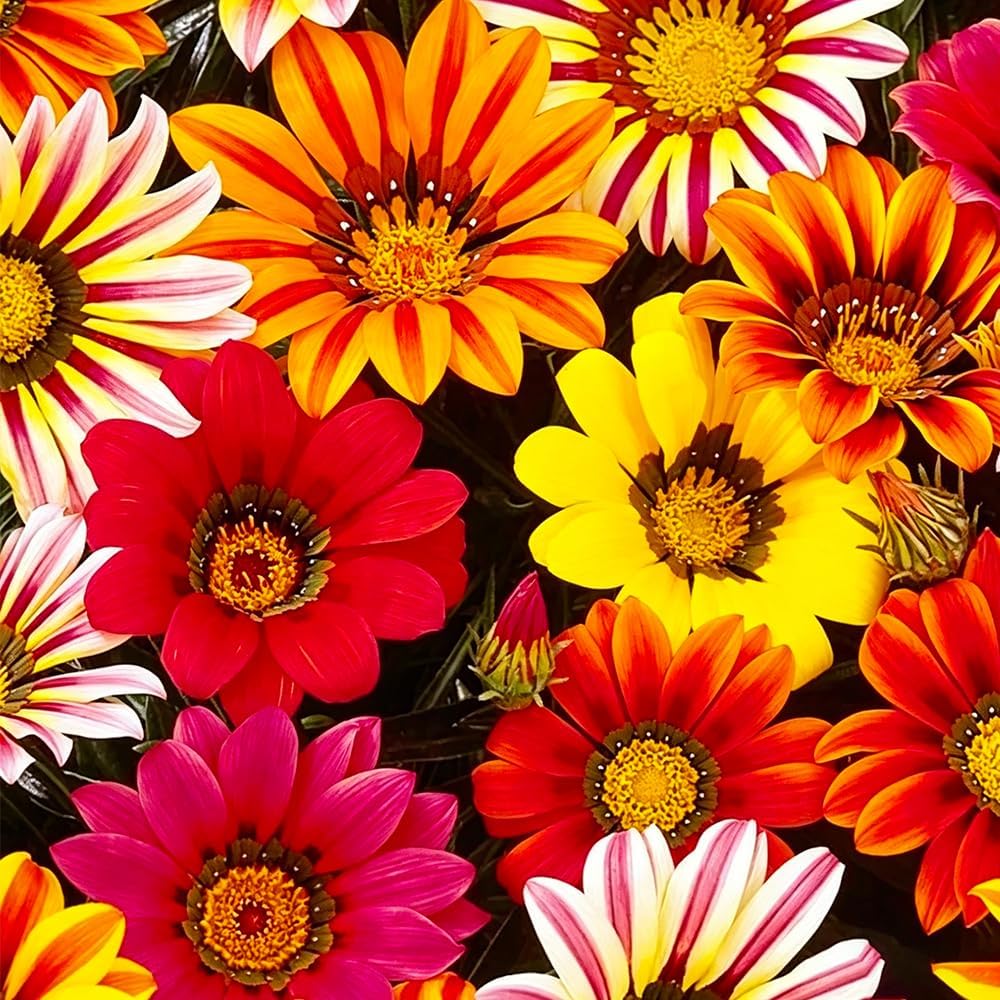
Mixrug Gazania Flower Seed Mix (300 Count)
| Indoor Outdoor Usage | Outdoor |
|---|---|
| Other Special Features of the Product | Attracts Pollinators |
| Expected Blooming Period | Spring to Fall |
| Sunlight Exposure | Full Sun |
| Material Features | GMO Free |
These Mixrug Gazania seeds are aimed at gardeners who want bold, low-maintenance color in full sun pots, containers, or sunny beds. The packet contains a large quantity of non-GMO seeds of mixed colors that produce compact plants with 4" blooms ideal for pots up to medium size. Gazanias are drought tolerant once established and thrive in full sun, so you can expect long stretches of bloom from spring through fall with moderate watering. The seeds are described as easy to sow and will naturalize by self-seeding in favorable climates. Practical benefits for pot use include strong sun tolerance, showy flowers that mask foliage, and suitability for hanging baskets or mixed containers. Limitations to note are that Gazania behaves as an annual in colder zones and may be short-lived in cooler climates, germination rates for bulk seed mixes can vary, and specific planting depth or cold-stratification instructions are not provided on the listing, so beginners should follow general seed-starting guidance. For budget-minded gardeners the large count gives many plants or backups for replanting across seasons.
Best for: Budget-conscious gardeners who need many sun-loving plants for pots or sunny containers and prefer low-maintenance, high-impact blooms.
Less Ideal for: Gardeners seeking reliably perennial border plants in cold USDA zones or those who want guaranteed cultivar uniformity should consider nursery-grown plants or named cultivars instead.
- Large 300-count seed packet offers many plants or multiple pots from one purchase
- Non-GMO seeds with multicolored blooms deliver high visual impact in full sun
- Described as drought tolerant and low-spreading, suitable for sunny pots and hanging baskets
- Acts as an annual in cooler climates so plants may not return year to year
- Bulk seed mixes can have variable germination so not every seed will produce a plant
Verdict: A cost-effective way to fill sunny pots with colorful, low-maintenance Gazania blooms that perform well in full sun.
Sprout N Green Echeveria 'Sweet Honey' Live Succulent in 2" Pot

| Indoor Outdoor Usage | Indoor, Outdoor |
|---|---|
| Other Special Features of the Product | Drought Tolerant, Low Maintenance, Pet Friendly |
| Sunlight Exposure | Partial Shade |
| USDA Hardiness Zone | 9b-11b |
| Soil Type | succulent potting mix |
Echeveria 'Sweet Honey' is a compact rosette-forming succulent offered in a 2" starter pot and intended for container display on windowsills or in outdoor pots during mild seasons. It develops tight spoon-shaped leaves that deepen to orange-pink at the edges under strong light and cool nights, and it will produce small orange-yellow bell flowers in late spring to early summer. The plant ships fully rooted in a cactus and succulent soil mix so it is ready to sit in a decorative pot or be repotted into a larger container. Care is straightforward: bright indirect light or morning to late-afternoon sun, infrequent thorough watering only after the soil is mostly dry, and good ventilation; protect from frost and harsh midday sun. Practical benefits include low maintenance, drought tolerance, and a resilient root start from the grower. Limitations are its small initial size tied to the 2" pot and need for protection from intense summer sun or freezing temperatures, so it performs best in sheltered full-sun to partial-shade container spots in warm climates or as a sunny indoor plant with supplemental light.
Best for: Buyers who want a dependable, low-maintenance succulent to brighten a sunny windowsill or warm-season outdoor pot and prefer plants that arrive well rooted and ready to use.
Less Ideal for: Gardeners seeking an instant, large specimen or year-round outdoor planting in climates with hard freezes should look for larger, cold-hardy varieties or bigger container plants.
- Ships fully rooted in succulent potting mix so it is ready for repotting or display
- Drought tolerant and low maintenance, suitable for busy owners
- Develops stronger color under bright light and cool nights for attractive seasonal interest
- Pet friendly and safe for households with animals
- Sold in a 2" starter pot so it will need repotting for long-term growth
- Requires protection from intense midday sun and winter frost in cooler zones
Verdict: A reliable, low-maintenance Echeveria that arrives well rooted and is ideal for sunny pots or bright windowsills when you want a tough, attractive succulent starter.
PERFECT PLANTS Frostproof Gardenia Live Plant, 1 Gallon

| Indoor Outdoor Usage | Outdoor |
|---|---|
| Other Special Features of the Product | Deer Resistant, Fragrant |
| Expected Blooming Period | Summer |
| Sunlight Exposure | Full Sun, Partial Shade |
| Expected Planting Period | Spring |
This 1-gallon Frostproof gardenia is a compact, fragrant shrub intended for outdoor landscape use. It arrives as a live plant with a recommended mature height around 5 feet and is typically planted in mulch beds, as a low hedge, or as an accent near entries where its scent can be enjoyed. Notable features include deer resistance, a history of reliable spring and summer blooms, and included easy-to-use plant food for a simpler start. The plant prefers full sun to partial shade, so it will tolerate some shaded locations but performs best where it receives several hours of direct light. Practical benefits for a cautious buyer are straightforward care, minimal pruning to maintain shape, and an aromatic presence that enhances small gardens or patios. Limitations are that it is sold as a 1-gallon specimen so it will need time to reach mature size, and the product text notes shipping exclusions to a few states which affects availability for some buyers.
Best for: Buyers who want an easy-care, scented shrub for a small garden or patio and prefer reliable, low-maintenance plants that establish steadily rather than instant large specimens.
Less Ideal for: Gardeners seeking an immediate tall screening hedge or a plant for deep, full shade should consider alternative species better suited to dense shade or instant privacy needs.
- Fragrant white blooms that enhance outdoor seating areas during spring and summer
- Deer resistant variety reduces need for protective measures in deer-prone yards
- Includes plant food to simplify initial establishment
- Tolerates partial shade, allowing placement in spots without full sun all day
- Sold as a small 1-gallon plant so it requires time to reach mature size
- Per product notes it does not ship to certain states which limits access for some buyers
Verdict: Choose this gardenia if you want a low-maintenance, fragrant shrub that tolerates some shade and adds seasonal white blooms to small outdoor spaces.
HOME GROWN Sunspot Dwarf Sunflower Seeds, 150 Count

| Seed count | 150 |
|---|---|
| Variety | Sunspot Dwarf |
| Bloom size | 8–10 in. |
| Maturity | 75–90 days from sowing |
| USDA zones | 2–11 |
These Sunspot dwarf sunflower seeds are a compact, easy-to-grow annual designed for planters and small beds. The variety produces single golden flowers about 8–10 inches across on sturdy 2–3 foot stalks, so you get big visual impact from a short plant that usually does not need staking. Seed packet contains 150 open-pollinated, non-GMO seeds that germinate in about 7–14 days when direct sown after frost. Typical use is direct sowing in pots or borders with full sun and well-drained soil; thinings to roughly 12 inches keep airflow and reduce disease. Practical benefits include strong container performance, attractiveness to bees and butterflies, and ripening seed heads that draw birds later in the season. The dwarf habit and relatively quick 75–90 day bloom window make this a reliable choice for planters and kids' gardens. Limitations are inherent to seed-grown annuals: results depend on correct sowing timing and local conditions, and you'll need to resow each year unless you save seed from matured heads.
Best for: Gardeners who want big sunflower blooms from containers or small beds without tall stalks and who prefer seed varieties with a track record and potential for saving seed.
Less Ideal for: Those who want instant, transplantable plants or a perennial solution should choose nursery-grown transplants or perennial species instead.
- Compact 2–3 ft habit works well in large pots and narrow borders
- Produces large 8–10 inch showy blooms for strong visual impact
- Open-pollinated non-GMO seed suitable for saving and replanting
- Attracts pollinators and later provides seed heads for birds
- As an annual from seed it requires correct sowing windows and yearly replanting
Verdict: Choose Sunspot dwarf sunflower seeds when you want large, pollinator-friendly sunflower blooms specifically tailored for planters and small garden spaces.
Choosing the Right Plants for Pot in Full Sun: Key Factors to Consider
Drought Tolerance and Watering Rhythm
Plants in full-sun pots experience faster soil moisture loss, so drought tolerance is one of the most important buying considerations. Species that can withstand intermittent drying cycles need less frequent watering and are more forgiving for busy gardeners or those without daily irrigation.
Consider how often you can realistically water and choose plants with matching needs. Succulent or Mediterranean-origin plants often survive with infrequent deep watering, while heavy-flowering annuals may require daily attention in midsummer. Understanding typical pot drying times for the pot size you plan to use will help you match plant selection to practical watering rhythms.
Root Behavior in Containers
Container root behavior determines how a plant uses the limited soil volume. Some plants develop compact, fibrous root systems that adapt well to restricted pots, while others become pot-bound quickly and decline in small containers.
Look for plants known to do well in confined soil, or plan for appropriately sized pots if choosing a species with a vigorous root habit. Root behavior also affects repotting frequency and how often you need to refresh potting mix to maintain nutrients and drainage.
Heat and Sun Resistance
Full sun means intense light and heat that can bleach flowers, scorch foliage, or speed evaporation. Plants with natural adaptations-thicker leaves, reflective or hairy foliage, or deep rooting habits-fare better in these conditions.
Assess how a plant handles peak afternoon sun in your region. Some species bloom best under full-day exposure, while others show the brightest color with morning sun and afternoon protection. Choosing plants bred or proven for high light environments reduces stress and extends aesthetic value.
Bloom Duration and Seasonal Interest
For ornamental containers, extended bloom time or multi-season interest is a major plus. Some plants flower continuously through summer with regular deadheading and feeding, while others have intense but short bloom windows.
Decide whether you want nonstop color, dramatic seasonal peaks, or a more foliage-focused display. Plants that rebloom after trimming or that provide attractive leaves, seedheads, or fruit add value beyond a single flowering period.
Maintenance and Care Requirements
Maintenance covers pruning, deadheading, fertilizer needs, pest vigilance, and winter protection. Low-maintenance choices save time and often perform better in small urban settings.
Consider how much effort you will invest. Some sun-loving pot plants need regular feeding and trimming to stay compact, while others maintain form with minimal attention. Also factor in overwintering: tender species may need to be brought indoors or replaced annually.
Pot Size, Soil, and Drainage Compatibility
The container itself is a critical part of plant performance. Shallow pots dry out quickly, while deep containers hold more moisture and support larger root systems. Soil mix and drainage holes directly influence how often you must water and whether roots stay healthy in hot weather.
Match plant choice to the pot you intend to use. Use a free-draining potting mix formulated for containers and ensure adequate drainage to prevent root rot during summer storms. Pot material matters too: terracotta breathes and cools roots but dries faster than plastic or glazed ceramics.
Designing a Sunny Container Display
Balance form, texture, and color when building pots for full sun. Pair a tall structural element with a trailing spiller and a mid-height filler to create layered interest from different viewing angles. Choose foliage that contrasts with bloom color to keep the composition vivid even when some flowers fade.
Think about seasonal rotation. Use longer-blooming plants as anchors and swap shorter-season specimens as needed. Group pots with similar water and sun needs together to simplify irrigation and maintenance.
- Pick one upright focal plant, one mid-height color provider, and one trailing spiller
- Group containers by watering schedule to reduce over- or under-watering
- Use repeat colors or textures across multiple pots for a cohesive look
Potting Mix and Fertility for Hot Sites
In full sun, potting mix must retain enough moisture without becoming waterlogged. Choose a lightweight, well-draining mix with added organic matter and perlite or coarse grit to improve aeration. A modest slow-release fertilizer at planting gives a steady nutrient supply for many summer-blooming containers.
Monitor fertility through the season. Fast-flowering annuals may benefit from periodic liquid feedings during peak bloom, while drought-tolerant perennials often need less frequent feeding to avoid soft, tender growth that sun can scorch.
- Use mixes designed for containers rather than garden soil
- Incorporate water-retention granules if you need longer intervals between watering
- Top-dress with compost or apply balanced liquid feed every 4 to 6 weeks for heavy bloomers
Watering Strategies for Sunny Pots
Establish a watering routine that suits both plant choice and pot material. Water deeply so moisture reaches the root ball, then allow the top layer to dry slightly between waterings. Mornings are usually the best time to water to reduce daytime evaporation and to let foliage dry before nightfall.
Consider self-watering containers or wicking systems if you cannot water daily. Mulch the surface of the container with small bark or gravel to slow surface evaporation. Always check moisture at root level rather than relying on surface dryness alone.
- Water thoroughly until excess drains from the pot
- Check moisture with a finger or moisture meter down into the root zone
- Adjust frequency during heat waves or after heavy rainfall
Managing Heat Stress and Pests
High light and heat can stress plants and make them more susceptible to pests. Provide temporary shade cloth during extreme heat spikes for less-hardy species, and watch for signs of sunscald, wilting, or leaf burn. Healthy plants in the right potting mix and with consistent water are less likely to suffer pest outbreaks.
Inspect containers regularly for common pests like whiteflies or spider mites, which thrive in hot, dry conditions. Use targeted, low-impact controls and encourage beneficial insects where possible.
- Move containers to partial afternoon shade temporarily during heat waves if needed
- Rinse foliage occasionally to remove dust and reduce pest pressure
- Keep an eye on drainage, because soggy crowns invite disease even in sunny locations
Seasonal Transitions and Overwintering
Plan for seasonal changes by selecting some plants that can be overwintered in protected spots and others that are treated as annuals to be replaced each year. Shift pots to sheltered microclimates during late-season cold snaps to extend the growing window for tender plants.
Clean and refresh potting mix between major plantings to reduce disease carryover and replenish nutrients. For perennial container plants, prune back and reduce feeding as they enter dormancy.
- Move frost-tender pots indoors or to a heated garage for winter
- Replace the top inch of soil each year to maintain fertility in quick-draining mixes
- Label containers with planting dates and care notes for easier seasonal planning
How We Chose the Best Plants for Pot in Full Sun
We prioritized traits that matter for container gardening in hot, sunny exposures. Key evaluation criteria included drought tolerance, container root behavior, bloom length and show, heat and sun tolerance, and maintenance needs such as pruning and deadheading. Each plant had to demonstrate reliable performance in limited soil volume without aggressive root-bound tendencies. We screened species and cultivars for documented success in full-sun containers across a range of climates, focusing on those that hold color or foliage health under high light and warm temperatures. Plants that require constant shade, excessive fertilization, or large root space were excluded. We also favored options with straightforward seasonal care and clear watering guidance. Excluded items included plants that only perform well in large beds, tropical specimens that need greenhouse conditions, and varieties known for poor container performance. The resulting shortlist balances ornamental impact with practical container culture so gardeners can expect consistent results on sunny patios and balconies.
FAQ
How often should I water sun-exposed pots in summer?
It depends on pot size, plant type, and pot material, but many sun pots need thorough watering every one to three days in peak summer. Check moisture at the root level and water deeply when the top inch of soil feels dry.
Can I grow perennials in full-sun containers year after year?
Yes, many perennials adapt to container life if given a large enough pot and periodic root pruning or repotting. Choose species known for compact root habits and provide winter protection where winters are harsh.
Do I need special soil for pots in full sun?
Use a free-draining container potting mix rather than garden soil. Mixes with added organic matter and grit balance moisture retention and drainage, which is crucial in hot, sunny exposures where evaporation is high.
How can I keep flowers from fading in intense afternoon sun?
Select heat-tolerant varieties and provide adequate water and nutrition. For particularly bright or tender flowers, offer light afternoon shade during heat waves to reduce bleaching and stress.
Are self-watering pots a good choice for sunny balconies?
Self-watering containers can help maintain more consistent moisture in sunny conditions and reduce daily watering frequency. They still require monitoring and proper potting mix to avoid salt buildup or root issues.
Final Verdict
For pots in full sun, prioritize plants with proven drought tolerance, good container root behavior, and durable foliage or long bloom periods. Match pot size, soil, and maintenance commitment to the plant's needs to reduce stress and maximize ornamental impact. Balance high-impact bloomers with low-maintenance foliage plants to create resilient displays that hold up through heat and bright light.
