

Note: This article contains affiliate links. If you click on these links and make a purchase, I may earn a small commission at no extra cost to you. This helps support my research and content. Read my full affiliate disclosure here.
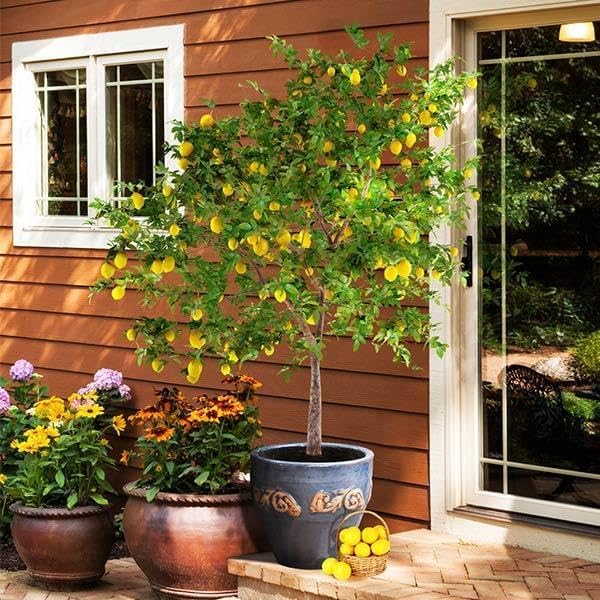
Growing lemon trees in containers makes citrus possible for patios, balconies, and small yards where in-ground planting is not an option. Container lemons stay manageable in size, can be moved for seasonal protection, and let you control soil and drainage more precisely. This guide shortlists the top container-friendly lemon trees suited to a range of climates and gardener experience levels. We evaluated options for cold tolerance, container care, and fruiting reliability to help you pick a tree that will thrive in a pot and produce fruit with proper care. Read on for practical advice on planting, maintenance, and selecting the best fit for your space.
Top Picks at a Glance
| Best Overall The best all-around choice for most situations | The Magnolia Company Meyer Lemon Tree (Live Fruit Plant, 1–2 ft) |  |
| Best Quality Built to a higher standard if you want something more solid | Via Citrus Meyer Lemon Tree Live Plant (1 Gallon) |  |
| Best Value The sweet spot between price and what you get | Gerald Winters and Son Meyer Lemon Tree Starter Plants (Pack of 2) |  |
| Best Budget The cheapest option that still gets the job done reliably | American Plant Exchange Bearss Lemon Bush — 6-inch potted plant |  |
| Highest Rated A top-rated pick with lots of positive feedback | NY City Succulents Live Grafted Lemon Tree |  |
| Most Popular A crowd favorite that many people choose with confidence | Brighter Blooms Meyer Lemon Tree (1–2 ft.) |  |
The Magnolia Company Meyer Lemon Tree (Live Fruit Plant, 1–2 ft)

| Indoor Outdoor Usage | Indoor |
|---|---|
| Sunlight Exposure | Full Sun |
| USDA Hardiness Zone | 7 to 11 |
| Moisture Needs | Moderate Watering |
This Meyer lemon arrives as a small, potted live plant intended for indoor or container use and is presented with a burlap-wrapped pot and care card. It is grown for easy, low-maintenance fruiting and fragrant spring-to-fall blooms, and the vendor recommends placing it in full sun and watering moderately, about twice weekly. For container gardeners the appeal is immediate: it is described as suitable for pots, pet friendly, and promising fruit within the first year, which makes it a good choice for patio or porch containers where sunlight is available. Notable features include the included pot and burlap presentation, guidance to fertilize twice a year, and USDA hardiness listed for zones 7 to 11 which signals suitability for warm-climate outdoor placement seasonally. Limitations are that it needs consistent bright light to thrive and may require moving outdoors in warm months for best fruit set, and the listing gives a large mature height that indicates eventual repotting or pruning will be needed for long-term container growth.
Best for: Gardeners who want an attractive, edible citrus for pots or a sunny porch and value a low-fuss, gift-ready plant that bears fruit within the first year.
Less Ideal for: Shady apartments or buyers looking for a permanently small, no-pruning houseplant; those in cold climates who cannot provide seasonal outdoor sun or protected conditions should consider other options.
- Sold as a live, potted plant with burlap, pot, and care card included for easy gifting
- Flowering and fragrant blooms that also produce edible, sweeter-than-average lemons
- Low maintenance care instructions with moderate watering and biannual fertilization
- Suitable for container growing and marketed as pet friendly
- Requires full sun and bright light to set fruit well, limiting indoor placement options
- May outgrow a small container over time and need repotting, pruning, or outdoor planting
Verdict: A gift-ready, easy-care potted Meyer lemon that suits container gardeners wanting fragrant flowers and edible fruit in a sunny spot.
Via Citrus Meyer Lemon Tree Live Plant (1 Gallon)

| Indoor Outdoor Usage | Indoor |
|---|---|
| Sunlight Exposure | Full Sun |
| USDA Hardiness Zone | 9-11 |
| Moisture Needs | Moderate Watering |
| Soil Type | Loam Soil |
This Via Citrus Meyer lemon arrives as a small, compact live plant in a one-gallon pot and is intended for container growing on sunny windowsills, balconies, or patios. It produces fragrant blooms and can set sweet-tart Meyer lemons when given full sun and moderate watering. Typical use is seasonal: keep the tree outdoors in warm months and move it indoors in colder weather for hardiness zones 9 to 11. Notable features include organic material sourcing, a compact habit that suits small spaces, and plants that are often shipped ready to bloom. Practical benefits are fresh kitchen lemons, year-round fragrance, and an easy-to-manage size for beginner gardeners. Limitations are climate sensitivity outside USDA zones 9 to 11 and the usual care needs of citrus in containers such as regular watering, good drainage, and occasional pruning to control size. Buyers should expect slower growth from a one-gallon nursery specimen and plan for eventual repotting as the tree matures.
Best for: Buyers who want an easy-to-manage fruit tree they can grow in a pot for fresh lemons and fragrant blooms, and who prefer low-risk, familiar plants that fit small outdoor or sunny indoor spaces.
Less Ideal for: People who want a large, fast-bearing orchard tree or who live in consistently cold climates without a plan to overwinter a tropical plant indoors.
- Compact, container-friendly size suited to small patios and sunny windows
- Arrives as a live, often blooming plant that can produce edible Meyer lemons
- Organic material features referenced in product details
- Adaptable to indoor or outdoor placement with seasonal moving between locations
- Suitable only for warmer climates or indoor overwintering in cooler areas
- Will require repotting and typical citrus care to reach fruiting potential
Verdict: A small, beginner-friendly Meyer lemon tree for container growers who want fragrant blooms and the chance to harvest fresh lemons in sunny, warm conditions.
Gerald Winters and Son Meyer Lemon Tree Starter Plants (Pack of 2)

| Indoor Outdoor Usage | Indoor, Outdoor |
|---|---|
| Expected Blooming Period | Winter |
| Soil Type | Clay Soil |
| Moisture Needs | Moderate Watering |
| Unit Count | 2 Count |
These are two small Meyer lemon starter plants intended for home gardeners who want to grow lemons in pots. Each plant ships very small (about 3 to 5 inches from soil to top leaf) and is described as quick-growing, so most buyers will pot them up and provide regular light and moderate watering. The trees are adaptable to indoor conditions with supplemental UV light or outdoors in warm climates and are self-pollinating with winter flowering and fruiting habits, which makes them appropriate for patio containers or sunrooms. Practical benefits include receiving two plants to increase yield or provide a backup if one struggles, and the plants are wrapped for transit to minimize damage. Limitations are that they are starter-size and will take several years to produce abundant fruit, and success depends on pot size, soil and winter protection in cooler regions. For a gardener prioritizing efficient use of space and steady, long-term production, these starters offer a manageable way into container citrus, but they require consistent care and plans for eventual repotting.
Best for: A practical container gardener who wants a manageable entry into citrus growing and values getting two starter plants to establish in pots on a patio or sunroom.
Less Ideal for: Gardeners seeking instant harvest-ready trees or those unwilling to repot and provide seasonal protection should choose larger, more mature specimens instead.
- Sold as a pair, providing redundancy or the option to pot two containers for staggered harvests
- Adaptable to indoor or outdoor growing, with winter flowering and self-pollinating habit
- Starter size is quick to grow so small plants will establish rapidly with proper care
- Wrapped for transit to reduce shipping damage to delicate starter roots and foliage
- Very small on arrival and likely will not produce significant fruit for several years
- Not cold-hardy without greenhouse or indoor protection in cooler climates
Verdict: If you want a space-efficient way to start container lemon trees, this pair of Meyer lemon starters gives two adaptable, quick-growing plants to establish in pots for future winter fruiting.
American Plant Exchange Bearss Lemon Bush — 6-inch potted plant

| Indoor Outdoor Usage | Indoor, Outdoor |
|---|---|
| Sunlight Exposure | Full Sun |
| USDA Hardiness Zone | 9,10,11 |
| Moisture Needs | Moderate Watering |
| Expected Blooming Period | Spring to Summer |
This Bearss lemon bush arrives as a small, live citrus plant in a 6-inch grower pot and is intended for patio or container culture. It features evergreen glossy foliage and fragrant white blossoms when mature, and with enough light and care can produce bright yellow lemons. Use it on a sunny patio or balcony where it receives at least six hours of direct sun, plant into well-draining citrus soil, and water when the topsoil begins to dry. Its compact size and nursery pot make it easy to upgrade into a decorative container and to move indoors before frost. Practical benefits include its pollinator-attracting flowers and low-maintenance reputation for warm climates. Limitations are that flowering and fruit are not guaranteed at delivery since the plant is young, and it requires protection from freezing temperatures or winter relocation for cooler areas. Buyers should also expect routine citrus care like regular feeding and repotting as it grows.
Best for: Buyers who need an affordable, starter lemon plant for container growing on a sunny patio or balcony and who are willing to pot up and care for a young citrus specimen.
Less Ideal for: Gardeners seeking an immediately fruiting specimen or those who cannot provide six hours of direct sun or occasional winter protection should choose a different option.
- Arrives ready in a 6-inch nursery pot for easy transplanting into decorative containers
- Glossy evergreen foliage and fragrant blossoms that attract pollinators
- Suitable for both outdoor patios and indoor sunny locations when temperatures drop
- Described as low maintenance for warm climates with moderate watering needs
- No guarantee of flowers or fruit at delivery since plants may arrive foliage-only
- Not cold-hardy and must be protected or moved indoors in cooler climates
Verdict: A budget-friendly, moveable Bearss lemon suitable for patios and containers when you want a compact starter citrus to pot up and grow on.
NY City Succulents Live Grafted Lemon Tree

| Indoor Outdoor Usage | Indoor |
|---|---|
| Other Special Features of the Product | Air Purification |
| Expected Blooming Period | Year Round |
| Sunlight Exposure | Partial Shade |
This live grafted lemon tree is designed as a compact, container-friendly citrus suitable for bright indoor spots, balconies, patios, or small outdoor gardens. It arrives as a ready-to-grow grafted plant, which gives beginners a head start compared with starting from seed. Typical use is as a potted specimen in a sunny room or on a protected patio where it receives bright light and moderate watering. Notable features from the listing include year-round foliage and a grafted rootstock that supports consistent growth, plus an air-purifying presence that makes it pleasant for kitchens and sunrooms. Practical benefits are ease of care for new growers, versatility for indoor or sheltered outdoor placement, and an attractive compact habit that fits small pots. Limitations to consider are the need for consistent bright light and regular watering to thrive, and shipping restrictions to several states and territories which affect availability. The plant is not a quick source of abundant fruit without proper light and care, so think of it as a decorative, beginner-friendly citrus that can produce fruit under ideal conditions.
Best for: Buyers who want a low-effort, reliable potted citrus to add year-round greenery to a kitchen, sunroom, balcony, or small patio and prefer a plant that is easier to establish than seed-grown trees.
Less Ideal for: Gardeners seeking a heavy-producing orchard tree or a fully outdoor, landscape specimen for cold-exposed climates should look for larger, field-grown varieties instead.
- Grafted plant gives a faster, more reliable start than seed
- Compact form suitable for container growing in small spaces
- Described as beginner-friendly and adaptable to indoor or sheltered outdoor locations
- Year-round foliage adds consistent greenery and helps indoor air quality
- Requires consistent bright light and attentive watering to fruit well
- Not available to ship to several states and territories
Verdict: A grafted, compact lemon tree that gives beginners a dependable potted citrus option for bright indoor spaces and small patios.
Brighter Blooms Meyer Lemon Tree (1–2 ft.)
| Indoor Outdoor Usage | Outdoor |
|---|---|
| Sunlight Exposure | Full Sun, Partial Shade |
| Expected Blooming Period | Spring |
| Moisture Needs | Moderate Watering |
| Expected Planting Period | Spring |
This Brighter Blooms Meyer lemon arrives as a compact 1–2 foot tree intended for patio or container growing and is aimed at gardeners who want a flavorful, easy-to-manage citrus. It is typically used in a large pot placed where it will get six or more hours of sun; the product notes recommend well-draining soil, a pot with crushed stone at the bottom, and watering about once every 7 to 10 days in summer. Notable features include its patio size that keeps the tree manageable, moderate moisture requirements, and spring blooming habit that leads to heavy fruiting once established. Practical benefits for pot growers are straightforward: compact form makes it suitable for small patios or balconies, the Meyer variety gives sweeter, thin-skinned fruit good for juicing and cooking, and basic care instructions make it accessible for less experienced gardeners. Limitations to expect are its sensitivity to cold and the need to respect the sunlight and drainage guidance; because it is sold small, it will take time to reach full productive size and may need occasional pruning to keep it container-friendly.
Best for: Buyers who want a manageable, container-friendly lemon tree for a sunny patio or balcony and prefer a variety that produces sweeter fruit with straightforward care.
Less Ideal for: Gardeners seeking instant heavy yields or those in cold climates without a plan for winter protection should consider alternatives better suited to field planting or cold hardiness.
- Compact patio size suited to containers and small outdoor spaces
- Clear care guidance for sunlight, watering, planting and pruning
- Produces sweeter, thin-skinned Meyer lemons that work well for juice and desserts
- Moderate watering needs make it lower maintenance than thirstier citrus
- Will take time to mature and produce substantial fruit when grown from a small 1–2 ft. specimen
- Not suitable for cold climates without winter protection
Verdict: A compact Meyer lemon designed for container growers who want an easy-care, patio-friendly tree that produces sweet, thin-skinned fruit.
Choosing the Right Lemon Trees for a Pot: Key Factors to Consider
Cold Tolerance and Overwintering
Cold tolerance matters because pots expose roots to temperature swings more than in-ground planting. Even a variety rated as hardy can suffer root damage in a small container if temperatures drop suddenly. Consider how low nighttime temperatures get in your area and whether you can move containers to a protected spot or indoors for part of the year.
Overwintering options influence the variety you choose. If you plan to keep a lemon tree outdoors year-round, pick one known to handle your winter lows. If you can move the pot, a less-hardy variety may still be suitable. Also factor in microclimates on a porch or against a warm wall that can extend the growing season.
Pot Size, Drainage, and Root Space
The pot determines the root zone and therefore the tree's vigor and fruiting capacity. Too-small containers dry out fast and restrict root growth, leading to smaller yields and more frequent repotting. Conversely, oversized pots retain moisture longer and can encourage root rot if drainage is poor.
Choose a container with ample drainage holes and use a well-draining citrus potting mix. Plan for repotting every 2 to 4 years depending on growth; the right pot size at planting can reduce early stress but leave room for root development without excessive soil volume that holds water.
Rootstock and Growth Habit
Rootstock influences how a lemon tree behaves in a pot. Dwarfing or semi-dwarf rootstocks limit ultimate size, making pruning easier and reducing repotting frequency. Rootstock also affects disease resistance and salt tolerance, which matters if you use tap water with higher mineral content.
Understand whether the tree is grafted on a container-friendly rootstock when choosing. A vigorous rootstock can quickly outgrow a pot and require frequent root pruning, while a dwarfing rootstock keeps the tree manageable for balconies or small patios.
Fruit Production and Pollination
Container-grown lemon trees can fruit well, but yields depend on light, pollination, and nutrition. Adequate sunlight is the single biggest factor for flower and fruit formation. In protected or indoor wintering situations, hand pollination or bringing the tree outside during bloom can improve fruit set.
Fertilization timing and formulation also affect fruit reliability. Use a citrus-specific feed and follow a seasonally adjusted schedule to support bloom and fruit development without causing excessive vegetative growth that reduces fruiting.
Watering Needs and Soil Moisture Management
Watering in pots requires attention because container soils dry and rewet faster than garden beds. Overwatering leads to root decline while underwatering stresses the tree and reduces fruit size. The choice of pot material affects moisture retention: terracotta breathes and dries faster, while plastic holds moisture longer.
Use a consistent watering routine linked to pot size, weather, and season. Adding a moisture meter or checking soil several inches down will prevent common container watering mistakes. Good drainage and a fast-draining mix mitigate problems associated with fluctuating moisture.
Light Exposure and Placement
Lemon trees need strong light to flower and ripen fruit; inadequate exposure produces lush foliage but few lemons. Placement influences both light and temperature. South- or west-facing patios and balconies typically provide the best sun, while shaded courtyards may limit production.
If you must keep the tree in partial shade, prioritize early morning or late afternoon sun and manage soil fertility to avoid vegetative excess. Consider moving the pot seasonally to follow the best light and to protect the tree from harsh midday sun in very hot climates.
Container Planting Checklist
Prepare the container with ample drainage, a suitable citrus potting mix, and a shallow layer of gravel or coarse material only if drainage is a known issue. Place the root ball so the graft union, if present, sits above the soil line to avoid rot.
Backfill with a light, well-draining mix and water thoroughly to settle the soil. Position the pot where it will receive the most consistent sun possible, and plan a watering schedule based on pot size and seasonal conditions.
- Choose a pot with multiple drainage holes
- Use a potting mix formulated for citrus or add perlite for drainage
- Keep graft unions above the soil surface
- Avoid planting deeper than the nursery container
Pruning and Managing Size in a Pot
Routine pruning keeps container citrus at a usable size and improves air circulation. Remove inward-growing branches, thin crowded growth, and cut back long shoots to maintain balance between top growth and root volume.
Root pruning during repotting also helps control size without constant top pruning. Trim up to one-third of the root mass if a tree is pot-bound, and refresh the potting mix to restore nutrients.
- Prune after harvest or in early spring before new growth
- Balance root pruning with top pruning to reduce stress
- Sterilize tools to prevent disease transfer
Fertilizing Schedule for Container Citrus
Container lemons need regular feeding because nutrients leach quickly from potting mixes. Use a citrus-formulated fertilizer and follow package recommendations for frequency and amounts adjusted to pot size.
Split fertilizer into smaller, frequent applications during the growing season rather than one large dose. Pay attention to signs of deficiency such as yellowing leaves or poor fruit set and correct with targeted feeding or soil amendments.
- Feed more often in spring and summer growth periods
- Use micronutrient-rich citrus feeds to avoid leaf chlorosis
- Flush pots occasionally to reduce salt buildup if using hard water
Dealing with Pests and Common Container Issues
Container lemon trees can attract scale, aphids, and spider mites. Regular inspections and early treatment reduce the chance of infestations spreading and weakening the tree. Cultural controls like strong light, proper watering, and cleaning fallen debris go a long way.
Watch for root-bound symptoms, slow growth, or frequent wilting, which often indicate the need for repotting or root pruning. Address nutrient issues before they lead to poor flowering or fruit drop.
- Inspect foliage and stems weekly during active growth
- Use targeted, low-toxicity controls as a first line of defense
- Repot when roots circle the pot or when watering frequency becomes daily
Seasonal Care and Moving Containers
Plan seasonal moves to protect trees from frost and to maximize sun. Lifting a pot closer to a warm wall or into a greenhouse for the coldest months preserves root health and helps the tree resume growth quickly in spring.
When moving large containers, use dollies or multiple people to avoid straining the tree. Water a day before moving to reduce weight if possible, and avoid sudden temperature or light changes that can stress the plant.
- Bring containers inside or under cover when temperatures approach a tree's cold limit
- Acclimate indoor trees gradually to outside light in spring
- Insulate pots with wrap or place them on risers to reduce root chill
How We Chose the Best Lemon Trees for a Pot
We focused on traits that matter for successfully growing lemon trees in pots. Primary evaluation criteria included cold hardiness for container use, ease of container care and watering needs, predictable fruiting under pot culture, root system behavior in confined spaces, and size control or dwarfing potential. We favored varieties and rootstock traits that are known to perform well when root volume is limited and that respond predictably to pruning and repotting. We also considered adaptability to indoor overwintering or portable protection in cooler climates. Exclusions included trees suited only to full orchard planting or those known to develop aggressive, invasive root systems that struggle in containers. Our selection filters prioritized real-world gardener concerns: whether a tree will tolerate periodic drought or wet soil typical of pot culture, how often it needs repotting, and whether it fruits reliably without large, permanent root volumes. We excluded specimens that require specialized greenhouse conditions or grafting expertise unless they offered clear container advantages.
FAQ
Can I grow a lemon tree indoors in a pot year-round?
Often you can grow a lemon tree indoors, but it usually needs very bright light, supplemental lighting in winter, and careful humidity management. Indoor trees may need hand pollination for reliable fruit set and will benefit from being moved outdoors during the warm months.
How big should the pot be for a young lemon tree?
Start with a container slightly larger than the nursery root ball, typically 12 to 16 inches for small trees. This gives young roots room to expand while avoiding excess soil that retains moisture. Plan to upsize every 2 to 4 years as the tree grows.
How often do potted lemon trees need repotting?
Usually every 2 to 4 years depending on growth rate and pot size. Signs you need to repot include roots circling the pot, very rapid drying after watering, or reduced vigor. Root pruning can extend the interval between repottings.
What is the best soil mix for lemon trees in containers?
A well-draining mix formulated for citrus or a blend of high-quality potting soil with added perlite or coarse sand works well. Good drainage prevents root rot and allows oxygen to reach roots, which is crucial in confined container spaces.
Do container lemon trees need special fertilizer?
Yes. Container lemons benefit from a fertilizer that supplies nitrogen, potassium, and essential micronutrients such as iron and magnesium. Regular, smaller applications during the growing season are more effective than infrequent heavy feedings.
Final Verdict
Choosing the right lemon tree for a pot means balancing cold tolerance, root behavior, and space constraints. Prioritize varieties and rootstocks suited to container life, plan for regular feeding and repotting, and place the pot where it gets maximum sunlight. With the right cultural care and realistic expectations about size and yields, container-grown lemon trees can be a productive and attractive addition to patios and balconies.
