

Note: This article contains affiliate links. If you click on these links and make a purchase, I may earn a small commission at no extra cost to you. This helps support my research and content. Read my full affiliate disclosure here.
Growing fruit in containers changes the game for gardeners with limited space, patios, or cold-climate seasons. Potted fruit trees let you move plants for light, shelter them from late frost, and manage soil and irrigation precisely. Choosing the right tree and container affects bloom timing, fruit set, and how much pruning or overwintering care you will need. This guide collects six shortlisted potted fruit trees suited to compact outdoor spaces and mixed climates. We evaluated options on their container adaptability, cold tolerance, and ease of maintenance to help you pick a tree that will thrive on a deck, balcony, or small garden. Read on for the criteria we used and practical tips for planting, potting, and seasonal care.
Top Picks at a Glance
| Best Overall The best all-around choice for most situations | Perfect Plants Wonderful Pomegranate Tree (2 Gallon, Live Plant) |  |
| Best Quality Built to a higher standard if you want something more solid | GREEN BEAR Cara Cara Blood Orange Tree — Live Potted, Grafted, Mature Bearing |  |
| Best Value The sweet spot between price and what you get | PERFECT PLANTS Chicago Hardy Fig Tree, 3 Gallon, Live Plant |  |
| Best Budget The cheapest option that still gets the job done reliably | Illinois Everbearing Mulberry Tree (potted) |  |
| Highest Rated A top-rated pick with lots of positive feedback | ELLA'S HOMES Persimmon Tree Live Plant (6–12 in) in Quart Pot |  |
| Most Popular A crowd favorite that many people choose with confidence | Via Citrus Calamondin Tree Live Plant in 1 Gallon Pot |  |
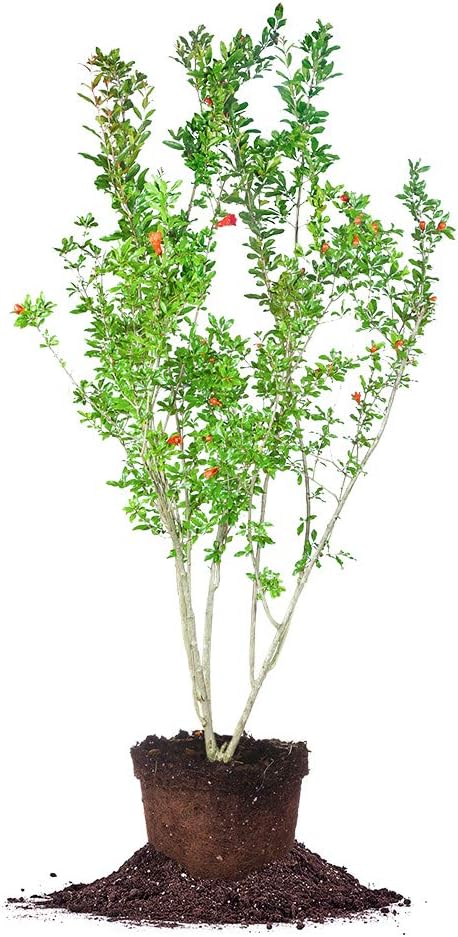
Perfect Plants Wonderful Pomegranate Tree (2 Gallon, Live Plant)
| Expected Blooming Period | Spring |
|---|---|
| Sunlight Exposure | Full Sun |
| Expected Planting Period | Spring |
| Soil Type | Clay Soil |
| Moisture Needs | Moderate Watering |
The Perfect Plants Wonderful pomegranate is a compact fruit tree sold as a 2-gallon live plant that works well in a pot or small landscape. It produces showy spring flowers and plentiful large red pomegranates that typically ripen in mid to late September. Because the cultivar is self-pollinating you do not need additional trees nearby to set fruit, which simplifies container growing on a patio or balcony. It prefers full sun, moderate watering, and clay-type soils and is recommended for warm hardiness zones 8 to 11. As a potted option it offers ornamental value from blossoms and edible reward once established, and it reaches a manageable mature size for small yards or large containers. Expect standard nursery-care needs after planting and note that performance depends on warm conditions and adequate sun; in cooler or shaded sites fruiting and growth will be limited. The plant arrives as a live specimen with a care guide included, so new growers get basic setup direction for potting and seasonal care.
Best for: Gardeners who want a dual-purpose plant that is both ornamental and productive and who need a manageable tree they can grow in a large pot or small yard in a warm-sun location.
Less Ideal for: People in cool climates, heavily shaded sites, or those seeking an instant large harvest from a very small container should consider other fruiting options.
- Self-fertile variety that sets fruit without a second tree
- Produces large, flavorful pomegranates and ornamental spring flowers
- Compact mature size suitable for containers and small yards
- Includes a care guide to help with planting and early care
- Best performance limited to warm climates (hardiness zones 8–11)
- Requires full sun for reliable flowering and fruiting
Verdict: A compact, self-fertile pomegranate tree that suits container growing and delivers ornamental flowers plus edible fruit for warm, sunny patios.
GREEN BEAR Cara Cara Blood Orange Tree — Live Potted, Grafted, Mature Bearing

| Sunlight Exposure | Full Sun, Partial Sun |
|---|---|
| Brand Name | GREEN BEAR |
| Unit Count | 1 Count |
| Item Weight | 20 pounds |
This Green Bear Cara Cara blood orange arrives as a grafted, mature potted tree that is already producing fruit, which makes it a strong pick for gardeners who want quick harvests from a compact citrus specimen. It is typically used on patios, balconies, or in garden beds where full to partial sun is available and soil drains well. Notable features include its pre-grafted rootstock, glossy evergreen foliage, fragrant white blossoms, and ruby-red flesh fruit that offers a sweeter, lower-acid flavor than standard oranges. The practical benefits are immediate fruiting without several years of wait time and easy placement in a container or planted in the ground. Limitations are that it still needs consistent watering, full sun, and suitable winter protection in cooler climates; as a shipped live plant its exact size and future yield can vary by batch. For people prioritizing fast performance and ornamental value, this tree gives a head start on homegrown citrus, but buyers should be prepared to meet basic citrus care needs to maintain production.
Best for: Gardeners who want a fast path to homegrown citrus and value early fruit production on patios or in containers, and who are willing to provide regular sun, water, and basic citrus care.
Less Ideal for: People in cold climates unable to provide winter protection or gardeners who want a low-maintenance, shade-tolerant fruiting tree.
- Arrives grafted and already bearing fruit for near-immediate harvests
- Pre-potted for easy placement in containers or quick transplanting into the landscape
- Produces sweet, lower-acid Cara Cara fruit with distinctive red flesh
- Evergreen foliage and fragrant blossoms provide year-round ornamental value
- Requires full sun and well-draining soil to sustain fruit production
- Performance and exact size can vary between shipped nursery batches
Verdict: Choose this pre-grafted, already-fruiting Cara Cara tree when you want an established potted citrus that delivers quick harvests and strong ornamental value.
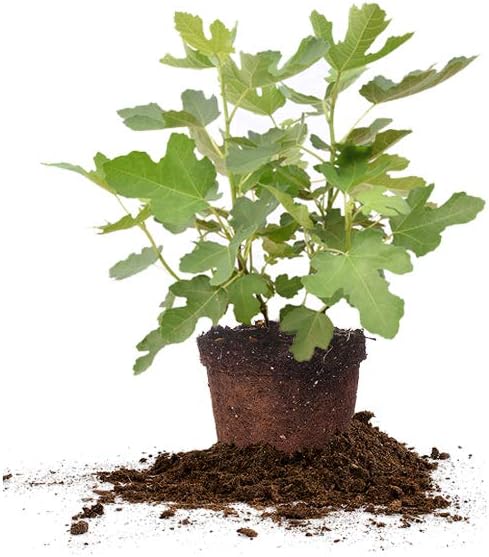
PERFECT PLANTS Chicago Hardy Fig Tree, 3 Gallon, Live Plant
| Sunlight Exposure | Full Sun |
|---|---|
| Moisture Needs | Moderate Watering |
| Other Special Features of the Product | Easy To Use |
| Item Type Name | Live Plant |
The Chicago Hardy Fig in a 3-gallon container is a live fruit tree meant for buyers who want a productive, low-fuss fig they can keep on a patio or plant in the landscape. It arrives as a young tree with upright, leggy branches and large green leaves and is described as self-pollinating and cold-hardy, so it will set fruit without another tree and tolerate below-freezing temperatures. Typical use is planting in full sun either directly in the ground or in a large pot; the included fig food and care guide simplify first-season establishment. Practical benefits include strong fruiting potential, suitability for container culture when pruned and managed, and resilience to cold snaps that extend its geographic usability. Important limitations are its eventual mature size, which can be large if planted in ground, and the need for regular watering and pruning when grown in pots to control vigor and keep fruiting within reach. Buyers should expect to invest time in seasonal pruning and container maintenance to get reliable harvests.
Best for: Gardeners who prioritize fruit production and want a dependable, cold-tolerant fig they can grow on a sunny patio or in a container with attentive pruning and watering.
Less Ideal for: People with very small balconies or those unwilling to perform seasonal pruning and container care should consider smaller dwarf varieties instead.
- Self-pollinating so it sets fruit without another fig tree nearby
- Cold-hardy variety that tolerates below-freezing temperatures
- Comes in a ready-to-plant 3-gallon container with a care guide
- Suitable for full-sun locations and can fruit reliably when established
- Matures into a large tree if planted in ground, requiring significant space or regular pruning
- Needs consistent watering and container maintenance when grown in pots
Verdict: Choose this cold-hardy, self-pollinating fig when you want a productive fruit tree that can be grown in a large pot or planted in sunny landscapes for dependable annual harvests.
Illinois Everbearing Mulberry Tree (potted)

| Expected Blooming Period | Year Round |
|---|---|
| Sunlight Exposure | Full Sun |
| USDA Hardiness Zone | 3 |
| Moisture Needs | Moderate Watering |
| Plant or Animal Product Type | Mulberry |
This potted Illinois Everbearing mulberry is a straightforward, low-maintenance fruit tree for a small yard or large container. It is marketed as hardy from USDA zone 3 through 10 and prefers part to full sun, so it will fruit reliably in many climates when given moderate watering. The tree produces sweet black and red mulberries year after year and can serve as a shade or specimen plant as it matures. Because it is sold as a young potted plant, expect several growing seasons before it reaches full height and maximum yield, and plan space accordingly. Notable benefits are its broad hardiness and easy care compared with more fussy fruit trees. Limitations are the slow timeline to significant production and typical variability in size and health of mail-order plants, so some will need early-season pruning and close attention while they establish. For container growers, regular feeding and occasional repotting will help it perform in a pot.
Best for: Buyers who want an affordable, hardy fruit tree to establish in a yard or large container and prioritize easy care and long-term fruiting over immediate harvests.
Less Ideal for: Those who need rapid, high-volume fruit production in the first year or who prefer guaranteed nursery-grown specimen trees ready for immediate heavy cropping.
- Wide USDA hardiness range suitable for many climates
- Everbearing habit provides repeated fruiting across the season
- Simple care needs: moderate watering and full to part sun
- Good choice as a garden accent or container fruit tree
- Will take several seasons to reach full height and significant fruit yield
- Plant condition can vary with mail-order potted stock
Verdict: A budget-friendly, hardy mulberry tree that is easy to grow in sun and will provide steady fruit production over several seasons.
ELLA'S HOMES Persimmon Tree Live Plant (6–12 in) in Quart Pot

| Soil Type | Well-drained |
|---|---|
| Moisture Needs | Moderate Watering |
| Plant or Animal Product Type | Fruit |
| Unit Count | 1 Count |
This persimmon tree arrives as a well-rooted live plant about 6 to 12 inches tall in a quart pot and is marketed for backyard or container fruit growing. It is hardy in USDA zones 6 to 9 and prefers full sun and well-drained soil, so it is typically used on patios, balconies, or small yard plots where a potted fruit tree is desired. Notable features include its dormant winter state for shipping, moderate water needs, and the variety's tendency to produce sweet persimmons once established. For practical use expect to transplant to a larger container or the ground after the first season, provide consistent watering without waterlogging, and plan for seasonal pruning and fertilizing to encourage fruiting. Limitations are that the plant is small at delivery and needs time and proper care to reach fruiting size, and variety-specific growth or pollination details are not provided so buyers should be prepared to monitor maturity and pollination requirements locally.
Best for: Buyers who want a low-risk, hardy potted fruit tree to establish on a patio or small yard and who prioritize predictable, manageable care over immediate harvests.
Less Ideal for: Gardeners seeking an instant crop or a mature fruiting tree right away or those who need detailed cultivar or pollination information before purchase.
- Sold as a well-rooted live plant ready for potting or transplanting
- Hardy in USDA zones 6 to 9, suitable for a wide range of temperate climates
- Prefers full sun and well-drained soil, matching common container gardening conditions
- Moderate watering needs make it manageable for reliable care routines
- Arrives very small (6–12 inches) and requires time and space to reach fruiting size
- No variety or pollination details provided, which may affect fruit set planning
Verdict: A hardy, easy-to-care-for potted persimmon sapling that fits reliably into small-space fruit gardens when you can wait for it to mature.
Via Citrus Calamondin Tree Live Plant in 1 Gallon Pot

| Indoor Outdoor Usage | Indoor |
|---|---|
| Expected Blooming Period | Year Round |
| Sunlight Exposure | Full Sun |
| USDA Hardiness Zone | 8 |
| Moisture Needs | Moderate Watering |
This Via Citrus calamondin arrives as a compact, ready-to-grow citrus tree in a one-gallon pot intended for indoor or patio use. It blooms and can fruit year round when given full sun and moderate watering, producing fragrant white flowers and small tart-orange fruit useful for cooking or cocktails. The plant is marketed as organic and low-maintenance, suited to growers who rotate it indoors in winter and set it outside during warm months. Its compact habit and recommendation for sandy, well-draining soil make it an easy candidate for container culture on balconies, patios, or in sunny rooms. Expect modest annual size increase and plan to prune to maintain a container-friendly shape. Limitations are its USDA hardiness zone 8 rating, which means it needs winter protection in cooler climates, and the one-gallon starting pot will require repotting as the root system develops if you want larger yields or faster growth.
Best for: Buyers who want a productive, fragrant citrus suitable for container growing on a patio or in a sunny room and who prioritize steady bloom and fruit production from a compact plant.
Less Ideal for: Gardeners seeking a cold-hardy outdoor tree that can be left outside year-round or those who prefer a mature, high-yield fruit tree without the need to repot and manage container roots.
- Compact size and one-gallon pot make it container-ready for patios, balconies, or sunny rooms
- Year-round blooms and fragrant flowers add visual and olfactory interest indoors
- Produces edible, tart fruit useful for cooking, preserves, and cocktails
- Low-maintenance care: thrives in full sun with moderate watering
- Rated for USDA zone 8 so it needs winter protection or to be moved indoors in cooler climates
- Ships in a one-gallon pot so will require repotting for larger growth or greater fruit production
Verdict: A compact, container-ready citrus that delivers year-round flowers, fragrance, and edible fruit for growers who want productive potted trees.
Choosing the Right Potted Fruit Trees: Key Factors to Consider
Container Size and Root Space
The pot you choose determines root development, water retention, and how often you need to repot. Larger containers buffer temperature swings and reduce watering frequency but add weight and take up more space. For most potted fruit trees, select the largest container that fits your location and budget to support stable fruiting.
Root-confined trees can become pot-bound over time, which reduces vigor and fruit set. Plan for periodic root pruning or repotting every few years. Consider container material too: clay breathes but loses moisture faster, while resin or composite pots retain water better and are lighter to move.
Cold Hardiness and Overwintering Strategy
Many fruit trees face winter stress when grown in pots because roots are exposed and freeze more quickly than in-ground roots. Choose varieties with hardiness that matches your climate, and have a plan for insulating or moving pots in cold months. Wrapping pots, using insulating sleeves, or placing containers in a protected microclimate will improve survival.
In marginal climates, select trees with lower chill-hour requirements or those known to tolerate container wintering. Dormant-season protection and avoiding freeze-thaw cycles for root balls are often more important than absolute low-temperature ratings for in-ground trees.
Pollination Requirements
Some fruit trees are self-fertile and produce fruit with their own pollen, while others need a compatible pollinator nearby. In a small space or balcony, you may not have room for multiple trees, so self-pollinating varieties can be a practical choice. If cross-pollination is required, consider planting compatible pollinators in separate pots or relying on nearby street trees and pollinating insects.
Flower timing matters too. Overlapping bloom periods between varieties increases cross-pollination success. Also think about attracting pollinators with continuous blooms and avoiding excessive pesticide use during flowering.
Irrigation and Nutrient Management
Container-grown trees dry out faster and require more regular watering than in-ground specimens. Consistent moisture without waterlogging is crucial for fruit development. Use a well-draining potting mix and establish a watering routine adjusted for season, pot size, and material.
Fertilizer needs are concentrated in containers because nutrients wash out with each watering. Use a balanced, slow-release fertilizer or a regular liquid feed during the growing season, and reduce feeding during dormancy. Monitor leaf color and growth to tweak feeding frequency rather than following a rigid schedule.
Size Control and Pruning
Managing tree size is central to container success. Choose naturally dwarfing or espalier-friendly genetics when space is limited. Pruning controls height, encourages branching, and helps maintain a shape that is easier to net, protect, and harvest from a balcony or patio.
Regular pruning also improves light penetration and air circulation, which reduces disease pressure in the confined canopy of a potted tree. Learn the basic seasonal pruning cuts for your chosen fruit type to keep productivity high without over-stressing the plant.
Pest and Disease Resistance
Containers can sometimes amplify pest pressure because trees are concentrated in small areas and may be closer to human activity. Choose varieties with known resilience to local pests or plan integrated pest management strategies that are safe for edible crops. Good hygiene, prompt removal of diseased fruit, and beneficial insect habitat nearby will help.
Avoid overwatering and overcrowding, which create conditions for fungal diseases. Regular inspection is easier with potted trees, so establish a weekly check for early signs of pests or disease and act quickly with approved cultural or organic controls.
Choosing the Right Container Material
Container material affects weight, insulation, and moisture behavior. Terra-cotta pots are attractive and breathable but dry out more quickly and can crack in freezing conditions. Plastic, resin, or composite pots retain moisture better and are lighter to move around, making them a practical choice for balconies and decks.
Consider double-potting or using insulating wraps for cold climates. If mobility is important, put pots on heavy-duty casters or use lighter materials that make relocating easier when frost threats appear.
- Clay: breathable, attractive, heavier, dries faster
- Plastic/Resin: lightweight, water-retaining, frost-resistant options
- Fiberglass/Composite: durable, good insulation, often more expensive
Training and Pruning for Patio Trees
Space-limited trees benefit from training systems like espalier, goblet, or multi-stem standards. Training reduces canopy bulk, improves access to sunlight, and simplifies harvest. Start training in the first couple of years to set permanent framework branches.
Prune to remove crossing branches, open the canopy, and control height. Light summer pruning can check vigor while winter pruning shapes structure and encourages fruiting wood for the next season.
- Espalier saves space and creates an attractive focal point
- Multi-stem standards offer a compact, tree-like silhouette
- Annual light pruning is easier than occasional heavy cuts
Seasonal Care: Watering, Feeding, and Moving
Adjust watering with seasonal demand. During hot months you may need daily checks for moisture; in cooler weather reduce frequency. A consistent wet-dry cycle is healthier than prolonged saturation or chronic drought.
Feed actively while the tree is in leaf and flowering, switching to lower nitrogen formulas as fruit ripens to encourage sugar development. Plan for moving or insulating pots before the first severe freeze to protect root systems.
- Use a moisture meter or finger test to avoid overwatering
- Apply balanced nutrients early in the season, then tailor later feeding
- Move containers to protected spots before extreme weather
Maximizing Pollination and Fruit Set in Small Spaces
If you have limited space, prioritize self-fertile varieties or stagger bloom times with a neighbor's tree to boost cross-pollination. Plant pollinator-friendly flowers nearby to attract bees and hoverflies. For balconies, a pot of herbs or flowering annuals on the railing can increase insect visits.
Hand pollination is a practical backup when insect activity is low. Use a small brush to transfer pollen between flowers on calm, dry mornings to improve fruit set for marginally pollinated trees.
- Plant companion flowers to attract pollinators
- Choose self-fertile varieties when only one tree fits
- Hand pollinate if pollinator presence is limited
Overwintering Potted Fruit Trees
Protecting roots is the main challenge in winter. Grouping pots near a sheltered wall, wrapping containers, and mulching the root ball reduce freeze damage. In very cold zones, move containers into an unheated garage or lean them against a south-facing wall for extra warmth.
Avoid frequent moves once dormancy begins, as thawing and refreezing cycles stress roots. Insulate pots rather than letting soil freeze solid when possible, and reduce watering late in the season to minimize ice expansion in the root zone.
- Insulate pots with wraps or bubble insulation
- Group containers to create a microclimate
- Move to sheltered locations before hard freezes
How We Chose the Best Potted Fruit Trees
We focused on factors that matter to gardeners growing fruit in containers rather than in-ground orchards. Primary evaluation criteria included container adaptability, cold hardiness and overwintering needs, pollination and flowering reliability, and maintenance burden such as pruning and feeding. Each candidate had to be demonstrably suitable for life in a pot, showing good root confinement behavior and reliable fruiting when container-grown. We excluded trees that require full orchard conditions, excessive in-ground space, or complex grafting to fruit at scale. We also filtered out varieties that need extensive chill hours incompatible with small-space or portable setups. Our selection favored trees that balance manageable size, predictable fruit production, and robustness to variable watering and fertilizer regimes. Practical grower considerations like pest resilience and ease of moving or wrapping pots for winter were weighted alongside flowering and fruit quality potential.
FAQ
Can most fruit tree varieties grow well in pots?
Many fruit trees can be grown successfully in containers if you select dwarfing rootstocks or naturally compact varieties. Success depends on matching the tree to pot size, providing consistent moisture and fertility, and managing winter protection for roots.
How often should I repot a potted fruit tree?
Repotting frequency depends on growth rate and pot size but is typically every 2 to 5 years. Younger, faster-growing trees may need root pruning and a larger pot sooner, while mature trees can be root-pruned and returned to the same container to maintain size.
Do potted fruit trees need special fertilizer?
Container trees benefit from regular feeding because nutrients leach with watering. Use a balanced, slow-release fertilizer or routine liquid feed during the growing season. Reduce feeding as the tree enters dormancy and avoid high-nitrogen formulas late in the season.
How do I protect potted fruit trees from freezing temperatures?
Insulate containers with wraps or move pots into a protected area such as an unheated garage or against a sheltered wall. Grouping pots and mulching the root ball helps, and reducing late-season watering minimizes ice damage risks.
Will potted trees produce as much fruit as in-ground trees?
Potted trees often produce less total fruit than mature in-ground trees because of restricted root volume, but they can still yield ample fruit for household use. Good watering, feeding, and pruning maintain productivity in containers.
Final Verdict
Potted fruit trees make productive fruit gardening possible in small spaces when you prioritize container-adapted varieties, adequate pot size, and a clear overwintering plan. Accept that container life requires more frequent watering, feeding, and occasional root management compared with in-ground trees. Balance your space and labor limits against desired fruit quantity and pick trees whose pollination and hardiness profiles match your location. Focus on container adaptability, cold tolerance, and manageable pruning needs when choosing a potted fruit tree. With the right tree and routine care, a small patio or balcony can supply reliable seasonal fruit for years to come.
