

Note: This article contains affiliate links. If you click on these links and make a purchase, I may earn a small commission at no extra cost to you. This helps support my research and content. Read my full affiliate disclosure here.
Growing herbs in window boxes is one of the easiest ways to add fresh flavor and greenery to a small space. With the right selections you can harvest sprigs for cooking, maintain attractive foliage, and keep plants healthy on a sunny sill, balcony railing, or narrow ledge. This guide covers the top shortlisted window box herbs chosen for small-space performance and ease of care. We evaluated each option on real gardener concerns like light tolerance, watering needs, and harvest habit to help you pick the herbs that will thrive in your location and routine.
Top Picks at a Glance
| Best Overall The best all-around choice for most situations | CHUKEMAOYI Plastic Window Box Planters, 7-Pack |  |
| Best Quality Built to a higher standard if you want something more solid | H Potter 36" Antique Copper Finish Metal Window Box with Iron Brackets |  |
| Best Value The sweet spot between price and what you get | OurWarm Windowsill Self-Watering Herb Planter Box, Set of 3 |  |
| Best Budget The cheapest option that still gets the job done reliably | Torfican 5‑Piece Window Herb Planter Set with Saucers |  |
| Highest Rated A top-rated pick with lots of positive feedback | D'vine Dev Indoor Herb Garden Planter Set with Drainage Tray |  |
CHUKEMAOYI Plastic Window Box Planters, 7-Pack

| Material Type | Plastic |
|---|---|
| Capacity | 12.13 liters |
| Number of Pieces | 7 |
| Mounting Type | Window Mount |
| Indoor Outdoor Usage | Outdoor |
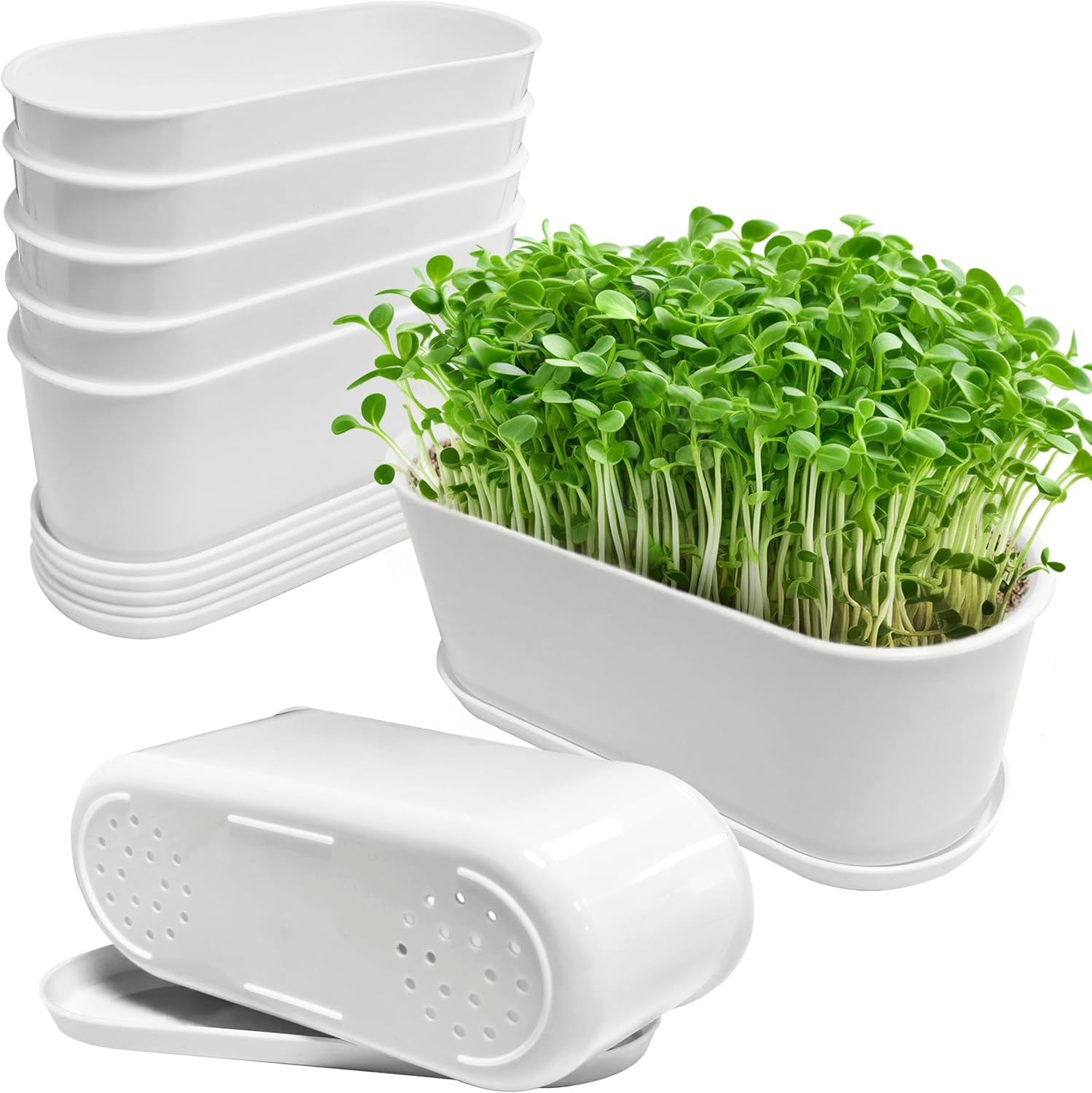
These CHUKEMAOYI window box planters are a practical, budget-friendly option for growing herbs and small vegetables on windowsills, balconies, or patios. Each rectangular planter is made of lightweight, durable plastic and includes a removable saucer and built-in drainage holes so excess water can escape while the tray helps prevent mess. The 16.6 by 7 by 5.9 inch footprint and roughly 12 liter capacity give enough soil volume for herbs, lettuce, baby greens, and small root vegetables like radishes. Because they are plastic and polished, they resist weathering and are easy to wipe clean between seasons. The seven-pack is convenient for creating a row of containers or using multiple varieties side by side. Limitations to note are the shallow depth for larger root crops and the lack of heavy-duty materials if you need a planter that will withstand rough handling or very hot sun long-term. For simple, low-cost vegetable container gardening where portability and easy maintenance matter, these boxes cover the basics well.
Best for: Buyers who need an affordable, space-saving solution to grow herbs and small vegetables on windowsills, balconies, or small patios and prefer lightweight, easy-to-move containers.
Less Ideal for: Gardeners who want deep beds for large root crops or who need heavy-duty, long-lasting materials for permanent outdoor installations should look elsewhere.
- Seven-pack provides multiple containers for planting several vegetables or herbs
- Lightweight plastic construction resists chipping and is easy to move
- Built-in drainage holes with attached saucers help prevent overwatering and spills
- Smooth polished surface is simple to clean between plantings
- Shallow depth limits use to shallow-rooted vegetables and herbs
- Plastic may degrade sooner than heavier materials under prolonged intense sun
Verdict: A low-cost, lightweight seven-pack of window boxes that makes starting a small vegetable or herb container garden simple and affordable.
H Potter 36" Antique Copper Finish Metal Window Box with Iron Brackets

| Material Type | Metal |
|---|---|
| Mounting Type | Wall Mount |
| Other Special Features of the Product | Drainage Hole, Lightweight, Rust Resistant, Weather Resistant |
| Indoor Outdoor Usage | Outdoor |
This H Potter 36" metal window box is built for lasting outdoor performance and straightforward planting. The flat-back design and heavy-duty iron brackets let you mount it flush beneath a window or along railings where it looks integrated rather than tacked on. Because it is metal with a weather-resistant, antique copper finish and includes a drainage hole, you can plant herbs directly in the box without adding a separate liner and still maintain healthy root conditions. The 36-inch length gives space for multiple herb varieties or mixed combinations, and the lightweight construction makes handling and installation manageable for one person. Expect strong visual impact and low maintenance, though metal absorbs heat in full sun so sensitive herbs may need afternoon shade or extra watering. Also there is no included liner or soil, so plan to add potting mix and consider a protective finish in very salty coastal environments.
Best for: Buyers who want a durable, low-profile window planter that performs well for productive herb beds and favors long-term installation and easy planting.
Less Ideal for: People who need insulated or plastic-lined planters for very heat-sensitive plants or who prefer a freestanding portable container.
- Durable metal construction with weather resistant antique copper finish
- Flat-back design and included heavy-duty brackets for secure, flush mounting
- Built-in drainage allows direct planting for healthier root systems
- 36-inch planting space accommodates several herb varieties or mixed groupings
- Metal can heat up in strong sun which may stress heat-sensitive herbs
- No liner or soil included so additional materials are required
Verdict: Choose this H Potter 36" metal window box when you want a sturdy, ready-to-plant trough that reliably supports productive herb planting and long-term outdoor use.
OurWarm Windowsill Self-Watering Herb Planter Box, Set of 3

| Capacity | 4.1 liters |
|---|---|
| Material Type | Plastic |
| Mounting Type | Tabletop |
| Unit Count | 3 Count |
| Indoor Outdoor Usage | Indoor |
These OurWarm planter boxes are designed to keep small herbs and succulents healthy with minimal daily attention. Each rectangular pot uses two absorbent cotton ropes that wick water from a lower reservoir up into the soil, and a top-fill injection port and visible water-level window make refilling and monitoring simple. Typical use is on a windowsill, kitchen counter, or small balcony where you want a tidy row of herbs without daily watering. The plastic construction is lightweight and durable, and the set of three gives space for a few varieties or successive plantings. Installation is tool-free and straightforward, and the tabletop mounting style keeps soil and water contained. Limitations: the planters are relatively shallow and meant for small-rooted herbs and succulents rather than larger vegetables or long-term specimens, and plastic can look less premium than ceramic or wood. You also need to keep the reservoir below the marked line to avoid overwatering delicate plants.
Best for: Buyers who want a low-maintenance windowsill herb setup that saves time on daily watering and fits a small indoor-space gardening routine.
Less Ideal for: Gardeners who need deep-rooted or long-term container vegetables, or anyone seeking a high-end decorative planter for formal living spaces.
- Self-watering reservoir with cotton wicking reduces frequency of manual watering
- Top-fill injection port lets you add water without disturbing plants
- Visible water-level window makes it easy to know when to refill
- Lightweight durable plastic is easy to move and clean
- Three-pack gives room to grow multiple herbs or stagger plantings
- Shallow planting depth limits use to small herbs, succulents, or seedlings
- Plastic finish is utilitarian rather than decorative
Verdict: If you want an easy, low-maintenance way to grow multiple kitchen herbs on a windowsill, this self-watering three-pack is a practical pick.
Torfican 5‑Piece Window Herb Planter Set with Saucers
| Unit Count | 5 Count |
|---|---|
| Capacity | 1.71 liters |
| Material Type | Acrylonitrile Butadiene Styrene (ABS) |
| Mounting Type | Window Mount |
| Included Components | Saucer |
These planters are a straightforward, budget-friendly way to grow herbs and small houseplants on a windowsill. Each rectangular pot is shallow and wide enough for single herb plants or a small succulent grouping, and the built-in drainage holes plus matching saucers make watering low‑risk and tidy. The thickened ABS plastic is odorless and resists fading or warping, so the set holds up to everyday indoor use and occasional outdoor balcony exposure. The minimalist white finish is a blank canvas if you want to paint or label them, and the included plant tags and mini transplanting tools are practical touches for beginners. Expect basic, no-frills performance: these are lightweight plastic planters, so they are not decorative statement pieces and will not provide insulation for temperature-sensitive plants. For growers aiming to maximize space, the narrow footprint fits most windowsills but limits how many herbs fit per pot. Overall they deliver reliable drainage and easy cleanup at a low cost, making them a sensible pick for starting an herb window box.
Best for: Good for cost‑minded gardeners who want a ready set to start growing herbs on a windowsill and prefer fuss‑free watering and cleanup.
Less Ideal for: Not ideal for gardeners seeking premium ceramic or insulating planters or for those who need larger pots for multi‑plant root systems.
- Built‑in drainage holes with matching saucers reduce overwatering and mess
- Durable, thick ABS plastic resists fading and deformation
- Five‑pack gives enough planters to start a small herb collection or windowsill display
- Simple white finish is easy to customize or label
- Lightweight plastic offers little thermal insulation for temperature‑sensitive herbs
- Not a decorative focal piece for styling beyond DIY customization
Verdict: A practical, low‑cost five‑pack of durable window planters that makes it easy to start an herb garden on a windowsill.
D'vine Dev Indoor Herb Garden Planter Set with Drainage Tray

| Capacity | 1.38 liters |
|---|---|
| Number of Pieces | 9 |
| Other Special Features | Drainage Hole |
| Mounting Type | Tabletop |
| Material Type | Plastic |
This D'vine Dev herb planter set is a straightforward solution for growing multiple small herbs on a windowsill. The unit contains three individual square pots that sit in a single 12-inch tray, so you can plant different herbs side by side while keeping soil and roots separated. Each pot includes a drainage hole plus a detachable saucer and the tray collects excess water, which makes watering less messy and helps prevent root rot. Constructed from matte-finish plastic with relatively thick walls, the pots feel durable and lightweight for moving or seasonal storage. The included drainage mesh helps keep soil from washing out while still allowing airflow. Limitations are typical of compact indoor planters: capacity is modest, so larger herbs will need frequent watering or repotting as roots fill the 1.38 liter volume, and the plastic material lacks the breathability of terracotta. For a simple, low-maintenance herb window box that prioritizes reliable drainage and easy cleaning, this set performs well.
Best for: Home cooks or casual gardeners who want a dependable, low-maintenance windowsill herb solution that emphasizes clean drainage and easy upkeep.
Less Ideal for: Growers who prefer large or fast-growing specimens that need deep soil or those who want porous clay pots for moisture regulation.
- Three separate pots in one 12-inch tray keep different herbs and soils separated
- Built-in drainage holes with detachable saucers and a collection tray reduce overwatering risk
- Durable, thick-walled matte plastic is lightweight and impact resistant
- Drainage mesh prevents soil loss while allowing air and water to pass
- Limited soil capacity requires more frequent watering or repotting for fast-growing herbs
- Plastic does not provide the natural breathability or aesthetic of terracotta
Verdict: A reliable, easy-care three-pot windowsill planter that prioritizes drainage and durability for growing small herbs indoors.
Choosing the Right Window Box Herbs: Key Factors to Consider
Light Requirements and Exposure
Light availability at the window will determine which herbs will thrive. Some herbs need full sun for most of the day to develop strong flavor and compact form, while others tolerate partial shade and still produce usable leaves.
Assess the orientation of your window and note morning versus afternoon sun. East-facing windows deliver gentler morning light and suit delicate herbs; west and south exposures give stronger afternoon sun that favors sun-loving basils and rosemary. If your site is consistently shaded, choose tolerant species or position the box to capture the brightest available hours.
Pot Size, Soil Depth, and Root Behavior
Window boxes are often shallow, so consider root depth and vigor. Herbs with shallow, fibrous roots adapt better to narrow containers; deep- or fast-spreading root systems will become root-bound and decline quickly.
Use a high-quality potting mix that drains well but holds moisture. Soil depth affects watering frequency and nutrient availability, so pick herbs suited to the actual box depth rather than forcing deep-rooted varieties into cramped soil.
Watering Needs and Moisture Management
Herbs vary from drought-tolerant Mediterranean species to moisture-loving tender greens. Overwatering is a common problem in window boxes because limited soil volume retains less water and salts concentrate faster.
Match herbs to your watering routine. If you prefer low-maintenance care, choose herbs that tolerate drying between waterings and plant them in a free-draining mix. For thirstier herbs, plan for more frequent checks and consider a moisture meter or self-watering inserts to avoid stress.
Growth Habit and Harvest Frequency
How an herb responds to cutting determines how useful it is for repeated kitchen harvests. Some herbs regrow quickly after frequent pinching, which keeps plants bushy and productive. Others bolt or become sparse when repeatedly harvested.
Plan combinations where vigorous regrowers take the brunt of regular snips, while slower recoverers are harvested sparingly. Understanding growth habit helps you time pruning, prevent flowering before the season peaks, and maintain an attractive window display.
Hardiness, Pest Pressure, and Microclimate
Windowsills create unique microclimates: reflective heat from glass, drafts from open windows, and temperature swings between day and night. Choose herbs that tolerate these fluctuations and that resist common pests such as aphids, whiteflies, or fungal issues in crowded boxes.
Regular inspection and good airflow reduce problems. Prefer herbs with natural resistance for low-intervention setups, and plan companion plantings that discourage pests without blocking light.
Best Light Matchups for Different Window Orientations
Pair herbs to the light your window actually provides. East-facing windows are excellent for tender, flavor-sensitive herbs that appreciate morning sun and afternoon shade. West-facing and south-facing windows suit herbs that need bright, direct afternoon light to develop robust oils and aromas.
If your window gets only low light, focus on shade-tolerant or partial-shade herbs and consider placing reflective surfaces nearby to boost available light. Rotating portable boxes a few degrees throughout the season helps even out growth on all sides.
- East windows: gentle sun, good for tender herbs.
- South/West windows: best for sun-loving Mediterranean herbs.
- Low-light windows: choose shade-tolerant herbs or supplement with a grow light.
Soil Mix and Feeding for Window Boxes
Use a lightweight potting mix with good drainage and some organic matter to hold nutrients. Avoid garden soil, which compacts and reduces aeration. A mix with added perlite or coconut coir improves moisture balance in shallow boxes.
Feed lightly and regularly. Smaller containers exhaust nutrients faster, so regular, diluted liquid feed or slow-release granules timed to the product instructions keeps plants productive without overloading salts.
- Choose mixes labeled for containers or vegetables.
- Top-dress with compost between seasons, not during peak harvest.
- Flush boxes occasionally if salts build up from fertilizer.
Designing Attractive and Functional Herb Combinations
Combine herbs with compatible light and water needs to avoid forcing different care routines in the same box. Mix textures and heights to create a pleasing display and allow easier access while harvesting. Place taller, upright herbs toward the back and trailing or low-growing herbs at the front so each plant gets light and room.
Think about harvest cadence when grouping: pair quick-regrowing herbs near the reach of your dominant hand for frequent snips, and tuck slower growers where they will get enough space to recover after occasional harvesting.
- Match water and light needs within the same box.
- Use vertical elements or multiple shallow boxes to increase variety without overcrowding.
- Include at least one trailing herb to soften the box edge.
Winter Care and Extension Strategies
Window box herbs can often overwinter if the microclimate is mild and frost risk is low. Move boxes closer to interior glass, provide insulation around the container, or bring particularly tender pots indoors on cold nights. Reduce watering as growth slows and cut back on feeding to match lower light.
For regions with long winters, treat window box herbs as seasonal plantings and plan for fresh starts in spring. You can keep a few hardy herbs in place with protective measures if you want year-round greenery.
- Bring boxes indoors during hard freezes.
- Add insulating wraps or foam underboxes for cold protection.
- Reduce fertilizing and water only when the soil begins to dry.
Common Problems and Simple Fixes
Yellowing leaves often indicate watering issues or poor nutrition. Check soil moisture and adjust the watering schedule before changing other variables. Improve drainage or repot if the soil is compacted.
Pests are usually manageable with mechanical removal, stronger airflow, and targeted organic treatment when necessary. Prevent problems with good spacing and regular inspection so issues are caught early.
- Address yellowing and drooping by evaluating drainage and root health.
- Remove pests by hand or rinse leaves, and increase airflow to discourage fungal diseases.
- Replace soil between seasons to reduce buildup of pathogens and salts.
How We Chose the Best Window Box Herbs
We focused on herbs that reliably perform in confined containers and on window ledges, favoring choices that balance flavor, compact growth habit, and simple care. Evaluation emphasized practical, gardener-facing criteria: light tolerance to suit east, west, or south exposures; root and pot size compatibility so plants do not quickly outgrow a typical window box; watering and drought tolerance to match common maintenance schedules; and harvest habit so frequent clipping encourages healthy regrowth without stressing the plant. We also considered pest resistance and general hardiness for typical indoor-outdoor window conditions. Plants were excluded if they require large, deep pots, aggressive root systems, or extensive training that a shallow box cannot support. We filtered out herbs known to become invasive in containers or that need specialized greenhouse conditions. The remaining candidates were judged by how they behave in everyday window-box setups rather than on rare experimental techniques.
FAQ
How deep should a window box be for healthy herb growth?
Aim for at least 6 to 8 inches of usable soil for most common herbs. Shallow-rooted herbs can tolerate less, but deeper-rooted varieties will become root-bound and need larger containers to stay productive.
Can multiple different herbs share a single window box?
Yes, if their light and watering needs match. Group herbs with similar requirements and avoid mixing drought-tolerant Mediterranean herbs with moisture-loving varieties to reduce maintenance conflicts.
How often should I harvest to keep herbs productive?
Frequent, light harvests encourage many herbs to branch and produce more foliage. Harvest regularly but avoid removing more than one-third of a plant at a time to allow recovery.
Do window box herbs need fertilizer frequently?
Smaller containers use up nutrients faster, so a light, regular feeding schedule works best. Use diluted liquid feed every few weeks or a measured slow-release product according to instructions to maintain steady growth.
What is the best way to prevent herbs from bolting in warm weather?
Keep plants well-watered, provide partial shade during hottest afternoons for heat-sensitive herbs, and pinch back flower buds as they appear to prolong leaf production. Timely harvesting can also delay bolting by encouraging vegetative growth.
Final Verdict
Choose window box herbs based on the real conditions at your window: match light, container depth, and watering routine before selecting plants. Prioritize herbs that fit the physical limits of a shallow box and that recover well from frequent harvests when you want regular kitchen use. Accept tradeoffs between flavor intensity and maintenance. If you want low-effort greenery, pick hardy, tolerant herbs; if you prioritize maximum flavor, be prepared for slightly more targeted care. With the right pairing and basic upkeep, window box herbs deliver fresh ingredients and attractive seasonal color at the sill.
