

Note: This article contains affiliate links. If you click on these links and make a purchase, I may earn a small commission at no extra cost to you. This helps support my research and content. Read my full affiliate disclosure here.
If you grow azaleas, blueberries, camellias, or other acid-loving plants, the right acidic mulch can make a big difference in soil chemistry and plant health. Acidic mulch not only helps maintain lower pH in the root zone but also contributes organic matter and slow-release nutrients as it breaks down. In this guide we shortlisted five top acidic mulches suited for gardens, containers, and foundation beds and evaluated them on acidity stability, breakdown rate, and weed suppression. Read on to understand how different mulches behave in real garden settings and which material traits matter most when matching a mulch to your soil and plants.
Top Picks at a Glance
| Best Value The sweet spot between price and what you get | Soil Sunrise 100% Natural Pine Bark Mulch Nuggets (30 Quarts) |  |
| Best Budget The cheapest option that still gets the job done reliably | MAQIHAN Pine Needle Mulch for Orchids and Acid-Loving Plants, 11 oz |  |
| Highest Rated A top-rated pick with lots of positive feedback | Home And Country USA Red Triple Shredded Hardwood Mulch, 2 cu ft |  |
| Most Popular A crowd favorite that many people choose with confidence | CJGQ Pine Bark Orchid Potting Bark – 9 qt Organic Mulch |  |
| Best Seller A high-volume bestseller chosen again and again | Rio Hamza Trading Pine Bark Mulch Nuggets, 8 Quarts (All Natural) |  |
Soil Sunrise 100% Natural Pine Bark Mulch Nuggets (30 Quarts)

| Volume | 30 quarts |
|---|---|
| Ingredients | Pine bark mulch |
| Unit Count | 1 Count |
Soil Sunrise pine bark mulch is a simple, single-ingredient bagged mulch made from aged pine bark broken into roughly 1/2-inch nuggets. It is used as a top dressing for potted plants, bonsai, terrariums, and acid-loving or ornamental containers, or mixed into potting media to increase aeration and drainage. The nuggets help reduce surface evaporation, shade roots, and give pots a finished reddish-brown look while breaking down slowly to add organic matter over time. Practical benefits include improved water management for indoor and container setups, reduced risk of surface compaction and root rot when blended into mixes, and an attractive natural appearance. Limitations are that the chunky nuggets are not suitable as a fine soil amendment where a uniform fine texture is needed and they will slowly decompose so periodic top-up is necessary; they also do not provide fertilizer or pH adjustments on their own. For gardeners seeking a low-maintenance, decorative mulch for containers, this delivers the expected functions without extras.
Best for: Buyers who want a low-maintenance, all-natural top dressing or amendment for container plants, bonsai, and terrariums and who value improved drainage plus an attractive finished look.
Less Ideal for: Gardeners who need a fine-textured soil conditioner for mixing into beds or who expect a fertilizing or pH-correcting product should consider other soil amendments.
- 100% natural pine bark with no additives
- Nugget size improves drainage and airflow when mixed into potting media
- Helps retain moisture at the surface and shades roots to reduce evaporation
- Attractive reddish-brown finish that tidies container tops
- Chunky 1/2-inch pieces are not suitable for applications needing fine soil texture
- Does not supply nutrients or alter soil pH
Verdict: A straightforward, all-natural pine bark mulch that improves container drainage, reduces evaporation, and gives potted plants a polished, low-maintenance top layer.
MAQIHAN Pine Needle Mulch for Orchids and Acid-Loving Plants, 11 oz

| Brand Name | MAQIHAN |
|---|---|
| Unit Count | 11 Ounce |
| Item Highlight | Orchid Potting Mix for Landscaping Repotting Indoor Potted Plants,Gardening,Soil Moisture Retention |
This small 11-ounce bag of pine needle mulch is a lightweight, natural mulch intended for acid-loving plants and potted specimens. It is typically used as a top dressing around root zones, a component in potting mixes for orchids and blueberries, or mixed into compost to slowly release nutrients as it decomposes. Notable features include its naturally acidic pH and loose, breathable texture that improves soil aeration and helps retain moisture. For blueberry growers the mulch can help maintain a slightly acidic root environment and reduce surface evaporation when applied 2 to 4 inches thick. The product is sold in a compact pack, so it is most useful for small beds, containers, or to top-dress individual plants rather than large landscape jobs. Because fresh pine needles can draw nitrogen while breaking down, they are best composted or combined with other organic materials before heavy incorporation into planting beds. Expect modest quantity per bag and the need to reapply seasonally for continuous benefits.
Best for: Home gardeners growing a few blueberry plants or container-grown acid-loving shrubs who prioritize an inexpensive, natural mulch to maintain slightly acidic soil and conserve moisture.
Less Ideal for: Gardeners needing bulk mulch for large landscapes or those growing neutral to alkaline plants that dislike acidic conditions should choose a different product.
- Naturally acidic, suitable for acid-loving plants such as blueberries and azaleas
- Loose, breathable texture improves aeration and reduces surface compaction
- Helps retain soil moisture when applied as a 2 to 4 inch top layer
- Biodegradable and slowly releases nutrients as it decomposes
- Small 11 oz package provides limited coverage and is not suited for large beds
- Fresh needles may temporarily tie up soil nitrogen unless composted first
Verdict: A compact, budget-friendly pine needle mulch that helps create and maintain the slightly acidic, moisture-retentive conditions blueberry plants prefer.
Home And Country USA Red Triple Shredded Hardwood Mulch, 2 cu ft

| Item Weight | 4.4 pounds |
|---|---|
| Manufacturer | Home and Country USA |
| Item model number | HCM |
This triple shredded hardwood mulch is a straightforward, no-frills option for gardeners who want dependable winter protection and curb appeal. It is used by spreading a 2 to 3 inch layer around trees, shrubs, and flower beds to insulate roots, slow soil freezing and thawing, and reduce moisture loss during cold months. The product is described as non-clumping with long-lasting color and good coverage, which makes it easy to rake into an even layer that stays put through wind and light precipitation. Because it is made from 100 percent natural, USA-sourced materials it will gradually break down and add organic matter to the soil over time. Practical limitations are that color will fade with sun and weather exposure and organic mulches need annual topping to maintain depth and weed control; also the bagged format requires manual handling for larger areas. For gardeners prioritizing reliable winter insulation and tidy beds, this mulch performs as expected without special maintenance.
Best for: Homeowners who want a reliable, low-maintenance winter mulch to protect roots, reduce watering needs, and keep beds looking tidy without specialty products.
Less Ideal for: People managing very large properties who need bulk delivery or those who want a permanent inorganic groundcover alternative.
- Made from 100% natural, USA-sourced hardwood for consistent composition
- Triple shredded texture spreads smoothly and resists clumping for an even layer
- Helps retain soil moisture and insulates roots against winter temperature swings
- Provides weed suppression by forming a light-blocking surface
- Breaks down over time to contribute organic matter to the soil
- Color will gradually fade with sun and weather exposure
- Requires annual refreshing as organic mulch decomposes
- Bagged 2 cu ft format can be labor intensive for large landscapes
Verdict: A dependable, USA-grown hardwood mulch that reliably insulates roots and tidies beds for winter-focused gardeners.
CJGQ Pine Bark Orchid Potting Bark – 9 qt Organic Mulch
| Brand Name | CJGQ |
|---|---|
| Unit Count | 335.12 Ounce |
| Item Type Name | garden decoration |
| Ingredients | Pine |
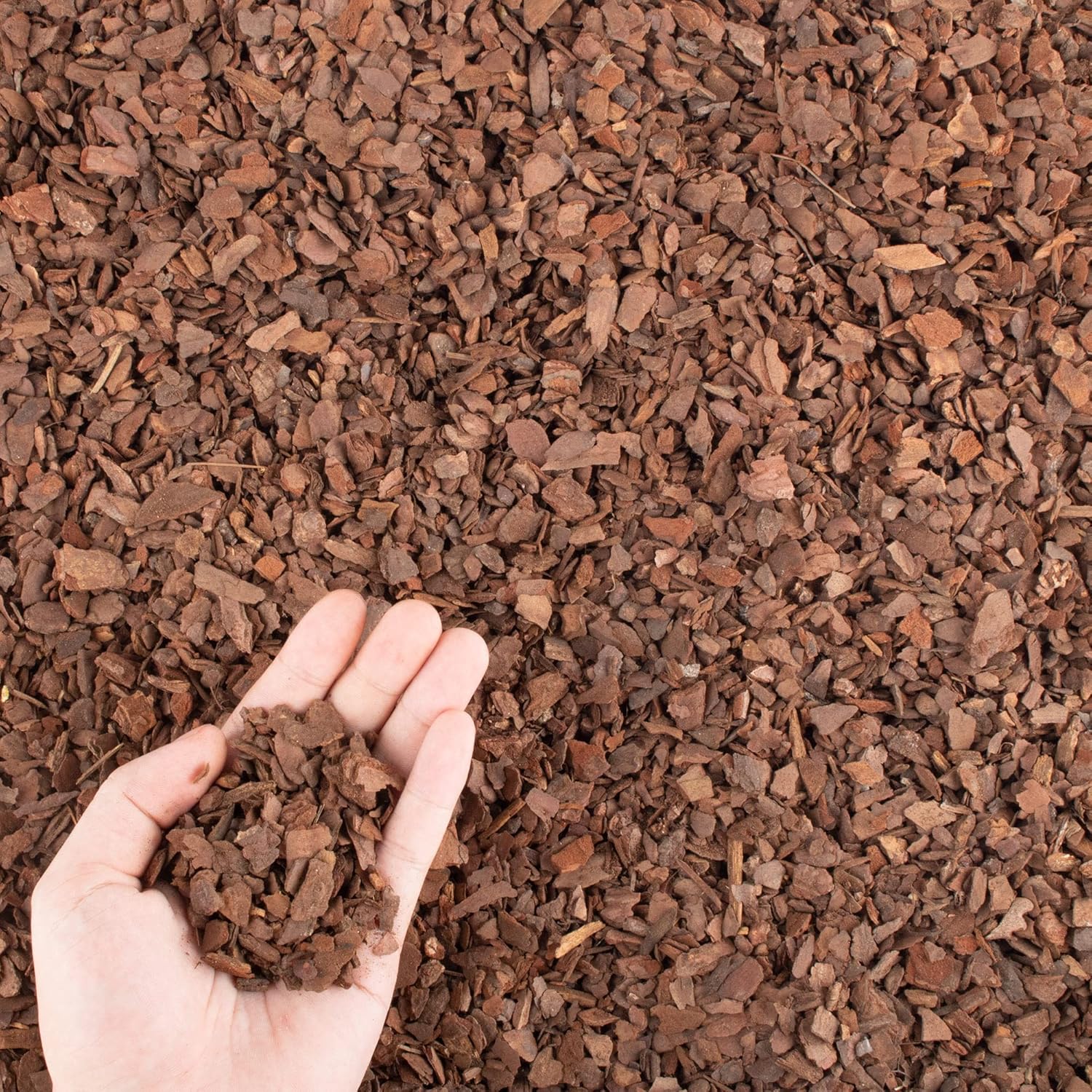
This product is a 9-quart bag of shredded pine bark intended as organic potting bark and garden mulch. The chips are roughly 3/8 to 1/2 inch in size and are designed to improve aeration and drainage in potting mixes, which helps roots that need good airflow such as orchids and other acid-loving plants. Typical uses include topping container mixes, mixing into soil to increase porosity, or using as a surface mulch around shallow-rooted plants. Practical benefits include lightweight, naturally slow-to-decompose material that adds organic matter and promotes oxygen around roots while reducing surface compaction. Important limitations are that pine bark has modest nutrient value on its own and will break down over time so it needs occasional replenishing; it is not a balanced fertilizer and should be combined with compost or a feeding plan for long-term beds. For rhododendrons specifically, this bark can help maintain acidic, well-draining conditions when blended with humus-rich organic matter rather than used alone as the sole mulch.
Best for: Gardeners who prioritize low-risk, natural mulches and want to improve drainage and root aeration for acid-loving shrubs and container-grown specimens while avoiding synthetic products.
Less Ideal for: Those seeking a high-nutrient mulch or a long-lasting non-decomposing groundcover for large landscape areas should consider alternatives like compost-rich mulch or inorganic mulches.
- Shredded pine bark increases soil aeration and drainage for roots.
- Organic material that slowly adds humus as it decomposes.
- Appropriate chip size for container mixes and top dressing.
- Comes in a 9-quart volume suitable for small beds or multiple pots.
- Limited nutrient content so it should be paired with compost or fertilizer.
- Will decompose over time and requires periodic replenishment.
Verdict: Choose this shredded pine bark when you want a natural, aerating mulch that supports root health and acidic soil conditions for shrubs and pots.
Rio Hamza Trading Pine Bark Mulch Nuggets, 8 Quarts (All Natural)

| Brand Name | Rio Hamza Trading |
|---|---|
| Unit Count | 256 Square Feet |
| Item Type Name | Potting Soil |
| Volume | 8 quarts |
| Ingredients | All natural pine shavings |
These 100% natural pine bark nuggets are small half-inch pieces intended as a top dressing or soil amendment for containers, bonsai, terrariums, and beds. You can sprinkle them as a decorative layer over potting mix to reduce surface evaporation and discourage pests, or blend a portion into heavy soil to increase aeration and reduce waterlogging around roots. The product emphasizes chemical-free bark with a red-brown look that tidies planters and complements evergreen plantings like arborvitae. An 8-quart bag covers modest container projects and provides enough to refresh a single large pot. Because the nuggets are coarse, they persist on the surface and do not compact quickly, which helps long-term drainage but means they will not break down fast to enrich soil. Also the bag size is small for landscape-scale mulching, so this is best for focused use around specimens rather than blanket beds. For someone managing moisture around ornamental evergreens, these nuggets work as an attractive, low-maintenance surface mulch.
Best for: A buyer who prioritizes plant safety and wants visible social validation will appreciate a chemical-free, attractive mulch for protecting root zones of specimen shrubs or container arborvitae and for tidying planters.
Less Ideal for: Not a good fit for someone needing bulk mulch for wide beds or wanting a fast-breaking organic amendment to quickly enrich soil.
- Made from 100% natural pine bark with no added chemicals
- Half-inch nuggets improve soil aeration and reduce surface compaction
- Durable, coarse texture provides long-lasting decorative top dressing
- Versatile for indoor pots, bonsai, terrariums, and small outdoor containers
- Small 8-quart bag is insufficient for mulching large landscape areas
- Coarse nuggets decompose slowly and provide limited short-term nutrient addition
Verdict: Choose these pine bark nuggets when you want a chemical-free, long-lasting decorative mulch to improve drainage and keep arborvitae planters looking tidy.
Choosing the Right Acidic Mulch: Key Factors to Consider
How Strongly It Lowers Soil pH
Different acidic mulches vary in how much they change the soil pH and how long that effect lasts. Some materials release organic acids slowly as they break down and steadily nudge the root zone pH downward. Others may have a more immediate but short-lived effect that requires regular top-ups.
Match the expected pH shift to your plants' needs. For highly acid-loving species you may want a mulch with a stronger or more consistent acidifying influence. For marginally acid-tolerant plants, choose a milder option to avoid over-acidifying the soil.
Breakdown Rate And Maintenance Frequency
Decomposition rate determines how often you need to replenish the mulch and how quickly it contributes organic matter and nutrients. Fast-breaking mulches feed plants and build soil more quickly but require more frequent replenishment and can temporarily immobilize nitrogen as microbes consume carbon-rich materials.
Slower-decomposing mulches last longer and provide stable coverage and weed suppression but contribute organic matter at a slower pace. Consider the maintenance time you can commit and whether you want quick soil-building benefits or low-maintenance coverage.
Weed Suppression And Ground Coverage
A good mulch also acts as a physical barrier to weeds and moderates soil temperature and moisture. Coarse, long-lasting mulches tend to be better at water infiltration and resisting wind displacement, while fine or shredded materials can compact and form a mat that blocks weeds effectively.
Think about how important weed control is for the planting area. In high-weed spots, choose a mulch known for forming a tight cover or combine mulch with pre-plant weed management for best results.
Nutrient Release And Soil Biology
As acidic mulches break down they contribute carbon and nutrients to the soil and influence microbial activity. The carbon-to-nitrogen ratio affects whether microbes will temporarily tie up nitrogen, which can impact nearby plants. Some mulches add tannins or organic acids that change nutrient availability.
If you are planting young or nitrogen-sensitive plants, pay attention to a mulch's decomposition behavior and consider supplemental nitrogen if necessary during heavy breakdown periods.
Suitability For Containers Versus In-Ground Beds
Mulch behavior differs between containers and open beds. In containers the volume is limited and pH shifts and nutrient release happen more quickly. Containers also dry faster, so choose mulches that retain moisture without becoming compacted.
In-ground beds have buffering capacity from surrounding soil, so larger mulch applications are less likely to produce abrupt changes. Match the mulch form and particle size to the planting situation to avoid drainage or aeration problems.
Source Quality And Potential Contaminants
Quality and purity matter for mulches that will alter soil chemistry. Avoid mulches with unknown origin or those that may contain treated wood, excessive salts, or chemicals that harm soil organisms. Certified or well-documented horticultural products reduce risk of contaminants.
Check for visible debris, consistent texture, and manufacturer guidance on pH and composition when available. Knowing the source helps you predict long-term effects on soil health and plant performance.
Types Of Acidic Mulch And How They Behave
Acidic mulches come in distinct material families with predictable behaviors. Pine needles and shredded pine bark release organic acids slowly and are valued for long-term acidifying tendencies and good aeration. Oak leaf mulch and certain hardwood composts can also lower pH but may decompose more quickly and add more nutrients.
Peat-based products and some sphagnum blends are strongly acidifying and hold moisture well but can compact if used in heavy layers. Evergreen needle layers are lightweight and let water through while creating a slowly acidifying layer that suits acid-loving shrubs. Understanding the material family helps predict maintenance needs and pH trends in your garden.
- Pine bark and needles: slow acidification, good aeration
- Oak leaves and hardwood compost: faster breakdown, higher nutrient release
- Peat and sphagnum: strong acidification, high water retention
- Wood chips: variable effect depending on source and processing
Applying Acidic Mulch Correctly
Apply mulch in a way that supports root health and avoids common problems. Maintain a 2 to 4 inch layer for most shrubs and beds to balance moisture retention and aeration. Keep mulch a few inches away from trunks and stems to prevent rot and pest hiding places.
When topping up, add thinner layers more often instead of piling on deep layers at once. For containers, refresh the top inch or two each growing season to prevent compacted, anaerobic conditions. Light raking breaks up compacted surfaces and encourages even decomposition.
- Recommended depth: 2 to 4 inches for most garden beds
- Keep mulch away from direct contact with stems and trunks
- Refresh thinly and regularly rather than adding deep layers infrequently
Monitoring Soil pH After Mulching
Mulch changes pH gradually, so monitor soil with pH tests before applying and again at intervals after application. Test the root zone pH at the same time each year to track trends and avoid over-acidifying. pH meters and simple test kits both work; use the same method for consistent results.
If pH shifts are too strong, dilute the effect by incorporating neutral organic matter in the next top-up or by applying lime carefully to counteract excessive acidity. Adjustments should be small and monitored to avoid sudden swings that stress plants.
- Test before mulching and every 6 to 12 months after application
- Use consistent sampling depth and method for comparable readings
- Correct excessive acidity gradually with soil amendments if needed
Combining Mulches And Groundcovers
Sometimes combining mulch types or pairing mulch with living groundcovers gives better results than a single material. A top layer of decorative coarse bark over a base of shredded needles can provide both strong acidification and neat appearance while reducing erosion.
Living groundcovers that tolerate low pH can complement acidic mulch by stabilizing soil, reducing bare spots, and using excess nutrients. Think about how mulch and plant choices interact across seasons to maintain consistent soil conditions.
- Layer different mulch materials to balance aesthetics and performance
- Select groundcovers compatible with low pH for long-term stability
- Avoid layering incompatible materials that trap moisture against stems
Environmental And Long-Term Soil Effects
Long-term use of acidic mulches changes more than pH. Continued additions of acidic organic matter can shift microbial communities and nutrient cycling patterns in the root zone. Over many seasons this can benefit acid-loving plants but may require different fertilization strategies for other species nearby.
Be mindful of runoff in sloped areas. Acidic leachate can affect adjacent planting zones and waterways. Use mulching practices that limit erosion and incorporate buffer plantings where needed to protect surrounding soil and water.
- Expect gradual shifts in soil biology and nutrient cycling with long-term use
- Monitor adjacent areas for unintended pH changes
- Manage erosion and runoff when applying large mulch volumes on slopes
How We Chose the Best Acidic Mulch
We selected acidic mulches by focusing on practical garden performance and measurable material properties. Primary evaluation criteria included pH influence and stability, which measures how reliably a mulch lowers or maintains soil acidity over time. Decomposition rate was assessed because it dictates how often you must top up mulch and how quickly nutrients are released. Weed suppression and ground cover effectiveness matter for reducing maintenance and competition at the root zone. Nutrient contribution and carbon-to-nitrogen balance were considered to gauge whether the mulch will immobilize nitrogen or provide usable nutrients as it decomposes. Sourcing and safety checks were applied to avoid materials with high salt, contaminants, or excessive additives that harm soil biology. We excluded materials that are primarily decorative without measurable acidifying effect or that contain treated wood, heavy chemical additives, or high-salt residues. The final list prioritizes materials that demonstrably lower pH or support acid-loving species while still offering good coverage and acceptable breakdown rates for typical garden use.
FAQ
How long after applying acidic mulch will soil pH change?
Soil pH change is usually gradual and depends on material and climate. Some mulches start to influence pH within a single season, while others may take multiple seasons to produce a measurable shift.
Can acidic mulch harm plants that prefer neutral soil?
Yes, prolonged use of strongly acidifying mulch can lower pH enough to stress neutral-preferring plants. Use milder materials or limit application area if you have mixed planting beds.
Is pine needle mulch better than bark for acid-loving shrubs?
Pine needles are lightweight and release acids slowly, which suits many acid-loving shrubs. Bark can also work and often lasts longer. Choice depends on desired longevity, appearance, and availability.
Do I need to adjust fertilizer when using acidic mulch?
Often you will need to monitor nutrient availability because decomposition can temporarily tie up nitrogen. Test soil and adjust fertilization based on plant growth and soil test results rather than assuming fixed rates.
Can I use acidic mulch in containers with blueberries or rhododendrons?
Yes, but containers amplify pH and moisture effects. Use well-draining potting mixes with layered acidic mulch and monitor moisture and pH more frequently than in-ground plantings.
Final Verdict
Prioritize how strongly a mulch lowers pH and how quickly it decomposes when choosing for acid-loving plants. Balance acidification, nutrient contributions, and maintenance needs to match your planting situation. For mixed beds or containers, select milder or more controllable options and monitor soil pH over time. With consistent observation and small adjustments, you can use acidic mulch to support healthy, vigorous acid-loving plantings without causing unintended problems.
