

Note: This article contains affiliate links. If you click on these links and make a purchase, I may earn a small commission at no extra cost to you. This helps support my research and content. Read my full affiliate disclosure here.
Choosing the right Aglaonema potting soil matters because these houseplants need a mix that holds enough moisture for steady growth but drains well enough to avoid root rot. The wrong mix can cause yellowing leaves, slow growth, or repeated repotting. This guide looks at six shortlisted potting soils suited for Aglaonema growing conditions, focusing on how mixes behave in pots, moisture control, and nutrient delivery. We evaluated each option for drainage, moisture retention, and nutrient stability to help you pick a mix that fits your watering habits and light conditions. Read on for practical guidance on using and caring for potting soil with Aglaonema plants.
Top Picks at a Glance
| Best Overall The best all-around choice for most situations | Soil Sunrise Aroid Potting Soil Mix (8 Quarts) |  |
| Best Quality Built to a higher standard if you want something more solid | Rosy Soil Aroid Potting Mix, Chunky Biochar Soil, 4 Quarts |  |
| Best Value The sweet spot between price and what you get | Miracle-Gro Organic Indoor Potting Mix, 16 qt. |  |
| Best Budget The cheapest option that still gets the job done reliably | Back to the Roots Organic Indoor Potting Mix, 6 Quart |  |
| Highest Rated A top-rated pick with lots of positive feedback | FoxFarm Ocean Forest Potting Soil, 12 qt (with 2 Plant Tags) |  |
| Most Popular A crowd favorite that many people choose with confidence | Miracle-Gro Indoor Potting Mix for All Plants, 6 qt., 2-Pack |  |
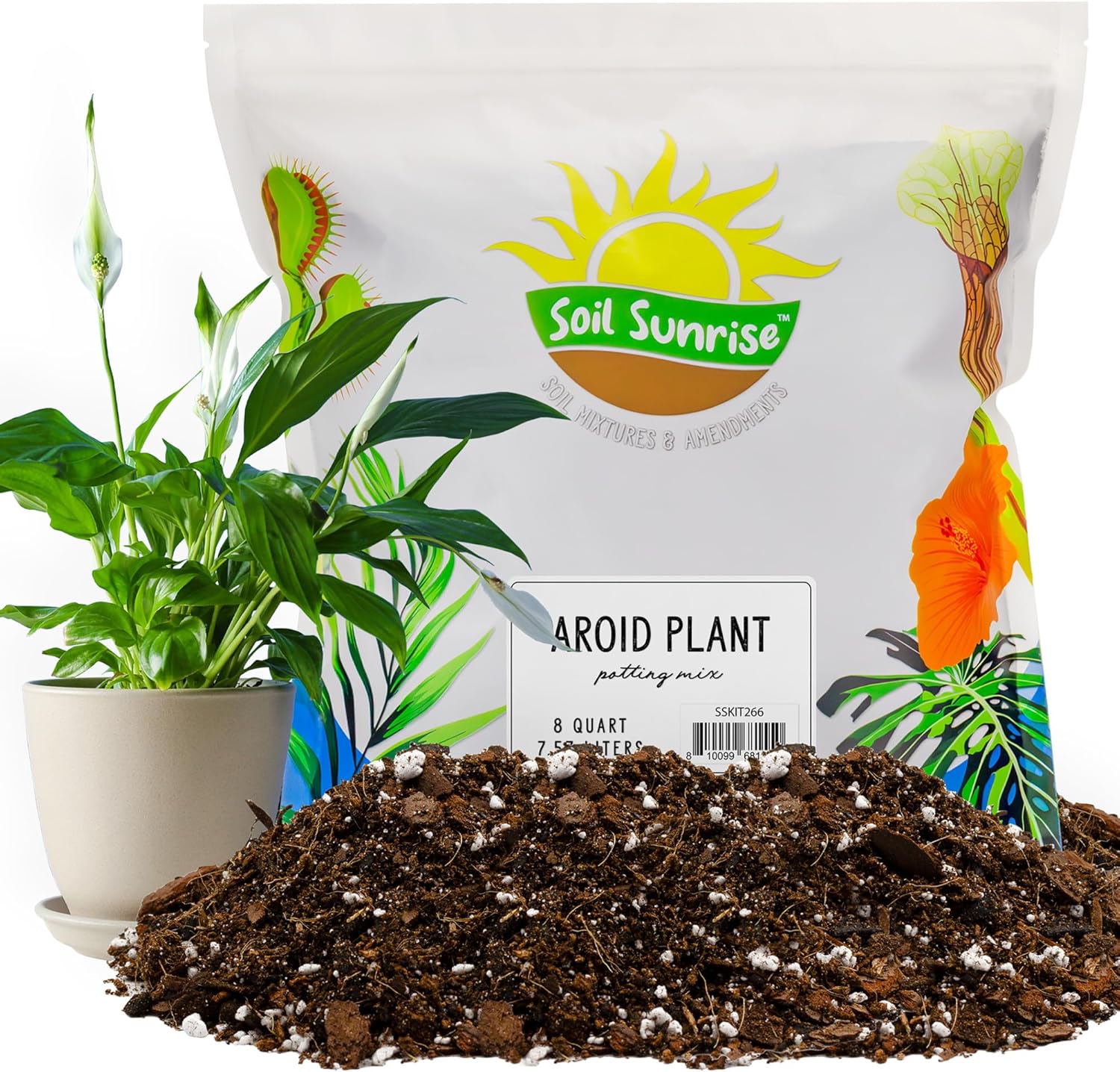
Soil Sunrise Aroid Potting Soil Mix (8 Quarts)
| Volume | 8 quarts |
|---|---|
| Ingredients | Coco coir, bark, perlite, worm casting, charcoal |
| Unit Count | 1 Count |
This 8-quart Soil Sunrise aroid mix is designed specifically for jungle-type houseplants like golden pothos and other Araceae. The blend of coco coir, pine bark, perlite, worm castings, and horticultural charcoal creates a light, chunky texture that promotes fast drainage while holding enough moisture for steady root growth. In practice it is useful for repotting store plants into a more breathable medium or refreshing the top layer of older pots. Notable features include organic amendments for nutrition, perlite and bark for aeration to reduce root rot risk, and charcoal to help with moisture regulation and odor control. The bag states it will fill a large 12-inch planter, so a single pack suits one or two typical pothos repots. Limitations are the small volume for multi-plant households and the absence of added slow-release fertilizer, so you will need to plan feedings after repotting for vigorous growth.
Best for: Balanced houseplant owners who want a ready-made, all-natural mix that mimics jungle soils for healthy pothos root development and easier repotting.
Less Ideal for: People who need large quantities for many plants or who want a potting mix with built-in slow-release fertilizer.
- Aroid-specific blend with coco coir, pine bark, perlite and charcoal for matching pothos root needs
- Includes worm castings to provide natural, gentle nutrients
- Light, chunky texture improves aeration and reduces chance of root rot
- Suitable for both young and mature plants and fits a 12-inch pot
- 8-quart bag is modest volume if you need to repot many plants
- No added fertilizer means you must supplement nutrients after repotting
Verdict: A purpose-made, all-natural aroid mix that gives golden pothos the drainage and airy texture they need for healthier roots and easier repotting.
Rosy Soil Aroid Potting Mix, Chunky Biochar Soil, 4 Quarts

| Unit Count | 128 Ounce |
|---|---|
| Volume | 4 quarts |
| Item Highlight | Peat-Free, Microbially Active, Superior Aeration & Drainage |
| Style Name | Aroid Soil |
Rosy Soil Aroid Potting Mix is designed specifically for Monsteras, philodendrons, anthuriums and other tropical aroids that need fast-draining, airy media. The mix combines pine bark fines, pumice and biochar to give a chunky structure that resists compaction and lets roots breathe while water moves through quickly. It is also enriched with worm castings, mycorrhizae and compost to create a microbially active medium that supports nutrient uptake and root vigor over time. Because it is peat-free and formulated to be carbon negative, it is a good choice for growers who want an environmentally friendlier alternative to peat-based mixes. In practical use the mix fills multiple small pots from a 4-quart bag, comes in a resealable bag to stay fresh, and is well-suited for repotting and top-ups where drainage and aeration are priorities. Limitations are the small package size for larger collections and the chunky texture may dry faster than peat blends, requiring more frequent watering for some indoor conditions.
Best for: Buyers who prioritize plant performance and root health for Monsteras and other tropical aroids and who want a fast-draining, microbially active soil that keeps roots airy.
Less Ideal for: Casual plant owners who prefer low-maintenance, moisture-retentive peat blends or who need large volumes for many pots should consider other options.
- Chunky mix with pine bark and pumice provides excellent drainage and prevents compaction
- Includes biochar and beneficial microbes to boost nutrient availability and root health
- Peat-free, designed to reduce carbon impact compared with traditional peat mixes
- Resealable bag and 4-quart volume convenient for repotting multiple small houseplants
- 4-quart bag is small for larger collections or multiple repots
- Chunky texture dries faster than peat-based mixes and may require more frequent watering
Verdict: Choose this mix if you want a high-performance, chunky potting medium that gives Monsteras and other aroids superior drainage, aeration, and microbial support.
Miracle-Gro Organic Indoor Potting Mix, 16 qt.

| Volume | 1 cubic feet |
|---|---|
| Style Name | Indoor |
| Item Highlight | Protects Against Over & Under Watering |
| OMRI Listed | Yes |
Miracle-Gro Organic Indoor Potting Mix is a ready-to-use organic blend designed for houseplants, seedlings, and container herbs. It combines coir for air space and moisture retention, sphagnum peat moss to hold and release water, and a quick-start natural fertilizer so young plants get an initial nutrient boost. Typical use is filling pots or seed trays with a drain hole, transplanting by loosening the root ball and topping up with fresh mix, or starting seeds in shallow trays and keeping them moist until germination. Practical benefits for herb growers include improved moisture regulation that helps prevent both waterlogging and rapid drying, and organic certification for those avoiding synthetic inputs. The bag claims one 16 qt. package fills a 12-inch container, which fits small- to medium-sized herb pots. Limitations are the modest volume per bag for users with multiple pots and the inclusion of peat, which some growers try to avoid for sustainability reasons. Also, plants that need very fast-draining media, such as certain succulents, may need a different blend or added grit.
Best for: Buyers who want an easy, organic potting mix for growing kitchen herbs and houseplants and who prioritize proven formulations and user guidance over sourcing bulk soil.
Less Ideal for: People looking to pot large numbers of containers at once or gardeners who prefer a peat-free, fast-draining custom mix should consider larger bags or alternative blends.
- OMRI listed and made with organic ingredients suited to organic indoor gardening
- Blend of coir and sphagnum peat moss balances aeration and moisture retention
- Includes quick-start natural fertilizer to feed plants during establishment
- Formulated specifically for indoor containers and seed starting
- 16 qt. bag provides limited coverage if you have several herb pots
- Contains peat which some gardeners avoid for environmental reasons
Verdict: A convenient OMRI-listed indoor potting mix that helps regulate moisture and gives seedlings and container herbs a reliable, organic start.
Back to the Roots Organic Indoor Potting Mix, 6 Quart

| Unit Count | 192 Fluid Ounces |
|---|---|
| Item Type Name | Indoor Potting Mix 6qt |
| Item Highlight | Peat-free, 100% organic, made in the USA |
| Ingredients | Coconut Coir, Yucca, Mycorrhizae, Perlite, Horticultural Sand |
This Back to the Roots indoor potting mix is a ready-to-use, 6-quart blend designed for common houseplants such as pothos, monstera and ferns. It combines coconut coir, yucca extract, mycorrhizae, perlite and horticultural sand to improve moisture retention, drainage and root development without peat. In practice it feels light and friable, so it is easy to pot seedlings or repot mature plants and it reduces compaction that can suffocate roots. The added mycorrhizae helps young roots establish and take up nutrients more efficiently while yucca extract helps the mix hold water between waterings, which is convenient for forgetful or busy plant owners. Because it is peat-free and made in the USA, it is a more sustainable choice versus traditional peat-based mixes. Limitations are the small 6-quart size, which means frequent repurchasing for larger collections, and the bag does not include fertilizer so you will need to feed plants separately as they grow.
Best for: Buyers who prioritize low-risk, easy-care houseplant solutions and want an organic, ready-to-use potting mix that reduces watering hassles and supports healthy root growth.
Less Ideal for: Not ideal for gardeners who need large-volume soil for many pots or for those expecting a mix that includes built-in fertilizer for long-term feeding.
- Peat-free organic formula that reduces environmental impact
- Yucca extract improves moisture retention between waterings
- Contains mycorrhizae to support root development and nutrient uptake
- Light, well-draining texture suitable for repotting seedlings and houseplants
- Small 6-quart volume may require frequent repurchasing for larger plant collections
- Does not include fertilizer so additional feeding is necessary
Verdict: A compact, peat-free potting mix that simplifies indoor plant care by holding moisture and boosting root establishment.
FoxFarm Ocean Forest Potting Soil, 12 qt (with 2 Plant Tags)

| Brand Name | FoxFarm |
|---|---|
| Unit Count | 144 Ounce |
| Item Highlight | Light, Aerated Texture with Fish Meal, Crab Meal, Earthworm Castings |
| Volume | 12 quarts |
FoxFarm Ocean Forest is a pre-mixed potting soil built from aged forest products, sandy loam and sphagnum peat moss, amended with organic inputs like fish meal, crab meal and earthworm castings. It is designed to be used straight from the bag for container-grown plants and seedlings, providing a light, well-aerated texture that helps drainage and root development. Typical use is filling pots or raised beds for starts, houseplants and container vegetables or berries; the included plant tags make labeling varieties and planting dates easier. The nutrient-rich formula supplies an initial fertility boost so you can delay heavy nitrogen feeding while young plants establish. On the downside the 12 quart bag is relatively small for larger blackberry plantings in-ground or for filling many large containers and you may need to supplement specific soil pH or long-term fertility requirements for mature brambles. For container blackberries this mix gives an easy, reliable start but plan on larger volumes or soil amendments for permanent beds.
Best for: Gardeners who want a reliable, plug-and-play potting mix to start container blackberries or seedlings and value a nutrient-rich, well-aerated medium that reduces early feeding needs.
Less Ideal for: Growers preparing large in-ground blackberry beds or those needing specific soil pH control should choose bulk soil or amend based on a lab test rather than rely on this bag alone.
- Ready-to-use blend with organic amendments for immediate planting
- Light, aerated texture that promotes drainage and root growth
- Contains fish meal, crab meal and earthworm castings for early nutrient support
- Includes plant tags for easy labeling of varieties and planting dates
- 12 quart bag size is limited for larger plantings or multiple containers
Verdict: Use this nutrient-rich, aerated potting mix to give container or young blackberry plants a strong, low-effort start.
Miracle-Gro Indoor Potting Mix for All Plants, 6 qt., 2-Pack

| Number of Packs | 2 |
|---|---|
| Unit Count | 400.58 Ounce |
| Item Highlight | Feeds for up to 6 Months |
| Ingredients | Sphagnum Peat Moss, Coir, Perlite, Fertilizer, Wetting Agent |
This Miracle-Gro indoor potting mix is formulated as an all-purpose soil for indoor container plants and is sold in a two-pack of 6‑quart bags. It combines sphagnum peat moss, coconut coir, and perlite to create a lightweight, well-draining mix that holds moisture yet releases it to roots, which helps tropical houseplants like a Dragon Tree avoid waterlogged roots. The bagged mix includes a slow-release fertilizer meant to feed plants for up to six months so you do not need to amend immediately after potting. Notably the formula excludes bark and compost, which can reduce habitats for fungus gnats — useful when repotting indoor specimens. Use is straightforward: fill a pot with drainage, set the plant, backfill with mix, and water. Limitations are that the fertilizer schedule is fixed to the included feed and heavy feeders may need additional fertilizing after several months, and serious growers who want a custom cactus or orchid-style mix will find the texture too fine. For routine repotting of Dragon Trees and similar tropical houseplants this mix is convenient and consistent.
Best for: Buyers who want a reliable, low-effort potting mix for repotting tropical houseplants like Dragon Trees and prefer a product with built-in feeding and pest-reduction features.
Less Ideal for: Specialist growers who need custom texture blends for succulents, orchids, or aggressive feeders should choose purpose-formulated mixes or amend this product accordingly.
- Balanced blend of peat moss, coir, and perlite for good moisture retention and drainage
- Includes slow-release fertilizer that feeds up to six months for low-maintenance care
- Bark- and compost-free formula reduces places for fungus gnats to breed
- Ready-to-use bag makes repotting quick with no mixing required
- Fertilizer is fixed for about six months so additional feeding may be necessary for heavy feeders
- Texture may be too fine for plants that prefer very fast-draining or chunky mixes
Verdict: A convenient, low-maintenance indoor potting mix that keeps Dragon Trees healthy with good drainage and up to six months of built-in feeding.
Choosing the Right Aglaonema Potting Soil: Key Factors to Consider
Drainage and Percolation
Aglaonema thrives in a potting mix that allows excess water to move through the root zone rather than pooling. Good drainage prevents prolonged saturation that leads to root rot and anaerobic conditions. A mix with coarse components like perlite, pumice, or coarse bark promotes quick percolation while still supporting fine particles that hold water near roots.
When drainage is too slow, you will see yellowing leaves and a decline in vigor even if the surface seems dry. Conversely, a mix that drains excessively can leave the plant short of moisture between waterings, so balance is the goal rather than maximum drainage alone.
Moisture Retention Balance
Aglaonema prefers consistent, moderate moisture rather than cycles of drought and flood. The potting soil should contain materials that hold water-such as peat, coco coir, or well-composted organic matter-while working with aerating particles to avoid sogginess. Moisture retention determines how often you will need to water and how tolerant the plant is of missed waterings.
Home gardeners should consider their typical indoor humidity and pot size. Smaller pots dry faster, so mixes for small containers may need slightly higher retention. Larger containers can afford faster-draining mixes since they hold more total water volume.
Aeration and Root Space
Roots need both oxygen and room to grow. A compacted or fine-textured mix limits oxygen flow and can cause roots to suffocate even when the soil is moist. Components like coarse perlite, pumice, or bark chips create stable pore space that preserves aeration as the mix settles.
Aeration also affects how roots explore the container and access moisture. A mix that holds structure over time reduces the frequency of repotting and helps roots avoid circling or matting against the pot walls.
Nutrient Composition and Stability
Aglaonema benefits from a stable, balanced nutrient supply rather than large, fast-release nutrient spikes. A potting soil with incorporated slow-release organic matter or a predictable base fertility reduces the need for frequent heavy feeding. Know whether the mix is inert and requires regular fertilizer or contains composted components that supply nutrients gradually.
Nutrient stability also influences leaf color and new growth rate. Too much soluble salt from poorly leached mixes can burn roots, while an entirely inert mix without planned feeding can produce pale, slow-growing plants.
pH Tendency and Salt Levels
Aglaonema generally prefers a slightly acidic to neutral pH range. Potting soils with very high pH or unknown pH tendencies can lock out key micronutrients and cause chlorosis. Check ingredient cues: peat and many quality mixes trend slightly acidic, while some mineral-heavy mixes can be higher.
Salt accumulation from fertilizers or amendments is a common indoor problem. Mixes that contain aged compost or controlled-release nutrients with clear application guidance reduce the risk of salt buildup. For sensitive growers, look for mixes labeled low-salt or that provide leaching instructions.
Particle Size Uniformity and Dust
A consistently textured mix with few fines avoids compaction and improves watering predictability. Dusty or very fine potting soils settle quickly and form dense layers that impede drainage and aeration. Particle uniformity also affects how evenly water spreads through the pot and how roots distribute.
Filters for particle size are practical for repotting: choose mixes that list coarse components or that visually show chunky pieces to ensure long-term structure. For seedling or propagation mixes, finer texture may be acceptable, but for established Aglaonema choose more structured blends.
Adjusting Mixes for Different Light Levels
Light conditions affect how you balance drainage and retention. In lower light, evaporation is slower and roots use less water, so a slightly faster-draining mix helps prevent overwatering. In brighter, indirect light, plants transpire more and benefit from modestly higher moisture retention.
When adjusting a prebuilt mix, add small amounts of perlite or pumice to speed drainage, or add coco coir for extra retention. Make adjustments incrementally and observe the plant for a week or two before adding more amendments.
- Low light: favor mixes with better drainage and less retention
- Medium to bright light: moderate retention to support higher transpiration
- Small pots: increase retention slightly to avoid overly frequent watering
Repotting Tips and When to Refresh Soil
Repotting is a good time to inspect root health and renew the growing medium. For most healthy Aglaonema, repot every 12 to 24 months to replace depleted organic matter and restore structure. If roots are crowded or soil shows poor drainage, move to a fresh mix with improved aeration.
When repotting, gently tease apart the root ball and trim any obviously rotten or circling roots. Use a pot with drainage holes and position the plant so the root crown sits slightly below the rim to leave room for fresh soil and a top layer that encourages watering into the root zone.
- Repot more frequently for rapid growers or heavily rooted pots
- Refresh only the top third of soil for minor nutrient renewal between full repots
Watering Strategies With Potting Soil
Watering technique interacts with potting soil choice. A thorough soak and then letting the surface dry slightly is often better than light daily watering, which can keep the upper layer moist while the root zone remains dry. Adjust frequency by checking weight of the pot and the feel of the mix a few centimeters below the surface.
For mixes with higher retention, reduce watering frequency and monitor for signs of overwatering. With fast-draining mixes, water more often but in slightly larger amounts to ensure moisture reaches the whole root ball.
- Check pot weight as a simple moisture indicator
- Use a moisture meter or probe for consistent accuracy
- Allow the top inch to feel slightly dry before watering, adjusting for pot size and light
Fertilizing When Using Different Mix Types
How often you fertilize depends on whether the potting soil contains organic nutrients. Mixes with composted components or slow-release fertilizers will feed plants longer and require less frequent applications. Inert mixes such as plain coir or washed mineral blends need a regular fertilizer schedule to avoid deficiencies.
Start with a balanced houseplant fertilizer at half strength and adjust upward as you observe growth and leaf color. Flush the potting soil occasionally to prevent salt buildup, especially if you use synthetic fertilizers.
- Organic-rich mixes: fertilize sparingly and observe growth
- Inert mixes: establish a regular, diluted fertilizer routine
- Flush pots every few months to control salts if using synthetic feed
Propagation and Seedlings
Young Aglaonema cuttings and seedlings need a lighter, more consistent medium that encourages root development. A finer-textured propagation mix or a mix blended with more coir and less heavy compost can provide steady moisture without waterlogging tender roots.
Avoid mixes with large bark chunks for propagation trays. Once roots are established, gradually transition to a more structured adult potting mix to promote long-term aeration.
- Use finer, well-draining mixes for cuttings
- Transplant to standard potting soil after visible root development
- Keep humidity higher for cuttings to reduce stress
How We Chose the Best Aglaonema Potting Soil
We prioritized characteristics that actually affect Aglaonema health in container culture. Key evaluation criteria included drainage rate, water retention balance, and nutrient composition stability because Aglaonema need even moisture without prolonged saturation. We also assessed particle mix and structure to gauge aeration around roots, and the presence and type of organic matter to estimate long-term nutrient availability. Other editorial filters included suitability for indoor containers, compatibility with common watering schedules, and minimal dust or heavy fines that compact in small pots. Products with unclear ingredient lists, mixes designed strictly for succulents or orchids, or formulations that require extensive amendment for basic houseplant use were excluded. We also considered pH tendencies and salt buildup potential since Aglaonema are sensitive to both. These filters ensured each shortlisted potting soil was immediately appropriate for typical Aglaonema care without major DIY alteration.
FAQ
How often should I repot an Aglaonema?
Generally repot every 12 to 24 months for healthy growth. Faster-growing specimens or plants in small pots may need repotting more often, while slow growers can go longer. Repot sooner if roots are circling or the soil no longer drains well.
Can I use regular indoor potting soil for Aglaonema?
Often you can, but check the mix for excessive fines or poor drainage. Amending regular potting soil with perlite or pumice improves aeration and reduces the risk of root rot while retaining enough moisture for steady growth.
Should I choose peat or coco coir for my Aglaonema?
Both work when used in balanced mixes. Peat holds moisture well and tends to be slightly acidic, while coco coir is more sustainable and has good water retention with faster rewetting. Choose based on availability and your preference for sustainability and pH.
How can I tell if my potting soil has become compacted?
Signs include water pooling on the surface, slow drainage, and roots visible at the pot rim. You may also notice slow growth or yellowing leaves. If compaction is present, refresh the soil and add coarser components to restore structure.
Do Aglaonema need fertilizer in potting soil with compost?
Often mixes with well-composted organic matter supply nutrients for several months, but you may still need to supplement with light, regular feeding during the growing season. Monitor new growth color and adjust feeding frequency as needed.
Is it okay to mix different potting soils when repotting?
Yes, blending a faster-draining mix with a moisture-retentive mix can create a balanced medium. Mix small test batches first to find the right ratio, and avoid combining multiple unknown mixes that could introduce inconsistent salt or pH issues.
Final Verdict
When choosing Aglaonema potting soil, prioritize a balance between drainage and moisture retention, plus good aeration to keep roots healthy. Consider the plant size, pot volume, and light level to tune the mix and watering routine. Tradeoffs are inevitable: mixes that retain more water reduce watering frequency but increase rot risk, while fast-draining blends demand more frequent watering but protect roots. Focus on mixes with clear ingredient lists and stable nutrient behavior, and adjust with small amendments to match your indoor conditions. With the right soil structure and a consistent care approach, you can keep Aglaonema lush and resilient.
