

Note: This article contains affiliate links. If you click on these links and make a purchase, I may earn a small commission at no extra cost to you. This helps support my research and content. Read my full affiliate disclosure here.
Picking the right all-purpose vegetable fertilizer changes how your beds perform across a season. The right formula supplies steady nutrients, supports root and fruit development, and avoids burning young transplants. Whether you grow in raised beds, containers, or in-ground rows, choosing a fertilizer that matches your soil and crop roster saves time and improves yields. This guide shortlists the top options for home vegetable gardeners and explains the practical tradeoffs gardeners face. We evaluate nutrient balance, application method, and how forgiving each product is in real garden conditions. Read on to see the top picks and the criteria used to select them.
Top Picks at a Glance
| Best Overall The best all-around choice for most situations | Down To Earth Organic Vegetable Garden Fertilizer 4-4-4, 5 lb |  |
| Best Quality Built to a higher standard if you want something more solid | Dr. Earth Organic Tomato, Vegetable & Herb Fertilizer (64 oz) |  |
| Best Value The sweet spot between price and what you get | Miracle-Gro Shake 'N Feed All Purpose Plant Food, 4.5 lb |  |
| Best Budget The cheapest option that still gets the job done reliably | Pennington Water-Soluble All-Purpose Plant Food 20-10-20, 1.5 lb |  |
| Highest Rated A top-rated pick with lots of positive feedback | Miracle-Gro Water Soluble All Purpose Plant Food, 1.5 lb |  |
| Most Popular A crowd favorite that many people choose with confidence | Miracle-Gro Water Soluble All Purpose Plant Food, 10 lb | 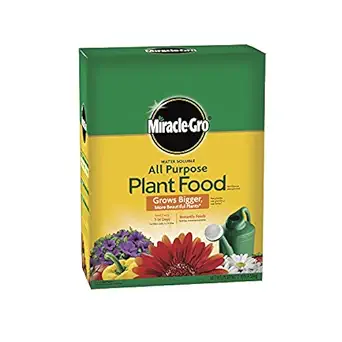 |
| Best Seller A high-volume bestseller chosen again and again | Miracle-Gro Water Soluble All Purpose Plant Food, 3 lb |  |
Down To Earth Organic Vegetable Garden Fertilizer 4-4-4, 5 lb

| Item Form | Granules |
|---|---|
| Specific Uses For Product | Vegetables, greens, tomatoes, herbs |
| Application Method | Apply directly to the soil or mix into garden beds |
| Mixing Ratio | 4-4-4 |
This granular fertilizer is formulated to feed vegetables, herbs and greens with a balanced 4-4-4 NPK and a slow-release profile that supplies nutrients over time. It is applied by distributing into the planting hole, mixing into topsoil, or working into raised beds at planting and during the season for maintenance. Notable features include all-natural ingredients sourced from plant, marine and mineral resources and OMRI-friendly formulation that supports organic gardening and beneficial soil life. Practically, the slow-release granules reduce the need for frequent feeding and help avoid nutrient spikes that can stress plants. The 5 lb unit is convenient for small to medium beds but means frequent repurchasing for larger plots. While it is versatile across vegetables and herbs, gardeners who need rapid corrective feeding for a specific deficiency will still need a targeted amendment or foliar feed in addition to this product.
Best for: Gardeners who prioritize steady, reliable plant performance and want an organic, low-maintenance fertilizer for raised beds and small plot vegetable production.
Less Ideal for: Growers managing large acreage or those needing immediate corrective nutrient treatments should look for bulk or fast-acting specialty products instead.
- Balanced 4-4-4 NPK suitable for overall vegetable development
- Slow-release granular formula for sustained feeding
- Made from all-natural ingredients and compatible with organic systems
- Easy to apply directly to soil or mix into raised beds
- Small 5 lb size may require frequent replacement for larger gardens
- Not formulated for quick correction of specific nutrient deficiencies
Verdict: Choose this product when you want an organic, slow-release 4-4-4 fertilizer that delivers steady nourishment for productive vegetable beds.
Dr. Earth Organic Tomato, Vegetable & Herb Fertilizer (64 oz)

| Unit Count | 64 Ounce |
|---|---|
| Item Form | Granules |
| Specific Uses For Product | Organic |
| Target Species | Herb |
| Coverage | Medium |
This granular organic fertilizer is designed to boost vegetable and herb production by supplying balanced nutrients and soil biology support. It is typically broadcast into beds, mixed into potting mixes, or applied at planting and midseason for a nutritional lift; the manufacturer recommends reapplying every six weeks for containers. Notable features include a fully organic ingredient list, fast but sustained nutrient release, and a blend of probiotic microbes plus ecto and endo mycorrhizae intended to improve nutrient uptake and drought tolerance. In practice that means healthier root systems and potentially better yields and flavor in crops like cucumbers when used as part of an organic program. Limitations are that it is a medium coverage product in a 64 ounce bag so larger plots will need more frequent purchases, and it contains phosphorus so local runoff rules should be checked before use. Follow the directions for pH and application timing to avoid overapplication in small containers.
Best for: Gardeners who prioritize organic soil health and want a single, biology‑focused fertilizer to support vegetables like cucumbers in beds or containers.
Less Ideal for: Large‑scale growers seeking a bulk, high‑coverage fertilizer or those who must avoid phosphorus due to local regulations should consider other options.
- 100 percent organic formula suitable for certified organic gardens
- Contains beneficial microbes and eight strains of mycorrhizae to support root health and nutrient uptake
- Granular form releases nutrients quickly and continues feeding for several months
- Works for beds, raised planters and containers and can be used at planting, transplanting or midseason
- Bag is medium coverage so not economical for very large vegetable plots
- Includes phosphorus which may be restricted in some local jurisdictions
Verdict: Choose this product if you want an organic, microbe‑rich granular fertilizer that supports root health and steady feeding for cucumber and other vegetable plantings.
Miracle-Gro Shake 'N Feed All Purpose Plant Food, 4.5 lb

| Item Form | Granules |
|---|---|
| Application Method | Shake onto soil and work into top 1-3 inches |
| Target Species | flowers, vegetables, herbs |
| Unit Count | 72 Ounce |
| Feeds For | up to 3 Months |
Miracle-Gro Shake 'N Feed All Purpose is a granular, continuous-release fertilizer you sprinkle onto soil and lightly work into the top inch or three before watering. It is typically used on in-ground garden beds, raised beds and established container plants to provide slow feeding across the season; the label recommends reapplying every three months. Notable features include natural ingredients that feed soil microbes, added micronutrients, and an easy shake-on application that requires no mixing. In practice this product is convenient for routine garden maintenance because one application supports steady nutrient availability without frequent dosing. For garden beds it helps promote root strength and consistent growth while reducing the need to remember weekly feedings. The main limitations are that it is a general-purpose formula rather than a crop-specific blend and that application rates must be followed to avoid overfeeding; it also provides broad coverage but not the fast boost of a water-soluble feed if plants need immediate recovery.
Best for: Gardeners who want a low-maintenance, reliable feeding method for flower and vegetable beds and containers and prefer scheduled, less frequent fertilizing over weekly applications.
Less Ideal for: Growers seeking fast corrective feeding, precise NPK ratios for fruiting crops, or specialty blends for roses or acid-loving plants should consider targeted fertilizers instead.
- Continuous-release formula feeds plants for up to three months per application
- Granular shake-on application is simple and requires no mixing
- Contains micronutrients and ingredients that support soil microbes and root health
- Suitable for both in-ground garden beds and container plants
- All-purpose formula may not match nutrient ratios for specific crops or problems
- Slower acting than water-soluble fertilizers when immediate nutrient correction is needed
Verdict: Use this granular, three-month continuous-release fertilizer when you want a simple, low-maintenance feed that keeps garden beds and containers nourished through the season.
Pennington Water-Soluble All-Purpose Plant Food 20-10-20, 1.5 lb

| Item Form | Powder |
|---|---|
| Specific Uses For Product | Indoor, Outdoor |
| Application Method | Pour |
| Coverage | 100 square feet |
| Mixing Ratio | 20:10:20 |
This Pennington water-soluble 20-10-20 plant food is a straightforward, no-frills fertilizer for flowers, vegetables, shrubs and houseplants. You scoop the powder into a watering can (a measuring scoop is included), mix to the label rate and water the soil around plants every 2 to 4 weeks during the growing season. The formula delivers quick-release nitrogen for rapid green-up plus balanced phosphate and potassium to support blooms and fruiting. Practical touches like a wide-mouth jar and foam-seal lid keep the powder dry and make measuring tidy. Because it is water-soluble it is easy to apply to established beds and potted plants and works well for routine feedings when you want consistent results without specialty mixes. Limitations are that it is a general-purpose, fast-release formula not tailored to specific crop nutrient needs and requires regular reapplication during long seasons; gardeners wanting slow-release feeding or tailored micronutrient blends may prefer a different product.
Best for: Gardeners looking for an affordable, easy-to-use general-purpose fertilizer to feed mixed beds, container plants, and vegetable or flower plantings on a regular schedule.
Less Ideal for: Gardeners who want slow-release feeding, customized nutrient mixes for specific crops, or products formulated for soil amendment rather than quick foliar or root feeding.
- Balanced 20-10-20 ratio supplies quick nitrogen and supports blooms and fruit
- Water-soluble powder mixes easily for fast feeding and even distribution
- Includes measuring scoop and wide-mouth jar for tidy, repeatable dosing
- Suitable for both indoor and outdoor plants so one product covers many uses
- Fast-release formula requires regular reapplication through the growing season
- Not tailored to specific crops or soil deficiencies
Verdict: A simple, budget-friendly water-soluble 20-10-20 fertilizer that makes regular feeding of flowers and vegetables quick and reliable.
Miracle-Gro Water Soluble All Purpose Plant Food, 1.5 lb

| Item Form | Powder |
|---|---|
| Application Method | Watering Can |
| Target Species | For all flowers, vegetables, trees, shrubs and houseplants |
| Mixing Ratio | 24-8-16 |
Miracle-Gro Water Soluble All Purpose Plant Food is a powder concentrate you mix with water to give a quick nutrient boost to flowers, vegetables, houseplants, shrubs and trees. It is typically dissolved in a watering can or used with a compatible garden feeder to soak soil at the base of plants, delivering nitrogen-heavy nutrition that shows effects faster than granular fertilizers. Notable features include an easy scooping method for indoor and outdoor dosing, compatibility with containers and in-ground planting, and clear directions for feeding every one to two weeks. In practice this makes the product a convenient option when you want visible growth and greener foliage quickly, and the 1.5 lb container covers roughly 600 sq. ft. Important limitations are that it is a fast-release, high-nitrogen formula best used as a regular quick feed rather than a long-term slow-release solution, and it requires careful measuring to avoid overfeeding. For routine maintenance combine with good watering and follow the label to avoid nutrient imbalance.
Best for: Buyers who prefer proven, easy-to-use feeding routines and want noticeable growth quickly for a variety of garden and houseplants, guided by established usage directions and broad user experience.
Less Ideal for: Gardeners seeking a single, long-term slow-release solution or those who prefer organic or low-nitrogen fertilizers for sensitive plantings should consider alternative products.
- Water-soluble powder starts working quickly at the roots when mixed and applied
- Clear, simple dosing for indoor and outdoor use with included scoop guidance
- Suitable for a wide range of plants including vegetables, flowers, shrubs and houseplants
- Covers a large area from a small container (about 600 sq. ft. per 1.5 lb)
- Fast-release formula means benefits are short-term compared with slow-release granular fertilizers
- Requires precise measuring and regular reapplication to avoid overfeeding
Verdict: A reliable, fast-acting water-soluble plant food for gardeners who want easy, repeatable feeding and quick visible results.
Miracle-Gro Water Soluble All Purpose Plant Food, 10 lb

| Item Form | Granules, Powder |
|---|---|
| Application Method | watering can |
| Target Species | For all flowers, vegetables, trees, shrubs and houseplants |
| Fertilizer Analysis | 24-8-16 |
Miracle-Gro Water Soluble All Purpose Plant Food is a fast-acting granular formula that dissolves in water to feed shrubs, flowers, vegetables and houseplants. You mix measured scoops into a watering can or garden feeder and apply at the soil line every 1 to 2 weeks; the water-soluble format delivers nutrients quickly to roots, which can produce visibly fuller growth compared with unfed plants. The product is labeled safe for all common plant types when used as directed and includes guidance for indoor and outdoor dilution rates. Notable features are the broad target list (shrubs included), the 24-8-16 NPK balance that favors leafy growth, and a large 10 lb container that covers extensive garden area. Practical benefits for shrub care are rapid nutrient availability during the growing season and easy application with routine watering. Important limitations are the relatively high nitrogen proportion, which is ideal for leaf development but may be less suitable when the goal is to limit vegetative growth or to force blooms or fruit without adjusting timing or concentration. Follow the package directions to avoid overfeeding and protect nearby sensitive plants.
Best for: Gardeners who want a reliable, quick-feed fertilizer to boost shrub vigor and see noticeable growth within weeks and who value products with extensive customer use and guidance.
Less Ideal for: Growers seeking a low-nitrogen bloom booster or a slow-release, low-maintenance fertilizer for seasonal feeding should consider more specialized formulas.
- Water-soluble formula delivers nutrients quickly to roots for faster response
- Broadly labeled for indoor and outdoor use including shrubs, trees, flowers and vegetables
- Clear dilution and application instructions for watering can or garden feeder
- High-coverage 10 lb container suitable for large gardens
- High nitrogen ratio may encourage leafy growth over blooms or fruiting if used during flowering
- Requires regular reapplication every 1–2 weeks rather than long-term slow feeding
Verdict: A dependable, fast-acting water-soluble fertilizer that reliably boosts shrub growth when used as directed.
Miracle-Gro Water Soluble All Purpose Plant Food, 3 lb

| Item Form | Powder |
|---|---|
| Application Method | Mix with water in a watering can |
| Fertilizer Analysis (N‑P‑K) | 24-8-16 |
| Unit Count | 48 Ounce |
| Coverage | Feeds approximately 1,200 sq. ft. |
Miracle‑Gro Water Soluble All Purpose Plant Food is a powdered NPK 24‑8‑16 formula that dissolves in water to give plants a quick nutrient boost. You mix measured scoops into a watering can and apply to the soil at the base of plants every 7–14 days for outdoor use or every 14 days for houseplants. Notable features include a high nitrogen content for leafy growth, compatibility with containers and in‑ground beds, and guidance for use with a Miracle‑Gro Garden Feeder for larger areas. In practical terms this is a fast‑acting feed that encourages bigger, greener foliage and works well in regular maintenance of perennials like hostas. Limitations are that it is a fast‑release fertilizer rather than a slow‑release option, so it requires regular reapplication and careful measuring to avoid overfeeding. Also, the 24‑8‑16 balance is geared toward vegetative growth, so it is not optimized if you want to prioritize flowering or bloom boosting.
Best for: Buyers who want a reliable, fast‑acting feed to maintain lush, leafy perennials and container plants and who value proven products with broad user endorsement.
Less Ideal for: Gardeners seeking a single, long‑lasting granular fertilizer or a bloom‑focused formula should consider alternative slow‑release or high‑phosphorus products.
- Water‑soluble powder mixes easily for quick uptake by roots
- High nitrogen formula promotes robust leafy growth ideal for shade plants
- Clear mixing and application instructions for both indoor and outdoor use
- Suitable for containers and in‑ground gardens and compatible with garden feeders
- Requires frequent applications so it is not a low‑maintenance, slow‑release option
- High nitrogen ratio is less suitable when the primary goal is more flowers than foliage
Verdict: A fast‑acting, water‑soluble fertilizer that reliably produces bigger, greener hosta leaves when used as directed.
Choosing the Right All Purpose Vegetable Fertilizer: Key Factors to Consider
Nutrient Balance and NPK Ratio
A balanced nutrient profile determines how the fertilizer will support different vegetable types. Leafy greens often respond to higher nitrogen, while fruiting crops benefit from more phosphorus and potassium. Look for a formula that lists NPK clearly and suits the mix of crops you grow.
A single all-purpose blend should not be too high in any one element for a mixed garden. If your soil test shows deficiencies, you can supplement specific nutrients, but starting with a balanced all-purpose fertilizer keeps most home gardens productive without repeated correction.
Release Profile and Timing
How nutrients become available to plants matters for feeding schedules and labor. Fast-release fertilizers give an immediate nutrient boost but may require more frequent applications and carry higher burn risk. Slow-release or controlled-release formulas feed over weeks to months and reduce application frequency.
Consider the seasonality of your planting. For short-season crops like lettuce, a quicker-acting feed can speed growth. For long-season fruiting vegetables, a slow-release formula provides steadier support and reduces the chance of nutrient spikes that affect fruit set.
Application Method and Convenience
Fertilizers come as dry granules, soluble powders, liquids, and spikes. Granular and slow-release pelleted products are easy to broadcast or side-dress, while soluble fertilizers are better for quick foliar feeds or watering in containers. Liquids offer fast uptake but require measuring and mixing more often.
Choose a format that matches your garden practice. If you use many containers or fertigation, a soluble product will be more convenient. For low-maintenance raised beds, a granular slow-release option reduces how often you have to feed.
Compatibility With Soil Life
Healthy soil biology improves nutrient cycling and plant health. Some synthetic salts can temporarily suppress microbial activity if overapplied, while organic or microbially friendly formulations help build soil structure and long-term fertility. Consider how the fertilizer will interact with compost, cover crops, and microbial inoculants you already use.
If you rely heavily on compost and biological soil amendments, choose a fertilizer that complements those practices rather than replaces them. Compatibility matters most where improving soil health is a long-term goal.
Plant Safety and Salt Index
High-salt fertilizers can burn roots and damage seedlings if used incorrectly. The salt index and recommended application rates indicate how forgiving a product is. For seed starting, transplants, or light-feeding crops, low-salt or dilute-application products reduce risk.
Always follow labeled rates and consider reducing strength for containers and young plants. Plant-safe formulations also make it easier to correct nutrient issues without disrupting growth.
Trace Nutrients and Micronutrients
Beyond NPK, vegetables need micronutrients such as magnesium, calcium, iron, and zinc. Deficiencies can show as leaf discoloration, blossom-end rot, or poor fruit set. An all-purpose fertilizer that includes a spectrum of trace elements reduces the need for separate corrective applications.
If your soil test shows adequate micronutrients, the extras are less critical. However, for city soils or newly established beds, having a fertilizer with trace elements can prevent common nutrient-related disorders.
When to Feed Vegetables Through the Season
Timing feeding to crop stage gives the biggest payoff. Apply a general starter feed at transplanting to support root establishment. Follow with periodic applications timed to the crop: leafy vegetables need feeding during rapid leaf expansion, while fruiting crops benefit from additional feeds at flowering and fruit set.
Avoid heavy feeds late in the season for cool-weather crops that will bolt if pushed into rapid vegetative growth. For long-season plants, space feedings according to the product release profile so nutrients are available during key growth phases.
- Transplants: light starter feed at planting
- Leafy crops: more frequent, lighter applications
- Fruiting crops: feed at flowering and early fruit set
- Containers: smaller, more frequent doses due to faster nutrient loss
Using Fertilizer With Compost and Mulch
Compost provides slow-release nutrients and improves structure, while fertilizer supplies more predictable levels of NPK. Apply fertilizer as a supplement rather than a substitute when you already add well-aged compost. Broadcasting compost and side-dressing fertilizer are complementary approaches.
Mulch affects nutrient dynamics by retaining moisture and slowing mineralization. When mulching, consider surface-applied slow-release fertilizers or incorporate a band of fertilizer below the mulch so nutrients reach roots efficiently.
- Combine compost with light fertilizer for steady fertility
- Place granular fertilizer below thick mulches to improve root access
- Avoid heavy surface fertilizer applications in mulched beds that can volatilize or wash away
Container Gardens and Raised Beds
Containers and raised beds need more attentive feeding because limited soil volume holds fewer nutrients and leaches faster. Use soluble fertilizers for quick corrections and slow-release granules for steady feeding in larger containers and raised beds.
Monitor plants for signs of deficiency and adjust feeding frequency rather than strength. Regular light doses are safer in containers than infrequent heavy feedings that can spike soluble salts and stress roots.
- Prefer low-salt, soluble feeds for frequent container top-ups
- Layer slow-release granules into raised bed mix at planting
- Flush containers periodically if using concentrated liquid feeds
Environmental and Safety Considerations
Responsible fertilizer use minimizes runoff and protects nearby water bodies. Follow recommended rates and avoid applying before heavy rain. Choosing a product with lower leaching potential or a controlled-release formulation reduces environmental risk.
Store garden fertilizers securely and keep them away from children and pets. Use gloves and avoid inhaling dust when handling dry products, and rinse equipment used for mixing before it contaminates other containers or surfaces.
- Apply according to label timing to reduce runoff risk
- Prefer slow-release options near slopes or water features
- Practice safe storage and handling to protect people and pets
Adapting Feeding to Common Vegetable Problems
Nutrient issues often mimic other problems. Pale leaves can indicate low nitrogen or iron chlorosis depending on pattern. Blossom-end rot in tomatoes frequently links to calcium availability and inconsistent moisture rather than just calcium in the fertilizer.
Address problems by confirming with a soil test and adjusting both fertility and cultural practices like watering and mulch. Targeted supplements such as calcium or magnesium can correct specific disorders, but a balanced all-purpose fertilizer keeps most crops healthy when used correctly.
- Use soil tests before applying corrective micronutrients
- Fix cultural causes like watering before changing fertilizer rates
- Use targeted supplements only when deficiencies are identified
How We Chose the Best All Purpose Vegetable Fertilizer
We narrowed candidates by looking for formulas and formats suited to home vegetable production rather than specialty turf or ornamental blends. Key evaluation criteria included nutrient balance and completeness, ease of application in common garden setups, release profile and timing, compatibility with soil biology, and safety for young plants and edible crops. We favored fertilizers that offer a clear analysis so gardeners can match inputs to soil tests, and products that work well in raised beds, containers, and in-ground rows. Our process excluded products designed mainly for lawns, houseplants, or single-crop specialties because they do not meet the broad needs of mixed vegetable gardens. We also filtered out options that required complex dilution or repeated daily applications that are impractical for typical home gardeners. The resulting shortlist focuses on versatile, easy-to-follow formats and nutrient ratios appropriate for leafy greens, fruiting vegetables, and root crops. Scoring emphasized practical garden performance, application convenience, and predictable nutrient release in real-world conditions.
FAQ
How often should I apply an all-purpose vegetable fertilizer?
It depends on the product. Fast-release soluble fertilizers usually need feeding every 1 to 3 weeks, while slow-release granules can last several months. Match frequency to the product label and crop needs, using lighter doses for containers and young plants.
Can I use the same fertilizer for leafy greens and tomatoes?
Yes, an all-purpose formula is designed for mixed vegetable beds. Leafy crops may respond to slightly higher nitrogen, while fruiting plants need steady phosphorus and potassium. You can use a single balanced fertilizer and adjust timing or supplemental feeds for heavy-bearing crops.
Is organic fertilizer always better for vegetable gardens?
Organic fertilizers often support soil biology and release nutrients more slowly, which benefits long-term soil health. However, synthetic options give predictable nutrient concentrations and fast correction of deficiencies. The best choice depends on your management style and soil goals.
How do I avoid burning seedlings with fertilizer?
Reduce strength to quarter or half the recommended rate for seedlings and transplants, and use low-salt or starter-specific products. Apply fertilizer away from the stem and water in lightly to distribute nutrients and reduce localized concentration.
Should I always follow a soil test before applying fertilizer?
A soil test gives the clearest picture of nutrient needs and helps avoid over-application. For new beds, a test can guide initial amendments. For established gardens, periodic testing every few years is usually sufficient unless crops show persistent deficiency signs.
Can I use foliar feeding with an all-purpose fertilizer?
Foliar feeding with a soluble formulation can quickly correct minor deficiencies and supply nutrients during stress. It is usually a supplement to soil-applied feeding, not a replacement, and should follow label dilution rates to avoid leaf burn.
Final Verdict
Choose an all-purpose vegetable fertilizer based on how you garden and the crops you grow. Prioritize a balanced nutrient profile, a release pattern that fits your planting calendar, and a format you will actually apply correctly. Consider soil biology and plant safety to avoid common pitfalls. Balancing convenience and nutrient needs will let you feed vegetables effectively without overcomplicating care. Use soil tests and observed plant responses to fine-tune your feeding plan and pick the fertilizer format that matches your routine.
