

Note: This article contains affiliate links. If you click on these links and make a purchase, I may earn a small commission at no extra cost to you. This helps support my research and content. Read my full affiliate disclosure here.
Choosing the right all round plant food matters because the wrong fertilizer can leave flowers weak, vegetables short of yield, or container plants burned by salts. You want a formula that supplies steady, balanced nutrition across a broad mix of ornamentals, edibles, and houseplants without constant adjustments. This guide covers the top shortlisted all round plant foods selected for general garden and container use. We evaluate each on practical gardener concerns like nutrient balance, ease of application, and suitability for different planting situations so you can pick the best fit for your beds and pots.
Top Picks at a Glance
| Best Overall The best all-around choice for most situations | Miracle-Gro Water Soluble All Purpose Plant Food, 10 lb | 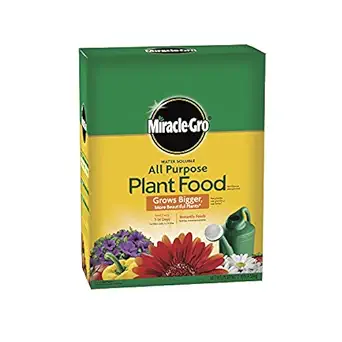 |
| Best Quality Built to a higher standard if you want something more solid | FoxFarm Soil Liquid Trio Pack (Big Bloom, Grow Big, Tiger Bloom) |  |
| Best Value The sweet spot between price and what you get | Purived All-Purpose Liquid Houseplant Fertilizer, 16 fl oz (Makes 50 Gallons) |  |
| Best Budget The cheapest option that still gets the job done reliably | Miracle-Gro Water Soluble All Purpose Plant Food, 1.5 lb |  |
| Highest Rated A top-rated pick with lots of positive feedback | Schultz Liquid Plant Food 8 fl oz (3-pack) |  |
| Most Popular A crowd favorite that many people choose with confidence | Miracle-Gro Water Soluble All Purpose Plant Food, 3 lb |  |
Miracle-Gro Water Soluble All Purpose Plant Food, 10 lb

| Item Form | Granules, Powder |
|---|---|
| Application Method | watering can |
| Target Species | For all flowers, vegetables, trees, shrubs and houseplants |
| Fertilizer Analysis | 24-8-16 |
Miracle-Gro Water Soluble All Purpose Plant Food is a fast-acting granular formula that dissolves in water to feed shrubs, flowers, vegetables and houseplants. You mix measured scoops into a watering can or garden feeder and apply at the soil line every 1 to 2 weeks; the water-soluble format delivers nutrients quickly to roots, which can produce visibly fuller growth compared with unfed plants. The product is labeled safe for all common plant types when used as directed and includes guidance for indoor and outdoor dilution rates. Notable features are the broad target list (shrubs included), the 24-8-16 NPK balance that favors leafy growth, and a large 10 lb container that covers extensive garden area. Practical benefits for shrub care are rapid nutrient availability during the growing season and easy application with routine watering. Important limitations are the relatively high nitrogen proportion, which is ideal for leaf development but may be less suitable when the goal is to limit vegetative growth or to force blooms or fruit without adjusting timing or concentration. Follow the package directions to avoid overfeeding and protect nearby sensitive plants.
Best for: Gardeners who want a reliable, quick-feed fertilizer to boost shrub vigor and see noticeable growth within weeks and who value products with extensive customer use and guidance.
Less Ideal for: Growers seeking a low-nitrogen bloom booster or a slow-release, low-maintenance fertilizer for seasonal feeding should consider more specialized formulas.
- Water-soluble formula delivers nutrients quickly to roots for faster response
- Broadly labeled for indoor and outdoor use including shrubs, trees, flowers and vegetables
- Clear dilution and application instructions for watering can or garden feeder
- High-coverage 10 lb container suitable for large gardens
- High nitrogen ratio may encourage leafy growth over blooms or fruiting if used during flowering
- Requires regular reapplication every 1–2 weeks rather than long-term slow feeding
Verdict: A dependable, fast-acting water-soluble fertilizer that reliably boosts shrub growth when used as directed.
FoxFarm Soil Liquid Trio Pack (Big Bloom, Grow Big, Tiger Bloom)

| Brand | FoxFarm |
|---|---|
| Item Form | Liquid |
| Unit Count | 48 Fluid Ounces |
| Specific Uses For Product | Plant Food |
| Coverage | Organic |
The FoxFarm Soil Liquid Trio Pack combines Big Bloom, Grow Big, and Tiger Bloom into a simple program for indoor gardeners who want strong vegetative growth followed by bigger blooms and fruit. Typical use is stage-based: Grow Big during vegetative growth to push leafy development, Big Bloom as an all-purpose supplement across cycles, and Tiger Bloom once buds form to encourage multiple bud sites and fuller flowers. The liquids are concentrated and greenhouse-tested for consistency, so measured feedings integrate easily with regular watering schedules. Practical benefits include a complete, complementary nutrient progression and formulations designed to keep micronutrients available in storage. Important limitations are that these are general-purpose concentrates rather than precision NPK formulations for specialty crops, and users who want exact nutrient ratios or automated dosing systems will need extra equipment and testing. Safety precautions such as keeping away from children and pets and wearing protective clothing are required when handling concentrated liquids.
Best for: Indoor growers who prioritize measurable performance and want a simple, stage-based feeding plan to push vigorous growth and larger blooms without building their own nutrient lineup.
Less Ideal for: Growers seeking exact NPK control, automated dosing integration, or a fertilizer tailored to a single specialist crop should consider lab-formulated or hydroponic-specific options instead.
- Three complementary formulas cover vegetative growth, bloom support, and fruiting in one kit
- Concentrated liquid form mixes readily for regular indoor feedings
- Greenhouse-tested formulations deliver consistent performance across batches
- Suitable for a wide range of indoor plants including houseplants, herbs, and vegetables
- Not a precision nutrient program for specialty or hydroponic crops
- Concentrated liquids require careful measuring and handling to avoid overfeeding
Verdict: For indoor gardeners who want a proven, stage-based liquid feeding program to boost vegetative growth and maximize blooms, this trio delivers a ready-made performance pathway.
Purived All-Purpose Liquid Houseplant Fertilizer, 16 fl oz (Makes 50 Gallons)

| Item Form | Liquid |
|---|---|
| Application Method | soil drench, foliar feed, full & semi hydroponics |
| Target Species | Houseplants |
| Mixing Ratio | 320:1 |
Purived All-Purpose Liquid Houseplant Fertilizer is a concentrated 16 fl oz bottle that mixes 1 cap per gallon to treat up to 50 gallons of water. It is formulated for indoor potted plants and supports multiple application methods including soil drench, foliar spray, and full or semi-hydroponics, so you can use the same product whether you water, mist, or run nutrient solutions. The formula lists primary macronutrients and a range of micronutrients, which helps correct common deficiencies and supports steady growth when used at the recommended dilution. Practical benefits include an easy-to-follow mixing ratio, an odorless solution that is simple to store, and broad compatibility with different feeding routines. Important limits are that the label gives no N-P-K percentages, so precise nutrient planning for sensitive seedlings or specialty plants is not possible, and safety precautions mean you must handle and store it carefully. For new plants, start at or below the recommended dilution and observe growth before increasing frequency.
Best for: Buyers who want a versatile, no-fuss fertilizer for establishing and maintaining new houseplants and who value a single product that works across watering, misting, and basic hydroponic setups.
Less Ideal for: Growers who need exact N-P-K formulations for seedlings, specialty plants, or strict hydroponic nutrient regimens should consider a product with full nutrient breakdown and concentration details.
- Very concentrated so one bottle treats up to 50 gallons, reducing repurchase frequency
- Suitable for multiple application methods: soil drench, foliar feed, and hydroponics
- Includes a range of micronutrients in addition to primary NPK components
- Simple, clear mixing ratio (320:1) that is easy to follow
- No N-P-K ratio listed on the product information, limiting precise nutrient management
- Requires careful handling and storage due to safety warnings
Verdict: A concentrated, easy-to-use all-purpose fertilizer that covers feeding, foliar, and basic hydroponic needs for new houseplants.
Miracle-Gro Water Soluble All Purpose Plant Food, 1.5 lb

| Item Form | Powder |
|---|---|
| Application Method | Watering Can |
| Target Species | For all flowers, vegetables, trees, shrubs and houseplants |
| Mixing Ratio | 24-8-16 |
Miracle-Gro Water Soluble All Purpose Plant Food is a powdered, water-soluble fertilizer formulated to deliver fast nutrition to a broad mix of plants. You mix the powder into a watering can or a garden feeder and apply every 1 to 2 weeks depending on whether plants are indoors or out. The 24-8-16 NPK ratio supplies a strong nitrogen boost for leafy growth along with phosphorus and potassium to support flowering and fruit set. For pepper growers this means it can help produce vigorous plants and encourage fruit development when used at the recommended strengths. Notable features include clear mixing guidance for both indoor and outdoor use and compatibility with container and in-ground plantings. Practical benefits are quick uptake by roots and flexible application options. Important limitations are the high nitrogen proportion, which can favor foliage over fruit if overused, and the need to follow dilution instructions to avoid nutrient burn. This product is best used as a regular boost within a balanced feeding plan rather than the only fertility source for long-term soil health.
Best for: Home gardeners looking for an affordable, easy-to-use boost to support vigorous pepper plant growth and quick results in both containers and garden beds.
Less Ideal for: Growers who want a low-nitrogen or slow-release fertility plan for long-term soil building should consider specialized or organic alternatives.
- Water-soluble powder that feeds plants quickly through the roots
- Clear mixing instructions for indoor and outdoor applications
- Broadly labeled for use on flowers, vegetables, trees, shrubs and houseplants
- Feeds approximately 600 sq. ft. from the 1.5 lb container
- High nitrogen ratio may encourage foliage more than fruit if used too frequently
Verdict: A budget-friendly, fast-acting soluble fertilizer that gives bell pepper plants a regular nitrogen-rich boost to promote vigorous growth and quicker results.
Schultz Liquid Plant Food 8 fl oz (3-pack)

| Item Form | Liquid |
|---|---|
| Unit Count | 8 Fluid Ounces |
| Application Method | Mix 7 drops per quart of water |
| Specific Uses For Product | Plant Food |
| Target Species | houseplants, vegetables, roses, perennials, shrubs |
This concentrated liquid plant food is a simple, no-frills option for keeping houseplants, vegetables, roses and other ornamentals fed on a regular schedule. The formula is applied by mixing seven drops per quart of water, which makes dosing quick and reduces the need to measure small volumes. Because it is liquid, nutrients are available to roots faster than granular fertilizers, so you can expect quicker responses in leaf color and vigor after feeding. The three 8-ounce bottles in the pack give enough product for multiple feedings across many potted plants without taking much storage space. Practical benefits include broad plant compatibility and very easy application for beginners. Limitations are that this is a general-purpose feed rather than a formulation targeted to specific stages like bloom or rooting, and the drop-based dosing requires steady hand control to avoid overfeeding small pots. Keep it stored safely away from children and pets and follow the mixing directions for best results.
Best for: Buyers who want a reliable, easy-to-use liquid fertilizer for routine feeding of a mixed collection of indoor plants and container vegetables and prefer a product that is simple to apply.
Less Ideal for: Gardeners seeking specialized stage-specific formulas or those who need pre-measured single-use doses for very small seedlings should consider alternatives.
- Very concentrated formula that dilutes with seven drops per quart for economical use
- Liquid form delivers nutrients quickly for faster uptake by plants
- Suitable for a wide range of plants including houseplants, vegetables, roses and ornamentals
- Three 8 fl oz bottles provide enough product for multiple feeding cycles and convenient storage
- General-purpose formulation not tailored to flowering or high-nitrogen growth stages
- Drop dosing can be imprecise for very small pots without careful handling
Verdict: A straightforward, concentrated liquid fertilizer that reliably feeds a wide variety of indoor plants with very simple drop-per-quart dosing.
Miracle-Gro Water Soluble All Purpose Plant Food, 3 lb

| Item Form | Powder |
|---|---|
| Application Method | Mix with water in a watering can |
| Fertilizer Analysis (N‑P‑K) | 24-8-16 |
| Unit Count | 48 Ounce |
| Coverage | Feeds approximately 1,200 sq. ft. |
Miracle‑Gro Water Soluble All Purpose Plant Food is a powdered NPK 24‑8‑16 formula that dissolves in water to give plants a quick nutrient boost. You mix measured scoops into a watering can and apply to the soil at the base of plants every 7–14 days for outdoor use or every 14 days for houseplants. Notable features include a high nitrogen content for leafy growth, compatibility with containers and in‑ground beds, and guidance for use with a Miracle‑Gro Garden Feeder for larger areas. In practical terms this is a fast‑acting feed that encourages bigger, greener foliage and works well in regular maintenance of perennials like hostas. Limitations are that it is a fast‑release fertilizer rather than a slow‑release option, so it requires regular reapplication and careful measuring to avoid overfeeding. Also, the 24‑8‑16 balance is geared toward vegetative growth, so it is not optimized if you want to prioritize flowering or bloom boosting.
Best for: Buyers who want a reliable, fast‑acting feed to maintain lush, leafy perennials and container plants and who value proven products with broad user endorsement.
Less Ideal for: Gardeners seeking a single, long‑lasting granular fertilizer or a bloom‑focused formula should consider alternative slow‑release or high‑phosphorus products.
- Water‑soluble powder mixes easily for quick uptake by roots
- High nitrogen formula promotes robust leafy growth ideal for shade plants
- Clear mixing and application instructions for both indoor and outdoor use
- Suitable for containers and in‑ground gardens and compatible with garden feeders
- Requires frequent applications so it is not a low‑maintenance, slow‑release option
- High nitrogen ratio is less suitable when the primary goal is more flowers than foliage
Verdict: A fast‑acting, water‑soluble fertilizer that reliably produces bigger, greener hosta leaves when used as directed.
Choosing the Right All Round Plant Food: Key Factors to Consider
Nutrient Balance and Complete Analysis
A true all round plant food supplies the three primary nutrients in an appropriate ratio for general growth while including essential micronutrients. Nitrogen supports leaf and vegetative growth, phosphorus helps flowering and root development, and potassium aids overall plant health and stress tolerance. Micronutrients such as magnesium, iron, and trace elements prevent common deficiency symptoms that can appear even when N-P-K looks adequate.
Choosing a product with a complete analysis matters because many mixed beds and container groups include ornamentals and edibles with slightly different needs. A balanced formula reduces the need for multiple specialty feeds and lowers the risk of one crop drawing excess nutrients at the expense of another.
Release Profile and Feeding Frequency
Whether a plant food is fast-release, slow-release, or a soluble concentrate affects how often you feed and how plants respond. Fast-release feeds give an immediate boost but must be applied more often and can spike growth quickly. Slow-release formulations provide steady nutrition over weeks to months, making them useful for long-season containers and low-maintenance beds. Soluble feeds let you tune concentration and timing but require regular applications.
Match the release profile to your gardening rhythm. If you water frequently or want low-intervention feeding, a slow-release or controlled-release option reduces maintenance. For seasonal pushes like flowering or fruiting, a soluble feed used briefly can deliver the extra nutrients needed.
Suitability for Containers and Raised Beds
Container and raised bed soils behave differently from in-ground beds: they dry faster, salts can build up, and root space is limited. Choose an all round plant food formulated or labeled as safe for containers if you plan to feed pots and tubs regularly. Lower salt-index formulas and those designed for frequent use reduce the risk of root burn. Granular slow-release pellets that sit in the potting mix can be convenient, while soluble feeds allow uniform distribution through watering.
Consider how the product integrates with potting mix and watering habits. If you repot frequently or use recycled soil, a gentler, regularly applied feed is often safer than heavy granular doses.
Ease of Application and Measurement
Practical application concerns often determine whether a gardener uses a product correctly. Look for clear dosing instructions, measured scoop sizes or concentration guidelines for dilute feeds, and compatibility with watering cans or hose-end applicators. Products that allow simple, repeatable application avoid under- or over-feeding, which can cause poor results or plant stress.
Labels that state feed intervals, dilution ratios, and example volumes for common pot sizes or bed areas save time. Also consider if the product requires mixing in water each time, top-dressing, or incorporation into soil; each method has different labor and accuracy implications.
Salt Index and Plant Safety
High-salt fertilizers can cause leaf scorch and poor water uptake, particularly in containers or drought-stressed plants. An all round plant food with a moderate to low salt index reduces root burn risk and supports steady growth. For sensitive species or young transplants, a milder formula is often a safer choice.
If you grow a mix of ornamentals and vegetables, prioritize products with clear guidance on safe rates and signs of over-application. Regular flushing or periodic watering-through can mitigate salt buildup, but starting with a lower-risk product makes management easier.
Clarity of Labeling and Ingredient Transparency
Clear labels that list N-P-K ratios, secondary nutrients, and trace elements help you match a feed to your planting mix and schedule. Transparent information on release mechanism, recommended application rates, and safety advice reduces guesswork. Avoid products with vague claims and unclear nutrient breakdowns because they make it hard to plan consistent feeding throughout the season.
Good labeling also explains whether the product is suitable for edible crops, how it interacts with soil pH, and any special storage or handling needs. That information protects plant health and keeps applications safe for people and pets.
How to Match Feed Type to Your Garden Routine
Decide whether you want low-maintenance steady feeding or the flexibility to boost growth at specific times. If you water and tend pots weekly, a controlled-release granular can free you from weekly dosing. If you like to adjust feeding with growth cycles, a soluble concentrate is more flexible.
Think about seasonality. Apply steady feeds through the growing season and switch to lower nitrogen or stop feeding as plants go dormant. For annuals and vegetables that have distinct flowering or fruiting phases, brief soluble feed boosts can increase yields without long-term overfeeding.
- Controlled-release granules for low-effort, longer coverage
- Soluble concentrates for flexible, targeted feeding
- Liquid slow-release options for a balance of steadiness and control
Feeding Frequency and Timing Tips
Timing feeds to plant growth stage improves results. Apply a balanced feed at transplant or planting time to support early root and leaf development. During peak growth, follow label intervals closely to sustain vigor without overdoing nitrogen.
Avoid heavy feeding during extreme heat or drought because stressed roots may not take up nutrients effectively. Mid-morning or early evening applications reduce evaporation losses for dilute liquid feeds used on leaves or soil surfaces.
- Feed young transplants with gentler rates
- Boost flowering and fruiting with short, targeted increases
- Reduce or pause feeding as plants enter dormancy
Managing Salt Build-Up in Pots and Compacted Beds
Regular feeding can cause salts to accumulate, especially in containers. Periodically flush pots with a thorough watering to leach excess salts and prevent root damage. In compacted or poor-draining beds, organic matter and mulch help buffer salts and improve root access to nutrients.
When selecting an all round feed for frequent use, pick one with a lower salt index or use diluted application rates. Watch for early warning signs like yellowing leaf margins or slowed growth and respond with a flush and reduced feeding interval.
- Flush containers occasionally to leach salts
- Improve soil structure in beds to reduce salt concentration
- Use lower-rate feeds for frequent application scenarios
Organic Versus Synthetic All Round Feeds
Organic feeds release nutrients more slowly as microbes break them down. They improve soil structure and microbial life but act more gradually, which suits long-term soil health and slow-growth crops. Synthetic feeds offer precise N-P-K and faster uptake, which can be useful for timed growth pushes or when quick correction is needed.
Many gardeners combine approaches: use organic baseline feeding to build soil health and a mild soluble synthetic on top for short-term boosts. Consider your goals, whether soil-building or immediate production, when choosing the primary feeding approach.
- Organic feeds support long-term soil biology
- Synthetic feeds provide quicker, measurable nutrient doses
- Combining both can deliver steady health and responsive growth
Application Tools and Best Practices
Pick application tools that match the feed form. Use measuring scoops or spreaders for granules, calibration tools for hose-end applicators, and clean watering cans for dilute liquids. Rinse equipment after use to avoid clogging and cross-contamination.
Apply evenly across the root area rather than concentrated at a single spot. For top-dressing, work granules into the surface lightly and water in. For foliar or soluble feeds, follow dilution instructions precisely to avoid leaf scorch.
- Measure doses instead of guessing
- Distribute feed across the root zone
- Rinse applicators after each use
How We Chose the Best All Round Plant Food
To create this shortlist we focused on practical, garden-tested criteria that matter in everyday use. We prioritized nutrient balance and N-P-K ratios suitable for mixed planting, then evaluated feeding method and application flexibility so the food works across beds, borders, and containers. Release profile and longevity were assessed to help gardeners choose between quick-feed and slow-release options depending on planting schedules. Salt index and risk of root burn were considered for sensitive plants and frequent container watering. Ease of measurement, dilution, and compatibility with common watering and irrigation setups were included so applications are straightforward. We excluded specialty formulas intended only for one crop or narrow pH conditions, and we did not include products that require complex mixing or specialist equipment to use. The final picks emphasize versatility, predictable performance, and clear labeling so ordinary gardeners can apply them with confidence.
FAQ
Can I use one all round plant food for both vegetables and ornamentals?
Often yes. A balanced all round formula can support both types, but check label guidance on edible crops. For heavy-feeding vegetables you may need to supplement with a higher-phosphorus or potassium feed at flowering or fruiting.
How often should I feed containers with an all round plant food?
It depends on the product release profile. Slow-release granules may only need application every few months. Soluble feeds are usually applied every one to two weeks at recommended dilution. Monitor plant vigor and salt buildup to adjust frequency.
Is organic all round plant food as effective as synthetic options?
Organic feeds support soil health and supply nutrients steadily, but they act more slowly. Synthetic options give precise N-P-K and faster correction. Effectiveness depends on your goals: soil improvement versus quick performance.
How do I avoid burning roots when using concentrated feeds?
Follow label dilution rates and avoid applying concentrated solutions directly on roots. When repotting, pre-mix slow-release granules into the potting mix rather than adding high doses on top. If signs of burn appear, flush the soil and reduce future rates.
Can I mix all round plant food with other garden inputs like compost tea?
Mixing is possible but depends on product chemistry. Check label compatibility and avoid combining concentrated synthetic feeds with high-salt amendments. When in doubt, apply separately and allow time between treatments.
What are signs my plants need a different feeding approach?
Yellowing between veins, stunted growth, or poor flowering can indicate nutrient imbalance. Rapid leaf growth with weak stems may signal excess nitrogen. These signs often mean you should adjust feed type, concentration, or frequency rather than just increasing quantity.
Final Verdict
Choose an all round plant food based on how you garden: match release profile to your watering and care routine, pick a formulation safe for containers if you use many pots, and prefer clear labeling so you can apply the right rate. Balance the tradeoffs between quick results and long-term soil health when deciding on organic versus synthetic approaches. Prioritize nutrient balance, ease of application, and plant safety to get predictable growth across mixed gardens. With those priorities in mind, you can select a feed that delivers steady vigor for beds, containers, and seasonal plantings.
