

Note: This article contains affiliate links. If you click on these links and make a purchase, I may earn a small commission at no extra cost to you. This helps support my research and content. Read my full affiliate disclosure here.
If you are dealing with big worker ants marching across patios, planters, or garages, choosing the right ant trap changes how quickly you get the colony under control. Large ants can require different bait textures, stronger entry points, and sturdier housings than tiny indoor species. This guide covers six shortlisted ant traps for large ants that we vetted for real outdoor and semi-outdoor use. We focus on bait formula effectiveness, durability of the trap housing and placement options, and practical handling in garden and patio settings. Below you will find our top picks followed by clear buying factors and answers to common garden situations.
Top Picks at a Glance
| Best Overall The best all-around choice for most situations | Syngenta Advion Ant Gel Bait, 30 g |  |
| Best Quality Built to a higher standard if you want something more solid | Syngenta Advion Fire Ant Bait, 2 lb |  |
| Best Value The sweet spot between price and what you get | FLODTEEK 80-Pack Slow-Acting Ant Gel Bait Stations |  |
| Best Budget The cheapest option that still gets the job done reliably | Combat Max Ant Killing Bait Stations, 6 Count |  |
| Highest Rated A top-rated pick with lots of positive feedback | ROUTADE 48-Pack Slow-Acting Ant Gel Bait Stations |  |
| Most Popular A crowd favorite that many people choose with confidence | Amdro Fire Ant Killer for Mounds, 2 lb |  |
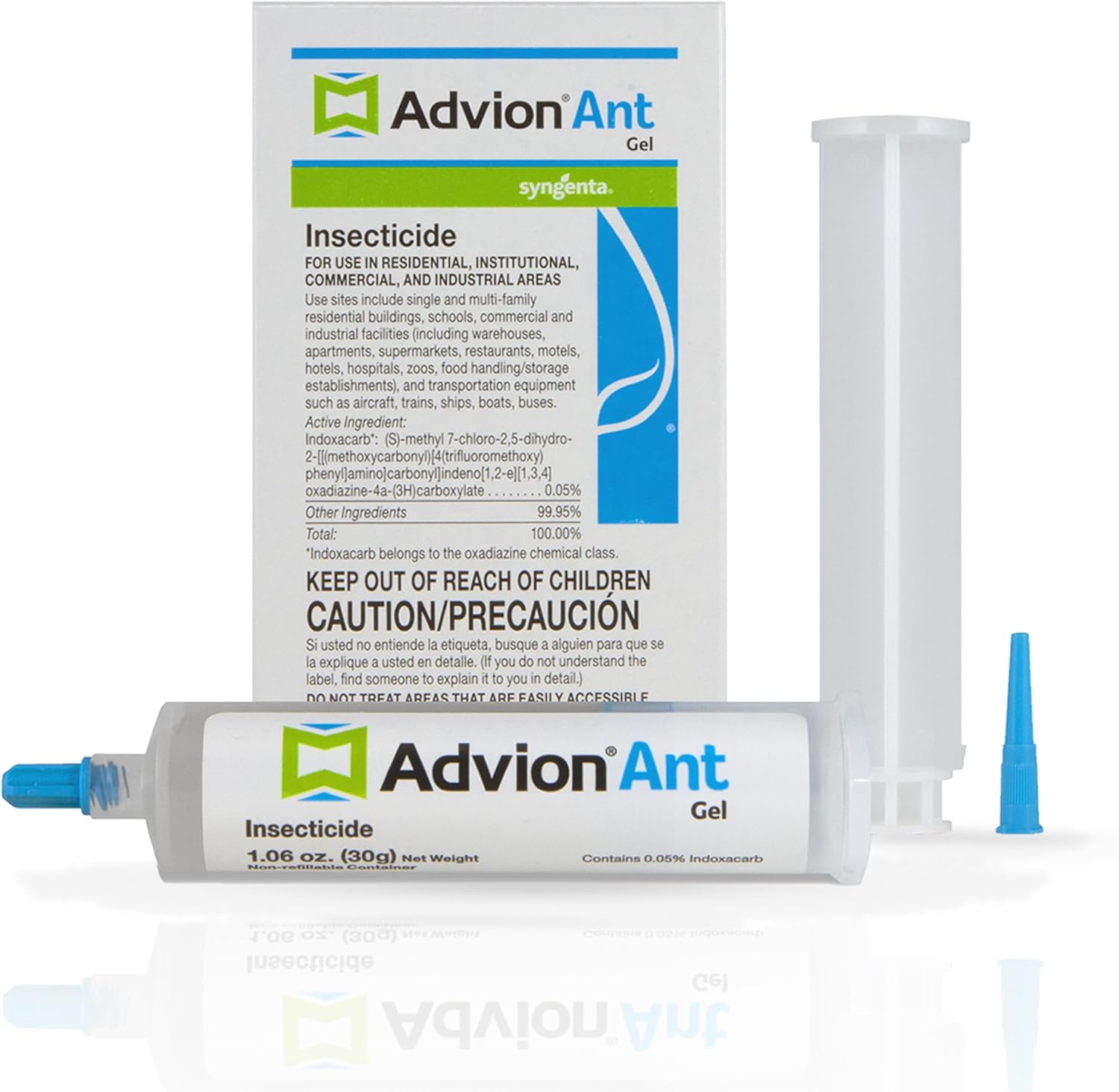
Syngenta Advion Ant Gel Bait, 30 g
| Item Form | Gel |
|---|---|
| Target Species | Insects |
| Active Ingredients | Indoxacarb |
Advion Ant Gel is a concentrated, professional-style ant bait formulated around indoxacarb and a highly palatable gel matrix to lure foraging ants and carry toxicant back to the colony. You apply small dabs of the translucent, nonstaining gel in ant trails, near nesting sites, or in voids where ants forage; workers feed on the gel and transfer it through trophallaxis, which helps suppress entire colonies rather than just worker ants. The formulation is touted for lasting integrity with low odor and high attractiveness to sweet-feeding species, so you do not need frequent reapplication in protected spots. Because it is a targeted bait rather than a broadcast insecticide, it is practical for spot treatments in kitchens, pantries, and around baseboards as well as sheltered outdoor locations. Important limits are that it is a bait product requiring worker-mediated distribution so results are not instant and indoor use requires keeping it away from children and pets.
Best for: Buyers who prioritize effective colony-level control and want a concentrated, professional-style bait for spot treatments inside homes or in sheltered outdoor locations.
Less Ideal for: People needing immediate knockdown of visible ants or those who require a product for widespread outdoor perimeter treatments should consider different control methods.
- Contains indoxacarb, a potent active ingredient with a unique mode of action
- Highly palatable, translucent gel that attracts sweet-feeding ants
- Maintains formulation integrity for extended periods in sheltered application sites
- Suitable for indoor and sheltered outdoor spot treatments
- Relies on worker feeding and transfer so colony elimination can take several days to weeks
- Not intended for broad outdoor broadcast use or exposed wet areas
Verdict: Choose Advion Ant Gel when you want a high-performance, worker-transferred bait that targets colonies rather than just knocking down visible ants.
Syngenta Advion Fire Ant Bait, 2 lb

| Item Form | Granules |
|---|---|
| Target Species | Insects |
| Item Weight | 2 pounds |
| Specification Met | EPA |
Advion Fire Ant Bait is a granular insecticide bait formulated to eliminate imported fire ant colonies quickly. It is applied either as a broadcast or mound treatment across noncrop outdoor spaces such as lawns, recreation areas, and service grounds. The product is designed to attract ants and deliver a toxicant through colony feeding, which Syngenta says achieves total colony control in 24 to 72 hours and works across all life stages. Practical benefits include a ready-to-use granular form that is easy to spread with a hand spreader or by hand for targeted mounds, and an EPA specification that indicates it meets regulatory standards. Because it is a bait rather than a contact spray, it reduces the need to locate and directly treat every mound and can address hidden portions of colonies. Important limitations are that this is for noncrop and nongrazed areas unless supplemental labeling and appropriate approvals are present, and proper application technique is required for best results, so inexperienced users may need to follow label directions closely.
Best for: Gardeners and property managers who prioritize fast, reliable outdoor fire ant control for lawns, recreation spaces, and service areas and who are comfortable following label directions for pesticide use.
Less Ideal for: People seeking a multi-purpose insecticide for edible crop areas, grazed pastures, or indoor use should choose a product specifically labeled for those settings.
- Fast-acting formulation that claims colony control within 24 to 72 hours
- Granular bait form is easy to broadcast or apply to individual mounds
- Works on all life stages by spreading through colony feeding
- Meets EPA specification for an insecticide product
- Label restrictions limit use in certain grazed or crop areas without supplemental approvals
- Requires correct application timing and technique for reliable results
Verdict: Choose this granular bait when you need fast, colony-level outdoor fire ant control across lawns and recreational areas.
FLODTEEK 80-Pack Slow-Acting Ant Gel Bait Stations

| Unit Count | 80 Count |
|---|---|
| Target Species | Ant |
| Included Components | 80 ant gel bait |
This 80-piece FLODTEEK ant gel bait kit is a simple, no-mess solution for reducing carpenter ants and other common household species by using a slow-acting formulation that worker ants carry back to the colony. Each station is prefilled and ready to place around kitchens, basements, patios and entryways; the brand suggests visible reduction in 5 to 7 days when placed in active trails. The pack size supports covering multiple hotspots at once and replacing stations over time, which helps with longer-term prevention. Setup uses an included double-sided tape so stations stay put on floors, walls or inside cabinets without pouring or mixing. Important limitations are that it is not an instant-contact spray so results take several days and success depends on ants feeding on the bait and bringing it to the nest, and heavy or hard-to-locate nests may need additional control methods.
Best for: Buyers who want a practical, low-effort approach to reduce carpenter ants across multiple rooms or outdoor entry points and prefer stocking enough bait to treat recurring hotspots.
Less Ideal for: People needing immediate knockdown of visible ants or those dealing with a very large or hard-to-find nest that likely requires professional intervention.
- Slow-acting formula designed for colony elimination rather than surface-only kills
- Large 80-piece pack lets you deploy multiple stations to cover a whole house and outdoor entry points
- Ready-to-use stations with included double-sided tape for quick, no-mess placement
- Labeled for both indoor and outdoor use so the same product can protect kitchens, basements, patios and porches
- Requires several days of continuous placement before noticeable reduction in ant activity
- Effectiveness depends on ants accepting the bait and transporting it to the nest
Verdict: A convenient bulk kit for homeowners who want an easy, long-term baiting strategy to reduce carpenter ant colonies across indoor and outdoor hotspots.
Combat Max Ant Killing Bait Stations, 6 Count

| Active ingredient | Fipronil 0.01% |
|---|---|
| Units included | 6 bait stations |
| Intended use | Indoor and outdoor |
| Protection duration | Up to 3 months per station |
Combat Max Ant Killing Bait Stations are compact, child-resistant plastic stations prefilled with a Fipronil-based bait intended for indoor and outdoor use. You place the stations along ant trails or near entry points and foraging ants enter, feed, and carry the bait back to the nest where it works to eliminate the queen and other colony members. The package includes six stations, each designed to provide up to three months of protection, and the odorless, fuss-free formula means they can sit in kitchens, bathrooms, and living areas without noticeable fumes. Practical benefits include no-mess setup, a discreet low-profile housing that fits under sinks and behind appliances, and a bait attractive to multiple common ant species. Limitations are that results depend on ants finding and accepting the bait and that replacement every three months is recommended to maintain effectiveness. As with any insecticide, keep stations out of reach of children and pets and follow label directions for safe placement and disposal.
Best for: Buyers who want a practical, low-effort indoor ant solution they can place and forget for weeks at a time; good for homeowners prioritizing convenience and discreet placement.
Less Ideal for: People who need immediate knockdown of visible ants by contact spray or who prefer non-chemical control methods; not suitable where children or pets may repeatedly access bait despite child-resistant design.
- Ready-to-use, no activation or messy application required
- Child-resistant, low-profile plastic housing suitable for tight spaces
- Uses Fipronil for fast-acting control that targets the colony via forager transfer
- Odorless and vapor-free formula safe for use in living areas when used as directed
- Effectiveness depends on ants locating and accepting the bait so placement matters
- Requires replacing stations approximately every three months to maintain control
Verdict: A convenient, ready-to-use bait station pack that reliably targets entire ant colonies with minimal setup for buyers who prioritize low-effort indoor control.
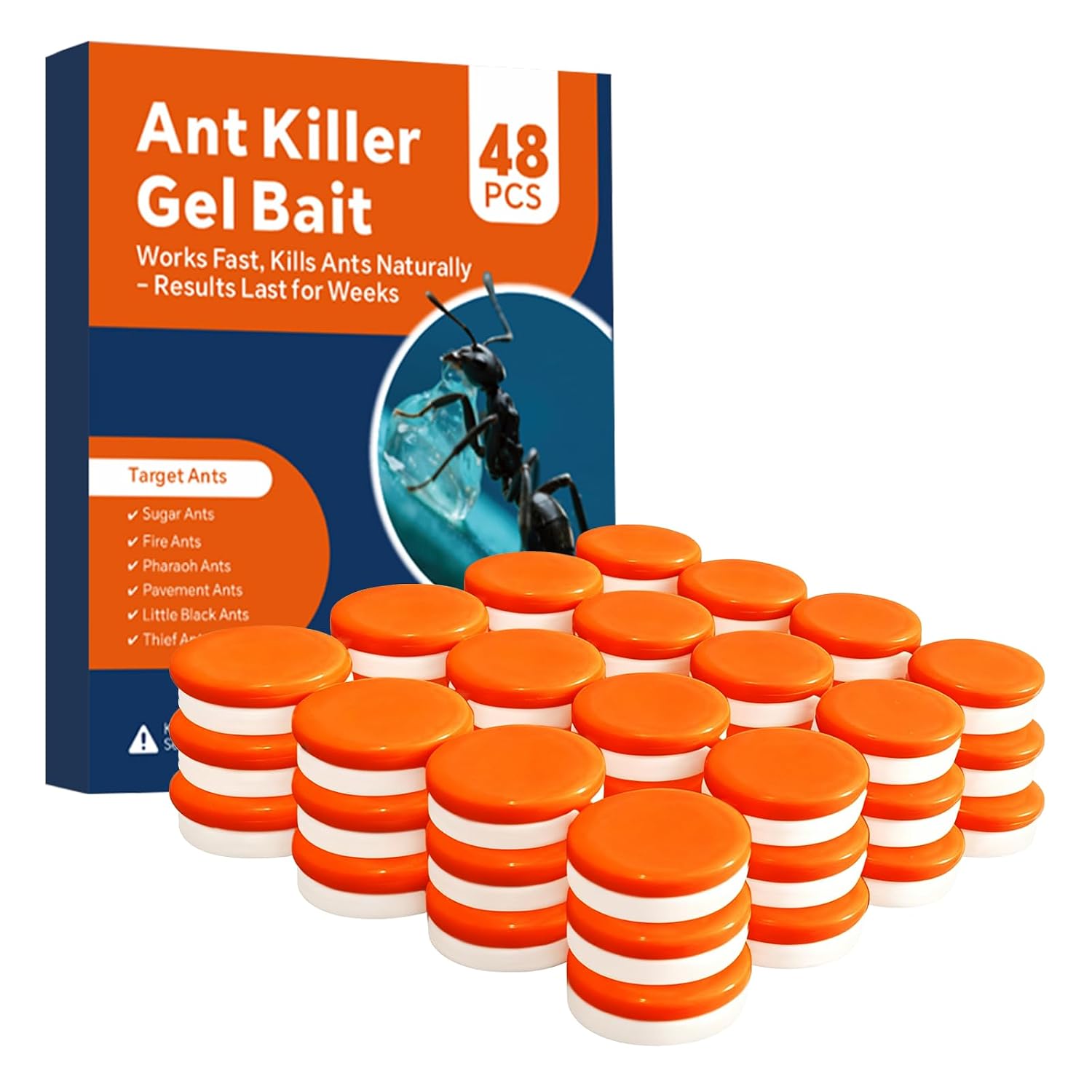
ROUTADE 48-Pack Slow-Acting Ant Gel Bait Stations
| Unit Count | 48 Count |
|---|---|
| Item Form | Gel |
| Target Species | Ants |
| Included Components | Ant gel bait |
This 48-pack of ROUTADE slow-acting ant gel bait stations is built for systematic, long-term ant control in and around the kitchen. Each station contains a gel formula that worker ants consume and carry back to the nest, which helps reduce the entire colony rather than only visible foragers. The product is supplied in ready-to-use stations with adhesive tape so you can place them along baseboards, in cabinets, near sinks, and on entry thresholds without messy sprays or frequent repositioning. The large pack lets you deploy multiple stations in high-traffic areas and replace them over time for continuous coverage. Because the formula is slow-acting, it is effective against a range of common household species including carpenter ants and sugar ants, but it requires several days to weeks to knock down a colony and will not give instant removal of visible ants. Also the stations are small and contain gel rather than a tamper-resistant hard block, so keep them away from children and pets. For someone wanting a low-maintenance, colony-focused approach to kitchen ant problems, this kit makes it easy to set and forget while the bait works.
Best for: Homeowners who prioritize reliable, long-term elimination of ant colonies in kitchens and want a low-maintenance bait they can deploy across multiple hotspots.
Less Ideal for: People who need an immediate knockdown of visible ants or who require childproof solid bait stations should consider alternatives.
- Slow-acting gel designed for worker ants to carry bait back to the nest for colony-level control
- Ready-to-use bait stations with adhesive for easy placement along baseboards and in cabinets
- 48-count pack provides broad coverage around a kitchen and enough replacements for extended use
- Versatile for indoor and outdoor placement to block entry points and high-traffic ant routes
- Slow-acting formula takes days to weeks to eliminate a colony so visible results are not immediate
- Gel in small stations may require careful placement to keep away from children and pets
Verdict: A practical, deploy-and-forget gel bait kit for reliable colony-level control of kitchen ant infestations.
Amdro Fire Ant Killer for Mounds, 2 lb

| Item Form | Powder |
|---|---|
| Target Species | Ants |
| Special Features | Fire Ant Killer for Mounds |
| Active Ingredients | Hydramethylnon |
Amdro Fire Ant Killer for Mounds is a granular bait you sprinkle directly onto visible fire ant mounds to eliminate colonies. Worker ants collect the bait granules and carry them back into the nest where the active ingredient, hydramethylnon, is fed to the queen and other colony members; the product claims the queen is killed in about a week. Typical use is spot treatment of mounds in lawns, landscaped beds, and ornamental gardens during cool mornings or afternoons when ants are active and grass is dry. Notable features include a dual-action approach that attracts ants and starts killing immediately plus clear directions for pairing with an area lawn treatment for broader protection. Practical benefits are fast visible reduction in mound activity, easy application by hand or spreader, and suitability for several ant species. Important limitations are that it is a chemical bait so it requires correct timing and dry conditions to work, repeat applications may be needed for reinfestation, and it targets mounds rather than providing instant knockdown of all surface ants.
Best for: Homeowners who want a performance-focused, colony-level solution for active fire ant mounds and are willing to follow timing and application steps for reliable results.
Less Ideal for: People needing immediate spot knockdown of surface ants or those who prefer non-chemical or pet-safe alternatives for frequent use around young children or animals.
- Colony-level control by baiting workers to feed the queen
- Fast action with fewer visible ants within about a week
- Easy to apply to individual mounds by hand or spreader
- Effective against multiple common ant species including imported fire ants
- Requires dry conditions and active foraging to be effective
- Not an instantaneous surface contact killer so results take days
Verdict: Choose Amdro Mounds when you want a proven bait that targets the entire colony to eliminate fire ant mounds rather than just killing visible workers.
Choosing the Right Ant Trap for Large Ants: Key Factors to Consider
Bait Formula and Palatability
The bait inside an ant trap is the functional core. Large ants often prefer different bait textures and sugar-to-protein balances than smaller species. A formula that is too watery or too dry may be ignored by big workers. Look for baits formulated to promote bait transfer, where foragers consume and carry bait back to the colony.
Palatability directly affects how quickly activity drops. In outdoor settings, strong odors can attract other insects or wildlife, so choose a bait that remains attractive to target ants while limiting unintended attraction. Consider whether the bait is suited to the season and local foraging habits; some large ants switch preferences between sugary and protein baits depending on brood needs.
Trap Housing Strength and Weather Resistance
Large ants can displace flimsy housings or foods exposed to wind and rain. A robust trap casing resists tipping, crushing, and water intrusion, which prolongs bait life and keeps the bait accessible to ants rather than soaked or contaminated. Materials that withstand sun exposure and temperature swings are particularly important for patios, foundations, and planter edges.
Also evaluate how the trap anchors to flat or uneven surfaces. A design that clips, stakes, or weights down will stay in place during wind or animal curiosity. Transparent or partially covered housings let you monitor activity without disturbing the bait.
Bait Longevity and Refill Options
How long bait remains effective determines maintenance frequency. Outdoor placements expose bait to heat, humidity, and dust, which can degrade attractiveness. Traps with concentrated, slow-release baits or sealed refill cartridges typically last longer than open trays.
Refill options matter for long-term control. Refillable systems reduce waste and let you switch formulas if ants stop taking one bait. Check that refills are easy to install without spilling and that spent baits can be removed safely.
Safety for Children, Pets, and Non-Target Wildlife
Ant traps are often used where people and pets move, so containment and placement controls are critical. Look for child-resistant housings and lockable lids that still allow ant access. Consider traps that can be placed out of reach or anchored to prevent tipping.
Also think about non-target insects and wildlife. Traps that reduce incidental exposure to beneficial insects or small mammals lower ecological impact in gardens. Labels and packaging should include clear guidance on safe distances from edible plants and play areas.
Ease of Placement and Monitoring
Practical deployment affects whether a trap gets used correctly. Traps designed for quick placement against baseboards, along foraging trails, or within planter rims encourage proper use. Those with clear windows or activity indicators let you know when to replace bait.
An intuitive setup reduces mistakes that can leave bait exposed or ineffective. Also consider how easy it is to move traps seasonally or to relocate them as foraging patterns change. Lightweight, modular units are easier to reposition while heavier, permanent anchors suit long-term strategic placements.
When Large Ants Are Mostly Outdoors
Outdoor foraging means baits must withstand weather and competing food sources. Place traps in shaded, protected spots along established trails, under eaves, or next to foundations where foragers travel. Avoid locations where rainwater pools or direct sun will quickly degrade bait efficacy.
If ants forage on bird feeders or compost piles, position traps between the source and expected entry points to intercept traffic. Check traps after heavy rain and replace or dry bait as needed to maintain attractiveness.
- Choose shaded placements to improve bait longevity
- Anchor traps to prevent tipping by animals
- Inspect after storms and on a weekly schedule
Using Traps Near Edible Plantings
When placing traps near vegetable beds or herb pots, prioritize containment and distance. Set traps along hardscape edges or just outside planter rims rather than inside growing media to minimize accidental contamination or contact with produce.
Follow label guidance on buffer distances and avoid placing baits directly on soil that will be disturbed before harvest. Remove traps during harvesting operations and store them safely until needed again.
- Keep traps off growing soil and away from harvest zones
- Use boxed or locked housings near food plants
- Relocate temporarily when working in beds
Addressing Ants in Garages, Sheds, and Basements
Semi-enclosed spaces concentrate ant traffic along edges and entry points. Place traps along walls, near door thresholds, and by utility penetrations where trails are most visible. Indoor-style housings can work if they block pets and children from direct access.
Check these traps more often; indoor humidity and temperature can accelerate bait collapse or mold growth. Replace bait promptly when activity declines to maintain continuous control.
- Position traps where you see consistent trails
- Use child- and pet-resistant housings in living spaces
- Monitor bait condition weekly in humid areas
Seasonal Considerations for Large Ant Activity
Large ant species often change foraging intensity with temperature and colony cycles. Spring and early summer can be active for brood rearing, increasing bait acceptance. Hot, dry spells may reduce foraging or shift preference toward protein-based baits.
Adjust bait type and placement seasonally and be prepared to extend treatment into late summer or fall if colonies remain active near structures.
- Switch bait types if acceptance drops
- Increase monitoring during peak seasons
- Continue placement until foraging stops for several weeks
Preventing Reinfestation
Traps are one part of a larger prevention strategy. Remove outdoor food sources such as fallen fruit, accessible pet food, and exposed compost. Seal easy entry points like gaps around doors and utility lines to reduce pathways into structures.
Regular maintenance of traps and environmental sanitation together reduce the chance that new colonies will re-establish near treated areas.
- Eliminate competing food and water sources
- Seal cracks and crevices around foundations
- Keep mulch and vegetation trimmed away from walls
How We Chose the Best Ant Trap for Large Ants
We evaluated options that are specifically effective against larger ant species found around homes and gardens. Key filters included bait formulation potency and attractiveness to larger foragers, trap housing durability for outdoor or semi-outdoor placement, and bait longevity under heat and humidity. Practical deployment features such as secure access points to prevent non-target contact, refillability, and ease of setting or anchoring were also essential. We excluded insect control devices designed solely for small indoor ants or devices that rely on contact-only sprays. We focused on traps providing a bait-transfer mechanism that encourages foragers to recruit nestmates. Final selection emphasized traps with resilient housings for patios, gardens, and garage thresholds, straightforward maintenance, and clear instructions for safe placement away from children and pets.
FAQ
How long before I see results with traps aimed at large ants?
Often you will see reduced activity within a few days if the bait is attractive to the colony. Complete control of a large colony can take several weeks because worker ants must feed the bait to nestmates and the queen. Continued monitoring and bait replacement as needed are important.
Can I use outdoor ant traps inside a garage or shed?
You can use traps intended for outdoor conditions in semi-enclosed spaces if the housing is safe and access to pets or children is prevented. Be aware that indoor humidity and temperature can change bait performance, so check more frequently.
Are baited traps safe around pets and pollinators?
Many traps are designed to limit non-target access, but safety depends on proper placement and housing. Use locked or enclosed housings and put traps out of reach of pets. Avoid placing baits where pollinators forage, and remove any spilled bait promptly.
When should I switch bait types for large ants?
Switch if you observe little or no interest after several days, or if bait becomes contaminated by rain or debris. Seasonal shifts in ant diet can also warrant switching between sugar- and protein-based baits to match colony needs.
How often should I check and refill traps?
Check traps weekly under typical conditions and more often after heavy rain or during hot spells. Replace bait when it is dry, moldy, or no longer being visited by ants. Refillable systems typically need less frequent full replacement than open trays.
Final Verdict
Choose an ant trap for large ants based on bait attractiveness, a durable housing suited to your placement, and a safe design that minimizes non-target exposure. Prioritize traps that allow monitoring and straightforward refilling so you can adapt as ant behavior changes. Combining targeted trapping with simple habitat changes and routine inspection will deliver the most reliable long-term control.
