

Note: This article contains affiliate links. If you click on these links and make a purchase, I may earn a small commission at no extra cost to you. This helps support my research and content. Read my full affiliate disclosure here.
If you manage a pond, lake edge, slow-moving stream, or decorative water garden, choosing the right aquatic weed killer changes how quickly and safely you regain open water and healthy oxygen levels. The wrong product can harm desirable plants, stress fish, or leave persistent residues. This guide collects seven well-vetted options shortlisted for common pond and shoreline problems. We focus on how each option performs on common aquatic species, how quickly you can expect visible results, and what safety steps you must take for fish, pets, and downstream habitats. Read on to see the top picks and the practical criteria used to evaluate them before the product list.
Top Picks at a Glance
| Best Overall The best all-around choice for most situations | SePRO Sonar RTU Ready-to-Use Aquatic Herbicide, 1 Quart |  |
| Best Quality Built to a higher standard if you want something more solid | Alligare Diquat Aquatic and Landscape Herbicide, 1 Gallon |  |
| Best Value The sweet spot between price and what you get | ALLIGARE Diquat Dibromide Aquatic Herbicide, 32 fl oz |  |
| Best Budget The cheapest option that still gets the job done reliably | Hi-Yield Killzall Aquatic Herbicide, 32 oz |  |
| Highest Rated A top-rated pick with lots of positive feedback | Agrisel Aqua-Sel Aquatic Weed Killer, 128 fl oz |  |
| Most Popular A crowd favorite that many people choose with confidence | Airmax Shoreline Defense Aquatic Weed Control Herbicide, 1 Quart | 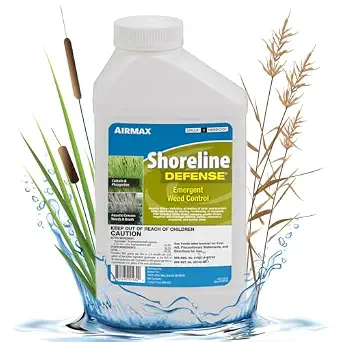 |
| Best Seller A high-volume bestseller chosen again and again | Crystal Blue Tsunami DQ Aquatic Herbicide, 1 Quart (32 fl oz) |  |
SePRO Sonar RTU Ready-to-Use Aquatic Herbicide, 1 Quart

| Formulation | Liquid |
|---|---|
| Unit Count | 32 Fluid Ounces |
| Coverage | 1 quart treats 1/8th of an acre for the season |
| Recommended Pond Depth | Best results on waters 4 feet deep or greater |
Sonar RTU is a do-it-yourself aquatic herbicide designed for pond and lake owners who need a simple, systemic treatment for duckweed and other submerged and floating plants. The product arrives ready to use so there is no mixing, spray equipment, or boat required — you pour measured doses from the shoreline. Its active ingredient, fluridone, translocates through plant tissues to stop photosynthesis, which causes target plants to bleach and die over several weeks, providing season-long control when applied at recommended rates. The bottle claims one quart treats about one eighth of an acre for the season and works best in waters about four feet deep or deeper. Practical benefits include ease of application, professional-grade active ingredient, and no post-application restrictions for swimming, fishing, or boating. Important limitations are the slow mode of action — visible results can take six to twelve weeks — and the need to follow label dosing and irrigation precautions; it is not an instant or short-term algaecide and is aimed at long-lasting vegetation control rather than immediate clearing.
Best for: Pond or small-lake owners who want a straightforward, professional-strength solution they can apply from shore for long-lasting control of duckweed and similar aquatic plants.
Less Ideal for: People who need fast knockdown of floating debris or immediate aesthetic clearing, or owners of very shallow waterbodies who require treatments targeted to shallow margins.
- Ready-to-use formula requires no mixing or spray equipment
- Uses fluridone, a systemic ingredient favored by professional applicators
- No post-application restrictions for swimming, fishing, boating, or livestock
- Designed to provide season-long control with a single treatment when dosed correctly
- Slow acting with visible plant decline over six to twelve weeks
- Best results reported in water four feet deep or greater, so shallow areas may be less responsive
Verdict: Choose Sonar RTU when you want a professional, ready-to-use, season-long aquatic herbicide you can apply from shore with no special equipment.
Alligare Diquat Aquatic and Landscape Herbicide, 1 Gallon

| Unit Count | 128 Fluid Ounces |
|---|---|
| Item Form | Liquid |
| Coverage | Various aquatic environments |
| Active Ingredients | Herbicide |
Alligare Diquat is a concentrated, glyphosate-free herbicide designed to deliver rapid control of stubborn aquatic and landscape weeds. It is mixed with water and applied to target vegetation, producing visible browning and dieback within hours after contact with green tissue. The formula is intended for use in ponds, lakes, drainage ditches and overgrown turf, and the listing highlights effectiveness against duckweed, hydrilla, water hyacinth and annual bluegrass. At 37.3 percent diquat dibromide it offers quick knockdown with a short waiting period before replanting compared with some systemic herbicides. Practical benefits include broad-spectrum activity across water and land and a one-gallon concentrate suited for treating multiple problem areas. Important limitations are that it is non-selective so it will damage desirable plants and requires careful mixing and application to meet safety directions and aquatic regulations; it also does not provide long-term residual control like some systemic products. Protective gear and adherence to label directions are essential when using this product.
Best for: Buyers who prioritize quick, performance-driven control of aggressive aquatic or turf weeds and need a concentrated product that works across water and land.
Less Ideal for: Homeowners who need selective spot treatment near desirable plants or who prefer slow-acting systemic herbicides for long-term weed suppression should consider alternatives.
- Fast contact action produces visible control within hours
- Effective across aquatic and terrestrial environments including ponds and drainage areas
- High-concentration formulation suitable for treating large or multiple infestations
- Works on a range of hard-to-kill species such as hydrilla and duckweed
- Non-selective action will harm desirable aquatic or landscape plants if oversprayed
- Requires careful mixing, protective equipment, and adherence to local aquatic use regulations
Verdict: Choose this concentrated diquat formula when you need fast, reliable knockdown of tough aquatic and landscape weeds across ponds and drainage areas.
ALLIGARE Diquat Dibromide Aquatic Herbicide, 32 fl oz

| Unit Count | 32 Fluid Ounces |
|---|---|
| Item Form | Liquid |
| Coverage | weed and moss control |
| Active Ingredients | Diquat dibromide |
This 32 fl oz ALLIGARE diquat dibromide herbicide is a fast-acting contact treatment for aquatic and shoreline weeds and moss. It is used as a surface spray or applied under water with a nozzle to directly target green plant tissue, and users typically spray young, actively growing weeds for best results. The formula advertises visible browning within hours and is non-glyphosate, making it an option where that active ingredient is unwanted. It lists coverage for tough species such as duckweed, hydrilla, water hyacinth and annual bluegrass and notes the product allows replanting after treatment due to lack of persistent residue. Important practical considerations are its non-selective action so it will damage desirable plants if contacted and the need for careful handling around people, pets and intended aquatic life. The product comes as a concentrated liquid that requires correct dilution and application technique to be effective and safe, so expect to pair it with appropriate sprayer equipment and follow local use regulations.
Best for: Buyers who need a rapid, reliable solution to clear ponds, drainage areas or shorelines of aggressive aquatic weeds and who plan to follow label directions and use proper application equipment.
Less Ideal for: Homeowners who want a selective lawn-only product, casual users uncomfortable handling concentrated herbicides, or anyone needing treatments that spare nearby desirable aquatic vegetation.
- Fast contact action produces visible results within hours
- Specifically labeled for aquatic use and a broad range of aquatic weeds
- Non-glyphosate formulation for users avoiding glyphosate
- Allows replanting after application due to minimal persistent residue
- Non-selective herbicide that will harm desirable aquatic or shoreline plants on contact
- Requires correct dilution and spraying equipment and following safety directions
Verdict: Choose this concentrated diquat aquatic herbicide when you need quick, broad-spectrum control of pond and shoreline weeds and plan to apply it safely with proper equipment.
Hi-Yield Killzall Aquatic Herbicide, 32 oz

| Unit Count | 32 Ounce |
|---|---|
| Item Form | Liquid |
| Active Ingredients | Glyphosate |
| Coverage | Full |
Hi-Yield Killzall is a liquid glyphosate concentrate designed for spot and broadcast control of a wide range of aquatic and non-crop weeds. You mix the concentrate with water at label rates and spray foliage thoroughly; the 32 fl oz bottle is rated to cover up to about an acre when applied per directions. Notable features are its broad species control — grasses, broadleaf weeds, and woody brush — and a concentrate form that makes it practical for treating large patches or repeated spot applications. For practical use around ponds, ditches, and restoration areas it simplifies logistics because one small bottle mixes into many gallons of spray. Important limitations are the standard herbicide precautions: it is for non-crop sites only, requires careful mixing and application to avoid off-target damage, and contains glyphosate which needs follow-up planning for sensitive habitats. If you follow label directions it is a straightforward, effective option for managing tough aquatic weeds where systemic glyphosate is appropriate.
Best for: Buyers who need an economical, concentrated herbicide to treat patches of aquatic or non-crop weeds and who are comfortable following label safety and mixing instructions.
Less Ideal for: People seeking a product for lawns, edible gardens, or locations where glyphosate use is restricted or unacceptable should choose a different method.
- Concentrated 32 fl oz formula covers up to an acre when mixed per label
- Effective on a broad range of weeds including grasses, broadleaf species, and woody brush
- Formulated for use on aquatic and other non-crop sites when used according to label
- Liquid concentrate mixes easily with water for spray application
- Contains glyphosate which is not suitable for all habitats and requires careful application
- Label restricts use to non-crop sites so it is not for use on lawns or edible crops
Verdict: A cost-conscious concentrated glyphosate option for effective, large-area control of aquatic and non-crop weeds when used to label directions.
Agrisel Aqua-Sel Aquatic Weed Killer, 128 fl oz

| Item Form | Liquid |
|---|---|
| Unit Count | 128 Fluid Ounces |
| Coverage | large |
Agrisel Aqua-Sel is a concentrated liquid herbicide designed for treating emerged aquatic weeds across large water bodies. It is typically mixed and sprayed from a boat or shore-based sprayer to spot-treat or cover broad areas of vegetation in lakes, ponds, and slow-moving rivers. The product emphasizes a low application rate, so a single 128-ounce bottle treats a substantial area, which keeps labor and reapplication needs lower on recurring maintenance cycles. Notable features include an EPA-approved formula and a user-friendly liquid form that mixes readily for common spray equipment. In practice this means predictable knockdown of surface and near-surface aquatic plants when applied according to the label and with appropriate equipment. Limitations to note are that a separate sprayer is required, and effectiveness depends on using correct rates and timing for the target species and water conditions. Read and follow the label directions carefully to ensure safe, legal use around sensitive environments.
Best for: Buyers who prioritize a dependable, regulation-compliant product for regular aquatic weed control in lakes or ponds and who plan treatments with proper equipment and label compliance.
Less Ideal for: Casual users without access to spray equipment or those seeking an all-in-one kit that includes application tools should consider alternatives or professional services.
- EPA-approved formula suitable for aquatic use
- Liquid concentrate mixes easily for spray application
- Low application rate makes it economical for large areas
- Formulated for fast action on emerged aquatic weeds
- Requires separate sprayer and proper application equipment
- Effectiveness depends on correct species identification and timing
Verdict: Agrisel Aqua-Sel is a reliable, EPA-approved liquid concentrate for economical, large-area control of emerged aquatic weeds when applied correctly.
Airmax Shoreline Defense Aquatic Weed Control Herbicide, 1 Quart

| Unit Count | 32 Fluid Ounces |
|---|---|
| Coverage | 10000 Square Feet |
| Item Form | Liquid |
| Active Ingredients | Herbicide |
Airmax Shoreline Defense is a liquid, glyphosate-based herbicide made to kill emergent shoreline weeds such as cattails, phragmites, and pond grasses by being absorbed through foliage and killing roots. You mix the concentrate in a tank sprayer and apply directly to actively growing plants; the product notes that using a surfactant improves uptake. It is labeled for use in a wide range of aquatic settings including ponds, lakes, ditches, and estuaries and claims no water use restrictions when applied according to directions. The bottle covers a large area per label coverage and is presented as an easy-to-use option for reclaiming shorelines and maintaining clear water edges. Important limitations are that it is a glyphosate treatment, so target plants must be actively growing and multiple applications may be needed for dense infestations; you must follow label directions for safe aquatic use and dilution rates. This product is best for deliberate, planned shoreline treatments rather than spot, nonaquatic garden use.
Best for: Buyers who need a targeted, professional-strength solution to reclaim and maintain freshwater or brackish shorelines and who value documented product performance and safety guidance.
Less Ideal for: Casual garden users looking for a general-purpose, nonaquatic weed killer or those unwilling to follow specific aquatic application instructions and safety labeling.
- Concentrated formula lets you treat large shoreline areas from one quart
- Specifically labeled for emergent aquatic weeds including cattails and phragmites
- Can be applied in fresh and brackish water with no water use restrictions when used per label
- Absorbed through foliage to kill roots for longer term control
- Contains glyphosate so it requires correct timing and application for effectiveness and stewardship
- Not suited for nonactive or dormant plants and may require repeat treatments for heavy infestations
Verdict: A concentrated, shoreline-focused glyphosate treatment for homeowners and pond managers who want an effective, label-backed solution to control emergent aquatic weeds.
Crystal Blue Tsunami DQ Aquatic Herbicide, 1 Quart (32 fl oz)

| Unit Count | 32 Fluid Ounces |
|---|---|
| Item Form | Liquid |
| Coverage | 2-8 quarts per surface acre |
| Active Ingredients | Herbicide |
Tsunami DQ is a ready-to-mix, concentrated aquatic herbicide designed to kill floating, submerged, and emergent pond weeds such as duckweed, watermeal, pondweed and coontail. It is applied by spraying directly onto the target growth and is dosed by surface area at roughly 2 to 8 quarts per acre depending on infestation and species. The product is contact-acting and produces fast visible results, which makes it useful for spot treatments and for treating sections of a pond to avoid oxygen depletion. The label emphasizes treating only part of a waterbody at a time and waiting 14 days between full applications to protect fish and water quality. Practical benefits include a strong, proven active ingredient and straightforward mixing and spraying with standard sprayers. Limitations are that careful application is required to prevent spray drift, avoid muddy water when mixing, and to manage oxygen loss after large treatments, so users should follow safety and timing guidance closely.
Best for: Buyers who prioritize predictable, fast control of pond weeds and want a professional-strength product they can apply themselves while following label safety steps.
Less Ideal for: People who prefer non-chemical or low-intervention pond management or those unwilling to follow detailed label safety and application procedures.
- Concentrated diquat formula that delivers quick visible control of many aquatic weeds
- Suitable for floating, submerged and emerged aquatic plants for flexible use
- Straightforward ready-to-mix liquid for use with common spray equipment
- Label guidance on sectional treatment helps protect fish and water oxygen levels
- Requires cautious application to avoid spray drift and non-target exposure
- Not appropriate for use in certain states and must be applied according to label restrictions
Verdict: Choose Tsunami DQ if you need a fast-acting, concentrated herbicide for reliable spot and sectional control of common pond weeds.
Choosing the Right Aquatic Weed Killer: Key Factors to Consider
Target Plant Species
Different aquatic herbicides control different types of plants. Some are formulated for emergent species that root in shallow soil at the water edge, others for submersed weeds that grow entirely below the surface, and a few work on floating mats. Knowing whether you are dealing with algae, filamentous pond moss, invasive submersed weeds, or cattails determines which active ingredient will be effective.
Misidentifying the plant can lead to wasted effort and damage to non-target vegetation. Matching the product to the plant type reduces the need for repeat applications and helps you plan complementary control methods such as mechanical raking or cutting.
Fish, Wildlife, and Non-Target Safety
Aquatic treatments can affect fish and amphibians directly or indirectly by causing oxygen depletion as large weed kills decompose. Always consider the presence of fish, waterfowl, or downstream users. Look for clear instructions about pre-treatment fish relocation, aeration recommendations, and whether the product is safe for use near drinking water intakes or irrigation systems.
Products with minimal toxicity to fish and invertebrates are preferable in stocked ponds and natural areas. When using any control, plan for monitoring dissolved oxygen and follow label guidance to avoid fish kills.
Application Timing and Environmental Conditions
Temperature, water clarity, and flow affect herbicide performance. Many aquatic products work best during active plant growth in warm months when plants readily take up the active ingredient. Wind and water movement influence where a treatment disperses, so calm conditions reduce off-target drift.
Avoid treating during heavy rain or when significant downstream flow is expected. Consider seasonal plant life cycles; treating early in the season can reduce seed production and spread, while late-season treatments may require follow-up the next year.
Persistence, Breakdown, and Residue
Herbicide persistence in the water column and sediment affects how long control lasts and the potential for downstream impact. Some active ingredients break down quickly in sunlight and microbial activity, offering shorter-term control with lower residue risk. Others bind to sediment and provide longer suppression but may impact sensitive organisms.
Choose a product whose persistence matches your management goals and downstream sensitivity. Understand label information on re-entry intervals for irrigation or livestock watering to manage risk.
Application Method and Equipment Needs
Aquatic weed control can be applied as a broadcast liquid, spot-treatment granulars, or direct-cut-stem injection. The method you choose depends on the size of the infestation, access to the shoreline, and whether you need to treat isolated patches or an entire pond.
Consider whether you will use handheld sprayers, backpack gear, or a boat-mounted applicator. Ease of measurement and mixing on the label, as well as availability of dosing tools, makes accurate application safer and more effective.
Regulatory Labels and Local Restrictions
Regulations for aquatic herbicide use vary by jurisdiction. Some active ingredients are restricted in public waters or require licensed applicators. Local rules may limit timing, buffer zones, or allowable methods near drinking water sources.
Verify local permitting requirements before purchasing and applying any aquatic control. Proper labeling that includes site-specific restrictions and buffer guidance helps you stay in compliance and protect nearby users.
When To Use Chemical Control Versus Mechanical Removal
Chemical control can be the fastest way to knock back widespread submersed or floating invasives, particularly where mechanical access is limited or plants are widely dispersed. Herbicides are useful when you need to treat large beds that would take many hours to remove by hand or rake. They are also helpful for species with extensive root systems where cutting alone will not prevent regrowth.
- Reserve mechanical removal for small patches, shoreline cleanup, or immediate aesthetic fixes.
- Combine cutting or raking with spot chemical treatments to reduce biomass before applying herbicide and lower oxygen-depletion risk.
- Use chemicals when repeated mechanical disturbance is impractical or likely to spread fragments that re-root.
Preparing the Site and Reducing Risks
Before any treatment, map the infestation and identify sensitive areas such as shallow fish spawning grounds, water intakes, or high-use recreational zones. Remove surface debris and cut large floating mats if possible to improve herbicide contact with target plants. If fish are present and the treatment can cause significant die-off, consider temporary fish relocation or plan for aeration to maintain dissolved oxygen levels after treatment.
- Mark treated zones and notify neighbors or lake users if applicable.
- Schedule treatments during calm weather to minimize drift.
- Ensure you have the right personal protective equipment and measuring tools called for on the label.
Best Practices for Post-Treatment Management
After a treatment, monitor the site regularly. Some weeds will show browning in days while others decline slowly over weeks. Remove dead plant material where practical to limit oxygen loss and nutrient release that can fuel future blooms. Use aeration or fountains in heavily stocked or shallow ponds to help maintain oxygen during decomposition periods.
- Inspect for re-sprouting and retreat small patches early to prevent reestablishment.
- Combine management tactics such as nutrient control, shoreline vegetation buffers, and selective planting of native species to reduce long-term weed pressure.
- Keep records of application dates, rates used, and observed outcomes to inform future treatments.
Integrated Approaches: Long-Term Prevention
Chemical control is often one part of a broader management strategy. Addressing nutrient input from runoff, septic systems, or lawn fertilization reduces conditions that favor algae and some emergent weeds. Restoring native shoreline plants can stabilize banks and compete with invasive species for light and nutrients. Regular monitoring and early spot treatments limit large-scale infestations and reduce reliance on repeat broad applications.
- Implement buffer strips or rain gardens to intercept nutrients.
- Educate property users to clean boats and equipment to prevent fragment transport.
- Adopt a seasonal inspection routine to catch small invasions early.
How We Chose the Best Aquatic Weed Killer
We started by narrowing the field to products formulated for use in standing or slow-moving fresh water only and excluded any treatments intended solely for terrestrial lawns or ornamental beds. We prioritized proven active ingredients and clear labeling that specifies which aquatic plants are controlled and what application rates to use in ponds, lakes, and irrigation canals. Key evaluation criteria included efficacy against common invasive pond species, documented aquatic toxicity and fish-safety guidance, label clarity for dose and application method, and persistence in water and sediment. We also considered ease of application in small and mid-size water bodies and compatibility with mechanical removal or aeration. Products lacking explicit aquatic use instructions, those labeled for fast-flowing water only, or formulations with unclear environmental precautions were excluded. The result is a shortlist of treatments that balance reliable plant control with practical safety guidance for gardeners and land managers working around fish and downstream habitats.
FAQ
Will aquatic herbicides harm fish in my pond?
It depends on the product and the scale of the kill. Some active ingredients have low direct toxicity to fish but can cause secondary harm by reducing dissolved oxygen as decaying plants decompose. Follow label guidance on aeration, possible fish relocation, and safe application rates to minimize risk.
How long before I see results after treatment?
Visible dieback often appears within several days for fast-acting herbicides, but slower-acting products may take two to four weeks for full effect. The timeline depends on plant type, water temperature, and how well the product contacts the target vegetation.
Can I use aquatic weed killers in ponds with irrigation or livestock water?
Some products list specific re-entry intervals for irrigation and livestock water, while others are not approved for those uses. Always read the label for restrictions on irrigation, livestock watering, and potable water sources, and follow local regulations.
Is spot treatment better than whole-pond application?
Spot treatment reduces chemical use and targets problem areas, which lowers downstream risk and non-target exposure. Whole-pond applications can be necessary for extensive infestations but require careful planning for fish safety and nutrient release during decomposition.
Do I need a licensed applicator to treat my pond?
Regulations vary. Some jurisdictions require a licensed applicator for certain aquatic herbicides or public waters. Check local rules and the product label to determine whether professional application is required.
Final Verdict
Choosing the right aquatic weed control depends on the plant type, the presence of fish and downstream uses, and whether you need immediate control or longer-term suppression. Prioritize products with clear label instructions, low non-target toxicity, and persistence that matches your management goals. Combine chemical treatments with mechanical removal, aeration, and nutrient-reduction measures to protect water quality and reduce the need for repeated applications. Make decisions based on site sensitivity and long-term prevention, and follow label and local regulatory guidance to keep aquatic habitats healthy while managing invasive vegetation effectively.
