

Note: This article contains affiliate links. If you click on these links and make a purchase, I may earn a small commission at no extra cost to you. This helps support my research and content. Read my full affiliate disclosure here.
A blooming cactus brings dramatic color to a windowsill, patio table, or sheltered porch without demanding constant attention. Choosing the right flowering cactus matters because different species have distinct light needs, dormancy cycles, and watering tolerances that directly affect whether they set conspicuous blooms. This guide shortlists five top options that are good choices for gardeners who want reliable flowering, and it evaluates them on factors that matter in real gardens, including bloom reliability and cultural requirements. Below we summarize how each option performs in common situations and what to expect from planting, light, watering, and seasonal care before the product list.
Top Picks at a Glance
| Best Overall The best all-around choice for most situations | JMBamboo Christmas Cactus Trio (3 plants, 4-inch pots) |  |
| Best Quality Built to a higher standard if you want something more solid | The Three Company Zygocactus (4-Pack) Live Christmas/Thanksgiving Cactus with Deco Covers |  |
| Best Value The sweet spot between price and what you get | California Tropicals Spring Cactus (4" pot) |  |
| Best Budget The cheapest option that still gets the job done reliably | Queen of the Night Cactus (Night Blooming Epiphyllum) |  |
| Most Popular A crowd favorite that many people choose with confidence | American Plant Exchange Christmas Cactus (4-Inch Pot) |  |
JMBamboo Christmas Cactus Trio (3 plants, 4-inch pots)

| Indoor Outdoor Usage | Indoor |
|---|---|
| Expected Blooming Period | Spring, Summer |
| Sunlight Exposure | Full Sun |
| Soil Type | Sandy Soil |
| Moisture Needs | Moderate Watering |
These JMBamboo Christmas cacti come as a pack of three 4-inch potted plants intended for indoor cultivation and seasonal blooms. They are tropical, relatively low-maintenance houseplants that prefer bright light with some protection from intense midday sun and consistent but moderate watering in well-draining soil. The listing notes they are organic and recommends a high-quality cactus mix or a two-to-one potting soil and coarse sand blend, plus a rest period with longer nights to encourage winter flowering. Practical benefits include multiple plants for display or gifting, straightforward care for someone with basic houseplant experience, and the potential for strong seasonal blooms when given the recommended dark period and cooler nighttime temperatures. Limitations are that color and bloom stage vary by shipment and the plants need specific light and watering routines to reliably flower for the holidays, so beginners should follow the care guidance closely. These arrive in small nursery pots and will need repotting every couple of years as growth requires.
Best for: Buyers who want an attractive, seasonal-flowering houseplant without complex care and who are willing to follow simple light and watering routines to encourage blooms.
Less Ideal for: People seeking instant, guaranteed bloom color or stage on arrival or those who prefer completely hands-off plants that never require attention to light cycles.
- Sold as a set of three, giving immediate multiple displays or gifting options
- Requires only moderate watering and tolerates indoor conditions when placed in bright light
- Care guidance included for encouraging seasonal blooms with a dark rest period
- Can be grown in standard cactus mix or a mix of potting soil and coarse sand
- Bloom color and whether plants arrive already in bloom can vary between shipments
- Requires specific light and night-length management to reliably flower for the holidays
Verdict: A convenient three-pack of easy-care Christmas cacti that rewards attentive light and watering routines with seasonal blooms.
The Three Company Zygocactus (4-Pack) Live Christmas/Thanksgiving Cactus with Deco Covers

| Indoor Outdoor Usage | Indoor |
|---|---|
| Expected Blooming Period | Winter to Spring |
| Sunlight Exposure | Partial Shade |
| USDA Hardiness Zone | 9-11 |
| Moisture Needs | Moderate Watering |
This 4-pack of Zygocactus delivers multiple seasonal bloomers for indoor holiday color without demanding advanced care. Each live plant arrives in a 1 pint pot with a decorative cover and is best kept bright but out of direct sun, in partial shade and with moderate watering. Notable features include winter-to-spring bloom timing, compatibility with USDA zones 9 to 11 for outdoor placement, and low-maintenance care needs that suit busy households: misting to increase humidity and brief rest periods after flowering help promote reliable reblooming. Practical benefits are immediate holiday impact from vibrant, cascading flowers and the ability to keep plants year after year with simple seasonal routines. Limitations are that colors are grower-selected so you cannot guarantee specific shades, and long-term success requires observing the recommended cool, drier rest to set buds; inexperienced growers may need to learn the timing for rest periods. Pots are small at shipment size, so expect to repot as plants fill out for maximum flowering display.
Best for: Buyers who prioritize showy, reliable holiday blooms with minimal fuss and want multiple plants to create an instant seasonal display.
Less Ideal for: Gardeners seeking precise color selection or larger, mature specimens right away should look for single mature plants or named cultivars instead.
- Seasonal bloomers with winter to spring flowers that add holiday color indoors
- Low-maintenance care: partial shade, moderate watering, and simple misting for humidity
- Sold as a four-pack with decorative covers for an immediate multi-plant display
- Can rebloom year after year with simple rest and light-management routines
- Grower’s choice color selection means you cannot pick exact bloom colors
- Plants ship in small 1 pint pots and will need repotting to reach full display potential
Verdict: A convenient four-pack of low-maintenance Christmas/Thanksgiving cacti that delivers dependable holiday blooms for buyers who want a strong seasonal display with minimal effort.
California Tropicals Spring Cactus (4" pot)

| Indoor Outdoor Usage | Indoor |
|---|---|
| Expected Blooming Period | Spring |
| Sunlight Exposure | Full Sun |
| Moisture Needs | Moderate Watering |
| Plant or Animal Product Type | cactus |
This spring cactus is a compact, pet-safe flowering cactus sold in a 4" container that typically blooms in late spring. Buyers receive one plant whose flower color is a surprise and may be red, coral, pink, or white; blooms are not guaranteed at shipping but develop naturally with proper care. It is described for indoor use but prefers bright, full sun exposure and moderate watering, which makes it straightforward to grow on a sunny windowsill or bright porch. Notable features include an extended bloom time and spring flowering period, and the plant is marketed as non-toxic to pets. The main limitations are that you may not see flowers immediately and color cannot be chosen, so this is better for someone who wants a low-maintenance, seasonal-flowering cactus rather than a guaranteed showpiece. Healthy care—ample light, careful watering, and planting in spring—gives the best chance of seeing the expected April to May blooms.
Best for: Buyers who want an easy-care, pet-safe indoor cactus that can produce seasonal spring blooms and prefer low-maintenance plants for bright locations.
Less Ideal for: People seeking guaranteed immediate flowers, exact bloom color, or large statement plants should consider alternatives.
- Compact 4" size fits small indoor spaces or windowsills
- Flowers in spring with extended bloom time when well cared for
- Pet-safe non-toxic plant suitable for homes with cats and dogs
- Requires only moderate watering, suitable for beginners
- Flower color is random and blooms are not guaranteed at time of purchase
Verdict: A small, pet-safe spring-blooming cactus that delivers easy care and seasonal flowers for risk-averse buyers who want a low-maintenance indoor bloomer.
Queen of the Night Cactus (Night Blooming Epiphyllum)

| Indoor Outdoor Usage | Indoor |
|---|---|
| Expected Blooming Period | Night Blooming, Flowers Open At Dusk And Last For One Night Only |
| Sunlight Exposure | Partial Shade |
| USDA Hardiness Zone | 10-12 |
| Moisture Needs | Low To Moderate, Water When Soil Is Completely Dry |
This Queen of the Night cactus is an indoor epiphytic cactus grown for its dramatic, fragrant white flowers that open at dusk and last a single night. You would typically keep it in a bright room out of direct sun, in a well-draining cactus mix, and water only after the soil dries to avoid root rot. Notable features include its night-blooming habit, large showy flowers up to several inches across, drought resistance, and suitability for container growing. Practical benefits are low routine maintenance, a strong ornamental impact when it blooms, and compatibility with typical indoor temperatures between 60 and 80°F. Limitations to expect are the unpredictable, short-lived blooms that require patience and evening watching, and the plant often arrives small in a 2.8-inch nursery pot so it may need repotting and time to establish before it flowers reliably. Buyers should also plan for partial shade conditions rather than full sun to keep foliage healthy.
Best for: Buyers who want a low-maintenance indoor flowering cactus that rewards patience with dramatic nocturnal blooms and minimal watering effort.
Less Ideal for: If you want frequent, long-lasting daytime flowers or instant large specimens for immediate impact, choose a different plant or a mature specimen from a nursery.
- Produces large, fragrant night-blooming flowers that create a strong visual and scent impression
- Low water needs and drought-resistant epiphytic habit reduce maintenance
- Suitable for indoor container growing and bright indirect light
- Arrives in a small nursery pot that is easy to manage and integrate into plant collections
- Blooms last only one night, so display period is brief
- Typically ships or sells in a small nursery pot and may need repotting and time to mature before flowering
Verdict: Buy this if you want an easy-care indoor cactus that rewards patience with rare, fragrant night-blooming flowers.
American Plant Exchange Christmas Cactus (4-Inch Pot)
| Indoor Outdoor Usage | Indoor |
|---|---|
| Expected Blooming Period | Holiday season |
| Sunlight Exposure | Partial Sun |
| Moisture Needs | Regular Watering |
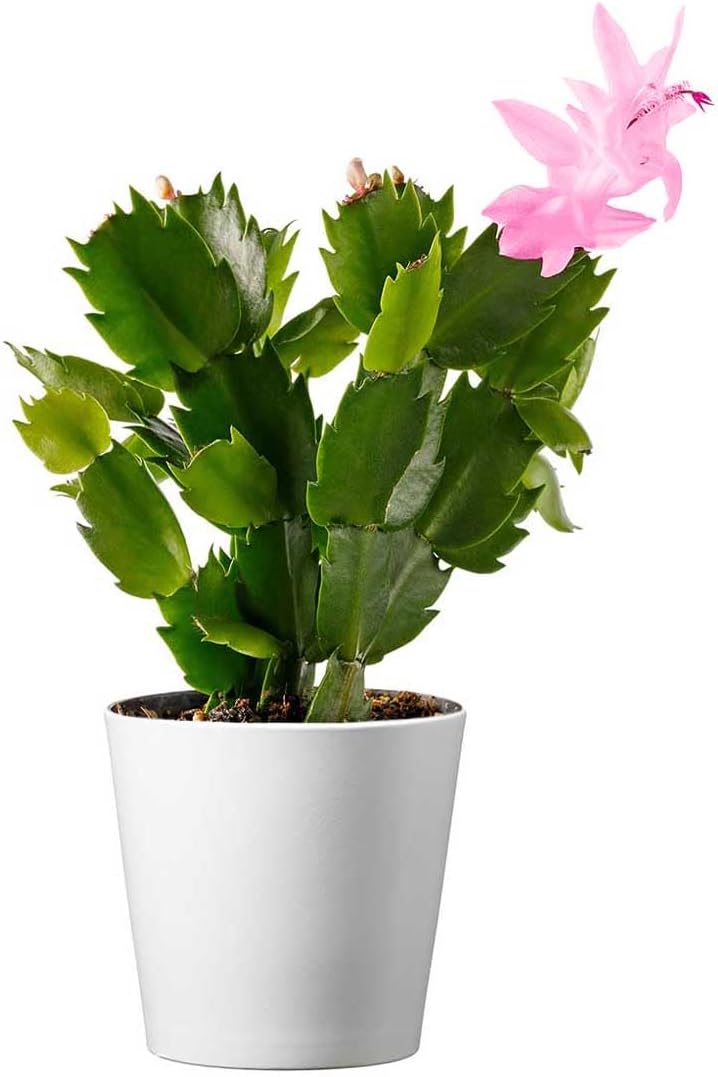
This American Plant Exchange Christmas Cactus is a beginner-friendly Schlumbergera sold in a 4-inch grow pot with a decorative cover. It is designed to produce vibrant tubular blooms in reds, pinks, or whites during the holiday season and is typically displayed on a windowsill, table, or hanging basket where it receives bright, indirect light. The listing highlights easy care: a well-draining mix, regular but moderate watering, and partial sun to encourage blooming. Practical benefits include long-term longevity when cared for and a compact size that fits small indoor spaces; the plant is also non-toxic to pets. Limitations to expect are that specimens may ship out of bloom and flower color is not selectable, so you may have to wait through a care cycle to see blooms. The product is marketed as heirloom stock and includes a simple pot cover, but buyers wanting large or immediate floral impact should plan for several weeks of acclimation and care before peak flowering.
Best for: Buyers who prefer low-risk, low-maintenance houseplants that add seasonal color without demanding specialist care or space, and who value a plant that will reliably fit small indoor spots.
Less Ideal for: People seeking an immediate, large floral show or a guaranteed specific flower color should consider larger mature specimens or nursery-grown plants instead.
- Easy-care plant that thrives in bright, indirect light with moderate watering
- Compact 4-inch pot size fits small indoor spaces and windowsills
- Includes a decorative pot cover so it is display-ready on arrival
- Non-toxic to pets, making it safer for households with animals
- May arrive out of bloom and flower color is not guaranteed
- Smaller 4-inch plant may require time before producing a large display of flowers
Verdict: A compact, easy-care Christmas cactus that reliably brings seasonal pink or red blooms to small indoor spaces with minimal fuss.
Choosing the Right Blooming Cactus: Key Factors to Consider
Bloom Reliability and Timing
Flowering frequency and predictability are primary concerns for gardeners choosing a blooming cactus. Some species produce abundant, showy flowers once a year while others bloom sporadically or only under ideal conditions. Consider whether you want a cactus that reliably flowers indoors, one that needs a bright outdoor season to set buds, or a variety that blooms on new growth. Timing also matters: spring and summer bloomers require different care than winter-flowering species.
Knowing a plant's typical bloom season helps plan light, temperature, and watering cycles to encourage flower set. If you want a dependable seasonal display, prioritize cacti with a track record of flowering under average household conditions.
Light Requirements and Placement
Light is one of the most important factors for flower production. Many blooming cacti need several hours of direct sun or bright, unobstructed light to form buds and open flowers. Others tolerate bright indirect light but may produce fewer blooms. Assess your available locations – a south- or west-facing window, a bright porch, or a filtered greenhouse – and match plants to those conditions.
Placement also affects heat and airflow, which influence bud health. Avoid locations with harsh midday sun if the plant has thin skin or will be in a hot window without some shading. For patios and balconies, gradual acclimation from indoors to outdoors reduces sunscald and increases flowering success.
Watering Rhythm and Soil Mix
Blooming cacti need a watering rhythm that supports bud formation without causing root issues. Overwatering during bud set can lead to bud drop or rot, while consistent drought stress can prevent flowering. Use a fast-draining cactus mix and water deeply but infrequently, allowing the top few centimeters of soil to dry between waterings during the active growth season.
Consider container size and substrate when estimating intervals. Smaller pots dry faster and may need more frequent attention. During dormancy, many flowering cacti require a drier rest period; understanding each plant's cycle helps you time water to encourage blooms.
Winter Dormancy and Temperature Needs
Many blooming cacti require a cooler, drier winter rest to trigger flowering the following season. The necessary temperature drop is often modest but important; too-warm winters can suppress bud formation. If you keep plants indoors year-round, identify those that will still flower without a strong dormancy signal or find a cool spot for wintering.
Protect plants from hard frosts and avoid prolonged exposure to temperatures below their tolerance. If moving containers indoors for winter, keep them in a bright, cool room and reduce watering to maintain the dormancy period that promotes spring or summer bloom.
Container Size and Repotting Frequency
Container choice influences rooting behavior, drainage, and bloom performance. Many flowering cacti prefer slightly snug pots that limit excessive vegetative growth and encourage flowering. Oversized containers retain moisture and can promote root rot, which inhibits blooming.
Plan for repotting every few years or when roots fill the pot. Use shallow or medium-depth pots for species with shallow root systems, and choose clay or breathable materials for faster substrate drying when appropriate. Container stability is also important for top-heavy flowering specimens.
Pest, Disease, and Maintenance Practicalities
Pests and diseases can reduce flowering by stressing plants or damaging buds. Scale, mealybugs, and fungal root issues are common challenges. Regular inspection, good air circulation, and using clean, well-draining soil reduce risk and help maintain flowering health.
Maintenance tasks like removing spent flowers, staking tall blooms, and periodic fertilization with a low-nitrogen bloom formula support repeated flowering. Factor in how much routine care you are willing to do when choosing a blooming cactus for your space.
Indoor Vs Outdoor Flowering Behavior
Decide whether you want a cactus that reliably flowers indoors or one that performs best outdoors during warm months. Indoor bloomers tend to be more forgiving about moderate light and controlled temperatures, while many outdoor-flowering cacti need strong sun and seasonal temperature swings to set buds.
If you move plants between indoor and outdoor locations, acclimate them gradually to avoid shock. Even outdoor varieties can flower well in containers placed on bright patios if they receive proper light, airflow, and a winter rest.
- Indoor placement: bright east, south, or west windows with seasonal ventilation
- Outdoor placement: sheltered full sun with afternoon shade in very hot climates
- Acclimation: increase sun exposure over 1 to 2 weeks to prevent sunscald
Encouraging Repeat Blooms
To encourage repeat flowering, follow a consistent seasonal routine: provide a cool, drier rest in winter, resume regular watering and feeding in spring, and ensure ample light during the bud-setting period. Fertilize sparingly with a phosphorus-focused or balanced low-nitrogen formula during active growth to support blossom development.
Deadheading spent blooms and pruning only when necessary preserves energy for future buds. Avoid heavy feeding or overpotting, which can favor vegetative growth over flowers.
- Winter rest: reduce water and lower temperatures for several weeks
- Spring care: increase water and light gradually to stimulate growth
- Fertilizer: use bloom-supporting formulation during active growth
Common Problems That Prevent Flowering
Several routine issues commonly prevent a cactus from flowering. Insufficient light, irregular watering, too-warm winters, and root-bound conditions are frequent culprits. Bud drop often signals sudden changes in environment or excessive moisture during bloom set.
Address these issues by matching plant placement to species needs, stabilizing temperature and watering routines around key seasonal triggers, and repotting into an appropriately sized container with fresh, well-draining mix when necessary.
- Bud drop: often due to overwatering, sudden temp changes, or low humidity
- No blooms after maturity: evaluate light levels and winter temperatures
- Rot or pests: inspect roots and stems; improve drainage and air circulation
Fertilizers and Soil Amendments for Flowering
Choose a fast-draining soil and avoid heavy organic mixes that retain excess water. Adding coarse sand, perlite, or small grit improves drainage and aeration, which supports root health and flowering. A small amount of slow-release fertilizer at repotting can help, but most blooming cacti respond best to light, targeted feeding during active growth.
Avoid high-nitrogen formulas late in the season, as they encourage leafy growth at the expense of buds. Instead, use a bloom-supporting feed at a reduced strength according to label guidance, and flush the potting mix occasionally to prevent salt buildup.
- Soil: mix with grit or perlite for fast drainage
- Amendments: use sparingly to avoid water retention
- Feeding schedule: light feeding in spring and summer only
Container Display and Bloom Presentation
Consider how blooms will be displayed when choosing pot size and placement. Height and width of the container influence visibility and plant stability during heavy flowering. Shallow pots can be ideal for low-growing species, while taller pots may suit columnar or branching cacti.
Group plants with similar light and water needs for coordinated bloom timing and easier care. Containers with neutral colors and simple shapes often let brightly colored cactus flowers be the focal point.
- Stability: choose heavy or wide bases for tall, top-heavy bloomers
- Visibility: place flowering cacti at eye level or above for best display
- Grouping: plant companions only with matching cultural needs
How We Chose the Best Blooming Cactus
Our shortlist started with cactus types that are reliably reported to produce noticeable blooms indoors or in outdoor sheltered locations. We applied concrete filters to keep the list practical for gardeners: species or varieties known to flower, suitability for typical home light levels, and reasonable winter care needs. We excluded uncommon collector-only species that need specialized greenhouse conditions and selections requiring year-round heated environments. The evaluation emphasized measurable, garden-relevant criteria: bloom reliability across seasons, light tolerance and placement, watering and soil demands, winter dormancy handling, and ease of routine care. We also considered vigor and adaptability to containers or small landscapes. The goal was to surface cacti that fit everyday garden use rather than experimental specimens.
FAQ
How much light does a blooming cactus need to set buds?
Many flowering cacti need several hours of bright, direct light to form buds, but exact requirements vary by species. If a cactus is kept indoors, a south- or west-facing window often provides enough light, with outdoor exposure used for stronger sun-loving varieties.
Can I force a cactus to bloom out of season?
Forcing a cactus to bloom is difficult since it relies on natural cues like temperature changes and photoperiod. You can attempt to simulate a winter rest by reducing water and lowering temperatures for several weeks, then resume normal care, but results vary widely by species.
Why do buds sometimes drop before opening?
Bud drop commonly results from overwatering, sudden temperature shifts, or inadequate light during bud formation. Stabilizing the environment, avoiding excess moisture, and ensuring consistent light during the bud-setting period reduce the chance of bud loss.
Is a larger pot better for flowering cacti?
Not usually. Oversized pots retain more moisture and can encourage leafy growth instead of flowers. Many cacti flower best when slightly root-bound in a well-draining, appropriately sized container.
How often should I fertilize a blooming cactus?
Light, infrequent feeding during the active growth season is usually sufficient. Use a low-nitrogen or bloom-support formula at reduced strength and avoid heavy feeding late in the season to prevent vegetative growth at the expense of buds.
Final Verdict
Choose a blooming cactus by matching its light, dormancy, and watering needs to the conditions you can reliably provide. Prioritize species that fit your available light and space and accept the seasonal care tradeoffs required to set buds. With the right placement, a suitable container and a consistent seasonal routine, you can enjoy vivid seasonal blooms from appropriately selected cactus varieties.
