

Note: This article contains affiliate links. If you click on these links and make a purchase, I may earn a small commission at no extra cost to you. This helps support my research and content. Read my full affiliate disclosure here.
The right border garden edging makes beds look finished, keeps mulch and soil contained, and reduces lawn encroachment. Whether you are framing a perennial border, protecting a vegetable patch, or tidying a pathway, edging affects long-term maintenance and visual appeal. This guide covers seven top picks for border garden edging suited to common yard conditions and styles. We shortlisted options that balance durability, installation effort, and maintenance needs, then evaluated them against practical gardening priorities like weather resistance and edging profile. Read on for clear guidance on how different edging types behave in real gardens and which tradeoffs matter most before you install a permanent boundary.
Top Picks at a Glance
| Best Overall The best all-around choice for most situations | EasyFlex No-Dig Landscape Edging Kit, 100 ft |  |
| Best Quality Built to a higher standard if you want something more solid | WORTH Corten Steel Landscape Edging 10-Pack, 33 ft (4.5" H) |  |
| Best Value The sweet spot between price and what you get | MIXC 100 ft Landscape Edging Kit with 150 Spikes (3 × 33 ft rolls), 1.5 in Tall |  |
| Best Budget The cheapest option that still gets the job done reliably | AMZFRUVT 2 in. x 20 ft Flexible Landscape Edging with 30 U-Shaped Metal Stakes |  |
| Highest Rated A top-rated pick with lots of positive feedback | AUDEMAR Metal Modular Lawn Edging, 30-Pack (9 ft total) |  |
| Most Popular A crowd favorite that many people choose with confidence | Amazon Basics Flexible Landscape Edging Coil, 5 in x 40 ft with Stakes |  |
| Best Seller A high-volume bestseller chosen again and again | STIRLINGEAR 33 ft Powder-Coated Galvanized Steel Landscape Edging (10-Pack) with Stakes |  |
EasyFlex No-Dig Landscape Edging Kit, 100 ft

| Unit Count | 100 Feet |
|---|---|
| Included Components | (1) 100' coil of edging, (5) connectors, (30) spiral anchoring spikes |
| Material Type | Plastic |
| Item Type Name | No-Dig Landscape Edging |
The EasyFlex No-Dig Landscape Edging Kit is a 100 foot coil of flexible recycled plastic designed to define garden beds, tree rings, and pathways without trenching. It bends to form curves or straight runs and secures to the ground with the included spiral anchoring spikes and connectors. Installation is straightforward: score the ground, lay the edging with tabs toward the planting bed, spike it at intervals, then backfill with mulch for a finished look. The kit is lightweight and easy to cut to length with garden shears, making it convenient for DIY projects and irregular shapes. Because it is no-dig, installation is faster and less disruptive than metal or rigid buried edging, and the plastic resists rot and works in most soil types. The main limitations are its 1.5 inch height, which offers modest containment for mulch and soil, and the need to use enough spikes to prevent shifting in loose soil. For a balanced, low-effort border solution this kit delivers good durability and versatility.
Best for: Gardeners who want a straightforward, low-effort way to define beds and pathways without digging and who value quick installation and flexible layout options.
Less Ideal for: Those needing tall, heavy-duty containment for raised beds or heavy soil retention should choose rigid metal or deep-bury edging instead.
- No-dig installation speeds up projects and reduces ground disturbance
- Flexible coil adapts to both curves and straight runs for versatile layouts
- Includes anchors and connectors for secure placement and continuous runs
- Made from recycled plastic for weather resistance and low maintenance
- Only 1.5 inch height limits how much mulch or soil it will retain
- May require frequent anchors in very loose or sandy soils to prevent movement
Verdict: An easy, no-dig edging kit that gives fast, flexible borders for most garden and pathway projects.
WORTH Corten Steel Landscape Edging 10-Pack, 33 ft (4.5" H)
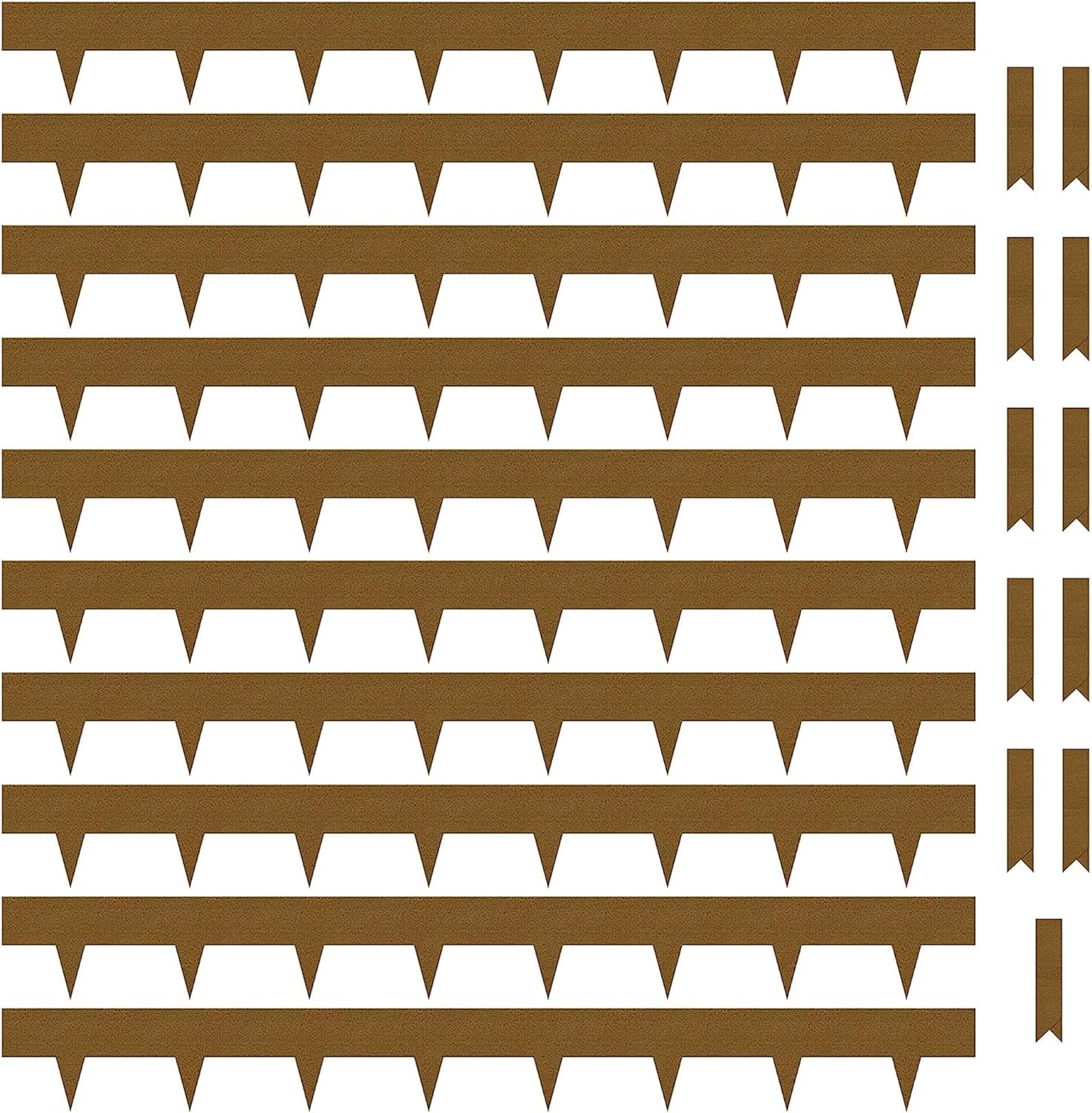
| Material Type | Corten Steel |
|---|---|
| Unit Count | 12.37 Square Feet |
| Number of Items | 10 |
| Item Highlight | Pre-Rust Patina Bendable Metal Landscaping Border Edging with 11 Clips |
This WORTH corten steel edging kit supplies ten 40-inch strips that combine to about 33 feet of continuous border and is designed for quick, no-dig installation. Each strip has saw-tooth spikes you hammer into the soil and a 2-inch visible facing to form a clean edge that keeps grass out of beds and holds mulch or soil in place. The corten steel arrives with a pre-rusted patina that blends into natural planting areas and develops a protective weathering layer for long life. The strips are bendable, so you can shape straight runs, gentle curves, or circles around trees. The kit includes 11 metal clips for added stability and gloves for safe handling. Expect a straightforward DIY install for performance-focused yard work, but plan for manual hammering and occasional cutting to fit tight corners. Also handle the strips and clips carefully since the pre-rusted finish and sharp spikes require gloves and basic metalworking caution.
Best for: Buyers who need a durable, performance-focused edging solution for neat, professional-looking borders and are willing to do hands-on installation to achieve clean results.
Less Ideal for: People who want a tool-free or temporary edging solution or who prefer lightweight plastic edging for very soft or shifting soils should consider alternatives.
- Durable corten steel with pre-rusted patina for long-term outdoor resistance
- Bendable strips allow clean straight lines or smooth curves to match landscape layouts
- Hammer-in saw-tooth spikes enable quick no-dig installation
- Includes clips and gloves so you get a more complete kit for stable runs
- Requires manual hammering and occasional cutting for tight fits which adds labor
- Sharp spikes and metal edges need gloves and care during installation
Verdict: A sturdy, professional-looking corten steel kit that gives performance-minded gardeners a long-lasting, shapeable edge for clean, low-maintenance borders.
MIXC 100 ft Landscape Edging Kit with 150 Spikes (3 × 33 ft rolls), 1.5 in Tall
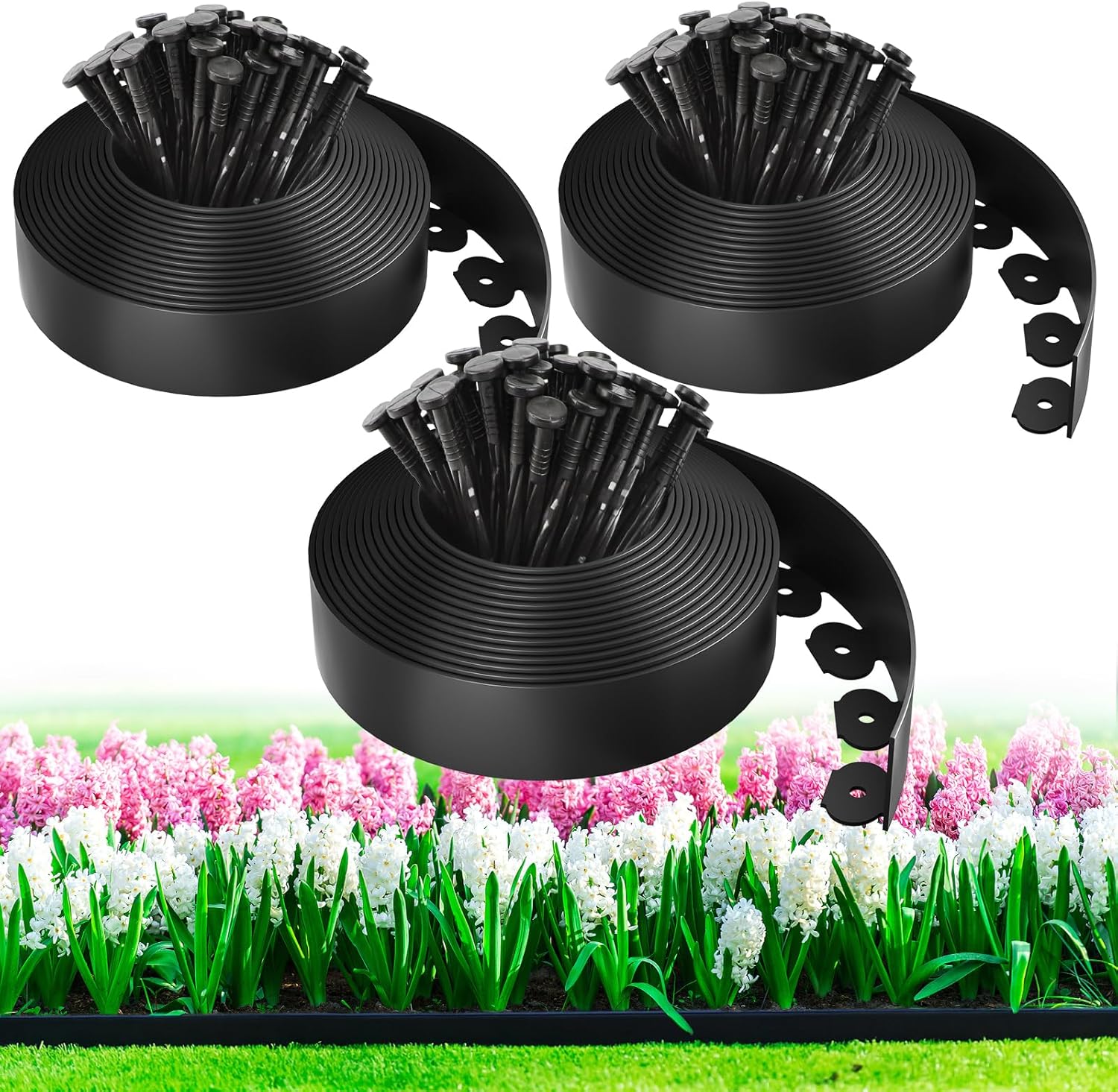
| Unit count | 100 Feet |
|---|---|
| Number of packs | 3 |
| Material type | Plastic |
| Item highlight | Not Digging Flexible Plastic Edge Border |
The MIXC landscape edging kit provides a practical way to tidy beds and control grass or weed encroachment without heavy digging. It ships as three 33 ft rolls of flexible HDPE edging plus 150 spikes so one person can bend the strips around curves and install them on uneven terrain by fastening through predrilled holes. The dual-layer profile acts as a soil barrier and root blocker, which helps limit root intrusion and reduce minor erosion on slopes. Because the material resists UV and temperature stress, it is intended to hold up for several seasons without cracking. Installation is fastest on relatively soft ground; very compacted or rocky soil will slow you down and may need additional tools or pre-drilling. The edging is low-profile at 1.5 inches tall, so it is good for clean borders and mowing edges but will not stop taller plants or heavy soil movement. For a homeowner focused on straightforward, low-maintenance border definition, this kit delivers convenient, durable edging that is easy to shape and secure.
Best for: Practical homeowners and gardeners who want a simple, low-effort solution to define beds, control turf spread, and tidy edges with minimal tools or help.
Less Ideal for: People needing tall, heavy-duty edging for steep erosion control, retaining soil, or blocking large roots should consider sturdier metal or concrete alternatives.
- Flexible HDPE strips bend to follow curves and uneven ground for neat borders
- Kit includes 3 rolls and 150 spikes for one-person installation without major digging
- Dual-layer design provides a soil barrier and root-blocking function to reduce encroachment
- UV and temperature resistant material intended to last multiple seasons
- Only 1.5 inch height limits effectiveness against taller plants or severe erosion
- Installation is difficult on very hard or rocky soil and may require extra tools
Verdict: A convenient, durable edging kit for homeowners who want an easy, no-dig way to create tidy, low-profile garden borders and control grass spread.
AMZFRUVT 2 in. x 20 ft Flexible Landscape Edging with 30 U-Shaped Metal Stakes

| Material Type | High Density Polyethylene (HDPE) |
|---|---|
| Product Style | 2INx20FT Landscape Edging |
| Item Highlight | Flexible No-Dig Flower Bed Edging |
| Includes | 30 U-shaped metal stakes |
This landscape edging kit provides a low-cost way to define beds and keep turf from creeping into planting areas. Made from high density polyethylene, the 20-foot strip bends for gentle curves, trims easily with shears, and the central reinforcement helps prevent curling in sun and temperature swings. Installation is straightforward: unroll, cut to length, position, and drive the included 30 U-shaped metal stakes through predrilled holes with a rubber mallet. The metal stakes are sturdier than typical plastic spikes and make the strip stay put on compacted soil. Because it is no-dig, the product is quick to install for small yards, tree rings and walkways and can be combined with additional rolls for larger projects. Limitations to expect are the shallow 2-inch height, which only provides a minimal barrier against runners and edging that may not suit deep-rooted weeds, and the lightweight plastic will not match the permanence or visual heft of metal or concrete edging.
Best for: Budget-minded gardeners who want a fast, no-dig way to tidy borders, create lawn-to-bed separations, or form tree rings without specialist tools.
Less Ideal for: Homeowners seeking a long-term, heavy-duty barrier or decorative edging with substantial height and permanence should consider metal or concrete options instead.
- Includes 30 U-shaped metal stakes that hold securely in compacted soil
- No-dig installation lets you unroll, cut, shape, and stake the edging quickly
- HDPE construction resists sun and temperature-related deformation
- Flexible strip can form straight lines, gentle curves, circles, or irregular patterns
- Only 2 inches tall so it offers minimal vertical separation for aggressive runners
- Plastic material looks less substantial than metal or masonry edging
Verdict: A cost-effective, no-dig edging kit that installs quickly and stays put thanks to sturdy metal stakes, ideal for tidying small to medium garden borders.
AUDEMAR Metal Modular Lawn Edging, 30-Pack (9 ft total)

| Number of Packs | 30 |
|---|---|
| Number of Items | 30 |
| Unit Count | 30 Count |
| Material Type | Alloy Steel |
This AUDEMAR modular metal edging is a steel panel system sold as 30 pieces that link together to form about 9 meters of continuous border. It is designed for DIY installation with simple stake attachments so you can lay out straight or curved lines without digging. The alloy steel construction and anti-UV finish make it more durable than plastic or wood edging and resistant to common impacts from trimmers and light mower contact. Because the panels lock together, the line stays stable and looks intentional around flower beds, paths, and patio edges. Installation is straightforward with a hammer and the included stakes, and individual panels are easy to remove or reconfigure if you change the layout later. Limitations are that the panels are a shallow height, so they work best as visual borders rather than containing heavy mulch or preventing root intrusion, and metal will show scratches or surface wear over time in high-traffic areas.
Best for: Gardeners who prioritize a long-lasting, low-maintenance border that stays stable once installed and who want a product they can fit and reconfigure themselves without professional help.
Less Ideal for: People needing deep containment for heavy mulch, high soil retention, or a completely maintenance-free invisible barrier should consider taller or different materials.
- Alloy steel construction and anti-UV finish for long-term durability compared with plastic edging
- Modular interlocking panels allow flexible straight or curved layouts
- Includes stakes for tool-only installation without digging
- Low-maintenance surface resists rot and basic mower or trimmer contact
- Shallow panel height limits its usefulness for holding deep mulch or heavy soil containment
- Metal surface can scratch or show wear in very high-traffic or abrasive conditions
Verdict: Choose this modular steel edging when you want a dependable, reconfigurable border that outlasts plastic and gives a neat professional look to beds and paths.
Amazon Basics Flexible Landscape Edging Coil, 5 in x 40 ft with Stakes

| Profile height | 5 inch |
|---|---|
| Length | 40 ft |
| Material Type | Recycled plastic |
| Stakes included | 10 stakes |
This flexible landscape edging coil is a simple, no-fuss way to create clean borders around lawns, flower beds, pathways or raised beds. The 5-inch profile provides enough height to define edges and help keep grass and mulch contained, while the coil is pliable enough to form both gentle curves and straight runs. It is made from recycled plastic with a faux woodgrain finish so it blends with natural landscaping and resists rot compared with untreated wood. Installation is straightforward: roll out the coil, shape it, and secure it with the included matching stakes; the stakes help keep the edging in place through seasonal changes. Expect a basic, functional product rather than a heavy-duty metal solution—it is best for visual borders and light containment rather than containing heavy soil or withstanding vehicle traffic. The recycled plastic material is durable for garden use but can flex under heavy load or sharp impact, so plan placement accordingly.
Best for: Gardeners who want an affordable, low-maintenance way to define beds and paths and who prioritize visible, tidy borders over heavy-duty containment; good for homeowners following others' practical garden upgrades.
Less Ideal for: People needing industrial-strength edging to hold back heavy soil, resist vehicle contact, or provide permanent structural barriers should look to metal or concrete alternatives.
- Long 40 ft coil covers large runs without seams
- Flexible enough to form curves and straight borders
- Made from recycled plastic with faux woodgrain for a natural look
- Includes 10 matching stakes for secure installation
- Not designed to bear heavy loads or resist vehicle impact
- Limited height for containing very deep mulch or soil
Verdict: A practical, easy-to-install recycled-plastic edging coil that creates neat, natural-looking garden borders for yards and flower beds.
STIRLINGEAR 33 ft Powder-Coated Galvanized Steel Landscape Edging (10-Pack) with Stakes

| Material Type | Powder-Coated Galvanized Steel |
|---|---|
| Number of Items | 10 |
| Unit Count | 10 Count |
| Item Weight | 20.2 pounds |
This STIRLINGEAR landscape edging kit provides a continuous 33-foot border made from powder-coated galvanized steel and includes 11 hammer-in stakes for anchoring. It is designed to be installed without extensive digging: each 40-inch panel has integral stakes that push into soil, leaving a low 2-inch visible profile for a neat, discreet edge. The galvanized construction and powder coat improve resistance to rust, so it works well along lawns, flower beds, and pathways. Panels can be bent or cut to follow curves and corners, which makes the system flexible for common yard shapes. Because the kit is low-profile it is easy to mow over and keeps mulch and soil from spilling onto turf. The main limitations are that the short visible height is not suitable if you need a tall raised edge to retain large volumes of soil or heavy mulch and very rocky or compacted ground can make hammer-in installation difficult. For routine garden borders where a durable, unobtrusive edge is the goal this kit is a practical, low-maintenance choice.
Best for: Buyers who want a durable, low-maintenance border that creates tidy, professional-looking edges with minimal installation work and long-term corrosion resistance.
Less Ideal for: Not the best choice for gardeners who need a tall retaining edge or who frequently work in rocky, hard-packed ground where hammer-in stakes will not penetrate easily.
- Powder-coated galvanized steel resists rust for longer outdoor life
- Hammer-in stakes and panel design allow fast installation without deep trenching
- Low 2-inch visible profile creates a clean, unobtrusive border that is easy to mow over
- Panels can be cut or bent to follow curves and corners for custom layouts
- Low visible height is not ideal for retaining large amounts of soil or tall mulch
- Hammer-in installation can be difficult in very rocky or compacted soils
Verdict: Choose this kit when you want a sturdy, low-profile, rust-resistant edging system that installs quickly to create neat garden borders.
Choosing the Right Border Garden Edging: Key Factors to Consider
Durability and Weather Resistance
Durability matters because edging is exposed to sun, rain, frost, and mechanical stress from mowing and foot traffic. Long-lived materials resist cracking, warping, rust, or rot and keep a neat line for multiple seasons. In wetter soils or freeze-thaw zones, choose edging that resists moisture damage and will not heave or splinter.
Poor durability leads to uneven borders, gaps where grass can sneak in, and more frequent replacement work. Think about how the material ages visually as well as structurally; some options patina attractively while others degrade in ways that undermine containment.
Installation Effort and Required Tools
Installation effort affects both cost in time and who can realistically install the edging. Some border edging systems snap together and press into place with minimal digging, making them suitable for quick weekend projects or renters. Other options require a trenched footing, stakes, or concrete anchors and will take more time and basic tools such as a spade, mallet, and level.
Consider access to tools, how much hand excavation you are willing to do, and whether you prefer a reversible installation. Easier installs typically mean less precise grade control, while more involved installs allow a cleaner, long-term line and better resistance to mower impact.
Containment and Profile Shape
Containment effectiveness depends on both the height and the buried profile of the edging. A tall visible lip keeps mulch and soil from spilling into lawns, while a buried flange or root barrier helps stop grass runners and roots. Curved or scalloped decorative edges often look good but may not hold back soil as well as straight, rigid profiles.
Match the edge profile to the job: shallow borders work for light mulch containment and decorative separation, while deeper or L-shaped profiles are better for preventing invasive grass and protecting soil on slopes.
Maintenance and Long-Term Adjustments
All edging requires some upkeep. Maintenance considerations include how easy it is to reset sections that move, clean debris from the line, or replace damaged pieces. Materials that stain, accumulate moss, or attract corrosion will need more frequent attention. Also factor in how edging affects routine tasks like mowing and trimming: a forgiving edge makes lawn care faster and reduces accidental damage.
Plan for occasional re-tamping, backfilling, or re-staking, and consider whether you want an edging style that can be adjusted seasonally or a truly permanent installation.
Aesthetics and Garden Style Fit
Border edging contributes to the garden's visual structure. Choose a material, color, and profile that complements your planting design and hardscape. Slim metal edges create crisp, modern lines around perennial beds. Natural stone or brick suits traditional gardens, while recycled plastic and composite trims offer a neutral, low-profile look.
Also consider scale; wide beds can take heavier, more visible edging without feeling overwhelmed, while small cottage borders benefit from subtle, low-profile solutions that do not compete with plants.
Soil Type and Site Conditions
Soil texture, drainage, and slope influence how edging performs. Heavy clay can hold moisture against some materials and promote corrosion or rot, while sandy soils may not provide stable anchoring without deeper footings. On slopes you need edging with a secure buried lip or stakes to resist downhill movement and erosion.
Assess freeze-thaw activity, drainage patterns, and whether nearby roots will push at the edge over time. Choosing a material and installation method suited to the ground conditions reduces future repair and shifting.
Common Material Options and How They Behave
Border edging comes in several common materials, each with predictable strengths and tradeoffs in the garden. Metal edging, typically steel or aluminum, cuts a crisp line and resists compression from mowers but can corrode over time if not coated or if used in salty soils. Plastic and recycled composite trims resist rot and rust, are lightweight, and often snap together for fast installs, but thinner profiles can flex and fail to hold back soil on steep banks.
Natural stone, brick, and pavers provide a heavy, permanent boundary that withstands traffic and looks integrated with landscape architecture. These options require more excavation and setting in sand or mortar, but they rarely need attention once set. Timber edging gives a warm, rustic look but is subject to rot and insect damage unless treated or replaced with rot-resistant species or composite alternatives.
- Metal offers the sharpest, mower-friendly edge but watch for corrosion.
- Plastic/composite is low-maintenance but can be less rigid for containment.
- Stone and brick are durable and heavyweight but need more installation work.
Installing Curves and Complex Shapes
Creating smooth curves requires flexibility in the edging material or careful cutting and joining. Thin metal and some flexible plastics are designed to follow curves without gaps. For masonry or timber, plan the curve in advance and allow for tighter spacing of anchors or shorter pieces to maintain a continuous look.
When bending rigid materials, make test cuts and use temporary stakes to lay out the shape before final installation. For meandering perennial borders, a shallow trench with a compacted base helps keep pieces aligned and reduces the chance of one section pulling out and creating a visible gap.
- Lay out the curve with a hose or rope to preview the line.
- Use shorter segments or flexible profiles for tight radii.
- Use stakes or backfill immediately to hold shapes while the soil settles.
Protecting Edges From Mower and Foot Traffic
Edges that sit proud of the lawn are prone to mower strikes and accidental kicks. Choose an edge profile that can take regular contact without deforming if your routine includes frequent mowing close to the bed. Metal edging with a folded top or thicker gauge resists dents and keeps a clean lip, while buried L-shaped steel provides protection below the mowing plane.
If foot traffic is common near the border, consider a slightly wider cap or a stepping stone transition to avoid wear on the edging itself. Regular inspection after the growing season lets you catch and reset sections before larger problems develop.
- Use thicker material for high-traffic zones.
- Consider a flush or slightly buried edge where mowers pass.
- Inspect and reset loose sections yearly.
Seasonal Care and Winter Considerations
In climates with freeze-thaw cycles, edging that lacks a buried anchor or has seams prone to water entry can heave or separate. Materials that absorb water may swell and warp in winter. Leaving a small gap for drainage at the bottom of rigid installations reduces pressure from trapped moisture.
For temporary seasonal edges, removability is an advantage; for permanent borders, secure anchoring below the frost line, or using heavy masonry, will minimize movement. Remove excessive plant debris in late fall to reduce moisture buildup against the edge and limit fungal growth on organic materials.
- Anchor below frost depth where possible.
- Allow drainage to prevent trapped moisture.
- Clear debris in fall to reduce winter moisture exposure.
Integrating Irrigation and Planting Decisions
Edging placement affects irrigation patterns and root growth. A continuous barrier can keep surface irrigation inside the bed but may also block lateral water movement if set with a deep impermeable flange. Consider how your irrigation layout will need to cross the border for lawns or adjacent beds.
When planting near the edge, allow a transition zone for edging so shallow-rooted plants are not crowded against a rigid barrier. Perennials that are split or divided regularly benefit from easy access points in the edging for maintenance without disturbing the whole border.
- Plan irrigation crossings during installation.
- Leave space for small plantings and division access.
- Use removable sections where frequent access is needed.
How We Chose the Best Border Garden Edging
We focused on attributes that determine how well a border edging performs in actual garden use. Primary evaluation criteria included material durability in outdoor conditions, ease and time required to install, how well the edging contains soil and mulch, and long-term maintenance needs. We also weighed aesthetic versatility and edge profile stability under foot traffic and mower contact. For inclusion we required an edging option that can create a continuous, visible border and that is durable enough for at least seasonal exposure. We excluded decorative elements that are purely ornamental and do not provide reliable containment, and temporary solutions intended for single-season use. Our selection process prioritized options that suit a range of soil types and climates, and that can be installed by a typical home gardener with common tools. The scoring and editorial commentary reflect these practical dimensions rather than unverified performance claims.
FAQ
How deep should border edging be installed?
Installation depth depends on the edging type and purpose. For simple mulch containment, a few inches of burying plus a visible lip is often enough. For root or grass barrier and slope stability, bury the edging deeper or use an L-shaped profile with a flange extending into the bed to anchor the edge.
Can I install edging without digging a trench?
Some flexible plastic or snap-in edging can be installed with minimal trenching, pressed into the soil and staked. These work well for temporary or decorative lines but may not perform as well for long-term containment or heavy mower traffic compared with trenched installations.
What edging works best with a lawn mower?
Metal edging with a thin, rigid lip or a flush-installed masonry edge offers the cleanest mower pass. Profiles that sit proud of the lawn are more likely to be struck. Choose a low-profile or reinforced edge when you plan to run a mower close to the border regularly.
Will border edging stop grass runners and weeds?
Edging helps reduce surface-level runners and some shallow roots, especially if it includes a buried flange. However, aggressive weeds and deep-rooted grass can still find gaps or grow over the top, so combine edging with regular maintenance like hand weeding, root pruning, or a buried root barrier for stronger control.
Is metal edging prone to rust?
Untreated steel can rust over time, especially in wet soils or salty environments. Many metal edgings are coated or made from corrosion-resistant alloys to reduce rusting. If you choose steel, check for protective finishes or consider stainless or aluminum options for longer life in damp sites.
Final Verdict
Choose border garden edging by balancing durability, installation effort, and the containment performance you need. Durable, rigid materials reduce maintenance and hold neat lines under mower contact, while flexible or lightweight trims simplify installation and seasonal adjustments. Consider soil conditions, exposure, and how often you will access the bed for planting and maintenance. Prioritize the dimensions that match your garden routine: choose more permanent, heavier options for high-traffic or permanent beds and lighter, adjustable edging for decorative or temporary borders. That approach helps you create a tidy edge that lasts with a maintenance load you can manage.
