

Note: This article contains affiliate links. If you click on these links and make a purchase, I may earn a small commission at no extra cost to you. This helps support my research and content. Read my full affiliate disclosure here.
If you want to reduce insect pressure without chemical sprays, choosing the right bug deterrent plants makes a big difference in everyday garden life. These plants work by masking host-plant scents, repelling insects with strong aromas, or attracting beneficial predators that keep pest numbers down. This guide covers seven top picks for beds, borders, containers, and patios. Each selection is a practical option for real garden conditions and shortlisted because it balances deterrence, ease of culture, and seasonal fit. We evaluate scent potency and landscape performance, plus hardiness and maintenance, so you can pick the right mix for your yard or balcony.
Top Picks at a Glance
| Best Overall The best all-around choice for most situations | Clovers Garden Citronella (Citrosa) Geranium — Two Live Plants |  |
| Best Quality Built to a higher standard if you want something more solid | Generic 8-Count Live Lemongrass (Citronella) Stalks, 5–6 in, Hydroponically Grown |  |
| Best Value The sweet spot between price and what you get | Lantana Camara Live Plants (2-Pack) — Mixed Starter in 4-inch Pots |  |
| Best Budget The cheapest option that still gets the job done reliably | BuggyBeds French Marigold Seeds (9999 Count) |  |
| Highest Rated A top-rated pick with lots of positive feedback | Bmore Spicy Lemon Balm (Melissa officinalis) Seeds — Heirloom, 1000 Count |  |
| Most Popular A crowd favorite that many people choose with confidence | HOME GROWN Lemon Balm Seeds (Melissa officinalis) — 403 Seeds |  |
| Best Seller A high-volume bestseller chosen again and again | KVITER French Marigold Heirloom Flower Seeds — 500 Count |  |
Clovers Garden Citronella (Citrosa) Geranium — Two Live Plants

| Indoor Outdoor Usage | Outdoor |
|---|---|
| Sunlight Exposure | Full Sun, Partial Shade |
| Soil Type | Sandy Soil |
| Moisture Needs | Moderate Watering |
| Unit Count | 2 Count |
These Clovers Garden citronella geraniums arrive as two live plants in 4" pots ready to put into containers or border beds. The plants produce lemony-scented foliage that releases more scent when leaves are bruised, which makes them useful planted near patios, play areas, or seating to help reduce mosquito nuisance while also attracting pollinators. They tolerate full sun to partial shade and prefer sandy, well-draining soil with moderate watering, traits that make them low-maintenance for most warm-season gardens. Expect them to fill out into bushy specimens over the season and to add occasional pink-purple blooms. Limitations to note are that citronella geraniums provide localized, natural deterrence rather than insect-free guarantees and their effect depends on placement and density around high-use areas. Buyers who want a simple, attractive plant-based layer of protection and floral interest will appreciate these; gardeners needing broad mosquito control should combine them with other measures.
Best for: Gardeners who want an attractive, low-maintenance plant that adds a natural, localized layer of mosquito deterrence around patios, decks, and seating areas.
Less Ideal for: People who need yard-wide mosquito control or a guaranteed reduction in biting should consider additional control methods rather than relying on these plants alone.
- Lemony-scented foliage releases citronella-like aroma when leaves are bruised, helping deter mosquitoes near the plant
- Sold as two live, ready-to-plant specimens that establish quickly in warm-season outdoor settings
- Tolerates full sun to partial shade and needs only moderate watering, making it low-maintenance
- Attracts pollinators while also providing ornamental foliage and occasional pink-purple blooms
- Repellent effect is localized and depends on placement and plant density rather than providing whole-yard protection
- Plants are delivered in small pots and will need potting up or space to grow into full-sized shrubs
Verdict: A simple, attractive way to add localized mosquito deterrence and pollinator-friendly foliage around outdoor living spaces.
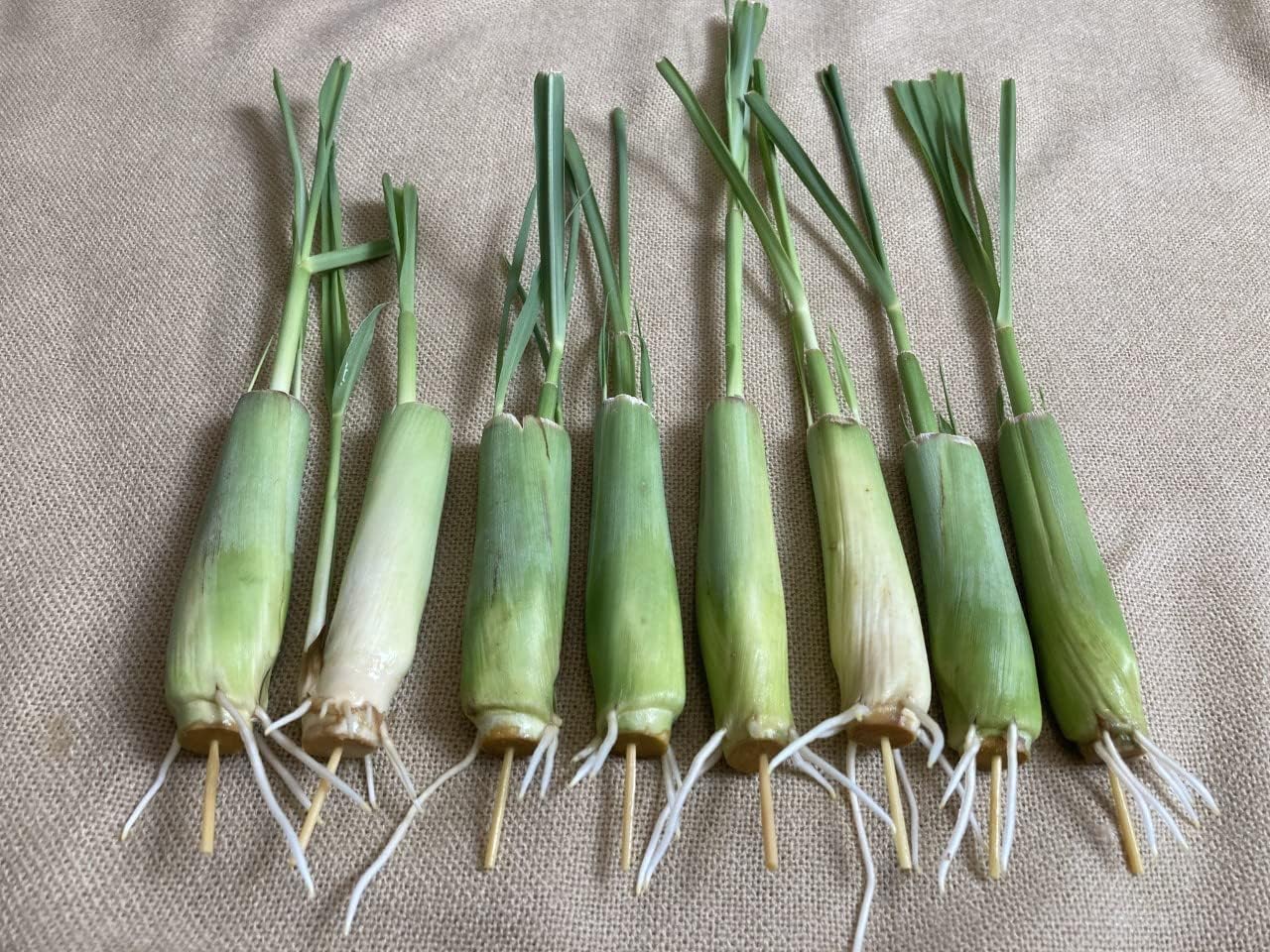
Generic 8-Count Live Lemongrass (Citronella) Stalks, 5–6 in, Hydroponically Grown
| Indoor Outdoor Usage | Indoor, Outdoor |
|---|---|
| Other Special Features of the Product | Mosquito barrier |
| Sunlight Exposure | Partial Sun |
| Moisture Needs | Moderate Watering |
| Unit Count | 8 Count |
These eight hydroponically grown lemongrass stalks arrive rooted and ready to plant, intended for pots, borders, or massing around patios to act as a natural mosquito deterrent. Because they are grown hydroponically they tend to be clean, with healthy roots and less risk of soil-borne pests, and the 5–6 inch shoots make planting straightforward. Use them in containers or planted directly in peat-based soil in a spot with partial sun and moderate watering; over time the clumps will expand and provide fragrant foliage that can be harvested for tea and cooking. Notable features are the mosquito-repelling citronella scent and the low-maintenance habit, which suits gardeners who want functional plants that double as an herb. Limitations include moderate sunlight needs and seasonal growth patterns—they perform best where temperatures stay warm or as container plants that can be overwintered indoors. Also expect that a single 8-count pack will take time to form a dense barrier, so plan spacing or buy multiple packs for rapid coverage.
Best for: Buyers who want a functional, low-maintenance plant that provides both insect deterrence and culinary use, and who are willing to plant several clumps or use containers to build coverage.
Less Ideal for: People seeking an instant, high-density mosquito screen from a single purchase or those who cannot provide at least partial sun and regular watering.
- Hydroponically grown with established roots reduces risk of soil-borne pests and simplifies planting.
- Citrus-scented foliage provides a natural mosquito-repellent effect when planted near seating areas.
- Versatile for pots or in-ground planting so you can use them on patios, borders, or in containers to move indoors if needed.
- Fast-growing habit lets small clumps fill out and become useful for culinary harvests within a single season.
- An 8-stalk pack is unlikely to create an immediate dense bug barrier without additional plants or time to expand.
- Requires moderate watering and partial sun so it may not thrive in full-shade or drought-prone sites.
Verdict: A low-maintenance, hydroponically grown pack of lemongrass ideal for gardeners who want a practical, plant-based mosquito deterrent that also yields culinary leaves.
Lantana Camara Live Plants (2-Pack) — Mixed Starter in 4-inch Pots

| Plant quantity | Two live plants |
|---|---|
| Pot size | 4-inch pots |
| Plant type | Lantana camara |
These two Lantana camara starter plants arrive in 4-inch pots and are intended for gardeners who want low-maintenance, flowering plants that help attract hummingbirds and butterflies while offering some natural mosquito-repellent properties. They are typically planted outdoors in spring after frost risk has passed, in well-drained soil and a sunny spot to encourage steady blooms. Notable features include mixed flower colors and compact starter size that make them easy to place into garden beds, borders, or containers. Practical benefits are quick visual impact, reliable pollinator attraction, and straightforward care for gardeners who prefer planting ready specimens rather than seeds. Important limitations are sensitivity to extreme shipping temperatures and the need to avoid planting before frost; Lantana can be tender in cold climates and may require containment in areas where it spreads. Expect routine pruning to maintain shape and prevent legginess if grown in pots or small beds.
Best for: Gardeners who want a quick, low-effort way to add flowering plants that attract pollinators and reduce mosquitoes without starting from seed.
Less Ideal for: People seeking strictly non-spreading native plants for habitat restoration or those in very cold climates who cannot provide winter protection.
- Ready-to-plant live starters save time compared with seeds
- Attracts hummingbirds and butterflies, enhancing garden pollinator activity
- Mixed flower colors provide immediate visual interest
- Compact 4-inch pots are easy to place in beds or containers
- Vulnerable to extreme shipping temperatures below 32F or above 95F
- Not winter-hardy in cold climates and may need protection or indoor overwintering
Verdict: A practical, ready-to-plant pair of Lantana starters for gardeners who want fast color and pollinator benefits with minimal setup.
BuggyBeds French Marigold Seeds (9999 Count)

| Indoor Outdoor Usage | Indoor |
|---|---|
| Expected Blooming Period | Summer to Fall |
| Sunlight Exposure | Full Sun |
| USDA Hardiness Zone | 3-9 |
| Moisture Needs | Medium Moisture, Drought Tolerant Once Established |
These BuggyBeds French marigold seeds deliver a very large quantity suitable for establishing multiple beds, borders, or containers focused on summer color and mosquito deterrence. French marigolds (Tagetes patula) are heat resistant and fast growing, producing compact, bushy plants with fragrant double blooms that attract pollinators while helping to repel mosquitoes. The seeds are described as low maintenance and drought tolerant once established, and they perform best in full sun with regular watering until established. Practical benefits include prolific flowering through summer and fall, suitability for mass plantings or containers, and adaptability to most well-draining soils. Important limitations are that germination and performance depend on following basic planting timing and spacing and that these are annuals so beds need replanting each year; seed purity and actual germination rate are not specified on the packet. For gardeners prioritizing reliable seasonal mosquito-reducing plantings, this packet provides the seed volume to test different sites or replace plants annually.
Best for: Home gardeners who want a reliable, low-maintenance annual to add continuous summer color while reducing mosquitoes across multiple beds or containers.
Less Ideal for: People seeking permanent deer- or pest-proof plantings or a one-time investment that does not require yearly replanting should consider perennial alternatives.
- Very large seed count (9999) lets you establish multiple beds or share with others
- Heat resistant and drought tolerant once established for dependable summer performance
- Fast-growing, compact plants that produce abundant fragrant double blooms
- Attractive to pollinators while also reported to help repel mosquitoes
- Annual plants that require replanting each year
- Germination rate and seed purity are not specified on the packet
Verdict: If you want a dependable, low-maintenance annual that produces abundant flowers and helps deter mosquitoes across beds or containers, this large pack of French marigold seeds is a practical choice.
Bmore Spicy Lemon Balm (Melissa officinalis) Seeds — Heirloom, 1000 Count

| Indoor Outdoor Usage | Indoor, Outdoor |
|---|---|
| USDA Hardiness Zone | 4-9 |
| Sunlight Exposure | Full Sun |
| Moisture Needs | Medium Moisture, Regular Watering Needed |
| Number of Pieces | 1000 |
These lemon balm seeds let you grow a fast-establishing perennial known for its citrus-scented leaves and multiuse benefits. Sow the tiny seeds shallowly in well-draining soil in spring to early summer and place plants in full sun to partial shade; once established they return year after year and do well in containers. The scent is pleasant and serves as a natural mosquito deterrent in patios and garden beds while leaves can be harvested for tea, cooking, or potpourri. Packet contains a large number of seeds, which is useful for filling multiple pots or treating borders affordably. Expect regular watering while plants establish and a need to space plants to avoid crowding. As a fast grower in zones 4 to 9 it can spread if left unchecked, so plan for occasional pruning or container culture to keep it contained. Germination from seed can take patience compared with buying established plants, but the seed count gives good value for planting trials and replacements.
Best for: Budget-minded gardeners who want an affordable, multipurpose perennial to scent patios and help reduce mosquitoes while providing fresh culinary herbs.
Less Ideal for: People who want an instant, mature plant for immediate mosquito control or those unwilling to manage a spreading perennial should consider potted or established transplants instead.
- Large seed count allows planting multiple pots or replacing failed starts
- Citrus-scented leaves provide a natural mosquito-repelling presence in outdoor seating areas
- Perennial habit so plants return year after year once established
- Versatile culinary and medicinal uses such as fresh tea and aromatherapy
- Requires regular watering and spacing to establish well
- Can spread if not managed, so may need pruning or container growing
Verdict: If you want a low-cost way to grow a citrus-scented perennial that helps deter mosquitoes and supplies culinary leaves, this 1000-count lemon balm seed pack delivers strong value.
HOME GROWN Lemon Balm Seeds (Melissa officinalis) — 403 Seeds

| Indoor Outdoor Usage | Indoor, Outdoor |
|---|---|
| Sunlight Exposure | Full Sun |
| USDA Hardiness Zone | 7, 8, 9, 10 |
| Moisture Needs | Moderate Watering |
| Material Features | GMO Free, Heirloom |
These HOME GROWN lemon balm seeds are an entry-level pack designed to get reliable lemon balm plants in containers or garden beds. The seeds are heirloom and non-GMO and the listing highlights an 85–90% germination rate, which means most backyard gardeners can expect steady sprouts when sown correctly. Lemon balm prefers full sun, loam soil, and moderate watering and is typically planted in winter or spring for spring to summer growth; plants reach about two feet and provide fragrant leaves for tea, cooking, or crushing to repel mosquitoes. The packet includes a simple grow guide and is presented as low maintenance, which makes it suitable for first-time growers who want quick, visible results. Limitations to note are that the seeds are tiny and require surface sowing with light exposure to germinate, so careful sowing and consistent moisture are important for success. Also lemon balm can spread if left unchecked, so plan for containers or regular pruning if you want to keep it contained.
Best for: Buyers who want a low-risk, easy-to-grow herb to add fragrance and a natural mosquito-repellent to patios or small gardens and who prefer reliable germination and simple care instructions.
Less Ideal for: Gardeners seeking a non-spreading, low-maintenance perennial that stays compact without pruning should consider alternatives; this is also not ideal for those unwilling to monitor light and moisture during germination.
- High reported germination rate (85–90%) for dependable starts
- Heirloom, non-GMO seeds sourced from USA farms
- Includes an easy online grow guide useful for beginners
- Fragrant foliage usable for tea and as a natural mosquito deterrent
- Tiny seeds require surface sowing and careful handling to germinate
- Can spread vigorously if not grown in pots or pruned regularly
Verdict: An easy, reliable seed pack for gardeners who want fragrant lemon balm that doubles as a natural mosquito deterrent with strong germination and beginner-friendly guidance.
KVITER French Marigold Heirloom Flower Seeds — 500 Count

| Unit Count | 500 Count |
|---|---|
| Sunlight Exposure | Full Sun |
| Expected Blooming Period | Spring to Fall |
| USDA Hardiness Zone | 2,3,4,5,6,7,8,9,10,11 |
| Material Features | GMO Free, Heirloom |
These KVITER French marigold seeds supply 500 heirloom, non-GMO seeds suited to gardeners who want long-season color and pest-deterring companion plants. They are typically started indoors 4–6 weeks before the last frost or sown directly outdoors in spring; seeds germinate in about 7–21 days at 65–80°F and are planted roughly 1/4 inch deep. The cultivar grows compact 10–12 inch plants with semi-double heads that fit well in borders, containers, and small beds. Notable features include a step-by-step growing guide with each packet, broad USDA zone adaptability (zones 2–11), and claims of deer and pest resistance, which makes them useful next to vegetables to discourage common garden pests. Practical benefits are easy germination for beginners, low maintenance once established, and attractive, edible blooms that also attract pollinators. Limitations are inherent to annual marigolds: they need full sun and regular moisture, will not survive winter in cold climates, and pest resistance helps but does not guarantee protection from all garden pests.
Best for: Gardeners who prefer low-risk, easy-to-grow annuals that provide continuous color and help deter common pests while fitting into small beds, borders, or containers.
Less Ideal for: Growers seeking perennial long-term plantings or shade-loving landscapes should choose perennial or shade-tolerant species instead.
- Large 500-count supply suitable for multiple beds or repeated sowings
- Non-GMO heirloom seeds with a planted growing guide included
- Adaptable to a wide range of USDA zones (2–11) for broad climate use
- Compact plant habit makes them good for borders, containers, and small spaces
- Claims of deer and pest resistance and ability to attract pollinators
- Annual plants that must be replanted each year in most climates
- Require full sun and well-drained soil for best performance
Verdict: A beginner-friendly, large-count packet of heirloom French marigold seeds that provides easy-to-grow, pest-deterring blooms ideal for borders and containers.
Choosing the Right Bug Deterrent Plants: Key Factors to Consider
Scent Strength and Volatile Compounds
A plant's scent is the primary tool for deterring many garden pests. Strong aromatic oils can mask the chemical cues pests use to find hosts or act as irritants that discourage feeding. Consider how intense the fragrance is at different times of day and through the season, because some plants release volatiles only when crushed or when temperatures rise.
Placement matters too. A highly fragrant plant in a container near a vegetable bed can be more effective than the same plant tucked deep in a shrub border. Also account for human comfort: very strong scents may be unpleasant near living spaces, so balance pest deterrence with where you spend time outdoors.
Hardiness and Climate Adaptability
Not all deterrent plants thrive in every climate. Check cold hardiness and heat tolerance for your region so the plant provides consistent protection year after year. Perennials that die back in winter may still be useful if they return reliably, but annuals require replanting and timing to match pest cycles.
Microclimates in your yard also change outcomes. South-facing walls, urban heat islands, and sheltered courtyards can let marginal species survive where they normally would not. Choose species that fit your hardiness zone and expected seasonal extremes to avoid gaps in pest coverage.
Maintenance and Cultural Needs
How much pruning, watering, and soil care a plant needs affects whether it will be maintained as intended. Low-maintenance perennials that tolerate a range of soils and moderate drought are easier to keep in place as long-term deterrents. Conversely, fast-growing annuals can provide immediate deterrence but demand more frequent replacement.
Consider propagation and size control too. Some aromatic plants spread by suckers or self-seed aggressively and will need containment if planted beside crops. Understand fertilization and watering needs so the deterrent plants do not compete with nearby vegetables for resources.
Timing and Seasonal Presence
Pest pressure changes through the season, so timing when deterrent plants are at peak potency is important. Some species produce the most aromatic oils in mid-summer heat, while others emit volatiles after flowering or when foliage is disturbed. If you rely on annuals for deterrence, schedule planting so their most effective period overlaps with peak pest activity.
Also consider bloom time if you want dual benefits. Plants that flower while deterring pests can also support pollinators and beneficial predators when insects are needed to control pests.
Placement and Companion Use
Where you plant deterrent species affects effectiveness. Border plantings can form a scent barrier around vegetable beds, while interplanting within crops provides direct protection to sensitive plants. Containers let you position deterrents near entry points like patio doors or greenhouse vents.
Think spatially about the garden: tall deterrent shrubs behind beds make a windbreak and scent source, while low-growing herbs work well as in-row companions. Also plan for seasonal rotation and accessibility for maintenance.
Impact on Beneficial Insects and Wildlife
Not every pest-deterring plant is neutral toward beneficial organisms. Some aromatic plants also attract predatory or parasitic insects that reduce pest populations, while others might repel pollinators if the scent is too strong. Balance deterrence with ecological support by choosing species that either attract natural enemies or at least do not disrupt pollination.
If you rely on biological control, prioritize plants known to provide nectar, pollen, or shelter for beneficials during the times pests are active.
Best Locations to Plant for Maximum Effect
Placement determines whether a deterrent plant protects a whole bed, a single crop row, or a patio entry. For perimeter defense, plant a continuous row of fragrant species to create a scent buffer that incoming pests must cross. For direct protection, interplant deterrent herbs among vegetables so pests encounter the aroma before reaching preferred hosts.
- Use containers to stage deterrents near doors, compost piles, or greenhouse vents.
- Combine tall and low plants to create layered barriers without shading crops excessively.
- Place plants where you will also enjoy their fragrance, but avoid sitting areas with overpowering scents.
Companion Planting Strategies
Companion planting pairs deterrent species with susceptible crops to reduce pest attacks and sometimes boost yields. Use herbs along tomato rows to confuse aphids and moths, or plant aromatic borders around brassicas to mask cabbage-feeding insects. Rotate companions annually to prevent pests from adapting to a static layout.
- Interplant within crop rows for direct defense.
- Use mixed-species borders to broaden the range of pests deterred.
- Avoid dense monocultures of a single deterrent species to limit disease buildup.
Using Containers and Window Boxes
Containers are ideal when ground space is limited or when you want flexible placement. Many aromatic deterrent plants perform well in pots and can be moved to block entry points or positioned near vulnerable plants. Container-grown specimens are also easier to replace seasonally or take indoors to overwinter tender species.
- Choose well-draining potting mix and moderate-sized containers to support root systems.
- Group pots to concentrate scent and create a stronger olfactory barrier.
- Water and fertilize container plants slightly more often than in-ground specimens to avoid stress-related scent loss.
Timing Planting to Pest Life Cycles
Successful deterrence aligns plant maturity and scent production with peak pest activity. Sow or transplant annual deterrents early enough that they establish before pest emergence. For perennials, allow a season of establishment before relying on them for heavy-duty pest control. Monitor pest populations and adjust planting dates in subsequent years based on what you observe.
- Stagger plantings to maintain continuous scent through the season.
- Replace spent annuals midseason if pest pressure remains high.
- Record pest timing each year to refine planting schedules.
Combining Deterrents with Cultural Controls
Deterrent plants are most effective as one element in an integrated approach. Pair them with crop rotation, sanitation, physical barriers, and selective habitat for predators to reduce overall pest pressure. Healthy soil and proper irrigation keep both crops and deterrent plants vigorous and better able to withstand occasional attacks.
- Use mulches and row covers for direct protection when pest outbreaks spike.
- Encourage predatory insects by leaving some flowering deterrents in place.
- Remove heavily infested plant material promptly to prevent pest buildup.
How We Chose the Best Bug Deterrent Plants
Our shortlist focused on plants that provide practical, repeatable pest reduction in typical home-garden settings. We prioritized species with documented insect-deterrent properties or strong aromatic compounds that are known to disrupt pest host-finding. Usability in common garden situations was essential, so we favored plants that establish reliably in bed, border, or container culture. Evaluation criteria included scent strength and persistence, which affects how well a plant masks or repels pests; hardiness and climate adaptability, since winter survival determines long-term value; maintenance and planting requirements, covering pruning, watering, and space needs; and landscape function, meaning whether the plant can serve as a border, companion, or potted accent. Pest-attracting benefit was also considered, specifically whether the plant draws beneficial insects that reduce pest pressure. We excluded ornamental species without evidence of deterrent effects and plants that require highly specialized care or protected greenhouse conditions. The final picks balance garden usefulness with real-world durability and low-to-moderate maintenance. These criteria map directly to the scoring metrics used in each product block.
FAQ
Do bug deterrent plants completely eliminate pests?
They rarely eliminate pests entirely. Deterrent plants reduce pest pressure by masking scents or repelling certain species, but they work best combined with monitoring and other cultural controls.
Can I use deterrent plants in containers on a balcony?
Yes. Many aromatic herbs and compact shrubs do well in containers and can protect container-grown edibles and ornamentals when placed strategically near vulnerable plants or entry points.
Will strongly scented deterrent plants repel pollinators too?
It depends. Some scents are neutral or attractive to beneficials, while very strong or pungent aromas can deter pollinators. Choose species known to support beneficial insects if pollination is a priority.
When is the best time to plant deterrent species for vegetables?
Aim to have deterrents established before peak pest emergence. That often means planting early in the season for annuals or allowing perennials a season to establish before relying on them heavily.
Do deterrent plants need special soil or fertilizer?
Most deterrent herbs and shrubs grow in average garden soil with moderate fertility. Avoid heavy feeding that promotes lush, weak growth; moderate fertility helps maintain essential oil production and plant resilience.
Final Verdict
Choose bug deterrent plants that fit your climate, garden layout, and maintenance style. Prioritize species with persistent aromatic oils, proven hardiness for your zone, and growth habits that match the space you have. Combine perimeter plantings, in-row companions, and containers to create layered protection and support beneficial insects. Expect tradeoffs: the most fragrant plants may be intrusive in small outdoor living areas, and annuals offer fast results but require replanting. Use the evaluation criteria above to decide which deterrent plants will give you the best balance of protection and practicality for your beds, borders, or patio.
