

Note: This article contains affiliate links. If you click on these links and make a purchase, I may earn a small commission at no extra cost to you. This helps support my research and content. Read my full affiliate disclosure here.
When pests chew on petals or sap nutrients from stems, flowering plants show it quickly. Choosing the right bug spray for outdoor flowers matters because some products clear pests fast but can scorch delicate blooms or harm pollinators. This guide highlights seven shortlisted options that balance efficacy and plant safety for garden beds, containers, and mixed borders. We evaluated sprays for how gently they treat petals and foliage, how long protection lasts, and how easy they are to apply. Below you will find practical notes on use, safety, and what to expect from each type of spray before you look at individual product details.
Top Picks at a Glance
| Best Overall The best all-around choice for most situations | BioAdvanced All-in-One Rose & Flower Plant Care Spray, 24 fl oz | 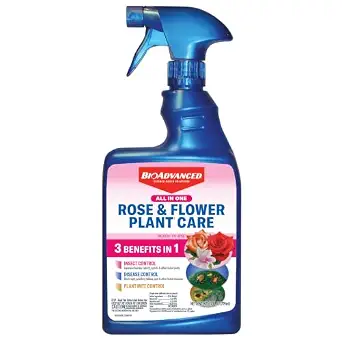 |
| Best Quality Built to a higher standard if you want something more solid | Talstar One Insecticide Concentrate, 1 Gallon |  |
| Best Value The sweet spot between price and what you get | Ortho BugClear Insect Killer for Lawns & Landscapes Ready-to-Spray, 32 oz |  |
| Best Budget The cheapest option that still gets the job done reliably | BioAdvanced Rose & Flower Insect Killer Spray, 24 oz |  |
| Highest Rated A top-rated pick with lots of positive feedback | Monterey Take-Out Complete Insect Control Ready-to-Spray, 32 fl oz |  |
| Most Popular A crowd favorite that many people choose with confidence | Natria Neem Oil Ready-to-Use Spray, 24 oz |  |
| Best Seller A high-volume bestseller chosen again and again | Atticus Talak 7.9% Bifenthrin Indoor/Outdoor Insecticide Concentrate, 32 oz |  |
BioAdvanced All-in-One Rose & Flower Plant Care Spray, 24 fl oz

| Unit Count | 24 Fluid Ounces |
|---|---|
| Item Form | Liquid |
| Target Species | Fungus |
| Included Components | CARE ROSE&FLOWER RTU 3IN1 24OZ |
This ready-to-use BioAdvanced spray delivers three actions in one bottle: it kills listed insects on contact, controls common fungal diseases, and tackles spider mites while leaving a protective residue that lasts up to 14 days. You use it like a normal garden spray—apply to rose bushes, ornamentals, vines, shrubs, and similar plants when pollinators are not present. The product lists active ingredients (bifenthrin and myclobutanil) and is formulated to be rainproof within about four hours, so it holds up in typical garden conditions. Practical benefits include saving time by combining insect, disease, and mite control in a single application and being convenient as a ready-to-spray bottle. Important limitations are that it targets only the listed pests and diseases, must be used with pollinator safety in mind, and contains synthetic active ingredients that some gardeners prefer to avoid. Follow label directions and safety guidance for effective and responsible use.
Best for: Gardeners who want a simple, time-saving solution to keep roses and ornamental flowers healthy without mixing concentrates and who prioritize broad, short-term protection.
Less Ideal for: Growers seeking strictly organic or pollinator-safe products or those who need treatment for pests or diseases not listed on the label should look elsewhere.
- Three-in-one formula combines insecticide, fungicide, and miticide for fewer separate treatments
- Ready-to-use spray is convenient for spot and whole-plant applications
- Rainproof within about four hours and provides protection up to 14 days
- Kills listed pests on contact for fast visible results
- Active ingredients are synthetic and may be undesirable for organic gardeners
- Protection only covers pests and diseases specifically listed on the label
Verdict: Choose this ready-to-use spray if you want a convenient, single-product solution to kill common rose pests, control fungal diseases, and suppress mites with up to two weeks of protection.
Talstar One Insecticide Concentrate, 1 Gallon

| Active ingredient | Bifenthrin 7.9% |
|---|---|
| Formulation | Concentrate, water-based |
| Coverage intent | Perimeter and structural applications |
| Pest range | Controls 75+ pests including ticks |
Talstar One is a professional-strength bifenthrin concentrate designed to provide broad-spectrum control of ants, spiders, roaches, fleas, ticks, mosquitoes, and many other pests. You mix the concentrate with water and apply it as a perimeter spray around foundations, doors, and windows or to targeted cracks and crevices indoors. Notable features include a water-based, low-odor formula that dries clear and a residual effect that reduces the need for frequent reapplications on lawns, ornamentals, shrubs, and structural surfaces. For yards with tick pressure, treating perimeters and vegetation provides a dependable barrier that helps reduce tick encounters when applied according to label directions. The product is concentrated so one gallon treats large areas, which makes it efficient for seasonal maintenance across multiple structures. Important limitations are that it is a pesticide that requires careful handling and strict adherence to label rates and application restrictions, and it is not a ready-to-use spray so you will need appropriate mixing and application equipment for safe, effective coverage.
Best for: Buyers who prioritize reliable, residual pest control for yards and perimeters and who are comfortable using concentrated pesticides with proper safety practices.
Less Ideal for: Casual users who want a ready-to-use product or those unwilling to follow pesticide label precautions and use appropriate application equipment.
- Broad-spectrum control that includes ticks and common yard pests
- Concentrated formula covers large areas and is cost-efficient for seasonal treatments
- Water-based, low-odor formula dries clear and is suitable for outdoor living spaces
- Suitable for both perimeter and targeted indoor/structural applications
- Concentrate requires proper mixing and application equipment for safe use
- Contains bifenthrin so users must follow label precautions to protect people, pets, and beneficial insects
Verdict: Choose Talstar One when you need a concentrated, long-lasting perimeter treatment that reliably reduces tick pressure across yards and structures.
Ortho BugClear Insect Killer for Lawns & Landscapes Ready-to-Spray, 32 oz

| Item Form | Aerosol |
|---|---|
| Target Species | Ant |
| Liquid Volume | 32 fluid ounces |
Ortho BugClear Ready-to-Spray is a hose‑end insecticide designed for homeowners who want a fast, no-mix solution to reduce mosquitoes and many other yard pests. You attach the 32 oz. bottle to a garden hose and apply across lawns, foundation perimeters and ornamentals; one bottle covers up to about a 5,300 sq ft lawn or targeted perimeter areas. The formula lists bifenthrin and zeta‑cypermethrin and is described as non‑staining and odor free, with knockdown that starts within minutes and protection that can last for months. Practical benefits include quick application without measuring, broad-spectrum control of dozens of species including mosquitoes and ticks, and compatibility with turf, shrubs and listed edibles when used as directed. Important limitations are that it is a contact/residual insecticide so timing matters for weather and pollinator safety, and hose-end coverage is fixed so very large properties may need multiple bottles; follow label precautions for pets, people and bloom protection.
Best for: Homeowners who want an affordable, easy-to-use mosquito and general yard pest treatment they can apply themselves without mixing concentrates.
Less Ideal for: People who prefer organic or non-chemical mosquito control methods or those managing very large properties who need professional-scale coverage.
- Ready-to-spray hose-end design for quick, no-mix application
- Claims fast knockdown and long-lasting residual control
- Broad-spectrum label lists many outdoor pests including mosquitoes and ticks
- Non-staining and low odor for outdoor use near living spaces
- Contains synthetic pyrethroids that require careful timing and avoidance of blooming plants to protect pollinators
- Single bottle covers limited area for very large yards
Verdict: A budget-friendly, ready-to-spray option that makes quick, DIY mosquito and yard pest control simple for typical residential lawns.
BioAdvanced Rose & Flower Insect Killer Spray, 24 oz

| Unit Count | 24 Fluid Ounces |
|---|---|
| Item Form | Spray |
| Target Species | Insects |
| Active Ingredients | Cyfluthrin |
| Specification Met | EPA |
This ready-to-use BioAdvanced spray is designed for quick spot treatment of roses, flowers, shrubs and vegetable gardens. The bottle delivers a fast-acting cyfluthrin formula that kills common pests such as aphids, whiteflies, Japanese beetles and caterpillars on contact, and the label claims protection for up to 14 days after application. Typical use is a direct spray to foliage until leaves are coated but not dripping, making it convenient for spot treatments or treating individual plants without mixing. The product is easy to apply and covers many common garden pests, which is helpful when you want an immediate reduction in visible damage. Important limitations are that it is a chemical insecticide with a synthetic active ingredient and is formulated for above-ground pests only, so it does not target soil-dwelling stages and should be used according to label precautions around beneficial insects and flowering pollinators. For gardeners needing occasional, effective knockdown of common pests, this is a practical ready-to-use option.
Best for: Gardeners who want an affordable, no-mix spray to quickly knock down visible pests on roses and ornamental plants and who prioritize convenience and immediate results.
Less Ideal for: People looking for organic or pollinator-safe options or those needing systemic or soil-targeted pest control should consider alternatives.
- Ready-to-use sprayer for easy spot application
- Kills a wide range of listed pests on contact
- Provides up to 14 days of residual protection as stated on the label
- Contains a synthetic pyrethroid active ingredient which can harm beneficial insects if applied to blooms
- Not intended for control of soil-dwelling pests or grubs
Verdict: A convenient, budget-friendly ready-to-use spray for rapidly reducing common above-ground garden pests on roses and flowers.
Monterey Take-Out Complete Insect Control Ready-to-Spray, 32 fl oz

| Formulation | Ready-to-spray hose-end concentrate |
|---|---|
| Volume | 32 fl oz |
| Coverage (quart) | up to 16,000 sq ft |
| Residual activity | up to 2 months |
Monterey Take-Out RTS is a hose-end insect control formulated to protect outdoor plantings and perimeter areas from a wide range of insects. You attach the bottle to a garden hose, set the spray pattern, and sweep problem areas or treat beds; the product is positioned for home fruit, vegetable and ornamental gardens. Notable features include claimed control of 450-plus insect species, liquid concentrate formulation for above- and below-surface activity, and long-lasting effect up to two months per application. Practical benefits are fast, large-area coverage — a quart is rated to treat up to 16,000 sq ft — and simple application without mixing separate concentrates. Important limitations are the need to follow personal protective equipment guidance when handling and applying, and that hose-end delivery can be less precise than a handheld sprayer for small or delicate flower beds. Expect good broad-spectrum protection for outdoor flowers when you prioritize ease and area coverage over pinpoint spot treatment.
Best for: Gardeners who want reliable, broad protection for outdoor flower beds and surrounding areas and who prioritize simple, low-effort application over detailed spot treatments.
Less Ideal for: If you need very precise spot treatment for individual potted plants or are managing tiny delicate annuals, a targeted handheld sprayer or spot insecticide is a better choice.
- Ready-to-use hose-end application for quick, large-area coverage
- Claims broad-spectrum control of 450+ insect species including common garden pests
- Long residual activity with above- and below-surface control up to two months
- High coverage per bottle suitable for treating lawns, perimeters, and larger flower borders
- Hose-end delivery is less precise for small or delicate flower beds compared with a handheld sprayer
- Product handling requires protective clothing and eye protection due to concentrate exposure
Verdict: Choose this for dependable, broad-area insect control when you need easy hose-end application to protect outdoor flowers and garden perimeters.
Natria Neem Oil Ready-to-Use Spray, 24 oz

| Unit Count | 24 Fluid Ounces |
|---|---|
| Item Form | Spray |
| Target Species | Insects |
| Active Ingredients | Clarified Hydrophobic Extract of Neem Oil – 0.9% |
Natria Neem Oil Spray is a 24 oz ready-to-use botanical spray formulated to kill common pests like aphids, whiteflies, spider mites and to suppress fungal diseases such as powdery mildew and black spot. You simply point and spray for spot treatments or broader coverage on roses, vegetables, ornamentals and houseplants without measuring or mixing. The product’s active ingredient is a clarified neem oil extract (0.9%) and the label allows use up to the day of harvest, which makes it practical for vegetable gardens and edible container crops. The spray combines insecticidal and fungicidal action, so it can reduce the number of separate products you need to keep on hand. Limitations to expect are that it is a contact product, so thorough coverage and repeat applications are required for good control, and it will be less effective against pests hidden in dense foliage or inside buds. For gardeners who prefer a low-toxicity botanical option and want a convenient ready-to-use format, this is an easy-to-use, multi-purpose choice.
Best for: Gardeners who want a low-toxicity, all-purpose spray they can use on vegetables, ornamentals and houseplants without mixing or juggling multiple products.
Less Ideal for: Growers needing a systemic or long-residual insecticide or those managing severe, established infestations that require professional-strength treatments.
- Ready-to-use trigger spray requires no mixing for quick application
- Controls both listed insects and several fungal diseases with a single product
- Label allows use up to the day of harvest, so safe for many edible crops when used as directed
- Active ingredient concentration is relatively low, so repeated applications may be needed for heavy infestations
- Effectiveness depends on thorough contact coverage and will be limited against hidden or systemic pests
Verdict: A convenient ready-to-use neem spray that delivers combined insect and fungal control for gardeners who want a low-toxicity, easy application.
Atticus Talak 7.9% Bifenthrin Indoor/Outdoor Insecticide Concentrate, 32 oz

| Active Ingredient | Bifenthrin |
|---|---|
| Formulation | Suspension Concentrate |
| Liquid Volume | 32 fluid ounces |
| Length of Control | Up to three months |
| Target Species | Insects |
Talak 7.9% is a liquid concentrate for treating lawns, landscaping, outdoor living areas and indoor perimeter spots like baseboards and cabinets. You dilute the concentrate with water to create a spray for barrier treatments, spot applications or lawn mixes; label rates explain how much to mix per gallon depending on the use. The product uses bifenthrin, a proven broad-spectrum active ingredient, and the manufacturer states it controls over 75 species and can give residual control for as long as three months. Its water-based formula dries clear, leaves no odor or visible residue, and is not phytotoxic on plants when used per label. Practical benefits include flexible indoor and outdoor use, clear drying, and a bottle designed for easier pouring. Important limitations are that solutions should be mixed only for same-day use, it is not registered for sale in a few states, and it is not approved for fogger application, so professional-style misting methods are not appropriate.
Best for: Buyers who want a single, reliable product to protect yards, patios and building perimeters from a wide range of common pests and prefer conservative, label-driven application practices.
Less Ideal for: People seeking ready-to-use sprays or fogger-compatible products or those in states where this formulation is not registered should look at alternatives.
- Broad-spectrum control listed for 75+ indoor and outdoor pest species
- Water-based formula that dries clear and leaves no odor or residue
- Flexible label directions for lawns, landscapes, hardscapes and indoor perimeter treatments
- Long residual activity up to three months when applied at recommended rates
- Mixed spray solutions cannot be stored and must be used the same day
- Not approved for fogger application and not available for sale in some states
Verdict: A versatile, water-based bifenthrin concentrate that delivers long-lasting, broad-spectrum outdoor (and perimeter indoor) control when used according to the label.
Choosing the Right Bug Spray for Outdoor Flowers: Key Factors to Consider
Plant Safety and Foliar Sensitivity
Flower petals and new leaves are delicate and react differently to chemicals than mature foliage. Some active ingredients can cause spotty discoloration, petal drop, or leaf burn if applied during hot, sunny conditions or at high concentrations. Check labels for guidance on temperature restrictions and recommended dilution rates, and always test a small area before treating an entire bed.
Application technique also matters. Fine-mist sprays settle on petals and can penetrate inner blooms causing damage, while coarse sprays are less likely to harm delicate tissues. For mixed beds, consider products explicitly labeled for ornamental use to reduce the chance of visible plant injury.
Spectrum of Pests Controlled
Different sprays target different groups of pests. Some are broad-spectrum and quickly knock down many chewing and sucking insects. Others are more selective, targeting specific pests like aphids or caterpillars. Know the pest you are facing by inspecting leaves, stems, and undersides of petals; correct ID reduces unnecessary applications and preserves beneficial predators.
If multiple pest types are present, a product with both contact and limited systemic activity or a combination treatment may be necessary. Balance the need for broad control against the risk of harming natural enemies in the flower bed.
Residual Effect and Reapplication Frequency
Residual protection describes how long a spray continues to deter or kill pests after application. Short-residual contact sprays require more frequent reapplication, which can increase stress on plants and the time you spend treating beds. Longer-residual sprays reduce reapplication but may increase exposure risk to visiting pollinators.
Consider weather patterns too. Heavy rain or overhead watering will shorten residual life. Match your choice to how often you can realistically monitor and re-treat the planting area.
Pollinator and Beneficial Insect Safety
Flowering plants attract bees, butterflies, and predatory insects that help control pests. Some active ingredients are highly toxic to pollinators, especially when sprays are applied while flowers are open. Look for options with lower toxicity to pollinators, or choose application timing that avoids peak pollinator activity, such as late evening or early morning after blooms have closed.
Integrated approaches that combine spot treatments, physical controls, and selective products reduce risks to beneficial species while keeping pest pressure manageable.
Application Method and Ergonomics
How a product is applied affects coverage, drift, and ease of use. Ready-to-spray bottles are convenient for small areas and containers. Hose-end applicators cover larger beds quickly but can be harder to calibrate. Hand-pump sprayers and trigger bottles allow for targeted spot treatment on individual plants.
Weight, nozzle options, and clog resistance are practical concerns for gardeners who treat larger or multiple beds. Choose a system you can handle comfortably to ensure consistent, thorough applications without spilling or over-spraying.
Residue and Plant Use Restrictions
Some sprays leave visible residues on petals or recommend a waiting period before flowers are safe for pollinators or human contact. Read label restrictions on where and when the product can be used, especially if flowers are for display near dining areas or child play spaces. Restrictions may include rinsing treated surfaces, avoiding application to blooms visited by pollinators, or limiting use during bloom flushes.
Understanding these constraints helps you plan treatments around flower cycles and recreational use of garden spaces.
When to Treat Flowers Versus Using Nonchemical Controls
Not every pest sighting needs a full-flower spray. Small infestations can often be managed by hand removal, water sprays, or predator encouragement. Early morning inspections let you catch clustered aphids, caterpillars, or egg masses before populations explode.
Reserve chemical sprays for when populations threaten bloom quality or plant vigor. Spot treatment and targeted application reduce harm to beneficial insects and limit unnecessary chemical exposure to petals and nectar.
- Use a strong water stream to dislodge soft-bodied pests from stems and undersides of leaves.
- Introduce or conserve predatory insects such as lady beetles and lacewings where practical.
- Apply physical barriers like fine netting for high-value plants at peak pest pressure.
Timing Applications to Protect Pollinators
Apply sprays when pollinator activity is low. Early morning or late evening applications reduce direct contact with foraging bees and butterflies. Avoid spraying during full bloom when possible, or restrict treatment to nonflowering parts of the plant.
Also observe label reentry intervals and pre-harvest or bloom restrictions. Even products with relatively low pollinator risk can be harmful if used during peak foraging times.
- Spray after flowers close in the evening when most pollinators have stopped foraging.
- When spot treating, gently pull blooms aside to minimize spray on petals and nectar.
Spray Technique for Delicate Beds and Container Gardens
Containers and closely planted mixed beds need gentle application to avoid runoff onto pathways or adjacent plants. Use coarse nozzles, hold the nozzle close to the target, and apply in light, controlled bursts to limit drift and runoff.
For hanging baskets and vertical arrangements, support the container while spraying to ensure even coverage and prevent tipping. Empty drip trays as needed to avoid chemical buildup that can affect nearby plants or soil moisture.
- Test a single plant and wait 24 to 48 hours before treating an entire grouping.
- Avoid spraying in windy conditions to prevent drift onto nontarget plants.
Combining Cultural Practices with Spray Use
Good cultural care reduces pest susceptibility. Regular deadheading, removing spent blooms, and keeping foliage dry when possible lowers places pests like to hide and feed. Clean up fallen debris that can harbor eggs and larvae between seasons.
Mulching and appropriate irrigation scheduling improve plant vigor and reduce stress, making flowers less attractive to some pests. Using resistant cultivars where available is another preventive strategy that reduces reliance on sprays.
- Thin crowded plantings to increase airflow and reduce humidity-loving pests.
- Rotate container soils and refresh potting mix annually to minimize soil-borne pest buildup.
Managing Common Flower Pests: Practical Tips
Each pest group requires a slightly different approach. For sap-suckers like aphids and whiteflies, a combination of contact sprays and repeated soft applications often works best because these insects can rebound quickly from adults re-invading plants. For chewing pests like caterpillars, target larvae directly and remove egg masses when found.
Monitor after treatment and reapply only as needed according to label directions. Keeping records of pest cycles on your site helps you anticipate recurring problems and schedule control measures more effectively.
- Inspect underside of leaves and inside blooms where small pests hide.
- Use yellow sticky traps to monitor flying pests and gauge treatment timing.
How We Chose the Best Bug Spray for Outdoor Flowers
We focused on criteria that reflect real garden use around flowering plants. Plant safety was the top filter: products had to have instructions or evidence supporting use on ornamental flowers and minimal risk of foliar burn when used as directed. Efficacy against common flower pests such as aphids, thrips, whiteflies, and caterpillars was required, based on label claims and user-observed results. Residency and repeat protection were evaluated next because gardeners often prefer sprays that do not require hourly reapplication. Mode of action and selectivity were considered to reduce unintended impacts on beneficial insects where possible. Ease of application and tank-mix flexibility mattered for gardeners who treat beds, hanging baskets, or container arrangements. Finally, safety notes for pollinators and reentry intervals were reviewed to ensure responsible garden use. We excluded products labeled only for edibles or indoor houseplants when they lacked explicit guidance for flowering ornamentals. We also filtered out formulations known to cause frequent petiole or petal burn in outdoor conditions. The result is a set of options that score across plant safety, residual control, pollinator considerations, and gardener ergonomics.
FAQ
Can I spray while flowers are in full bloom?
Spraying during full bloom increases exposure to pollinators and raises the risk of petal damage. If treatment is necessary, spot-spray nonflowering parts or apply late in the evening when pollinators are inactive.
How soon can pollinators return after spraying?
Return times vary by product. Many labels recommend waiting until spray residues have dried or for a specified interval, often several hours. Always check the product label for pollinator safety instructions and follow guidance on reentry or nectar contact.
Will a single application protect flowers for the whole season?
Most contact sprays provide only short-term control and require repeat applications, especially after rain. Some products offer longer residual activity, but they may carry greater risk to beneficial insects. Plan treatments around monitoring and weather.
Are natural or botanical sprays safe for all flowers?
Natural does not always mean gentle. Some botanical oils and soaps can still burn petals or disrupt beneficial insects if misapplied. Test a small area and follow dilution and timing guidance to reduce plant injury.
Can I use the same spray on potted and in-ground flowers?
Many sprays are labeled for both container and in-ground use, but application technique differs. Containers dry faster and may need gentler dosing and less frequent application to avoid salt buildup or root stress.
Final Verdict
Choose a spray that matches the pest problem and the sensitivity of your flowers. Prioritize plant-safe labels, appropriate timing to protect pollinators, and an application method you can manage without damaging blooms. Expect tradeoffs between rapid knockdown and residual protection; plan treatments around monitoring and cultural controls to keep flowers healthy while minimizing collateral impacts. When in doubt, test on a small area and prefer targeted, off-bloom applications. That approach helps preserve floral display and beneficial insects while keeping pest pressure in check.
