

Note: This article contains affiliate links. If you click on these links and make a purchase, I may earn a small commission at no extra cost to you. This helps support my research and content. Read my full affiliate disclosure here.
If you manage a restaurant, warehouse, greenhouse, or other high-traffic commercial space, insect control is a day-to-day operational concern. The right commercial insect killer reduces flying pests quickly, protects food and inventory, and lowers the risk of customer complaints or regulatory issues. This guide covers six shortlisted options built for heavy use and continuous operation. We evaluated factors that matter to working gardeners and facility managers, including effective coverage, build durability, installation flexibility, and maintenance demands. Read on to see which features matter most for your setting before the product list.
Top Picks at a Glance
| Best Overall The best all-around choice for most situations | Talstar One Insecticide Concentrate, 1 Gallon |  |
| Best Quality Built to a higher standard if you want something more solid | Flowtron FC8800 Outdoor Electric Bug Zapper, 2-Acre Coverage |  |
| Best Value The sweet spot between price and what you get | Compare-N-Save Concentrate Indoor & Outdoor Insect Control, 32 oz |  |
| Highest Rated A top-rated pick with lots of positive feedback | Catchmaster Vector Plasma Grilled Commercial UV Fly Light Trap |  |
| Most Popular A crowd favorite that many people choose with confidence | Syngenta Advion Cockroach Gel Bait, 4 x 30 g Tubes |  |
| Best Seller A high-volume bestseller chosen again and again | Flowtron Outdoor Bug Zapper MC9000, 120W UV with Octenol Attractant | 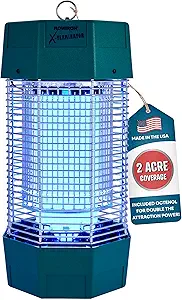 |
Talstar One Insecticide Concentrate, 1 Gallon

| Active ingredient | Bifenthrin 7.9% |
|---|---|
| Formulation | Concentrate, water-based |
| Coverage intent | Perimeter and structural applications |
| Pest range | Controls 75+ pests including ticks |
Talstar One is a professional-strength bifenthrin concentrate designed to provide broad-spectrum control of ants, spiders, roaches, fleas, ticks, mosquitoes, and many other pests. You mix the concentrate with water and apply it as a perimeter spray around foundations, doors, and windows or to targeted cracks and crevices indoors. Notable features include a water-based, low-odor formula that dries clear and a residual effect that reduces the need for frequent reapplications on lawns, ornamentals, shrubs, and structural surfaces. For yards with tick pressure, treating perimeters and vegetation provides a dependable barrier that helps reduce tick encounters when applied according to label directions. The product is concentrated so one gallon treats large areas, which makes it efficient for seasonal maintenance across multiple structures. Important limitations are that it is a pesticide that requires careful handling and strict adherence to label rates and application restrictions, and it is not a ready-to-use spray so you will need appropriate mixing and application equipment for safe, effective coverage.
Best for: Buyers who prioritize reliable, residual pest control for yards and perimeters and who are comfortable using concentrated pesticides with proper safety practices.
Less Ideal for: Casual users who want a ready-to-use product or those unwilling to follow pesticide label precautions and use appropriate application equipment.
- Broad-spectrum control that includes ticks and common yard pests
- Concentrated formula covers large areas and is cost-efficient for seasonal treatments
- Water-based, low-odor formula dries clear and is suitable for outdoor living spaces
- Suitable for both perimeter and targeted indoor/structural applications
- Concentrate requires proper mixing and application equipment for safe use
- Contains bifenthrin so users must follow label precautions to protect people, pets, and beneficial insects
Verdict: Choose Talstar One when you need a concentrated, long-lasting perimeter treatment that reliably reduces tick pressure across yards and structures.
Flowtron FC8800 Outdoor Electric Bug Zapper, 2-Acre Coverage
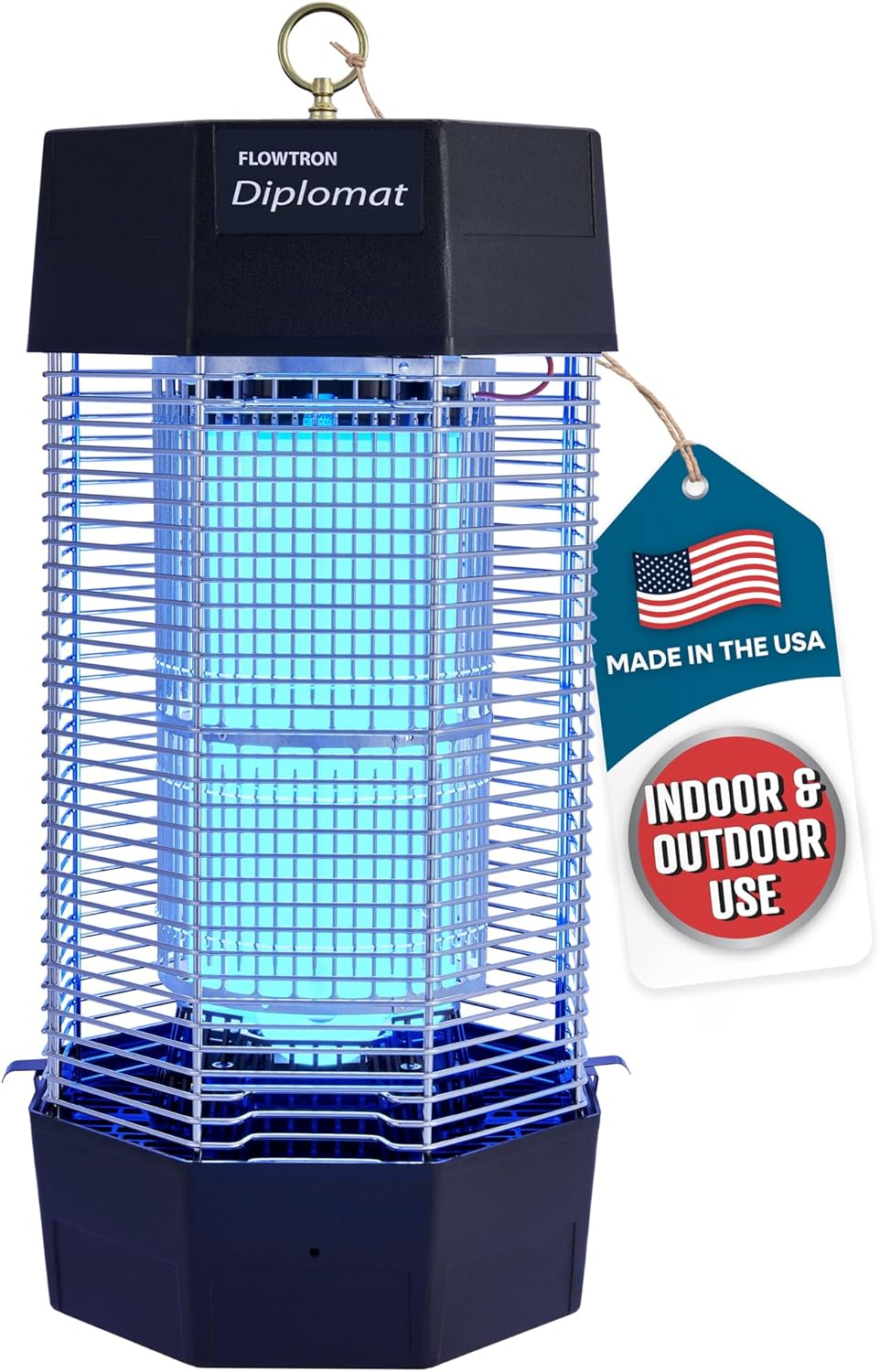
| Target Species | Fly |
|---|---|
| Power Source | Electric |
| Manufacturer | Flowtron |
| Model Number | FC8800 |
The Flowtron FC8800 is a performance-focused outdoor insect killer that uses three 40W UV bulbs, integrated octenol cartridges, and a 5,600-volt non-clogging kill grid to lure and eliminate flies, mosquitoes, and other flying pests across large yards and wooded properties. It is typically hung 25 feet from seating areas and plugged into a standard outlet to run continuously, with the UV lamps warming the octenol so the combined lure mimics animal breath and attracts insects from a long distance. Notable features include a high-intensity 120W UV lamp array, a high-voltage transformer that delivers instant kill on contact, and a vertical design that drops remains to the ground for sanitary disposal. Practical benefits include broad effective range, low day-to-day maintenance because there are no traps or bags to empty, and UL listing plus weatherproof construction for year-round outdoor use. Limitations are that it requires mains power, periodic bulb and octenol cartridge replacement, and placement away from human activity and competing lights for best results.
Best for: Buyers who prioritize maximum mosquito and fly control over large yards or commercial outdoor spaces and want a heavy-duty, always-on solution that reduces ongoing maintenance.
Less Ideal for: People who need a battery-operated, portable, or purely indoor device or those with very small patios where a compact trap would suffice.
- High output lure system: three 40W UV bulbs (120W total) attract insects from a large area.
- Strong 5,600-volt kill grid delivers instant shock-and-kill on contact.
- Integrated octenol cartridges boost mosquito attraction and provide up to 450 hours per cartridge.
- Non-clogging vertical design drops remains to the ground for easy, mess-free operation.
- Weatherproof, UL listed construction suitable for continuous outdoor use.
- Requires a nearby power outlet since it is mains powered.
- Bulbs and attractant cartridges need periodic replacement to maintain peak performance.
Verdict: If you need a rugged, high-capacity insect killer for large outdoor or commercial areas, this unit delivers powerful, low-maintenance performance.
Compare-N-Save Concentrate Indoor & Outdoor Insect Control, 32 oz

| Unit Count | 32 Fluid Ounces |
|---|---|
| Item Type Name | Insecticide |
| Item Form | Spray |
| Target Species | Insects |
This Compare-N-Save concentrate is a practical, no-frills insecticide for homeowners who need a single product to treat both indoor hiding spots and outdoor ornamentals. It contains bifenthrin and is labeled for many pests from ants and cockroaches indoors to mosquitoes and mites on lawns and shrubs. You mix small amounts into water to make a ready-to-use spray, which makes a large volume of treatment solution and is economical for regular maintenance or covering large areas. Typical use is spot and crack-and-crevice treatments inside and low-pressure spray applications outside; it is not meant as a space spray. The label includes specific rates and precautions for different pests, so following directions is important for safety around people, pets, and edible surfaces. The concentrate format means initial handling and mixing are required, and it contains an active synthetic pyrethroid that some users avoid, so protective gear and careful application are necessary.
Best for: Homeowners who prioritize an affordable, multipurpose insecticide to treat both indoor problem spots and outdoor plants and lawns and who are willing to mix concentrate and follow label directions.
Less Ideal for: People seeking an all-natural or non-chemical pest solution or those who want a ready-to-use spray that requires no mixing.
- Concentrate makes a large amount of ready-to-use spray for economical coverage
- Labeled for both indoor crack-and-crevice use and outdoor ornamental and lawn treatments
- Effective against a wide range of pests including ants, cockroaches, fleas, mosquitoes and mites
- Contains synthetic bifenthrin, requiring protective gear and careful handling
- Not formulated for space-spray or broadcast interior surface applications
Verdict: Buy this concentrate if you want a cost-effective, single-product solution for targeted indoor crack-and-crevice treatments and outdoor ornamental and lawn pest control.
Catchmaster Vector Plasma Grilled Commercial UV Fly Light Trap

| Target Species | Fly |
|---|---|
| Unit Count | 1 Count |
| Material Type | Light Trap |
| Coverage | ~3,100 sq ft |
The Catchmaster Vector Plasma Grilled is a heavy-duty UV fly light trap built for continuous commercial use. It attracts flies, gnats, fruit flies and moths with two shatterproof UV-A bulbs and traps them on replaceable glue boards behind a grilled housing that directs light into the room. Typical installations are 3 to 6 feet high near doors, trash rooms, loading docks or food storage areas where it runs quietly without zapping insects onto surfaces. The open grill and removable cover make inspecting and swapping glue boards quick for busy staff, and the aluminum housing plus recommended bulb and board replacements are geared toward straightforward maintenance. For reliability-focused buyers, the unit’s commercial construction, dual bulbs for wider coverage, and easy servicing minimize downtime. Important limitations are that it is for indoor, dry locations only and requires monthly glue-board changes under heavy pressure and periodic bulb replacement to maintain performance.
Best for: Service operators and facility managers who prioritize continuous, low-maintenance insect control in busy commercial indoor spaces and need a rugged, easy-to-service trap that minimizes operational interruptions.
Less Ideal for: Homeowners with small indoor spaces or outdoor-only use cases should consider smaller, simpler traps or targeted solutions instead.
- Industrial-grade aluminum housing built for continuous commercial use
- Dual shatterproof UV-A bulbs and 72 watts of power for wide coverage
- Silent, non-zapping design prevents insect debris from contaminating surfaces
- Removable grilled cover allows fast inspection and glue-board replacement
- Covers up to about 3,100 square feet, suitable for large rooms and docks
- Intended for indoor dry locations only and must be kept away from wet areas
- Requires monthly glue-board changes in heavy fly pressure and periodic bulb replacement
- Larger and more powerful than residential units, so overkill for small spaces
Verdict: A robust, serviceable commercial UV fly light built to deliver quiet, dependable insect control across large indoor areas.
Syngenta Advion Cockroach Gel Bait, 4 x 30 g Tubes

| Item Form | Gel |
|---|---|
| Target Species | Insects |
| Active Ingredients | Carboxylate / Indoxacarb 0.6% |
Syngenta Advion Cockroach Gel Bait is a ready-to-use gel designed for targeted crack-and-crevice applications to eliminate common cockroach species, including German, American, and brown-banded roaches. You dispense small spots of gel into hiding places or along runways using the tube tip, which makes it suitable for homes, commercial kitchens, and industrial sites where discreet placement matters. The active ingredient (indoxacarb 0.6%) is incorporated into a high-performing bait matrix that remains attractive to bait-averse roaches, so you can expect faster knockdown in many infestations compared with simple insecticide sprays. It is labeled for use in food handling areas when applied as directed and can be applied both indoors and outdoors. Limitations include the need for careful spot placement for effectiveness and adherence to label directions to keep pets and children safe. This product treats infestations through baiting rather than broad residual contact, so it works best as part of a sanitation and exclusion plan rather than as a sole long-term barrier treatment.
Best for: Homeowners or facility managers who want a targeted, professional-grade bait to reduce active cockroach populations while integrating with sanitation and exclusion practices.
Less Ideal for: People seeking an instant area-wide spray or long-lasting surface barrier should consider alternative control methods or combined treatments rather than a spot-applied gel alone.
- Formulated gel matrix attracts even bait-averse roaches for higher uptake
- Designed for precise crack-and-crevice placement indoors and outdoors
- Labeled for use in food handling areas when applied according to directions
- Includes professional-strength active ingredient (indoxacarb 0.6%)
- Requires correct placement and periodic reapplication to maintain effectiveness
- Not a surface residual barrier so sanitation and exclusion are still necessary
Verdict: Choose this gel bait when you need a professional, spot-applied solution that attracts and controls bait-averse cockroaches in targeted indoor or outdoor locations.
Flowtron Outdoor Bug Zapper MC9000, 120W UV with Octenol Attractant

| Coverage | Up to 2 acres |
|---|---|
| UV power | 3×40W (120W total) |
| Voltage | 5,600V |
| Attractant | Octenol cartridges (up to ~450 hours each) |
The Flowtron MC9000 is a high‑power outdoor bug zapper built to cover large yards and rural properties. It combines three 40W ultraviolet bulbs with replaceable octenol cartridges to lure mosquitoes and other flying pests, then instantly kills them on a 5,600‑volt non‑clogging grid so remains fall to the ground rather than collecting inside the unit. The unit is designed to hang about 25 feet from living areas and runs from a standard outlet for continuous, low‑maintenance pest control. Weatherproof construction and CSA listing mean it can stay outdoors year round, and bulb replacement is tool‑free. The main trade‑offs are its size and power: it is intended for medium to large outdoor spaces rather than close‑in use on small patios, and the octenol cartridges need periodic replacement for peak mosquito performance. For buyers who prioritize raw performance and wide coverage, this model provides one of the strongest lure-and-zap combinations available in consumer units.
Best for: Buyers who need maximum insect control over large yards, farms, or multiacre properties and prioritize continuous, high‑intensity performance with minimal daily upkeep.
Less Ideal for: Those who only need protection for a small balcony, close‑in patio, or who prefer non‑electric point‑and‑shoot mosquito controls should consider smaller or localized solutions.
- High attraction power from three 40W UV bulbs totaling 120W for extended draw range
- Includes octenol cartridge slots to boost mosquito attraction and reach up to 2 acres
- High‑voltage 5,600V grid with non‑clogging design for instant kill and lower mess
- Weatherproof, CSA listed construction suitable for year‑round outdoor use
- Tool‑free bulb replacement for easy maintenance
- Large and powerful unit best suited to bigger yards rather than small patios or balconies
- Requires periodic purchase of octenol cartridges and UV bulbs to maintain peak performance
Verdict: Choose the Flowtron MC9000 when you want one of the most powerful, low‑maintenance zappers available for large outdoor areas.
Choosing the Right Commercial Insect Killer: Key Factors to Consider
Coverage Area
How much floor or cubic space a unit can effectively protect matters because commercial rooms come in many sizes. A unit rated for a small room will underperform in a large warehouse or open-plan kitchen, leaving pockets of activity where insects persist.
Pay attention to stated square-foot coverage or effective radius and consider ceiling height. Higher ceilings require stronger attraction or additional units. For linear spaces like hallways, mounting placement will influence coverage more than raw area ratings.
Durability and Build Quality
Commercial settings expose equipment to constant use, cleaning, handling, and occasional impacts. Look for metal housings or reinforced plastics designed for industrial environments rather than lightweight residential shells.
Durability also includes sealed electronics, corrosion-resistant finishes for humid areas such as dishwashing zones or greenhouses, and easy-to-replace service parts. A sturdier unit reduces downtime and the frequency of full replacements.
Attraction Method and Capture Efficiency
Different systems use ultraviolet light, adhesive glue boards, electric grids, or airflow trapping. The attraction method determines what species are targeted and how quickly populations decline.
UV light and glue boards often suit food-preparation zones because they avoid aerosolizing insects. Electric grids can be effective in open industrial spaces but may create fragments that need cleanup. Consider the typical insects at your site and choose a capture method that removes them cleanly and consistently.
Installation and Mounting Options
Commercial sites demand flexible installation. Ceiling-mounted units keep surfaces clear and maximize coverage, while wall-mounted or floor models may be better for retrofit situations or zones with specific workflows.
Check whether the unit includes mounting hardware, how easy service access is once mounted, and whether hardwired power is required. Units that allow multiple mounting orientations and straightforward wiring will adapt better to varied floor plans.
Maintenance Requirements and Consumables
Ongoing labor and supply costs can make or break a product's suitability. Consider how often glue boards, lures, or tubes need replacing, and whether those consumables are readily available in commercial quantities.
Easy-access trays and clear service indicators reduce staff time spent on upkeep. Also evaluate whether routine cleaning requires disassembly and whether replacement parts are standardized across models to simplify stocking spares.
Safety and Compliance
In commercial environments, safety concerns include preventing insect debris from contaminating food, avoiding electrical hazards during cleaning, and meeting local health or pest control regulations.
Look for units with enclosed capture areas, tamper-resistant fastenings, and certifications or documentation showing they meet ventilation and safety requirements. Clear instructions for service and cleaning also support regulatory compliance.
Placement Strategies for Different Commercial Spaces
Getting placement right makes the biggest practical difference in daily performance. In dining or food-prep areas, mount units away from food-prep lines but near where insects tend to congregate, such as entryways, dishwash stations, or light sources. Ceiling mounts are preferred where possible because they increase effective coverage and keep units out of the way of staff.
For warehouses and production floors, divide large open spaces into coverage zones rather than relying on one oversized unit. Place units near doors, loading docks, or areas with exterior openings to intercept insects before they spread deeper into the building.
- Mount units 6 to 8 feet above the floor where allowed to maximize attraction and keep out of reach.
- Avoid placing units directly over food-prep stations or open product unless they are designed with enclosed capture trays.
- Use multiple smaller units for irregular layouts rather than a single central device.
Glue Board Vs Electric Grid Vs Trap Considerations
Glue boards capture insects intact and are often the preferred choice where debris control matters. They require regular board changes and can be less visible if cleanliness is a client concern.
Electric grids provide fast knockdown and can handle high insect loads but may fragment insects on impact, which can require more frequent surface cleaning beneath.
Enclosed traps or airflow units draw insects into a container that can be emptied. These can be a good middle ground for back-of-house areas where containment and ease of disposal are priorities.
- Glue boards are best where intact insect capture and minimal airborne fragments are needed.
- Electric grids are useful in non-food production areas with heavy insect pressure.
- Airflow or enclosed traps reduce visible debris and simplify disposal.
Routine Maintenance Workflow
Create a simple maintenance schedule that matches the site's insect pressure. High-traffic kitchens or greenhouse staging areas often need weekly checks, while low-traffic storage rooms might be inspected monthly. Assign responsibility and track consumable usage to avoid lapses.
Train staff to safely remove and replace traps, check for worn lures or tubes, and record unit performance issues. Clear labeling on or near units speeds up service and prevents accidental tampering.
- Log inspections and consumable changes to predict reorder timing.
- Keep a small stock of replacement boards, lures, and mounting hardware on site.
- Include cleaning steps in existing sanitation routines to ensure units do not become contamination sources.
Managing Insect Pressure Seasonally
Insect activity varies with season and local climate. Increase monitoring during warmer months or after building openings are in use. Some units perform better under higher nighttime insect flight activity, so adjust placement and schedule extra inspections during peak periods.
Consider temporary supplemental measures for predictable surges, such as additional free-standing traps near entry points or short-term higher-attraction lures. After peak season, revert to baseline units and reduce inspection frequency accordingly.
- Check units more frequently during spring and summer when insect activity rises.
- Use supplemental trapping near seasonal openings like delivery doors.
- Rotate or replace lures seasonally if the manufacturer recommends it for better attraction.
Integration with Overall Pest Management
An insect killer is one component of an integrated pest management plan. Block entry points, maintain good sanitation, and manage exterior lighting to reduce insect attraction. Combine indoor trapping with targeted exterior control to reduce the number of insects entering the facility.
Regularly review the placement and performance of units as part of routine facility audits and adjust strategies when operations change, such as new doorways, renovations, or changes in nearby vegetation that affect insect pressure.
- Seal cracks and optimize door seals to lower insect ingress.
- Control exterior lighting or switch to fixtures that reduce attraction when possible.
- Coordinate with cleaning and maintenance teams to align sanitation and trapping schedules.
How We Chose the Best Commercial Insect Killer
We focused on criteria that matter in busy commercial settings where insect pressure and uptime demands are high. Primary evaluation points included coverage area and attraction method so we could estimate how effectively a unit reduces flying insects across different room sizes. Durability and materials were assessed to ensure units stand up to continuous operation, cleaning cycles, and busy staff handling. Installation flexibility and mounting options were checked because many sites need ceiling-mounted, wall-mounted, or free-standing configurations. Maintenance and consumable needs were weighed to estimate ongoing labor and supply frequency. Safety features and compliance aspects were reviewed to confirm units separate insects from sensitive areas and minimize exposure risks. Units that lacked clear specifications for coverage, used ambiguous attraction or trapping methods, or were intended only for light residential use were excluded. We also filtered out products with poor service documentation or limited replacement supply channels. The final shortlist balances effective insect removal, robust construction, sensible maintenance demands, and adaptable installation for professional environments.
FAQ
How many units do I need for a commercial kitchen?
It depends on kitchen size and layout. Small kitchens may function well with one strategically placed ceiling unit, while larger or segmented kitchens usually require two or more to intercept insects near entryways and service areas.
Are glue boards safe to use around food areas?
Glue boards are commonly used in food-prep areas because they capture insects intact and avoid creating airborne fragments. Place them away from direct food-prep zones and follow sanitation schedules to ensure boards are changed regularly.
How often should I change lures or glue boards?
Frequency varies with insect pressure and device type. Many high-traffic commercial spaces require weekly or biweekly changes, while low-traffic areas can often go monthly. Monitor capture rates and replace consumables when you see reduced effectiveness.
Can electric grid units be used in humid or wet areas?
Electric grid units can be used in some humid environments if they have appropriate corrosion-resistant materials and sealed electronics. However, in areas with direct water exposure or heavy steam, enclosed traps or glue-based systems are often safer and easier to maintain.
What maintenance tasks should my staff be trained on?
Staff should be trained to safely remove and replace boards or trays, inspect and clean housing, check lure condition, and log service actions. They should also know how to power down units safely for cleaning and whom to contact for repair or replacement parts.
Do these units help with crawling insects too?
Most flying insect killers target winged pests. Some traps with glue boards or sticky surfaces can capture crawling insects that cross the device, but dedicated control measures are usually needed for heavy crawling insect infestations.
Final Verdict
Choose commercial insect killers by matching coverage and attraction method to the space and the kinds of insects you see. Prioritize durable construction, easy maintenance, and mounting options that fit your layout so units stay effective with minimal downtime. Balance upfront capacity with the ongoing cost and logistics of consumables and service when deciding how many units to install. With the right combination of placement, maintenance, and complementary sanitation, you can keep insect pressure low and operations running smoothly.
