

Note: This article contains affiliate links. If you click on these links and make a purchase, I may earn a small commission at no extra cost to you. This helps support my research and content. Read my full affiliate disclosure here.
If you manage a large property, municipal landscape, or commercial grounds, the right commercial leaf vacuum saves hours of cleanup and lowers labor strain during peak leaf season. You need equipment that handles wet and dry debris, moves quickly across turf and pavement, and stands up to repeated, heavy use. This guide shortlists the top commercial leaf vacuums for large-scale cleanup, focusing on real-world durability, suction performance, and serviceability. We evaluated models that suit crews, rental fleets, and facility managers. Below you will find the critical decision points we used and a practical overview to help you choose the right unit for your site conditions.
Top Picks at a Glance
| Best Overall The best all-around choice for most situations | Agri-Fab Chip-N-Vac 32 cu ft Tow-Behind Lawn Vacuum and Chipper |  |
| Best Quality Built to a higher standard if you want something more solid | Powerhorse Steel Debris Vacuum Truck Loader, 13 HP |  |
| Best Value The sweet spot between price and what you get | SuperHandy Truck-Loader Leaf Vacuum with 15HP Electric Start Engine | 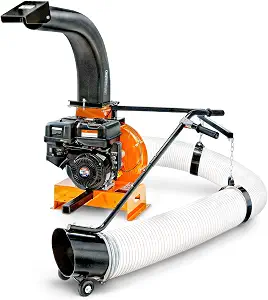 |
| Best Budget The cheapest option that still gets the job done reliably | SuperHandy Leaf Vacuum & Wood Chipper, 7 HP 209cc Gas Engine |  |
| Highest Rated A top-rated pick with lots of positive feedback | SuperHandy Towable Leaf and Lawn Vacuum – 180‑Gallon, 15HP Electric Start, Serrated Impeller |  |
| Most Popular A crowd favorite that many people choose with confidence | Agri-Fab 29 cu ft Soft Top Mow-N-Vac Tow-Behind Lawn Vacuum (208cc) |  |
| Best Seller A high-volume bestseller chosen again and again | Powerhorse Commercial Steel Debris Vacuum Truck Loader, 6.5 HP |  |
Agri-Fab Chip-N-Vac 32 cu ft Tow-Behind Lawn Vacuum and Chipper

| Capacity | 32 cu ft / 26 bushel |
|---|---|
| Suction speed | 80 MPH |
| Chipper capability | Up to 2 in diameter branches |
| Hose length | 10.5 ft clear hose with 6 in diameter |
| Power source | Gas Powered |
The Agri-Fab Chip-N-Vac is a heavy-duty tow-behind collection system that combines a vacuum, chipper and large-capacity cart so contractors and serious property owners can clean lawns much faster than hand raking. It connects to compatible tractor cutting decks up to 54 inches and uses an 80 MPH suction to pull leaves, pine needles and grass clippings through a 10.5 ft clear hose into a 32 cu ft hard-top hopper that reduces airborne dust. Integrated chipper blades handle branches up to 2 inches in diameter so material can be reduced to mulch as you work. The cart rides on pneumatic 15 x 6 in tires for tow stability and arrives mostly preassembled to shorten setup time. Be prepared for professional-scale tasks though because the unit is large and heavy and requires a suitable tractor to tow and power it; maneuvering in tight yards or storing it in small garages will be awkward. For routine large-area cleanup and jobs that need chipping plus high-capacity collection, this system speeds work and cuts trips to the dump.
Best for: Buyers who need a high-capacity, tow-behind solution for frequent large-area cleanup and value integrated chipping to reduce debris volume while saving unloading trips.
Less Ideal for: Homeowners with small lawns, limited storage, or those who need a lightweight handheld or backpack vacuum for tight spaces should look elsewhere.
- Large 32 cu ft / 26-bushel capacity reduces unloading frequency for big cleanup jobs
- 80 MPH suction suitable for leaves, pine needles and grass clippings
- Integrated chipper handles branches up to 2-inch diameter so debris can be mulched on the fly
- Hard-top design and clear hose lower dust and make clogs visible
- 75 percent pre-assembled to shorten final setup time
- Requires a compatible tractor and significant storage space due to its weight and overall size
- Not suitable for small yards or tight access areas where a handheld or backpack vac is easier to use
Verdict: If you need a robust, high-capacity tow-behind vac with built-in chipping for commercial-scale leaf and debris cleanup, this Agri-Fab Chip-N-Vac is a practical choice.
Powerhorse Steel Debris Vacuum Truck Loader, 13 HP

| Engine | 420cc Ducar 4-stroke OHV, 13 HP |
|---|---|
| Max RPM | 3,600 |
| Vacuum hose | 8 in diameter x 10 ft L |
| Mounting | Skid mount; optional hitch/tailgate/swingaway kits |
This Powerhorse debris vacuum is built for large-scale cleanup where raw power and durability matter. It pairs a 420cc, 13 HP OHV engine (3,600 max RPM) with a steel housing and skid-mount base to deliver consistent suction for clearing leaves, grass clippings and light debris across estates, farms, or commercial grounds. The included 8 in diameter by 10 ft vacuum intake hose reaches tight spots without moving the whole unit, and optional mounting kits let you adapt it for trailer, truck tailgate, or receiver hitch installation. Expect robust, long-running performance and easy anchoring via the skid mount, but plan for professional handling: the unit is heavy and sized for commercial equipment rather than casual yard work, and it lacks onboard mounting hardware which must be purchased separately. Maintenance and fuel costs will be higher than for homeowner-grade vacuums, but the machine is designed to handle sustained, demanding use.
Best for: Best for property managers, landscapers, or owners of large grounds who need a durable, high-capacity debris loader that withstands frequent, heavy-duty use.
Less Ideal for: Not a good fit for small yards, weekend gardeners, or anyone needing a lightweight, portable leaf vacuum for occasional cleanup.
- Commercial-grade steel housing for durability in heavy use
- Powerful 420cc, 13 HP OHV engine for strong suction and sustained operation
- 10 ft, 8 in diameter vacuum hose reaches tight areas without relocating the unit
- Skid-mount base provides stable anchoring during high-power operation
- Optional mounting kits available for truck or hitch installation
- Heavy, industrial footprint not suitable for casual home use
- Mounting accessories sold separately so additional purchase is required
Verdict: If you need a rugged, high-power debris loader for regular commercial cleanup, this Powerhorse unit delivers the engine power and build quality to get the job done.
SuperHandy Truck-Loader Leaf Vacuum with 15HP Electric Start Engine

| Power Source | Gas Powered |
|---|---|
| Form Factor | Truck Loader |
| Additional Features | Electric Start, Serrated Metal Impeller, Hitch or Tailgate Mount, Adjustable Guide Plate |
This truck-loader leaf vacuum is designed for heavy-duty cleanup where reliability and continuous use matter. It mounts to a truck via a hitch bar or optional tailgate hanger so crews can tow it between sites and empty debris directly into truck beds. The 15HP electric-start gas engine provides consistent power for extended runs and the 16-inch serrated metal impeller shreds leaves and light yard waste as it vacuums, reducing volume and making transport easier. An adjustable guide plate helps aim debris flow into the truck for precise placement, and the unit handles both wet and dry leaves so it works through seasons. The machine is built to commercial expectations, so maintenance access, robust impeller construction, and straightforward mounting are priorities. Expect a heavier, trailer-style workflow rather than a compact homeowner tool, and plan for routine engine and impeller maintenance typical of gas-powered equipment to keep peak performance.
Best for: Landscaping professionals, municipal crews, or property managers who need a rugged, towable vacuum to handle large volumes of leaves reliably across multiple sites.
Less Ideal for: Homeowners with small yards or anyone who needs a lightweight, walk-behind or mower-mounted vacuum should consider smaller, more portable units.
- Commercial 15HP gas engine with electric start for reliable, continuous operation
- 16-inch serrated metal impeller shreds and vacuums debris to reduce volume
- Hitch or tailgate mounting lets crews load directly into truck beds for efficient transport
- Adjustable guide plate gives precise debris placement when filling trucks
- Designed for high-volume cleanup and works with both wet and dry leaves
- Not a handheld or compact lawn-mower attachment so it requires a towing vehicle and storage space
- Gas engine requires regular maintenance and fuel handling compared with electric alternatives
Verdict: Choose this truck-mounted leaf vacuum when you need a dependable, commercial-grade machine that shreds and hauls high volumes of leaves with minimal downtime.
SuperHandy Leaf Vacuum & Wood Chipper, 7 HP 209cc Gas Engine
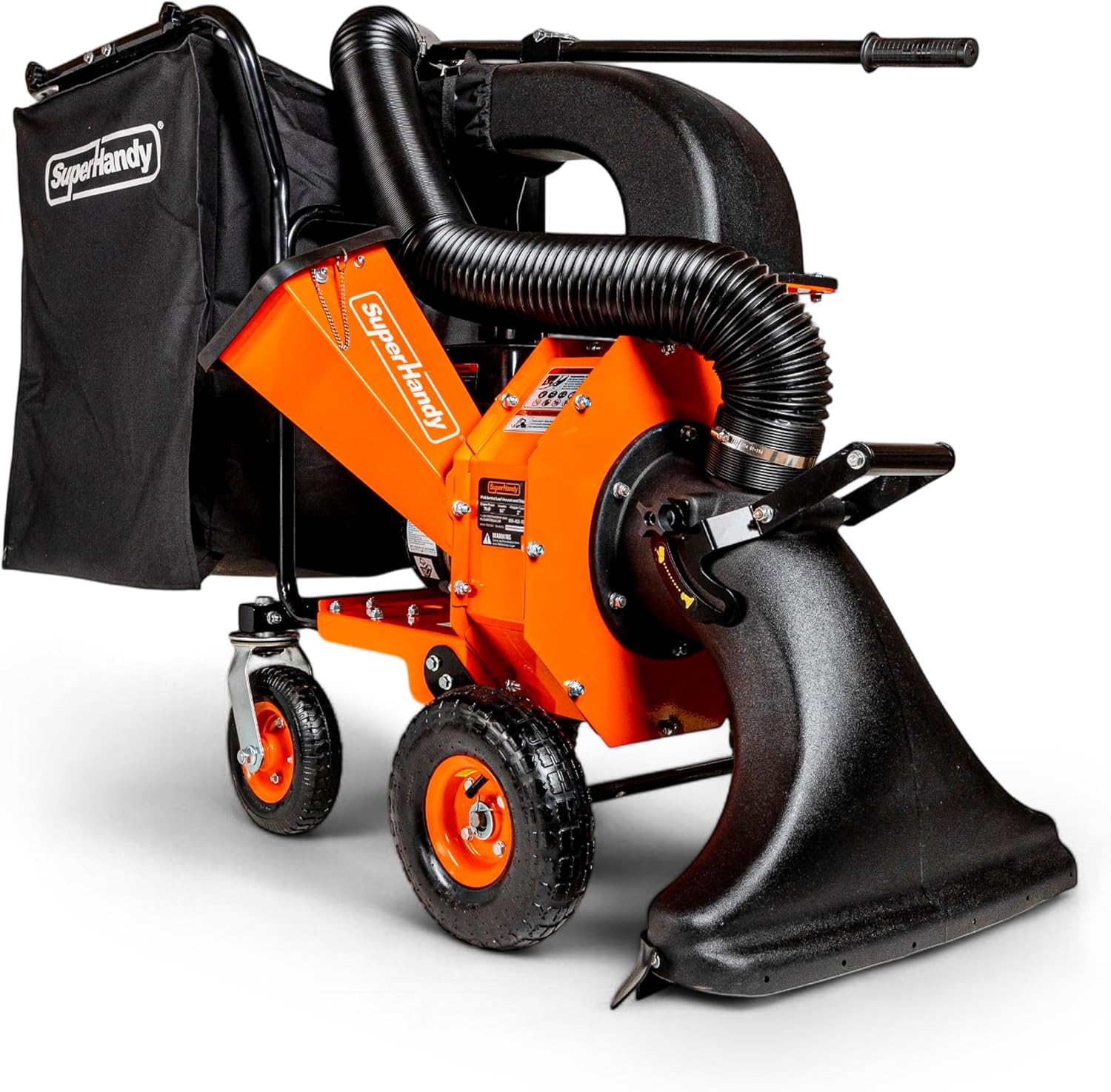
| Power | 7.0 HP (209cc) |
|---|---|
| Mulch ratio | 10:1 |
| Collection capacity | 6 bushel |
| Maximum branch capacity | 2 inches |
| Power source | gas_powered |
The SuperHandy Leaf Vacuum & Wood Chipper combines a 7 HP (209cc) gas engine with dual-function operation to handle routine yard cleanup and small-branch chipping. You can vacuum leaves with the wide front snout or feed branches into the chipper to reduce material to mulch at an advertised 10:1 ratio, which then collects in a six-bushel fabric bag with side zippers for easier emptying. Pneumatic front wheels and swivel rear casters make it straightforward to maneuver around lawns and garden beds, and the 13.4-inch steel impeller with serrated fins is designed to shred material efficiently. Because it is gas powered and built as a walk-behind unit, expect regular maintenance tasks like fuel handling, spark plug and air filter care, and noise during operation. The unit is fairly heavy and is intended for medium to large yards where a powerful engine and larger collection capacity matter. It is a practical choice if you want one machine that vacuums, mulches, and chips, but it is not a lightweight or quiet option for small yards or frequent short cleanups.
Best for: Buyers who prioritize efficient, no-compromise yard cleanup and want a single gas-powered machine to vacuum, mulch, and chip leaves and small branches across medium to large lawns.
Less Ideal for: People with small yards, tight storage space, or who need a quiet electric solution for frequent short cleanups should consider lighter or electric alternatives.
- Dual-function design lets you vacuum leaves and chip branches up to 2 inches without switching machines
- Powerful 7.0 HP (209cc) engine provides strong suction and chipping performance
- Large 6 bushel collection bag with side zipper reduces how often you need to stop and empty
- 10:1 mulch reduction from a steel impeller produces compacted mulch useful for compost or mulch beds
- Pneumatic front wheels and swivel rear casters improve maneuverability across lawn surfaces
- Gas engine operation requires regular maintenance and produces noise
- Heavy overall weight makes it less convenient to store or move by hand
Verdict: Choose this if you want a robust gas-powered unit that vacuums, mulches, and chips debris so one machine handles most yard cleanups.
SuperHandy Towable Leaf and Lawn Vacuum – 180‑Gallon, 15HP Electric Start, Serrated Impeller

| Capacity | 180 gallons |
|---|---|
| Engine | 15HP electric start |
| Impeller | 16 in. serrated steel impeller |
| Power Source | gas_powered |
| Form Factor | Tow-Behind |
This towable leaf and lawn vacuum is built for large properties and commercial-style cleanup where uptime matters. It pairs a 15HP electric-start gas engine with a 16-inch serrated steel impeller to pull and shred leaves, grass clippings, and light debris into a 180-gallon collection bag so you make fewer stops. The unit connects via a pin hitch to riding mowers or small tractors and rides on 13-inch pneumatic wheels that help traverse uneven turf. The one-hand dump lever lets a single operator empty the hopper quickly without lifting or detaching parts, which saves time on repeated loads. Expect sturdy, serviceable components but standard gas maintenance such as fuel, oil, and impeller inspection. It is heavy and designed to be towed rather than moved by hand, so storage and transport require suitable equipment and space. If you need a reliable, high-capacity machine to reduce collection cycles and keep crews moving, this model delivers straightforward performance with familiar maintenance needs.
Best for: Property owners or small landscape contractors who prioritize dependable, high-capacity debris collection and want equipment that minimizes stops and keeps crews productive.
Less Ideal for: Casual homeowners with small yards or anyone who needs a lightweight, walk-behind solution for tight spaces should consider smaller, hand-operated vacuums instead.
- Large 180-gallon collection bag reduces frequency of emptying on big jobs
- 15HP electric-start gas engine provides consistent suction power for heavy debris
- Serrated 16-inch steel impeller shreds material for more compact collection
- One-hand dump mechanism allows fast, single-operator emptying
- Tow-behind design with 13-inch pneumatic wheels improves stability over rough terrain
- Requires towing vehicle and storage space due to tow-behind form factor
- Needs routine gas-engine maintenance and occasional impeller inspection
Verdict: A high-capacity, towable vacuum built for reliable, commercial-style leaf and debris collection that keeps crews working with fewer stops.
Agri-Fab 29 cu ft Soft Top Mow-N-Vac Tow-Behind Lawn Vacuum (208cc)

| Power Source | Gas Powered |
|---|---|
| Engine | 208cc LCT |
| Collection Capacity | 29 cu ft / 220 gallon |
| Hose | 126 in x 6 in clear hose |
| Material Type | Metal, Polypropylene |
The Agri-Fab Soft Top Mow-N-Vac is a tow-behind vacuum built for medium to large lawn cleanup jobs where you want to minimize unloading stops. It connects to right-hand discharge mower decks, including many zero-turns, and uses a 208cc engine to generate strong suction and pull debris through the included 126 in hose into a 29 cu ft (220 gallon) collection bag. The soft vinyl top reinforced with ripstop nylon keeps the load covered while rear venting reduces dust during operation. Large pneumatic tires and a utility-style poly bed make towing over uneven turf straightforward. Practical benefits include long run times between unloads, broad mower compatibility with the universal deck adapter, and reduced airborne dust compared with open collectors. The Mow-N-Vac is bulky and heavy to store and requires a gas engine and basic mower hookup while the soft top will need occasional inspection for wear. Assembly and hookup take some time but once installed it noticeably speeds up fall and seasonal cleanup on larger properties.
Best for: Homeowners with medium to large lawns who want a high-capacity tow-behind vacuum to cut cleanup time and reduce unloading trips, and who already use a right-hand discharge mower or zero-turn.
Less Ideal for: Small-lot owners, apartment dwellers, or anyone who needs a compact handheld or bagger-style solution should consider smaller electric or walk-behind options instead.
- Very large 29 cu ft (220 gallon) collection capacity reduces frequency of unloading during big cleanup jobs
- 208cc engine provides strong suction for effective pickup of leaves, clippings, and light debris
- Universal deck adapter and long clear hose work with many right-hand discharge mower decks including zero-turns
- Soft top with reinforced vinyl and rear venting helps contain dust and reduce airborne debris
- Pneumatic 13 in tires and poly utility bed allow smoother towing across uneven lawns
- Heavy and large footprint makes storage and maneuvering off the mower more demanding
- Requires gas engine maintenance and a compatible right-hand discharge hookup
Verdict: If you need to clear large amounts of leaves and clippings with fewer stops, this high-capacity tow-behind vacuum delivers powerful suction and broad mower compatibility to get the job done faster.
Powerhorse Commercial Steel Debris Vacuum Truck Loader, 6.5 HP

| Engine | 212cc OHV, 4-stroke |
|---|---|
| Power | 6.5 HP |
| Hose | 6 in. dia. x 10 ft. |
| Mount | Skid-mount base |
The Powerhorse Commercial Debris Vacuum is a truck-loader style unit built for large properties and landscaping crews that need fast, heavy-duty cleanup. Its 212cc OHV engine produces 6.5 horsepower and high suction speed to pull leaves, grass clippings, and light debris through the included 6-inch diameter, 10-foot hose. The all-steel housing and skid-mount base give the machine stability and durability when mounted to a truck or used on a trailer, and optional mounting kits expand installation choices. In practice this is a purpose-built tool for commercial cleanup rather than occasional residential use: it moves large volumes of material quickly but requires safe mounting, routine engine maintenance, and space to operate. The strengths are raw suction power and rugged construction; the downsides are the unit's weight and size, which make it less convenient for small yards and demand proper handling and storage. For teams focused on efficient, repeatable debris removal this is a capable, work-oriented machine.
Best for: Landscaping crews, property managers, and homeowners with large acreage who prioritize reliable, high-capacity debris removal and want a machine built for repeated commercial use.
Less Ideal for: Casual homeowners with small yards or anyone who needs a lightweight, easily stored leaf blower or vacuum for occasional tidying.
- Commercial 212cc OHV engine delivers strong suction for large-volume debris pickup
- Rugged steel housing and skid-mount base built for heavy outdoor use
- Includes 6-inch diameter by 10-foot intake hose for good reach and flexibility
- Optional mounting kits available to attach the unit to trucks, tailgates, or swingaway mounts
- Heavy and bulky, so it is not convenient for small properties or casual homeowners
- Requires routine engine maintenance and secure mounting for safe operation
Verdict: Choose this Powerhorse truck-loader vacuum when you need a tough, high-suction machine built for regular commercial-scale leaf and debris removal.
Choosing the Right Commercial Leaf Vacuum: Key Factors to Consider
Suction Power and Airflow
Suction power determines how effectively a commercial leaf vacuum lifts leaves, small twigs, and damp debris from turf and hard surfaces. Higher airflow and vacuum pressure let crews pick up heavier, wetter material without repeatedly passing the same area.
For large properties you will use the machine for extended periods, so sustained suction under load matters more than peak numbers that drop quickly. Consider how power delivery performs with full collection housings and when drawing in heavier loads like pine needles or wet leaves.
Collection Capacity and Bagging System
A larger hopper or bag reduces how often crews must stop to empty collected material, which speeds cleanup across expansive grounds. Consider both raw volume and how accessible the discharge mechanism is for quick dumps into trailers or waste containers.
Bagging systems differ: some use twin bags that are easy to remove and shake out, while others have a central hopper with a hydraulic or manual dump. Think about how your workflow handles frequent emptying, where emptying stations are located, and whether dust control during dumping is important.
Chassis and Component Durability
Commercial machines face knocks, vibrations, and exposure to wet conditions. Look for sturdy frames, corrosion-resistant finishes, and robust fasteners. Components like impeller housings and intake tubes should be engineered to resist wear from grit and small stones.
Durability also extends to mountings, wheels, and handles that crews use constantly. A well-built frame reduces long-term repair needs and maintains alignment so performance does not degrade after a season of heavy use.
Engine or Motor Reliability
Continuous run time and restart reliability are essential for commercial operations. Engine-driven units should have easy access to service points like oil filters, spark plugs, and air filters. Electric or battery-driven models need realistic runtime estimates and fast recharge or battery-swap workflows for uninterrupted shifts.
Look for cooling and airflow designs that prevent overheating during long jobs, plus fuel or battery systems sized to typical commercial workloads so crews spend less time refueling and more time cleaning.
Serviceability and Parts Access
Commercial equipment must be easy to maintain in the field. Quick access to belts, impellers, filters, and bagging attachments reduces downtime. Machines that allow routine tasks to be completed with common hand tools speed service.
Also consider parts availability and how modular the design is. Replaceable wear components that can be swapped without disassembling the entire intake system will minimize lost time between jobs and extend the machine's useful life.
Maneuverability and Operator Comfort
Large properties present varied surfaces, tight corners, and obstacles. Good turning radius, wheel design for turf versus pavement, and vibration-isolated handles reduce worker fatigue and make operations faster.
Operator controls should be intuitive and within easy reach. Weight distribution affects how the unit tracks across slopes and around landscape features; consider whether the machine will be used on flat lawns, hilly sites, or hardscape-dominated areas.
Matching Capacity to Property Size
Estimate how much leaf volume your site generates during peak season and choose a machine whose collection capacity keeps crews working efficiently between dumps. For very large properties or municipalities, a larger hopper or tow-behind unit reduces stopping time and labor costs per acre.
- Calculate estimated leaves per week during peak and plan emptying frequency accordingly
- Consider trailer or truck access points for rapid dumping
- Factor in crew size and whether one operator can handle emptying tasks
Wet Leaves and Mixed Debris Strategies
Wet leaves and mud can challenge suction and clog intake paths. Machines with wider intake openings, debris-cutting impellers, or agitation features handle damp, compacted material better. When your site routinely has mixed debris such as small rocks or twigs, look for reinforced intake tubes and easily accessible impellers for clearing jams.
- Use slower travel speed when collecting wet material to avoid clogging
- Keep a basic toolkit on hand to clear impeller blockages quickly
- Plan routes to separate heavy debris zones from light-leaf areas
Fleet Integration and Operator Training
Integrating a commercial leaf vacuum into a maintenance fleet is as much about logistics as the machine itself. Standardize on units with similar servicing points and controls so training is faster and spare parts can be shared across machines. Brief operator training on safe emptying procedures, checking wear parts, and proper handling on slopes will reduce accidents and prolong equipment life.
- Create a simple pre-shift checklist covering belts, filters, and hopper fasteners
- Log service intervals to catch wear before it causes downtime
- Train crews on safe towing and mounting if equipment is tractor-mounted or tow-behind
Noise, Emissions, and Local Regulations
Commercial leaf vacuums can be loud and may produce exhaust emissions that matter in noise-sensitive or residential areas. Check local ordinances for allowable operating hours and any emission standards that apply to engines used on commercial sites. Electric or hybrid options reduce local emissions and may allow earlier or later operating windows in noise-restricted zones, but ensure their runtime meets your daily demands.
- Map sensitive neighbor properties and schedule work accordingly
- Consider electric units for early-morning work in noise-sensitive zones
- Keep appropriate signage and notification protocols when working in public spaces
How We Chose the Best Commercial Leaf Vacuum
We prioritized the attributes that matter most for large-scale leaf collection and grounds maintenance. Selection began with units designed for continuous, heavy use rather than light consumer duty. We filtered for commercial-grade construction, tested performance claims against typical garden and pavement debris loads, and emphasized machines with user-focused serviceability. Key evaluation criteria included suction power and airflow, collection capacity and bagging systems, chassis durability and corrosion resistance, engine or motor reliability under extended run times, and ease of routine maintenance. We also considered mobility and maneuverability for varied surfaces, plus compatibility with collection and disposal workflows used by landscape crews. Units that were clearly intended for homeowner casual use, lacked accessible maintenance points, or had unverified claims about sustained suction were excluded. The result is a curated list of commercial leaf vacuums that balance continuous performance, long service life, and practical features that reduce downtime and labor during heavy leaf periods.
FAQ
Can commercial leaf vacuums pick up wet leaves and small branches?
Many commercial units are designed to handle both wet leaves and small branches, but performance depends on intake design and impeller strength. Wet material requires slower travel and may need more frequent clearing, while reinforced intake components help with small woody debris.
How often will I need to empty the collection hopper?
Emptying frequency depends on hopper size and the density of collected material. Larger hoppers mean fewer stops, but very dense loads from wet leaves may require emptying sooner than expected. Plan routes and dumping points to minimize downtime.
Are electric commercial leaf vacuums practical for large properties?
Electric models are practical if they offer sufficient runtime or a battery-swap workflow. For very large properties or continuous shifts, check that battery capacity and recharge logistics match your operational needs; otherwise engine-driven units may provide longer continuous runtime.
What routine maintenance keeps a leaf vacuum reliable?
Routine checks include inspecting and replacing air and fuel filters, clearing and inspecting impellers, tightening fasteners, and checking bag or hopper seals. Following a pre-shift checklist reduces the chance of mid-job failures and extends component life.
How do I reduce clogging when collecting wet material?
Slow your travel speed, keep intake paths clear, and use machines with wider intake openings or cutting-style impellers. Regularly clear the impeller housing and check for build-up during peak wet conditions to maintain suction.
Can a leaf vacuum be used on turf without causing damage?
Many commercial units are designed with turf-friendly wheels and adjustable suction levels to avoid turf damage. Proper operator technique, such as keeping the intake slightly above the grass canopy when appropriate, also reduces risk to turf.
Final Verdict
Choose the commercial leaf vacuum that matches the scale and specific conditions of your site. Prioritize sustained suction and robust collection capacity for large properties, while also weighing durability and ease of service to keep crews productive. Accept tradeoffs between runtime and noise or emissions depending on your operating constraints. A well-matched machine reduces labor, limits downtime, and makes peak leaf season manageable rather than overwhelming.
