

Note: This article contains affiliate links. If you click on these links and make a purchase, I may earn a small commission at no extra cost to you. This helps support my research and content. Read my full affiliate disclosure here.
Growing herbs in pots changes what you need from compost. Containers hold limited volume and can dry out or stay waterlogged faster than garden beds, so the right potting compost helps herbs set strong roots, flower at the right time, and keep flavor and aroma concentrated. This guide covers six shortlisted compost options chosen for container herb culture. We focus on drainage, moisture retention, and steady nutrient release so you can pick a mix that suits sunny windowsills, shaded balconies, or small patio gardens. Read on for the evaluation criteria and what to expect from different compost textures and ingredient blends.
Top Picks at a Glance
| Best Overall The best all-around choice for most situations | Espoma Organic Potting Soil Mix, 8 qt |  |
| Best Quality Built to a higher standard if you want something more solid | Espoma Organic Land and Sea Gourmet Compost with Lobster & Crab Meal, 1 cu ft |  |
| Best Value The sweet spot between price and what you get | Burpee Premium Organic Potting Mix with Coco Coir (9 Quart) |  |
| Highest Rated A top-rated pick with lots of positive feedback | circle soil Houseplant Potting Mix (Peat-Free, 4 Qt) |  |
| Most Popular A crowd favorite that many people choose with confidence | Miracle-Gro Organic Indoor Potting Mix, 16 qt. |  |
| Best Seller A high-volume bestseller chosen again and again | Back to the Roots Premium Organic Potting Mix, 6 Quart |  |
Espoma Organic Potting Soil Mix, 8 qt

| Brand Name | Espoma |
|---|---|
| Unit Count | 256 Ounce |
| Volume | 8 liters |
| Style Name | Mix |
Espoma Organic Potting Soil Mix is a ready-to-use, organic container mix designed for indoor and outdoor pots, including vegetables and herbs such as jalapenos. It blends sphagnum peat moss, humus and perlite to give a light, well-draining texture while added earthworm castings, alfalfa meal, kelp meal and feather meal supply slow-release nutrients. The included Myco-Tone mycorrhizae can help young roots establish and improve nutrient uptake, which is useful when starting pepper seedlings or repotting into larger containers. Typical use is filling 1–5 gallon pots or containers, planting transplants, and topping up as plants grow. Because it is formulated without synthetic fertilizers, you get a more natural fertility baseline but may need to supplement with a balanced organic fertilizer for heavy-feeding pepper plants during peak fruiting. The 8 quart volume is convenient for small batches and container gardening but means you will need multiple bags for several plants. For jalapenos this mix provides the drainage, structure, and organic matter peppers prefer while supporting steady growth with minimal prep.
Best for: Home gardeners who grow jalapenos in containers and want an organic, ready-made mix that supports healthy root development and steady growth without DIY blending.
Less Ideal for: Large-scale growers or those who prefer a single bag to supply many plants should consider larger volume commercial mixes or bulk soil options.
- Organic formula with peat moss, humus and perlite for good drainage and aeration
- Contains earthworm castings and plant meals for slow-release organic nutrients
- Includes Myco-Tone mycorrhizae to help root establishment and nutrient uptake
- Suitable for both indoor and outdoor container vegetables and herbs
- Small 8 qt volume requires multiple bags for several pepper plants
- No synthetic fertilizer included so extra feeding may be needed for heavy fruiting
Verdict: A convenient organic potting mix that gives jalapeno plants good drainage, natural fertility, and beneficial mycorrhizae for strong container growth.
Espoma Organic Land and Sea Gourmet Compost with Lobster & Crab Meal, 1 cu ft

| Item Form | Granules |
|---|---|
| Specific Uses For Product | Soil Conditioning, Plant Growth, Seed Development, Root Development |
| Included Components | Lobster and crab meal |
| Ingredients | Aged forest products, sphagnum peat moss, humus, limestone, lobster meal & crab meal |
Espoma Organic Land and Sea is a premium, ready-to-use compost intended for amending garden beds, planters, and transplant holes. The mix combines aged forest products, sphagnum peat moss, humus, limestone for pH adjustment, and lobster and crab meal to deliver organic nutrients and slow-release nitrogen. It also includes a mycorrhizae blend to help root establishment and nutrient uptake. In practice this product is mixed into native soil when planting or used to refresh container mixes, and it noticeably improves moisture retention and soil texture while adding a food source for vegetables, flowers, trees, and shrubs. Because it is a finished compost you do not need to wait for further decomposition before planting. Limitations are typical of peat-containing mixes: it is somewhat bulky to handle and not a concentrated fertilizer for rapid greening, so heavy feeders may still need supplemental feedings during the season. Overall it is a convenient, performance-focused soil amendment for gardeners who want an organic, biologically active boost at planting time.
Best for: Gardeners who prioritize reliable, organic soil improvement at planting time and want a biologically active amendment that supports root development and steady plant performance.
Less Ideal for: Buyers seeking an instant, high-nitrogen fertilizer or those who strictly avoid peat-based products should consider alternatives.
- Finished, ready-to-use compost suitable for immediate planting
- Contains lobster and crab meal for slow-release organic nutrients
- Includes endo and ecto mycorrhizae to support root growth and nutrient uptake
- Improves soil texture and moisture retention for containers and beds
- Contains peat moss which some gardeners avoid for sustainability reasons
- Not formulated as a high-concentration fertilizer for rapid greening
Verdict: A ready-to-use organic compost that boosts soil biology and root performance at planting for gardeners focused on steady, long-term results.
Burpee Premium Organic Potting Mix with Coco Coir (9 Quart)

| Item Form | Powder |
|---|---|
| Specific Uses For Product | Plant Growth, Root Development, Seed Development, Soil Conditioning |
| Coverage | 9 Qt Container |
| Liquid Volume | 9 quarts |
Burpee Premium Organic Potting Mix is a ready-to-use container soil designed for indoor and outdoor pots, seed starting, and raised bed containers. The mix combines coco coir for improved aeration and moisture retention with a nutrient blend that feeds plants for up to three months, making it useful for establishing seedlings or repotting established vegetables, herbs, and ornamentals. It is OMRI listed, which suits organic growers, and the bag is sold in a convenient 9-quart size that fits most small to medium containers. Practical benefits include reduced watering frequency thanks to the coir component and a balanced medium that promotes root development and germination. Limitations are the small bag size for larger projects and that it supplies nutrients for only a limited period, so longer-term containers will need supplemental fertilizer. The mix is powdery and light, so it is easy to handle but may compress over time in deep pots and benefit from occasional loosening.
Best for: Gardeners who want a compact, ready-made organic potting mix that reduces maintenance and supports reliable seed starting and container growth.
Less Ideal for: Those establishing large beds or filling many large containers at once should choose bulk soil or larger bags instead.
- OMRI listed organic blend suitable for organic container gardening
- Coco coir improves moisture retention while maintaining good aeration
- Includes slow-release nutrients that feed plants for up to three months
- Light, easy-to-handle texture ideal for seed starting and repotting
- 9-quart bag is small for larger containers or multiple pots
- Nutrient supply is temporary so additional fertilizer is required for long-season crops
Verdict: A compact OMRI-listed potting mix with coco coir that simplifies seed starting and short-term container growing by improving moisture balance and early root development.
circle soil Houseplant Potting Mix (Peat-Free, 4 Qt)
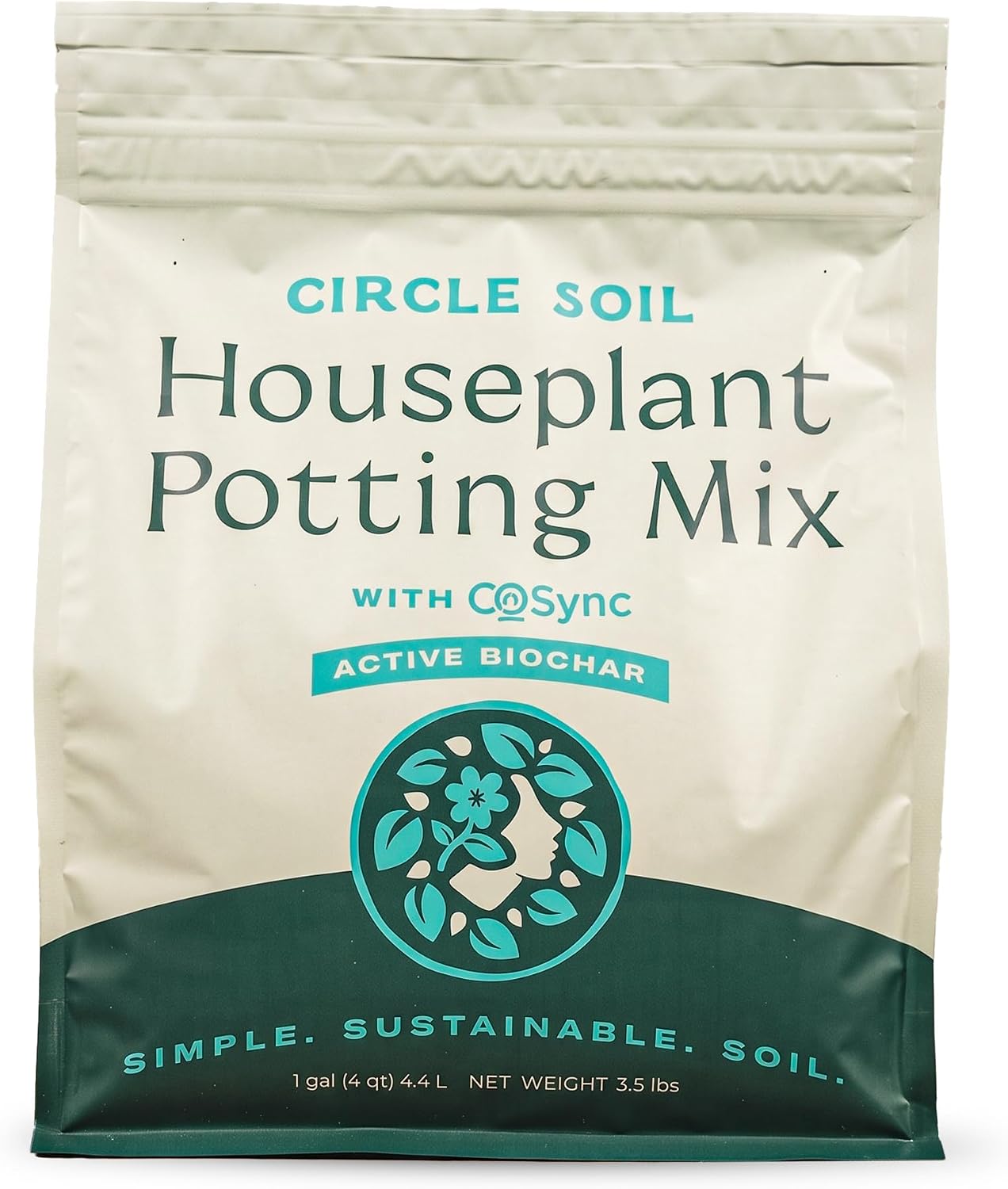
| Unit Count | 56 Ounce |
|---|---|
| Item Highlight | Active Biochar, Worm Castings, Expanded Shale, Peat-Free, Organic, for Indoor Plants and Herbs |
| Brand Name | circle soil |
| Number of Packs | 1 |
This peat-free houseplant potting mix is built around active biochar, coconut coir and expanded shale to give a light, well-aerated medium that holds moisture without waterlogging. Typical uses include repotting potted herbs and common houseplants or topping up container soil for more even moisture retention. Notable features are the biochar that helps retain nutrients and support microbial life, worm castings and local compost for organic feeding, and expanded shale for natural drainage. In practice the mix should reduce the risk of root rot and encourage healthy root development by balancing air and water in small pots. Because it is designed for everyday indoor use, gardeners will appreciate the resealable packaging and the peat-free composition if they prefer sustainable ingredients. Limitations are that the bag is a modest 4 quart size, so frequent purchases are likely for multiple or larger containers, and gardeners needing a gritty, fast-draining cactus mix or a heavy-duty outdoor planting soil will want a different formula.
Best for: Gardeners who prioritize consistent, reliable results for potted herbs and common indoor plants and prefer sustainable, peat-free mixes for routine repotting and container care.
Less Ideal for: Growers who need large volumes of soil for outdoor beds or a very gritty, cactus-specific mix for drought-tolerant plants should consider other products.
- Peat-free formula with active biochar to improve nutrient retention and microbial activity
- Balanced aeration and drainage from expanded shale and coconut coir to prevent waterlogging
- Contains organic amendments like worm castings and compost for gentle, ongoing nutrition
- Resealable packaging helps keep the small bag usable between repottings
- Small 4 quart unit requires buying multiple bags for more than a few pots
- Not formulated specifically for succulents or heavy outdoor soils so drainage profile is moderate rather than very fast
Verdict: Choose this peat-free, biochar-enriched potting mix when you want a reliable, sustainable medium that keeps potted cilantro and other herbs evenly moist without soggy roots.
Miracle-Gro Organic Indoor Potting Mix, 16 qt.

| Volume | 1 cubic feet |
|---|---|
| Style Name | Indoor |
| Item Highlight | Protects Against Over & Under Watering |
| OMRI Listed | Yes |
Miracle-Gro Organic Indoor Potting Mix is a ready-to-use organic blend designed for houseplants, seedlings, and container herbs. It combines coir for air space and moisture retention, sphagnum peat moss to hold and release water, and a quick-start natural fertilizer so young plants get an initial nutrient boost. Typical use is filling pots or seed trays with a drain hole, transplanting by loosening the root ball and topping up with fresh mix, or starting seeds in shallow trays and keeping them moist until germination. Practical benefits for herb growers include improved moisture regulation that helps prevent both waterlogging and rapid drying, and organic certification for those avoiding synthetic inputs. The bag claims one 16 qt. package fills a 12-inch container, which fits small- to medium-sized herb pots. Limitations are the modest volume per bag for users with multiple pots and the inclusion of peat, which some growers try to avoid for sustainability reasons. Also, plants that need very fast-draining media, such as certain succulents, may need a different blend or added grit.
Best for: Buyers who want an easy, organic potting mix for growing kitchen herbs and houseplants and who prioritize proven formulations and user guidance over sourcing bulk soil.
Less Ideal for: People looking to pot large numbers of containers at once or gardeners who prefer a peat-free, fast-draining custom mix should consider larger bags or alternative blends.
- OMRI listed and made with organic ingredients suited to organic indoor gardening
- Blend of coir and sphagnum peat moss balances aeration and moisture retention
- Includes quick-start natural fertilizer to feed plants during establishment
- Formulated specifically for indoor containers and seed starting
- 16 qt. bag provides limited coverage if you have several herb pots
- Contains peat which some gardeners avoid for environmental reasons
Verdict: A convenient OMRI-listed indoor potting mix that helps regulate moisture and gives seedlings and container herbs a reliable, organic start.
Back to the Roots Premium Organic Potting Mix, 6 Quart

| Unit Count | 192 Fluid Ounces |
|---|---|
| Volume | 6 quarts |
| Item Highlight | Peat-free potting soil for outdoor plants, indoor plants, vegetables, herbs and flowers |
| Made in | USA |
Back to the Roots Premium Organic Potting Mix is a small-batch, all-purpose soil designed for indoor and outdoor container plants, including flowers, herbs, and vegetables. The 6 quart bag contains a peat-free blend made from upcycled plant matter and wood fines, with added organic plant food, yucca extract to help retain and regulate moisture, and dolomitic limestone to stabilize pH. In practice this mix is easy to use straight from the bag for potting annuals and bedding plants or for refreshing topsoil in containers. Its light, well-draining texture helps roots establish without becoming waterlogged while still holding enough moisture for frequent flowering plants. Because it is organic and made in the USA, it suits growers who want a lower-carbon-footprint option. Limitations are the small bag size for larger projects and that very heavy feeders or long-term container plantings may need periodic fertilization or larger volumes of soil to maintain vigor.
Best for: Buyers who want a safe, organic, ready-to-use potting mix for potted flowers and small container gardens and prefer products with predictable performance and lower environmental impact.
Less Ideal for: Gardeners planning large-scale repotting, heavy-feeding perennials, or long-term container plantings that require bulk soil or extended nutrient release.
- Peat-free organic formula made from upcycled plant matter and wood fines
- Includes yucca extract for improved moisture retention and control
- Dolomitic limestone added to help balance soil pH for flowering plants
- Light, well-draining texture suitable for container-grown flowers and annuals
- Small 6 quart bag is not economical for large pots or multiple containers
- Does not include slow-release fertilizer strong enough for long-term heavy feeders
Verdict: A reliable, peat-free organic potting mix that delivers predictable moisture control and pH balance for potted flowers and small container gardens.
Choosing the Right Compost for Herbs in Pots: Key Factors to Consider
Drainage and Aeration
In pots, roots can suffocate quickly if the compost compacts or holds too much water. Good drainage means the mix drains excess water rapidly while keeping enough air in the pore spaces for root respiration. Look for composts with coarse components such as horticultural grit, perlite, or coarse bark that maintain structure. A free-draining blend reduces root rot risk and supports more frequent, shallow watering routines common with herbs in smaller containers.
Drainage also affects fertilizer behavior and microbial activity. Overly tight mixes can lock nutrients away and slow down beneficial microbial processes. For container herbs, you want a mix that stays loose for months, not one that compresses after a single season.
Moisture Retention Balance
Herbs vary in water needs, but most container herbs benefit from a compost that holds moisture without becoming waterlogged. Components like coir or well-composted organic matter improve water-holding capacity while still releasing moisture between waterings. Avoid mixes that are either too thirsty, which lead to constant wetness, or too dry, which force daily watering.
Consider where your pots sit. Sunny, wind-exposed balconies need mixes with slightly higher moisture retention. Sheltered indoor windowsills may require a drainier blend. The goal is a predictable drying cycle so you can water on a schedule that fits your routine.
Nutrient Profile and Release
Container herbs rely on the compost for most of their nutrients, so the initial nutrient load and how those nutrients release over time matter. A modest baseline of available nutrients paired with slow-release organic sources keeps herbs healthy without overfeeding, which can reduce essential oil concentration and flavor.
Look for composts that include a balanced, low-to-moderate nutrient level and organic slow-release amendments. Avoid excessively high-nitrogen mixes that encourage leafy growth at the expense of flavor. Steady, predictable nutrient release reduces the need for frequent feeding and protects delicate potted root systems from fertilizer burn.
Texture Stability Over Time
Some composts break down quickly in pots, losing structure and causing compaction that reduces aeration and drainage. Texture stability means the mix retains its crumbly, open character through multiple seasons or until you repot. Ingredients like coarse bark, stable composted wood, and inert aggregates help maintain this structure.
Stable texture also influences repotting frequency. A stable compost lets you reuse potting mix or keep herbs in the same container longer before refreshing the top layer. For gardeners who prefer low-maintenance containers, stability is a key long-term factor.
Suitability for Edible Use and Ingredient Clarity
Herbs are edible, so the compost should contain safe, well-composted materials. Ingredient transparency from manufacturers lets you avoid questionable additives and ensures no persistent contaminants are present. Composts labeled as suitable for edibles or that list clearly composted organic inputs are preferable.
Also consider whether the mix contains peat, coir, or other materials that fit your sustainability priorities. Clear ingredient lists make it easier to judge whether the blend aligns with indoor air quality concerns and organic growing preferences.
Bag Size and Pot Compatibility
Compost sold in different bag sizes affects handling and waste. Small bags are easier to lift and suitable for balcony gardeners or apartment growers, while larger bags suit those repotting many containers. Bag size influences freshness as well: once opened, compost exposed to air can dry or compact.
Consider how much you will pot. Matching bag size to project scope reduces leftover material sitting in a garage. Also think about the physical size of the particles in the compost relative to the pot dimensions; very coarse mixes work well in larger pots but may not be appropriate for tiny herb cups.
Matching Compost Texture to Herb Types
Different herbs prefer different root environments. Mediterranean herbs such as rosemary, thyme, and oregano usually do better in leaner, rockier mixes that mimic their native soils, while basil and parsley thrive in richer, more moisture-retentive composts. Match the texture to the herb's natural habit to support flavor and vigor.
When planting mixed containers, aim for a middle-ground blend that provides moderate drainage with enough organic content to feed the hungriest plant. Alternatively, plant herbs with similar moisture needs together so one mix serves them all effectively.
- Lean, gritty mixes for drought-tolerant Mediterranean herbs
- Richer, moisture-holding mixes for tender, leafy herbs
- Use intermediate blends for mixed pots or group herbs by water needs
Amendments That Improve Pot Performance
Simple amendments can transform a general-purpose compost into an outstanding container mix. Coarse grit or horticultural sand improves drainage in heavy mixes, while perlite and pumice boost aeration without adding nutrients. Compost tea or diluted organic fertilizer provides a quick nutrient top-up without disrupting pot balance.
Organic slow-release amendments such as well-composted poultry manure or rock phosphate supply longer-term nutrients. Use these sparingly in small pots to avoid salt buildup and flush containers periodically with fresh water to prevent accumulation.
- Grit and sand for drainage
- Perlite or pumice for aeration
- Moderate slow-release organic amendments for steady feeding
Repotting and Refreshing Container Compost
Herbs in pots benefit from periodic refreshes. Top-dressing with a thin layer of fresh compost each season replenishes nutrients and improves soil structure without uprooting plants. Full repotting is usually needed every one to three years depending on pot size and the herb's growth rate.
When repotting, loosen the old root ball and replace a portion of the old compost with fresh mix to preserve beneficial microbes while restoring texture and fertility. Avoid repeatedly using the exact same exhausted mix without amendment.
- Top-dress annually with a thin compost layer
- Repot small containers every 1 to 2 years; larger pots less often
- Blend old and new compost to preserve soil life
Watering Rhythm and Compost Choice
The compost you choose affects how often you water. Fast-draining mixes dry out quickly and suit gardeners who prefer frequent, light watering or live in humid climates. Moisture-retaining blends reduce watering frequency but require careful drainage management to avoid root diseases.
Establish a watering rhythm after potting by checking moisture at root level rather than relying on surface dryness. Adjust the compost choice if your schedule or microclimate makes consistent moisture difficult to maintain.
- Drainier mixes for frequent watering routines
- Moisture-holding mixes for less frequent watering
- Check moisture at depth to guide watering decisions
Sustainability and Peat Alternatives
Many gardeners now prefer peat-free or reduced-peat composts for environmental reasons. Peat alternatives like coir, composted bark, and green waste blends can perform well in pots when balanced for drainage and moisture retention. Assess these mixes the same way you would any compost: by particle size, nutrient behavior, and stability.
Choosing sustainable ingredients is a tradeoff with water retention and nutrient content in some cases. If you opt for peat alternatives, look for mixes that include additional water-holding components or amend coarser mixes with retenive materials to achieve the desired balance.
- Consider coir and composted bark as peat alternatives
- Adjust amendments to offset differences in water retention
- Sustainable mixes may require small tweaks for optimal container use
How We Chose the Best Compost for Herbs in Pots
We selected composts that suit confined root volumes, frequent watering cycles, and the nutrient needs of culinary and medicinal herbs. Editorial filters prioritized mixes formulated or commonly used for container plants, with attention to particle size, moisture control, and nutrient release patterns. We favored composts with stable organic matter sources and avoided products designed primarily for in-ground soil building that are too heavy or slow to break down in pots. Concrete evaluation criteria included drainage and air porosity, moisture-holding capacity, nutrient profile and slow-release behavior, and texture stability over time. We also considered ingredient transparency and suitability for edible plants. Exclusions covered raw garden composts that require further curing, mixes with unclear contents, and heavy, clay-rich formulations unsuitable for containers. The final list reflects products likely to perform reliably across common container sizes and indoor/outdoor herb-growing situations.
FAQ
How often should I feed herbs potted in compost?
Usually every 4 to 8 weeks with a light liquid feed or a small dose of slow-release organic fertilizer. Frequency depends on the compost's initial nutrient level and how quickly herbs use nutrients in small pots.
Can I use garden compost for herbs in pots?
Garden compost can work if it is well-rotted and loose, but it is often too heavy or fine for containers. Mix garden compost with coarse material to improve drainage and aeration before using it in pots.
Is peat-based compost better for herbs in pots?
Peat holds water well and can make mixing easier, but peat-free alternatives like coir and composted bark perform similarly when balanced correctly. The key is matching water retention to your watering routine and herb types.
How do I prevent my potted herbs from becoming waterlogged?
Use a free-draining compost with coarse components, ensure pots have drainage holes, and avoid sitting containers in trays of standing water. Water deeply but infrequently and check moisture at root level before rewatering.
Can I reuse potting compost from one season to the next?
You can reuse it if you refresh the top layer and mix in fresh compost or amendment to restore nutrients and structure. Over time the mix will break down and compact, so full replacement is sometimes necessary.
Final Verdict
Choose a compost that fits the water and nutrient needs of the herbs you grow and the space where your pots sit. Prioritize drainage and texture stability for long-term container health, and balance moisture retention so you do not overwater or stress plants. Consider ingredient transparency and pot size when selecting bag sizes or amendments. The right compost simplifies watering and feeding, reduces repotting frequency, and helps herbs develop strong flavors and reliable growth. Focus on the tradeoffs between drainage and moisture retention to pick the best mix for your container herb garden.
