

Note: This article contains affiliate links. If you click on these links and make a purchase, I may earn a small commission at no extra cost to you. This helps support my research and content. Read my full affiliate disclosure here.
If you are planning to overseed patches or renovate a tired lawn, the right compost makes a measurable difference in germination, seedling vigor, and moisture retention. Compost for overseeding lawn is typically finer and more uniform than general garden compost so it helps seed make firm contact with mineral soil and retains moisture without smothering delicate seedlings. This guide covers five shortlisted compost options chosen for real lawn repair needs and explains the practical criteria used to evaluate them. Read on to understand the textures, nutrient profiles, and handling traits that matter when you are overseeding.
Top Picks at a Glance
| Best Overall The best all-around choice for most situations | Coast of Maine Monhegan Blend Organic Topsoil (1 cu ft) |  |
| Best Quality Built to a higher standard if you want something more solid | Espoma Organic Mushroom Compost Blend, 0.75 cu ft |  |
| Best Budget The cheapest option that still gets the job done reliably | Gantessa Stone Premium Organic Compost, 2 lb |  |
| Highest Rated A top-rated pick with lots of positive feedback | Brut Organic Worm Castings, 5 lb |  |
| Most Popular A crowd favorite that many people choose with confidence | R&M Organics Cow Manure Compost Soil Amendment (10 lb) |  |
Coast of Maine Monhegan Blend Organic Topsoil (1 cu ft)
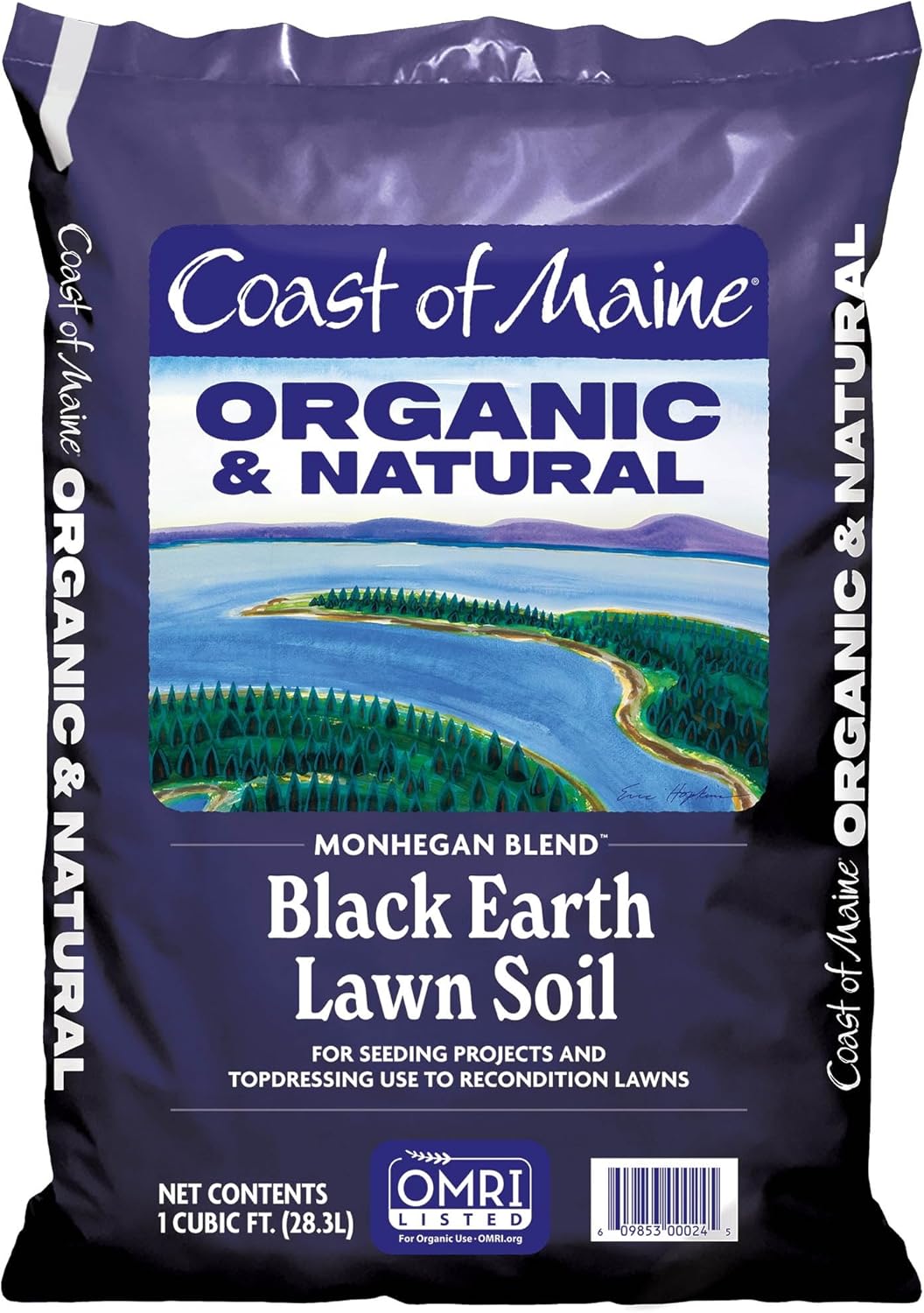
| Unit Count | 1 Count |
|---|---|
| Volume | 1 cubic feet |
| Main Ingredients | Composted farm manures, sphagnum peat moss, aged bark |
| Made in | United States |
Coast of Maine Monhegan Blend is an organic topsoil formulated from composted farm manures, sphagnum peat moss, and aged bark that works well for reconditioning lawns and filling thin or bare patches. Typical use is as a topdressing or spot repair material: spread a thin layer over the turf or bare area, water it in, and allow grass to grow through. Notable features include OMRI listing for organic gardening, a fine texture that makes it easy to spread by hand or with a rake, and ingredients that improve moisture retention and soil structure to support root development and beneficial microbes. In practice this means fewer amendments are needed to establish seed or strengthen weakened turf and it is light enough to use in raised beds and containers as well. Limitations to note are the small 1 cu ft bag size, which requires many bags for large lawns, and the peat content, which some gardeners avoid for sustainability reasons. Also handle with care to avoid inhaling fine particles.
Best for: Gardeners who prioritize a reliable, organic soil amendment for repairing lawns and improving thin turf and who prefer ready-to-use topdressing that supports soil biology.
Less Ideal for: People who need to cover large lawn areas with a single purchase or who want a peat-free or bulk delivery soil option.
- OMRI-listed organic formula suitable for organic lawns
- Fine, easy-to-spread texture ideal for topdressing and patching
- Blend of composted manures, peat moss, and aged bark improves moisture retention and soil structure
- Supports beneficial microorganisms that aid turf recovery
- Small 1 cubic foot bag means multiple bags are needed for larger lawns
- Contains peat moss, which some gardeners avoid for environmental reasons
Verdict: Choose this OMRI-listed topsoil when you want a dependable organic blend for reliable lawn patching and topdressing.
Espoma Organic Mushroom Compost Blend, 0.75 cu ft

| Item Form | Solid |
|---|---|
| Specific Uses For Product | Plant Growth, Soil Conditioning |
| Application Method | Mix or rototill into soil |
| Target Species | flowers, vegetables, trees, shrubs |
| Liquid Volume | 0.75 cubic feet |
Espoma Organic Mushroom Compost Blend is a ready-to-use soil conditioner formulated from mushroom compost and aged forest products. It is typically mixed or rototilled into existing soil at planting or during lawn renovation to improve structure and organic content. Notable features include its organic composition, a recommended mixing ratio (60:40), and guidance to incorporate to a depth of 4 to 6 inches. For St. Augustine grass, this product will help increase soil organic matter, improve water retention and drainage in compacted clay or sandy soils, and feed the rootzone over time. Because it comes in a compact 0.75 cubic foot bag, it is easy to apply to small to medium areas but requires many bags to cover larger lawns. The compost is solid and intended as a conditioner rather than a quick-release fertilizer, so expect gradual improvement in soil health rather than immediate greening. Use during renovation or topdressing mixed into the top few inches for best results.
Best for: Homeowners renovating or topdressing St. Augustine lawns who prioritize improving soil health and long-term turf performance through organic amendments.
Less Ideal for: People looking for an immediate, high-nitrogen turf fertilizer or those needing large-volume bulk compost for extensive acreage.
- Organic blend of mushroom compost and aged forest products improves long-term soil structure
- Instructions and mixing ratio (60:40) provided for consistent incorporation
- Suitable for a range of plants including turf, vegetables, trees and shrubs
- Small 0.75 cubic foot bag means multiple bags are needed for whole-yard applications
Verdict: Use this organic mushroom compost blend when you want a soil-first approach to improve St. Augustine turf quality over time.
Gantessa Stone Premium Organic Compost, 2 lb
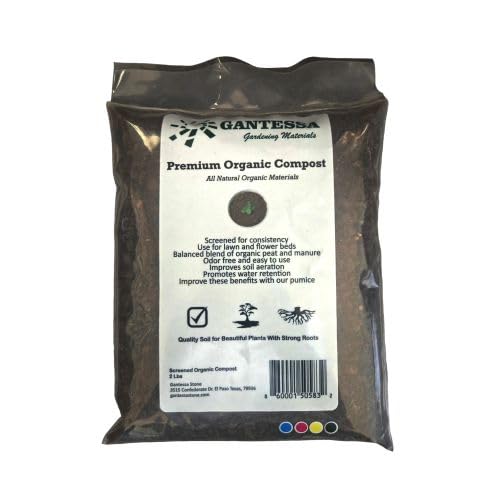
| Item Form | Solid |
|---|---|
| Application Method | Soil Amendment, Top Dressing, Compost Tea |
| Coverage | Medium |
| Target Species | flowers, vegetables, herbs, and more |
| Unit Count | 32 Ounce |
This 2 lb bag of Gantessa Stone premium organic compost is a screened, manure-based amendment meant to boost soil structure and moisture retention in small vegetable garden beds or containers. Typical uses are mixing into potting mixes at the recommended 1:2 ratio, top-dressing established beds, or brewing compost tea. The product emphasizes improved porosity and water holding capacity and supplies a range of organic nutrients and beneficial microbes rather than concentrated NPK values. Because it is screened and sold in a compact unit, it is handy for hobby gardeners, balcony growers, and patch repairs where hauling large bags is impractical. Limitations are the small unit size and lack of guaranteed nutrient analysis, so it is best used to build organic matter rather than as a primary fertilizer for heavy-feeding crops. For larger beds you will need multiple bags or a bulk compost source, but for spot applications and seedling mixes this is a convenient, low-effort option.
Best for: Gardeners working on small vegetable beds, containers, or seedlings who want an easy-to-use organic amendment without hauling bulk compost.
Less Ideal for: Large-scale vegetable gardeners or those who need a measured fertilizer program for heavy-feeding crops should choose bulk compost or a product with a guaranteed nutrient analysis.
- Screened organic compost improves soil structure and water retention
- Suitable for multiple application methods: soil amendment, top dressing, or compost tea
- Compact 2 lb bag is convenient for container gardeners and small repairs
- Small 2 lb unit requires buying multiple bags for larger vegetable beds
- No detailed NPK or guaranteed nutrient analysis provided
Verdict: A handy screened organic compost for small vegetable gardens and containers when you want to quickly add organic matter without buying bulk.
Brut Organic Worm Castings, 5 lb

| Item Form | Granules |
|---|---|
| Specific Uses For Product | Gardening,Organic |
| Target Species | All plants |
| Mixing Ratio | 1:5 |
Brut Organic Worm Castings function as a concentrated, natural soil amendment you mix into potting mixes or top-dress garden beds and raised beds. Typical use is mixing at the recommended 1:5 ratio for new indoor plants, sprinkling a cup around established houseplants, or working into outdoor planting holes and beds according to the brand directions. The product is OMRI/CDFA listed and produced in controlled conditions, which supports consistent nutrient content and beneficial microbial life that help roots establish, improve soil structure, and increase moisture retention without burning plants. Practical benefits for raised garden beds include improved aeration, slow-release nutrients, and a boost in microbial activity that supports long-term fertility. Limitations are that it is not a complete NPK fertilizer for immediate heavy feeding needs and larger beds require significant quantities to hit the suggested per-square-foot rates, so frequent applications or bulk purchases may be needed for big projects.
Best for: Gardeners who prioritize dependable, organic soil improvement for raised beds and container gardens and prefer predictable, low-risk amendments that support long-term soil health.
Less Ideal for: Those needing immediate, high-NPK feeding for heavy-feeding crops or gardeners who want to amend very large beds without buying supplemental bulk material.
- Certified organic and produced indoors for consistent purity
- Rich in beneficial microbes that improve soil structure and plant vigor
- Easy-to-use granular form suitable for mixing or top-dressing
- Not a standalone high-NPK fertilizer for rapid nutrient correction
- Five-pound bag may be small for large raised beds and repeated seasonal use
Verdict: Use this OMRI/CDFA-listed worm castings product to reliably build long-term fertility and microbial health in raised beds and containers.
R&M Organics Cow Manure Compost Soil Amendment (10 lb)

| Item Form | Solid |
|---|---|
| Specific Uses For Product | Organic |
| Application Method | Apply a thin layer around plants or mix into soil |
| Coverage | All-purpose |
| Target Species | fruits, vegetables, flowers, lawns, trees |
This 10 lb bag of R&M Organics compost is a straightforward, all-purpose soil amendment aimed at improving soil health in garden beds, containers, and raised beds. Made from cured cow manure and fully composted, it is low-odor and easy to work with — apply a thin quarter-inch layer around established plants or mix into planting soil at the recommended 5:1 ratio for new beds. The compost enhances moisture retention, aeration, and organic matter, which helps roots establish and reduces watering frequency. Its small bag size and modest weight make it convenient for small to medium projects and for gardeners who prefer incremental soil improvements. Because the product is pure compost rather than a balanced fertilizer, it is best used as a long-term soil builder rather than a quick nutrient fix; you may still need targeted fertilizers for heavy-feeding vegetables or to correct specific nutrient deficiencies. The simplicity and low odor make it a practical choice for backyard growers who want a reliable organic amendment without handling fresh manure or bulk deliveries.
Best for: Gardeners who prefer incremental, low-effort soil improvement for beds and containers and who prioritize organic, low-odor amendments for everyday maintenance.
Less Ideal for: Large-scale gardeners or landscapers who need bulk amendments or immediate corrective fertilizers for specific nutrient deficiencies should look for bulk compost or formulated plant foods.
- Fully composted cow manure reduces pathogens and minimizes odor compared with raw manure
- Improves soil structure and moisture retention for beds, containers, and raised beds
- Small 10 lb bag is easy to carry, store, and apply for small to medium gardens
- Versatile all-purpose amendment suitable for fruits, vegetables, flowers, lawns, and trees
- Not a formulated fertilizer so it may not supply immediately available nutrients for heavy feeders
- Bag size is small for larger beds or bulk soil rebuilding projects
Verdict: A convenient, low-odor organic compost that steadily improves soil structure and moisture retention for small to medium garden beds.
Choosing the Right Compost for Overseeding Lawn: Key Factors to Consider
Particle Size and Texture
Particle size controls seed-to-soil contact and the ability of tiny grass seed to lodge in the top layer. Finer, crumbly compost helps seeds sit close to mineral soil without being buried, which improves germination rates. Coarse compost with large wood fragments or sticks can create air gaps that dry out seed or prevent root anchorage.
Texture also affects how the compost spreads at the thin depths used for overseeding. A uniform, sifted texture is easier to distribute in a thin, even layer and reduces the need for additional raking. Consider whether the compost is marketed as screened or topdressing grade if you plan to spread it lightly over existing turf.
Nutrient Balance for Seedlings
New grass seedlings need an accessible supply of nitrogen, phosphorus, and potassium in modest amounts to support early root and leaf growth. Compost that is too rich, particularly in soluble salts or fresh manures, can stress or burn delicate seedlings. Conversely, inert or completely finished compost with very low available nutrients may not give seedlings an early boost.
Look for compost described as balanced or suitable for turf establishment. The timing and release profile of nutrients matters: readily available nitrogen in small doses supports green-up without encouraging excessive top growth before roots establish. Avoid mixes intended as heavy amendments for vegetable beds that are formulated to feed larger, mature plants.
Moisture Retention and Drainage
Successful overseeding depends on keeping seed moist without creating standing water. Compost that holds moisture helps maintain a consistently damp seedbed between waterings, promoting steady germination. At the same time, good drainage prevents waterlogging that can suffocate seeds and encourage disease.
Balance is key: organic matter that is very sponge-like can help in sandy soils, while looser blends prevent puddling on compacted clay. Consider your lawn's typical conditions and whether the compost's water-holding capacity will correct a dryness problem or worsen drainage issues.
Cleanliness and Contamination Control
Weed seeds, persistent weed fragments, and plant pathogens in compost can undo the benefits of overseeding by introducing competition or diseases at the vulnerable seedling stage. Compost intended for topdressing and overseeding is usually screened and monitored to reduce these contaminants.
Purchase compost that states it is screened or certified free of noxious weed seeds when possible. Even then, inspect the product for visible undecomposed material. For sensitive projects, consider using compost derived from well-managed sources and finished to a temperature profile that reduces pathogens.
Ease of Application and Handling
Overseeding requires applying a thin, even layer across potentially large areas. Compost that is dusty, clumpy, or contains large pieces will be harder to distribute and may require additional raking or screening on-site. Lightweight, free-flowing compost is easier to broadcast by hand or with a spreader and to work into the turf surface.
Also consider bagged versus bulk delivery based on the size of the job. Bagged compost can be more convenient for small yards and produces less mess, while bulk delivery usually offers better value for larger areas but needs equipment or extra labor to spread evenly.
Consistency and Batch Quality
Consistent texture and nutrient content between bags or deliveries matters when you need even results across a lawn. Variability can lead to patches that germinate at different rates or areas that dry out faster. Suppliers that demonstrate consistent screening and composting practices reduce this risk.
If you plan staged overseeding over several months or across multiple shipments, prioritize sources that can guarantee batch uniformity or offer a single larger delivery to avoid variability.
Preparing the Lawn Surface
A well-prepared seedbed is the easiest way to make compost effective. Mow the lawn slightly lower than usual and remove thatch where it blocks seed contact. Lightly scarify or aerate compacted areas so the compost and seed can embed into the soil surface rather than sitting on top.
Spread compost in a thin, even layer and then work it gently into the turf with a rake or drag mat. The goal is to improve contact without burying seeds deeply. After seeding and topdressing, press the mix down lightly by walking over the area or using a roller to ensure good contact between seed, compost, and mineral soil.
- Mow and remove clippings before overseeding
- Scarify or core-aerate high-traffic or compacted spots
- Apply compost thinly to avoid smothering seed
- Lightly press the surface after seeding for firm contact
Timing Overseeding and Compost Application
Timing matters for both seed type and climate. For cool-season grasses, early fall is often the most forgiving window because soil remains warm and daytime temperatures moderate, reducing transplant shock. Warm-season grasses usually respond best when soil temperatures are warm and nighttime temperatures are settled.
Apply compost right after broadcasting seed so seeds do not dry out and a protective layer is present. Avoid overseeding right before heavy rain unless drainage is good, because heavy runoff can wash seed away or concentrate compost in low spots.
- Match timing to grass species and local climate
- Topdress immediately after seeding for moisture protection
- Avoid heavy rainfall windows when possible
Watering Practices After Overseeding
Consistent shallow watering encourages surface germination without dislodging seed. Water lightly several times per day in the first one to two weeks, adjusting frequency as seedlings emerge. As roots develop, reduce frequency and increase depth to promote deeper root systems.
Use a sprinkler that gives even coverage and avoid strong jets that can move seed. Monitor for surface crusting and break it gently with a rake if it forms to allow seedlings to emerge.
- Start with frequent, shallow waterings and transition to deeper, less frequent irrigation
- Adjust schedule for weather and soil type
- Repair crusted areas to aid emergence
Topdressing Depths and Techniques
For overseeding, aim for a topdressing depth of roughly one eighth to one quarter inch. This is enough to protect seed and retain moisture while still allowing light and air exchange. Deeper applications risk burying seed too deeply and delaying or preventing emergence.
Techniques vary from hand scattering small amounts for patch repairs to using a spreader for larger areas. After spreading, feather edges so the new material blends with existing turf and avoid creating ridges that concentrate water.
- Target thin, uniform layers for even germination
- Feather edges to avoid visible lines
- Use rakes or mat drags to achieve even distribution
Matching Compost to Lawn Problems
Different lawns have different needs. For sandy, drought-prone turf, choose compost with higher water-holding capacity to help seedlings through dry spells. In compacted clay soils, a lighter, well-structured compost can improve drainage and root penetration without exacerbating puddling.
If weeds are a persistent problem, prioritize screened, clean compost to avoid adding new seed burdens. For nutrient-poor lawns, select compost with modest available nutrients rather than heavy fertilizer blends that push immature plants into excessive top growth at the expense of root development.
- Use higher water-holding compost for sandy soils
- Choose well-structured blends for clay or compacted lawns
- Pick screened, low-contamination compost where weeds are an issue
How We Chose the Best Compost for Overseeding Lawn
We focused on features that directly affect overseeding success rather than general garden uses. Important evaluation criteria included particle size and texture for seed-to-soil contact, nutrient balance that supports seedlings without burning seed, moisture retention and drainage to sustain germination, and contamination control to avoid weed seeds or pathogens. We also considered application readiness, meaning how easy the compost is to spread and incorporate at the thin topdressing depths used for overseeding. Durability of supply and consistent batch quality were additional editorial filters because variable compost can give inconsistent results across a lawn. Products were excluded if they were primarily mulches or heavy-amendment composts intended for raised beds, or if they contained visible large wood chunks unsuitable for light topdressing. We avoided mixes targeted only at houseplants or slow-release turf fertilizers that would not provide the immediate seed-friendly conditions overseeding requires. The chosen dimensions reflect what a practical homeowner or landscaper needs to get seed established reliably across seasonal conditions.
FAQ
Can I use any garden compost for overseeding a lawn?
Often garden compost will work, but not all are ideal. Compost intended for beds may be too coarse or contain fresh materials that stress seedlings. For overseeding, choose a screened, finer-textured compost finished to reduce soluble salts and contaminants.
How thick should the compost layer be when overseeding?
Aim for a very thin layer, roughly one eighth to one quarter inch. That depth protects seed and retains moisture without burying it too deep. Thicker layers can delay or prevent emergence.
When is the best time to overseed with compost?
It depends on grass type and climate. Cool-season grasses often establish best in early fall, while warm-season grasses benefit from warm soil temperatures later in the season. Plan so seedlings get moderate temperatures and steady moisture during early establishment.
Will compost introduce weeds into my lawn?
It can if the compost is not well screened or fully finished. Choose compost labeled as screened or produced to minimize weed seed content. Inspect material visually and avoid products with visible undecomposed plant fragments.
Do I need to fertilize after overseeding with compost?
That often depends on the compost's nutrient profile. Many topdressing composts provide modest available nutrients, but very low-nutrient composts may benefit from a starter fertilizer designed for new lawns. Avoid high-salt or high-nitrogen products that can harm seedlings.
Final Verdict
Prioritize compost that delivers fine texture, modest available nutrients, and low contamination when overseeding a lawn. The right balance of particle size, moisture management, and cleanliness increases germination and encourages even turf establishment. Decide based on your soil type, watering ability, and how thinly you can apply the material. With consistent application and proper aftercare, a topdressing compost tailored for overseeding will improve seed-to-soil contact and help new grass develop stronger roots.
