

Note: This article contains affiliate links. If you click on these links and make a purchase, I may earn a small commission at no extra cost to you. This helps support my research and content. Read my full affiliate disclosure here.
If you have a sunny patio, balcony, or rooftop, choosing the right container plants makes the difference between a thriving display and a group of scorched pots. Plants that handle long hours of direct sun need different traits than plants for shade: heat tolerance, efficient water use, and foliage or bloom structures that resist sun scorch. This guide highlights seven top container plants for full sun suitable for mixed pots, single-specimen showpieces, and small-space vegetable or herb containers. Each pick in this roundup was shortlisted for reliable sun performance and easy maintenance. We evaluate candidates on drought tolerance, seasonal color, growth habit, and how well they perform in confined soil volumes to help you pick the best fit for your sunny site.
Top Picks at a Glance
| Best Overall The best all-around choice for most situations | Purple Verbena Live Plant (8–12 in), Perennial Flower |  |
| Best Quality Built to a higher standard if you want something more solid | Proven Winners Purple Pillar Rose of Sharon (2 Gal.) |  |
| Best Value The sweet spot between price and what you get | Blue Russian Sage (Salvia) Live Perennial Plant — 12–18" Pot |  |
| Best Budget The cheapest option that still gets the job done reliably | Seed Needs Nasturtium Seeds Variety Pack — Jewel Blend & Double Gleam |  |
| Highest Rated A top-rated pick with lots of positive feedback | ELLA'S HOMES Lantana Live Plants (2-Pack) |  |
| Most Popular A crowd favorite that many people choose with confidence | Green Promise Farms Rudbeckia fulgida 'Goldsturm' (Black-Eyed Susan) live perennial |  |
| Best Seller A high-volume bestseller chosen again and again | UIOTER Yellow Bougainvillea Live Plants (3 Count) |  |
Purple Verbena Live Plant (8–12 in), Perennial Flower

| Indoor Outdoor Usage | Indoor, Outdoor |
|---|---|
| Expected Blooming Period | Summer to Fall |
| Sunlight Exposure | Full Sun |
| USDA Hardiness Zone | 7-10 |
| Moisture Needs | Moderate Watering |
This purple verbena is a compact, long-blooming perennial well suited to sunny containers and garden beds. Sold as a single live plant about 8–12 inches tall, it produces tight clusters of small purple flowers from summer into fall when given full sun and well-draining soil. It is low maintenance and typically used in mixed containers, window boxes, or as a massed border to provide continuous color without much fuss. Practical benefits include its extended bloom period, suitability for indoor or outdoor placement when bright light is available, and moderate watering needs that make it forgiving for average gardeners. Expect modest vertical growth but a good flowering display rather than showy single blooms. Limitations are that it performs best in USDA zones 7–10, needs full sun to flower reliably, and will require regular deadheading or light maintenance to maximize bloom time in a container setting.
Best for: Gardeners who want an easy-care, long-blooming plant for sunny containers or borders and prefer steady seasonal color without intensive upkeep.
Less Ideal for: People seeking plants for shade or gardeners in colder hardiness zones who need fully hardy perennials for winter survival.
- Long bloom period from summer into fall for sustained color
- Compact habit that fits well in containers and mixed plantings
- Low maintenance with moderate water needs
- Performs best in full sun, which suits sunny patios and balconies
- Best suited to USDA zones 7–10, so may not overwinter in colder climates
- Requires full sun to achieve reliable flowering
Verdict: A compact, low-maintenance full-sun perennial ideal for adding long-lasting purple color to sunny containers and patios.
Proven Winners Purple Pillar Rose of Sharon (2 Gal.)

| Expected Blooming Period | Spring to Fall |
|---|---|
| Sunlight Exposure | Full sun to partial shade |
| USDA Hardiness Zone | 5, 6, 7, 8, 9 |
| Moisture Needs | Regular Watering |
The Proven Winners Purple Pillar is a narrow, column-form rose of Sharon designed to deliver lots of purple blooms while taking up minimal horizontal space, which makes it a strong choice for containers on sunny patios. In typical use you plant it in a large container or at the edge of a planting bed in spring, provide regular watering and full sun to partial shade, and fertilize in early spring to encourage heavy summer through fall blooming. Notable features include its upright pillar habit that reaches tall heights without a wide spread, suitability for USDA zones 5 through 9, and low-maintenance care instructions such as mulching and routine watering. Practical benefits for container gardeners are eye-catching vertical color without crowding small terraces, easy placement to frame doors or entrances, and straightforward seasonal care. Important limitations are its potential to reach substantial height, which means you will need a deep, stable container and occasional pruning to keep the plant proportionate in a confined space, and it prefers sandy, well-draining soil so heavy potting mixes may require amendment.
Best for: Gardeners who want a high-impact flowering shrub for sunny containers or narrow spots and prioritize strong seasonal blooms with low routine care.
Less Ideal for: Those seeking a compact, low-stature perennial for very small pots or indoor use should choose a smaller shrub or true dwarf cultivar instead.
- Columnar habit delivers vertical color without using much horizontal space
- Suitable for full sun to partial shade and blooms spring through fall
- Adapted to USDA zones 5–9 for broad regional hardiness
- Simple care routine: regular watering, mulching, and spring fertilization
- Can grow very tall so requires a deep, stable container and occasional pruning
- Prefers sandy, well-draining soil which may need amendment for heavy potting mixes
Verdict: Choose Purple Pillar when you need a tall, narrow container-friendly hibiscus that delivers long-season purple blooms without taking up much horizontal space.
Blue Russian Sage (Salvia) Live Perennial Plant — 12–18" Pot

| Indoor Outdoor Usage | Indoor |
|---|---|
| Sunlight Exposure | Full Sun |
| USDA Hardiness Zone | 4-10 |
| Soil Type | Well drained soil |
| Moisture Needs | Moderate Watering |
This Blue Russian sage arrives as a 12–18 inch potted perennial intended for sunny outdoor planting in containers, borders, or herb beds. It prefers full sun and well-drained soil, so in practice you will set it in a south- or west-facing container with at least six hours of direct light and a free-draining potting mix. Moderate watering keeps the plant healthy without waterlogging the roots, and its perennial habit means it will return each season in USDA zones 4–10. The plant works well when paired with other heat-tolerant container plants and fits neatly into mixed herb or ornamental pots. Limitations to plan for are basic care requirements: it needs consistent sun exposure and cannot tolerate heavy, poorly drained soils or extended drought without supplemental water. Because this is a living plant, size on arrival and exact bloom timing will vary, and it may need a few weeks to acclimate after transplanting into a new container.
Best for: Buyers who want a low-maintenance, sun-loving perennial for mixed containers or sunny borders and who prioritize reliable seasonal return and straightforward care.
Less Ideal for: Not a good choice for gardeners with predominantly shady outdoor spaces or for those seeking an instant, large specimen plant for dramatic focal points.
- Suitable for full sun containers and patios
- Adapted to a wide range of climates within USDA zones 4–10
- Requires only moderate watering when planted in well-drained soil
- Needs consistent full sun to perform well and may decline in shadier spots
Verdict: An easy-care, sun-loving perennial that reliably performs in full-sun containers and borders for gardeners who want practical, low-fuss plants.
Seed Needs Nasturtium Seeds Variety Pack — Jewel Blend & Double Gleam

| Expected Blooming Period | Summer to Fall |
|---|---|
| Sunlight Exposure | Full Sun |
| Expected Planting Period | Spring |
| USDA Hardiness Zone | 3,4,5,6,7,8,9,10 |
| Material Features | Heirloom |
These Seed Needs nasturtium packets include Jewel Blend and Double Gleam varieties that are easy to start from seed and work very well in full‑sun containers. Jewel Blend forms a compact, mounding plant with 2–3 inch semi‑double blooms ideal for window boxes and edging, while Double Gleam produces showy double flowers that can spill over containers. Both varieties are edible, bringing a peppery salad garnish, and they attract bees and butterflies while helping discourage common pests. They are marketed as heirloom, stored in moisture‑resistant packaging, and intended to be fresh for the coming seasons, which helps germination when sown correctly. Practical benefits for container gardeners include low maintenance needs, suitability for poorer well‑drained soils, and long bloom from summer to first frost. Limitations are that nasturtiums prefer regular but not excessive watering and can become leggy if given too much rich soil or fertilizer, and trailing vigor of some types may require larger or hanging containers to look tidy.
Best for: Budget‑minded container gardeners who want an easy, low‑maintenance annual that provides bright color, edible blooms, and pollinator benefits for full‑sun pots and window boxes.
Less Ideal for: Gardeners seeking formal, long‑lived perennial plantings or those who want strictly tidy, non‑trailing specimens for very small shallow pots.
- Heirloom seeds packaged to preserve freshness and support good germination
- Edible flowers and leaves add culinary use as peppery garnishes
- Attracts pollinators while repelling pests, useful as a companion plant
- Compact mounding habit suits containers, window boxes, and edging
- Some varieties trail widely and may need larger or hanging containers to avoid looking untidy
- Can become leggy in overly rich soil or with inconsistent watering
Verdict: A low‑cost, easy‑to‑grow seed pack that delivers bright, edible nasturtiums ideal for sunny containers and pollinator‑friendly borders.
ELLA'S HOMES Lantana Live Plants (2-Pack)

| Unit Count | 2 Count |
|---|---|
| Plant Type | Perennial Flower Plant |
| Light | Full sun |
These two Lantana plants arrive as well-rooted live specimens sized roughly 5 to 12 inches and are meant for transplanting into containers or garden beds. Lantana is prized for long-lasting, brightly colored flower clusters that thrive in full sun, making these plants a low-effort option for continuous summer color. Typical use is planting each specimen into a sunny container with good drainage or into a sunny border; once established they tolerate heat and drought better than many annuals. The listing highlights that the plants are hardy, low maintenance, and bloom in mixed colors, which simplifies selection when you want quick visual impact. Because these ship as live plants, you should harden them off and check root health at planting time; sizes are variable and blooms are random so you will not know exact colors before planting. These are seasonal perennials that go dormant in winter, so plan them as part of warm-season container displays or mixed summer beds rather than year-round color in cold climates.
Best for: Ideal for gardeners who need dependable, low-effort container plants that provide long-lasting color in hot, sunny spots and prefer resilient perennials over fussy annuals.
Less Ideal for: Not a good choice for gardeners seeking precise flower color control or those needing winter-blooming container plants in cold climates.
- Ready-to-transplant, well-rooted live plants for quick establishment
- Long-blooming, colorful flower clusters that perform in full sun
- Low maintenance and tolerant of heat and periods of drought once established
- Bloom colors are randomized so you cannot choose specific hues
- Plants vary in height which may require selective placement for balanced containers
Verdict: Choose this two-pack of lantana when you want reliable, low-maintenance, heat-tolerant container plants that deliver long-lasting summer color.
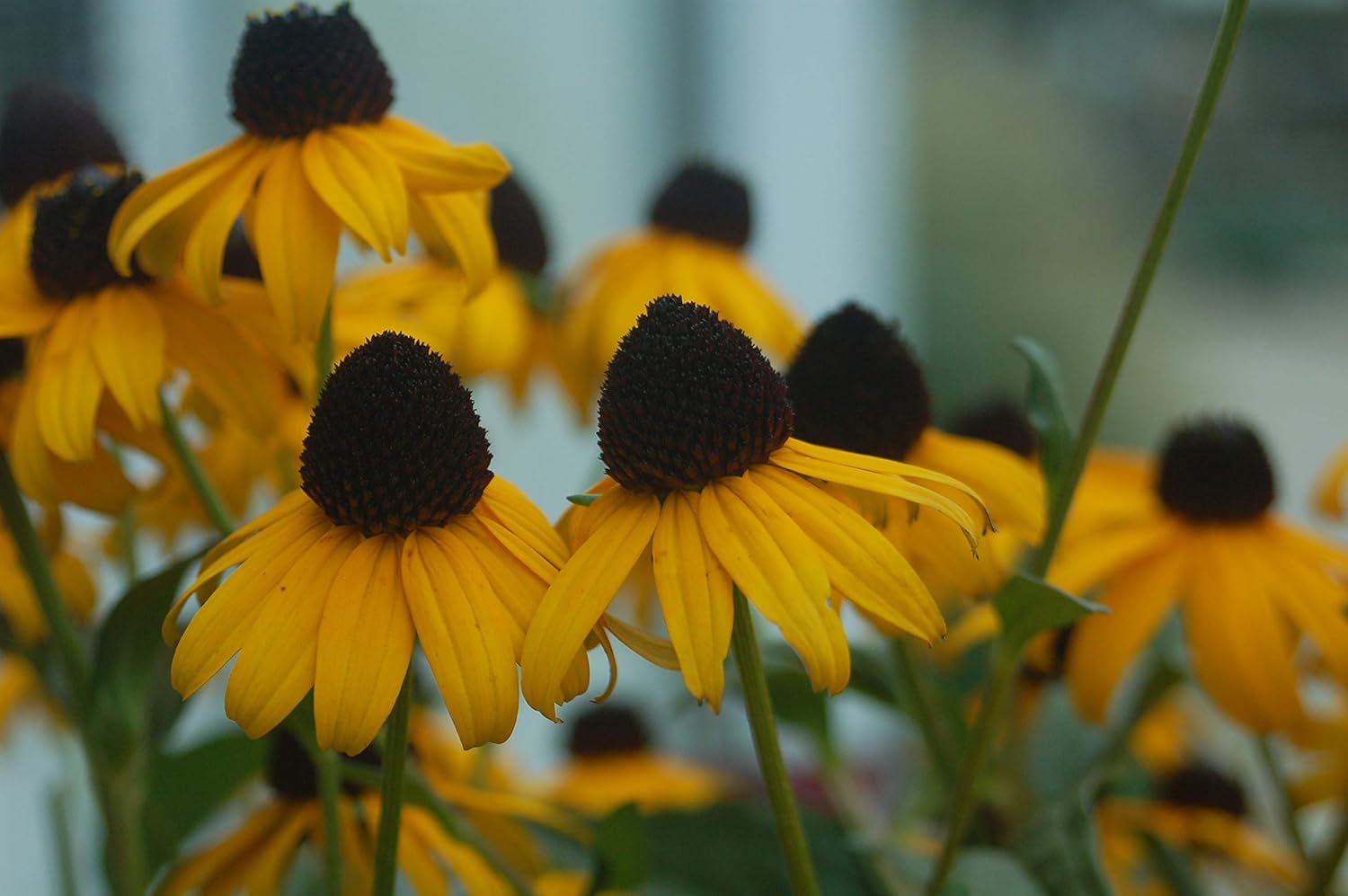
Green Promise Farms Rudbeckia fulgida 'Goldsturm' (Black-Eyed Susan) live perennial
| Expected Blooming Period | Summer to Fall |
|---|---|
| Sunlight Exposure | Full Sun |
| USDA Hardiness Zone | 4 |
| Soil Type | Loam Soil |
| Product Care Instructions | moist soil |
This Rudbeckia fulgida 'Goldsturm' is a classic, easy-care perennial that produces bright golden daisy-like flowers with dark centers from mid summer into fall. Supplied in a #1 container and fully rooted for immediate planting, it is typically used as a sunny border, filler in mixed perennial beds, or in large containers on patios where full sun is available. Notable features include a long bloom period, attractiveness to butterflies and songbirds, and a compact habit that fills space with 3–4 inch blooms above green foliage. In practice it benefits from consistently moist, well-draining loam and performs reliably in USDA zones 4 through 8. Limitations are that it prefers full sun and regular moisture, so it is less suitable for very dry, shady, or small shallow containers that dry out quickly. Also mature width can spread, so allow room or use regular thinning to keep plants looking tidy.
Best for: Buyers who want a reliable, low-fuss flowering plant for sunny containers or borders and prioritize proven garden performance and visible results.
Less Ideal for: Gardeners with only shady sites, very small shallow pots that dry quickly, or those wanting strictly compact, non-spreading specimens.
- Long bloom period from summer into fall for extended color
- Attracts butterflies and songbirds, adding wildlife interest
- Arrives potted and ready to plant, so can be placed immediately
- Hardy to zone 4 and adaptable across a range of temperate climates
- Requires full sun and consistent moisture to perform well
- Can spread to a substantial width and may need thinning in confined spaces
Verdict: A tough, long-blooming sun lover that reliably brings bright late-summer color and wildlife interest to containers and sunny beds.
UIOTER Yellow Bougainvillea Live Plants (3 Count)

| Sunlight Exposure | Full Sun |
|---|---|
| Moisture Needs | Moderate Watering |
| Unit Count | 3 Count |
These three yellow bougainvillea plants are sold as small, ready-to-plant specimens for sunny containers, fences, or trellises. Bougainvillea is a heat- and sun-loving climber that blooms reliably in full sun and requires only moderate watering once established, so you can expect colorful paper-like bracts across the growing season in warm sites. In containers they perform well on a sunny patio if given a support or trained as a trailing specimen, and their drought tolerance after establishment reduces maintenance compared with thirstier annuals. Because these are live plants, variability in size and initial vigor is possible and they need time to settle in before heavy blooming. Also they are best suited to warm climates or summer use in cooler regions since they do not tolerate prolonged cold. For a risk-averse gardener, pick healthy-looking stems and monitor water carefully while roots establish to avoid common early transplant stress.
Best for: Gardeners who want low-maintenance, heat-loving container plants for a sunny patio and prefer reliable seasonal color without daily watering demands.
Less Ideal for: Growers in cool climates without a warm-season window or those seeking an immediate, full mature display right after planting should consider alternatives.
- Adapted to full sun and delivers long blooming displays in warm conditions
- Drought tolerant once established, reducing frequent watering needs
- Versatile use in containers, on trellises, fences, or as trailing plants
- Live plants can vary in size and vigor so initial performance is not guaranteed
- Not suitable for regions with prolonged cold or frost without protection
Verdict: Choose these yellow bougainvillea plants if you need durable, low-water container color for a hot, sunny patio or trellis.
Choosing the Right Container Plants for Full Sun: Key Factors to Consider
Drought Tolerance and Water Needs
Containers heat up and dry out much faster than in-ground beds, so drought tolerance is a top priority. Look for plants that can survive periods of limited moisture without dropping leaves or losing blooms. Tolerance varies by species: some will go semi-dormant and recover after watering, while others will suffer irreversible leaf or flower loss.
Understanding a plant's water rhythm helps you size pots and set a watering schedule. Deep-rooted or succulent-type plants need less frequent attention, while fine-rooted ornamentals may require daily checks in summer. Combining drought-tolerant plants or using water-retentive media reduces watering frequency and improves reliability for busy gardeners.
Heat and Sunlight Physiology
Full sun exposes leaves and blooms to intense light and elevated temperatures, which changes how plants transpire and allocate energy. Plants suited to full sun typically have adaptations such as smaller or thicker leaves, a reflective leaf surface, or growth patterns that minimize direct heat load on sensitive tissues.
Pick plants whose physiological traits match the microclimate of your site. South- and west-facing exposures are hotter and may require only the most heat-hardy selections. Consider midday shade from nearby structures when planning mixed containers so that more sensitive species are placed where they get relief.
Size, Growth Habit, and Root Volume
Containers limit root volume, so choose plants with growth habits compatible with the pot size you plan to use. Compact, clumping, or trailing varieties often perform best in small to medium containers because they do not demand large root systems. Upright, aggressive-rooted plants can quickly become pot-bound and need frequent repotting.
Estimate mature width and height before planting and plan for regular pruning when necessary. Using the correct pot depth and diameter for the species reduces stress, improves watering efficiency, and prolongs the time between repotting cycles.
Seasonal Flowering and Visual Interest
For ornamental containers, seasonal bloom length and repeat flowering determine how long a pot remains decorative. Some sun-loving plants bloom heavily for a few weeks, while others provide prolonged color across months. Combining plants with staggered bloom periods ensures continuous interest.
Also consider textural contrast and foliage color as part of the visual plan. Plants that retain attractive leaves when not in bloom keep containers looking good through heat-waves or after flowering finishes.
Soil, Fertility, and Nutrient Use in Pots
Container media drains differently than garden soil and holds less reserve nutrients. Plants that tolerate variable soil moisture and modest fertility levels are better suited to full-sun containers. Heavy feeders may show deficiencies quickly unless you commit to regular feeding.
Choose potting mixes formulated for containers and match fertilizer schedules to the plant's growth rate. Slow-release fertilizers and periodic liquid feeds help maintain bloom production in high-light conditions when growth can be rapid.
Pest and Disease Resilience in Sunny Sites
High light and heat change pest and disease pressure. Some fungal pathogens decline in hot, dry conditions while certain insects become more active. Plants with thicker leaves or strong natural defenses resist chewing and sap-sucking pests better in exposed sites.
Regular inspection and good hygiene, such as removing spent blooms and avoiding overhead watering late in the day, reduce problems. Choosing species known for resilience in sun-exposed containers minimizes time spent treating pests and keeps displays healthy.
Designing Sunny Containers
Plan containers with a clear role: a bold centerpiece, a trailing spiller, or a compact filler. Place the sun-tolerant focal plant in the center or back, add contrasting texture with mid-height foliage, and use trailing plants at the edges to soften the pot rim. This classic thriller, filler, spiller approach still works best for sunny displays.
Balance plants by water need and growth rate. Group species with similar irrigation schedules and avoid crowding fast growers with slower ones. Use lighter colored or reflective containers to reduce root-zone heat where possible.
- Match pot size to expected mature root spread
- Use well-draining potting mix with some water retention elements
- Position taller, heat-tolerant plants to protect more sensitive neighbors from midday glare
Watering Strategies for Hot Containers
Adjust watering frequency as temperatures rise. In full sun, a morning soak that drains well and a light check in late afternoon is often better than hourly surface watering. Water deeply so moisture reaches the whole root ball and encourages deeper root activity.
Mulching the top of the pot with coarse material like gravel or decorative bark reduces surface evaporation and helps keep soil temperatures steadier. Self-watering containers or moisture sensors can reduce guesswork for gardeners who travel or forget daily checks.
- Water in the morning to reduce leaf scorch and evaporative loss
- Check moisture at root level rather than relying on surface dryness
- Consider self-watering pots for long hot spells
Maintenance and Seasonal Care
Prune spent flowers and trim back legginess to encourage new growth and keep containers tidy. Deadheading also directs energy into more blooms for repeat-flowering species. Monitor for signs of heat stress such as leaf browning or early drop and respond with temporary shade or increased watering.
Plan for seasonal changes: even sun-loving plants can benefit from a brief relief period in extreme heat. In late season, reduce feeding as growth slows to avoid weak late growth that could be damaged by heat or autumnal temperature swings.
- Deadhead regularly to prolong bloom periods
- Thin overcrowded stems to improve air circulation
- Repot every 1 to 3 years depending on growth
Combining Edibles and Ornamentals in Sunny Pots
Many herbs and compact vegetables thrive in full sun and make good partners with flowering plants. Choose edibles with similar water and nutrient needs to the ornamentals to avoid conflicting care needs. Herbs with small leaves often tolerate heat and pair well with drought-tolerant flowers.
Keep harvest ease in mind: place edible plants at the front or rim of the container for easy access and avoid aggressive rooters next to shallow-rooted herbs.
- Match edible and ornamental water habits
- Place herbs where they are easy to harvest
- Avoid mixing heavy-feeding vegetables with low-nutrient ornamental mixes
Troubleshooting Common Sunny Container Problems
If plants show rapid wilting, check soil for root crowding or compacted media. Frequent surface dryness with soggy lower soil suggests poor drainage or root rot. Adjust media, improve drainage, and reduce watering frequency if necessary.
Leaf scorch, stunted growth, and pale foliage often point to heat stress or nutrient deficiency. Provide temporary afternoon shade for the most affected pots and correct fertility gently with balanced feeds to rebuild vigor.
- Inspect roots if plants decline rapidly after heat waves
- Improve drainage with coarser potting mixes or larger pots
- Use temporary shade cloth during extreme heat waves
How We Chose the Best Container Plants for Full Sun
We focused on traits gardeners can observe or verify before planting and on how plants behave in containers under full-sun exposure. Selection criteria emphasized drought tolerance and heat resilience because direct sun raises pot temperature and increases evaporation. Growth habit and size in containers were included so plants do not quickly outgrow pots or require excessive pruning. Seasonal bloom reliability and color spread matter for ornamental displays, while foliage hardiness helps maintain visual interest between flowering periods. Pest and disease resistance in hot, dry microclimates was considered to reduce maintenance in sun-exposed locations. Soil and nutrient adaptability rounded out the filters since container media differ from garden beds and require plants that perform well in limited root zones. We excluded plants that need frequent shade or significant root space to thrive, as well as species that demand specialized greenhouse conditions. The result is a list of broadly adaptable, sun-loving container plants that suit typical patios, balconies, and urban gardens. The scoring criteria used reflect these priorities: drought tolerance, container growth habit, seasonal color, foliage resilience, and pest resistance.
FAQ
How often should I water containers in full sun?
It usually depends on pot size, soil mix, and weather. In hot summer sun many small to medium pots need daily watering; larger or moisture-retentive mixes may be every other day. Check moisture at root level rather than relying on surface dryness.
Can I use regular garden soil in sun-exposed containers?
Regular garden soil is not recommended because it compacts and drains poorly in containers. Use a quality potting mix that balances drainage and water retention to protect roots from heating and drying out.
What should I do if leaves get sunscald?
Provide temporary afternoon shade and ensure plants are well watered to reduce stress. Prune badly damaged foliage and consider relocating sensitive specimens to a less intense exposure.
Are there fertilizer differences for sun containers?
High light often drives faster growth, so regular feeding during the growing season helps maintain blooms. Use slow-release granules at planting and supplement with periodic liquid feeds for heavy bloomers.
How do I stop containers from overheating on very hot days?
Use larger pots, light-colored containers, and mulch the surface to reduce heat gain. Move pots to locations with afternoon shade when possible and increase watering frequency briefly during heat waves.
Final Verdict
Choose container plants for full sun by prioritizing drought tolerance, appropriate growth habit for the pot, and consistent seasonal color. Balance visual goals with practical care needs such as watering rhythm, fertilizer routine, and pruning requirements. Expect tradeoffs: the most heat-tolerant plants may be less showy, while high-impact bloomers may need more feeding and water. Final selection should match your available sunlight, container size, and how much maintenance you want to commit to.
