

Note: This article contains affiliate links. If you click on these links and make a purchase, I may earn a small commission at no extra cost to you. This helps support my research and content. Read my full affiliate disclosure here.
Picking the right soil for pots changes how well vegetables, annuals, houseplants, and patio shrubs grow in containers. The wrong mix can hold too much water, lose nutrients fast, or compact and choke roots. This guide presents the top container soil choices we shortlisted for patio and small-space gardening, and explains the practical tradeoffs you should expect when potting up. We evaluated mixes for drainage, water retention, nutrient balance, and how they behave over a growing season. Read on to see which features matter most for your plants and growing setup, followed by clear buying factors that make choosing between mixes easier.
Top Picks at a Glance
| Best Overall The best all-around choice for most situations | Miracle-Gro Potting Mix, 16 qt. |  |
| Best Quality Built to a higher standard if you want something more solid | FoxFarm Ocean Forest Potting Soil, 12 qt |  |
| Best Value The sweet spot between price and what you get | Miracle-Gro Potting Mix, 16 qt. (2-Pack) |  |
| Best Budget The cheapest option that still gets the job done reliably | Miracle-Gro Organic Outdoor Potting Mix, 16 qt. |  |
| Highest Rated A top-rated pick with lots of positive feedback | KXUPOIAV Premium Potting Mix with Mycorrhizae, Compressed 2 cu ft Bale (Expands to 4 cu ft) |  |
| Most Popular A crowd favorite that many people choose with confidence | Miracle-Gro Houseplant Potting Mix, 4 qt. |  |
| Best Seller A high-volume bestseller chosen again and again | Back to the Roots Organic Expanding Coco Coir Potting Soil Brick |  |
Miracle-Gro Potting Mix, 16 qt.

| Volume | 16 quarts |
|---|---|
| Feeds up to | 6 months |
| Intended use | Container plants, flowers, vegetables, shrubs, annuals, perennials |
| Guaranteed analysis (N-P-K) | 0.21-0.11-0.16 |
Miracle-Gro Potting Mix is a ready-to-use container soil designed to support flowers, vegetables, shrubs, annuals, and perennials. You use it by filling a drained container about one third full, setting the plant in place, topping up the mix, and watering; one 16 qt. bag typically fills a 12-inch pot. The mix contains peat/coir, perlite for drainage, and a built-in slow-release fertilizer that the manufacturer says feeds up to six months, which makes it convenient for seasonal container plantings. In practice it gives good root anchorage, helps retain moisture without staying waterlogged, and reduces the need for frequent fertilizing for several weeks. Limitations to keep in mind are that it is a general-purpose potting mix rather than a specialty medium for orchids or succulents, and like most bagged mixes it will eventually need replenishing or repotting to avoid compaction and nutrient depletion. For typical patio and balcony container setups this is an easy, reliable choice that simplifies planting and produces strong, well-fed plants without extra feeding for a season.
Best for: Gardeners who want a dependable, low-effort potting mix for patio pots and balcony containers that delivers consistent growth without frequent fertilizing. It suits casual and season-focused growers who prioritize ease and reliable results.
Less Ideal for: Specialist growers needing a tailored medium for orchids, succulents, or bonsai should choose a purpose-made substrate instead. Large-scale growers who prefer to custom-blend their own mixes may find a bagged all-purpose mix limiting.
- Formulated for containers with perlite for improved drainage and airflow
- Includes slow-release fertilizer that feeds up to six months, reducing early-season feeding
- Ready-to-use bag simplifies potting and repotting for common patio plants
- Not formulated for specialty plants like orchids or cacti that need very specific media
- Will compact and lose nutrients over time so annual repotting or fresh mix is recommended
Verdict: A convenient, all-purpose potting mix that delivers dependable drainage and slow-release nutrients for healthy container plants all season.
FoxFarm Ocean Forest Potting Soil, 12 qt

| Item Form | Granules |
|---|---|
| Specific Uses For Product | Dry Fertilizer |
| Coverage | 4.8 sq ft |
| Mixing Ratio | 1:1 |
FoxFarm Ocean Forest is a premixed potting soil intended for use straight from the bag in pots and container beds. It blends aged forest products, sandy loam and sphagnum peat moss for a light, aerated texture that helps water drain while retaining enough moisture for roots. The mix is fortified with organic amendments such as fish meal, crab meal and earthworm castings, so seedlings and transplants get an early nutrient boost and typically do not need additional fertilizer for the first month. Practical benefits include easy planting without pre-mixing, good root aeration for container-grown plants and suitability for both indoor and outdoor pots. Limitations are that it is a bagged premium mix best for repotting and small to medium containers rather than bulk garden beds, and gardeners who prefer precise synthetic nutrient regimens may need to supplement after the initial feeding period. Follow handling safety instructions to avoid skin or eye irritation when working with the product.
Best for: Gardeners who want a high-performance, ready-made potting mix that promotes rapid establishment and strong root growth in containers and houseplants.
Less Ideal for: People needing a low-cost bulk topsoil for in-ground beds or those who require a sterile, inert medium for hydroponic setups.
- Ready to use out of the bag for quick potting and repotting
- Light, aerated texture that improves drainage and root oxygenation
- Contains organic amendments (fish meal, crab meal, earthworm castings) for early nutrient supply
- Suitable for both indoor houseplants and outdoor container gardens
- Not intended as a bulk garden soil replacement for large beds
Verdict: Choose this mix when you want a high-performance, ready-to-use potting soil that jump-starts container plants with good drainage and built-in organic nutrients.
Miracle-Gro Potting Mix, 16 qt. (2-Pack)

| Feeds up to | 6 months |
|---|---|
| Volume per bag | 16 quarts |
| Number of packs | 2 |
| Ingredients | Sphagnum Peat Moss, Perlite, Compost, Fertilizer |
Miracle-Gro Potting Mix is a standard all-purpose blend for outdoor containers, sold as two 16-quart bags. It is designed to be used straight from the bag for planting or repotting flowers, vegetables, herbs and small shrubs. The mix contains sphagnum peat moss, perlite and compost plus fertilizer so it drains well while holding enough moisture to support root growth, and the included feed lasts up to six months. In practice that means fewer early-season feedings and easier maintenance for summer containers and hanging baskets. The bags recommend simple potting steps—use a container with drainage, fill about one third, set the plant and top off—so it is straightforward for quick repots. Limits: it is formulated for containers rather than in-ground beds and will need replenishing or repotting annually to avoid compaction and nutrient depletion. Also it contains peat-based ingredients, which some gardeners prefer to avoid for sustainability reasons.
Best for: Buyers who want a low-effort, reliable potting mix for outdoor containers that reduces how often they need to fertilize and simplifies seasonal repotting.
Less Ideal for: Gardeners focused on amending in-ground soil or those seeking peat-free or fully organic potting media should consider alternatives.
- Formulated for outdoor containers so it works well in pots, hanging baskets and planters
- Includes fertilizer that feeds plants for up to six months reducing early maintenance
- Good drainage with perlite to help prevent root rot in containers
- Ready-to-use blend with clear planting instructions for quick repotting or new plantings
- Not intended for in-ground beds or soil amendment of existing garden beds
- Contains peat moss which may be a concern for gardeners seeking peat-free options
Verdict: A convenient, ready-to-use potting mix that keeps outdoor containers fed and drains well so you can spend less time fertilizing and more time gardening.
Miracle-Gro Organic Outdoor Potting Mix, 16 qt.

| Item Highlight | Plant Soil For Outdoor Container Plants, Contains Quick-Release Natural Fertilizer, OMRI Listed |
|---|---|
| Brand Name | Miracle-Gro |
| Volume | 1 cubic feet |
| Unit Count | 1 Count |
Miracle-Gro Organic Outdoor Potting Mix is a ready-to-use soil blend designed specifically for outdoor container gardening. It fills a typical 12-inch pot and is blended with responsibly sourced peat, upcycled green waste, and a quick-release natural fertilizer that feeds plants for up to two months. In practice you partially fill the pot, loosen the root ball, set the plant and top up with mix, then water thoroughly. The mix is formulated to retain moisture against sun and wind stress common to outdoor pots while providing initial nutrition, which reduces the need for immediate additional feeding. Being OMRI listed makes it suitable for organic container vegetables, herbs, annuals and perennials. Limitations to note are the relatively small 16 qt. bag size for larger projects and that nutrient feeding is short term, so repotting or supplemental feeding every couple of months is recommended for sustained growth.
Best for: Budget-minded gardeners who want an organic, ready-to-use potting mix for outdoor containers and prefer a product that provides initial nutrition and moisture retention without extra blending.
Less Ideal for: People planting large numbers of containers or filling raised beds who need bulk soil or long-term slow-release fertility should look for larger-volume or long-release formulas.
- OMRI listed for organic container gardening
- Contains quick-release natural fertilizer that feeds for up to two months
- Formulated to retain moisture in outdoor pots exposed to sun and wind
- Made with responsibly sourced peat and upcycled green waste
- 16 qt. bag covers only one 12-inch pot so multiple bags are needed for bigger projects
- Fertilizer effect is limited to about two months, requiring repotting or extra feeding afterward
Verdict: A compact, OMRI-listed outdoor potting mix that gives container plants a moisture-holding medium and two months of natural fertilizer, making it a practical choice for small container gardens.
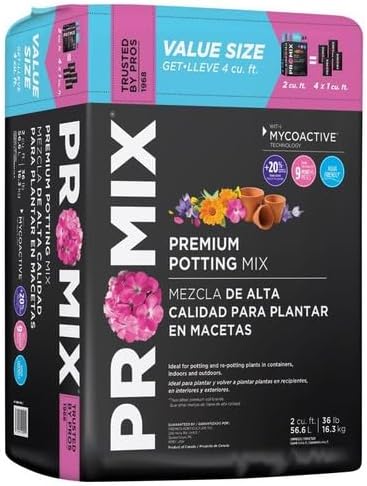
KXUPOIAV Premium Potting Mix with Mycorrhizae, Compressed 2 cu ft Bale (Expands to 4 cu ft)
| Brand Name | KXUPOIAV |
|---|---|
| Number of Packs | 1 |
| Volume | 4 cubic feet |
| Model Number | 0305RG |
This compressed potting mix is designed for container growing and seed starting where consistent moisture and steady nutrition matter. The bale expands from a compressed 2 cu ft to 4 cu ft, making it easy to store and then fluff into pots and containers. It includes mycorrhizae to encourage stronger root systems and a slow-release fertilizer that the manufacturer says feeds up to nine months, which reduces the need for frequent feeding. A polymer water-holding gel helps retain moisture so containers dry out more slowly between waterings. In practice this mix suits busy gardeners who want reliable germination and steadier moisture without constant attention. Limitations to note are that the product description does not list exact nutrient analysis or the specific mycorrhizal strains, and compressed bales require full expansion and mixing before use to avoid dense pockets. For container gardeners prioritizing dependable moisture retention and long-lasting feed, this mix simplifies routine care while supporting vigorous root growth.
Best for: Gardeners who want a low-maintenance container soil that supports steady growth and reduces frequent watering and feeding chores.
Less Ideal for: Growers who need detailed nutrient breakdowns, tailored fertilization schedules, or specific certified organic formulations should consider other mixes.
- Includes mycorrhizae to promote larger, healthier root systems
- Slow-release fertilizer that supplies nutrients for up to nine months
- Polymer gel increases water-holding capacity to reduce watering frequency
- Compressed bale format saves storage space and expands to usable volume
- Nutrient analysis and specific mycorrhizal strains are not specified
- Requires full expansion and loosening before use to avoid compacted areas
Verdict: A convenient, space-saving compressed potting mix that delivers moisture retention and long-lasting fertilizer to keep container plants reliably healthy.
Miracle-Gro Houseplant Potting Mix, 4 qt.

| Unit Count | 128 Ounce |
|---|---|
| Item Highlight | Fertilized, Perlite Soil for Indoor Gardening, Designed to Be Less Prone to Gnats |
| Volume | 5 quarts |
| Ingredients | Perlite; Sphagnum Peat Moss; Fertilizer; Wetting Agent; Coir |
This 4-quart Miracle-Gro Houseplant Potting Mix is set up for repotting common indoor plants like pothos, spider plants, and monstera. It blends perlite, sphagnum peat moss, coir, a wetting agent and a slow-release fertilizer so pots drain well, retain moisture evenly, and supply nutrients for up to six months after planting. The formula omits compost and bark, which helps reduce habitat for fungus gnats, and the added perlite improves aeration around roots — useful for containers with limited airflow. Use it to fill a container with drainage, position the root ball, backfill and water thoroughly; one bag is intended to fill an 8-inch pot. Important limitations: the bag is relatively small for larger collections or big pots, and the mix is designed for general houseplant use so very specialized plants like orchids or succulents may need a different, coarser blend. Also follow safety guidance to keep the product away from children and pets.
Best for: Buyers wanting a reliable, low-maintenance repotting mix for common indoor containers who prioritize plant health and fewer pest issues.
Less Ideal for: Collectors needing large-volume soil for many pots or gardeners growing specialist plants that require custom substrates.
- Pre-fertilized formula that feeds plants for up to six months
- Lightweight aeration from perlite for improved drainage and root health
- Formulated without compost or bark to be less attractive to fungus gnats
- Contains wetting agent and coir to help even moisture distribution
- Small 4-qt bag may not be economical for multiple or large pots
- Not optimized for specialist mixes like orchid bark or fast-draining cactus blends
Verdict: A ready-to-use, pre-fertilized indoor potting mix that makes repotting common houseplants simple while reducing fungus gnat risk.
Back to the Roots Organic Expanding Coco Coir Potting Soil Brick

| Item Highlight | 10 lb compressed coco coir brick; peat-free; OMRI Listed |
|---|---|
| Item Type Name | Coconut Coir |
| Volume | 2 cubic feet |
| Style Name | Expanding Potting Soil |
This compressed coco coir block is designed to expand into light, aerated potting medium when mixed with water, giving roughly 2 cubic feet of usable soil. Typical use is simple: rehydrate the brick, fluff the coir, then use it alone for seed starting or mix it with existing potting mix to improve drainage and water retention in containers. Notable features include OMRI listing for organic use, peat-free coconut coir as the sole ingredient, and compact storage until you are ready to expand it. Practically, it makes handling and storing growing medium easier than heavy bagged soil and reduces mess when preparing multiple pots. For risk-averse gardeners it is pH-balanced and suitable for vegetables, herbs, flowers, and indoor plants. Limitations are that coir is low in nutrients on its own, so you will need to add fertilizer or amend with compost for long-term container planting, and the single compressed block requires time and water to fully rehydrate before planting.
Best for: Gardeners who prefer a tidy, shelf-stable potting medium and want an organic, peat-free base they can easily mix into container soil or use for seed starting.
Less Ideal for: Buyers who want an all-in-one, ready-to-use potting mix with fertilizer built in or who need immediate nutrient-rich soil for heavy-feeding plants.
- Expands to about 2 cubic feet from a compact 10 lb compressed brick for easy storage
- Peat-free, OMRI listed organic coconut coir suitable for organic growing
- Light, airy texture improves drainage and aeration in containers
- pH-balanced and versatile for seed starting, vegetables, herbs, and flowers
- Contains no significant nutrients so plants will need regular feeding or amendment
- Requires soaking and time to fully rehydrate before use
Verdict: A compact, OMRI-listed coconut coir block that expands into a lightweight, peat-free potting medium ideal for tidy container gardening and seed starting.
Choosing the Right Container Soil: Key Factors to Consider
Drainage and Aeration
Good drainage and internal air space prevent root rot and oxygen-starved roots in containers. A container soil that drains quickly but also holds some moisture uses coarse components such as perlite, coarse sand, or pine bark to keep pore space open. Rapid drainage is critical for shallow pots and heat-prone patios where water evaporates quickly and roots need oxygen.
Too-fine textures compact over time and reduce aeration, making repeated wet-dry cycles stressful for plants. When evaluating mixes, look for listed coarse ingredients and guidance on potting depth that preserve air channels and reduce watering frequency problems.
Water Retention Balance
Containers need a mix that holds water long enough between waterings without staying soggy. Water retention elements such as coconut coir, stabilized peat alternatives, or finely shredded bark increase available moisture while reducing how often you must water. The ideal balance depends on pot size and plant type: larger containers buffer drought better, while small pots require mixes with higher water-holding capacity.
Consider how the mix responds when it dries. Some blends repel water after drying and require rewetting techniques. Others rehydrate easily. Think about how frequently you will water and whether you can use self-watering aids or mulch to preserve moisture.
Nutrient Formulation and Longevity
Container soils should supply an initial nutrient reserve and allow predictable feeding schedules. Some mixes include a slow-release fertilizer that feeds for several weeks, which is helpful for busy gardeners or seasonal plantings. Other blends are lightly amended, giving you control to add fertilizer based on plant needs.
Pay attention to whether nutrients are organic, synthetic, or a combination, and how long the manufacturer says the initial charge will last. A stable nutrient profile avoids sudden flushes of growth followed by decline and reduces the risk of salt buildup in small pots.
Organic Matter Content and Breakdown Rate
Organic matter keeps soil alive and improves structure, but it also decomposes. Fast-breaking materials can settle and reduce pore space over a single season, while well-aged, coarser organics maintain structure longer. Choose mixes with a balance of stable organics for structure and finer organics for nutrient release.
Consider how often you want to repot or refresh topsoil. For long-term container plantings, mixes with slower decomposition preserve root health and reduce the need to replace soil frequently.
Salinity and Salt Management
Some pre-mixed soils contain soluble salts from fertilizers or amendments. High salt levels can damage sensitive plants, especially in small pots where salts concentrate quickly. Look for information on salt levels, drainage recommendations, and whether a mix benefits from an initial rinse or a lighter feeding schedule after planting.
Manage salt buildup by flushing containers periodically with ample water and using a balanced feeding plan. For edible containers, avoid mixes with heavy synthetic salt loads or use fresh mixes and a controlled fertilizer regime.
Texture and Particle Size for Container Type
Particle size affects how a mix handles watering, root penetration, and compaction. Coarse particles are better for large planters and plants that need strong root aeration. Finer, more uniform textures suit small indoor pots where you need consistent moisture around fine roots. Choose a texture that matches your pot size and the plants' root habits.
Also consider how easy the soil is to work with when filling many pots. Extremely chunky mixes can be harder to tamp evenly in shallow dishes, while very fines can be dusty and require pre-moistening to avoid mess.
Adjusting Mixes to Your Container Setup
You can adapt a base container soil to better fit specific pots by adding components to shift drainage, water retention, or nutrient content. For example, stir in coarse perlite or horticultural grit to improve aeration in shallow pans, or add a measured amount of coconut coir to increase moisture holding in small indoor pots.
Make incremental changes and test with one pot before altering all your containers. Note how the adjusted mix dries and how plants respond over a few weeks. Small tweaks are often enough to correct common problems without overcomplicating maintenance.
- Add coarse material to boost drainage in heavy mixes
- Mix in coir or compost for extra water retention and nutrition
- Top-dress with fresh mix rather than fully replacing when possible
Rewetting Dried-Out Container Soil
Soil that has completely dried often repels water. To rehydrate, submerge the pot in a tub of water until bubbles stop rising, then let it drain thoroughly. For large or immovable containers, pour water slowly and allow time for absorption, repeating several cycles if needed.
Preventative steps include using mixes that rewet easily, pre-moistening soil before planting, and adding surface mulch to slow evaporation.
- Use soak-and-drain method for small pots
- Slow pours work for large planters
- Consider wetting agents only when mixes are prone to repelling water
Feeding and Fertilizer Timing in Containers
Container soils often start with a baseline nutrient level that diminishes as plants grow. If the mix includes a slow-release fertilizer, plan supplemental feedings later in the season, especially for heavy feeders like vegetables and flowering annuals. Liquid feeds are useful for quick corrections and during peak growth phases.
Monitor plants for signs of deficiency such as pale leaves or reduced flowering and adjust feed frequency accordingly. For edible containers, prefer fertilizers formulated for food crops and follow label guidance for timing and rates.
- Use slow-release at potting for steady early-season supply
- Apply liquid feed during bloom and fruit set for rapid uptake
- Flush occasionally to prevent salt buildup
Storing and Handling Bagged Container Soil
Store unopened bags in a cool, dry place away from direct sun to protect moisture balance and prevent breakdown. Once opened, reseal or transfer to a sealed bin to avoid drying or contamination. Moisture at purchase can indicate a pre-moistened mix, which is convenient for immediate use but needs dry storage to avoid mold growth.
Handle bagged mixes with care to avoid compacting fine materials. When filling pots, fluff the mix and avoid packing it tightly to preserve aeration and drainage properties.
- Keep bags off bare ground to limit moisture transfer
- Use breathable storage for short-term needs, airtight for long-term
- Label opened bags with date and intended use
Common Mistakes to Avoid with Container Soil
Using garden soil or topsoil in pots can lead to poor drainage, compaction, and pests. Also avoid mixes that are too heavy for the pot or plant, which can cause root stress and excess water retention. Over-amending a balanced mix with too much compost can create overly rich conditions that reduce aeration.
Do not ignore particle size and plant needs. Matching mix texture to pot size and intended plants will prevent many common failures in container culture.
- Do not substitute garden loam for container-specific mixes
- Avoid over-fertilizing newly potted plants
- Replace only the top few inches of soil for minor refreshes
How We Chose the Best Container Soil
We focused on practical, gardener-facing performance when shortlisting container soils. Key evaluation criteria included drainage and aeration, water retention, nutrient formulation and stability, organic matter content and breakdown rate, and suitability for specific container situations like small pots or shallow planters. We also checked how mixes perform over a typical season in terms of compaction and rewetting after drying. Packaging and moisture control at purchase were considered when they affected initial handling and storage. Exclusions: we excluded field soils and garden loam not formulated for containers, heavy topsoils, and mixes clearly intended for in-ground beds. We also left out mixes that rely solely on unamended peat or raw mineral soils without amendments to improve drainage or water-holding balance. Applied filters: shortlisted options had to show explicit components that address drainage and water retention, include a nutrient strategy appropriate for container culture, and demonstrate stability against rapid compaction. We prioritized mixes that let gardeners control feeding cadence and water schedule while supporting root health in confined volumes.
FAQ
How often should I replace container soil?
Often it depends on plant type and container size. For long-term containers, refresh or replace the top few inches each season and fully replace compacted mixes every one to three years. Small pots with fast-degrading mixes may need fuller replacement more frequently.
Can I make my own container soil mix?
Yes. Homemade blends allow you to control drainage, organic content, and nutrient charge. Combine a stable coarse organic, a moisture-retentive component, and an aeration medium. Test a small batch first to ensure it rehydrates and drains as expected.
Is coconut coir better than peat for containers?
Coconut coir and peat both hold water but differ in pH and decomposition behavior. Coir is more sustainable and tends to rewet more easily, while peat is very fine and can compact. Either can work if balanced with aeration materials and nutrients.
Should I pre-moisten bagged soil before potting?
Pre-moistening helps reduce dust and ensures even moisture for root contact. If the bagged mix is extremely dry, dampen it slightly before filling pots to avoid settling and improve handling.
How do I reduce salt buildup in container soil?
Flush containers periodically with ample water that runs through drainage holes to leach accumulated salts. Use balanced feeding practices and avoid heavy applications of high-salt fertilizers in small pots.
What texture is best for herbs in small pots?
Herbs in small pots usually prefer a well-draining yet slightly moisture-retentive mix. A medium-fine texture with some coir or compost and a small proportion of grit or perlite provides steady moisture without waterlogging.
Final Verdict
Choose container soil based on how the mix balances drainage, water retention, and nutrient delivery for your pot sizes and plants. Expect tradeoffs: mixes that hold more water reduce watering frequency but may need better aeration, while very free-draining blends need more frequent feeding. Prioritize mixes that match your watering habits and plant types, and consider minor on-the-fly amendments to tailor performance. Ultimately, pick a container soil that minimizes repotting while supporting healthy root growth. Use the factors above to weigh tradeoffs and choose confidently for patio, balcony, or indoor container gardens.
