

Note: This article contains affiliate links. If you click on these links and make a purchase, I may earn a small commission at no extra cost to you. This helps support my research and content. Read my full affiliate disclosure here.
Picking the right cow manure matters because it directly changes soil texture, nutrient availability, and how quickly beds become productive. In vegetable gardens you need a manure that improves tilth without burning young roots or introducing excessive weed seed. This guide presents seven shortlisted cow manure options chosen for their suitability in vegetable plots, with practical notes on nutrient balance, composting state, and weed risk. We evaluate each option against real garden concerns like nutrient content and weed seed presence so you can choose manure that helps your beds produce more reliably.
Top Picks at a Glance
| Best Overall The best all-around choice for most situations | Black Kow Composted Cow Manure, 35 lb Bag |  |
| Best Quality Built to a higher standard if you want something more solid | BACCTO Wholly Cow Compost & Manure, 40 Quart, 2-Pack |  |
| Best Value The sweet spot between price and what you get | Black Kow Composted Cow Manure Fertilizer, 8 qt |  |
| Best Budget The cheapest option that still gets the job done reliably | Home and Country USA Organic Composted Cow Manure (1 Quart) |  |
| Highest Rated A top-rated pick with lots of positive feedback | R&M Organics Cow Manure Compost Soil Amendment (10 lb) |  |
| Most Popular A crowd favorite that many people choose with confidence | BRUT Worm Farms Cow Compost — 10 Quart Bag |  |
| Best Seller A high-volume bestseller chosen again and again | Garden Magic Michigan Peat Compost & Manure Blend, 40 lb |  |
Black Kow Composted Cow Manure, 35 lb Bag

| Item Form | Granules |
|---|---|
| Specific Uses For Product | Organic |
| Coverage | Medium |
| Target Species | Plants, Houseplants, Vegetables |
| Mixing Ratio | 0.5-0.5-0.5 |
Black Kow Composted Cow Manure is a ready-to-use organic soil amendment that supplies slow-release nutrients and improves soil texture. Gardeners typically work it into topsoil or use it as a side dressing on lawns and planting beds; the product can also be used as a planting medium for tomatoes by cutting and planting directly in the bag. Notable features include a mild 0.5-0.5-0.5 nutrient analysis that will not burn roots and a granulated, composted form that increases moisture retention in sandy soils and improves aeration in clay soils. Practical benefits for lawns are better water-holding capacity, improved soil structure, and a steady nutrient supply that reduces the need for frequent feeding. Limitations are that the nutrient analysis is very low compared with concentrated fertilizers, so it is more of a long-term soil builder than a quick lawn green-up solution, and the bagged format means you will need to handle and spread multiple bags for larger lawns. The package also includes handling guidance and cautions to avoid direct ingestion and contact with skin or eyes.
Best for: Homeowners who want an inexpensive, low-risk way to build soil health over time and improve lawn soil structure rather than seeking immediate greening.
Less Ideal for: People needing a fast, high-nitrogen lawn boost or landscapers covering large turf acreage who prefer concentrated fertilizers or bulk delivery options.
- Organic, composted material that improves soil structure and aeration
- Slow-release 0.5-0.5-0.5 nutrient profile that will not burn roots
- Granular, bagged form is easy to spread or incorporate into topsoil
- Helps increase moisture retention in sandy soils and loosens compacted clay soils
- Low nutrient concentration so it is not a quick fix for nitrogen-deficient lawns
- Bag handling required for covering large lawn areas
Verdict: Choose Black Kow if you want an affordable, organic compost that steadily improves lawn soil structure and moisture retention over time.
BACCTO Wholly Cow Compost & Manure, 40 Quart, 2-Pack

| Unit Count | 2 Count |
|---|---|
| Volume | 40 quarts |
| Item Highlight | For Soil Amendment, Lawn Care, Vegetable Beds, Raised Planting Areas, Flowers, Shrubs, Trees & Enriching Existing Ground |
BACCTO Wholly Cow is a screened composted cow manure blended with peat designed for soil amendment in vegetable beds, raised planters, and lawns. You apply it as a top-dress or mix it into existing soil to boost organic matter and nutrient content; its screened texture makes it easy to work into beds without large clumps. The product emphasizes moisture retention, which helps reduce watering frequency and supports root health during dry spells. Because it is composted and described as odor-free, it is suitable for close-to-home gardening and raised boxes. The 40-quart bags are convenient for small to medium plots, and the screened consistency means less hand sorting and simpler seeding or transplanting. Limitations are that nutrient analysis is not provided on the listing, so heavier feeders may still need targeted fertilizers, and quantity per bag makes this more of a supplement than a wholesale soil replacement for large gardens.
Best for: Gardeners who want a ready-to-use, screened organic amendment to boost soil structure and moisture retention in vegetable beds and raised planters.
Less Ideal for: Large-scale growers or those needing precise fertilizer formulations should choose bulk compost or amendments with known nutrient analyses instead.
- Screened, uniform texture that is easy to mix into garden beds and raised planters
- Composted manure plus peat increases organic matter and supports soil structure
- Described as odor-free, suitable for use near living areas and raised beds
- Helps retain moisture so plants need less frequent watering
- Convenient 40-quart bag size for targeted amendments and top-dressing
- No guaranteed nutrient analysis or N-P-K values provided on the listing
- Volume per bag is modest, so multiple bags are needed for larger vegetable plots
Verdict: A convenient, screened composted cow manure blend that improves soil organic matter and moisture retention for productive vegetable beds and raised planters.
Black Kow Composted Cow Manure Fertilizer, 8 qt

| Item Form | Granules |
|---|---|
| Unit Count | 256 Fluid Ounces |
| Included Components | Cow Manure |
| Mixing Ratio | 1:1 |
Black Kow composted cow manure is a ready-to-use organic soil amendment formulated to improve moisture retention, aeration, and nutrient availability in planting areas. Gardeners typically mix it into raised bed soil before planting or use it as a top dressing and it can also be brewed into compost tea using the 1:1 mixing ratio supplied. The product is granular and contains beneficial microbes that help convert nitrogen into plant-available forms, so it feeds slowly without burning young roots. Practical benefits for raised vegetable beds include better water-holding in sandy mixes and improved crumb structure in heavier soils, which helps root development and reduces nutrient leaching. Important limitations are that nutrient content is not given as an N-P-K analysis and dosing is less precise than bagged balanced fertilizers, so heavy feeders may still need supplemental fertilizers. The safety notes mean you should handle with gloves and a mask and avoid direct contact with edible harvests immediately after fresh application.
Best for: Home gardeners building or refreshing raised vegetable beds who want an affordable, organic soil conditioner to improve texture, water retention, and microbial activity.
Less Ideal for: Gardeners who need a precise, high-analysis fertilizer program for heavy-feeding crops or who prefer fully screened, potting-grade composts for container vegetables.
- Organic composted manure improves soil structure and moisture retention
- Contains beneficial microbes that help make nutrients available to plants
- Versatile use as soil amendment, top dressing, or compost tea ingredient
- Granular form is easy to mix into raised bed mixes and garden soil
- No detailed N-P-K nutrient breakdown provided for precise feeding
- May require supplementary fertilizer for heavy-feeding vegetables
Verdict: A budget-friendly organic soil amendment that improves structure and moisture retention in raised vegetable beds while supplying slow-release nutrients.
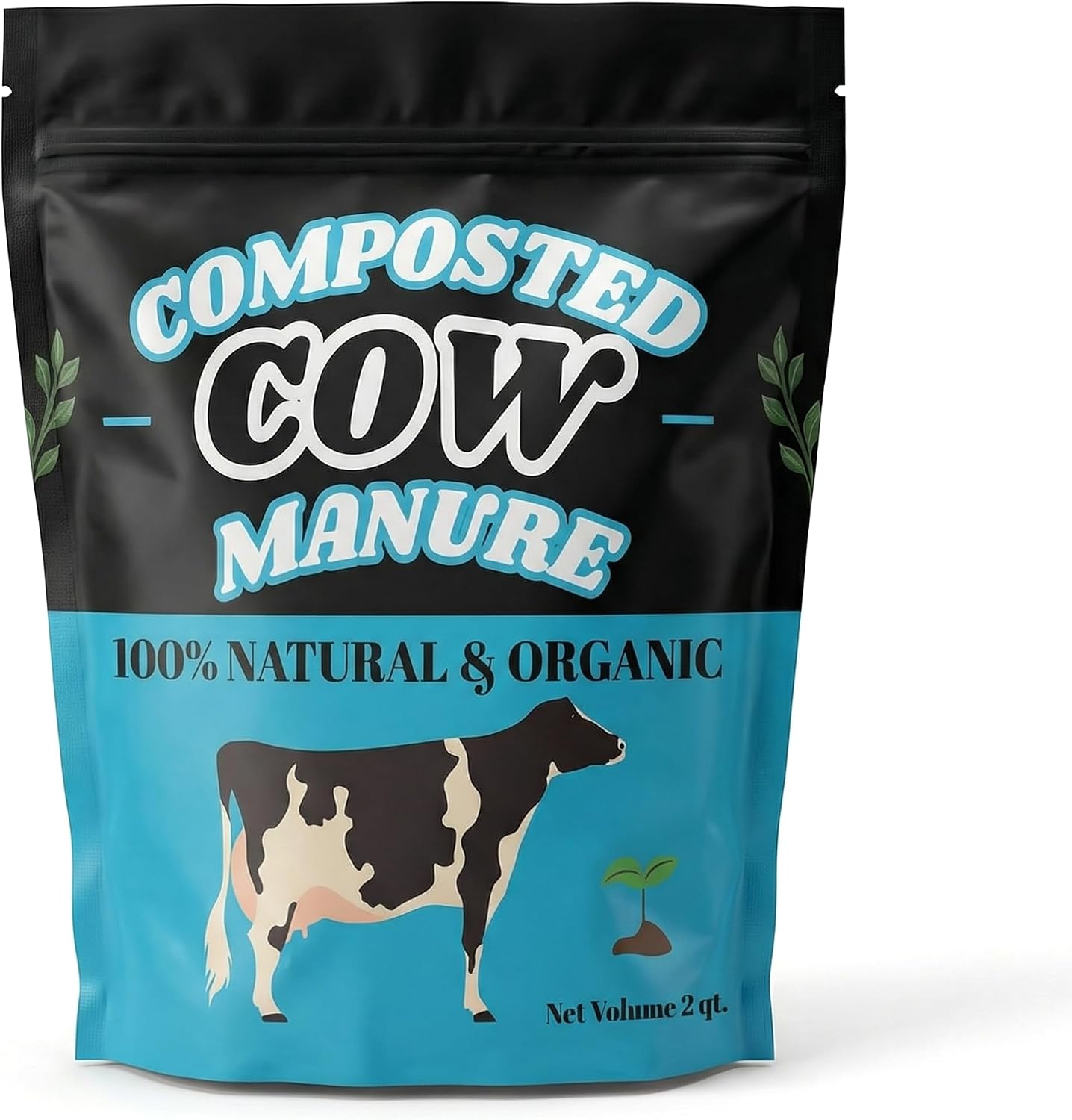
Home and Country USA Organic Composted Cow Manure (1 Quart)
| Item Form | Liquid |
|---|---|
| Application Method | Incorporate into soil |
| Target Species | vegetables, flowers, shrubs |
| Liquid Volume | 1 quarts |
| Mixing Ratio | 1:10 |
This 1-quart organic composted cow manure is a concentrated liquid fertilizer designed to be mixed and incorporated into garden soil. Typical use is blending the product at the recommended 1:10 ratio and applying it to raised beds, vegetable plots, potted plants or around shrubs to boost soil fertility and water retention. Notable features include an organic formulation from U.S. farms, a liquid form that makes even application and quick integration into soil, and guidance for full garden coverage. Practical benefits are faster distribution than bulky bagged manure, suitability for small-plot gardeners who want organic inputs, and an easy mixing ratio for dilute feeding. Limitations are the small container size, which means you will need multiple bottles for larger beds, and the liquid form may require more frequent applications than slow-release amendments. It is most useful as part of a regular feeding routine or to quickly refresh potted soils rather than as a sole long-term soil builder.
Best for: Gardeners working with small beds, containers or raised planters who want an easy-to-apply organic feed on a budget and prefer quick soil refreshes.
Less Ideal for: Large-scale vegetable growers or those seeking a single-product soil-building amendment for extensive beds should consider bulk compost or bagged manure instead.
- Certified organic composted manure sourced from U.S. farms
- Liquid form mixes easily with water for even application
- Targets vegetables, flowers and shrubs so it is versatile for garden beds and containers
- Small 1-quart volume requires multiple purchases for medium to large gardens
- Liquid feed works faster but does not provide long-term bulk organic matter
Verdict: A convenient, wallet-friendly organic liquid manure for quickly boosting soil fertility in small beds and containers.
R&M Organics Cow Manure Compost Soil Amendment (10 lb)

| Item Form | Solid |
|---|---|
| Specific Uses For Product | Organic |
| Application Method | Apply a thin layer around plants or mix into soil |
| Coverage | All-purpose |
| Target Species | fruits, vegetables, flowers, lawns, trees |
This 10 lb bag of R&M Organics compost is a straightforward, all-purpose soil amendment aimed at improving soil health in garden beds, containers, and raised beds. Made from cured cow manure and fully composted, it is low-odor and easy to work with — apply a thin quarter-inch layer around established plants or mix into planting soil at the recommended 5:1 ratio for new beds. The compost enhances moisture retention, aeration, and organic matter, which helps roots establish and reduces watering frequency. Its small bag size and modest weight make it convenient for small to medium projects and for gardeners who prefer incremental soil improvements. Because the product is pure compost rather than a balanced fertilizer, it is best used as a long-term soil builder rather than a quick nutrient fix; you may still need targeted fertilizers for heavy-feeding vegetables or to correct specific nutrient deficiencies. The simplicity and low odor make it a practical choice for backyard growers who want a reliable organic amendment without handling fresh manure or bulk deliveries.
Best for: Gardeners who prefer incremental, low-effort soil improvement for beds and containers and who prioritize organic, low-odor amendments for everyday maintenance.
Less Ideal for: Large-scale gardeners or landscapers who need bulk amendments or immediate corrective fertilizers for specific nutrient deficiencies should look for bulk compost or formulated plant foods.
- Fully composted cow manure reduces pathogens and minimizes odor compared with raw manure
- Improves soil structure and moisture retention for beds, containers, and raised beds
- Small 10 lb bag is easy to carry, store, and apply for small to medium gardens
- Versatile all-purpose amendment suitable for fruits, vegetables, flowers, lawns, and trees
- Not a formulated fertilizer so it may not supply immediately available nutrients for heavy feeders
- Bag size is small for larger beds or bulk soil rebuilding projects
Verdict: A convenient, low-odor organic compost that steadily improves soil structure and moisture retention for small to medium garden beds.
BRUT Worm Farms Cow Compost — 10 Quart Bag

| Unit Count | 192 Ounce |
|---|---|
| Volume | 10 quarts |
| Brand Name | BRUT WORM FARMS |
| UPC | 860000284295 |
Brut Cow Compost is a ready‑to‑use bagged cow manure compost aimed at improving soil fertility and structure. It is made from 100% composted cow manure that has been finely sifted, which makes it easy to mix into potting mixes, top‑dress containers, or incorporate into garden beds. Notable features include an OMRI listing for organic use, a nutrient profile with nitrogen, calcium and iron, and a low‑odor, non‑burning formula that is safe around seedlings and houseplants. In practice the compost increases microbial activity and helps retain moisture, so plants show healthier foliage and better growth when used regularly. The 10 quart bag is convenient for small gardens, potted plants, or spot treatments without handling bulk loads. Limitations are the modest volume per bag for larger beds and the product is a general amendment rather than a complete, balanced fertilizer, so heavier feeding or specific NPK management may still be needed for high‑demand crops.
Best for: Gardeners who want an easy, certified organic soil amendment to boost soil life and moisture retention in containers, small beds, or targeted spots without handling raw manure.
Less Ideal for: People establishing large garden plots or those seeking a complete NPK fertilizer for heavy feeding crops should consider bulk compost or supplemental fertilizers instead.
- OMRI‑listed organic compost safe for edible and ornamental plants
- Finely sifted, low‑odor formula suitable for indoor use and seedlings
- Adds organic matter and beneficial microbes to improve moisture retention and soil structure
- Versatile application as top dressing, mix‑in amendment, or container soil enhancer
- Small 10 quart volume requires multiple bags for larger garden projects
- Not formulated as a balanced complete fertilizer for high‑demand crops
Verdict: A compact, OMRI‑listed bag of finely composted cow manure that reliably adds organic matter and microbial life to containers and small garden beds.
Garden Magic Michigan Peat Compost & Manure Blend, 40 lb

| Unit Count | 640 Ounce |
|---|---|
| Included Components | Michigan Peat – 5240 – 40lb |
| Item Type Name | Manure |
| Manufacturer | Michigan Peat |
This 40 lb Garden Magic Michigan Peat Compost & Manure Blend is a pre-mixed, odor-reduced soil amendment intended to boost nutrients and organic matter in raised beds and containers. It combines reed sedge peat with composted animal manure so you can work it into existing bed soil or use it to refresh potting mixes without additional processing. The bag is easy to scoop and spread around planting holes, top-dress beds, or mix into the top few inches of soil for vegetables, flowers, and lawns. Notable features are the organic compost content, manure-derived nutrients, and the claim of being odor-free, which makes handling more pleasant than raw manure. Because it is a blend rather than a complete potting soil, expect it to act as an amendment that improves texture and fertility rather than a standalone, soilless potting mix. If you need large volumes for deep beds you will likely need multiple bags, but for small raised beds and container refreshes this provides a straightforward, no-mix option to add organic matter and feed plants.
Best for: Ideal for gardeners updating small raised beds or refreshing container soil who prioritize value and a simple, ready-to-use organic amendment.
Less Ideal for: Not the best choice for growers who need a full premium potting mix formulated for seed starting or for large-scale bed builds where bulk soil or compost deliveries are more economical.
- Ready-to-use blend that can be applied directly to raised beds and containers
- Contains composted animal manure for added nutrients to support plant growth
- Odor-reduced reed sedge peat makes handling more pleasant than raw manures
- 40 lb bag provides a manageable amount for small beds and planter refreshes
- Sold as a soil amendment rather than a complete soilless potting mix
- One 40 lb bag covers a limited volume so larger projects require multiple bags
Verdict: A convenient, budget-friendly organic amendment that quickly boosts fertility and structure in small raised beds and containers.
Choosing the Right Cow Manure for Vegetable Gardens: Key Factors to Consider
Nutrient Content and Release Profile
Vegetable crops respond to available nitrogen, phosphorus, and potassium in different ways across their growth cycle. Manure varies in total nutrient content and in how quickly those nutrients become available. Fresh or minimally composted manure can release a flush of nitrogen that benefits heavy feeders but can burn seedlings if applied too strongly or too close to planting time. Well-cured or composted cow manure typically releases nutrients more slowly over weeks and months, supporting steady growth without large swings. Check whether the manure is described as composted, cured, or raw and consider your planting schedule. For spring-sown vegetables you may prefer well-aged material; beds being prepared in autumn can accept fresher inputs to break down over winter.
Weed Seed Presence and Management
One practical risk with manure is the introduction of viable weed seeds. Cattle digest many seeds poorly, so manure that has not reached hot composting temperatures can carry seeds that germinate in your beds and compete with vegetables. High seed loads lead to repeated weeding and can be a long-term maintenance issue. When choosing manure, prioritize sources that are properly composted or have been heat-treated, or plan to solarize or lightly roto-till beds after incorporation to encourage germination and then remove seedlings before planting. For container or small raised beds where seed removal is harder, low-seed or heat-treated manure is usually a safer choice.
Compost Maturity and Pathogen Risk
Compost maturity matters for both plant safety and human health. Undercured manure can harbor pathogens and high ammonia levels that are risky around root vegetables and crops eaten raw. Properly managed compost reaches consistent high temperatures that reduce pathogens and stabilize organic compounds. For vegetable gardens, choose manure that has been through a documented composting process or allow ample curing time after application before harvesting produce. Many gardeners follow a waiting period between manure incorporation and harvesting for crops that touch soil; using mature compost reduces the need for long delays and lowers health concerns.
Organic Matter Contribution and Soil Texture
One of the biggest benefits of cow manure is the addition of organic matter, which improves soil structure, aeration, and water-holding capacity. Coarser, more fibrous manures can help heavy clay soils by increasing aggregation and drainage, while finer, well-rotted manures blend more easily into sandy soils to boost moisture retention. Consider how the manure's texture will interact with your existing soil. If your garden has compaction issues, choose a fibrous input and mix it well; for beds that need quick tilth improvement before planting, well-rotted, crumbly manure is easier to incorporate and less likely to create clumps around seed or transplants.
Salt Content and Site Suitability
Some manures contain higher soluble salt levels depending on livestock diet and bedding. Elevated salts can stress seedlings, reduce germination, and cause tip burn on sensitive leafy crops. This is particularly important in containers, small raised beds, or gardens with limited drainage where salts can concentrate. If you grow salt-sensitive crops or use manure in containers, look for products tested for electrical conductivity or choose well-leached, composted materials. Flushing newly amended beds with water after incorporation can help mitigate moderate salt content before planting.
Application Timing and Planting Strategy
Timing manure applications around your planting calendar prevents nutrient shocks and pathogen exposure. Incorporating well-aged manure in autumn lets winter weather and soil biology further break it down so that nutrients are available by spring. Applying fresh or semi-cured manure requires a longer waiting period before planting to avoid seedling burn and possible contamination. For transplanting, mix manure into the broader soil rather than concentrated pockets around roots. Also consider staggering applications across beds so you always have at least some plots resting and stabilizing while others are actively producing crops.
Using Cow Manure in Raised Beds and Containers
Raised beds and containers amplify both the benefits and risks of manure because there is less soil buffer and salts or pathogens can concentrate more quickly. Use only well-composted or clearly cured manure in containers, and blend it with a high-quality potting mix at modest ratios to avoid excessive nutrient levels.
For raised beds, mix manure into the top 6 to 10 inches and avoid deep pockets of raw material that can retain heat or restrict roots. Consider a light soil test before heavy amendments in containers so you do not oversupply nitrogen or soluble salts.
- Blend composted manure at 10 to 30 percent of mix volume for containers.
- In raised beds, incorporate manure evenly and avoid planting immediately next to thick clumps of fresh manure.
- Water new amendments and let beds settle a week or two before transplanting.
Composting Cow Manure at Home
If you source fresh cow manure, on-site composting is one of the best ways to make it safe and beneficial for vegetables. Build a hot compost pile by alternating layers of manure and carbon-rich materials like straw or dry leaves, turning frequently to maintain heat and oxygen.
Monitor temperature if possible; typical hot composting reaches sustained periods above 131°F (55°C) which helps kill weed seeds and pathogens. Allow finished compost to cure until it is dark, crumbly, and has an earthy smell before applying to vegetable beds.
- Add bedding and dry carbon to balance moisture.
- Turn the pile every few days to a week during active composting.
- Cure the finished pile for several weeks before use in vegetable beds.
Soil Testing and Matching Manure to Deficiencies
A simple soil test helps you match manure choice to actual nutrient needs. Manure adds a mix of macro and micronutrients, but it may not correct specific micronutrient shortages or pH issues.
If your soil test shows low organic matter but balanced nutrients, prioritize manure for structure rather than nutrition. If nitrogen is sufficient but phosphorus is low, consider complementing manure with targeted amendments rather than adding more unbalanced organic matter.
- Test every few years to track changes after repeated manure use.
- Use manure primarily to raise organic matter and improve texture when tests show moderate fertility.
- Adjust supplemental amendments based on specific nutrient gaps identified by the test.
Handling and Safety Practices
Practice basic hygiene when handling manure to reduce pathogen risk. Use gloves when turning or spreading fresh material and wash hands before eating or touching your face. Avoid using fresh manure on root crops harvested directly from soil unless it has been thoroughly composted and cured.
Store manure piles away from water sources to prevent runoff. Cover or contain compost to limit nitrogen loss and keep opportunistic pests out of curing piles.
- Wear gloves and wash up after handling composted or fresh manure.
- Keep compost piles a safe distance from wells and drainage channels.
- Label freshly amended beds with the amendment date to track waiting periods.
Timing Applications Through the Growing Season
Plan manure applications to align with crop needs. Heavy feeders such as brassicas and corn benefit from earlier nutrient availability, while root crops and legumes need more careful timing to avoid direct contact with fresh manure. Apply well-aged manure in autumn for winter breakdown or in early spring as a top-dress if it is fully cured.
For multi-crop gardens, rotate which beds receive fresh versus cured material to maintain continuous production while allowing some plots to rest and rebuild soil biology.
- Apply cured manure in autumn for slow release over winter.
- Avoid placing fresh manure near seeds or newly transplanted seedlings.
- Use lighter top-dressing during the season for nutrient boosts without disturbing roots.
How We Chose the Best Cow Manure for Vegetable Gardens
We focused on characteristics that matter in working vegetable gardens rather than marketing claims. Primary evaluation criteria included nutrient balance and release profile to assess how manure will feed vegetables through a season, and weed seed content because fresh manures can introduce persistent weeds. Composting stage and pathogen risk were assessed to judge safety for root crops and transplants. Texture and organic matter contribution were evaluated to determine how much a manure will improve soil structure and water-holding capacity. Salt levels and consistency were considered for container or raised-bed use where buildup can harm seedlings. We excluded blends dominated by other manures, purely ornamental mixes, and products lacking clear information about composting or source. The result is a list of options that meet practical gardener standards for safety, benefit, and predictable field performance.
FAQ
Is fresh cow manure safe to use directly in vegetable beds?
Fresh cow manure can contain pathogens and high ammonia levels and often carries weed seeds. It is usually best to compost or age manure before applying to vegetable beds, especially for crops eaten raw and for root vegetables.
How long should composted cow manure cure before planting vegetables?
Composted manure should be stable, dark, and crumbly; a curing period of several weeks after active composting is common. Many gardeners allow at least a few weeks to a few months depending on initial maturity and local climate before planting sensitive crops.
Will cow manure raise soil pH or affect micronutrients?
Cow manure tends to have a neutral to slightly alkaline effect depending on the source and bedding materials. It provides a mix of micronutrients but may not correct specific deficiencies. A soil test helps determine if pH adjustments or targeted amendments are needed.
Can I use cow manure in containers and small raised beds?
Yes, but only if the manure is well-composted and incorporated at modest rates. Containers are sensitive to salts and nutrient concentration, so blend manure with potting mix at conservative ratios and consider flushing with water before planting to reduce salt buildup.
How can I reduce weed seeds when using manure?
Use heat-treated or thoroughly composted manure to kill seeds, or compost fresh manure in a hot system that reaches sustained high temperatures. If you use less-cured material, encourage germination after incorporation and remove seedlings before planting.
How often should I reapply cow manure to vegetable beds?
Frequency depends on soil tests and crop intensity. Many vegetable gardeners amend beds annually in autumn or between major plantings, while lighter top-dressings can be applied during the season if needed. Monitor crop performance and soil organic matter to guide timing.
Final Verdict
For vegetable gardens, prioritize cow manure that is mature, low in weed seed, and appropriate for your soil's texture and salt sensitivity. Balance the benefits of organic matter and slow-release nutrients against the risks of fresh manure, and time applications so nutrients are available when crops need them without harming seedlings. Use soil testing and modest application rates in containers and small beds to avoid buildup. With careful selection and handling, cow manure is a practical way to build fertile, productive vegetable soil.
