

Note: This article contains affiliate links. If you click on these links and make a purchase, I may earn a small commission at no extra cost to you. This helps support my research and content. Read my full affiliate disclosure here.
If you want containers that thrive on a sunny balcony, patio, or front step without daily fuss, choosing the right sun-loving plants matters. Easy full sun potted plants are selected for tolerance to prolonged light, heat, and the rapid drying common in small pots. In this guide we shortlist the top options that perform well in containers and explain the practical tradeoffs between bloom time, water needs, and container size. The picks that follow are compact, tough choices suited to busy gardeners and hot microclimates. Read on for how each type behaves in a real garden setting and the criteria we used to evaluate them.
Top Picks at a Glance
| Best Overall The best all-around choice for most situations | Proven Winners Red Pillar Hibiscus (2 Gal.) |  |
| Best Quality Built to a higher standard if you want something more solid | Perfect Plants Peach Drift Rose, 1 Gallon Live Flower Plant |  |
| Best Value The sweet spot between price and what you get | Plants for Pets Euphorbia 'Crown of Thorns' Live Plant (4" Pot) |  |
| Best Budget The cheapest option that still gets the job done reliably | The Succulent Cult Crassula ovata 'Hummel's Sunset' (4" Jade Plant) |  |
| Highest Rated A top-rated pick with lots of positive feedback | CitronellaKing Hesperaloe Red Yucca Plants (2 pack) |  |
| Most Popular A crowd favorite that many people choose with confidence | Perfect Plants Confederate Jasmine Live Plant, 1 Gallon |  |
Proven Winners Red Pillar Hibiscus (2 Gal.)

| Sunlight Exposure | Full sun to partial shade |
|---|---|
| USDA Hardiness Zone | 5,6, 7, 8, 9 |
| Expected Blooming Period | Summer to Fall |
| Moisture Needs | Regular Watering |
The Proven Winners Red Pillar hibiscus is a columnar Rose of Sharon selected to deliver big red blooms in a very narrow habit, making it easy to use where horizontal space is limited. It is typically planted in containers or against walls and will flower from spring into fall when grown in full sun to part shade. Notable features include its compact upright form, drought and heat tolerance, and attractiveness to pollinators such as bees and hummingbirds. Practical benefits for container gardeners are obvious: the narrow profile lets you put strong flowering presence on patios, entryways, or small courtyard corners without crowding, and its low-maintenance care requires regular watering and spring fertilization rather than constant fuss. Limitations to consider are its mature height potential which can become tall if left unchecked and the need to plant in USDA zones 5–9; in containers you will need to monitor watering and provide periodic pruning to keep the size manageable. The plant ships dormant and may be trimmed, so expect a winter/spring planting with initial establishment time before full flowering.
Best for: Container gardeners and homeowners who want a high-impact flowering shrub in tight spaces and prioritize strong seasonal performance with minimal daily care.
Less Ideal for: Those seeking a low-growing groundcover or people who do not want to manage periodic pruning or monitor container soil moisture over the growing season.
- Columnar habit fits narrow spaces and containers without spreading
- Long bloom period from spring through fall for sustained color
- Heat, drought, and salt tolerance suitable for sunny exposed sites
- Attracts pollinators including bees, butterflies, and hummingbirds
- Can reach significant height if not regularly pruned when grown long-term
- Ships dormant so initial establishment and foliage take time before full display
Verdict: Choose Red Pillar when you need long-lasting, showy red blooms from a narrow, container-friendly shrub that performs well in full sun.
Perfect Plants Peach Drift Rose, 1 Gallon Live Flower Plant

| Indoor Outdoor Usage | Outdoor |
|---|---|
| Sunlight Exposure | Full Sun |
| Other Special Features of the Product | Drought Tolerant |
| Expected Blooming Period | Winter |
| Moisture Needs | Moderate Watering |
The Peach Drift rose is a compact, groundcover-style rose sold as a 1-gallon live plant intended for outdoor planting in full sun. It produces peach-colored blooms for much of the year and is offered with plant food to help establishment. Typical uses are massing along walkways, in pots on sunny patios, or as a low hedging/groundcover where a 1 to 2 foot plant height and spreading habit are desired. Notable features listed are drought tolerance, winter hardiness across multiple USDA zones, and moderate water needs, which together make it forgiving for busy gardeners and suitable for containers that drain well. Practical benefits include long bloom periods, attractive low-maintenance form, and easy placement in full-sun spots. Limitations are that it ships as a small 1-gallon specimen so it will take a season or two to fill a space, and it is not suitable for shady locations or climates outside the listed hardiness zones.
Best for: Buyers who want a low-maintenance, sun-loving container plant or groundcover that provides long-lasting color with minimal fuss and proven customer satisfaction.
Less Ideal for: Gardeners seeking an instant, mature specimen or plants for shady locations should look elsewhere.
- Long bloom period with peach-colored flowers for seasonal interest
- Drought tolerant and winter hardy across several USDA zones for low-maintenance care
- Compact, groundcover growth habit works well in pots or mass plantings
- Includes easy-to-use plant food to support establishment
- Arrives as a 1-gallon plant so it needs time to reach mature spread and height
Verdict: An easy-care, sun-loving rose that delivers long-lasting peach blooms in containers or mass plantings for gardeners who prioritize reliable performance.
Plants for Pets Euphorbia 'Crown of Thorns' Live Plant (4" Pot)

| Indoor Outdoor Usage | Indoor, Outdoor |
|---|---|
| Other Special Features of the Product | Drought Tolerant |
| Sunlight Exposure | Full Sun |
| Soil Type | Loam Soil |
| Moisture Needs | Moderate Watering |
This Crown of Thorns (Euphorbia milii) arrives in a 4-inch nursery pot and is meant as a low-maintenance flowering succulent for sunny spots on a patio or a bright indoor window. It produces persistent pink bracts held on woody, thorned stems and tolerates a range of light levels, although it performs best in full sun. The plant stores water in its stems so it only needs moderate watering and well-draining loam, which makes it suitable for busy owners or those who prefer fuss-free potted displays. Practical benefits include pest resistance and a compact habit that fits in small containers or mixed sunny containers. Important limitations are the plant sap, which is caustic and toxic if ingested and can irritate skin and eyes, and the sharp spines that require careful handling and placement out of reach of children and pets. Expect a long-blooming, drought-tolerant accent plant that adds color where larger shrubs would not fit.
Best for: Buyers who want a low-maintenance, sun-loving flowering succulent for small pots or sunny patios and prioritize easy care and seasonal color without frequent watering.
Less Ideal for: Those seeking child- and pet-safe houseplants or grab-and-go plants for high-traffic areas should choose a non-toxic, spineless alternative.
- Drought tolerant and stores water in thick stems for low-frequency watering
- Suitable for full sun and bright indoor locations, making it versatile for patios or sunny windows
- Compact form fits small pots and crowded container arrangements
- Naturally resistant to common garden pests, reducing maintenance
- Caustic white sap is toxic and can irritate skin and eyes, so it requires careful handling
- Woody stems bear sharp spines that limit placement in homes with close contact
Verdict: A compact, sun-loving, low-maintenance flowering succulent ideal for practical gardeners who need a drought-tolerant potted accent for full-sun spots.
The Succulent Cult Crassula ovata 'Hummel's Sunset' (4" Jade Plant)

| Indoor Outdoor Usage | Outdoor |
|---|---|
| Expected Blooming Period | Fall |
| Sunlight Exposure | Partial Sun |
| Unit Count | 1 Count |
| Brand Name | The Succulent Cult |
This Hummel's Sunset jade (Crassula ovata) is a compact, sun-tolerant succulent prized for its multicolored leaves that age from green to yellow and develop red margins in brighter light. It is typically used as a potted patio or balcony plant that needs only occasional watering and partial sun exposure, making it suitable for a beginner-friendly full-sun spot when acclimated. The plant arrives greenhouse-grown and is sold as one count, so you can place it in a small decorative pot or mix it into a sunny container garden. Practical benefits include strong drought tolerance, simple care, and attractive season-long color without needing frequent attention. Limits to consider are natural variation between individual plants and fragile leaves that can drop during transit; plants may look different from photos and may require gentle handling and a short recovery period after shipping. This is a straightforward choice if you want a colorful, low-effort potted plant for a sunny outdoor spot but expect some variability in shape and size since it is a living plant.
Best for: Buyers who want an easy-care, colorful potted plant for a sunny patio or balcony and prefer low-maintenance plants that tolerate occasional neglect.
Less Ideal for: People seeking uniform, nursery-perfect specimens or those who need guaranteed size and shape for planting schemes should consider propagated or larger nursery stock instead.
- Distinctive multicolored foliage that adds visual interest in sunny containers
- Low water needs and drought tolerance for minimal maintenance
- Greenhouse-grown single plant convenient for potting or mixing into containers
- Leaves are fragile and may drop or show variation after shipping
Verdict: Choose this Hummel's Sunset jade when you want a budget-friendly, low-maintenance, colorful succulent for sunny potted displays.
CitronellaKing Hesperaloe Red Yucca Plants (2 pack)

| USDA Hardiness Zone | 5-11 |
|---|---|
| Sunlight Exposure | Full Sun to Partial Shade |
| Expected Blooming Period | Spring, Summer, Fall |
| Soil Type | Well-Draining Soil |
| Moisture Needs | Moderate Watering |
These two Hesperaloe red yucca starter plants arrive ready to plant in nursery cubes and are meant to provide low-maintenance vertical interest in drought-tolerant landscapes. They form neat, arching rosettes of narrow foliage and send up tall coral-red flower spikes that attract pollinators through spring to fall. Use them in full sun to partial shade beds, rock gardens, or large containers on well-draining soil; water sparingly after establishment and keep the top inch of soil dry between waterings. Notable features include broad USDA hardiness (zones 5–11), evergreen foliage, and strong drought and cold tolerance, which reduce seasonal chores and replacement risk. As starter plants they require transplanting and some early-season attention to settle in, and they will take a season or two to reach the reported mature height and bloom potential. If you need instant, full-size impact you will need to supplement with larger specimens, but for reliable, low-effort long-term structure in low-water designs these are a practical choice.
Best for: Buyers who prioritize reliable, low-maintenance perennial plants for drought-tolerant landscapes and want long-term structural interest with minimal ongoing care.
Less Ideal for: Gardeners seeking immediate large specimens, instant screening, or plants for heavily shaded locations should consider alternatives.
- Drought-tolerant and cold-hardy across USDA zones 5–11 for dependable outdoor performance
- Evergreen, architectural foliage with tall coral-red flower spikes that attract hummingbirds
- Low maintenance once established and suited to xeriscapes, rock gardens, borders, and containers
- Arrives as ready-to-plant nursery cubes that simplify initial planting and establishment
- Starter size means several seasons of growth are needed to reach full height and spread
- Not a quick fix for instant privacy or immediate large-scale impact
Verdict: A dependable, low-care choice for adding architectural form and long-lasting coral-red blooms to drought-tolerant gardens and containers.
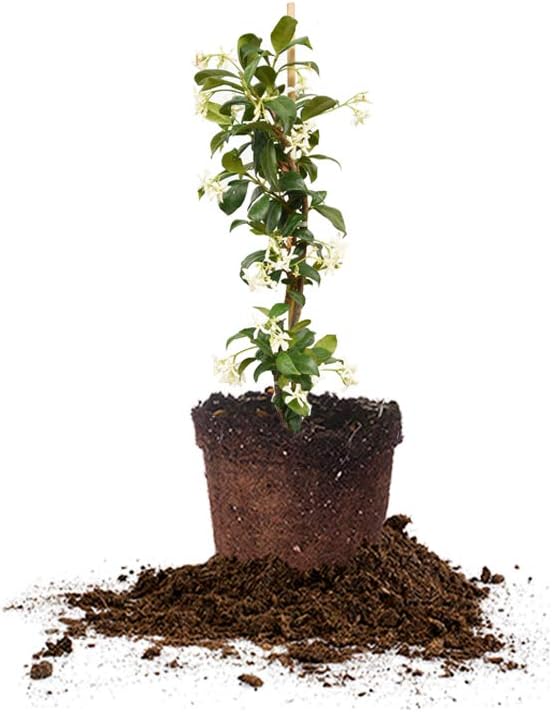
Perfect Plants Confederate Jasmine Live Plant, 1 Gallon
| Indoor Outdoor Usage | Outdoor |
|---|---|
| Other Special Features of the Product | Fragrant |
| Expected Blooming Period | Summer, Spring |
| Sunlight Exposure | Full Sun, Partial Shade |
| USDA Hardiness Zone | 4 |
This 1-gallon Confederate jasmine arrives as a young vine that quickly establishes in sunny spots and rewards with heavily scented, pale pinwheel flowers in spring and summer. Growers typically train it on a trellis, fence, hanging basket with support, or along railings; the vine is noted for cascading lime-green foliage and responds well to light shaping with clips or garden wire. Notable features from the listing include suitability for full sun to partial shade, moderate watering needs, and USDA hardiness to zone 4, which means it can persist in a wide range of climates when planted in appropriate sites. As a live plant it is straightforward to plant in loam-based soils and is described as easy to grow and maintain. Limitations to consider are that this is a young, single-plant offering so it will take time to reach its mature height and spread, and it requires support and periodic pruning to control vigor if used in baskets or confined containers. Also it does not ship to certain states according to the product notes.
Best for: Buyers who want an easy-care, fragrant climbing vine to add scent and cascading foliage to sunny baskets or supported containers and who value proven plant performance backed by customer feedback.
Less Ideal for: Gardeners seeking an instant full basket display or a no-maintenance groundcover should look elsewhere, as this vine needs time, training, and occasional pruning to fill space.
- Fragrant spring and summer blooms that add strong scent to outdoor spaces
- Tolerates full sun to partial shade making placement flexible
- Described as easy to grow which suits novice gardeners
- Hardy to USDA zone 4 so adaptable across many climates
- Sold as a single 1-gallon plant so it needs time and space to reach full coverage
- Requires a trellis or support and pruning to train and control growth
Verdict: A fragrant, easy-to-grow jasmine vine ideal for gardeners who want a proven, sun-tolerant climber to add scent and cascading foliage to hanging baskets and supported containers.
Choosing the Right Easy Full Sun Potted Plants: Key Factors to Consider
Drought Tolerance and Watering Frequency
How a plant handles intermittent moisture is one of the biggest practical concerns for sun pots. Containers heat up faster than garden beds and drain quickly, so plants that tolerate dry soil or store water in leaves need less frequent attention. Expect higher watering rates in small pots and during heat waves; drought-tolerant species survive short dry spells without wilting permanently.
When assessing drought tolerance, consider both survival and aesthetic resilience. Some plants will live through dry periods but stop flowering or drop leaves. Choose species that maintain blooms or attractive foliage between waterings to keep containers looking good with minimal labor.
Heat Tolerance and Leaf Durability
Full sun exposes plants to high leaf temperatures and strong light that can cause sunscald or desiccation. Heat-tolerant plants have leaf structures or pigments that resist damage and maintain photosynthesis during hot afternoons. This trait matters for long-term container use because potted roots are also more exposed to temperature swings.
Look for plants described as heat-hardy or adapted to hot, dry climates. Thick or grey-green leaves, reflective hairs, or compact growth often indicate better sun performance. Good leaf durability reduces the need for frequent replacement or protective measures like afternoon shade cloth.
Bloom Timing and Seasonal Interest
For container plantings you usually want reliable color across the season without constant replanting. Bloom timing affects how often you need to deadhead, fertilize, or replace plants. Long-blooming species give continuous interest and are ideal for display pots; others may have a short but spectacular flowering period followed by a rest phase.
Consider whether you prefer nonstop color, seasonal focal points, or textured foliage. Combining long-blooming plants with a compact seasonal accent can extend visual interest while keeping maintenance low.
Size, Root Behavior, and Container Fit
Containers limit root space, so predictable mature size and a non-invasive root habit are crucial. Plants that stay compact or respond well to root pruning are better suited to pots. Species that quickly outgrow their root ball demand frequent repotting or larger containers, which increases upkeep.
Pay attention to recommended pot sizes and typical growth width. A plant labeled compact or dwarf will generally hold its shape in a medium container, while vining or aggressive-rooted types need either support or a plan to trim roots periodically.
Fertilizer Needs and Feeding Schedule
Potted plants use up nutrients faster than those in garden soil, so feeding requirements directly affect maintenance time. Some sun-loving plants flower abundantly with light, balanced feeding every few weeks, while others need more specific fertilizer regimes to sustain blooms.
Choose plants with straightforward feeding patterns if you prefer lower maintenance. Slow-release fertilizers and regular liquid feeds can keep bloomers productive, but be realistic about how much time you will spend on feeding during the growing season.
Pest and Disease Susceptibility in Pots
Containers create a unique microenvironment that can either reduce or amplify pest and disease pressure. Good air circulation and well-draining mixes limit fungal issues, while crowded pots or overwatering invite pests. Some species are naturally less attractive to common container pests, reducing the need for intervention.
Consider a plant's typical pest profile and how easily issues can be managed in a pot. Choosing tolerant varieties and practicing basic pot hygiene go a long way toward keeping container plantings healthy with minimal extra work.
Best Potting Mix and Drainage Tips for Full Sun Containers
A well-draining potting mix is the first line of defense for sun pots. Use a mix that combines organic matter with coarse materials like perlite or pumice so water moves freely and roots do not sit in saturated soil. Adding a light grit layer at the bottom of deep pots does not replace good drainage; it helps anchor root systems but should not impede flow.
Choose containers with drainage holes and position them where excess water can escape. In very hot climates, a slightly more moisture-retentive mix can help between waterings, but avoid heavy garden soil in pots because it compacts and reduces oxygen to roots.
- Aim for a mix labeled for containers or cacti for fast-draining profiles
- Consider a twice-seasonal top-dressing of compost or slow-release fertilizer
- Use pot feet or risers to keep drainage holes clear
Sun Exposure, Microclimates, and Pot Placement
Not all full sun spots are equal. A south-facing balcony gets different heat and wind exposure than a sunlit courtyard. Monitor sunlight and heat through a typical day to pick plants that match those conditions. Afternoon sun combined with reflected heat from walls or light-colored paving can intensify stress on foliage.
Rotate pots or move them to managed shade during extreme heat spells if needed. Position larger pots where they cast shade on smaller, more sensitive containers to create layered protection while keeping the overall arrangement bright.
- Observe midday and late-afternoon sun for several days before finalizing plant choices
- Use grouping and placement to moderate reflected heat
Combining Plants for Color and Texture
Mixing plants with varied forms extends interest and lowers the need for replacement. Pair long-blooming, upright plants with trailing foliage or compact succulents to fill space and add texture. Choose complementary bloom colors and staggered flowering times to keep containers attractive for months.
Balance water needs within a single pot. Avoid pairing a thirsty bloomer with a drought-tolerant succulent unless you are prepared to zone them into separate containers.
- Use a thriller, filler, spiller approach for balanced containers
- Match plants with similar water and feeding needs to simplify care
Seasonal Care: Winter Protection and Summer Refreshes
If you live where winters freeze, plan for overwintering or refreshing containers. Some sun-loving annuals are best treated as seasonal displays and replaced each year, while hardy perennials may need root insulation or moving to a sheltered spot. Mulching the top of the pot with straw or bark in late fall reduces freeze-thaw damage to roots.
During summer, refresh spent blooms regularly and pinch back leggy growth to keep pots tidy. A midseason fertilizer boost can revive bloomers experiencing a decline after heavy flowering.
- Insulate pots or move them against a sheltered wall for winter
- Replace or divide overgrown plants in spring to renew containers
Common Mistakes and How to Avoid Them
Overpotting is a frequent error. Using a pot far larger than the plant's root ball holds too much moisture and can slow growth. Choose a pot sized to match the plant's expected mature width and depth.
Neglecting routine deadheading, light pruning, and watching for pests reduces the visual appeal of containers fast. A short weekly inspection and light maintenance keeps plants healthier and minimizes big corrective jobs.
- Avoid oversized pots for small starters
- Set a simple weekly check to catch pests and remove spent flowers
How We Chose the Best Easy Full Sun Potted Plants
We prioritized traits that matter most when growing plants in sunny containers. First, drought resilience under container conditions was essential, since pots lose moisture quickly in full sun. We also looked for consistent bloom duration and flowering reliability across a long season so a container remains attractive without frequent replanting. Compact growth habit and predictable size ensured plants fit typical pot diameters without becoming rootbound too fast. Heat tolerance and leaf durability were evaluated to avoid frequent sunscorch or brittle foliage. Finally, ease of care covered pruning frequency, pest susceptibility, and whether common potting mixes support healthy growth. We excluded landscape-only cultivars, plants that require daily misting or greenhouse conditions, and species with invasive or aggressive root systems unsuited to containers. Our short list focuses on plants that perform when given ordinary potting soil, routine feeding, and typical summer watering schedules. The scoring metrics used reflect these practical dimensions so you can compare container performance directly.
FAQ
How often should I water full sun potted plants in hot weather?
It depends on pot size, mix, and temperature, but daily checks are common during heat waves. Small pots will often need watering every day, while larger containers may go two to three days. Water deeply so excess drains from the holes to encourage healthy roots rather than frequent shallow wettings.
Can I grow sun-loving perennials in containers year after year?
Many perennials adapt well to containers if you choose a suitably sized pot and refresh the soil periodically. Expect to divide or repot every few years to prevent root crowding and refresh nutrients. In climates with hard freezes, move containers to a sheltered spot or provide root insulation.
Will container soil dry out faster than garden soil?
Yes. Pots have less volume and heat up more quickly, which increases evaporation and root-zone temperatures. Using a well-structured, moisture-retentive mix and choosing appropriate pot sizes reduces rapid drying, but expect more frequent watering than in-ground plantings.
How can I reduce watering frequency without sacrificing blooms?
Use larger containers, incorporate water-retaining amendments like coconut coir or a small percentage of water-absorbing crystals, and apply a light mulch to the pot surface. Also select plants with proven drought resilience so blooms persist between waterings.
Are there special fertilizers for container bloom performance?
Balanced, water-soluble fertilizers applied at half to full strength every few weeks support continuous flowering. Slow-release granules in the mix help maintain baseline nutrients, but a targeted liquid feed during peak bloom will often boost flower production.
What pot styles are best for heat management?
Lighter-colored or glazed pots reflect more heat, while thicker-walled containers like terra cotta breathe better but may dry faster. Use saucers or risers to improve airflow under pots and choose sizes that give roots enough volume to buffer temperature swings.
Final Verdict
For sunny patios and balconies, prioritize drought tolerance, heat durability, and container-friendly growth when choosing plants. Accept tradeoffs between nonstop bloom and lower watering needs; long-blooming varieties may ask for a bit more feeding while drought-tolerant foliage plants demand less hands-on care. Decide which attribute matters most-constant color, minimal watering, or winter hardiness-and pick plants that align with that priority. With the right mix and basic seasonal maintenance, you can build striking, low-effort containers that thrive in full sun.
