

Note: This article contains affiliate links. If you click on these links and make a purchase, I may earn a small commission at no extra cost to you. This helps support my research and content. Read my full affiliate disclosure here.
If you want a chainsaw that fires up with a gentle pull and gets to work fast, choosing an easy start chainsaw matters. In real yards and woodlots, a reliable starting system reduces frustration, saves time, and keeps you focused on cutting rather than fighting the tool. This guide covers seven shortlisted easy start chainsaws selected for typical homeowner and small-property use. We evaluate practical performance traits gardeners and homeowners care about, including starting effort, throttle response, build durability, and user safety. Below you will find our top picks and clear evaluation notes to help you choose the right easy start chainsaw for your size of property and cutting needs.
Top Picks at a Glance
| Best Overall The best all-around choice for most situations | Husqvarna 135 Mark II Gas Chainsaw, 16-inch, 38cc |  |
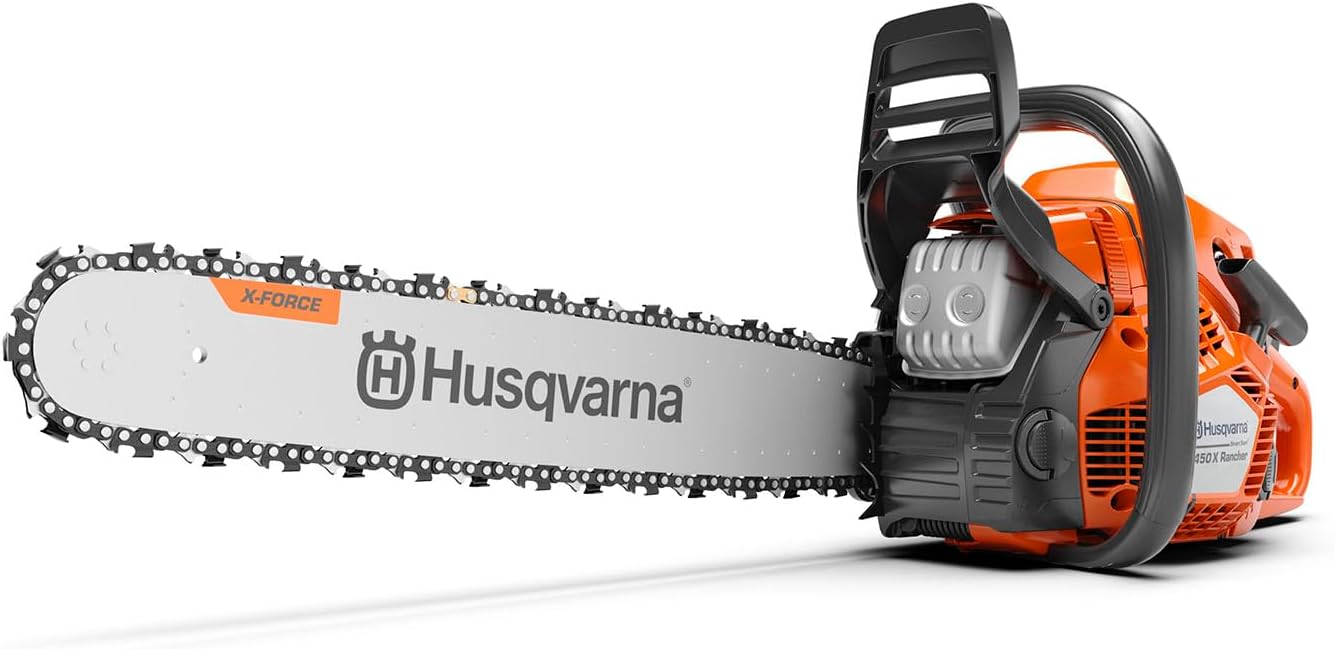
| Best Quality Built to a higher standard if you want something more solid | Husqvarna 450X Rancher Gas Chainsaw, 20" Bar |  |
| Best Value The sweet spot between price and what you get | Oregon CS1500 18" Corded Electric Chainsaw with PowerSharp Self-Sharpening |  |
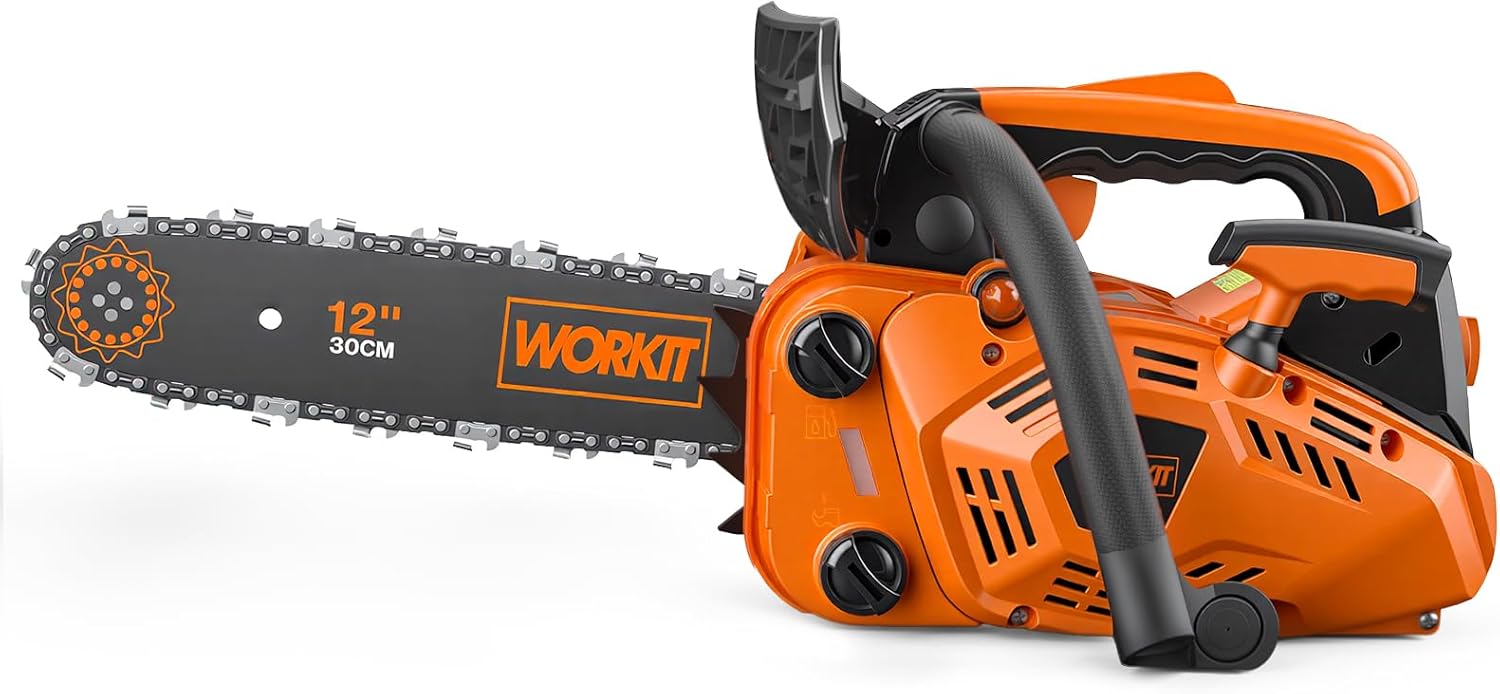
| Best Budget The cheapest option that still gets the job done reliably | WORKIT 25.4CC 12" Top-Handle Gas Chainsaw (WX112) |  |
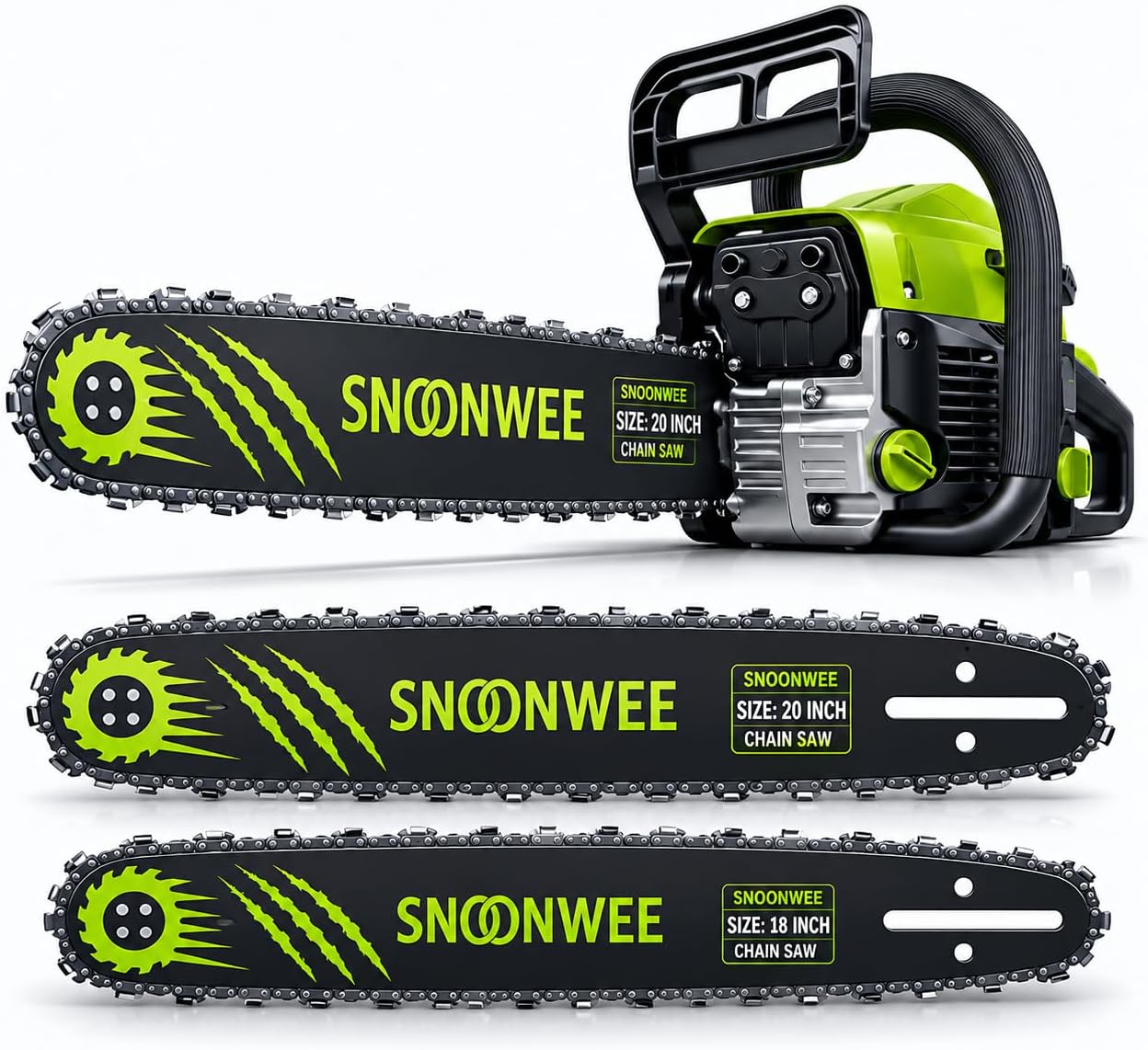
| Highest Rated A top-rated pick with lots of positive feedback | Snoonwee 58cc Gas Chainsaw with 18" and 20" Bars |  |
| Most Popular A crowd favorite that many people choose with confidence | Seesii M6 Lite 6" Cordless Mini Chainsaw with Two Batteries |  |
| Best Seller A high-volume bestseller chosen again and again | SEESII 12-Inch Cordless Brushless Chainsaw |  |
Husqvarna 135 Mark II Gas Chainsaw, 16-inch, 38cc

| Power Source | Gas Powered |
|---|---|
| Horsepower | 2 hp |
| Chain Length | 16 inches |
| Included Components | Powerhead, bar, chain, fuel mix, fuel cap, scrench, manual |
The Husqvarna 135 Mark II is a small, homeowner-focused gas chainsaw built for routine yard work such as pruning, branch trimming, and cutting firewood. It uses a 38-cc X-Torq two-stroke engine that delivers about 2.1 horsepower and supports 14 to 16-inch bars, so it handles medium backyard logs without feeling overbuilt. Practical features aimed at everyday users include Smart Start and combined choke/stop controls for easier starting, a side-mounted chain tensioner for tool-free adjustments, inertia-activated chain brake for added safety, and LowVib dampeners to reduce fatigue during longer jobs. The Air Injection centrifugal pre-cleaning helps keep the air filter cleaner between services. Because it is a gas model, expect regular fuel mixing, louder operation, and routine maintenance such as chain sharpening and air filter checks. Its compact size and user-oriented controls make it a dependable choice for homeowners who want a capable gas saw without the complexity of larger pro machines.
Best for: Homeowners and DIYers who want a compact, easy-to-start gas chainsaw for routine yard maintenance and occasional firewood cutting, preferring familiar gas power and user-oriented safety features.
Less Ideal for: Professional arborists or users who need high-hour commercial performance or who prefer quieter, low-maintenance battery models for frequent urban use.
- Smart Start and combined choke/stop control simplify cold starts and reduce engine flooding risk
- LowVib technology reduces vibration for more comfortable handling during extended use
- Side-mounted chain tensioner allows quick, on-tool adjustments without removing the bar
- Air Injection centrifugal system reduces debris reaching the air filter, lowering maintenance frequency
- Requires mixed gas and routine engine maintenance inherent to two-stroke gas models
- Smaller 16-inch maximum bar limits efficiency on very large logs or heavy-duty felling tasks
Verdict: A compact, easy-to-use gas chainsaw that gives risk-averse homeowners reliable cutting power with user-friendly safety and starting features.
Husqvarna 450X Rancher Gas Chainsaw, 20" Bar
| Power Source | Gas Powered |
|---|---|
| Horsepower | 3.4 hp |
| Chain Length | 20 inches |
The Husqvarna 450X Rancher is a mid-weight gas chainsaw aimed at demanding yard work and firewood cutting. It pairs a 50.2-cc X-TORQ two-cycle engine with AutoTune to automatically adjust fuel and ignition settings for consistent performance across conditions, and a 20-inch bar for longer cuts. Practical features include LowVib dampeners that reduce vibration during extended use and an optimized crankcase design for improved engine cooling and durability. In real-world use this saw starts more easily than older models and delivers steady power even at lower RPMs, so it keeps cutting without bogging down on larger limbs and rounds. Expect solid productivity for property maintenance and cutting larger trees, but note the saw is a traditional gas unit so it requires mixed fuel, periodic tuning, and regular upkeep. Its weight and fuel needs make it less convenient for casual pruning or users who want near-silent, low-maintenance battery operation.
Best for: Buyers who prioritize cutting power and consistent performance for heavy-duty yard work or firewood cutting and are comfortable with routine gas-engine maintenance.
Less Ideal for: Users who need a lightweight, low-maintenance saw for occasional pruning or who prefer quieter, emission-free battery models.
- AutoTune automatically optimizes engine settings for consistent performance
- Powerful 50.2-cc X-TORQ engine that maintains power at low RPMs
- 20-inch bar suitable for cutting larger logs and thicker limbs
- LowVib dampeners reduce operator vibration for longer work sessions
- Gas engine requires fuel mixing, routine maintenance, and tuning
- Heavier and louder than battery models, making it less convenient for quick light tasks
Verdict: Choose the 450X Rancher if you want a reliable, high-performance gas chainsaw built to handle larger cuts and sustained yard work.
Oregon CS1500 18" Corded Electric Chainsaw with PowerSharp Self-Sharpening

| Power Source | Corded Electric |
|---|---|
| Horsepower | 2400 watts |
| Chain Length | 18 inches |
| Manufacturer Warranty Description | 2 year |
The Oregon CS1500 is a homeowner-focused corded electric chainsaw designed for regular tree trimming, limb removal, and general yard cleanup. It delivers strong electric power and starts instantly so you avoid engine maintenance or gas mixing. The standout feature is the integrated PowerSharp self-sharpening system that sharpens the chain in a few seconds without removing it, which cuts downtime and keeps cuts consistent. Tool-less chain tensioning and an automatic oiler simplify upkeep, making the saw easy to maintain between uses. Safety-oriented elements such as a chain brake and a lower-noise corded motor suit suburban settings and neighbors. Limitations include dependence on a power cord, which restricts reach compared with cordless or gas saws, and a fixed 18-inch bar that is less suitable for very large trunks. For routine tree cutting on a small to medium property this model balances power, low maintenance, and safety in a package aimed at cautious, practical users.
Best for: Homeowners who want a reliable, low-maintenance chainsaw for regular pruning, limb removal, and small-to-medium tree cutting without dealing with gas engines.
Less Ideal for: Landscapers, remote jobs, or users who need cordless portability or a saw for frequent heavy-duty felling of very large trees.
- Integrated PowerSharp self-sharpening sharpens the chain in seconds without removal
- Instant corded electric start avoids gas mixing and engine maintenance
- Automatic oiler keeps bar and chain lubricated during use
- Tool-less tensioning makes chain adjustments quick and simple
- Lower noise and built-in chain brake improve safety for residential use
- Corded power limits mobility and requires access to an extension cord
- 18-inch bar is not ideal for cutting very large tree trunks
Verdict: If you want a safe, low-maintenance chainsaw for routine tree cutting around the yard, the Oregon CS1500 delivers instant corded power and a unique self-sharpening chain that keeps you cutting with minimal fuss.
WORKIT 25.4CC 12" Top-Handle Gas Chainsaw (WX112)
| Power Source | Gas Powered |
|---|---|
| Horsepower | 1.2 hp |
| Chain Length | 12 inches |
The WORKIT WX112 is a lightweight top-handle gas chainsaw built for precision work in tight spaces. Its 25.4CC Xtreme two-cycle engine and 12-inch guide bar give it enough punch to cut hardwood, prune limbs, and handle routine storm cleanup while remaining nimble for high work or nursery tasks. Practical features include an OptiSpark ignition and an easy-start system to reduce pull-start frustration, an automatic stop switch to help avoid engine flooding, and an automatic oiler to keep the chain lubricated during extended runs. The reinforced body, heavy-duty bearings, and upgraded clutch aim to improve durability compared with entry-level units. Safety touches such as a chain brake, protective baffle, dual safety locks, and a one-stop engine switch make it suitable for pros who need a compact tool and for homeowners who value built-in protections. Expect some noise and the usual maintenance for a gas engine like fuel mixing and periodic spark plug/chain tuneups, and its 12-inch bar limits it to smaller-diameter cutting rather than full-size felling or large logs.
Best for: Buyers who need a compact, commercially styled top-handle saw for pruning, high work, and cleanup where maneuverability and dependable starts matter most.
Less Ideal for: Not a good choice for users who need a full-size felling saw or those who prefer low-maintenance electric or battery chainsaws for quiet, occasional yard chores.
- Compact, lightweight design for easy maneuvering in tight or overhead work
- 25.4CC Xtreme engine provides enough power for pruning, storm cleanup, and cutting hardwood up to small diameters
- Easy-start OptiSpark ignition and engine stop switch reduce starting problems and flooding
- Reinforced body, heavy-duty bearings, and improved clutch target better durability under heavier use
- Includes safety gear and protective features such as chain brake, dual safety locks, and protective baffle
- 12-inch bar restricts use to smaller limbs and logs rather than large-tree felling
- Being gas-powered requires routine maintenance, fuel mixing, and generates more noise and emissions than electric alternatives
Verdict: If you want a nimble, commercially oriented top-handle chainsaw for pruning and tight-space cutting, the WORKIT 25.4CC delivers dependable starts and durability in a compact package.
Snoonwee 58cc Gas Chainsaw with 18" and 20" Bars
| Power Source | Gas Powered |
|---|---|
| Horsepower | 3.6 hp |
| Chain Speed | 91 fg/s |
| Included Components | Two guide bars, two chains, tool kit |
This Snoonwee 58cc gas chainsaw is built for household woodcutting tasks like limb removal, cutting firewood, and storm cleanup. It pairs a 3.6 HP, 2-stroke engine that revs to 9,000 RPM with a stated chain speed of 91 ft/s and includes both 18- and 20-inch guide bars and chains so you can match bar length to the job. Practical features aimed at easier use include an easy-start recoil, cruise-control throttle for sustained cuts, a quick-stop chain brake, and an automatic bar-and-chain oiler. The saw lists low-frequency vibration reduction to improve comfort during longer sessions and comes with two chains, two guide bars, and a small tool kit. Expect solid cutting power and fewer interruptions thanks to the cruise-control and auto-oiler, but remember this is a gas two-stroke tool so it requires fuel mixing, routine maintenance, and noise and exhaust management compared with electric alternatives. For homeowners who need dependable, versatile gas power for occasional heavy cuts, this model covers the basics well.
Best for: Homeowners who prioritize dependable gas power for felling limbs, cutting firewood, or storm cleanup and want a saw that reduces startup and throttle fatigue during longer sessions.
Less Ideal for: People who need a lightweight, low-noise option for close-in yard work or those unwilling to perform routine 2-stroke engine maintenance should consider electric alternatives.
- Two included bar lengths (18" and 20") let you switch size to match the job.
- Strong claimed powertrain: 58cc, 3.6 HP engine with 91 ft/s chain speed for efficient cutting.
- Easy-start recoil and cruise-control throttle reduce user fatigue and make startup and sustained cuts simpler.
- Automatic bar-and-chain oiler and included tool kit simplify routine upkeep and chain care.
- As a 2-stroke gas saw it requires fuel mixing and regular engine maintenance.
- Noise, exhaust, and vibration will be higher than battery or corded electric alternatives.
Verdict: A practical, reliability-minded gas chainsaw that gives homeowners strong cutting power plus two bar options and user-friendly features for longer, dependable use.
Seesii M6 Lite 6" Cordless Mini Chainsaw with Two Batteries

| Power Source | Battery Powered |
|---|---|
| Horsepower | 900 watts |
| Chain Speed | 29ft/s |
| Chain Length | 6 inches |
The Seesii M6 Lite is a lightweight cordless mini chainsaw built for pruning, branch trimming, and small timber cuts around the yard. It pairs a 900 W motor with a 6-inch chain and claims chain speeds near 29–30 ft/s, which helps it slice through small logs and thick branches quickly. The kit includes two 21V 2000 mAh batteries, so you can swap batteries for extended work sessions without long downtime. Safety features include a double lock to prevent accidental starts, a chain guard to reduce flying debris, and a low-recoil ergonomic body that makes one-handed use comfortable for many users. Practical benefits are quick setup out of the box, included spare chain and basic tools, and a relatively quiet operation that is less intrusive than gas saws. Limitations are the short bar length, which restricts reach and large-log capability, and the unit uses a smaller chain pitch that is suited to light to medium yard tasks rather than heavy felling. For buyers focused on occasional pruning and portability, its balance of power and low weight is convenient, but it is not a replacement for larger professional saws when cutting large-diameter wood.
Best for: Buyers who want a compact, easy-to-use electric saw for routine yard pruning and small wood projects and who prioritize portability and convenience over industrial power.
Less Ideal for: People who need a chainsaw for heavy felling, professional logging, or cutting large firewood rounds should choose a larger bar length and higher-power model instead.
- Lightweight ergonomic design for easier one-handed pruning
- Includes two batteries and charger for extended run time
- Powerful 900 W motor and high chain speed for fast cuts on small branches
- Arrives ready to use with spare chain and basic tools included
- 6-inch bar limits reach and is unsuitable for large-diameter logs
- No automatic oiling system noted, so chain lubrication may require manual attention
Verdict: Choose the Seesii M6 Lite if you want a portable, one-handed electric chainsaw that makes quick work of pruning and small yard jobs with the convenience of two included batteries.
SEESII 12-Inch Cordless Brushless Chainsaw

| Power Source | Battery Powered |
|---|---|
| Horsepower | 1200 watts |
| Chain Length | 12 inches |
| Included Components | chainsaw |
The SEESII 12-inch cordless chainsaw is designed for homeowners and pros who need portable, high-power cutting without a generator. It pairs a 1200W brushless motor with two 4.0Ah batteries to deliver sustained cutting power for pruning, cutting storm debris, and working on small to medium logs. The tool-free chain tension system and automatic lubrication reduce downtime and routine maintenance, and the 60 mL oil tank helps keep the chain running smoothly during longer sessions. Because it is cordless and relatively lightweight for its class, it is easy to move around the yard or use at remote sites where cords are impractical. Important limits to note are the 12-inch bar, which constrains maximum log diameter compared with full-size saws, and battery reliance for very long jobs where alternating charged packs or a backup power source is needed. For straightforward woodcutting tasks this model balances cutting performance, convenience, and low maintenance.
Best for: Buyers who prioritize efficient, portable wood cutting for yard cleanup, pruning, and medium DIY projects and want a low-maintenance cordless saw they can move around the property easily.
Less Ideal for: Contractors or users who regularly need to fell large trees or process large-diameter logs should choose a full-size gas or professional electric chainsaw instead.
- 1200W brushless motor provides strong, efficient cutting power for hardwood and storm debris
- Two 4.0Ah batteries extend runtime for longer jobs and include a built-in charge indicator
- Automatic oiling with a 60 mL tank reduces frequent stops for lubrication
- Tool-free chain tensioning simplifies on-the-job adjustments
- Cordless, relatively lightweight design improves portability and use at remote sites
- 12-inch bar limits the maximum log diameter compared with larger professional chainsaws
- Runtime depends on battery swapping for extended heavy-duty cutting sessions
Verdict: A powerful, low-maintenance cordless 12-inch saw that maximizes portable cutting performance for homeowners and weekend woodworkers.
Choosing the Right Easy Start Chainsaw: Key Factors to Consider
Starting Mechanism Design
How the starter is engineered directly affects how easy it is to get the saw running. Systems that incorporate low‑tension recoil springs, compressed‑air assist, or spring‑assisted pulleys reduce the physical pull the operator needs to make. A well-placed, grippy starter handle and a short, smooth cord travel also cut perceived effort.
You should also consider how accessible the primer bulb and choke are because they influence cold starts. A clear, logical starter layout helps you perform consistent starting procedures in colder weather or after storage, which matters more than marketing claims about assisted starts.
Engine Size and Intended Use
Engine displacement correlates with torque and cutting capacity, but a larger engine often needs a stronger pull to start unless offset by an assisted mechanism. For routine pruning, limb work, and small firewood, a lighter displacement paired with an easy start system is typically more practical and less tiring to handle.
Match engine size to your tasks so the starting system aligns with how often and how long you will run the saw. Overpowered saws for light jobs add unnecessary weight and starting complexity, while undersized engines struggle on thicker wood even if they start easily.
Ergonomics and Handling
Comfortable grips, balanced weight distribution, and low vibration make the whole starting and cutting experience easier. If the saw is heavy on one end or transmits excessive vibration, the advantage of an easy start mechanism is reduced because handling becomes tiring during extended work.
Check handle shape, hand clearance for gloves, and the placement of the starter relative to the front and rear handles so you can use stable body position during startup. Good ergonomics also reduce the risk of slips while pulling the starter cord.
Maintenance Accessibility
An easy starting saw still requires routine maintenance to stay that way. Accessible air filters, spark plug access, and a serviceable recoil assembly let you keep starting effort low through seasonal tuneups. If the starter or carburetor requires removing multiple covers or special tools, maintenance delays can increase starting problems.
Opt for designs where common wear parts are reachable and documented. That reduces downtime and prevents the slow-start frustration that comes from neglected components.
Safety Controls and Starting Procedures
Built-in safety features influence how you start the saw and how confidently you can handle pull starts. A working chain brake, throttle interlock, and secure on/off switch let you follow safe starting routines without awkward hand positions. Some saws require engaging the chain brake before choking and pulling; others integrate stops that prevent accidental throttle engagement during startup.
Understand the saw's required startup sequence and ensure controls are intuitive. A poorly designed safety layout can make the starting procedure feel clumsy, negating the benefits of an easy start mechanism.
When an Easy Start Chainsaw Makes the Biggest Difference
Easy start systems matter most when you start and stop the saw frequently or when physical fatigue is a concern. Gardeners doing light-to-medium pruning, regular limb removal, or short firewood rounds will notice time and effort savings every session. The benefit compounds over multiple starts during a workday.
If you only plan long continuous runs for heavy felling on a large property, starting effort is less of a day‑to‑day factor versus raw power and bar length. For most home users, however, a saw that starts quickly keeps work moving and reduces the temptation to push unsafe starting shortcuts.
- Frequent start/stop jobs amplify the value of easy-start tech
- Light, short-duration tasks favor ergonomics and starting ease
- Continuous heavy cutting focuses more on engine capacity than starting system
Cold Weather and Seasonal Storage Tips
Cold temperatures make starting harder regardless of the starter design. Use the primer and choke per the manual, keep fresh fuel and a properly adjusted carburetor, and store the saw in a dry, frost-free place when not in use. A small maintenance routine before winter storage-cleaning the air filter and fogging the cylinder-helps preserve easy starting.
When pulling a saw from storage for the first use of the season, inspect the recoil cord and starter housing for stiffness or debris. Even the best easy start mechanisms fail to deliver if the starter assembly is clogged or the rope has absorbed moisture.
- Use fresh fuel and check primer/choke settings in cold starts
- Perform basic storage maintenance to protect starter components
Common Starter Problems and Simple Fixes
Many starting issues trace to simple causes: stale fuel, fouled spark plugs, clogged filters, or a sticky primer bulb. Checking these items first can resolve most mild starting complaints without mechanical work. A soft rope pull can indicate a stretched starter spring or fractured recoil pawls, which are often replaceable.
If you feel inconsistent resistance in the starter rope or notice grinding noises, stop and inspect the recoil assembly. Regular lubrication where recommended and replacement of worn ropes or springs keeps starting effort low over the saw's life.
- Start troubleshooting with fuel, spark, and air supply
- Replace worn ropes or springs to restore smooth pulls
Bar Length and Chain Choice Impact on Use
Bar length and chain type do not change how easy a saw starts, but they affect overall handling and the kind of cutting you will do after startup. Shorter bars are lighter and easier to manage, which complements an easy start system for pruning and limbing. Longer bars increase weight and leverage, which matters when you select a saw for larger firewood or small-tree felling.
Selecting a chain appropriate for the wood type and keeping it sharp reduces engine load during cuts. A saw that starts easily but is burdened with a dull chain will feel sluggish under load, so chain maintenance is part of sensible tool selection.
- Short bars pair well with easy start systems for pruning
- Keep chains sharp to avoid excessive engine load
Fuel and Oil Choices That Support Easy Starts
Use the fuel mixture and oil grade recommended by the manufacturer. Poor fuel quality or incorrect oil mix can cause hard starting and rough running. For saws with a primer bulb, a small pressurization of the carburetor helps with cold startups when used correctly.
Avoid leaving fuel in the saw for long storage periods. If storing for months, drain the fuel system or add a stabilizer following the saw's guidance to prevent varnish and deposits that complicate future starts.
- Follow recommended fuel mix and oil grades
- Drain or stabilize fuel for long storage to maintain easy starts
How We Chose the Best Easy Start Chainsaw
We shortlisted chainsaws that demonstrably reduce the physical effort required to start the engine and show consistent starting behavior across typical yard conditions. Selection prioritized mechanisms that lower pull resistance or use assisted starting technologies, paired with reliable ignition and carburetion systems so the tool starts on the first few pulls when operated properly. Editorial filters included engine displacement appropriate for home and light property work, quality of choke and primer systems, ergonomic starter handle placement, and visible design features that make warm and cold starts easier. We also evaluated vibration damping, safety features such as chain brakes and throttle interlocks, and basic durability of key components like the recoil system and starter spring. We excluded professional heavy‑duty units designed solely for commercial logging as well as models that rely on unproven or proprietary starting gimmicks without clear benefit. We did not include chainsaws lacking documented user-serviceable starting components or those with repeated reports of inconsistent ignition. Final choices balance starting ease with realistic expectations for upkeep and in-field use.
FAQ
What exactly makes a chainsaw 'easy start'?
Easy-start systems reduce the force needed to pull the starter cord through mechanisms like lighter recoil springs, spring or air-assist pulleys, or optimized carburetor priming. The result is fewer, smoother pulls to get the engine running.
Will an easy start system eliminate all hard starting issues?
Not always. Easy-start tech lowers physical effort, but hard starting can still come from fuel problems, a fouled spark plug, or a clogged air filter. Regular maintenance keeps easy-start advantages consistent.
Are easy start chainsaws heavier because of the assisted mechanism?
Usually the added weight is minimal. Designers balance starter assist components so the saw remains manageable. In practice, ergonomics and bar length have a larger effect on perceived weight than the starter assembly.
Do electric or battery chainsaws make easy starting irrelevant?
Corded and battery electric chainsaws start instantly with a button, which removes pull starts entirely. However, on traditional gas-powered saws, easy-start systems still matter for gardeners who prefer petrol engines for runtime or power.
How often should I service the starter components?
Inspect starter rope, spring, and housing before each season and after heavy use. Replace ropes or springs that show wear and clean debris around the recoil assembly during routine maintenance to preserve starting ease.
Final Verdict
Prioritize the starting mechanism and ergonomics when choosing among easy start chainsaws because those two areas most affect everyday usability. Match engine size and bar length to the tasks you plan to do and make sure maintenance access is straightforward so the system stays reliable. Recognize tradeoffs between power and portability: an easy starting system adds convenience, but correct engine sizing and regular upkeep are what keep a chainsaw working dependably season after season. Choose the saw that best balances starting ease with handling and the cutting performance you need.
