

Note: This article contains affiliate links. If you click on these links and make a purchase, I may earn a small commission at no extra cost to you. This helps support my research and content. Read my full affiliate disclosure here.
Blue Daze is a compact, heat-loving groundcover and container favorite prized for nonstop blue flowers. Choosing the right fertilizer for Blue Daze matters because nutrient balance and feeding frequency directly affect bloom count, plant vigor, and whether the trailing stems stay compact or become leggy. In this guide we narrowed the field to the top short list of fertilizers suited to Blue Daze, highlighting options that work in garden beds, mixed containers, and hanging baskets. We evaluated products for nutrient profile, application ease, and how they influence flowering and foliage health to help you pick the best fit for your planting situation.
Top Picks at a Glance
| Best Overall The best all-around choice for most situations | Blue Planet Nutrients BlueMax 2-Part Concentrated Liquid Fertilizer (32 oz each) |  |
| Best Value The sweet spot between price and what you get | Blue Planet Nutrients Liquid Kelp (Ascophyllum nodosum) Seaweed Fertilizer Concentrate, 32 oz | 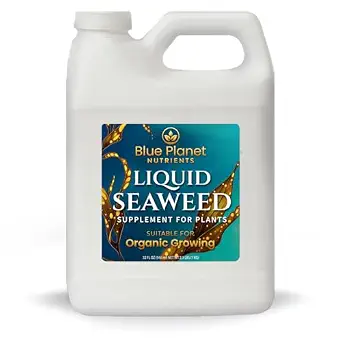 |
| Best Budget The cheapest option that still gets the job done reliably | Miracle-Gro Pour & Feed Singles Ready-to-Use Plant Food |  |
| Highest Rated A top-rated pick with lots of positive feedback | Miracle-Gro Water Soluble All Purpose Plant Food, 12.5 lb |  |
| Most Popular A crowd favorite that many people choose with confidence | Miracle-Gro Water Soluble All Purpose Plant Food, 1.5 lb |  |
Blue Planet Nutrients BlueMax 2-Part Concentrated Liquid Fertilizer (32 oz each)

| Item Form | Liquid |
|---|---|
| Specific Uses For Product | Hydroponic,Plant Food |
| Target Species | all plant species |
| Unit Count | 64 Fluid Ounces |
| Mixing Ratio | 1:1 |
BlueMax is a 2-part concentrated liquid nutrient system (Part A and Part B) intended to supply primary, secondary, and micronutrients across a plant's lifecycle. You mix small amounts of each part into water and feed on a schedule; the product includes dilution guidelines for seedlings, medium plants, and large plants and recommends pH ranges for soil and hydroponic setups. The formula is ionically balanced and claims chelated micro-nutrients for easier uptake, which makes it suitable for vegetables, herbs, houseplants, ornamentals and hydroponic crops alike. Its concentrated form and clear mixing instructions mean it is convenient for regular use and can stretch to many feedings per bottle. Limitations to note are that it is a general-purpose base nutrient set rather than a crop-specific formulation, so growers seeking bloom boosters or specialty blends will want additional supplements, and correct pH management is still required for best results. The product is most useful for growers who want a single, consistent base fertilizer for mixed plantings or a hydroponic setup.
Best for: A gardener who wants one reliable base nutrient for a variety of plants or a mixed hydroponic/soil setup and values simplicity and consistent daily feeding.
Less Ideal for: Specialist growers seeking a single product that maximizes flowering, fruiting, or specific nutrient profiles without adding bloom or finish supplements should consider targeted formulations instead.
- Complete two-part formula covering primary, secondary, and micro-nutrients
- Concentrated liquid form with straightforward mixing guidelines extends number of feedings
- Works across growing methods including soil, coco, and hydroponics
- Ionically balanced with chelated micro-nutrients to aid nutrient uptake
- Not a crop-specific or bloom-enhancing finished fertilizer so additional supplements may be needed for peak flowering or fruiting
- Requires monitoring and adjustment of pH for optimal results
Verdict: Buy this if you want a single, versatile two-part base nutrient that reliably feeds a wide range of plants from seedling to harvest.
Blue Planet Nutrients Liquid Kelp (Ascophyllum nodosum) Seaweed Fertilizer Concentrate, 32 oz

| Item Form | Liquid |
|---|---|
| Specific Uses For Product | Kelp seaweed supplement for all gardens and plants |
| Unit Count | 32 Fluid Ounces |
| Mixing Ratio | 1:650, 1:325, 1:162 |
Blue Planet Liquid Kelp is a cold‑water Ascophyllum nodosum concentrate designed to supply natural growth hormones, trace minerals, and amino acids to plants. It is used by diluting the concentrate at very low rates (roughly 1/2 to 2 teaspoons per gallon) and applying as a root drench, foliar spray, transplant soak, or in hydroponic reservoirs. The formula is 100 percent soluble and non‑clogging, so it works across soil, coco, hydroponics, and aeroponics and is safe from seedling through harvest. Practically, one 32 oz bottle stretches into hundreds of gallons of feed, which makes it economical for regular weekly applications that support root development, stress resistance, and improved flavor and yields. Limitations to note are that it is a supplemental biostimulant rather than a complete NPK fertilizer and results depend on using it alongside an appropriate nutrient program; you will need to follow the stated dilution rates carefully to avoid overuse. Also it is a liquid concentrate, so measuring and storage are required for repeated use.
Best for: Gardeners who want an economical, easy‑to‑use biostimulant to boost root growth and stress tolerance across containers, beds, and hydro systems and who plan nutrient programs for regular weekly feeding.
Less Ideal for: If you need an all‑in‑one complete fertilizer or prefer dry granular products that require less measuring and storage, this concentrate is not the best standalone choice.
- Very concentrated so one quart treats hundreds of gallons, lowering per‑application cost
- 100% soluble and non‑clogging, suitable for foliar spray, soil drench, and hydroponic reservoirs
- Contains natural growth hormones, amino acids, and 60+ trace minerals to support roots, stress tolerance, and yields
- Not a complete fertilizer so must be used with a balanced NPK program
- Requires careful measurement and dilution for different uses and plant stages
Verdict: A super‑concentrated, versatile seaweed concentrate that delivers economical weekly biostimulant boosts for healthier roots, better stress resistance, and improved garden performance.
Miracle-Gro Pour & Feed Singles Ready-to-Use Plant Food

| Item Form | Liquid |
|---|---|
| Application Method | Pour |
| Coverage | Medium |
| Unit Count | 2 Ounce |
| Specific Uses For Product | Plant Food |
Miracle-Gro Pour & Feed Singles are single-use, pre-measured liquid doses that you snap open and pour onto the soil of container plants, so there is no mixing, measuring, or long-term storage. Each 2-ounce single is formulated for potted plants and is intended to feed 12 to 18-inch containers every 10 to 14 days, making it convenient for quick top-ups on vegetables grown in pots. The cap-measure instructions and pour application simplify regular feeding, and the ready-to-use format reduces the chance of over- or under-dosing. Practically, these work well for growers who rotate several small vegetable containers or need an easy solution when juggling many plants. Limitations are that the singles are sized for medium pots only, so very small or very large containers may need adjusted amounts or additional applications, and the format creates more single-use packaging than bulk concentrates. For gardeners prioritizing simplicity and predictable dosing, the product streamlines weekly feeding for container vegetables, but those managing large numbers of pots may prefer a concentrated liquid or granular option for lower per-application cost and less waste.
Best for: Ideal for hobby gardeners growing a few container vegetables who want a no-fuss, predictable feeding routine and value convenience over lowest cost.
Less Ideal for: Not the best choice for producers managing many pots or those focused on minimizing packaging waste or per-application cost.
- Ready-to-use pre-measured singles eliminate mixing and measuring
- Simple pour application designed for container plants
- Labels recommend a clear 10 to 14 day feeding schedule for consistency
- Portable single doses are convenient for spot feeding or travel
- Singles are sized for 12–18 inch pots and may not match very small or very large containers
- Single-use packaging generates more waste than concentrated formulas
Verdict: An easy, no-mix feeding solution that makes consistent fertilizing of medium container vegetables fast and foolproof.
Miracle-Gro Water Soluble All Purpose Plant Food, 12.5 lb

| Item Form | Powder |
|---|---|
| Specific Uses For Product | Plant Food |
| Coverage | general purpose, suitable for various plants |
| Mixing Ratio | 1 tablespoon per gallon of water |
Miracle‑Gro Water Soluble All Purpose is a powder fertilizer designed to dissolve in water and deliver fast nutrients to indoor and outdoor plants. Gardeners mix the recommended scoop with a watering can or use a compatible garden feeder to apply directly to the soil around roots; the product gives routine feedings every 7 to 14 days outdoors or every 2 weeks for houseplants. Notable features include an NPK of 24‑8‑16 for strong vegetative growth, a quoted coverage of about 5,000 sq ft from a 12.5 lb container, and an included scoop with separate measuring ends for indoor and outdoor rates. In practice this means quick uptake for leafy growth and an easy, repeatable dosing routine for reliability across container and in‑ground Clusia specimens. Limitations are that it is a general‑purpose formula rather than a Clusia‑specific mix and frequent applications are required during the growing season, so you will need to follow the label closely to avoid overfeeding.
Best for: Buyers who want a dependable, easy‑to‑measure fertilizer to keep Clusia healthy with consistent, repeatable feedings and straightforward application routines.
Less Ideal for: Growers seeking a slow‑release or custom‑formulated Clusia fertilizer or those who prefer lower‑frequency, hands‑off feeding strategies.
- Fast‑acting water‑soluble formula for near‑instant nutrient availability
- Simple mixing ratios and included scoop make dosing consistent
- Large 12.5 lb container covers a lot of garden area for routine feedings
- Suitable for both container and in‑ground use so it works with potted Clusia and landscape plantings
- General all‑purpose NPK may not match specialized nutrient needs of Clusia at every growth stage
- Requires regular applications during the season rather than a slow‑release schedule
Verdict: A reliable, easy‑to‑mix water‑soluble fertilizer that delivers fast, consistent feedings for Clusia in both pots and landscape settings.
Miracle-Gro Water Soluble All Purpose Plant Food, 1.5 lb

| Item Form | Powder |
|---|---|
| Application Method | Watering Can |
| Target Species | For all flowers, vegetables, trees, shrubs and houseplants |
| Mixing Ratio | 24-8-16 |
Miracle-Gro Water Soluble All Purpose Plant Food is a powdered, water-soluble fertilizer formulated to deliver fast nutrition to a broad mix of plants. You mix the powder into a watering can or a garden feeder and apply every 1 to 2 weeks depending on whether plants are indoors or out. The 24-8-16 NPK ratio supplies a strong nitrogen boost for leafy growth along with phosphorus and potassium to support flowering and fruit set. For pepper growers this means it can help produce vigorous plants and encourage fruit development when used at the recommended strengths. Notable features include clear mixing guidance for both indoor and outdoor use and compatibility with container and in-ground plantings. Practical benefits are quick uptake by roots and flexible application options. Important limitations are the high nitrogen proportion, which can favor foliage over fruit if overused, and the need to follow dilution instructions to avoid nutrient burn. This product is best used as a regular boost within a balanced feeding plan rather than the only fertility source for long-term soil health.
Best for: Home gardeners looking for an affordable, easy-to-use boost to support vigorous pepper plant growth and quick results in both containers and garden beds.
Less Ideal for: Growers who want a low-nitrogen or slow-release fertility plan for long-term soil building should consider specialized or organic alternatives.
- Water-soluble powder that feeds plants quickly through the roots
- Clear mixing instructions for indoor and outdoor applications
- Broadly labeled for use on flowers, vegetables, trees, shrubs and houseplants
- Feeds approximately 600 sq. ft. from the 1.5 lb container
- High nitrogen ratio may encourage foliage more than fruit if used too frequently
Verdict: A budget-friendly, fast-acting soluble fertilizer that gives bell pepper plants a regular nitrogen-rich boost to promote vigorous growth and quicker results.
Choosing the Right Fertilizer for Blue Daze: Key Factors to Consider
Nutrient Ratio and Bloom Promotion
Blue Daze produces abundant blooms when phosphorus and overall balanced nutrition are present. A fertilizer with a moderate phosphorus number can encourage bud set and sustained flowering without excessive leafy growth. Too much nitrogen will push long, floppy stems, while too little can reduce flower production.
Consider fertilizers labeled for flowering ornamentals or with an N-P-K tailored to blooms. Slow-release or timed-release formulations that supply phosphorus steadily through the flowering season help avoid short-lived flushes followed by decline.
Release Type and Feeding Frequency
Release type determines how often you need to feed and how steady nutrient availability is. Quick-release water-soluble fertilizers give rapid green-up and fast bloom response, which is helpful for a late-season boost or for containers that drain quickly. Long-release granulars or polymer-coated formulas reduce the number of applications and keep nutrients available during hot stretches when plants are stressed.
Think about your maintenance style: if you prefer set-and-forget feeding in beds or mixed containers, choose a slow-release option; if you want precise timing or have many containers, a water-soluble feed on a schedule may be more practical.
Salt Index and Foliar Safety
Some fertilizers have higher salt content or concentrate salts near roots, which can harm sensitive plants in hot weather. Blue Daze can show leaf scorch or tip-burn if salts accumulate or if foliarly-applied solutions are too strong. Choose formulations labeled safe for ornamentals and follow dilution recommendations closely.
When applying to hanging baskets and small pots, leach occasionally by thoroughly irrigating to flush salts. For foliar feeds, always use a weaker mix and avoid spraying in direct midday sun to reduce burn risk.
Container and Soil Compatibility
Blue Daze is commonly grown in shallow containers and mixed planters, so fertilizer behavior in potting mix matters. Fast-draining mixes may need more frequent feeding, while moisture-retentive mixes can hold soluble nutrients longer. Some slow-release granules sit on the soil surface and break down differently in pots than in garden beds.
Match the fertilizer form to your planting medium and container size. Water-soluble feeds are easier to dose in small pots and hanging baskets, while blended granulars work well in ground beds and larger containers where even distribution is possible.
Ease of Application and Measuring
Gardeners prefer fertilizers that are simple to measure and apply accurately. Clear dosing instructions, premeasured tablets, or measured pour spouts reduce the chance of overfeeding and foliar damage. Products that dissolve cleanly without residue are less likely to clog watering devices.
Consider how often you are willing to feed and whether you have tools like a small measuring scoop, watering wand, or injector. Time-saving formats matter when managing many containers or a large bed of Blue Daze.
Compatibility with Other Treatments
Blue Daze may need occasional fungicide, insecticidal soap, or supplementary calcium depending on local conditions. Some fertilizers mix poorly with other garden chemicals or change solution pH, reducing effectiveness. Check product labels or choose formulations known to be compatible with common ornamental treatments.
When planning combined applications, test a small batch first or apply treatments on separate days to avoid chemical interactions that could stress plants.
Feeding Schedule by Planting Situation
Establish a feeding rhythm that matches where Blue Daze is growing. For hanging baskets and small pots, a light water-soluble feed every one to two weeks during the main flowering season keeps nutrients available without overwhelming roots. In garden beds or larger containers, a slow-release granular applied early in the season followed by occasional liquid boosts can be more convenient.
Adjust frequency during heat waves or drought when plants are stressed and may take up less fertilizer. Reduce or space out applications to avoid salt buildup and potential burn.
- Hanging baskets: light soluble feed every 7 to 14 days
- Containers: combine slow-release at planting with monthly liquid feeds
- Garden beds: single spring application of slow-release plus midseason check-ins
Application Tips to Maximize Blooms
For best bloom response, apply fertilizers when plants are actively growing and not drought-stressed. Water the soil before feeding to prevent root damage from concentrated salts. If using a foliar feed, apply early morning or late afternoon to reduce leaf burn.
Avoid high-nitrogen feeds during peak bloom as they can favor foliage at the expense of flowers. Instead, choose balanced or bloom-focused formulations and follow label rates carefully.
- Pre-wet soil before applying liquid fertilizer
- Never exceed recommended concentration on labels
- Rinse foliage if accidental concentrated splashes occur
Adjusting Fertility Through the Season
Blue Daze benefits from steady nutrition through its long flowering period. Early season feeding supports establishment and branching. During peak summer flowering, maintain steady phosphorus and potassium to support bud set and color saturation. Toward the end of the season, taper feeding to let plants transition without excessive new growth.
If you notice fewer blooms or pale foliage, test your approach: check soil moisture and try a modest boost with a soluble bloom formula, then observe response over two weeks before repeating.
- Boost phosphorus slightly when buds are forming
- Avoid late-season high-nitrogen feeds that encourage tender growth
Troubleshooting Common Fertilizer Issues
If leaves show tip burn, yellowing, or stunted growth after feeding, excessive salt or over-application is often the cause. Flush the soil with water to remove buildup and hold off on feeding until plants recover. For pale leaves without scorch, a balanced feed or a soil check for pH and nutrients can reveal deficiencies.
If plants become leggy after feeding, reduce nitrogen inputs and increase phosphorus-focused feeds to encourage flowering and tighter habit. Always rule out water stress and light levels before changing fertilizer routines.
- Tip burn: flush pots and reduce feed strength
- Pale leaves: consider a balanced feed and soil test
- Leggy growth: lower nitrogen and promote flowering nutrients
Organic Versus Synthetic Options
Organic fertilizers release nutrients more slowly and build soil biology over time, which can benefit long-term container mixes and garden beds. They are less likely to cause sudden nutrient spikes that lead to leggy growth. However, they may not provide the quick bloom boost you get from water-soluble synthetics.
Synthetic soluble feeds give fast results and precise dosing, which is useful for timing blooms for a show or when dealing with nutrient-poor potting mixes. Consider your maintenance preferences and whether you value soil health improvements or rapid response when choosing between these approaches.
- Organics: steady release, soil health benefits, slower response
- Synthetics: quick action, precise dosing, better for tight schedules
How We Chose the Best Fertilizer for Blue Daze
We selected fertilizers for Blue Daze based on practical garden performance and specifications that matter to home gardeners. Key evaluation criteria included nutrient ratio and bloom support, because an appropriate balance of nitrogen, phosphorus, and potassium affects flower production and plant form. Release type and feeding schedule were judged to determine how often gardeners must apply product and how stable nutrient delivery is during heat and drought. Solubility and compatibility with container soils were assessed so products work well in hanging baskets and shallow pots where Blue Daze is commonly grown. Safety for ornamental plants and risk of foliar burn were considered to avoid scorch on tender foliage. Ease of application and measuring convenience were included because gardeners prefer straightforward mixing or granular spread over complex feeding routines. We excluded general-purpose lawn fertilizers and products formulated only for woody shrubs or edibles, since those do not match the nutrient needs or application styles of Blue Daze. We also filtered out formulations with unclear nutrient labeling or known high-salt content. The final picks reflect fertilizers that meet the above criteria across a range of feeding schedules and garden situations.
FAQ
How often should I fertilize Blue Daze in hanging baskets?
Usually feed with a diluted water-soluble fertilizer every one to two weeks during active growth. Frequency depends on pot size and mix drainage; smaller, fast-draining baskets often need more frequent feeds.
Can I use a general-purpose houseplant fertilizer on Blue Daze?
Often you can, but choose a formula suited for flowering ornamentals or use it at a reduced strength. Avoid high-nitrogen houseplant mixes that promote foliage over flowers.
Will slow-release granular fertilizer work in shallow containers?
Slow-release granules can work, but they may break down faster in warm, frequently watered containers. Combine with occasional liquid feedings to ensure steady bloom support in shallow pots.
What signs show my Blue Daze needs more or less fertilizer?
Fewer blooms and pale foliage suggest insufficient nutrition, while scorched leaf tips, brown margins, or sudden dieback after feeding indicate overapplication or salt buildup. Adjust strength and frequency accordingly and flush soil if necessary.
Is foliar feeding useful for Blue Daze?
Foliar feeding can give a quick nutrient boost but should be used cautiously. Apply diluted solutions in cooler parts of the day and avoid frequent foliar applications to reduce risk of leaf burn.
Final Verdict
Choose a fertilizer for Blue Daze that matches how you grow the plants and how much hands-on feeding you want to do. Prioritize a nutrient balance that supports flowers over excessive foliage, pick a release type that fits containers or beds, and watch for salt buildup in small pots. Adjust feeding rhythm through the season and use diluted liquid boosts when blooms lag. Focus on consistent, measured feeding rather than heavy-handed applications. With the right fertilizer strategy you will maximize bloom density and keep stems compact and healthy for the long flowering season.
