

Note: This article contains affiliate links. If you click on these links and make a purchase, I may earn a small commission at no extra cost to you. This helps support my research and content. Read my full affiliate disclosure here.
Growing vegetables in containers concentrates both opportunity and responsibility. Containers hold limited soil and nutrients, so the fertilizer you choose determines how well plants set fruit, resist stress, and avoid salt buildup that can harm roots. This guide covers our seven shortlisted fertilizers for container vegetables, chosen for how they deliver nutrients in small soil volumes and how easy they are to use in pots, window boxes, and grow bags. Below we explain the evaluation criteria gardeners care about, highlight practical differences between release methods and formulations, and help you match a product to your container setup before the product list.
Top Picks at a Glance
| Best Overall The best all-around choice for most situations | Miracle-Gro Water Soluble All Purpose Plant Food (1.5 lb) |  |
| Best Quality Built to a higher standard if you want something more solid | FoxFarm Happy Frog Tomato & Vegetable Fertilizer, 5-7-3 Granules, 4 lb |  |
| Best Value The sweet spot between price and what you get | Miracle-Gro Shake 'N Feed Tomato, Fruit & Vegetable Plant Food (1 lb) |  |
| Best Budget The cheapest option that still gets the job done reliably | Miracle-Gro Pour & Feed Singles Ready-to-Use Plant Food |  |
| Highest Rated A top-rated pick with lots of positive feedback | Miracle-Gro Water Soluble All Purpose Plant Food, 12.5 lb |  |
| Most Popular A crowd favorite that many people choose with confidence | Miracle-Gro Water Soluble All Purpose Plant Food, 3 lb |  |
| Best Seller A high-volume bestseller chosen again and again | TPS Nutrients Liquid Plant Food for AeroGarden and Hydroponic Systems, 8 oz | 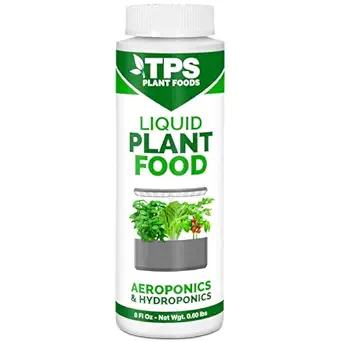 |
Miracle-Gro Water Soluble All Purpose Plant Food (1.5 lb)

| Item Form | Powder |
|---|---|
| Application Method | Watering Can |
| Target Species | All flowers, vegetables, trees, shrubs and houseplants |
| Mixing Ratio | 24-8-16 |
Miracle-Gro Water Soluble All Purpose Plant Food is a powdered fertilizer you dissolve in water to feed container vegetables, flowers and houseplants. Typical use is mixing the scoop into a watering can and applying at the soil level every 7 to 14 days for outdoor containers and every two weeks for indoor pots. Its 24-8-16 formula supplies a high dose of nitrogen for leafy growth while still providing phosphorus and potassium for root and fruit development, so it works well during active vegetable growth. The product is easy to store and use with a watering can or compatible garden feeder and is formulated to be safe when used as directed. Expect fast, visible responses compared with granular slow-release fertilizers, which makes it handy when you need quick growth or recovery. The main compromise is that because it acts quickly you must follow mixing and frequency instructions to avoid overfeeding, and regular reapplication is required rather than a single slow-release application.
Best for: Vegetable container gardeners who want a reliable, fast-acting feed to boost growth between plantings and correct slow development quickly; good for growers who follow directions and will reapply regularly.
Less Ideal for: Gardeners seeking a low-maintenance, once‑and‑done fertilizer or those who prefer strictly organic or slow-release nutrient programs should consider alternatives.
- Water-soluble formula that delivers nutrients to roots quickly
- Suitable for both container and in-ground use including vegetables and houseplants
- High-nitrogen NPK (24-8-16) promotes vigorous leafy and vegetative growth
- Simple application with a watering can or compatible garden feeder
- Feeds approximately 600 sq ft from the 1.5 lb container
- Requires frequent reapplication compared with slow-release granular fertilizers
- High nitrogen ratio may favor leafy growth over flowering or fruiting if overused
Verdict: A fast-acting, all-purpose water-soluble fertilizer that reliably boosts growth in container vegetables when applied regularly and as directed.
FoxFarm Happy Frog Tomato & Vegetable Fertilizer, 5-7-3 Granules, 4 lb

| Item Form | Granules |
|---|---|
| Specific Uses For Product | Vegetables, Tomatoes, Soft Fruits, and Berries |
| Unit Count | 64 Ounce |
| Mixing Ratio | 5:7:3 |
FoxFarm Happy Frog Tomato & Vegetable Fertilizer is a granular 5-7-3 feed designed for tomatoes, vegetables, soft fruits, and berries. Gardeners typically broadcast or side-dress it into container mixes or garden rows and then water it in; the included mycorrhizal fungi aim to improve root efficiency while the calcium helps reduce blossom end rot on fruiting crops. For container vegetable growers this formula supplies a higher middle number for fruit and flower development while still supporting vegetative growth, and the OMRI listing makes it suitable for organic-minded gardens. Application is straightforward thanks to clear mixing instructions, and the granules are easy to store and measure for repeat feedings. Limitations are that it is a dry granular product so it requires mixing or top-dressing and watering to become available to roots, and heavy feeders may still need supplemental foliar feeds during peak production. Also, the NPK is fixed so adjusting microfeeding ratios requires additional products.
Best for: Gardeners who prioritize strong fruit production from container vegetables and want an organic-friendly granular feed that supports root function and reduces common fruiting disorders.
Less Ideal for: People who need a water-soluble or foliar-only fertilizer for drip systems or foliar feeding routines should consider a liquid alternative instead.
- Balanced 5-7-3 NPK tuned for fruiting and flower development
- Contains calcium to help prevent blossom end rot on tomatoes and other fruiting vegetables
- Includes mycorrhizal fungi to support root nutrient and water uptake
- OMRI listed for organic gardening and suitable for containers and in-ground use
- Granular form requires mixing or watering to make nutrients available to container roots
- Fixed NPK ratio cannot be adjusted without adding other fertilizers
Verdict: Choose this fertilizer if you want an organic-friendly, container-ready granular feed that boosts fruit production and supports root health.
Miracle-Gro Shake 'N Feed Tomato, Fruit & Vegetable Plant Food (1 lb)

| Item Form | Granules |
|---|---|
| Target Species | Tomato, Fruit & Vegetable Plant Food |
| Unit Count | 16 Ounce |
| Item Type Name | Continuous Release Plant Food Plus Calcium |
This granular Shake 'N Feed is designed for in-ground beds and container vegetables and delivers slow-release nutrition for up to three months after application. You apply it dry by shaking or working a light layer into the top of the soil for established plants or mixing it into potting mix at planting, then water to activate feeding. The formula supplies balanced nutrients plus calcium, which helps strengthen cell walls and reduce common calcium-related disorders in tomatoes and other fruiting crops. Because it relies on soil microbes to break down natural ingredients, it supports root health and water efficiency rather than giving an immediate flush of soluble fertilizer. Practical gardeners will appreciate the infrequent reapplication schedule and simple shake-on use for containers. Limitations are that it does not replace a quick soluble feed when plants show acute deficiency symptoms and dosing must follow label guidance to avoid overapplication in small pots.
Best for: Home gardeners who want low-maintenance, scheduled feeding for container vegetables and fruiting plants and prefer a product that supports soil health while reducing how often they fertilize.
Less Ideal for: Growers who need immediate corrective feeding or who manage very small or densely planted containers that require precise, frequent nutrient adjustments.
- Continuous-release granules feed plants for up to three months which reduces application frequency
- Contains calcium to improve fruit quality and help prevent calcium-related disorders
- Formulated for both in-ground and container use with simple shake-on application
- Uses natural ingredients that feed soil microbes and support root function
- Not a fast-acting soluble fertilizer for correcting acute nutrient deficiencies
- Requires careful dosing in small containers to avoid over-fertilizing
Verdict: An easy, low-maintenance granular feed that keeps container vegetables nourished and improves fruit quality for a full season between applications.
Miracle-Gro Pour & Feed Singles Ready-to-Use Plant Food

| Item Form | Liquid |
|---|---|
| Application Method | Pour |
| Coverage | Medium |
| Unit Count | 2 Ounce |
| Specific Uses For Product | Plant Food |
Miracle-Gro Pour & Feed Singles are single-use, pre-measured liquid doses that you snap open and pour onto the soil of container plants, so there is no mixing, measuring, or long-term storage. Each 2-ounce single is formulated for potted plants and is intended to feed 12 to 18-inch containers every 10 to 14 days, making it convenient for quick top-ups on vegetables grown in pots. The cap-measure instructions and pour application simplify regular feeding, and the ready-to-use format reduces the chance of over- or under-dosing. Practically, these work well for growers who rotate several small vegetable containers or need an easy solution when juggling many plants. Limitations are that the singles are sized for medium pots only, so very small or very large containers may need adjusted amounts or additional applications, and the format creates more single-use packaging than bulk concentrates. For gardeners prioritizing simplicity and predictable dosing, the product streamlines weekly feeding for container vegetables, but those managing large numbers of pots may prefer a concentrated liquid or granular option for lower per-application cost and less waste.
Best for: Ideal for hobby gardeners growing a few container vegetables who want a no-fuss, predictable feeding routine and value convenience over lowest cost.
Less Ideal for: Not the best choice for producers managing many pots or those focused on minimizing packaging waste or per-application cost.
- Ready-to-use pre-measured singles eliminate mixing and measuring
- Simple pour application designed for container plants
- Labels recommend a clear 10 to 14 day feeding schedule for consistency
- Portable single doses are convenient for spot feeding or travel
- Singles are sized for 12–18 inch pots and may not match very small or very large containers
- Single-use packaging generates more waste than concentrated formulas
Verdict: An easy, no-mix feeding solution that makes consistent fertilizing of medium container vegetables fast and foolproof.
Miracle-Gro Water Soluble All Purpose Plant Food, 12.5 lb

| Item Form | Powder |
|---|---|
| Unit Count | 200 Ounce |
| Mixing Ratio | 1 tablespoon per gallon of water |
| Target Species | all plants |
| NPK | 24-8-16 |
Miracle‑Gro Water Soluble All Purpose Plant Food is a powder fertilizer meant to be mixed with water and applied every 1 to 2 weeks to containers or in‑ground beds. It supplies a balanced NPK (24-8-16) that boosts leafy growth and overall vigor, and the provided scoop and clear mixing directions make dosing straightforward for routine feeding. For container vegetables you mix by the small scoop and water in with the plant at the soil line, which helps the nutrients reach roots quickly and can be repeated on a regular schedule to maintain steady growth. The formula is labeled safe for all plant types when used as directed and the large 12.5 lb container feeds a lot of plants, so you will not need to repurchase often. Limitations are that it is a synthetic, fast‑acting fertilizer so it requires regular application rather than long‑term slow release, and you need to follow the mixing ratios to avoid overfeeding sensitive seedlings or herbs. It works best as a reliable, frequent feed for established container vegetables and community garden plots.
Best for: Gardeners who want a dependable, easy‑to‑use fertilizer to keep container vegetables growing steadily with regular maintenance.
Less Ideal for: People looking for a one‑time slow‑release solution or those who prefer strictly organic fertilizers should consider other options.
- Water‑soluble powder feeds plants quickly when mixed and applied
- Clear mixing instructions and included scoop simplify regular dosing
- High N content promotes vigorous leafy growth useful for many vegetables
- Large 12.5 lb container covers a large area, reducing refill frequency
- Fast‑acting synthetic formula requires frequent reapplication instead of long‑term feeding
- Not a tailored formula for fruiting boost or specific crops without additional amendments
Verdict: A reliable, easy‑to‑mix soluble fertilizer that delivers fast, repeatable nutrition for container vegetables.
Miracle-Gro Water Soluble All Purpose Plant Food, 3 lb

| Item Form | Powder |
|---|---|
| Application Method | Mix with water in a watering can |
| Unit Count | 48 Ounce |
| Fertilizer Analysis | 24-8-16 |
| Coverage | One 3 lb. container feeds approximately 1,200 sq. ft. |
This water-soluble Miracle-Gro powder is designed for quick feeding of container and in-ground plants by mixing measured scoops into water and applying at the soil line. Typical use is every 7 to 14 days for outdoor vegetables and every 2 weeks for houseplants; the package includes a scoop and proportions for watering cans and Garden Feeder use. Notable features are its high-nitrogen 24-8-16 NPK formula that promotes fast leafy growth, compatibility with a wide range of species including vegetables and flowers, and instant availability to roots because the nutrients dissolve in water. Practical benefits for container vegetable growers include rapid correction of nutrient needs between potting mix feedings and easy, dose-controlled application. Important limitations are that it is a fast-release fertilizer so it does not provide long-term feeding like granular slow-release products and must be applied regularly to maintain results. Also, care is required to measure and avoid overapplication and to keep product dry and out of reach of children and pets.
Best for: Gardeners growing vegetables in containers who want predictable, quick nutrient boosts and an easy mixing-and-water routine to correct deficiencies between potting mix feedings.
Less Ideal for: People who prefer a single-season or low-maintenance fertilizer regimen or those seeking organic slow-release nutrition should consider alternative granular or organic products.
- Fast-acting water-soluble formula delivers nutrients directly to roots
- High nitrogen NPK (24-8-16) supports vigorous leafy and vegetative growth
- Simple, measured dosing for watering cans and Garden Feeder compatibility
- Broadly labeled safe for a wide range of indoor and outdoor plants, including vegetables
- Requires frequent applications compared with slow-release granular fertilizers
- Not a long-term soil amendment so feeding must be maintained for continued results
Verdict: A reliable, fast-acting water-soluble fertilizer that gives container vegetables quick, easy-to-control nutrient boosts when you need fast growth.
TPS Nutrients Liquid Plant Food for AeroGarden and Hydroponic Systems, 8 oz

| Item Form | Liquid |
|---|---|
| Specific Uses For Product | Plant Growth, Root Development |
| Target Species | Herb, Vegetable |
| Mixing Ratio | 5 mL (1 tsp) per quart of feedwater |
This 8 oz liquid plant food is designed for AeroGarden and other small indoor hydroponic systems and is used by adding a teaspoon per quart of feed water according to the directions. It provides a balanced, reservoir-safe nutrient mix intended to support steady vegetative growth and stronger root systems for herbs and compact vegetables. The liquid form mixes easily and fits into regular feeding schedules for edible indoor gardens, so maintenance is straightforward for routine users. Practical benefits include compatibility with AeroGarden-style units, a measured mixing ratio for predictable dosing, and a small concentrated bottle that is easy to store. Important limitations are the small 8 ounce volume, which means frequent replacement for larger or multiple systems, and the product is formulated specifically for hydroponic setups so it is not intended for soil applications without adjustment. Also follow safety instructions to avoid skin or eye contact when handling concentrated solution.
Best for: Buyers who want a low-effort, reliable nutrient solution for a single AeroGarden or a small indoor hydroponic herb/vegetable setup and prefer predictable, easy dosing.
Less Ideal for: Gardeners managing multiple large hydroponic reservoirs or outdoor soil gardens should consider larger volume or soil-specific fertilizers instead.
- Formulated for AeroGarden and similar indoor hydroponic systems for easy compatibility
- Simple measured mixing ratio (5 mL or 1 tsp per quart) for predictable feeding
- Liquid concentrate mixes quickly for efficient nutrient delivery
- Supports root development and steady vegetative growth for herbs and vegetables
- Small 8 fl oz bottle may require frequent repurchasing for regular use
- Not intended for direct use in soil without appropriate conversion
Verdict: A compact, easy-to-dose liquid fertilizer made to give AeroGarden and similar indoor edible gardens reliable, steady growth and stronger roots.
Choosing the Right Fertilizer for Container Vegetables: Key Factors to Consider
Nutrient Ratio and Crop Stage
Containers limit the total nutrient bank available to plants, so the fertilizer's N-P-K balance matters more than in open beds. Vegetables generally need higher nitrogen early for leaf growth, then more phosphorus and potassium to support flowering and fruit set. Choosing a formula with a balanced or adjustable ratio reduces the need for multiple products and helps you avoid overfeeding.
Consider whether you can adjust feeding schedule by switching mixes or using bloom-boost feeds at fruiting stage. A single all-purpose formula can work if its ratio matches the dominant crop stage for the season, but concentrated or bloom-focused formulas may be better when tomatoes and peppers need extra support.
Release Method and Feeding Frequency
Fertilizers for containers come as water-soluble, slow-release granules, or liquid concentrates. Water-soluble and liquid feeds give quick correction and are easy to accurately dose, which is helpful when deficiencies appear. Slow-release granules reduce the number of feedings and lower risk of missed doses, but their release depends on temperature and moisture and can be less predictable in small pots.
Think about your watering habits and climate. If you prefer weekly or biweekly liquid feeding, a soluble concentrate offers precise control. If you want lower maintenance and steady background nutrition, a slow-release product labeled for containers can reduce feed frequency.
Salt Index and Risk of Root Burn
Container soils have limited buffering capacity, so soluble salts from concentrated feeds can build up and damage roots. The fertilizer's salt index and recommended dilution rates matter for preventing tip burn, leaf scorch, and poor water uptake. Products with lower concentration per dose or those formulated for container use reduce this risk.
Flush containers periodically and follow dosing instructions closely. If you see leaf margins browning or poor uptake, reduce concentration or increase leaching water to remove excess salts.
Formulation Compatibility With Potting Mix
Potting mixes vary in organic matter, moisture retention, and initial nutrient content. Some slow-release fertilizers rely on microbial activity in organic mixes to break down; they perform poorly in sterile soilless blends. Conversely, high-organic potting soils can interact with high-salt synthetic feeds differently than peat-based mixes.
Match the fertilizer type to your potting medium. For soilless mixes, favor soluble or mineral-based slow-release formulas that do not rely on microbe-driven breakdown. For higher-organic mixes, organic or coated granules may release nutrients more consistently.
Ease of Measurement and Application
Containers need precise, small doses. Products that come with clear measuring tools or simple dilution instructions reduce error. Liquid concentrates that label teaspoons or milliliters per gallon and granules with per-liter guidance are easier to use than bulk agricultural labels.
Also consider how the product is applied. Top-dressing granules, incorporated slow-release pellets, and foliar-applied feeds each have different labor and timing implications. Choose the format that fits your watering routine and physical access to pots.
When to Feed Container Vegetables
Timing feeds for containers differs from garden beds because nutrient stores are small. Start regular feeding a few weeks after transplanting when seedlings move from starter plugs into the potting mix. For most vegetables, switch from a higher-nitrogen starter schedule to a bloom and fruiting focus once flowers appear.
Adjust frequency based on release method: weekly or biweekly for soluble feeds, and monthly to season-long intervals for some slow-release granules formulated for containers. Watch plant growth and leaf color rather than calendar dates alone.
- Begin light feeding after transplanting out of seed trays
- Shift to bloom/fruit formulas as flowers set
- Increase leaching if salts accumulate or leaf tips brown
Organic Vs Conventional Options
Organic fertilizers release nutrients more slowly and tend to be gentler on soil life, which can be beneficial in organic potting mixes. They often improve microbial activity and long-term potting-media health, but may require more frequent applications or supplemental feeding for heavy-feeding crops.
Conventional mineral fertilizers provide rapid, predictable nutrient availability and are easy to dose in small volumes. They are useful when you need quick correction of deficiencies but require careful dilution to avoid salt buildup in containers.
- Organic feeds support soil biology but can be slower acting
- Mineral feeds act quickly and are precise when diluted correctly
- Consider combining a baseline slow organic product with occasional soluble feeding for heavy feeders
How to Avoid Salt Buildup in Pots
Salt buildup is a common problem in container culture. To minimize risk, use the recommended dilution rates, water thoroughly until excess drains from the pot, and periodically flush the container with clear water to leach accumulated salts. Choose fertilizers labeled for container use and lower salt index when growing tender vegetables.
Repotting or top-dressing with fresh potting mix each season also helps reset the nutrient balance. Mulching the surface with compost or well-rotted organic matter can moderate moisture and nutrient release, but do not rely on mulch alone to correct high salt levels.
- Follow dilution instructions closely
- Leach pots occasionally with extra water
- Refresh or replace potting mix annually for heavy-feeding crops
Measuring and Dosing Small Containers
Small pots magnify dosing errors. Use calibrated measuring spoons, syringes, or graduated droppers for liquid concentrates and weigh small packets or use scoop markings for granules. When in doubt, under-dose and observe plants before increasing strength.
Label your containers with the feeding schedule and concentration to avoid accidental overdosing. Consistent records help you adjust rates by crop type and pot size over the season.
- Use precise measuring tools for teaspoons or milliliters
- Start at half the recommended strength for new container plantings
- Keep a feeding log for each crop and pot size
Feeding Common Container Vegetables
Tomatoes, peppers, and cucurbits in containers often need steady potassium and phosphorus during flowering and fruiting, while leafy greens favor higher nitrogen. Adjust feed choice based on the dominant crop in each pot. For mixed plantings, use a balanced all-purpose container formula and supplement with a bloom booster when fruit sets.
Root vegetables like carrots and radishes need moderate fertility and will suffer from excessive nitrogen that produces lush tops and poor roots. Tailor your dosing schedule to the edible part you value most.
- Use slightly higher potassium for fruiting crops
- Favor balanced feeds for mixed containers
- Reduce nitrogen for root crops to improve root development
How We Chose the Best Fertilizer for Container Vegetables
We shortlisted fertilizers that perform reliably in small volumes of potting mix and have formulations suited to fruiting vegetable crops. Our selection emphasized nutrient balance for container-grown vegetables, predictable release behavior, and low risk of soluble salt buildup that can damage roots in confined soil. Evaluation criteria included nutrient ratio relevance for fruiting and leafy stages, release method and consistency of feeding, concentration and salt index to judge risk to tender roots, ease of application for container use, and formulation compatibility with common potting mixes and watering routines. We excluded products designed exclusively for lawns, bulk field agriculture, or ornamental-only formulas that do not match vegetable nutrient needs. We prioritized options that are easy to measure and apply in typical patio and balcony setups, and that work with organic or conventional preferences when possible. Durability of packaging and clear dosing guidance were also considered because small dosing errors have bigger consequences in containers.
FAQ
How often should I feed vegetables in pots?
Feeding frequency depends on the fertilizer type. Water-soluble feeds are commonly applied every 1 to 2 weeks, while slow-release granules can last several weeks to months. Monitor plant growth and leaf color and adjust feeding if plants show deficiency signs.
Can I use garden fertilizer in containers?
Many garden fertilizers are too concentrated or designed for larger soil volumes. Use products labeled for container use or carefully dilute garden formulations to small-pot rates to avoid root burn and salt buildup.
Is liquid or granular fertilizer better for small pots?
Liquid fertilizers offer precise control and quick correction of deficiencies, which can be advantageous in small pots. Granular slow-release options reduce maintenance but can be less predictable in very small containers. Choose based on how often you want to feed and how closely you monitor plants.
How do I know if my container vegetables need fertilizer?
Look for pale or yellowing leaves, stunted growth, or poor flower and fruit set as signs of nutrient deficiency. Also consider how long the plants have been in the same potting mix; after several weeks to months, nutrients are likely depleted and feeding is warranted.
Can over-fertilizing damage container plants?
Yes. Over-fertilizing can cause salt accumulation, leaf scorch, and reduced water uptake. Always follow dilution guidelines, start at lower strength for small pots, and flush containers with plain water if you suspect salt buildup.
Final Verdict
Prioritize fertilizers that match the scale and rhythm of container gardening. Focus on nutrient ratios that suit the crop stage, a release method that fits your maintenance style, and low salt concentration to protect confined roots. Keep measuring precise and adjust feeding based on plant response. Choosing the right fertilizer for container vegetables is a matter of tradeoffs between control and convenience. Use these principles to pick the option that fits your pots, crops, and schedule so your patio or balcony garden produces consistently well.
