

Note: This article contains affiliate links. If you click on these links and make a purchase, I may earn a small commission at no extra cost to you. This helps support my research and content. Read my full affiliate disclosure here.
Dogwood trees respond to thoughtful feeding with fuller spring blooms, richer foliage color, and deeper root systems that tolerate summer stress. Choosing the right fertilizer for dogwood trees matters because these small ornamental trees need specific nutrient ratios and feeding schedules rather than generic high-nitrogen mixes. This guide presents seven shortlisted fertilizers suited for dogwood planting situations, from newly planted specimens to mature landscape trees. We evaluated options across practical gardening concerns like nutrient balance, release type, application ease, and soil compatibility to help you pick the best fit for your yard. Read on for what to look for and how to apply fertilizer to get healthy dogwoods year after year.
Top Picks at a Glance
| Best Overall The best all-around choice for most situations | Miracle-Gro Shake 'N Feed Flowering Trees & Shrubs Plant Food, 8 lb. |  |
| Best Quality Built to a higher standard if you want something more solid | Espoma Tree‑Tone Organic 6-3-2 Tree Fertilizer, 4 lb |  |
| Best Value The sweet spot between price and what you get | The Old Farmer's Almanac Natural Tree and Shrub Fertilizer Spikes (6-Count) |  |
| Best Budget The cheapest option that still gets the job done reliably | Scotts Evergreen Flowering Tree & Shrub Continuous Release Plant Food (3 lb) |  |
| Highest Rated A top-rated pick with lots of positive feedback | Jobe's Organics Tree & Shrub Fertilizer Spikes, 16-4-4, 30 Count (2-pack) | 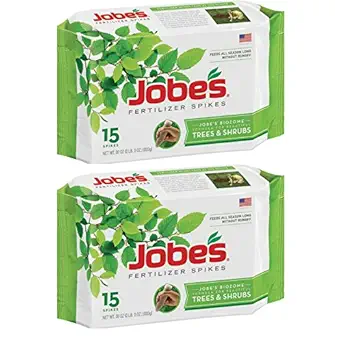 |
| Most Popular A crowd favorite that many people choose with confidence | Miracle-Gro Tree & Shrub Plant Food Spikes, 12 Spikes |  |
| Best Seller A high-volume bestseller chosen again and again | Jobe's Slow Release Tree & Shrub Fertilizer Spikes, 9 Count |  |
Miracle-Gro Shake 'N Feed Flowering Trees & Shrubs Plant Food, 8 lb.

| Item Form | Granules |
|---|---|
| Application Method | shake evenly onto the soil |
| Target Species | flowering trees, shrubs and other acid-loving plants |
| Mixing Ratio | 18:6:12 |
This Shake 'N Feed formula is a granular, slow-release fertilizer designed for flowering trees and shrubs, including acid-loving species like dogwoods. You apply it by shaking a measured amount onto the soil beneath the branch spread, avoiding direct contact with trunk and foliage, then watering to activate the nutrients. The 18-6-12 NPK blend combined with organic inputs such as kelp, feather meal, bone meal and earthworm castings aims to feed soil microbes as well as plants, which can improve root strength and water efficiency. It feeds up to three months, so you only need to reapply seasonally. Because it is a medium-coverage granular product, it is convenient for beds and in-ground plantings and can also be worked into potting mix for established containers. Limitations are that it is not a fast-acting liquid feed if you need immediate correction and it is formulated for acid-loving plants so it is not the best match for trees that prefer neutral or alkaline soil. Follow the label for timing and rates to avoid overapplication.
Best for: Home gardeners who want a low-effort, seasonal fertilizer to maintain healthy blooms and foliage on dogwoods and other acid-loving ornamental trees and shrubs.
Less Ideal for: Gardeners who need rapid corrective feeding or who are growing trees that require neutral or alkaline soil chemistry.
- Designed specifically for flowering trees and shrubs, suitable for species that prefer acidic soil
- Continuous-release formula feeds plants for up to three months reducing application frequency
- Contains organic additives (kelp, bone meal, feather meal, earthworm castings) that support soil microbe activity
- Clear application method for in-ground and container use that is easy to integrate into seasonal care
- Not a quick-fix liquid for immediate nutrient correction
- Formulated for acid-loving plants so not ideal for trees that prefer neutral or alkaline soils
Verdict: Use this Shake 'N Feed formula when you want an easy, seasonal granular fertilizer that supports blooms and root health in dogwoods and other acid-loving trees.
Espoma Tree‑Tone Organic 6-3-2 Tree Fertilizer, 4 lb

| Item Form | Granules |
|---|---|
| Application Method | Ready to use |
| Coverage | Medium |
| Target Species | Shade, fruit and ornamental trees |
Espoma Tree-Tone is a granular, ready-to-use organic fertilizer designed for shade, fruit and ornamental trees and is best applied in spring and fall. Its 6-3-2 NPK analysis with added calcium and a bio-tone microbial blend supplies steady, low‑burn nutrition that supports root development and flowering without the shock of high nitrogen supplements. Use it by broadcasting the granules around the dripline and lightly working them into the soil or leaving them on the surface to dissolve with irrigation or rain. Because it is certified for organic gardening and contains no sludge or fillers, it suits gardeners who want natural inputs while still improving tree vigor and fruit production. The 4 lb bag covers medium areas but frequent users or large trees will need larger quantities. As a granular organic formula it releases nutrients more slowly than synthetic feeds, so expect gradual improvements rather than immediate leafy flushes.
Best for: Home gardeners who prioritize tree health and long-term performance and want an organic, low-risk fertilizer for seasonal spring and fall feedings.
Less Ideal for: Gardeners seeking rapid, high‑nitrogen green-up or those needing to feed many large trees frequently without buying in bulk.
- Organic formula approved for organic gardening
- Ready-to-use granules require no mixing
- Balanced 6-3-2 NPK with added calcium for root and fruit support
- Contains a microbial Bio-tone blend to aid nutrient uptake
- 4 lb bag provides limited coverage for mature or multiple trees
- Slower nutrient release compared with synthetic fertilizers
Verdict: Choose this organic Tree-Tone fertilizer if you want a ready-to-use, balanced feed that improves tree vigor and fruiting through steady, low-risk nutrient release.
The Old Farmer's Almanac Natural Tree and Shrub Fertilizer Spikes (6-Count)

| Item Form | Sticks |
|---|---|
| Application Method | Drive into soil |
| Target Species | trees, evergreens and shrubs |
| Mixing Ratio | 13:3:3 |
These TruSpikes are compact, easy-to-use fertilizer sticks designed for trees and larger shrubs. You drive the spikes into the root zone around the dripline and water them in; instructions recommend spacing around the dripline and using one spike per inch of trunk diameter for trees or one spike per three feet of shrub height. The formulation contains nitrogen, phosphate, and potash components and releases nutrients slowly, which reduces the need for frequent feeding and helps avoid surface runoff. Practical benefits include fast application with a hammer, predictable dosing per plant, and seasonally timed use in spring and late fall. Limitations are that spikes deliver a set nutrient mix and amount, so you cannot fine-tune NPK ratios for specific deficiencies, and they must be placed correctly to reach active roots. Also they are not suitable for small or newly planted dogwoods where root systems are shallow.
Best for: Buyers who want a no-fuss, time-saving fertilizer method for established dogwood trees and shrubs and prefer predictable, measured feeding over frequent maintenance.
Less Ideal for: Gardeners trying to correct specific nutrient deficiencies identified by soil tests or those caring for very young, newly planted dogwoods with limited root zones.
- Simple, low-effort application that saves time compared with granular or liquid feeding
- Slow-release delivery reduces need for repeated applications and lowers runoff risk
- Clear, plant-specific placement guidance makes dosing predictable
- Packaged spikes allow measured application per tree or shrub without mixing
- Fixed NPK mix and quantity per spike cannot be adjusted for specific soil test results
- Not appropriate for very young or shallow-rooted plants that cannot access subsurface spikes
Verdict: A quick, low-maintenance way to deliver slow-release nutrients to established dogwoods without mixing or frequent reapplication.
Scotts Evergreen Flowering Tree & Shrub Continuous Release Plant Food (3 lb)

| Item Form | Powder |
|---|---|
| Application Method | Apply directly to soil |
| Coverage | Medium |
| Target Species | Evergreens, dogwoods, hydrangeas, magnolias, azaleas, camellias, rhododendrons |
This Scotts continuous-release plant food is designed for established evergreens and acid-loving flowering trees and shrubs such as dogwoods, hydrangeas, azaleas and rhododendrons. Applied directly to the soil and raked into the top inch or two of mulch, the powder slowly releases nutrients over about two months, supporting root development and leaf growth without frequent reapplication. The label calls for even coverage of the root zone and watering in after application, so it fits into a two-month feeding rhythm during the growing season. Its N-P-K profile and slow-release formulation help reduce the risk of burning when used as directed and cut down on the number of feedings compared with fast-release products. The main limitations are that this is a medium-coverage, small 3 lb pack suited to smaller yards or a few specimen trees, and you must follow the spacing directions carefully to avoid overapplication near trunks.
Best for: Home gardeners with one or a few dogwood trees or small shrub collections who want a low-maintenance, infrequent feeding schedule and predictable results.
Less Ideal for: Large properties or anyone needing to feed many trees regularly should choose a larger bulk fertilizer or a product with wider coverage per application.
- Formulated for acid-loving trees and shrubs including dogwoods
- Continuous-release formula feeds plants for up to two months, reducing application frequency
- Easy soil application that is water-activated and safe when used as directed
- Small 3 lb package limits coverage for larger yards or multiple trees
- Requires manual spreading and raking into soil or mulch for best results
Verdict: A small, easy-to-use slow-release fertilizer tailored to dogwoods and other acid-loving trees that keeps feeding for about two months so you can fertilize less often.
Jobe's Organics Tree & Shrub Fertilizer Spikes, 16-4-4, 30 Count (2-pack)

| Item Form | Sticks |
|---|---|
| Application Method | Insert spikes around each tree's dripline |
| Coverage | Medium |
| Target Species | Trees and shrubs |
| Mixing Ratio | 16:4:4 |
Jobe's Organics Tree & Shrub Fertilizer Spikes deliver a season-long, slow-release supply of nutrients by inserting sticks around a tree's dripline. Intended for deciduous trees and shrubs, you place spikes at the root zone in early spring and late fall and let the timed-release formula feed roots without mixing or measuring. The 16-4-4 ratio emphasizes nitrogen for leafy growth while supplying phosphorus and potassium for roots and overall health. The product is tidy and low-maintenance with minimal runoff or odor, which makes it practical for yards where convenience and clean application matter. Because the spikes release nutrients gradually, they reduce the risk of burning and cut down on the need for frequent reapplication, but coverage is described as medium so larger or mature trees may need multiple spikes for full benefit. These are best used as part of a seasonal program rather than a single cure for nutrient problems.
Best for: Homeowners who prioritize a low‑maintenance, dependable feeding routine for ornamental trees and shrubs and want a simple seasonal solution they can apply themselves.
Less Ideal for: People managing large specimen trees that need precise soil amendment or commercial growers who require custom nutrient programs.
- Slow-release formula supplies nutrients steadily through the season
- Very easy application by inserting spikes at the tree dripline with no mixing
- Formulation designed to avoid runoff and reduce risk of root burn
- Tidy, low-odor sticks that are convenient for routine seasonal use
- Coverage rated as medium so larger trees may require many spikes
- Not formulated to address specific soil deficiencies without testing
Verdict: A reliable, low‑effort seasonal feeder that delivers steady nutrition to dogwood trees and other ornamentals with simple spike insertion.
Miracle-Gro Tree & Shrub Plant Food Spikes, 12 Spikes

| NPK ratio | 15-5-10 |
|---|---|
| Coverage | 12 spikes per season |
| Application method | Place around drip line and drive into soil |
| Target species | Trees, shrubs, evergreens and acid-loving plants |
| Unit count | 48 Ounce |
Miracle-Gro Tree & Shrub Plant Food Spikes are pre-measured, slow-release sticks designed to feed established trees and shrubs by placing them around the drip line and driving them below the soil surface. Each spike contains a 15-5-10 NPK formula intended to promote foliage color and overall vigor. Typical use is straightforward: water the soil to soften it, space spikes around the drip line at least three feet apart, and push them in once in early spring and again in mid-fall. Practical benefits include direct root-zone delivery so nutrients reach the feeding roots and the convenience of a no-mess, low-labor application compared with broadcast granular fertilizers or liquid feeding. Limitations are that spikes are seasonal treatments rather than continuous in-season feedings and they rely on correct placement and soil contact to be effective; compacted or rocky soil can make driving spikes difficult. They are sized for small to medium trees and shrubs, so very large specimens may need many spikes or an alternative feeding approach.
Best for: A cautious buyer wanting proven, low-effort feeding for established ornamental trees like dogwoods who values products with wide user acceptance and clear usage instructions.
Less Ideal for: Gardeners needing intensive, frequent summer fertilization, or those with very large trees that would require many spikes and might be better served by granular or soil-injection options.
- Pre-measured slow-release formula delivers nutrients directly at the root zone
- Simple, low-mess application with no measuring or mixing required
- Two recommended seasonal applications (spring and fall) fit typical tree care schedules
- Label includes placement chart to help determine spike count and spacing
- Not designed for continuous in-season feeding so may not help trees needing frequent summer nutrition
Verdict: A convenient, low-effort seasonal feed that delivers slow-release nutrients directly to the root zone, making it a practical choice for maintaining healthy dogwood trees.
Jobe's Slow Release Tree & Shrub Fertilizer Spikes, 9 Count

| Unit Count | 9 Count |
|---|---|
| Application Method | Insert spikes into soil |
| Item Form | Sticks |
| Mixing Ratio | 15-3-3 |
| Specific Uses For Product | Plant Growth, Root Development, Soil Conditioning |
Jobe's tree and shrub fertilizer spikes are pre-measured sticks you hammer into soil around a tree's drip line to deliver a slow, steady supply of nutrients directly where roots are active. They are intended for twice-yearly use in early spring and late fall and are easy to apply with a plastic cap and light tapping so even casual gardeners can use them. The 15-3-3 formula targets leafy growth and root development while the spike form eliminates messy spreading and reduces runoff. For dogwood care this product supplies a safe, controlled dose and reduces the risk of overfertilizing compared with granular or liquid feeds. Limitations are the fixed NPK ratio and fixed dose per spike which may not suit trees needing different nutrient balances or fine-tuned feeding schedules, and they must be placed at the dripline and kept a safe distance from the trunk, which takes a bit of measuring. Overall, these spikes are a low-effort option for steady seasonal feeding when you want predictable results with minimal handling.
Best for: Home gardeners who prioritize cautious, low-effort feeding for established trees like dogwoods and want predictable, pre-measured nutrition without mixing fertilizers.
Less Ideal for: Gardeners who need customized NPK ratios, variable dosing, or frequent targeted treatments for nutrient deficiencies should consider alternative products.
- Pre-measured slow-release sticks reduce risk of overfertilizing
- Easy application around drip line with no mixing or spreading
- Spike delivery minimizes runoff and surface mess
- Long-lasting formula feeds through the growing season
- Fixed 15-3-3 ratio and dose per spike limit tailoring to specific nutrient needs
- Requires correct placement at dripline and spacing which adds minor setup effort
Verdict: An easy, low-risk way to deliver steady seasonal nutrition to dogwoods and other acid-loving trees without mixing or runoff.
Choosing the Right Fertilizer for Dogwood Trees: Key Factors to Consider
Nutrient Ratio and Timing
Dogwoods typically benefit from a balanced fertilizer with a modest nitrogen level and sufficient phosphorus and potassium to support flowering and root growth. Too much nitrogen early in the season can encourage leggy growth at the expense of blooms, while insufficient phosphorus can limit flower production. Timing matters: feed in early spring as new growth begins and avoid heavy late-season nitrogen that delays dormancy.
When evaluating fertilizers, look at the N-P-K numbers and choose formulations intended for flowering trees or ornamentals. Some granular or slow-release products are labeled with application windows that match dogwood growth cycles; follow those recommendations and adjust feeding frequency based on tree age and soil fertility.
Release Type and Longevity
Controlled-release and slow-release fertilizers supply nutrients steadily over weeks or months, which reduces the risk of burning the root zone and supports consistent bloom development. Fast-release products can give a quick green-up but often require more frequent applications and carry higher burn risk if applied improperly.
For established dogwoods, a slow-release granular or an enriched organic option often provides the best balance of steady nutrition and low maintenance. Newly planted trees might need gentler, lower-rate feeds until roots establish, so choose a product with clear label guidance for young specimens.
Soil pH and Compatibility
Dogwoods prefer slightly acidic to neutral soils, and soil pH affects nutrient availability. A fertilizer that is compatible with common pH ranges or includes micronutrients in chelated forms can help prevent deficiencies in marginal soils. If your yard has very alkaline or very acidic soil, a soil test will tell you whether amendments are needed before routine fertilization.
Some products include sulfur or iron to correct mild pH-related deficiencies, while others are neutral. Consider how a fertilizer interacts with your regular mulching, composting, and irrigation practices so you do not introduce conflicting treatments.
Application Method and Labor
Ease of application influences how consistently gardeners will feed their trees. Granular spread-and-water formulas can be economical and simple, while spike or stake systems offer low-effort installations but may not distribute nutrients evenly beyond the immediate trunk area. Liquid feeds allow targeted foliar or root drenches but require mixing and more frequent treatments.
Think about access to the tree, root spread, and whether you prefer a single spring application or several light feeds. Also factor in safety for nearby plants, pets, and water sources when selecting an application method.
Organic Vs Synthetic Options
Organic fertilizers provide slower nutrient release and improve soil structure over time, which can be beneficial for long-term tree health and microbial activity. Synthetic fertilizers offer predictable nutrient analysis and faster correction of specific deficiencies. For dogwoods, organic options reduce burn risk and add organic matter, while synthetics can be useful for targeted nutrient correction when deficiencies are diagnosed.
Decide whether you want the cumulative soil-building benefits of organic materials or the precision of synthetic feeds. Many gardeners use a combination: periodic organic feeding with occasional targeted synthetic supplements when tissue tests indicate a need.
Safety and Environmental Impact
Fertilizer applied incorrectly can leach into waterways or harm nearby shrubs and lawn. Choose products with clear runoff cautions and apply according to label rates to minimize environmental impact. Slow-release formulations and targeted root-zone applications help reduce nutrient loss from heavy rains.
Also consider the safety of children and pets in areas where you apply fertilizer. Some granular products should be kept away from play areas until incorporated and watered in; liquid and organic options often carry different handling precautions. Follow instructions and store materials securely.
Feeding New Transplants
Young dogwoods have a limited root spread and need gentle feeding while roots establish. Avoid heavy, concentrated applications in the first year and emphasize root-friendly practices like consistent watering and mulch to retain moisture.
Use lower-rate feeds formulated for newly planted trees or dilute liquid fertilizers to a fraction of the recommended rate for mature specimens. Monitor growth and wait until the second season for fuller-strength applications to reduce transplant stress.
- Apply light, low-nitrogen feeds in early spring for first-year transplants
- Keep mulch pulled back a few inches from the trunk to prevent collar rot
- Water regularly during dry spells to help roots take up nutrients
Feeding Established Landscape Dogwoods
For established trees, aim for a predictable spring application when buds swell and another modest feeding in early summer only if growth is weak. Use slow-release granulars to avoid repeated treatments and to feed the wider root zone rather than concentrating near the trunk.
Avoid heavy late-summer feeding that can delay hardening off before winter. Instead, focus on balanced nutrition and soil health practices like adding organic mulch and occasional compost topdressing.
- Spread granular fertilizer over the root zone, extending to the drip line
- Top-dress with compost in autumn to build soil organic matter
- Skip or reduce fertilization in years with healthy natural growth
Addressing Common Nutrient Deficiencies
Yellowing between veins or poor flowering often signals nutrient imbalances or micronutrient shortages. A soil or leaf tissue test is the best way to pinpoint deficiencies before adding targeted products.
Iron chlorosis is common in high pH soils and can be managed with iron supplements or by improving soil organic content. Phosphorus deficiency that limits blooms is less common in amended soils but can be corrected with a bloom-focused fertilizer if tests confirm low phosphorus.
- Use tests to confirm deficiencies before applying targeted supplements
- Choose chelated micronutrients for quick correction of iron or manganese issues
- Avoid blanket high-nitrogen treatments for yellowing leaves without diagnosis
Safe Application Near Other Plants and Water
Dogwoods are often planted in mixed beds or near lawns, so think about how fertilizer applied to one plant affects neighbors. Use targeted soil applications and avoid broadcast applications that may drift onto turf or into storm drains.
When fertilizing near water features, choose slow-release formulas and follow label rates closely. Rinse tools and dispose of leftover mixes responsibly to prevent accidental runoff.
- Keep fertilizer at least a few feet from pond edges and drainage lines
- Water in granular applications to move nutrients into the root zone
- Sweep up any granules that land on hard surfaces to prevent wash-off
Seasonal Care and Integration with Mulch
Mulch helps conserve moisture and moderates soil temperature, both important for fertilizer uptake. Maintain a 2 to 3 inch layer of organic mulch over the root zone but leave a small gap at the trunk base.
Apply fertilizer on top of the mulch only if the product label permits; otherwise, move mulch aside before spreading and then replace it. Time fertilization for early spring so nutrients are available during active root growth.
- Refresh mulch annually but avoid piling it against the trunk
- Coordinate application timing with mulching to maximize nutrient contact with soil
- Use compost as a gentle, long-term feeding strategy under mulch
How We Chose the Best Fertilizer for Dogwood Trees
We started by prioritizing product attributes that directly affect dogwood health and gardener experience. Key evaluation criteria included nutrient formulation and ratio, focusing on moderate nitrogen with adequate phosphorus and potassium levels that support flowering and root development. Release mechanism was assessed because slow-release and controlled-release forms reduce burn risk and provide sustained feeding through the growing season. Application method and ease of use mattered for backyard gardeners who need clear instructions and predictable results. We also considered compatibility with common soil pH ranges and whether a product works with mulched or newly planted trees. We excluded products aimed solely at turf, high-nitrogen vegetable formulas, and specialty fertilizers for unrelated species. We gave lower priority to niche additives unless there was clear evidence they benefit dogwoods. The shortlist reflects practical choices that balance nutrient needs, safety, and straightforward application for both new and established dogwood trees.
FAQ
How often should I fertilize a mature dogwood tree?
Mature dogwoods usually need a single balanced spring feeding, with an optional light summer boost only if growth is weak. Over-fertilizing can reduce flowering and increase susceptibility to stress.
Can I use lawn fertilizer on my dogwood?
Lawn fertilizers often have high nitrogen formulated for grass and can promote excessive leafy growth on trees. It is better to use a tree or shrub fertilizer with balanced N-P-K suited for flowering ornamentals.
When is the best time of year to apply fertilizer to dogwoods?
Apply fertilizer in early spring as new growth begins so nutrients support leaf and flower development. Avoid heavy late-summer or fall nitrogen applications that may interfere with cold hardiness.
Will organic fertilizers give quick results on dogwoods?
Organic fertilizers work more slowly because they release nutrients as soil organisms break them down. They improve soil structure and provide steady nutrition, but do not produce the rapid green-up that synthetic quick-release products can deliver.
How can I tell if my dogwood needs fertilizer?
Signs include reduced flowering, pale or yellowing leaves, and slow new growth compared with healthy specimens. Conduct a soil or leaf tissue test to confirm whether a nutrient deficiency exists before applying fertilizer.
Final Verdict
Prioritize nutrient balance, release type, and correct timing when choosing fertilizer for dogwood trees. Slow-release or organic options often suit established trees because they feed steadily and minimize burn risk, while gentle, low-rate applications protect newly planted specimens. Weigh tradeoffs between quick correction and long-term soil building, match the product to your soil test results, and apply according to label directions. With the right fertilizer and sensible seasonal care, your dogwoods will set stronger roots and produce more consistent blooms year after year.
