

Note: This article contains affiliate links. If you click on these links and make a purchase, I may earn a small commission at no extra cost to you. This helps support my research and content. Read my full affiliate disclosure here.
Growing giant pumpkins changes how you think about fertilizing. Plants that need to produce dozens of pounds of orange flesh require steady vine vigor, ample nitrogen early, and a bloom-to-fruit feeding strategy later. The wrong formula or schedule can limit vine size, reduce pollination success, or produce underweight fruit. This guide shortlists six fertilizers suited for giant pumpkin growing and explains the practical tradeoffs between nutrient concentration, application method, and timing. We evaluate nutrient profiles, ease of use, and how each product behaves in garden soils so you can pick the feeding plan that matches your patch and goals.
Top Picks at a Glance
| Best Overall The best all-around choice for most situations | HyR BRIX Custom Blend Pumpkin Fertilizer 8-6-12, 45 lb |  |
| Best Quality Built to a higher standard if you want something more solid | FoxFarm Dirty Dozen Liquids & Solubles Starter Pack (12-pack) |  |
| Best Value The sweet spot between price and what you get | Miracle-Gro Shake 'N Feed Tomato, Fruit & Vegetable Plant Food, 4.5 lb |  |
| Best Budget The cheapest option that still gets the job done reliably | Dr. Earth Organic Tomato, Vegetable & Herb Fertilizer (64 oz) |  |
| Most Popular A crowd favorite that many people choose with confidence | Miracle-Gro Water Soluble All Purpose Plant Food, 10 lb | 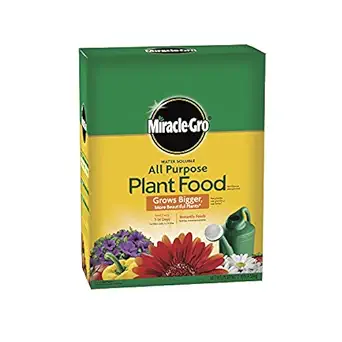 |
| Best Seller A high-volume bestseller chosen again and again | Farmer's Secret Fruit & Bloom Booster Liquid Fertilizer (32 oz) |  |
HyR BRIX Custom Blend Pumpkin Fertilizer 8-6-12, 45 lb

| NPK Analysis | 8-6-12 |
|---|---|
| Form | Granules |
| Coverage | 2,142 Square Feet |
| Specific Uses For Product | Supports Pumpkin Growth |
| Slow Release | Yes |
This HyR BRIX Custom Blend is a one-application, slow-release granular fertilizer formulated for pumpkin and squash production. Applied before planting and mixed into the soil, its 8-6-12 NPK plus added calcium and sulfur aim to support vigorous vine growth, stronger cell walls, and steady nutrient supply through the season. The bag also contains earthworm castings and mineral-based ingredients intended to promote beneficial soil biology and improve nutrient efficiency. Practical benefits include season-long feeding without repeated applications and coverage large enough for several home garden beds. Important limitations to note are that it is a bulk 45 lb bag which requires storage space and handling, and it must be incorporated and watered as directed to avoid concentrated pockets that can harm seedlings. Also, specific application rates and timing must be followed to prevent overapplication and nutrient imbalance. For gardeners prioritizing consistent, low-maintenance feeding for pumpkins, this product delivers a reliable, soil-focused formula.
Best for: Gardeners who want a dependable, low-maintenance fertilizer to feed pumpkin patches through the season with minimal reapplication and a focus on soil health.
Less Ideal for: People who need small-quantity packaging for container gardening or those unwilling to handle and store a heavy bulk bag.
- Formulated NPK 8-6-12 tailored for pumpkin and vine crops
- Slow-release granules provide season-long nutrition with a single application
- Contains calcium and sulfur to support plant structure and protein-related functions
- Includes earthworm castings and minerals to encourage soil biology and nutrient availability
- Large 45 lb bag requires storage and can be cumbersome to handle
- Must be mixed into soil and watered after application to avoid localized root damage
Verdict: Choose this product if you want a reliable, soil-focused slow-release fertilizer that feeds pumpkins all season with a single application.
FoxFarm Dirty Dozen Liquids & Solubles Starter Pack (12-pack)

| Item Form | Liquid |
|---|---|
| Application Method | Mix with water and apply to plants |
| Specific Uses For Product | Plant Growth |
| Mixing Ratio | 3:1 |
The FoxFarm Dirty Dozen is a comprehensive starter pack that mixes three water-soluble concentrates with nine pint-size liquid fertilizers to cover multiple growth stages. You mix the solubles with water and apply them alongside the pint liquids according to each product’s directions, which makes it suitable for regular feeding programs. Notable inclusions are bloom stimulants (Beastie Bloomz, Cha Ching, Open Sesame) and general growth formulas (Grow Big, Big Bloom, Microbe Brew) so you can shift feeding from vegetative growth to heavy flowering and fruit set. For growers chasing maximum performance, the variety lets you tailor nutrient schedules and deliver quick-acting soluble feeds plus sustained liquid nourishment. Practical limits are that this is a general-purpose kit rather than a pumpkin-specific formula and it requires careful mixing and scheduling to avoid overfeeding; heavy-feeding crops will still need monitoring of soil fertility and possibly additional macronutrient adjustments. The pack is best used by gardeners who plan a repeatable feeding regimen and want flexibility without buying many single bottles individually.
Best for: Serious vegetable or specialty growers who prioritize measurable performance and want a flexible, full-suite feeding program to push large plants and heavy yields.
Less Ideal for: Casual gardeners who prefer a single, low-maintenance fertilizer or beginners uncomfortable with mixing and staging multiple products.
- Broad nutrient coverage with 12 complementary products for different growth stages
- Includes water-soluble formulas for fast uptake and pint liquids for ongoing feeding
- Contains specific bloom and fruiting boosters useful during flowering and fruit set
- Pack reduces the need to purchase many individual fertilizers separately
- Not a single, pumpkin-tailored formula so you must create a feeding schedule and possibly supplement specific macronutrients
- Requires careful mixing ratios and management to avoid nutrient burn
Verdict: Choose this kit when you want a performance-focused, stage-by-stage feeding system that gives you the flexibility to push big pumpkins and heavy yields.
Miracle-Gro Shake 'N Feed Tomato, Fruit & Vegetable Plant Food, 4.5 lb

| Item Form | Granules |
|---|---|
| Specific Uses For Product | Growing tomatoes, fruits, and vegetables |
| Application Method | Dry application |
| Mixing Ratio | 10:5:15 |
Miracle‑Gro Shake 'N Feed Tomato, Fruit & Vegetable is a granular, dry‑apply fertilizer designed for in‑ground beds and container vegetables. You sprinkle or shake the granules onto the soil and either work them into the top inch or three of soil or mix them into potting mix when planting, then water to activate feeding. The 10-5-15 NPK formula supplies balanced nitrogen for leafy growth and higher potassium for fruit development while added calcium helps reduce common blossom and fruit disorders. Because it feeds for up to three months, it cuts down on frequent applications and is convenient for busy gardeners. It is targeted specifically at tomatoes, peppers, berries and similar crops and is suitable for both established plants and new transplants. Limitations are that it must be applied to soil rather than foliar‑sprayed, and gardeners who prefer slow micronutrient tailoring or organic certified inputs may prefer other options. Follow label rates closely to avoid overapplication in small container setups.
Best for: A gardener who wants a low‑maintenance, reliable fertilizer for tomato and vegetable beds and containers and values fewer applications and straightforward instructions.
Less Ideal for: Growers seeking certified organic fertilizers, those who rely on foliar or liquid feeding programs, or gardeners wanting to precisely blend micro‑nutrients should consider other products.
- Long residual feeding up to three months reduces reapplication frequency
- Includes calcium to help prevent blossom and fruit disorders and improve fruit quality
- Ready‑to‑use granular form is simple to apply to in‑ground beds or mixed into potting soil
- NPK 10-5-15 balances vegetative growth with fruit development for vegetables and tomatoes
- Not suitable for foliar feeding or direct mixing into irrigation systems
- Contains conventional ingredients so it is not an organic‑certified product
Verdict: Choose this if you want an easy, long‑lasting granular fertilizer that reliably feeds vegetable and tomato plants for an entire season with minimal upkeep.
Dr. Earth Organic Tomato, Vegetable & Herb Fertilizer (64 oz)

| Unit Count | 64 Ounce |
|---|---|
| Item Form | Granules |
| Specific Uses For Product | Organic |
| Target Species | Herb |
| Coverage | Medium |
This granular organic fertilizer is designed to boost vegetable and herb production by supplying balanced nutrients and soil biology support. It is typically broadcast into beds, mixed into potting mixes, or applied at planting and midseason for a nutritional lift; the manufacturer recommends reapplying every six weeks for containers. Notable features include a fully organic ingredient list, fast but sustained nutrient release, and a blend of probiotic microbes plus ecto and endo mycorrhizae intended to improve nutrient uptake and drought tolerance. In practice that means healthier root systems and potentially better yields and flavor in crops like cucumbers when used as part of an organic program. Limitations are that it is a medium coverage product in a 64 ounce bag so larger plots will need more frequent purchases, and it contains phosphorus so local runoff rules should be checked before use. Follow the directions for pH and application timing to avoid overapplication in small containers.
Best for: Gardeners who prioritize organic soil health and want a single, biology‑focused fertilizer to support vegetables like cucumbers in beds or containers.
Less Ideal for: Large‑scale growers seeking a bulk, high‑coverage fertilizer or those who must avoid phosphorus due to local regulations should consider other options.
- 100 percent organic formula suitable for certified organic gardens
- Contains beneficial microbes and eight strains of mycorrhizae to support root health and nutrient uptake
- Granular form releases nutrients quickly and continues feeding for several months
- Works for beds, raised planters and containers and can be used at planting, transplanting or midseason
- Bag is medium coverage so not economical for very large vegetable plots
- Includes phosphorus which may be restricted in some local jurisdictions
Verdict: Choose this product if you want an organic, microbe‑rich granular fertilizer that supports root health and steady feeding for cucumber and other vegetable plantings.
Miracle-Gro Water Soluble All Purpose Plant Food, 10 lb

| Item Form | Granules, Powder |
|---|---|
| Application Method | watering can |
| Target Species | For all flowers, vegetables, trees, shrubs and houseplants |
| Fertilizer Analysis | 24-8-16 |
Miracle-Gro Water Soluble All Purpose Plant Food is a fast-acting granular formula that dissolves in water to feed shrubs, flowers, vegetables and houseplants. You mix measured scoops into a watering can or garden feeder and apply at the soil line every 1 to 2 weeks; the water-soluble format delivers nutrients quickly to roots, which can produce visibly fuller growth compared with unfed plants. The product is labeled safe for all common plant types when used as directed and includes guidance for indoor and outdoor dilution rates. Notable features are the broad target list (shrubs included), the 24-8-16 NPK balance that favors leafy growth, and a large 10 lb container that covers extensive garden area. Practical benefits for shrub care are rapid nutrient availability during the growing season and easy application with routine watering. Important limitations are the relatively high nitrogen proportion, which is ideal for leaf development but may be less suitable when the goal is to limit vegetative growth or to force blooms or fruit without adjusting timing or concentration. Follow the package directions to avoid overfeeding and protect nearby sensitive plants.
Best for: Gardeners who want a reliable, quick-feed fertilizer to boost shrub vigor and see noticeable growth within weeks and who value products with extensive customer use and guidance.
Less Ideal for: Growers seeking a low-nitrogen bloom booster or a slow-release, low-maintenance fertilizer for seasonal feeding should consider more specialized formulas.
- Water-soluble formula delivers nutrients quickly to roots for faster response
- Broadly labeled for indoor and outdoor use including shrubs, trees, flowers and vegetables
- Clear dilution and application instructions for watering can or garden feeder
- High-coverage 10 lb container suitable for large gardens
- High nitrogen ratio may encourage leafy growth over blooms or fruiting if used during flowering
- Requires regular reapplication every 1–2 weeks rather than long-term slow feeding
Verdict: A dependable, fast-acting water-soluble fertilizer that reliably boosts shrub growth when used as directed.
Farmer's Secret Fruit & Bloom Booster Liquid Fertilizer (32 oz)

| Item Form | Liquid |
|---|---|
| Specific Uses For Product | Root Development, Seed Development |
| Application Method | pour or spray |
| Target Species | Fruit, vegetable, and flower producing plants |
| Mixing Ratio | 1 teaspoon:2 gallons |
Farmer's Secret Fruit & Bloom Booster is a super-concentrated liquid fertilizer designed for the bloom and fruiting stages of garden plants. You dilute it at the recommended rate and apply by watering can, sprayer, or through irrigation for either soil feeding or foliar feeding; the brand suggests starting applications when buds form and repeating every 1 to 2 weeks. The formula emphasizes higher phosphorus and potassium to encourage blooms and fruit set while supplying nitrogen and trace minerals that support root health and general vigor. Because it is liquid and concentrated, nutrients are immediately available to plants, which can produce visible improvements faster than granular feeds. Practical benefits include flexible application methods, suitability for a wide range of fruiting plants, and a long shelf life. Important limitations are that it requires careful dilution to avoid overfeeding and that optimal timing and results vary by crop and climate, so some trialing on a small number of plants is wise.
Best for: Home gardeners seeking a simple, proven boost for flowering and fruiting plants who prefer an easy-to-use, professional-style liquid feed and play it safe by following dilution instructions.
Less Ideal for: Gardeners who want dry granular feeds, slow-release long-season feeding, or need exact NPK ratios for fine-tuned fertilization plans.
- High phosphorus and potassium focus to support flowering and fruit set.
- Concentrated liquid formula makes nutrients immediately available and extends number of applications per bottle.
- Versatile application: pour, spray, foliar feed, or use with irrigation systems.
- Contains macronutrients plus trace minerals for balanced plant support.
- Long practical shelf life so unopened product can be stored for years.
- Requires precise dilution and schedule to avoid overfeeding sensitive plants.
- No guaranteed NPK numbers listed on the provided details for exact nutrient breakdown.
Verdict: A concentrated liquid bloom booster that reliably supports stronger roots and bigger yields for fruiting plants when used as directed.
Choosing the Right Fertilizer for Growing Giant Pumpkins: Key Factors to Consider
Nutrient Ratio and Timing
The macronutrient ratio drives how a pumpkin plant partitions energy between vine growth and fruit mass. Higher nitrogen early in the season promotes long, healthy vines that capture light and build the leaf area required to feed a giant fruit. As the plant moves into bloom and fruit set, shifting to higher phosphorus and potassium supports pollination success and cell expansion inside the developing pumpkin.
Timing matters as much as ratio. Overfeeding nitrogen late will favor vine vigor at the expense of fruit fill, while underfeeding early limits canopy development and total carbohydrate production. Look for fertilizers with clear guidance on stage-specific use or combine complementary products to create an early vegetative feed plan followed by a bloom-and-fill program.
Formulation and Release Profile
Granular slow-release formulas provide steady background nutrition and reduce the need for frequent re-application across a long growing season. Soluble or water-soluble feeds give you quick correction and allow foliar or drench applications when a fast response is needed, such as after heavy rain or to correct a visible deficiency.
Choose a release profile that fits how often you can apply fertilizer and how predictable your soil is in holding nutrients. In sandy soils or raised mounds that drain quickly, more frequent soluble feeds or controlled-release granules are often better. In heavier, loamy soils, a balanced slow-release can maintain steady supply without risk of washing away.
Micronutrient Availability
Giant pumpkins have high micronutrient demand because rapid growth and large fruiting tissues require iron, manganese, boron, zinc, and calcium in accessible forms. Calcium is especially important for fruit quality and rind strength, while boron helps with pollination and fruit set.
A fertilizer that supplies or complements these micronutrients can prevent common problems like blossom-end rot, poor pollination, and weak cell walls. Check whether a product lists chelated micronutrients or whether you will need to plan separate foliar or soil-applied micro feeds during critical stages.
Salt Index and Root Safety
High salt fertilizers can damage fine feeder roots and lead to uneven growth or burn, particularly when applied close to shallow root zones or in dry conditions. Salts also concentrate in small, mounded pumpkin hills where irrigation may not evenly wash them away.
Low-salt feeds or those designed for root-safe side-dressing reduce the risk of damage. If you use high-analysis fertilizers, apply carefully at recommended distances from the crown, water thoroughly after application, and consider split applications to avoid a sudden salt surge.
Application Method and Labor
Large pumpkins often grow alone on big hills that require targeted feeding rather than broadcast treatment. Fertilizers that are easy to measure, dissolve, or apply by hand make it realistic to follow tight feeding schedules throughout the season. Water-soluble packets, measured granular blends, and clear side-dress instructions save time and reduce dosing errors.
Consider whether you will foliar feed in addition to soil applications. Foliar feeding offers a rapid fix for deficiencies but requires more frequent, smaller applications. If you have limited time, choose longer-release options and plan one or two supplemental foliar sprays at bloom and early fruit set.
Compatibility With Soil Amendments
Many giant pumpkin growers use compost, manure, lime, and gypsum to build a productive hill. Fertilizers should be compatible with these common amendments. For example, excessive calcium from lime can interact with phosphorus availability, and manure already contributes variable nitrogen levels that affect how much supplemental fertilizer you need.
Understanding your base amendments helps you choose the right fertilizer strength and prevents over-application. Test or estimate your soil fertility and adjust feeding rates to complement, not duplicate, the nutrients already present in your amended soil.
When to Start Feeding and Early-Season Strategy
Begin feeding once seedlings have their second true leaves and vines are establishing. Early applications focus on building a large, photosynthetically active canopy so the plant can support a single giant fruit later in the season.
Use a moderate, nitrogen-biased feed during this phase and avoid heavy foliar sprays that might scorch young tissue. Side-dressing a light granular or applying a diluted soluble feed every one to two weeks helps sustain steady vegetative growth without shocking roots.
- Start modestly to avoid burning small roots
- Prefer frequent, lower-dose feeds over one heavy early application
- Monitor leaf color and growth rate to tweak nitrogen levels
Transitioning to Bloom and Fruit Set
Shift your feeding toward supporting pollination and early fruit development at first bloom. That means reducing excessive nitrogen and introducing higher phosphorus and potassium to aid flower production and early cell division in the ovary.
Consider targeted foliar sprays at bloom to give a fast-acting supply of boron and calcium that can improve pollination outcomes and reduce the risk of blossom-end issues. Maintain a steady but not excessive soil feed to avoid stimulating runaway vine growth.
- Timing of bloom sprays is critical – apply during morning or evening to reduce leaf burn
- Reduce high-nitrogen feeds when pollination begins
- Support pollinators by avoiding sprays during peak pollinator activity
Mid-Season Fruit-Fill Feeding
Once the fruit begins to expand, the goal is to supply the carbohydrates and potassium needed for cell enlargement and sugar translocation. Applying feeds that favor phosphorus and potassium while maintaining adequate nitrogen will support steady fruit fill.
Split applications and close monitoring help you respond to rapid changes in vine load and weather. In hot, dry spells the plant may need more frequent but lighter feeds because uptake slows and salts concentrate near the root zone.
- Use multiple small applications rather than a single heavy dose
- Watch soil moisture and leach salts after feeding when necessary
- Adjust feeding frequency for weather and plant vigor
Foliar Feeding and Micronutrient Corrections
Foliar feeding provides a rapid path for micronutrients to reach plant tissues and can correct deficiencies faster than soil applications. It is especially useful for calcium and boron during bloom and early fruit set when root uptake may lag behind demand.
Apply foliar feeds diluted to recommended strengths and avoid midday heat to prevent leaf damage. Use foliar applications as a complement to, not a replacement for, a sound soil feeding program.
- Use foliar sprays sparingly and on a schedule tied to critical growth stages
- Ensure sprays are compatible with any soil-applied fertilizers
- Rinse or water lightly after foliar sprays during hot, sunny periods to reduce phytotoxic risk
Managing Soil pH and Calcium Availability
Soil pH influences nutrient availability. Giant pumpkin hills frequently benefit from a slightly acidic to neutral pH where phosphorus and micronutrients remain accessible. If pH is too low or too high, key nutrients can lock up and feeding becomes less effective.
Calcium availability is not only a soil pH issue but also a function of adequate calcium supply during cell expansion. Where soils are low in plant-available calcium, targeted applications or foliar calcium at fruit set can reduce quality problems.
- Test soil pH before the season and adjust gradually if needed
- Consider gypsum rather than lime if you need calcium without changing pH
- Balance calcium with other nutrients to avoid antagonism
How We Chose the Best Fertilizer for Growing Giant Pumpkins
We focused on fertilizers and feeding strategies that support the specific demands of giant pumpkin culture. Selection prioritized formulations that deliver the high early-season nitrogen needed for rapid vine growth, followed by bloom and fruiting phosphorus and potassium ratios that encourage ovary set and cell expansion. We included both granular and soluble products because application method affects how quickly nutrients become available and how manageable feeding schedules are for large single-plant trials. Ease of use weighed heavily: clear mixing or spreading instructions, predictable release behavior, and compatibility with common soil types and organic amendments were required. Products were excluded if they lacked clear guaranteed analysis, were designed only for general lawns or decorative plants, or relied on extreme micro-nutrient claims without supporting application guidance. Our evaluation also considered lingering salt risk, potential for nitrogen burn, and how a fertilizer integrates with common giant pumpkin practices like frequent side-dressing, foliar feeding, and foliar calcium/boron foliar support at bloom set. The result is a selection that balances fast-acting options and longer-release feeds suitable for heavy-feeding giant pumpkin plants.
FAQ
How often should I feed a giant pumpkin during the growing season?
It often depends on formulation. Slow-release granules can be applied once at planting with a midseason boost. Water-soluble feeds are usually applied every one to two weeks. Split, lighter applications reduce burn risk and allow you to adapt to plant vigor.
Can I rely on compost or manure alone for a giant pumpkin?
Compost and aged manure provide excellent base fertility and soil structure but are usually not enough by themselves to achieve the highest fruit weights. Expect to supplement with targeted fertilizers that provide stage-specific N-P-K and micronutrients.
When should I start reducing nitrogen to encourage fruit fill?
Start dialing back high-nitrogen feeds at first bloom and especially after successful pollination. Maintain moderate nitrogen to keep leaves healthy, but shift the balance toward phosphorus and potassium for cell expansion.
Is foliar feeding safe for young leaves and flowers?
Foliar feeding is safe when solutions are properly diluted and applied in cooler parts of the day. Avoid foliar sprays during midday heat, and test a small area if you are using a new product to check for sensitivity.
How do I prevent fertilizer burn on shallow pumpkin roots?
Apply fertilizers at the recommended distances from the crown, water in thoroughly after side-dressing, and prefer split, smaller applications rather than a single heavy dose. Low-salt formulations reduce burn risk on shallow root systems.
Do giant pumpkins need extra calcium?
They often benefit from supplemental calcium during rapid fruit expansion. Foliar calcium at bloom and early fruit set and soil amendments that increase plant-available calcium can help prevent rind weaknesses and blossom-end problems.
Final Verdict
Choose a feeding plan that matches the growth stage of your pumpkins and the practical realities of your garden. Prioritize a high early-season nitrogen supply to build a large canopy, then shift to phosphorus and potassium to support pollination and sustained fruit fill. Balance quick-acting soluble feeds with slow-release background nutrition to reduce labor and prevent nutrient spikes. Being deliberate about nutrient ratios, application timing, and root safety will make the biggest difference in whether a plant reaches giant size. Focus on predictable release, micronutrient availability, and manageable application methods to produce the best fruit for your growing conditions.
