

Note: This article contains affiliate links. If you click on these links and make a purchase, I may earn a small commission at no extra cost to you. This helps support my research and content. Read my full affiliate disclosure here.
Growing hot peppers requires more than sunshine and water. The right fertilizer helps peppers set more flowers, produce larger fruit, and resist common stresses. Too little or the wrong nutrient balance can lead to excessive foliage and few peppers, while the right feed schedule keeps plants productive through the season. This guide covers seven carefully shortlisted fertilizer options suited for hot pepper plants in gardens, containers, and raised beds. We evaluate each pick on nutrient balance, ease of use, and suitability for different soils and growing methods to help you pick a practical feeding approach. Read on for testing criteria and tips for applying fertilizer to maximize pepper yields.
Top Picks at a Glance
| Best Overall The best all-around choice for most situations | Miracle-Gro Water Soluble All Purpose Plant Food, 3 lb |  |
| Best Quality Built to a higher standard if you want something more solid | Greenway Biotech Pepper & Herb Fertilizer 11-11-40 Powder, 1 lb | 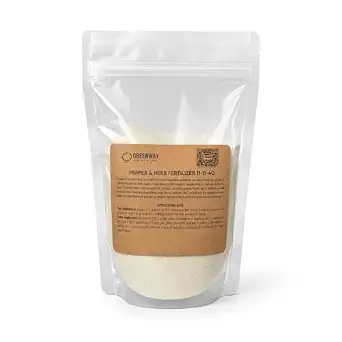 |
| Best Value The sweet spot between price and what you get | Osmocote Smart-Release Plant Food for Flowers & Vegetables, 1 lb. |  |
| Best Budget The cheapest option that still gets the job done reliably | Miracle-Gro Water Soluble Tomato Plant Food, 1.5 lb |  |
| Highest Rated A top-rated pick with lots of positive feedback | Miracle-Gro Water Soluble All Purpose Plant Food, 1.5 lb |  |
| Most Popular A crowd favorite that many people choose with confidence | Miracle-Gro Liquid All Purpose Plant Food Concentrate, 32 oz |  |
| Best Seller A high-volume bestseller chosen again and again | Miracle-Gro Shake 'N Feed Tomato, Fruit & Vegetable Plant Food, 1 lb. |  |
Miracle-Gro Water Soluble All Purpose Plant Food, 3 lb

| Item Form | Powder |
|---|---|
| Application Method | Mix with water in a watering can |
| Target Species | Feeds approximately 1,200 sq. ft. per 3 lb container |
| Fertilizer Analysis | NPK 24-8-16 |
| Feed Frequency | Every 7-14 days |
This water‑soluble Miracle‑Gro is a straightforward, fast‑acting fertilizer for gardeners who want regular, visible growth boosts. It dissolves in a watering can and is designed for use on everything from houseplants to vegetables, so for hot pepper plants you would mix the recommended dose and soak the soil at the base to deliver nutrients straight to the roots. Notable features include an NPK of 24-8-16, a measured scoop in the container, and instructions for feeding every 7 to 14 days depending on whether plants are outdoors or indoors. In practice it gives peppers a quick nitrogen‑driven growth lift and supports fruiting when used as part of a routine, but it is a general formula rather than a pepper‑specific feed so you may need to monitor for excess vegetative growth. The powder is convenient to store and easy to measure, however frequent applications mean you must keep dosing consistent to avoid overfeeding. This is a reliable option if you want rapid, repeatable feedings for pepper beds or containers and prefer a soluble fertilizer you can apply with a watering can or garden feeder.
Best for: Gardeners who want a reliable, easy‑to‑use soluble fertilizer to give hot pepper plants frequent, quick nutrient boosts and who will follow a consistent feeding schedule.
Less Ideal for: Growers who prefer low‑maintenance or organic feeding programs, or those who want a pepper‑specific balance formulated to minimize excessive vegetative growth.
- Water‑soluble powder that feeds plants quickly when mixed and applied
- High nitrogen formula (24-8-16) promotes leafy growth and supports fruit development
- Includes scoop and clear directions for indoor and outdoor dosing
- Suitable for both in‑ground and container plants, including vegetables like peppers
- All‑purpose formula is not tailored to peppers so may encourage extra foliage if overused
- Requires regular reapplication every 1–2 weeks compared with slow‑release options
Verdict: Use this soluble all‑purpose fertilizer when you want fast, repeatable nutrient boosts for hot peppers delivered simply through your watering can.
Greenway Biotech Pepper & Herb Fertilizer 11-11-40 Powder, 1 lb

| Item Form | Powder |
|---|---|
| Specific Uses For Product | Hydroponic |
| Coverage | peppers and herbs |
| Liquid Volume | 200 gallons |
| Mixing Ratio | 0.5 Pounds per 100 Gallons of Water |
This 11-11-40 powder from Greenway Biotech is built to push flowering and fruit set on hot and sweet peppers while also enhancing essential oil production in herbs. It dissolves fully in room-temperature water so you can use it as a soil drench, foliar spray, or in hydroponic systems without clogging emitters. The formula includes EDTA-chelated iron, manganese, zinc and copper plus boron and molybdenum, which helps keep micronutrients available across a broad pH range and reduces the chance of lockout. Directions cover side-dressing, foliar feed, and reservoir dosing so it adapts to backyard beds, containers, and NFT or DWC setups. Practical benefits include a high potassium level to support capsaicin and fruit development and a concentrated powder format that treats many gallons per pound. Important limitations are that accurate dosing requires a scale for small-plant applications and that a single 1 lb package is intended for focused use rather than season-long feeding of large plantings.
Best for: Serious pepper growers focused on maximizing fruit size, heat, and yield who use targeted feeds or run hydroponic systems and want a performance-minded, pH-tolerant nutrient.
Less Ideal for: Casual gardeners who prefer low-effort granular feeds or pre-mixed liquid fertilizers intended for whole-season broadcasting across very large beds.
- High potassium ratio (40%) that supports flowering, fruit development, and capsaicin production in hot peppers
- EDTA-chelated micronutrients (Fe, Mn, Zn, Cu) plus boron and molybdenum to reduce nutrient lockout across pH 4–9
- 100% water soluble powder that dissolves cleanly for soil drench, foliar spray, and hydroponic systems without clogging
- Concentrated formula stretches a small package to treat large volumes of water for targeted feeding
- Requires precise measuring (scale or careful teaspoons) for correct dilution on small plants
- 1 lb package may be small for growers with many plants or multiple growing seasons
Verdict: Choose this concentrated, chelated 11-11-40 powder when you want a performance fertilizer that boosts pepper flowering, fruit set, and capsaicin production in soil or hydroponic systems.
Osmocote Smart-Release Plant Food for Flowers & Vegetables, 1 lb.

| Item Form | Granules |
|---|---|
| Specific Uses For Product | Root Development |
| Application Method | Mix into soil |
| Target Species | vegetables and perennials |
| Unit Count | 16 Ounce |
This Osmocote Smart-Release granule formula (14-14-14 NPK) is made to encourage steady root development and sustained above-ground growth in vegetable gardens and perennial beds. You apply a measured amount, mix it into the top 1–3 inches of soil and the coating on each granule releases nutrients in response to soil temperature, so plants receive a steady supply rather than a single heavy dose. For hot pepper growers it supports balanced growth and fruit set without frequent feeding, and 1 lb covers about 40 sq ft, making it easy to dose small beds or containers. The product is forgiving to application errors because of its slow-release chemistry and the manufacturer notes a low risk of burning even at higher-than-recommended rates. Limitations are that this is a general-purpose 14-14-14 blend rather than a pepper-specific formula, so growers chasing very high fruit production may still supplement with higher-potassium feeds at bloom and fruiting stages. Also, slow-release timing depends on soil temperature so release can be slower in cool soils.
Best for: Practical gardeners who want a low-maintenance, reliable fertilizer to keep hot pepper plants steadily fed through the season without weekly applications.
Less Ideal for: Growers seeking a tailored, high-potassium or bloom-boosting regimen for maximum pepper yields should consider specialized formulations or targeted supplements.
- Balanced 14-14-14 NPK supports both root and foliar growth
- Smart-release granules feed plants continuously for up to four months
- Easy granular application that mixes into topsoil for beds and containers
- Coverage makes it simple to plan feeding for small vegetable plots
- Not a pepper-specific formula so may need supplemental high-potassium feed during heavy fruiting
Verdict: A dependable, low-maintenance slow-release fertilizer that keeps hot pepper plants evenly nourished for months with minimal effort.
Miracle-Gro Water Soluble Tomato Plant Food, 1.5 lb

| Item Form | Liquid |
|---|---|
| Application Method | Water Soluble |
| Target Species | Tomatoes and vegetables |
| Mixing Ratio | 18-18-21 |
| Unit Count | 24 Ounce |
This Miracle-Gro water-soluble tomato plant food is a liquid concentrate you mix into a watering can or use with a garden feeder to feed vegetable plants every one to two weeks. Its 18-18-21 mixing ratio supplies balanced NPK with a slightly higher potassium percentage to support fruit development, so it encourages fuller, bountiful peppers and other vegetables when applied during the growing season. The product dissolves easily in water, starts working quickly, and is safe for common garden use when used as directed. It is convenient for gardeners who prefer feeding while watering rather than spreading granules, and the bottle size covers a medium garden area when following label guidance. Limitations to consider are that it is a general vegetable formula rather than pepper-specific and requires regular repeat applications; heavy feeders or large beds may need multiple bottles over a season. Also users should follow the label for correct dilution to avoid overfeeding container-grown plants.
Best for: Gardeners who want an inexpensive, easy-to-use liquid fertilizer to boost fruiting for peppers and other vegetables and prefer feeding while watering.
Less Ideal for: Growers seeking a specialized pepper formulation or a low-maintenance slow-release fertilizer for large plots should look at other options.
- Balanced NPK with emphasis on fruiting to support tomato and pepper development
- Water-soluble formula mixes easily for use with a watering can or Miracle-Gro Garden Feeder
- Works quickly to deliver nutrients to plants when watered
- Suitable for outdoor vegetable gardens and containers when diluted as directed
- Not a pepper-specific formulation so lacks targeted micronutrient adjustments for hot peppers
- Requires frequent reapplication every 7 to 14 days during the growing season
Verdict: A cost-effective, fast-acting water-soluble fertilizer that makes feeding hot peppers simple by mixing with water and applying every one to two weeks.
Miracle-Gro Water Soluble All Purpose Plant Food, 1.5 lb

| Item Form | Powder |
|---|---|
| Application Method | Watering Can |
| Target Species | All flowers, vegetables, trees, shrubs and houseplants |
| Mixing Ratio | 24-8-16 |
Miracle‑Gro Water Soluble All Purpose Plant Food is a powdered fertilizer you mix into a watering can or garden feeder to give plants an immediate nutrient boost. With an NPK analysis of 24‑8‑16 it supplies a strong dose of nitrogen for leafy growth plus phosphorus and potassium to support flowers and fruiting when used at the correct rate. Typical use is every 7 to 14 days for outdoor plants and every 2 weeks for houseplants, applying the small scoop for containers and the larger scoop for beds or shrubs. The water‑soluble format means nutrients reach roots quickly and it is easy to measure and apply across containers, in‑ground vegetables and potted peppers. Important limitations are the relatively high nitrogen ratio, which can favor foliage over fruit if overused, and the need for disciplined dilution because it is concentrated. For someone after a dependable, fast‑acting feed for hot pepper plants, it performs well when used on the recommended schedule and not applied too frequently during fruit set.
Best for: Buyers who want a reliable, easy‑to‑apply fertilizer that gives fast results for vegetable and container gardens and who will follow a regular feeding schedule.
Less Ideal for: Growers seeking a low‑nitrogen bloom‑focused formula specifically tuned for peak fruit development or those who prefer slow‑release granular fertilizers for hands‑off feeding.
- Fast‑acting water‑soluble formula delivers nutrients to roots quickly
- Versatile for indoor and outdoor use including containers and in‑ground beds
- Clear application instructions and included scoop make dosing straightforward
- Covers a broad range of plants so one product can serve the whole garden
- High nitrogen ratio may encourage leafy growth over fruit if overapplied
- Concentrated powder requires careful measurement and mixing to avoid overfeeding
Verdict: A dependable, fast‑acting soluble feed that gives peppers and other garden plants an immediate nutrient boost when measured and applied correctly.
Miracle-Gro Liquid All Purpose Plant Food Concentrate, 32 oz

| Item Form | Liquid |
|---|---|
| Specific Uses For Product | Plant Growth, Root Development |
| Application Method | Mix with water in a watering can |
| Unit Count | 32 Fluid Ounces |
| Mixing Ratio | 1:10 (concentrate to water, estimate) |
Miracle-Gro Liquid All Purpose Plant Food is a water-soluble concentrate you mix into a watering can to feed container and in-ground plants every one to two weeks. It supplies readily available nutrients intended to encourage plant growth and root development and is labeled for flowers, vegetables, trees and houseplants. The bottle mixes at roughly 1:10 for garden use and a much weaker 1 teaspoon per gallon for houseplants, which makes it easy to dose for different pot sizes and garden areas. Practical benefits include fast uptake through the soil when applied as directed and broad compatibility across common garden crops, so you can use one product for peppers, herbs and ornamentals. Limitations are that it is an all-purpose formula rather than a crop-specific recipe, so advanced pepper growers seeking precise NPK ratios or bloom-boosting blends may prefer a targeted fertilizer; frequent feeding also requires attention to dilution to avoid overfertilizing sensitive seedlings or containers.
Best for: Gardeners who want a simple, proven feed to support steady growth across mixed plantings and value reliable social proof when choosing a standard, widely used fertilizer.
Less Ideal for: Growers who need a fertilizer formulated specifically to maximize fruit set or flowering on hot peppers or who prefer slow-release granular or organic-only solutions.
- Concentrated liquid format for easy mixing and quick nutrient uptake
- Clear dosing guidance for garden and container use
- Labeled for a wide range of plants including vegetables and houseplants
- Convenient single product to feed mixed plantings without switching fertilizers
- All-purpose formula does not provide specific NPK targeting for fruiting crops
- Requires disciplined dilution and regular applications to avoid nutrient burn
Verdict: A straightforward, widely used liquid concentrate that makes regular feeding of pepper plants easy when you want a dependable, all-purpose nutrient boost.
Miracle-Gro Shake 'N Feed Tomato, Fruit & Vegetable Plant Food, 1 lb.

| Item Form | Granules |
|---|---|
| Specific Uses For Product | Plant Food |
| Target Species | Tomato, Fruit & Vegetable Plant Food |
| Item Type Name | Continuous Release Plant Food Plus Calcium |
| Unit Count | 16 Ounce |
Miracle-Gro Shake 'N Feed Tomato, Fruit & Vegetable is a granular, slow-release fertilizer designed to be shaken onto soil or mixed into potting media to feed vegetable and fruit plants for up to three months. It supplies a balanced nutrient profile (listed as N-P-K 10-5-15 on brand materials) plus calcium and natural ingredients that support soil microbes, which can improve root health and water efficiency. Typical use is simple: apply dry around established plants or mix at planting, lightly work into the top inch or two of soil for in-ground beds, water to activate, and reapply every three months. Practical benefits include easy application without measuring liquids, long feeding intervals that reduce how often you need to tend plants, and added calcium to help prevent blossom-end rot in peppers and tomatoes. Limitations are that it is a general vegetable formula rather than a pepper-specific feed and you must follow label rates to avoid over-application; it is not intended to be dissolved and applied as a liquid.
Best for: Gardeners who want a low-effort, reliable fertilizer to feed hot pepper plants across the season and who prefer straightforward granular application with fewer repeat treatments.
Less Ideal for: Growers seeking a tailored nutrient program for intensive or commercial pepper production or those who prefer water-soluble feeds for fertigation or foliar feeding.
- Continuous-release formula feeds plants for up to three months, reducing application frequency
- Contains calcium to help strengthen cell walls and reduce disorders like blossom-end rot
- Granular form is easy to apply to in-ground beds and containers without mixing
- Includes natural ingredients to support soil microbes and root health
- General vegetable formulation rather than a pepper-specific recipe
- Must be applied dry and worked into soil rather than used as a liquid feed
Verdict: A low-maintenance granular fertilizer that feeds pepper plants for up to three months and adds calcium to help prevent common fruit disorders.
Choosing the Right Fertilizer for Hot Pepper Plants: Key Factors to Consider
Nutrient Balance and N‑P‑K Ratios
Peppers need an appropriate balance of nitrogen, phosphorus, and potassium to move from vegetative growth into heavy flowering and fruiting. A fertilizer with too much nitrogen encourages leafy plants with few flowers, while too little nitrogen starves growth. Look for N‑P‑K ratios formulated for fruiting vegetables, or that allow you to adjust with supplemental feeding during bloom.
Understanding the ratio helps you time applications: higher phosphorus early in bloom can support flower formation, while steady potassium supports fruit size and flavor. Choosing a formula with clear N‑P‑K values makes it easier to plan feedings for different growth stages.
Release Profile and Feeding Frequency
How nutrients are delivered affects plant response and the risk of salt buildup. Water‑soluble fertilizers provide a quick nutrient boost and are useful for correcting deficiencies or feeding during fruit set. Slow‑release or controlled‑release granules reduce the need for frequent feedings and lower the chance of root burn when used correctly.
Consider your gardening style: container growers often prefer soluble feeds for flexible dosing, while in-ground beds can benefit from slow‑release formulas that supply steady nutrition between applications. Match release profile to how often you want to fertilize and how closely you monitor plants.
Application Method and Flexibility
Fertilizers come as granules, spikes, liquids, or concentrated powders. Each form has practical implications for peppers. Liquid feeds and soluble powders let you foliar feed or fertigate through drip systems for quick uptake, which is helpful during bloom or to correct a deficiency. Granules and slow‑release products are low‑maintenance and well suited to gardeners who prefer an intermittent feeding schedule.
Also consider whether a product can be used in containers, raised beds, and in-ground plantings without extra amendments. A versatile product saves time and reduces the need to keep multiple fertilizers on hand.
Soil Compatibility and pH Sensitivity
Nutrient availability is controlled by soil texture and pH. Hot pepper plants prefer slightly acidic to neutral soils, and some micronutrients become less available as pH rises. Choose fertilizers that perform predictably across common garden soils or that include instructions for adjusting pH when necessary.
If your soil is sandy, expect faster nutrient leaching and plan for more frequent, lighter feedings. Heavy clay retains nutrients longer but risks buildup if you overapply. Understanding your soil reduces surprises and helps you select an appropriate fertilizer form and schedule.
Micronutrients and Secondary Elements
Calcium, magnesium, sulfur, and trace elements like iron, manganese, zinc, and boron influence blossom health, fruit set, and flavor. Blossom end rot and poor fruit development are often linked to calcium or magnesium imbalances rather than primary nutrients alone. A fertilizer that contains or is compatible with supplemental micronutrient feeds helps prevent these issues.
Check labels for guaranteed micronutrient content or instructions for adding common supplements such as calcium sprays. Micronutrient inclusion reduces the need for multiple separate applications and supports consistent yields.
Label Clarity and Ease of Dosing
Clear application rates and timing reduce the risk of overfeeding, which can quickly harm peppers and lead to salt buildup in pots. A good fertilizer label will give guidance by plant type, container size, or square footage and note adjustments for different growth stages. Look for products that provide both concentration and frequency recommendations.
If instructions are vague, you will need to make educated guesses that increase risk. Simple, explicit dosing guidance is especially valuable for new gardeners or those managing multiple containers and beds.
Feeding Schedule by Growth Stage
Developing a simple feeding schedule helps peppers transition from vegetative growth to heavy fruiting without nutrient shocks. Start with a balanced, moderate feed at transplant to support root establishment. Once plants show vigorous growth, switch to a formula or regimen that reduces nitrogen slightly and maintains phosphorus and potassium for bloom and fruit development.
During peak fruit set, increase potassium slightly and consider weekly or biweekly soluble feeds if plants are in containers. Reduce or stop high‑nitrogen feeding late in the season to encourage the plant to finish ripening existing fruit.
- Transplant to early growth: balanced feed to establish roots
- Pre‑bloom and bloom: maintain phosphorus, moderate nitrogen
- Fruit set: emphasize potassium and micronutrients
- Late season: taper nitrogen to aid ripening
Container Vs. In‑Ground Fertilizer Strategies
Container peppers have smaller soil volumes and require more frequent feeding because nutrients leach out with regular watering. Use lighter, more frequent soluble feeds or slow‑release granules designed for containers, and monitor for salt buildup by rinsing the media occasionally.
In-ground peppers planted in amended beds benefit from slow‑release fertilization and organic matter that holds nutrients. Test soil periodically and top-dress or side-dress during the season rather than relying solely on high-frequency liquid feeding.
- Containers: frequent, light feeding; monitor salts
- In-ground: slow release and organic amendments; less frequent spot feeding
Addressing Common Nutrient Problems
Yellowing lower leaves often indicate nitrogen deficiency, while interveinal yellowing or stunted growth can point to micronutrient shortfalls such as iron or magnesium. Blossom end rot is frequently tied to calcium availability and inconsistent watering rather than lack of fertilizer alone.
When diagnosing issues, correct irrigation first, then apply a targeted supplement instead of increasing general N‑P‑K blindly. Foliar sprays can quickly correct some micronutrient deficiencies, while soil amendments are better for long‑term correction.
- Nitrogen deficiency: pale lower leaves, correct with moderate balanced feed
- Micronutrient issues: consider foliar sprays for quick correction
- Blossom end rot: check calcium levels and watering consistency
Organic Vs Synthetic Fertilizers for Peppers
Organic fertilizers release nutrients more slowly as microbes break them down, improving long‑term soil health and reducing burn risk. They are a good match for gardeners who add compost and want steady fertility that builds over seasons.
Synthetic fertilizers offer precise nutrient ratios and rapid correction of deficiencies. They are useful when you need quick changes in plant nutrition, for example to push a late flush of flowers or correct a shortfall during fruit set. Choose the style that fits your management preferences and monitoring intensity.
- Organic: soil health, slow release, lower burn risk
- Synthetic: precise ratios, fast correction, easier short‑term control
Combining Fertilizers with Soil Amendments
Incorporating compost, well‑aged manure, or other organic matter improves nutrient retention and supports beneficial microbes that help peppers access nutrients. Use amendments at planting and as top‑dressing to maintain structure and fertility.
Be cautious mixing high rates of slow‑release granular fertilizers with heavy organic matter without adjusting recommended rates. When in doubt, follow label guidance and monitor plant response to incremental changes.
- Add compost at planting for long‑term fertility
- Top‑dress with organic matter to maintain soil structure
- Avoid overapplication by following label instructions
How We Chose the Best Fertilizer for Hot Pepper Plants
We focused on fertilizer attributes that matter most to growers of hot pepper plants. Priority went to nutrient balance and release profile, since peppers respond differently to soluble versus slow-release formulas. Application flexibility was important, including whether a product works in-ground, in containers, or with side-dressing. Ease of use and dosing clarity were assessed because overfeeding quickly harms peppers. Compatibility with common soil types and pH ranges was included to ensure predictable nutrient availability. Finally, we considered organic certification and the presence of secondary nutrients and micronutrients that support flowering and fruit development. Products were excluded if they lacked clear N-P-K labeling, did not list a release profile, or were formulated specifically for non-fruiting ornamentals. We also set aside fertilizers that require complex adjustments or specialized irrigation systems. The final selections represent options that balance predictable plant response, straightforward application, and nutrient support for flowering and fruiting in hot pepper plants.
FAQ
How often should I fertilize hot pepper plants in containers?
Container peppers usually need lighter, more frequent feeding than in‑ground plants. A weekly or every‑other‑week soluble feed during active growth is common, while slow‑release granules can reduce frequency to once every few months depending on the product.
Can I use a general vegetable fertilizer for hot peppers?
Often yes. Many general vegetable formulas are balanced for fruiting crops, but check the N‑P‑K ratio and adjust if the product is very high in nitrogen. Choosing a formula labeled for fruiting vegetables or adjusting with extra potassium during fruit set helps performance.
What causes blossom end rot on peppers and how does fertilizer help?
Blossom end rot is usually linked to inconsistent watering and calcium not reaching the fruit rather than overall calcium deficiency in the soil. Fertilizer that includes calcium or foliar calcium sprays can help, but correcting watering practices and soil structure is typically the most effective step.
Are micronutrients important for better pepper yields?
Yes. Micronutrients like magnesium, calcium, and boron support flowering, pollination, and fruit development. A fertilizer that includes these elements or a plan to supplement them reduces common fruiting problems and supports consistent yields.
Should I change fertilizer when peppers start flowering?
It often helps to shift from a higher nitrogen focus to a feed that maintains phosphorus and boosts potassium to support fruit set and development. This can be done by changing fertilizer formulation or by adjusting application frequency and adding targeted supplements.
Final Verdict
Choose a fertilizer that matches your growing setup and feeding preferences. Prioritize a nutrient balance that supports flowering and fruiting, a release profile that fits how often you want to feed, and clear dosing instructions to avoid overfeeding. Remember that soil health and consistent watering are equally important and often determine how well peppers use the fertilizer you apply. Focus on predictable results: match fertilizer form and micronutrient content to container or in‑ground conditions, and adjust feeding through the season to support bloom and fruit set. That approach will give you the best chance of steady, flavorful pepper harvests.
