

Note: This article contains affiliate links. If you click on these links and make a purchase, I may earn a small commission at no extra cost to you. This helps support my research and content. Read my full affiliate disclosure here.
If you grow lemon trees in a yard, patio container, or small orchard, the fertilizer you choose shapes leaf color, flowering, and fruit yield. Lemon trees need steady access to nitrogen plus specific micronutrients such as iron, magnesium, and zinc to avoid yellowing and poor fruit set. This guide covers seven top-rated options suited for lemon trees and explains how each was evaluated. You will find practical notes on feeding frequency, nutrient balance, and soil compatibility so you can pick an option that fits your planting situation. Below the product shortlist we explain how we judged each pick and walk through the key considerations for lemon growers.
Top Picks at a Glance
| Best Overall The best all-around choice for most situations | Farmer's Secret Citrus Tree Booster Liquid Fertilizer (32 oz) | 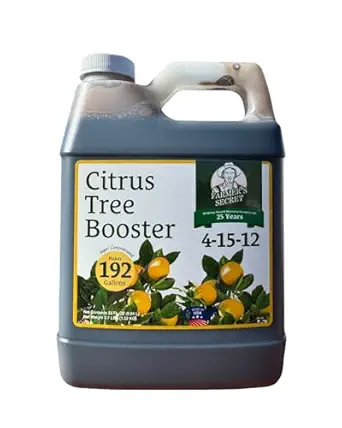 |
| Best Quality Built to a higher standard if you want something more solid | Espoma Citrus-Tone Organic Fertilizer (4 lb) |  |
| Best Value The sweet spot between price and what you get | Miracle-Gro Shake 'N Feed Citrus, Avocado, Mango Plant Food, 4.5 lb |  |
| Best Budget The cheapest option that still gets the job done reliably | Down To Earth Organic Citrus Mix 6-3-3, 1 lb |  |
| Highest Rated A top-rated pick with lots of positive feedback | Leaves & Soul Lemon Tree Liquid Fertilizer, 6-4-6, 8 oz |  |
| Most Popular A crowd favorite that many people choose with confidence | TPS Nutrients Lemon Tree Fertilizer Liquid, 8 fl oz |  |
| Best Seller A high-volume bestseller chosen again and again | TPS Nutrients Lemon Tree Fertilizer, Liquid Plant Food, 32 oz |  |
Farmer's Secret Citrus Tree Booster Liquid Fertilizer (32 oz)

| Item Form | Liquid |
|---|---|
| Coverage | 1 teaspoon per gallon |
| Target Species | Citrus Trees (Lemons, Limes, Oranges) |
| Liquid Volume | 32 fluid ounces |
| Mixing Ratio | 1:128 |
This concentrated liquid from Farmer's Secret is designed specifically for citrus trees and is intended to be diluted and applied as a regular feed. You mix one teaspoon per gallon (mixing ratio 1:128) and apply weekly at the drip line, with reduced frequency or dose for young or container trees. The formulation lists the primary macronutrients nitrogen phosphorus and potassium and is stable in liquid form, which makes foliar or soil feeding straightforward. Because the product is highly concentrated a single 32 oz bottle produces many gallons of feed so it is economical and lowers storage space compared with premixed options. Practical benefits include simple dosing for routine maintenance stronger vegetative growth and easier application for potted lemon trees. Important limitations are that the label shows only basic NPK information so micronutrient content and exact formulation are not detailed and users seeking an organic or micronutrient-focused program may need supplements. Also precise results depend on correct dilution and regular application schedule.
Best for: Home gardeners who want a straightforward concentrated feed to support regular weekly care of lemon trees in-ground or in containers and prefer a simple, economical feeding routine.
Less Ideal for: Growers who need an organic-certified fertilizer or a product with a detailed micronutrient analysis should consider alternatives tailored to those requirements.
- Super-concentrated formula produces many gallons from one bottle
- Clear dosing and mixing ratio for easy weekly use
- Suitable for both outdoor and indoor/container citrus with adjusted dosing
- Liquid form supports foliar or soil application for flexible feeding
- Product listing provides only basic NPK ingredients without a full micronutrient breakdown
- Requires careful dilution to avoid overfeeding due to high concentration
Verdict: A concentrated, easy-to-use liquid feed that gives lemon trees regular balanced NPK nutrition while stretching a single bottle into many gallons of fertilizer.
Espoma Citrus-Tone Organic Fertilizer (4 lb)

| Item Form | Granules |
|---|---|
| Application Method | Apply to the soil around the drip line of the tree |
| Target Species | citrus, avocado, fruit and nut trees |
| Mixing Ratio | No mixing required |
Espoma Citrus-Tone is a ready-to-use granular organic fertilizer designed for citrus and similar fruit trees. You broadcast or sprinkle it around the tree drip line and water it in; no mixing is required. The 5-2-6 NPK balance with 5 percent calcium and organic feedstocks supports foliage growth, bloom set and fruit development, making it suitable for pre-bloom, post-bloom and fall feedings. Because it is an organic, slow-release formula it supplies nutrients steadily instead of a rapid spike, which helps avoid salt buildup and reduces risk of leaf burn when used as directed. It is registered for organic production and uses natural ingredients rather than synthetic fillers. The main limitations are that it is a medium-coverage, small 4 pound bag so it may require more frequent purchases for larger trees or orchards, and results develop over weeks rather than days which is typical for organic fertilizers.
Best for: Gardeners who prioritize steady, long-term performance for lemon and other citrus trees and prefer organic inputs that support bloom and fruit set.
Less Ideal for: People who need rapid greening or fast corrective feeding for nutrient-deficient trees or those managing large orchards where a bulk commercial fertilizer would be more practical.
- Formulated specifically for citrus and similar fruit and nut trees
- Organic, slow-release granular formula that reduces risk of burn
- Contains 5% calcium which supports fruit quality and reduces blossom drop
- Ready to use with no mixing required and simple drip-line application
- Small 4 lb bag provides only medium coverage and may not be economical for multiple large trees
- Slow-release action means visible results take weeks rather than days
Verdict: For lemon growers seeking an organic, calcium-containing slow-release fertilizer tuned to support bloom and fruit development, Citrus-Tone delivers reliable, tree-focused performance.
Miracle-Gro Shake 'N Feed Citrus, Avocado, Mango Plant Food, 4.5 lb

| Item Form | Granules |
|---|---|
| Application Method | Shake evenly onto soil |
| Target Species | citrus, avocado, mango |
| Mixing Ratio | 8-2-10 |
| Coverage | Medium |
This Shake 'N Feed formula is a granular, slow-release fertilizer made for citrus, avocado and mango trees in containers or in-ground. You shake the granules evenly onto the soil within the branch spread or mix into potting mix at planting, then water to start feeding; one application feeds plants for up to three months. The N-P-K listed (8-2-10) and added micronutrients such as potassium, magnesium, sulfur and iron help correct common deficiencies and support root development through microbes in the mix. It is practical for seasonal feeding and reduces the frequency of applications compared with quick-release fertilizers. Limitations include that it is a general fruit-tree feed rather than a lemon-specific formula and needs correct placement to avoid contact with trunks or foliage. For established trees you must follow label rates to avoid overfeeding and reapply every three months to maintain nutrition through the growing season.
Best for: Practical gardeners who want an easy, low-maintenance feeding schedule for lemon and other citrus trees and prefer a single product that works in pots and beds.
Less Ideal for: Growers who need a custom nutrient program based on soil tests or who want a fast-acting liquid feed for quick corrections should consider more targeted products.
- Slow-release formula provides up to 3 months of feeding per application
- Contains N-P-K 8-2-10 plus micronutrients to address common deficiencies
- Works for both container and in-ground citrus and other fruit trees
- Easy shake-and-feed application that reduces application frequency
- Not a lemon-specific formulation so may lack tailor-made ratios for particular soil tests
- Requires careful placement and incorporation to avoid trunk or foliage contact
Verdict: Use this to keep lemon trees consistently fed with a convenient, three-month slow-release granular fertilizer.
Down To Earth Organic Citrus Mix 6-3-3, 1 lb

| Item Form | Granules, Powder |
|---|---|
| Specific Uses For Product | Citrus tree care, fruit tree care, ornamental plant care |
| Coverage | Approximately 2,500 square feet per pound |
| Mixing Ratio | 6-3-3 |
Down To Earth Organic Citrus Mix 6-3-3 is a small, 1 lb granular fertilizer formulated specifically for citrus trees. It supplies a balanced 6-3-3 NPK plus secondary nutrients like calcium, sulfur and trace minerals such as iron and zinc, sourced from feather meal, fish bone meal, kelp and mineral inputs. Use it by broadcasting around the drip line or mixing into soil at planting and water in; typical schedules are three to four applications per year in late winter, late spring and early fall. The product is OMRI listed, so it fits organic gardening and supports long-term soil biology rather than quick synthetic boosts. The mini box size is convenient for container-grown lemon trees, small yards, or for trialing before buying larger bags. Limitations are the small unit size for larger orchards and the slower release nature compared with soluble fertilizers, so results are gradual and repeat applications are needed for deficient trees.
Best for: Home gardeners with one or a few lemon trees, container growers, or those starting organic citrus care who prioritize natural, soil‑building nutrition on a budget.
Less Ideal for: Large-scale growers or anyone needing fast, soluble nutrient corrections for severe deficiencies should choose bulk or quick-release fertilizers instead.
- Balanced 6-3-3 formula tailored for citrus nutrition.
- Contains organic sources plus trace minerals for longer‑term soil health.
- OMRI listed, suitable for certified organic or sustainable gardens.
- Small 1 lb package is handy for containers, trialing, or small yards.
- Small 1 lb size is not economical for large trees or orchards.
- Granular organic nutrients release slowly and require multiple seasonal applications.
Verdict: A compact, OMRI-listed organic citrus fertilizer that delivers balanced, soil‑friendly nutrition ideal for small-scale lemon growers.
Leaves & Soul Lemon Tree Liquid Fertilizer, 6-4-6, 8 oz

| Item Form | Liquid |
|---|---|
| Application Method | Watering can, Sprinkler, Drip irrigation |
| Target Species | Citrus |
| Liquid Volume | 8 fluid ounces |
| Mixing Ratio | 2 tbsp per 1 gallon |
Leaves & Soul Lemon Tree Liquid Fertilizer is a concentrated 6-4-6 NPK plant food designed to support root development, foliage health, flowering, and fruiting for lemon trees and other citrus. The 8 oz bottle mixes at the directed rate of 2 tablespoons per gallon and is applied with a watering can, sprinkler, or drip irrigation every 2–4 weeks during the growing season and every 4 weeks in cooler months. The fast-absorbing liquid format and added micronutrients make it simple to deliver measured nutrition to the root zone, which is convenient for container-grown and in-ground lemon trees alike. Practical benefits include predictable dosing, compatibility with common irrigation methods, and a balanced NPK that addresses foliage and bloom needs without complicated schedules. Limitations are the small 8 oz size for gardeners with multiple or larger trees and the need to track total nutrient inputs if you also use compost or other fertilizers. It is intended as a regular feeding supplement rather than a cure for problems caused by pests, watering, or poor drainage.
Best for: Gardeners who want a straightforward, reliable liquid feed to maintain healthy lemon trees and prefer measured, routine root-zone applications.
Less Ideal for: People seeking a single treatment to fix severe nutrient deficiencies or those who need a bulk fertilizer for large orchards or many trees.
- Balanced 6-4-6 NPK supports roots, foliage, flowering, and overall vigor
- Liquid concentrate mixes with water for fast absorption and even root-zone delivery
- Works with watering can, sprinkler, or drip irrigation for flexible application
- Includes micronutrients and natural additives for broader nutritional support
- 8 oz bottle may be small for multi-tree gardens or frequent feeding schedules
- Coverage labeled as low so multiple doses or larger containers may be needed
Verdict: A simple, measured liquid 6-4-6 feed that reliably supports lemon tree roots, foliage, flowering, and fruit when used as a regular feeding routine.
TPS Nutrients Lemon Tree Fertilizer Liquid, 8 fl oz

| Item Form | Liquid |
|---|---|
| Application Method | Watering can, hose end sprayer, or leaf misting |
| Target Species | Lemon Trees |
| Mixing Ratio | 1:200 |
This liquid fertilizer is formulated specifically for lemon and citrus trees to support fruit development, leaf health, and root strength. It is supplied as an 8 fl oz concentrate that you dilute at a 1:200 ratio and apply by watering can, hose-end sprayer, or foliar misting, so it works for both patio containers and in-ground trees. Notable features include a citrus-focused nutrient balance and fast-absorption delivery that can encourage new shoots and more consistent fruiting when used as part of a regular feeding schedule. The small bottle size makes it easy to store and measure but means you will need to repurchase more often if you care for multiple trees or a large orchard. Practical limitations are the limited volume per bottle and medium coverage rating, so plan on buying multiple bottles for larger plantings and follow dilution instructions carefully to avoid overfeeding.
Best for: Buyers who want a citrus-specific, easy-to-apply liquid feed for one or a few lemon trees and value proven product feedback when choosing plant care products.
Less Ideal for: Not a good fit for large orchards or gardeners who prefer granular or slow-release fertilizers for low-frequency feeding.
- Formulated specifically for lemon and citrus to support fruit set and healthy foliage
- Multiple application methods: watering can, hose-end sprayer, or leaf misting for flexible use
- Fast-absorption liquid form that is easy to mix and apply
- Made in the USA with a clear mixing ratio (1:200) for consistent dosing
- Small 8 fl oz bottle provides limited coverage for multiple trees or larger gardens
Verdict: A targeted, fast-absorbing liquid feed that makes it simple to support fruiting and growth on one or a few lemon trees.
TPS Nutrients Lemon Tree Fertilizer, Liquid Plant Food, 32 oz

| Item Form | Liquid |
|---|---|
| Specific Uses For Product | Plant Food |
| Target Species | citrus |
| Liquid Volume | 32 fluid ounces |
| Mixing Ratio | 2 tablespoons per gallon of water |
This 32 oz liquid fertilizer from TPS Nutrients is formulated for lemon and other citrus trees and is intended for use on both in-ground and potted plants. It is mixed at 2 tablespoons per gallon of water and applied as a regular feed to support root strength, new shoot growth, and fruit set. The fast-absorption liquid form makes it easy to use for container-grown trees and small backyard specimens where quick nutrient uptake matters. Practical benefits include a citrus-focused nutrient balance that supports flowering and fruit development and clear mixing instructions for predictable dosing. It is suitable for Meyer and dwarf varieties highlighted by the manufacturer and can be integrated into a seasonal feeding schedule. Limitations are that the product listing does not show a guaranteed analysis of N-P-K or micronutrient levels on the page so gardeners seeking exact nutrient ratios or a specialized program may want that detail before committing. Users should follow safety guidance when mixing and keep the product away from children and pets.
Best for: A homeowner who wants a straightforward, citrus-focused fertilizer to maintain healthy lemon trees in the yard or on the patio and prefers an easy-to-mix liquid feed with predictable application.
Less Ideal for: Specialist growers who need exact N-P-K ratios, tailored multi-step feeding programs, or large-scale orchard managers looking for bulk commercial formulations.
- Formulated specifically for lemon and citrus to support fruiting and shoot growth
- Liquid, fast-absorbing form suitable for both in-ground and container trees
- Simple mixing ratio (2 tbsp per gallon) for predictable, repeatable application
- Promotes root development to improve water and nutrient uptake
- No explicit N-P-K breakdown or full nutrient analysis provided in the product details
- Only one bottle size shown which may require multiple purchases for larger trees or orchards
Verdict: Choose this liquid citrus fertilizer if you want an easy-to-use, citrus-specific feed to keep home lemon trees healthy and productive.
Choosing the Right Fertilizer for Lemon: Key Factors to Consider
Nutrient Ratio and Micronutrient Content
Lemon trees benefit from a fertilizer that supplies a steady source of nitrogen for leafy growth while providing phosphorus and potassium in amounts that support flowering and fruit development. Micronutrients such as iron, magnesium, zinc, manganese, and boron are commonly needed to prevent chlorosis and poor fruit set.
Look for products that list micronutrient concentrations and specify that they are formulated for citrus or fruit trees. A balanced ratio reduces the need for separate supplements and helps maintain even leaf color and consistent fruiting across the season.
Release Form and Feeding Frequency
Slow-release granules, water-soluble formulas, and liquid feeds behave differently in the garden. Slow-release options give steady nutrition over months and reduce burn risk, making them useful for established trees and container plants. Water-soluble and liquid feeds supply nutrients quickly and are helpful during active growth or when correcting a deficiency.
Consider how often you want to feed and your ability to apply products correctly. Frequent light feedings mimic natural nutrient availability for citrus, while too-strong one-time applications can stress roots or scorch foliage.
Suitability for Soil and Containers
Lemons are grown both in-ground and in containers, and fertilization needs differ. Containers accumulate salts faster and have limited root volume, so lower-salt formulations or controlled-release products designed for pots are safer. In-ground trees can tolerate broader options but still benefit from good slow-release choices and soil conditioning.
Choose a fertilizer labeled for container use if you grow lemons in pots. For in-ground trees, consider soil testing to tailor phosphorus and micronutrient additions and to avoid unnecessary buildup.
Application Practicality and Tools
Ease of application matters: granular spreads, spike-style products, soluble powders, and liquid concentrates each require different tools and effort. Granules and spikes are low-labor but may not distribute evenly across the root zone. Liquid feeds and soluble powders need mixing and might be easier to apply with a watering can or hose-end injector for even coverage.
Think about safety, measurement accuracy, and how the product fits into your existing watering routine. Clear instructions and simple dosing reduce the risk of over-application and stress on the tree.
Salt Content and Root Health
Citrus roots are sensitive to excess soluble salts. Repeated use of high-salt fertilizers can raise soluble salt levels in soil or potting mix and cause tip burn, leaf drop, and reduced water uptake. Products with lower salt index or slow-release carriers are gentler over time.
Monitor runoff and periodically flush containers to prevent salt buildup. For in-ground trees, improving soil organic matter helps buffer salts and supports beneficial soil biology that mitigates fertilizer stress.
Compatibility with Soil Amendments and pH
Lemon trees prefer slightly acidic to neutral soil pH for optimal micronutrient uptake. Some fertilizers and soil amendments influence pH or supply chelated micronutrients that remain available across a wider pH range. Consider whether you need an acidifying feed in your region or a chelated formulation if iron deficiency is a common issue.
Pair fertilizers with compost or organic matter to improve soil structure and nutrient retention. Check labels for compatibility with lime, sulfur, and other garden amendments to avoid counteracting treatments.
When to Feed Lemon Trees
Timing your feedings to the tree's growth cycle yields the best results. Start regular fertilization in early spring as new growth begins, continue through the main growing months, and taper off in late fall when growth slows. Avoid heavy feeding in winter dormancy.
For potted lemons, lighter but more frequent feedings throughout the active season keep nutrients consistent in a small root zone. For in-ground trees, a few well-timed applications or a single controlled-release application can suffice when combined with organic matter.
- Spring: begin regular feeding with balanced nitrogen to support leaf and shoot growth
- Summer: maintain steady nutrition, increase potassium slightly during fruit development
- Fall: reduce or stop intensive feeding as growth slows
How Soil Test Results Should Guide Your Choice
A simple soil test tells you pH and key nutrient levels, which helps target fertilizer selection. If tests show low magnesium or iron, choose a product that lists those micronutrients or plan a targeted supplement treatment. Excess phosphorus or potassium in soil means a high-nitrogen-only program could be appropriate.
Soil tests also reveal salt accumulation risks and organic matter content. Use results to decide whether a slow-release product, a water-soluble corrective feed, or increased compost applications are the best next step.
- Address micronutrient deficiencies indicated by tests rather than adding blanket supplements
- Adjust pH interventions before relying solely on fertilizers to fix uptake issues
Feeding Methods: Granules, Liquids, and Foliar Sprays
Granular fertilizers and spikes offer convenience for gardeners who prefer low-frequency applications. They release nutrients gradually but must be applied evenly around the root zone and incorporated lightly into the soil surface to be effective.
Liquid and soluble feeds supply nutrients quickly and are excellent for correcting deficiencies or giving a growth boost. Foliar sprays can correct certain micronutrient problems rapidly because leaves absorb chelated nutrients directly, but they are a short-term fix and should be paired with soil feeding for sustained health.
- Granules: low labor, longer duration, watch for surface concentration
- Liquids: fast action, good for corrections and young trees
- Foliar sprays: quick micronutrient correction, not a substitute for soil feeding
Managing Salt Build-Up and Flushing Containers
Containers trap soluble salts more than in-ground plantings. Periodic flushing helps prevent salt concentration that leads to leaf burn and reduced water uptake. Flush by thoroughly watering the pot until excess runs from the drainage holes, then allow the container to drain fully.
Use lower-salt formulations for container-grown lemons and avoid over-applying granular products near the stem. Replenish potting mix with fresh components or topdress with compost every one to two years to maintain a healthy root environment.
- Flush pots every few months if you feed regularly
- Replace or refresh potting mix every 12 to 24 months for long-term container health
Organic Vs Synthetic Options
Organic fertilizers release nutrients more slowly and contribute organic matter that improves soil biology. They are less likely to cause quick nutrient spikes or burn, and they support long-term soil health. Synthetic fertilizers give predictable nutrient ratios and are useful when rapid correction is needed.
Many gardeners use a hybrid strategy: organic base applications to build and maintain soil quality, with occasional targeted synthetic feeds to correct deficiencies or support heavy fruiting years.
- Organic: builds soil, gentler release, may need larger or more frequent applications
- Synthetic: precise ratios and quick action, best for targeted corrections
How We Chose the Best Fertilizer for Lemon
We prioritized products that supply the nutrient profile lemon trees require and that perform predictably in garden and container settings. Primary evaluation criteria included N-P-K balance and micronutrient content to address common citrus deficiencies; release form and feeding schedule because steady nutrient delivery prevents foliage scorch and irregular fruiting; formulation suitability for soil versus containers to avoid salt buildup; and ease of application so home gardeners can feed accurately. We also considered label clarity and instructions, compatibility with common soil amendments, and whether a product can be integrated into standard irrigation or fertigation setups. Products that required complex mixing, lacked clear micronutrient information, or were formulated only for lawns or broad ornamental use were excluded. The final list favors fertilizers that match citrus nutrient needs, reduce risk of root burn, and offer straightforward application for typical backyard lemon growers.
FAQ
How often should I fertilize my lemon tree?
Frequency depends on the product. Slow-release options are usually applied a few times per year, while water-soluble feeds may be used every 2 to 4 weeks during the growing season. Container trees often require lighter, more frequent feedings.
What signs indicate a nutrient deficiency in lemon trees?
Yellowing between veins, stunted growth, and poor flowering can indicate deficiencies such as iron or magnesium lack. Leaf tip browning and reduced vigor often point to salt stress or imbalanced feeding. Confirm with a soil test before treating.
Can I use a general fruit tree fertilizer on lemons?
Often you can, but check the label for micronutrient content and recommended use on citrus. Citrus-specific formulations or those listing iron and magnesium are preferable when deficiencies are common in your soil.
Should I adjust fertilizer when my lemon tree is in a pot?
Yes. Potted lemons need lower-salt, more frequent feeding because the root volume is limited and salts accumulate faster. Choose products labeled safe for containers and flush pots occasionally to remove excess salts.
Is foliar feeding effective for correcting yellow leaves?
Foliar sprays with chelated micronutrients can quickly improve leaf color when deficiencies are minor. They work fastest for iron chlorosis but should be combined with soil treatments to maintain long-term nutrient availability.
Final Verdict
Choose a fertilizer that matches your planting situation and the specific nutritional needs of lemon trees. Prioritize products with the right N-P-K balance plus chelated micronutrients if iron or magnesium deficiencies are common. Match release form to your maintenance style: slow-release for low-effort in-ground trees, and lower-salt, soluble options for container-grown lemons. Keep an eye on soil test results, monitor for salt buildup, and adjust feeding frequency seasonally. With the right approach you can prevent deficiencies, support consistent flowering, and improve fruit quality over time.
