

Note: This article contains affiliate links. If you click on these links and make a purchase, I may earn a small commission at no extra cost to you. This helps support my research and content. Read my full affiliate disclosure here.
Growing healthy melons depends on more than water and sun. The right fertilizer for melons helps plants establish strong vines, produce abundant flowers, and set large, sweet fruit. This guide collects seven top fertilizer options shortlisted for melon production in home gardens and small plots. We evaluate each choice for nutrient balance, ease of application, and how it supports key growth stages. Read on to find a fertilizer that fits your soil, planting schedule, and harvest goals.
Top Picks at a Glance
| Best Overall The best all-around choice for most situations | Leaves & Soul Melon Liquid Fertilizer, 5-1-5 Formula, 8 oz |  |
| Best Quality Built to a higher standard if you want something more solid | Gardenera Liquid Power Watermelon Fertilizer Concentrate, 8 fl oz |  |
| Best Value The sweet spot between price and what you get | TPS Nutrients Watermelon Liquid Fertilizer, 8 oz | 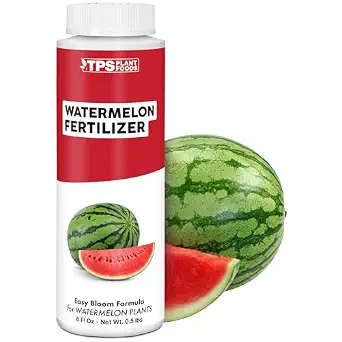 |
| Best Budget The cheapest option that still gets the job done reliably | TPS NUTRIENTS Melon Fertilizer Liquid Plant Food, 8 oz |  |
| Highest Rated A top-rated pick with lots of positive feedback | Farmer's Secret Fruit & Bloom Booster Liquid Fertilizer (8 oz) |  |
| Most Popular A crowd favorite that many people choose with confidence | Greenway Biotech Cucumber Fertilizer 8-16-36, Water Soluble Powder, 1 lb |  |
| Best Seller A high-volume bestseller chosen again and again | Miracle-Gro Water Soluble All Purpose Plant Food, 1.5 lb |  |
Leaves & Soul Melon Liquid Fertilizer, 5-1-5 Formula, 8 oz

| Unit Count | 8 Ounce |
|---|---|
| NPK | 5-1-5 |
| Application Method | Watering |
| Target Species | Melon |
Leaves & Soul Melon Liquid Fertilizer is a small, concentrated plant food designed to support melon growth from seedlings through fruiting. Mixed at 2 tablespoons per gallon, the fast-absorbing liquid delivers a 5-1-5 NPK blend plus micronutrients to the root zone when applied every 2 to 4 weeks. In practice it is easy to use for container, raised-bed, or in-ground melons and helps encourage foliage, vine vigor, and fruit development without granular mess. The concentrate is convenient for gardeners who prefer quick-dissolving feeds and who want to maintain a regular feeding schedule throughout the season. Important limitations are the small 8 oz bottle size, which will require frequent repurchasing for larger plantings, and the need to follow dilution directions closely to avoid overfeeding. This product fits well into an overall cultural program that includes good soil, watering, and support for vining varieties rather than as a standalone fix for poor growing conditions.
Best for: Gardeners who want a simple, melon-focused feed to support steady vine growth and fruiting and who grow a few plants in containers or small beds and prefer liquid concentrates.
Less Ideal for: Growers with large-scale plantings or those who want slow-release, low-maintenance fertilizing should consider bulk or granular options instead.
- Melon-specific 5-1-5 NPK formula supports vine growth and fruit development
- Concentrated liquid mixes quickly and is fast absorbing for root uptake
- Works for seedlings through mature plants and across containers and beds
- Includes micronutrients for broader nutritional support
- 8 oz bottle is small for larger gardens and will need frequent replacement
- Requires careful dilution and regular feeding schedule to avoid overapplication
Verdict: A compact, easy-to-mix 5-1-5 liquid concentrate that gives melon growers a targeted, fast-absorbing feed to boost vines and fruit on small to moderate plantings.
Gardenera Liquid Power Watermelon Fertilizer Concentrate, 8 fl oz

| Item Form | Liquid |
|---|---|
| Coverage | watermelon plants |
| Target Species | Watermelons |
| Mixing Ratio | 1:128 |
| Liquid Volume | 8 fluid ounces |
Gardenera Liquid Power Watermelon Fertilizer is an 8 fl oz concentrated liquid feed made for watermelon plants and intended to speed nutrient uptake and improve yield. You mix the concentrate at 1:128 and apply it to pots or garden plots to encourage vigorous vine growth, stronger roots, and bigger, sweeter melons. The formula lists balanced NPK plus organic acids and chelated micronutrients, and its low pH helps unlock iron and other elements in alkaline soils so micronutrient deficiencies are less likely to limit growth. For performance-focused growers this product is useful during vegetative growth and fruit set when extra phosphorus and potassium support root development and fruit quality. The small bottle is easy to store and transport but requires accurate measuring for the recommended dilution rate. Because it is a concentrated, acidic feed, users should follow mixing instructions carefully and avoid overapplication on seedlings or already well-fertilized soils.
Best for: Growers focused on maximizing watermelon yield and fruit quality who want a targeted, fast-acting feed to use during vine growth and fruit set.
Less Ideal for: Beginners who prefer low-maintenance, slow-release fertilizers or gardeners with very small seedlings that need a gentler feed should consider milder alternatives.
- Formulated specifically for watermelon with balanced NPK and chelated micronutrients
- Low pH concentrate helps unlock iron and other micronutrients in alkaline soils
- Fast-acting liquid form promotes quick uptake and visible results in growth and fruit quality
- Compact 8 fl oz concentrate is convenient for mixing and storing
- Very acidic formula (pH 1.69) requires careful dilution and handling
- Small bottle size means frequent repurchasing for larger patches or many plants
Verdict: A concentrated, watermelon-specific liquid feed that unlocks micronutrients and speeds up growth for growers chasing bigger, sweeter harvests.
TPS Nutrients Watermelon Liquid Fertilizer, 8 oz

| Item Form | Liquid |
|---|---|
| Application Method | Pour on plants |
| Coverage | Low |
| Target Species | Watermelon |
| Unit Count | 8 Fluid Ounces |
This 8-ounce liquid fertilizer from TPS Nutrients is designed specifically for watermelon and other melons, supplying targeted nutrients to support vine vigor, flowering, and fruit development. It is applied by pouring onto plants, so it integrates simply into regular watering or feeding routines in backyard gardens, raised beds, or small field plots. The formula emphasizes potassium and balanced nutrition to help produce larger, juicier melons and maintain steady growth through the season. Its low coverage and compact bottle make it convenient for gardeners who want precise, repeatable feedings rather than broad-area broadcast applications. Limitations include the small unit size, which means frequent purchases or multiple bottles are needed for larger plots, and it is not labeled for granular or soil-amendment use. Expect useful results for individual plants or small patch plantings when used as part of a consistent feeding schedule, but plan ahead for supply if treating many plants or a large area.
Best for: Gardeners who grow a modest number of watermelon plants and want an easy-to-use, melon-focused feed to support flowering and fruit set. Good for backyard growers who follow a regular feeding routine and prefer targeted liquid applications.
Less Ideal for: Growers managing large fields, community gardens, or many plants who need high-coverage or bulk fertilizer solutions should consider larger-capacity or granular products instead.
- Formulated specifically for watermelons to support flowering and fruit development
- Liquid form is easy to apply and mixes into routine watering or pour-on feeding
- Potassium-rich blend aimed at improving fruit size and juiciness
- Small 8 oz bottle provides low coverage and may not be cost-effective for large plantings
- No granular or soil-amendment option for broad-area application
Verdict: Choose this if you want a simple, melon-specific liquid feed to boost flowering and fruit quality for a small backyard patch of watermelons.
TPS NUTRIENTS Melon Fertilizer Liquid Plant Food, 8 oz

| Item Form | Liquid |
|---|---|
| Application Method | Watering can or hose-end sprayer |
| Coverage | Medium |
| Target Species | Melons |
| Liquid Volume | 8 fluid ounces |
This 8 oz liquid melon fertilizer from TPS Nutrients is a concentrated feed designed for foliar or soil application to support vine vigor and fruit development in melons. It is typically mixed according to the product directions and applied with a watering can or hose-end sprayer during the growing season to encourage steady growth, reduce blossom drop, and improve fruit set and sweetness. Notable features include a liquid formulation for quick uptake and a mixing ratio that makes small bottles easier to dose for backyard gardens. Practical benefits are targeted nutrition for melon crops, flexibility to feed by foliar spray or soil drench, and suitability for both garden beds and larger plantings. Important limitations are the small 8 oz volume, which means frequent repurchase for larger plantings, and the lack of detailed NPK values on the label for precise nutrient planning. For gardeners on a budget it offers a focused, easy-to-use option for improving melon performance, but larger or more chemically specified feeds may be more economical per season for extensive plantings.
Best for: Home gardeners growing a few watermelon or melon plants who want a simple, melon-focused feed that is easy to apply and requires minimal mixing.
Less Ideal for: Commercial growers or gardeners managing large melon beds who need larger volumes or detailed nutrient formulations for precise fertilization programs.
- Liquid formula allows faster nutrient uptake via foliar or soil application
- Designed specifically for melons to support vine growth, fruit set, and sweetness
- Compatible with watering can or hose-end sprayer for easy backyard use
- Small concentrated bottle is convenient for gardeners with a few plants
- Only 8 fl oz per bottle so cost per season can be high for larger plantings
- Product listing does not specify full NPK breakdown for precise nutrient planning
Verdict: A convenient, melon-specific liquid feed that makes it easy for backyard growers to boost vine vigor and fruit set.
Farmer's Secret Fruit & Bloom Booster Liquid Fertilizer (8 oz)

| Item Form | Liquid |
|---|---|
| Liquid Volume | 8 fluid ounces |
| Mixing Ratio | 1 teaspoon : 2 gallons |
| Application Method | dilute with water and pour or spray |
Farmer's Secret Fruit & Bloom Booster is a concentrated liquid plant food designed for mid-to-late season use when plants begin to bud and set fruit. You dilute a small amount (1 teaspoon per 2 gallons) and apply it either to the soil with your watering can or as a foliar spray, repeating every 1 to 2 weeks. The formula emphasizes phosphorus and potassium alongside trace minerals to promote root development, flowering and fruit set, which is the kind of nutrient profile banana growers look for during fruiting. Because it is liquid and already mixed, nutrients are immediately available and it is easy to integrate with irrigation or regular watering. The bottle is small but very concentrated, so a little goes a long way. A practical limitation is that the 8 ounce size supplies only a limited number of applications for larger banana plants or multiple trees, so you will need to plan purchases for season-long feeding. Follow dilution directions carefully to avoid overapplication.
Best for: Gardeners who prefer a proven, easy-to-use liquid feed to encourage blooms and fruit and who want straightforward instructions and predictable results.
Less Ideal for: Growers with large banana groves or multiple mature plants who need bulk or long-term feeding should consider larger-volume fertilizers or granular options.
- High phosphorus and potassium formulation supports flowering and fruit set
- Liquid concentrate delivers nutrients immediately and is usable as soil or foliar feed
- Simple, low-strength mixing ratio makes it easy for beginners to apply safely
- Contains additional trace minerals (iron, zinc, calcium) that support overall plant health
- Small 8 oz bottle provides relatively few applications for mature banana plants or multiple trees
Verdict: A highly concentrated, easy-to-use liquid booster that quickly delivers flowering and fruiting nutrients for backyard banana plants and other fruiting ornamentals.
Greenway Biotech Cucumber Fertilizer 8-16-36, Water Soluble Powder, 1 lb

| Item Form | Powder |
|---|---|
| Specific Uses For Product | Hydroponics, Plant Food, Plant Growth, Root Development, Soil |
| Coverage | 100 Square Feet |
| Target Species | cucumbers, summer squash varieties |
| Mixing Ratio | 1669:1 |
This is a performance-focused, water-soluble fertilizer designed specifically for cucumbers and other vine crops. The high potassium 8-16-36 NPK supports flowering and fruit quality while the included chelated iron, manganese, zinc, copper, boron, and molybdenum help prevent micronutrient deficiencies across a wide pH range. It dissolves cleanly for soil drenches, foliar sprays, drip systems, and hydroponic reservoirs, and the label gives clear per-plant and per-area dosing so you can apply it precisely. Practical benefits include targeted prevention of bitter or malformed fruit, compatibility with common irrigation and hydro setups, and independent testing for low heavy-metal content. Expect stronger flowering, better fruit set, and improved texture when used as part of a regular feeding schedule. Limitations are that it is a specialized formula for cucurbits rather than an all-purpose fertilizer and careful measurement is required because the product is concentrated; users should follow the provided grams-per-plant and foliar mixing rates to avoid overfeeding.
Best for: Gardeners and small-scale growers who prioritize crop performance and consistent fruit quality for cucumbers and other vine crops and want a fertilizer that works in soil and hydroponic systems.
Less Ideal for: Casual gardeners seeking a one-size-fits-all feed for mixed garden beds or those who prefer low-handling liquid concentrates and ready-to-use blends.
- High potassium 8-16-36 ratio optimized for flowering and fruit quality in cucurbits
- Includes chelated micronutrients to stay plant-available across pH 4–9
- 100% water soluble and formulated to avoid clogging drip lines or nozzles
- Clear dosing guidance for soil, foliar, and hydroponic applications
- Tested for heavy metals and registered with CDFA for purity assurance
- Specialized formula aimed at vine crops rather than a general-purpose garden fertilizer
- Concentrated powder requires accurate measuring to avoid over-application
Verdict: Choose this fertilizer if you want a concentrated, performance-oriented feed that improves flowering and fruit quality for cucumbers and other vine crops in soil or hydroponic systems.
Miracle-Gro Water Soluble All Purpose Plant Food, 1.5 lb

| Item Form | Powder |
|---|---|
| Application Method | Watering Can |
| Target Species | For all flowers, vegetables, trees, shrubs and houseplants |
| Mixing Ratio | 24-8-16 |
Miracle-Gro Water Soluble All Purpose Plant Food is a powder concentrate you mix with water to give a quick nutrient boost to flowers, vegetables, houseplants, shrubs and trees. It is typically dissolved in a watering can or used with a compatible garden feeder to soak soil at the base of plants, delivering nitrogen-heavy nutrition that shows effects faster than granular fertilizers. Notable features include an easy scooping method for indoor and outdoor dosing, compatibility with containers and in-ground planting, and clear directions for feeding every one to two weeks. In practice this makes the product a convenient option when you want visible growth and greener foliage quickly, and the 1.5 lb container covers roughly 600 sq. ft. Important limitations are that it is a fast-release, high-nitrogen formula best used as a regular quick feed rather than a long-term slow-release solution, and it requires careful measuring to avoid overfeeding. For routine maintenance combine with good watering and follow the label to avoid nutrient imbalance.
Best for: Buyers who prefer proven, easy-to-use feeding routines and want noticeable growth quickly for a variety of garden and houseplants, guided by established usage directions and broad user experience.
Less Ideal for: Gardeners seeking a single, long-term slow-release solution or those who prefer organic or low-nitrogen fertilizers for sensitive plantings should consider alternative products.
- Water-soluble powder starts working quickly at the roots when mixed and applied
- Clear, simple dosing for indoor and outdoor use with included scoop guidance
- Suitable for a wide range of plants including vegetables, flowers, shrubs and houseplants
- Covers a large area from a small container (about 600 sq. ft. per 1.5 lb)
- Fast-release formula means benefits are short-term compared with slow-release granular fertilizers
- Requires precise measuring and regular reapplication to avoid overfeeding
Verdict: A reliable, fast-acting water-soluble plant food for gardeners who want easy, repeatable feeding and quick visible results.
Choosing the Right Fertilizer for Melons: Key Factors to Consider
Nutrient Ratio and Timing
Melons need a shifting nutrient focus as they progress from establishment to fruiting. Early growth benefits from slightly higher nitrogen to build strong vines and foliage, but excessive nitrogen later can reduce fruit set and sweetness. Phosphorus supports root development and flowering, while potassium aids fruit size and flavor.
Choose a fertilizer whose N-P-K profile matches the stage when you plan to apply it, or pair products so you can shift from a growth blend to a bloom/fruit blend. Timing applications around vine development, flowering, and early fruit set will have a much bigger impact than simply applying more fertilizer.
Release Profile and Longevity
Fast-release fertilizers give a quick nutrient boost but can require more frequent applications and carry higher burn risk when used incorrectly. Slow-release or controlled-release formulas provide steady nutrition over several weeks, reducing application frequency and smoothing nutrient availability during critical fruit development.
Consider your planting schedule and whether you can reapply during the season. For long-season melon varieties, a combination of an initial controlled-release feed plus targeted side-dressing at bloom can keep plants supplied without spikes that drive excessive vine growth.
Application Method and Flexibility
Different gardens use broadcast granulars, liquid feeds, fertigation through drip lines, side-dressing, or foliar sprays. Choose fertilizers compatible with the methods you use most often. Granular products can be easier for broad coverage, while liquids and soluble powders are better for precise, frequent feeds and integration with drip irrigation.
Also consider ease of measuring and applying in small plots. Products with clear dosing instructions for vegetables and cucurbits reduce the chance of over- or under-feeding.
Soil Health and Organic Options
Repeated use of high-salt synthetic fertilizers can alter soil structure and microbial activity over time. Organic amendments like composted manures, bone meal, or kelp provide nutrients and contribute to organic matter, which improves water retention and root health in melon beds.
If you prefer organic management, look for fertilizers with recognizable natural inputs and accompanying instructions for carbon amendments. Even when using synthetic feeds, maintaining regular applications of compost or cover crops will support long-term soil fertility for better melon yields.
Salt Index and Risk of Plant Burn
Melons are sensitive to high soluble salt levels near their roots, which can cause transplant shock, leaf scorch, and reduced fruit set. Fertilizers with a high salt index need careful placement and correct dilution, especially for young plants.
Always follow label directions for spacing and watering in. Side-dressing rather than placing granulars directly against stems, and incorporating fertilizers into the soil before planting, reduces burn risk for tender seedlings.
Cost Per Season and Practicality
Rather than comparing sticker prices, estimate how much product you will use over a growing season for your garden size. Concentrated liquids or slow-release granules may cost more up front but cover several feedings, while soluble powders require repeated purchases.
Consider storage, shelf life, and whether the product requires extra equipment to apply. Practical factors like these affect how realistically a fertilizer fits into a gardener's routine.
Soil Testing and Adjusting Before Planting
Start with a soil test to determine baseline nutrient levels and pH. Melons prefer a slightly acidic to neutral soil pH; knowing your soil chemistry tells you whether you need lime or sulfur adjustments before planting.
Use test results to tailor fertilizer choice and application rates rather than guessing. Correcting major deficiencies before transplant reduces the need for corrective feeding later and helps seedlings focus energy on root establishment and vine growth.
- Take samples from the root zone depth you will use for planting
- Repeat tests every few years to track changes
- Adjust pH first, then supply targeted nutrients
Fertilizing at Transplant and Early Vine Growth
At transplant, melons need nutrients that support root development and steady vine expansion without pushing excessive leaf growth. A light starter feed with a balanced N-P-K and available phosphorus helps seedlings establish quickly.
Avoid heavy side-dressing of high-nitrogen fertilizers at this stage. Instead, incorporate a measured amount of fertilizer into the planting hole or use a diluted liquid feed to reduce root shock and encourage a healthy root system.
- Place granular starter fertilizer away from direct contact with roots
- Use diluted soluble feeds for immediate uptake when necessary
- Water thoroughly after applying to move nutrients into the root zone
Feeding Through Flowering and Fruit Set
When plants begin to flower, shift to feeding that favors blossom retention and fruit development. Slightly lower nitrogen and higher phosphorus and potassium during bloom help set fruit and improve size and flavor.
Apply side-dress treatments or targeted liquid feeds at early fruit set and again as fruits start expanding to maintain steady nutrient levels. Consistent moisture and balanced feeding together support sugar accumulation in the melons.
- Time feedings for early morning or evening to reduce evaporation
- Avoid heavy nitrogen pulses once fruit has set
- Maintain even soil moisture to aid nutrient uptake
Using Organic Amendments and Companion Practices
Incorporating compost, well-rotted manure, or cover crops builds soil organic matter that benefits melons beyond immediate nutrients. These practices improve water retention, structure, and microbial activity that help roots access nutrients.
Apply mulches to conserve moisture and moderate soil temperature, which both influence how effectively plants use applied fertilizer. Companion planting and crop rotation also reduce pest pressure and maintain soil fertility across seasons.
- Work compost into beds months before planting when possible
- Use organic side-dresses like compost tea or well-aged manure sparingly
- Rotate cucurbit families to avoid disease and nutrient depletion
Troubleshooting Common Feeding Problems
Yellowing leaves, poor fruit set, or excessively vigorous vines can all signal nutrient imbalances or improper application. Interpret symptoms alongside soil test data to determine whether the issue is deficiency, toxicity, or environmental stress.
If plants show signs of fertilizer burn or salt stress, flush the root zone with water and avoid further concentrated feeds until recovery. For persistent problems, re-test soil and adjust your feeding program accordingly.
- Leaf yellowing between veins may indicate magnesium or iron issues
- General chlorosis with little fruit often points to nitrogen mismanagement
- Patchy growth can be caused by uneven fertilizer placement or irrigation
How We Chose the Best Fertilizer for Melons
We focused on practical, garden-tested criteria that matter when growing melons. Nutrient ratio and stage-specific feeding was a primary filter, since melons need different nitrogen, phosphorus, and potassium balances during vine growth versus fruit set. Application method and ease were next, favoring products that work with broadcast, side-dress, or drip-fertilizer systems common in backyard plots. Nutrient availability and release profile were assessed to prefer options that supply both immediate and sustained nutrients without causing excessive vegetative growth. Organic compatibility and soil health impact were evaluated for gardeners who prefer organic amendments or want to build long-term soil structure. Salt index and potential for fertilizer burn were considered so gardeners can minimize transplant shock or fruit scald. Finally, we looked at formulation versatility across soil types and climates to ensure recommendations suit a range of home garden situations. Exclusions: we did not include experimental niche blends, products intended only for commercial farms, or items without clear nutrient labeling or usage directions.
FAQ
How often should I fertilize melons during the season?
Frequency depends on the product and release profile. Fast-release liquid feeds often need applications every two to three weeks, while controlled-release granules can last several months. Time applications to vine growth stages and avoid heavy nitrogen after fruit set.
Can I rely only on compost to feed melons?
Compost supplies many nutrients and improves soil structure, but it may not meet peak nutrient demands during fruiting. Many gardeners use compost as a foundation and supplement with targeted fertilizer when plants begin flowering and setting fruit.
What N-P-K ratio works best for melons?
There is no single perfect ratio, but a plan that starts with a slightly higher nitrogen for early vine growth and shifts to higher phosphorus and potassium at bloom tends to work well. Look for products or combinations that let you adjust that balance as the season progresses.
Will too much fertilizer make melons taste bad?
Excessive nitrogen can lead to more foliage and smaller, less sweet fruit. Overfeeding in general can reduce flavor by interfering with the plant's ability to concentrate sugars. Balanced feeding and proper timing help develop better flavor.
Is foliar feeding useful for melons?
Foliar sprays can deliver micronutrients quickly when deficiencies appear, but they are not a substitute for root-zone fertilization. Use foliar feeding for short-term corrections or during periods when root uptake is limited.
How should I apply fertilizer with drip irrigation?
Use soluble fertilizers rated for fertigating and follow manufacturer dilution guidance. Apply in short, frequent doses that match irrigation cycles to distribute nutrients evenly through the root zone and avoid salt buildup.
Final Verdict
Choosing the right fertilizer for melons means balancing nutrient ratios with application timing and your garden practices. Prioritize fertilizers that allow you to supply slightly higher nitrogen early, then move to higher phosphorus and potassium as blooms and fruits develop. Account for release profile, salt risk, and whether you want organic soil-building benefits. Make decisions based on soil tests, your irrigation method, and how much time you can spend feeding. That approach helps you avoid common tradeoffs and pick a feeding strategy that produces healthy vines and sweet, well-sized melons.
