

Note: This article contains affiliate links. If you click on these links and make a purchase, I may earn a small commission at no extra cost to you. This helps support my research and content. Read my full affiliate disclosure here.
Growing large, healthy onions and garlic depends heavily on the fertilizer choices you make during the season. These crops need a sequence of nutrients that support root establishment, leaf growth for bulb fill, and finally maturity without excessive leafiness. Picking the right fertilizer reduces common problems like small bulbs, bolting, or uneven size across the bed. This guide reviews six shortlisted fertilizers chosen for tending onions and garlic in typical home gardens and small-scale plots. We evaluate options based on nutrient ratios, how they are applied, and how they interact with common soil types so you can select an approach that fits your planting schedule and maintenance style.
Top Picks at a Glance
| Best Quality Built to a higher standard if you want something more solid | Old Cobblers Farm Wicked Growth Garlic and Onion Fertilizer (10 lb, 5-10-10) |  |
| Best Value The sweet spot between price and what you get | Down To Earth Organic Bone Meal Fertilizer 3-15-0, 25 lb |  |
| Best Budget The cheapest option that still gets the job done reliably | Espoma Bulb-Tone Organic Fertilizer (3-5-3), 4 lb |  |
| Highest Rated A top-rated pick with lots of positive feedback | Down To Earth Organic Bone Meal 3-15-0, 40 lb | 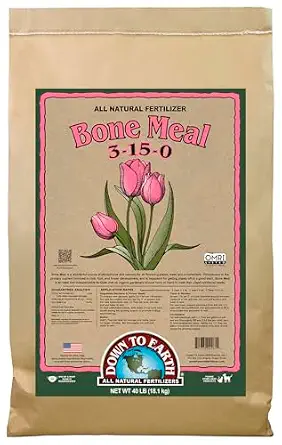 |
| Most Popular A crowd favorite that many people choose with confidence | TPS NUTRIENTS Garlic Fertilizer Liquid Plant Food, 8 oz |  |
| Best Seller A high-volume bestseller chosen again and again | Jobe's Organics Granular Bone Meal Fertilizer, 4 lb |  |
Old Cobblers Farm Wicked Growth Garlic and Onion Fertilizer (10 lb, 5-10-10)

| Item Form | Granules |
|---|---|
| Specific Uses For Product | Plant Growth |
| Model Number | Wg-5-10-10 |
| Unit Count | 16 Ounce |
This granular Allium-specific fertilizer is designed for planting and side-dressing garlic, onions, shallots, and leeks. With an NPK of 5-10-10 plus added sulfur, calcium, boron, and zinc, it aims to strengthen roots and promote solid bulb development while boosting the sulfur compounds that contribute to garlic and onion flavor. Typical use is mixing the recommended amount into the planting bed before setting cloves or bulbs and then applying light side-dressings when tops reach 4 to 6 inches, repeating every 4 to 6 weeks and stopping a few weeks before harvest. Practical benefits include targeted nutrients for bulb formation, micronutrients that help even development and storage quality, and clear application guidance for pre-plant and in-season feeding. Limitations are that it is a conventional granular fertilizer so you should follow a soil test to avoid overapplication, keep granules off foliage and bulb shoulders, and it is not an organic-certified product if that is a requirement.
Best for: Gardeners who want a purpose-built, no-nonsense fertilizer to maximize bulb size and flavor in garlic and other alliums and who prefer straightforward granular feeding routines.
Less Ideal for: Growers committed to organic or certified organic inputs or those who want liquid foliar feeds rather than granular soil applications.
- Formulated specifically for garlic and other alliums with added sulfur to enhance flavor compounds
- Balanced 5-10-10 NPK that emphasizes phosphorus and potassium for strong bulbs
- Includes micronutrients calcium, boron, and zinc to support bulb firmness and even development
- Suitable for both pre-plant incorporation and periodic side-dressing during the season
- Not labeled as organic
- Requires careful application and soil testing to avoid nutrient excess
Verdict: A focused granular formula that gives garlic and other alliums the phosphorus, potassium, sulfur, and micronutrients they need to produce firm, flavorful bulbs.
Down To Earth Organic Bone Meal Fertilizer 3-15-0, 25 lb

| Item Form | Granules |
|---|---|
| Specific Uses For Product | Organic,Potting,Root |
| Coverage | Medium |
| Target Species | flowering plants, trees, ornamentals, bulbs |
| Mixing Ratio | 3:15:0 |
This 25 lb bag of Down To Earth organic bone meal is a straightforward, single-ingredient source of phosphorus and calcium for planting bulbs and strengthening early root growth. Gardeners typically sprinkle or mix the granules into planting holes or around established bulbs, garlic, and onions to encourage strong root establishment and better bloom and bulb formation. The 3-15-0 analysis means it delivers a strong phosphorus boost with negligible nitrogen, so it is best used at planting or when you want to promote roots and flowers rather than leafy growth. Being OMRI-listed makes it suitable for organic gardens, and the granular form is easy to handle and apply with a scoop. Important limitations are that it does not feed for nitrogen or potassium needs, so you will need a complementary fertilizer for balanced nutrition, and phosphorus-containing fertilizers are restricted in some areas because of runoff concerns, so check local guidance before use.
Best for: Gardeners focused on establishing strong roots and improving bulb and bloom set for crops like garlic and onions who prioritize organic, single-ingredient amendments.
Less Ideal for: Gardeners seeking an all-in-one fertilizer or those who need to correct nitrogen or potassium deficiencies without combining products.
- High phosphorus to promote root development and bulb formation
- OMRI-listed for organic production
- Granular form is easy to apply at planting or around established plants
- Includes calcium which supports bulb and flower quality
- Provides little to no nitrogen so it does not support leafy growth
- Not a complete fertilizer so another product is needed for balanced feeding
Verdict: A reliable organic phosphorus and calcium boost to establish strong roots and improve bulb and bloom development for garlic, onions, and other bulbs.
Espoma Bulb-Tone Organic Fertilizer (3-5-3), 4 lb

| Item Form | Granules |
|---|---|
| Specific Uses For Product | Gardening, Organic, Plant Food |
| Coverage | Medium |
| Target Species | Bulbs |
| Mixing Ratio | 3:5:3 |
Espoma Bulb-Tone is an easy-to-use granular organic fertilizer designed for planting and feeding bulb crops. You apply it directly in the planting hole for new bulbs or sprinkle on the soil surface for established plants and water it in. Its 3-5-3 analysis supplies a higher middle number that supports flowering and bulb development while added calcium and Espoma’s Bio-tone microbes help soil health. Because it comes in granules and is ready to use, it is convenient for small-scale vegetable beds of onions or garlic where you want a gentler, organic feed rather than a quick synthetic boost. The product is approved for organic gardening and contains no fillers. Limitations are that its NPK is formulated for flowering bulbs, not high-nitrogen leafy growth, so it will not drive rapid top growth the way a fertilizer higher in nitrogen would; also a 4 lb bag covers a moderate area so heavier feeders or larger beds may require additional product or repeat applications.
Best for: Buyers who want an organic, low-fuss fertilizer for small onion or garlic beds and prefer soil-friendly inputs over fast-acting synthetic feeds.
Less Ideal for: Growers who need rapid, high-nitrogen feeding for large-scale leafy production or who manage extensive beds where larger quantity or concentrated nitrogen is required.
- Organic formulation approved for organic gardening
- 3-5-3 formula that supports bulb development and flowering
- Ready-to-use granules that are easy to apply in planting holes or as a top dressing
- Contains calcium and beneficial microbes to improve soil health
- NPK balance favors flowering bulbs so it provides less quick nitrogen for fast leafy growth
- 4 lb bag provides medium coverage and may be small for larger vegetable beds
Verdict: A compact organic granular fertilizer that gives bulb crops like onions and garlic a soil-friendly feed to support bulb formation without synthetic inputs.
Down To Earth Organic Bone Meal 3-15-0, 40 lb

| Item Form | Granules |
|---|---|
| Coverage | 800 square feet |
| Target Species | Flowers |
| Unit Count | 640 Ounce |
Down To Earth Organic Bone Meal is a granular, high-phosphorus fertilizer (3-15-0) designed to support root development and flowering in bulbs, ornamentals and other flowering plants. It is typically worked into planting holes for bulbs or applied around established plants in early season to encourage strong root set and better bloom and bulb formation. The product is OMRI-recognized for organic use and consists of bone meal as the sole ingredient, so it provides a reliable source of phosphorus and calcium without synthetic additives. Practical benefits include improved early-season root establishment, enhanced bulb and flower production, and a familiar, easy-to-apply granular form that gardeners can broadcast or incorporate by hand. Important limitations are that it supplies little to no nitrogen or potassium, so it is best used as a targeted amendment rather than a complete feed, and its nutrients release slowly so it is not a quick fix for severe deficiencies. For growers prioritizing consistent organic inputs for onions, garlic and other bulbs, this bone meal performs predictably when paired with a balanced fertility program.
Best for: Gardeners who want a dependable organic amendment to improve root set and bulb development for onions, garlic and flowering bulbs and who plan their fertility program in advance.
Less Ideal for: Growers needing an all-in-one fertilizer or a fast-acting corrective feed should choose a balanced or soluble product instead.
- High phosphorus content (3-15-0) supports root and bulb development
- OMRI-listed formulation suitable for organic production
- Single-ingredient bone meal provides a steady release of phosphorus and calcium
- Large 40 lb unit covers up to the stated 800 square feet for multiple seasons
- Contains negligible nitrogen and potassium so not a standalone complete fertilizer
- Slow nutrient release makes it unsuitable for rapid correction of deficiencies
Verdict: A reliable organic bone meal to boost phosphorus and calcium for stronger bulbs and better blooms when used as part of a planned fertility routine.
TPS NUTRIENTS Garlic Fertilizer Liquid Plant Food, 8 oz

| Item Form | Liquid |
|---|---|
| Specific Uses For Product | Plant Growth |
| Coverage | garlic and allium varieties |
| Target Species | garlic and allium varieties |
| Unit Count | 8 Fluid Ounces |
This 8 oz liquid garlic fertilizer is formulated to encourage tight bulb formation and strong green tops without overstimulating leafy growth. You apply it to garden beds, raised rows, or container-grown garlic as a periodic feed during the growing season; dosing instructions are included. The formula highlights calcium, magnesium, kelp, and a gentle nitrate balance, which in practice helps plants develop firm bulbs and maintain vigor through the season. The liquid form makes it easy to measure and mix for targeted applications and works well for small plots or trial beds where you want controlled feeding. Practical downsides are the small 8 oz volume, which means you will need multiple bottles for larger plantings, and the product requires careful handling and protective gear per the safety guidance. For growers who prefer a garlic-specific feed and want predictable, modest results, this fertilizer delivers focused nutrition without pushing excessive foliage.
Best for: Gardeners growing garlic in backyard beds or raised rows who want a dedicated, garlic-focused feed and prefer products with clear ingredient cues and user feedback.
Less Ideal for: Those managing large-scale plantings or commercial plots who need bulk fertilizer solutions or want an all-purpose fertilizer for many crop types.
- Formulated specifically for garlic and allium varieties to support bulb development
- Includes calcium, magnesium and kelp to bolster plant strength and root health
- Liquid concentrate is easy to measure and mix for targeted applications
- Gentle nitrate balance designed to feed bulbs without excessive leafy growth
- Small 8 oz bottle may be insufficient for larger beds or multiple plantings
- Requires safety precautions when handling due to concentrated ingredients
Verdict: Choose this product if you want a small-batch, garlic-specific liquid feed that encourages firm bulbs and controlled top growth.
Jobe's Organics Granular Bone Meal Fertilizer, 4 lb

| Item Form | Granules |
|---|---|
| Application Method | Soil |
| Unit Count | 64 Ounce |
| Mixing Ratio | 2-14-0 |
Jobe's Organics Granular Bone Meal is a prilled, dust-reduced source of phosphorus and calcium aimed at strengthening root systems and improving blooms and tuber development. It is typically worked into the soil at planting for bulbs or applied around established plants every eight weeks during the growing season to support root- and flower-focused crops. The 2-14-0 NPK profile makes it especially useful where phosphorus is needed, and the granulated form is compatible with spreaders or hand application with minimal mess. Being OMRI-listed and made from 100 percent bone meal means it fits organic garden plans and is safe to use around children and pets when handled properly. Important limitations are that it supplies little to no nitrogen, so it should be paired with a balanced or nitrogen-rich amendment for leafy growth, and local regulations may restrict phosphorus use on lawns or near waterways. Also, results depend on existing soil phosphorus levels so a soil test is recommended before use.
Best for: Gardeners growing bulbs, tubers, flowering vegetables, or onions who want an organic phosphorus boost and prefer a low-dust granular product backed by positive user feedback.
Less Ideal for: Growers who need a complete all-purpose fertilizer for rapid leafy growth or those managing phosphorus-restricted turf or sites near sensitive waterways.
- High phosphorus and calcium content supports strong root development and better blooms
- Granulated prilled form reduces dust and works well with spreaders or hand application
- OMRI-listed and made from 100 percent organic bone meal suitable for organic gardens
- Directions recommend regular application every eight weeks for season-long support
- Contains little to no nitrogen so not sufficient alone for leafy growth
- Phosphorus fertilizers can be restricted in some areas because of runoff concerns
Verdict: A reliable organic bone meal to boost root development and bulb or onion bloom potential when soil phosphorus is needed.
Choosing the Right Fertilizer for Onions and Garlic: Key Factors to Consider
Nutrient Ratio and Stage-Specific Needs
Onions and garlic require different nutrient balances at distinct growth stages. Early growth needs moderate nitrogen to encourage leaf development that will feed the forming bulb, but excessive nitrogen late in the season delays maturity and reduces bulb storage life. Phosphorus helps root establishment when transplants or sets are placed, and potassium supports bulb formation and disease resistance.
Understanding the N-P-K numbers on a fertilizer label lets you match a product to the crop stage. Look for products that allow staged feeding or that come in formulations intended for bulb crops rather than generic high-nitrogen mixes.
Nitrogen Source and Release Pattern
The type of nitrogen matters for bulbs because fast-release nitrogen can produce a quick flush of top growth that the plant cannot convert to bulb mass, while slow-release or stabilized nitrogen supplies steadier nutrition. Organic sources and coated controlled-release formulations reduce the risk of overfeeding and lower leaching losses in sandy soils.
Consider whether you need an immediate boost (for establishing sets) or extended feeding through the bulb-fill period. Release characteristics influence how often you will need to reapply and how the fertilizer interacts with rainy weather.
Application Method and Precision
Onions and garlic are sensitive to concentrated fertilizer at the crown and bulb. Ease of accurate application is crucial. Granular side-dressing, banded placement at planting, or soluble feeds applied as a light drench all have pros and cons depending on labor, bed width, and watering practices.
A product that allows precise small-dose applications reduces the chance of fertilizer burn and helps you match feeding to plant size. Compatibility with hand spreaders, measuring scoops, or watering-can mixing matters for small-scale beds.
Salt Index and Bulb Safety
Bulb crops can show burn or distorted growth when exposed to high-salt fertilizers or when salts accumulate in poorly drained soils. The salt index or labeled cautions give a sense of how safe a product is for close placement to roots or crowns.
If you garden in containers, raised beds, or compacted soils, choose lower-salt options or apply at lower rates. Rinsing practices, frequent shallow watering, and incorporating organic matter help mitigate salt build-up, but starting with a gentler formulation is often wise.
Compatibility With Soil Tests and Amendments
A fertilizer should work predictably with your soil test recommendations and existing soil amendments. Some products supply micronutrients or secondary nutrients that correct common deficiencies, while others are strictly macronutrient blends.
Using products that align with measured soil pH, organic matter levels, and nutrient status avoids over-application. Consider whether the fertilizer complements lime, compost, or gypsum you plan to use and if it allows fine-tuning based on test results.
Practical Handling and Storage
How a fertilizer stores and how easy it is to measure affects seasonal workflow. Moisture-sensitive granules or powders that cake in humid conditions create dosing headaches. Premeasured packets, labeled scoops, or clearly marked mixing instructions reduce mistakes.
Storage life also matters. Small gardens benefit from packaging that keeps product dry and usable over multiple seasons, while larger operations may prefer bulk packaging despite the need for secure, dry storage.
When to Feed Onions and Garlic
Timing feeds to the crop stage improves uptake and bulb development. Start with a light application at planting if soil tests show low phosphorus, then supply measured nitrogen during the leaf development phase to support bulb initiation.
Reduce or stop nitrogen applications several weeks before harvest so bulbs can mature and store well. For overwintered garlic, feed early in spring as growth resumes and avoid late-season nitrogen that delays curing.
- Planting time: small starter band or incorporated amendment if needed
- Active growth: split nitrogen applications for steadier bulb fill
- Pre-harvest: taper back nitrogen to promote maturity
Organic Vs Synthetic Options
Organic fertilizers release nutrients more slowly and add organic matter, which benefits soil biology and long-term structure. They are less likely to cause salt damage but may require planning because nutrient concentrations are lower and release depends on temperature and microbial activity.
Synthetic or mineral fertilizers supply predictable nutrient ratios and immediate availability, which is helpful when correcting a specific deficiency or when rapid response is needed. They require careful dosing and attention to salt index, especially in dry or container-grown crops.
- Organics: better soil health, slower release, often lower nutrient concentration
- Synthetics: precise ratios, faster action, require careful placement and timing
Applying Fertilizer in Different Soil Types
Soil texture affects nutrient retention and leaching risk. Sandy soils require more frequent, smaller applications because nutrients wash away quickly, while clay soils hold nutrients but may restrict root growth if over-fertilized.
Adjust application method to your soil. Use banded placement or localized side-dressing in heavier soils to limit surface salt concentration, and favor soluble fed in shorter intervals for sandy sites to maintain steady availability.
- Sandy soil: split applications, consider controlled-release or organic matter
- Loam: balanced approach, follow soil test guidance
- Clay soil: avoid excessive surface concentrations, incorporate into planting zone
Measuring and Mixing for Small Beds
For backyard plots and raised beds, the ability to measure small doses reliably is important. Choose fertilizers that provide clear mixing charts for gallons or liters of water and that work with common household measuring tools.
When preparing a drench or foliar feed, dissolve soluble products fully and apply evenly. For granulars, use a small scoop or hand spreader to avoid hot spots that can harm bulbs.
- Use graduated measuring tools for soluble feeds
- Pre-dissolve thoroughly to avoid clogging watering devices
- Calibrate spreaders or use hand application for narrow rows
Storage, Safety, and Environmental Considerations
Store fertilizers in a cool, dry place sealed against moisture and pests. Keep products away from children's reach and follow label safety instructions for handling and spills.
Avoid over-application and runoff into waterways by matching rates to soil test recommendations and using buffer strips or mulches to reduce erosion. Proper timing reduces leaching risks during heavy rain events.
- Store sealed in a dry location
- Follow label safety and PPE recommendations
- Prevent runoff by avoiding heavy application before storms
How We Chose the Best Fertilizer for Onions and Garlic
We shortlisted products that match the nutrient and handling needs of bulb crops and excluded generic garden feeds that do not provide clear N-P-K guidance for onions and garlic. Selection focused on four to six concrete evaluation criteria relevant to seasonal bulb production: nutrient ratio and timing, source of nitrogen, application method and accuracy, salt index and bulb sensitivity, and ease of integration with soil tests or amendments. We prioritized fertilizers with clear analysis labels and repeatable application rates so gardeners can follow dosage guidance by bulb age. We excluded blends formulated primarily for turf, heavy-feeding cole crops, or ornamental blooms because those priorities differ from bulbs. Practical handling factors such as granule size, solubility, and compatibility with sidedressing or foliar feeding were considered. Products that required complex mixing with specialized equipment were deprioritized for typical home use.
FAQ
How much nitrogen do onions and garlic need during the season?
Needs vary by soil fertility and crop stage, but bulbs typically respond to moderate, split nitrogen applications during leaf growth. Excessive late nitrogen delays maturity, so reduce feeding several weeks before harvest.
Can I use compost alone to fertilize onions and garlic?
Compost adds valuable organic matter and some nutrients, but depending on its nutrient content it may not supply enough available nitrogen or phosphorus for optimal bulb size. Using compost alongside targeted fertilizers or soil test guidance often gives better results.
Is foliar feeding effective for bulb development?
Foliar feeding can correct minor micronutrient shortages quickly and support leaf health, but it is not a substitute for root-available macronutrients needed for sustained bulb fill. Use foliar sprays as a supplement when soil uptake is limited.
When should I stop fertilizing before harvest?
Stop or sharply reduce nitrogen applications several weeks before expected harvest to allow bulbs to mature and cure. The exact timing depends on variety and local climate but generally falls within two to four weeks before digging.
How do I avoid fertilizer burn on bulbs and crowns?
Avoid placing concentrated fertilizer directly against the crown or bulbs. Use banded placement away from the stem, dilute soluble feeds adequately, and follow label rates. Choosing lower-salt formulations reduces burn risk.
Final Verdict
Choosing the right fertilizer for onions and garlic comes down to matching nutrient ratios and release patterns to the crop stage, soil type, and your application style. Prioritize a product that allows staged feeding, uses a nitrogen source appropriate to your timing needs, and has a low salt impact for close placement. Balance the tradeoffs between predictability and soil health when deciding between synthetic and organic options. With attention to timing, measurement, and soil test guidance, you can pick an approach that produces larger, healthier bulbs and simplifies seasonal work.
