

Note: This article contains affiliate links. If you click on these links and make a purchase, I may earn a small commission at no extra cost to you. This helps support my research and content. Read my full affiliate disclosure here.
Getting orchids to rebloom consistently depends as much on feeding strategy as on light and humidity. The right fertilizer delivers the specific nutrient balance orchids need to set and open flowers while avoiding salt buildup that can harm roots. This guide focuses on formulas and application methods suited for encouraging blooms in a wide range of common orchid types. We shortlisted seven top fertilizer options chosen for bloom promotion and root safety, and we evaluate each pick for nutrient profile, ease of use, and how well it fits different watering and potting situations. Read on to match a feeding approach to your orchid growing routine.
Top Picks at a Glance
| Best Overall The best all-around choice for most situations | Miracle-Gro Orchid Plant Food Mist (3 × 8 fl oz) |  |
| Best Quality Built to a higher standard if you want something more solid | Growth Technology GT Orchid Bloom Focus Liquid Plant Food, 1 Quart | 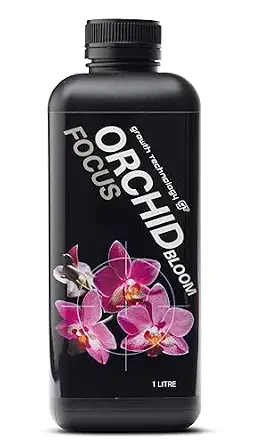 |
| Best Value The sweet spot between price and what you get | Schultz Orchid Food Water Soluble Plant Food 20-20-15, 10 oz |  |
| Best Budget The cheapest option that still gets the job done reliably | Better-Gro Better-Bloom Orchid Fertilizer, 16 oz |  |
| Highest Rated A top-rated pick with lots of positive feedback | Rubisco Orchid Magic MSU Formula Liquid Plant Food, 8 fl oz |  |
| Most Popular A crowd favorite that many people choose with confidence | Miracle-Gro Ready-to-Use Orchid Plant Food Mist, 8 fl. oz., 2-Pack |  |
| Best Seller A high-volume bestseller chosen again and again | TPS Nutrients Orchid Fertilizer Bloom Boosting Liquid Plant Food, 8 oz |  |
Miracle-Gro Orchid Plant Food Mist (3 × 8 fl oz)

| Item Form | Spray |
|---|---|
| Specific Uses For Product | Plant Food |
| Application Method | Spray |
| Target Species | Orchids |
This Orchid Plant Food Mist is a convenient, ready-to-use foliar and root spray designed to support orchid growth and flowering. Packaged as three 8-ounce bottles, it is intended to be applied once a week by misting roots and growing media while avoiding flowers. The product uses a spray application method that makes dosing simple and reduces mixing mistakes compared with concentrated fertilizers. For hobbyists who want an easy maintenance routine, the misting action helps deliver moisture and nutrients directly where orchids absorb them. Important limitations are that it is a medium-coverage product meant for regular maintenance rather than for correcting severe nutrient deficiencies, and the directions emphasize avoiding spray directly on blooms. Expect straightforward, repeatable use but not the concentrated feeding schedules advanced growers might prefer.
Best for: Growers who want a low-effort, consistent weekly feed to help orchids stay healthy and bloom without fussing with concentrates or complex schedules.
Less Ideal for: Advanced growers looking for high-concentration, targeted bloom-boosting formulas or growers needing a corrective treatment for severely deficient plants.
- Ready-to-use spray simplifies weekly feeding with no measuring or mixing
- Formulated specifically for orchids so instructions target roots and growing media
- Mist application helps combine light moisture with nutrients for gentle uptake
- Sold as a three-bottle pack for several months of routine care
- Medium coverage and mild concentration may not correct nutrient deficiencies quickly
- Not intended for direct application to flowers which requires careful targeting
Verdict: A user-friendly, ready-to-use mist that makes weekly orchid feeding quick and reliable for most home growers.
Growth Technology GT Orchid Bloom Focus Liquid Plant Food, 1 Quart

| Item Form | Liquid |
|---|---|
| Specific Uses For Product | Plant Growth |
| Target Species | orchids |
| Mixing Ratio | 5ml per liter (hydroponics/semi-hydro), 3ml per liter (soil/potting mix) |
| Liquid Volume | 1 liters |
Growth Technology GT Orchid Bloom Focus is a concentrated liquid fertilizer designed to support orchids through their flowering cycle. It supplies all 12 essential minerals with nitrate-based nitrogen and is intended for use in soil, hydroponic, and semi-hydroponic systems. Typical use is dilution into your regular watering regimen at the recommended rates for media type, applied more frequently as plants advance toward maturity to encourage bud set and fuller blooms. Notable features include its urea-free formulation that is gentler on sensitive roots, a full-mineral profile including calcium, and clear mixing guidance for different growing methods. Practical benefits are straightforward dosing, versatility across growing systems, and a nutrient balance aimed at promoting vibrant, long-lasting flowers. Limitations are the need to measure small milliliter doses precisely for proper strength and the expected requirement to pair this bloom formula with appropriate vegetative feeding at other growth stages since it is optimized for flowering rather than general maintenance.
Best for: Growers focused on maximizing bloom performance who want a concentrated, bloom-specific fertilizer that works across soil and hydroponic setups and are comfortable with precise dosing.
Less Ideal for: Casual plant owners who prefer all-in-one feeds or those unwilling to manage separate feeding regimes for vegetative and flowering stages.
- Urea-free, nitrate-based nitrogen that is gentler on orchid roots
- Contains all 12 essential minerals including calcium for balanced bloom nutrition
- Concentrated liquid form works in soil, hydroponic, and semi-hydroponic systems
- Clear mixing ratios provided for different growing media for consistent dosing
- Requires precise measurement of small milliliter doses which can be inconvenient without a syringe or measuring tool
- Formulated specifically for bloom stage so growers will need a separate vegetative feed for non-flowering periods
Verdict: Choose this concentrated, urea-free bloom formula when you want a targeted nutrient boost to produce fuller, longer-lasting orchid flowers.
Schultz Orchid Food Water Soluble Plant Food 20-20-15, 10 oz

| Item Form | Liquid |
|---|---|
| Application Method | Dissolve and mix with water |
| Target Species | Orchids |
| Mixing Ratio | 20:20:15 |
| Unit Count | 10 Ounce |
This Schultz orchid food is a concentrated, water‑soluble liquid fertilizer designed to be mixed with water and applied each time you water your orchids. With a 20-20-15 NPK formula and added micronutrients, it supplies balanced nitrogen, phosphorus, and potassium to support leaf health, root development, and flower production. Typical use is simple: dissolve the measured amount in the watering can and feed plants on a regular schedule, which makes it easy to maintain consistent nutrient delivery for potted orchids. The liquid format mixes evenly so it reaches roots without leaving residue in the potting medium. It is focused on orchids specifically, so you get a formula tuned for their needs rather than a generic houseplant feed. Limitations are that the bottle is small for frequent large‑scale use and the product requires correct dilution and consistent application to avoid overfeeding sensitive specimens. For growers who want a straightforward, orchid‑specific feed to encourage blooms, this is a practical option.
Best for: Best for growers who prioritize a simple, repeatable feeding routine and want an orchid-specific fertilizer to encourage blooms without fuss.
Less Ideal for: Not the best choice for those managing large collections who need bulk fertilizer or for growers seeking slow-release or dry formulations.
- Balanced 20-20-15 NPK formula targeted for orchids
- Liquid, water-soluble form mixes evenly for consistent feeding
- Contains micronutrients to support overall plant health
- Simple directions to feed each time you water for routine maintenance
- Small 10-ounce size may require frequent repurchase for multiple plants
- Needs careful dilution and regular use to avoid nutrient burn
Verdict: A convenient, orchid-focused liquid fertilizer that delivers balanced nutrients and micronutrients in an easy-to-mix formula to support blooming.
Better-Gro Better-Bloom Orchid Fertilizer, 16 oz

| Unit Count | 16 Ounce |
|---|---|
| Item Form | Resealable Bag |
| Application Method | Water-soluble |
| Specific Uses For Product | Orchid Care |
| Mixing Ratio | 1 teaspoon/gallon |
Better-Gro Better-Bloom is a 16 oz, water-soluble orchid fertilizer intended to be used every fourth watering to boost flowering. It delivers a high-phosphorus 11-35-15 formula that growers use to enhance bloom size and color; the bag recommends one teaspoon per gallon and soaking both roots and foliage. The powder comes in a resealable bag for storage and is urea-free, which many orchid growers prefer for flowering stages. In practical use this product is straightforward to mix and apply and pairs well with a routine fertilizing schedule when alternated with a balanced feed. Because it is concentrated for bloom promotion, it is not meant as an everyday growth feed but as a periodic booster, so expect stronger flowering rather than faster vegetative growth. The formulation is simple and focused, making it a sensible pick for collectors who want visibly bigger, longer-lasting blooms without complicated application steps.
Best for: Orchid owners on a budget who want a simple, proven bloom booster to increase flower size and color with minimal fuss.
Less Ideal for: People seeking a single fertilizer for daily growth and maintenance should choose a balanced or routine feed instead.
- High-phosphorus 11-35-15 formula targets bloom size and color
- Urea-free formulation favored for flowering-stage applications
- Water-soluble and easy to mix at the recommended 1 teaspoon per gallon
- Resealable 16 oz bag helps keep the product fresh between uses
- Designed as a bloom booster rather than an all-purpose daily fertilizer
Verdict: A cost-effective, easy-to-use bloom booster that reliably increases orchid flower size and color when used as directed.
Rubisco Orchid Magic MSU Formula Liquid Plant Food, 8 fl oz

| Item Form | Liquid |
|---|---|
| Specific Uses For Product | Orchids and Tropical House Plants |
| Target Species | Orchids and Tropical House Plants |
| Liquid Volume | 8 fluid ounces |
Rubisco Orchid Magic is a professional-grade liquid concentrate based on the MSU orchid formula used by growers and greenhouses. It is designed for orchids and other plants that prefer low-mineral water and can be mixed into rainwater, reverse-osmosis, or low-mineral tap water at three clearly labeled strengths for seedlings, maintenance, and active growth or bloom pushes. The 13-3-15 NPK balance combined with calcium, magnesium, and a full micronutrient package helps feed root-sensitive species without building up salts, and the bottle treats multiple gallons depending on dilution, so a small bottle lasts many feedings. Directions are printed on the label for straightforward weekly dosing. Limitations are that it is formulated specifically for plants that do best with low-mineral water, so gardeners who rely on hard tap water without conditioning may not get the intended benefits without switching water sources or using filtered water.
Best for: Growers who prioritize consistent, greenhouse-style nutrition for orchids and tropical houseplants and who use or are willing to use rainwater or low-mineral water for feeding.
Less Ideal for: Casual gardeners who rely solely on untreated hard tap water or who prefer slow-release granular fertilizers that do not require regular mixing.
- MSU-based 13-3-15 formula with added calcium, magnesium, and micronutrients suited to orchids
- Concentrated bottle covers many gallons with three labeled feeding strengths for different growth stages
- Low-salt formulation that reduces mineral buildup when used with rainwater or RO water
- Clear label directions for weekly dosing make routine feedings simple
- Designed for low-mineral water so effectiveness is reduced if used with hard tap water without filtration
- Only sold as a liquid concentrate which requires measuring and mixing
Verdict: If you want reliable, greenhouse-style nutrition for orchids and other root-sensitive tropicals and can use low-mineral water, this concentrated MSU-formula feed delivers consistent results.
Miracle-Gro Ready-to-Use Orchid Plant Food Mist, 8 fl. oz., 2-Pack

| Item Form | Liquid |
|---|---|
| Application Method | mist |
| Target Species | orchids |
| Mixing Ratio | 0.02-0.02-0.2 |
| Number of Packs | 2 |
This ready-to-use orchid mist delivers a gentle dose of nutrients and moisture in a convenient spray bottle designed for weekly use. It is typically used in addition to regular watering by misting roots, leaves, and the potting mix while avoiding flowers. The product’s main advantage is ease of use: no mixing is required and the fine mist makes it simple to target the aerial roots and growing media that orchids prefer. The included guidance to apply once per week fits common indoor orchid care routines and helps maintain consistent feeding. Because it is a light liquid formula applied directly to foliage and media, it is better suited to maintenance feeding than aggressive fertilization or correcting severe nutrient deficiencies. Users should follow safety directions to keep it away from children and pets and avoid contact with skin and eyes. For growers who want a straightforward, low-effort way to keep orchids regularly fed, this mist is a practical addition to an indoor orchid care kit.
Best for: Houseplant owners who want a simple, low-effort solution to keep indoor orchids consistently fed as part of routine weekly care.
Less Ideal for: Growers needing concentrated fertilizers for rapid correction, heavy bloom boosting, or large-scale orchid collections should consider more specialized or stronger products.
- Ready-to-use spray eliminates the need for measuring or mixing
- Fine mist lets you feed roots, leaves, and media directly without soaking flowers
- Weekly application schedule integrates easily into routine orchid care
- Comes as a two-pack for extended supply or multiple plants
- Formulation is light and not intended to correct major nutrient deficiencies
Verdict: If you want a no-mess, weekly feeding method to maintain healthy indoor orchids, this ready-to-use mist is the easiest way to deliver nutrients directly to roots and foliage.
TPS Nutrients Orchid Fertilizer Bloom Boosting Liquid Plant Food, 8 oz

| Item Form | Liquid |
|---|---|
| Application Method | foliar spray |
| Coverage | Medium |
| Target Species | orchids |
| Unit Count | 8 Fluid Ounces |
This 8 oz TPS Nutrients orchid fertilizer is a liquid, foliar-spray plant food designed specifically to support flowering and root health in indoor orchids. It delivers a kelp-enriched nutrient mix meant to encourage new bloom spikes and richer color in foliage, and the liquid form absorbs quickly when applied as a spray. Typical use is straightforward: dilute per the included mixing guidance and spray the leaves and growing medium on a routine schedule to support blooms and root uptake. Its compact bottle is convenient for hobbyists and small collections and the product focuses on flowering results rather than heavy vegetative growth. Limits to consider are the small unit size for larger collections and the lack of detailed NPK ratios on the main listing, so users who track exact fertilizer balance may want to supplement with a general-purpose orchid feed or test mixes first. For cautious growers, the foliar method reduces waste and can be spot-applied to individual plants.
Best for: Buyers who want a simple, bloom-focused foliar feed for indoor orchids and prefer a ready-to-use liquid that is easy to apply to individual plants.
Less Ideal for: Growers managing large collections, greenhouse operations, or those who require exact NPK ratios for strict fertilization schedules should consider bulk or fully specified alternatives.
- Formulated specifically for orchids to encourage bloom spikes and flowering.
- Kelp-enriched liquid promotes root health and nutrient uptake.
- Foliar spray application allows quick absorption and targeted feeding.
- Compact 8 fl oz bottle is easy to store and handy for small collections.
- Small 8 oz volume may require frequent repurchasing for multiple plants.
- Product listing does not provide a full NPK breakdown in the visible details.
Verdict: A convenient kelp-enriched foliar liquid that makes it easy to boost orchid blooms and support root health in small indoor collections.
Choosing the Right Fertilizer for Orchids to Bloom: Key Factors to Consider
Nutrient Ratio and Bloom Timing
Orchids respond differently to nitrogen, phosphorus, and potassium depending on growth stage. A formula with a slightly higher middle number for phosphorus can encourage bud set and flower development, while higher nitrogen favors leaf and root growth. Timing feeds to match active growth versus bloom induction matters; feeding a bloom-oriented ratio during bud development increases the chance of healthy flowers.
Consider how often you can realistically fertilize and whether you prefer a continuous low-dose regimen or a targeted bloom-boost treatment. The ratio you choose should match that schedule so you do not unintentionally push vegetative growth when you want blooms.
Soluble Salt Content and Root Safety
Orchid roots are sensitive to soluble salts that accumulate in potting media from concentrated fertilizers. High salt levels can scorch roots and reduce water uptake, leading to bud drop or weak flowering. Look for low-salt, water-soluble formulations or those explicitly labeled safe for frequent use in potted orchids.
Flushing media periodically is often part of a safe feeding plan, so plan for occasional deep waterings to remove built-up salts. If you repot into fresh bark or mix, that reset also reduces salt concerns and lets you use bloom-promoting feeds more aggressively for a short period.
Formulation Form and Ease of Application
Fertilizers come as water-soluble powders, liquids, spikes, or slow-release granules. Water-soluble and liquid feeds give precise control and are easiest to dose for the weak fertilizer strategy many orchid growers use. Spikes and slow-release options reduce maintenance but may not release nutrients at the timing needed to trigger flowering.
Consider how you water orchids. If you soak or mist frequently, a dilute liquid feed added to the watering routine is practical. If you water infrequently, a slow-release or periodic concentrated feed might be easier, but you must watch for salt buildup.
Micronutrients and pH Considerations
Besides the primary N-P-K trio, trace elements like magnesium, calcium, and iron affect overall plant vigor and flower quality. Deficiencies can manifest as poor bud development or faded petal color. A balanced orchid fertilizer will include appropriate micronutrients or you should supplement them separately when deficiency signs appear.
Orchid media pH influences nutrient availability. While most orchid fertilizers work across typical bark and sphagnum moss pH ranges, be aware that very acidic or alkaline conditions can lock out certain micronutrients. Monitor plant appearance and correct cultural issues before blaming fertilizer.
Compatibility With Potting Media and Water Quality
Bark mixes, sphagnum moss, mounted culture, and semi-hydro systems each affect how fertilizer behaves. Moss retains more water and nutrients, increasing the risk of salt buildup, so growers using moss often prefer weaker, less frequent feedings. Bark drains quickly and benefits from more regular dilute feeds to maintain nutrient availability.
Water source also matters. Hard water adds minerals that with fertilizer can increase total dissolved salts. If your tap water is hard, account for its mineral load by reducing fertilizer concentration or flushing media more often.
Application Frequency and Grower Routine
Your willingness to apply fertilizer regularly should shape the product choice. A daily or weekly weak feed regime requires stable, low-salt formulations and straightforward measuring. If you prefer a low-effort plan, look for longer-lasting products or concentrated feeds that are easy to dilute correctly.
Consistency is more important than complexity. Orchids respond to steady, appropriate nutrition and predictable watering. Choose a product and schedule you will maintain to get reliable bloom results.
Bloom-Boosting Feeding Strategies
There are two common feeding philosophies for encouraging orchids to bloom. The first is a consistent weak feed applied at most waterings, which keeps nutrients available without shocking roots and limits salt buildup. The second is a targeted bloom-stimulus program that uses a bloom-oriented ratio for a defined window before and during bud formation.
- Weak fertilizer at low concentration with most waterings supports steady plant health and reduces root stress.
- Short-term bloom stimulation can involve switching to a higher-phosphorus ratio or adjusting potassium to support flower development.
How Potting Media Changes Feeding Needs
Bark, moss, and mounted orchids each change how nutrients linger. Bark drains fast, so nutrients move through quickly and benefit from regular feeding. Moss holds water and nutrients, raising the risk of salts accumulating; in moss you should favor lower concentrations and periodic flushing.
Adjust feeding concentration and frequency when you repot. Fresh media often means you can start with slightly lower feeding until roots reestablish.
- Bark mixes: more frequent, dilute feeding.
- Sphagnum moss: less frequent, weaker feeds with routine flushing.
Signs Your Orchid Is Getting the Right Nutrition
Healthy roots that are firm and pale green, steady new leaf growth, and regular bud set are good indicators your feeding program is working. Too much fertilizer often causes brown tips on roots, leaf tip burn, or dropped buds. Lack of flowering despite healthy foliage can suggest you need a bloom-focused nutrient balance or a change in cultural triggers like light or temperature.
If you see salt crusts on media or pot edges, cut back concentration and flush the pot thoroughly several times to remove buildup.
- Good signs: firm roots, new growth, consistent bud formation.
- Bad signs: root tip browning, salt crusting, bud drop.
Adapting Feedings Across Seasons
Orchids have seasonal growth habits that affect nutrient needs. Active vegetative growth phases call for balanced or slightly higher nitrogen feeds, while flower induction periods benefit from a feed geared toward bloom nutrients. Many growers reduce feeding during dormancy or slow-growth periods and ramp up as new growth appears.
Track your plants through their growth cycle and align feeding to when new shoots or buds are forming rather than using a single year-round program.
- Increase bloom-focused feeding during bud formation.
- Reduce or pause feeding during dormancy or very slow growth.
How We Chose the Best Fertilizer for Orchids to Bloom
We focused on fertilizers and feeding methods that specifically support flower bud formation and safe root health for potted orchids. Selection began with products and formulations commonly recommended by experienced orchid growers and horticultural resources for bloom promotion. We prioritized nutrient ratios geared to flowering phases, low-salt formulations, and options suitable for both bark- and moss-based media. Key evaluation criteria included bloom-focused nutrient balance, solubility and ease of application, salt content and root safety, and flexibility across common orchid watering schedules. We also considered formulation stability and whether the product integrates with common cultural practices like bloom-stimulus feeding or weak-fertilizer-per-watering approaches. Exclusions included general-purpose houseplant fertilizers lacking a clear bloom strategy and any formulations with high soluble-salt levels or unsuitable micronutrient profiles for orchids.
FAQ
How often should I fertilize orchids to encourage blooming?
Often depends on your chosen method. A weak fertilizer-at-every-watering approach is common, which means diluting fertilizer to a quarter or half strength and applying with most waterings. Alternatively, some growers use a targeted bloom feed once a week during bud formation. Frequency should match the medium and your water quality.
What nutrient ratio helps orchids set more flowers?
Formulas with a slightly higher middle number for phosphorus relative to nitrogen can support bud set and flower development. That said, orchid response varies, and timing matters. Use a bloom-focused ratio during bud initiation rather than during vegetative growth.
Can too much fertilizer prevent orchids from blooming?
Yes. Excessive fertilizer, especially high-salt or high-nitrogen formulations, can cause root damage and favor leaf growth over flowers. Salt buildup can also lead to bud drop. Use low-salt formulations and dilute according to recommended orchid-strength mixes.
Should I flush my orchid pots when fertilizing for blooms?
Flushing periodically is a helpful routine to remove accumulated salts in the potting media. A thorough flush every few months or after a period of heavier feeding helps keep roots healthy and preserves the effectiveness of bloom-targeted applications.
Is bloom stimulation the same for all orchid types?
Not always. Different orchid groups have distinct growth and flowering cues. While fertilizer strategies overlap, cultural triggers like light, temperature drops, and rest periods also play large roles. Adjust feeding and other cultural factors to the species or hybrid you grow.
Do I need special micronutrients to improve flower quality?
Micronutrients like magnesium and calcium support overall vigor and can indirectly affect flower quality. Most balanced orchid fertilizers include essential trace elements. If you see deficiency symptoms, address them specifically rather than increasing primary nutrient concentration.
Final Verdict
Prioritize a feeding approach that matches your potting media and watering routine. For most growers the safest path to more reliable blooms is a low-salt, water-soluble fertilizer used at a dilute concentration, with a short switch to a bloom-focused ratio during bud formation. Monitor roots and media for salt buildup and adjust frequency or concentration accordingly. The right choice balances nutrient timing, root safety, and ease of use. Favor consistency over complex schedules so you can maintain the feeding plan long enough to see reliable flowering results.
