

Note: This article contains affiliate links. If you click on these links and make a purchase, I may earn a small commission at no extra cost to you. This helps support my research and content. Read my full affiliate disclosure here.
Growing tobacco that produces full, even leaves depends heavily on the fertilizer you use. The right fertilizer supports steady vegetative growth early, then maintains leaf quality and uniform curing potential later in the season. Choosing wrong can lead to uneven leaf size, harsh flavors, or pest and disease vulnerability. This guide covers six top fertilizers suited for tobacco growing situations. We shortlisted options that address nutrient ratios, application methods, and how they perform in common soil conditions. Below you will find practical evaluation points to help you pick the fertilizer style and feeding plan that matches your planting scale and goals.
Top Picks at a Glance
| Best Overall The best all-around choice for most situations | Southern Ag Plant Starter Soluble Fertilizer 12-48-8 (3 lb) |  |
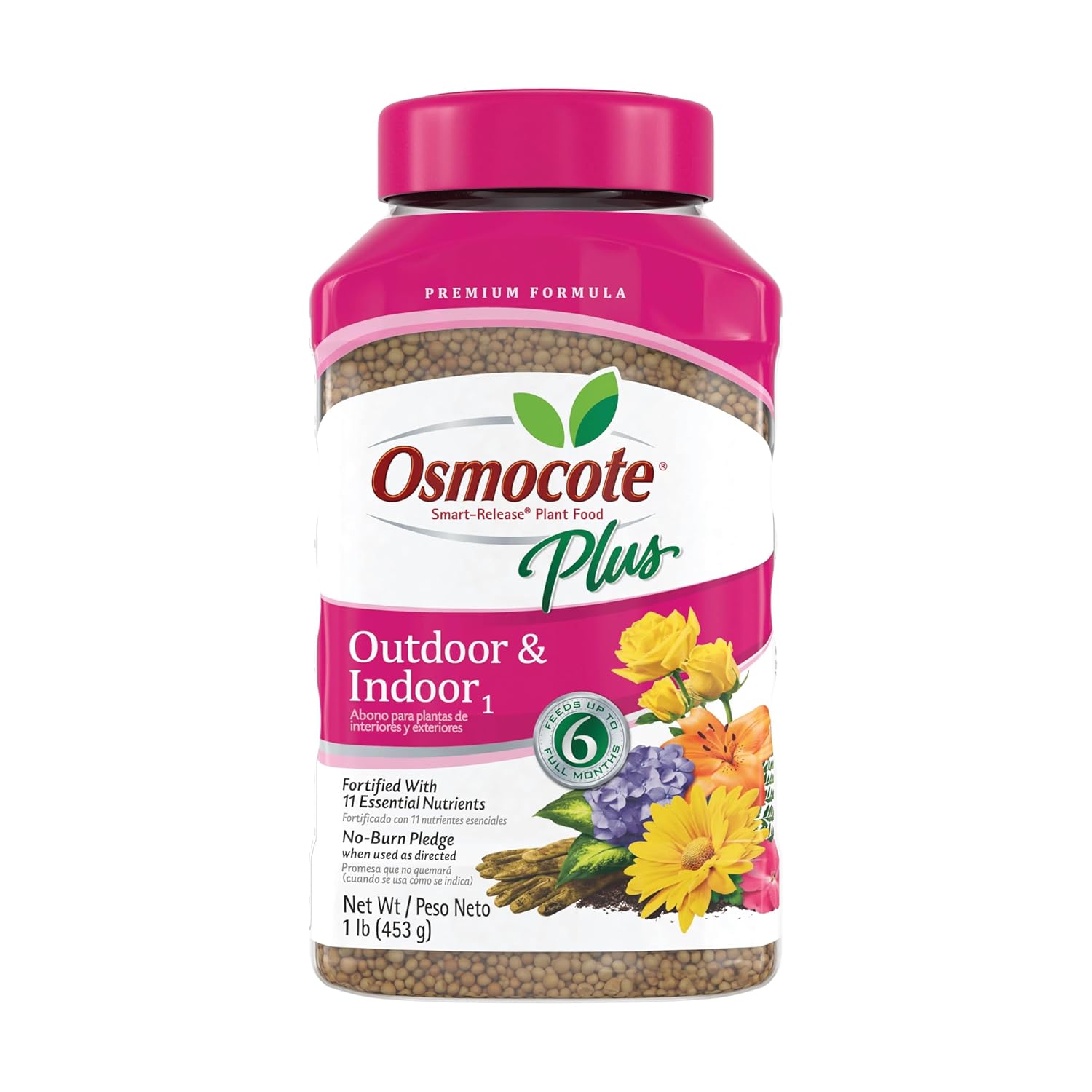
| Best Value The sweet spot between price and what you get | Osmocote Smart-Release Plant Food Plus Outdoor & Indoor, 1 lb |  |
| Best Budget The cheapest option that still gets the job done reliably | Dr. Earth Organic Tomato, Vegetable & Herb Fertilizer (64 oz) |  |
| Highest Rated A top-rated pick with lots of positive feedback | Sustane 4-6-4 Organic Slow-Release Fertilizer (14 oz) |  |
| Most Popular A crowd favorite that many people choose with confidence | Miracle-Gro Water Soluble All Purpose Plant Food, 3 lb |  |
| Best Seller A high-volume bestseller chosen again and again | Jack's Classic 20-20-20 All Purpose Water-Soluble Fertilizer (24 oz) | 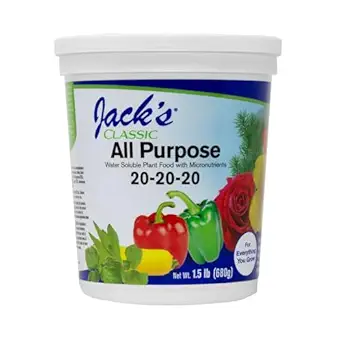 |
Southern Ag Plant Starter Soluble Fertilizer 12-48-8 (3 lb)

| Item Form | Liquid |
|---|---|
| Specific Uses For Product | Transplanting and bedding plants |
| Application Method | Drench, spray |
| Mixing Ratio | 1.5 tablespoons per gallon |
| Coverage | 0.5 to 1 pint per plant or 1 pint per 4 ft of row |
This water-soluble starter fertilizer is built around a high phosphorus formula (12-48-8) to encourage root establishment and flowering after transplanting. It is mixed into water at the label rates and applied as a drench or foliar spray, with directions for transplant solutions and row coverage. Practical features include a concentrated mixing ratio that lets you treat individual plants or longer rows without excess product and clear guidance for spray versus drench use. The product is suited to early-stage transplants and crops that benefit from extra phosphate such as tobacco and many vegetables. Be mindful that it contains potassium nitrate and oxidizers so standard safety precautions are required when handling and storing. Also the package is a small 3 pound bag, so heavy users or large acreage growers will need to buy multiple units or source larger sizes elsewhere.
Best for: Gardeners and small-scale growers who need a concentrated starter fertilizer to improve root set and early growth when transplanting tobacco or vegetable seedlings and who prefer flexible application methods.
Less Ideal for: Large commercial growers who require bulk quantities or organic-only growers seeking non-synthetic fertilizers.
- High phosphorus ratio proven to support root development and flowering
- Water-soluble formula usable as both drench and foliar spray
- Clear mixing instructions for transplant solutions and spray applications
- Small 3 lb package size may be inefficient for large-scale plantings
- Contains potassium nitrate which requires careful handling and storage
Verdict: Choose this high-phosphorus soluble starter if you want a concentrated, easy-to-mix fertilizer to boost root establishment and early growth in tobacco and transplanted vegetables.
Osmocote Smart-Release Plant Food Plus Outdoor & Indoor, 1 lb
| Item Form | Granules |
|---|---|
| Specific Uses For Product | Plant Food |
| Application Method | sprinkle around the base and work into the soil |
| Unit Count | 16 Ounce |
Osmocote Smart-Release Plant Food Plus is a resin-coated granular fertilizer designed to deliver steady nutrition to a wide range of plants for up to six months from a single application. You apply it by sprinkling the recommended scoop into the top inch or so of potting mix for containers or around plants in garden beds, then watering to activate the coating. The product contains 11 essential nutrients and is formulated to release based on soil temperature, which helps reduce overfeeding and supports consistent bloom and foliage performance in hanging baskets. Its no-burn pledge makes it easy to use at the recommended rates for mixed annuals, trailing plants, and container veggies. Limitations are that coverage is modest from a 1 lb. container so frequent use on many large baskets will require buying more, and release timing still depends on temperature so plants in cool, shaded spots may receive nutrients more slowly than those in warm sun.
Best for: Gardeners who prioritize steady, low-maintenance feeding for hanging baskets and containers and want consistent bloom and foliage without frequent fertilizing.
Less Ideal for: Those who need immediate, short-term nutrient boosts or precise liquid feeding schedules for plants that demand fast correction.
- Resin-coated granules provide controlled release of nutrients for up to six months
- Formulated with 11 essential nutrients suitable for a wide variety of plants
- No-burn pledge when used as directed reduces risk of damaging roots in containers
- Simple sprinkle-and-water application works well for hanging baskets and pots
- 1 lb container covers a limited area so multiple baskets will need additional product
- Release rate depends on temperature so nutrient delivery can be slower in cool conditions
Verdict: An easy, low-maintenance slow-release fertilizer that keeps hanging baskets fed for months with minimal effort.
Dr. Earth Organic Tomato, Vegetable & Herb Fertilizer (64 oz)

| Unit Count | 64 Ounce |
|---|---|
| Item Form | Granules |
| Specific Uses For Product | Organic |
| Target Species | Herb |
| Coverage | Medium |
This granular organic fertilizer is designed to boost vegetable and herb production by supplying balanced nutrients and soil biology support. It is typically broadcast into beds, mixed into potting mixes, or applied at planting and midseason for a nutritional lift; the manufacturer recommends reapplying every six weeks for containers. Notable features include a fully organic ingredient list, fast but sustained nutrient release, and a blend of probiotic microbes plus ecto and endo mycorrhizae intended to improve nutrient uptake and drought tolerance. In practice that means healthier root systems and potentially better yields and flavor in crops like cucumbers when used as part of an organic program. Limitations are that it is a medium coverage product in a 64 ounce bag so larger plots will need more frequent purchases, and it contains phosphorus so local runoff rules should be checked before use. Follow the directions for pH and application timing to avoid overapplication in small containers.
Best for: Gardeners who prioritize organic soil health and want a single, biology‑focused fertilizer to support vegetables like cucumbers in beds or containers.
Less Ideal for: Large‑scale growers seeking a bulk, high‑coverage fertilizer or those who must avoid phosphorus due to local regulations should consider other options.
- 100 percent organic formula suitable for certified organic gardens
- Contains beneficial microbes and eight strains of mycorrhizae to support root health and nutrient uptake
- Granular form releases nutrients quickly and continues feeding for several months
- Works for beds, raised planters and containers and can be used at planting, transplanting or midseason
- Bag is medium coverage so not economical for very large vegetable plots
- Includes phosphorus which may be restricted in some local jurisdictions
Verdict: Choose this product if you want an organic, microbe‑rich granular fertilizer that supports root health and steady feeding for cucumber and other vegetable plantings.
Sustane 4-6-4 Organic Slow-Release Fertilizer (14 oz)

| Item Form | Granules |
|---|---|
| Specific Uses For Product | Plant Growth, Root Development, Soil Conditioning |
| Unit Count | 14 Ounce |
| Mixing Ratio | 4-6-4 |
Sustane 4-6-4 is a compost-based slow-release fertilizer designed to build soil organic matter while supplying balanced nutrients. It is typically applied at planting or as a maintenance top-dress to vegetables, herbs, fruits, flowers and other garden plants; the granular form and compost base make it easy to work into potting mixes or garden beds. Notable features include its compost-derived nutrient sources, slow-release nitrogen, and a focus on improving soil biology rather than just delivering soluble salts. In practice that means gentler, longer-lasting feeding and improved soil structure and microbial activity, which suits acid-sensitive or nutrient-demanding crops. Limitations are that the relatively low N value and modest overall N-P-K mean heavier feeders may need additional targeted nitrogen or more frequent applications, and granular organic fertilizers act more slowly than soluble feeds when you need immediate leaf response. For growers who prioritize steady, soil-building fertility and consistent results, this product is a dependable option.
Best for: Growers who prioritize consistent, soil-building fertility and want a dependable organic starter and maintenance feed for tobacco and other crops.
Less Ideal for: People who need rapid, high-nitrogen green-up or prefer quick-release synthetic fertilizers for aggressive short-term growth.
- Compost-based formula that increases soil organic matter and microbial activity
- Slow-release nutrient delivery for longer-lasting feeding and reduced burn risk
- Granular form is easy to incorporate into beds, pots, or seedling mixes
- Lower nitrogen level compared with high-N synthetic fertilizers, so heavier feeders may need supplemental nitrogen
- Not a quick-fix soluble feed for immediate leaf greening
Verdict: Choose this product when you want a reliable, compost-based slow-release fertilizer that builds soil health while feeding tobacco steadily.
Miracle-Gro Water Soluble All Purpose Plant Food, 3 lb

| Item Form | Powder |
|---|---|
| Application Method | Mix with water in a watering can |
| Fertilizer Analysis (N‑P‑K) | 24-8-16 |
| Unit Count | 48 Ounce |
| Coverage | Feeds approximately 1,200 sq. ft. |
Miracle‑Gro Water Soluble All Purpose Plant Food is a powdered NPK 24‑8‑16 formula that dissolves in water to give plants a quick nutrient boost. You mix measured scoops into a watering can and apply to the soil at the base of plants every 7–14 days for outdoor use or every 14 days for houseplants. Notable features include a high nitrogen content for leafy growth, compatibility with containers and in‑ground beds, and guidance for use with a Miracle‑Gro Garden Feeder for larger areas. In practical terms this is a fast‑acting feed that encourages bigger, greener foliage and works well in regular maintenance of perennials like hostas. Limitations are that it is a fast‑release fertilizer rather than a slow‑release option, so it requires regular reapplication and careful measuring to avoid overfeeding. Also, the 24‑8‑16 balance is geared toward vegetative growth, so it is not optimized if you want to prioritize flowering or bloom boosting.
Best for: Buyers who want a reliable, fast‑acting feed to maintain lush, leafy perennials and container plants and who value proven products with broad user endorsement.
Less Ideal for: Gardeners seeking a single, long‑lasting granular fertilizer or a bloom‑focused formula should consider alternative slow‑release or high‑phosphorus products.
- Water‑soluble powder mixes easily for quick uptake by roots
- High nitrogen formula promotes robust leafy growth ideal for shade plants
- Clear mixing and application instructions for both indoor and outdoor use
- Suitable for containers and in‑ground gardens and compatible with garden feeders
- Requires frequent applications so it is not a low‑maintenance, slow‑release option
- High nitrogen ratio is less suitable when the primary goal is more flowers than foliage
Verdict: A fast‑acting, water‑soluble fertilizer that reliably produces bigger, greener hosta leaves when used as directed.
Jack's Classic 20-20-20 All Purpose Water-Soluble Fertilizer (24 oz)

| Item Form | Powder |
|---|---|
| Specific Uses For Product | Plant Growth |
| Coverage | All |
| Mixing Ratio | 0.22 |
Jack's Classic 20-20-20 is a professional‑grade, water‑soluble powder fertilizer intended for general feeding of indoor and outdoor plants. You dissolve the measured spoonfuls in water and apply as a root drench or foliar spray every 7 to 14 days, or use weaker mixes for seedlings and cuttings. The even 20-20-20 NPK formula promotes quick green‑up and leaf expansion, while included micronutrients support overall plant health. Because it is a powder concentrate, a small tub makes multiple gallons of feed, which is convenient for regular maintenance across beds, containers, and ornamentals. The product ships with a measuring spoon and clear directions, so it is easy to dose consistently. Limitations to note are that it is a generalist formula rather than crop‑specific booster, so plants with specialized needs may do better with targeted blends, and it requires careful handling and dilution to avoid overfeeding. Protective handling is recommended since the powder can irritate skin and eyes.
Best for: Gardeners who want a reliable, easy-to-use all‑around fertilizer for regular maintenance of outdoor beds, containers, and ornamentals and who value predictable, balanced nutrition.
Less Ideal for: Growers seeking a specialized bloom booster or a fertilizer tailored to a single crop should choose a targeted formula instead.
- Balanced 20-20-20 NPK supports fast green-up and leaf growth across many plant types
- Water‑soluble powder stretches farther than comparable liquid feeds so one tub makes multiple gallons
- Usable as both foliar spray and root feed for flexible application
- Includes measuring spoon and clear mixing directions for consistent dosing
- Added micronutrients reduce need for separate supplements
- General all-purpose formula is not optimized for bloom or fruit boosting
- Requires accurate measuring and dilution to avoid fertilizer burn
Verdict: A straightforward, professional‑grade balanced fertilizer that delivers reliable, easy-to-dose nutrition for maintaining healthy outdoor plants.
Choosing the Right Fertilizer for Tobacco: Key Factors to Consider
Nutrient Ratio and Timing
Tobacco is a leaf crop, so a fertilizer's ratio of nitrogen, phosphorus, and potassium directly shapes leaf size, thickness, and curing quality. Higher nitrogen during early vegetative growth encourages larger leaves, but excessive nitrogen late in the season can produce overly lush foliage that does not cure well. Phosphorus supports root establishment early on, which matters for even nutrient uptake across the plant population.
Timing matters as much as ratio. A planned fertility sequence-starter feeds, mid-season maintenance, and pre-harvest tapering-helps avoid sudden nutrient surges that alter leaf chemistry. Look for fertilizers whose nutrient release pattern or solubility matches the intended timing and frequency of applications.
Micronutrients and Secondary Elements
Magnesium, calcium, sulfur, and trace elements such as iron and manganese influence leaf color, texture, and disease resistance. Magnesium is central to chlorophyll and photosynthesis, which affects leaf thickness and nicotine production. Calcium and sulfur contribute to cell wall strength and flavor precursors, respectively.
A fertilizer lacking these elements may require supplements later in the season. Choose formulations that either include a balanced micronutrient package or are easily combined with targeted foliar or soil-applied micro-nutrients to correct deficiencies without upsetting the primary NPK balance.
Application Method and Farm Scale
How you apply fertilizer depends on scale and equipment. Small garden or hobby plots often benefit from granular or soluble formulations applied by hand or with a small spreader. Larger plantings need products compatible with tractor-mounted spreaders, fertigation systems, or aerial application.
Consider the labor and equipment you have: some fertilizers require frequent light feedings, while others are designed for single pre-plant incorporation or slow-release behavior. Match product physical form and application cadence to practical constraints in the field.
Solubility and Release Profile
Soluble fertilizers give quick uptake and are useful for fast corrections or fertigation. Slow-release or controlled-release formulas reduce the need for repeat applications and lower the chance of nutrient spikes, but they may not respond quickly when a shortfall is detected. The soil temperature and moisture regime in your area alters how fast a product releases nutrients.
Evaluate whether you need a quick-acting soluble product to correct early-season issues or a steady-release formula to maintain balanced nutrition over weeks. Combining both types can sometimes provide predictable growth while allowing fast corrections when necessary.
Soil Health and Salinity Considerations
Tobacco can be sensitive to soil salts and high soluble salt fertilizers can lead to marginal leaf burn and reduced uptake of water. Repeated use of high-salt fertilizers can raise soil electrical conductivity and stress plants, especially in arid regions or on soils with poor drainage.
Choose fertilizers that fit your irrigation and drainage conditions. Where salinity is a concern, prefer lower-salt formulations, apply in smaller, more frequent doses, and monitor soil EC. Also consider the long-term impact on soil biology; products that support microbial activity help maintain nutrient cycling and soil structure.
Compatibility With Pest and Disease Management
Fertilizer choices affect pest and disease pressure. Excessive nitrogen can make leaves more attractive to insects and can exacerbate fungal diseases due to denser canopy and poorer airflow. Conversely, balanced feeding that supports strong tissue can reduce susceptibility.
Consider how a fertilizer will influence canopy density and leaf vigor in relation to your pest and disease plan. Some feeding programs work well alongside foliar sprays and systemic treatments; others may require adjustments to timing to avoid interactions or leaf burn.
Feeding Schedules for Different Growth Stages
Create a feeding schedule that aligns nutrient forms and rates with tobacco's developmental stages. Early growth needs a boost of nitrogen for leaf expansion and phosphorus for roots. Mid-season maintenance should supply steady nitrogen and potassium to support leaf thickening and tobacco chemistry.
Short, controlled feeds are often better than large, infrequent applications. That reduces nutritional swings and helps maintain even color and leaf texture across the crop. Track plant appearance and soil tests to tweak timing and amounts.
- Starter feed at transplanting to encourage root establishment
- Regular maintenance applications as leaves expand
- Reduce nitrogen late in the season to improve curing quality
Soil Testing and Adjusting Rates
A recent soil test is the best guide to what your tobacco crop actually needs. Tests show baseline fertility, pH, cation exchange capacity, and potential micronutrient shortfalls. Use that data to set application rates rather than relying on generic recommendations.
After applying fertilizer, follow up with tissue tests or a second soil test mid-season if possible. That helps confirm whether the chosen program is delivering the expected results and whether adjustments are needed to avoid excesses or deficiencies.
- Adjust N based on organic matter and previous crop history
- Correct pH imbalances before applying micronutrient-heavy feeds
- Use tissue analysis to detect mobile nutrient shortages
Foliar Feeding Vs Soil Feeding
Foliar sprays are an efficient way to deliver micronutrients and quick corrections because leaves absorb certain elements rapidly. They are not a substitute for a balanced soil fertility program but are useful when soil uptake is limited by root damage, cold soils, or water stress.
Soil applications provide the bulk of the nutrition and support long-term leaf development. Combine both approaches when needed: use soil-applied fertilizers for ongoing needs and reserve foliar feeding for targeted corrections or micronutrient boosts.
- Use foliar feeds for rapid correction of micronutrient deficiencies
- Avoid heavy foliar nitrogen late in the season to prevent over-vigorous growth
- Always follow label directions for concentration and timing when foliar feeding
Water Management and Fertilizer Uptake
Irrigation schedule and water quality shape how plants take up fertilizer. Even distribution of moisture helps nutrients move to the root zone and reduces the risk of salt concentration at the root surface. Inconsistent watering can cause intermittent uptake and uneven leaf development.
If your irrigation water has high salts, adjust fertilizer type and rates accordingly and flush the soil periodically to prevent salt build-up. Where using fertigation, ensure injection equipment is calibrated so each plant receives a consistent nutrient dose.
- Match irrigation frequency to fertilizer release characteristics
- Monitor irrigation water quality and adjust for salinity
- Calibrate fertigation systems for even nutrient delivery
Organic and Slow-Release Options
Organic and slow-release fertilizers can supply nutrients steadily and support soil biology, which benefits long-term soil structure and nutrient cycling. They often require microbial activity and warm, moist conditions to release nutrients at predictable rates.
If you choose organic or slow-release products, plan for their slower nutrient availability by applying earlier or combining them with a soluble feed for immediate needs. Understand the lag time so plants are not starved during critical leaf expansion phases.
- Use composts and manures to build organic matter and baseline fertility
- Combine slow-release inputs with targeted soluble feeds when fast action is needed
- Monitor soil temperature and moisture to time organic release
How We Chose the Best Fertilizer for Tobacco
We focused on selection criteria that matter in real tobacco production, prioritizing nutrient balance that supports large, healthy leaves without excessive stem or stalk growth. We evaluated nitrogen, phosphorus, and potassium ratios and how they shift across the growing cycle. Application flexibility was important, including whether a fertilizer works for soil incorporation, side-dressing, or foliar feeding. Availability of secondary nutrients and micronutrients such as magnesium, calcium, and sulfur was considered because these influence leaf color, texture, and curing behavior. Ease of use in the field, including mixing, spreading, and compatibility with common irrigation systems, was another filter. Environmental and soil health considerations were applied, favoring options that minimize salt buildup and runoff risk. We excluded products formulated only for ornamental or general lawn use when their nutrient profiles did not suit tobacco's leaf-focused needs. The selected fertilizers score well on nutrient appropriateness, application practicality, nutrient completeness, and soil-friendliness.
FAQ
What NPK ratio is best for tobacco at transplanting?
Early growth benefits from a balanced starter ratio that favors nitrogen for leaf expansion plus some phosphorus for root development. Specific ratios vary by soil test results, but a moderate nitrogen emphasis during establishment is common.
Can I rely on foliar feeding alone for micronutrients?
Foliar feeding is effective for quick correction of micronutrient shortages but should not replace a soil fertility program. Foliar sprays deliver small quantities quickly, while soil-applied nutrients supply the bulk of seasonal demand.
How often should I apply fertilizer during the season?
Frequency depends on the product type. Soluble feeds may be applied every one to three weeks in small doses, while slow-release products are usually applied less often. Use plant appearance and soil or tissue tests to guide adjustments.
Will high nitrogen always increase leaf size?
Higher nitrogen can increase leaf size but too much, especially late in the season, can produce overly tender foliage that cures poorly and may increase pest pressure. Balance and timing are as important as the total amount.
How do I prevent salt buildup from fertilizer?
Prevent salt accumulation by using lower-salt formulations, applying nutrients in moderate doses, and ensuring adequate irrigation to leach excess salts. Periodic soil testing helps detect rising electrical conductivity early.
Should I change fertilizer strategy based on soil type?
Yes. Sandy soils often require more frequent, smaller applications because nutrients leach faster, while clay soils hold nutrients longer and may need less frequent feeding. Adjust form and timing to match your soil's water and nutrient retention characteristics.
Final Verdict
Choose a fertilizer program for tobacco that matches your soil test results, irrigation system, and timing needs. Prioritize an NPK sequence that supports early leaf expansion, steady mid-season nutrition, and a reduction in excessive nitrogen before harvest. Balance micronutrients and watch salinity to protect leaf quality. Focus on predictable release profiles and application methods that fit your operation. When you align nutrient ratios, timing, and delivery, you reduce risks to leaf uniformity and curing outcomes and can make confident choices that support consistent harvests.
