

Note: This article contains affiliate links. If you click on these links and make a purchase, I may earn a small commission at no extra cost to you. This helps support my research and content. Read my full affiliate disclosure here.
If you want bigger harvests and healthier foliage, choosing the right fertilizer for jalapeno pepper plant makes a real difference in the garden. Peppers respond to balanced nutrition at key stages: a gentle start to build leafy growth, then higher phosphorus and potassium to promote flowers and fruits. The wrong ratio or feeding schedule can lead to lush plants with few peppers or burned roots from overfertilizing. This guide shortlists six top fertilizer options suited for jalapeno peppers and explains the practical differences between nutrient ratios, application methods, and schedules. We evaluate ease of use and feeding results so you can pick the approach that fits your growing setup and goals.
Top Picks at a Glance
| Best Overall The best all-around choice for most situations | Greenway Biotech Pepper & Herb Fertilizer 11-11-40 Powder, 1 lb | 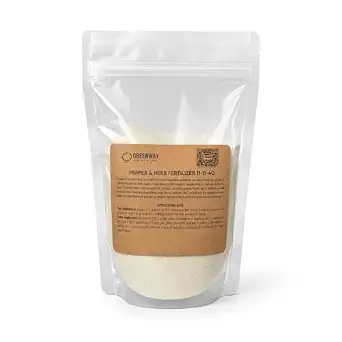 |
| Best Quality Built to a higher standard if you want something more solid | FoxFarm Big Bloom Liquid Plant Food, 16 fl oz |  |
| Best Value The sweet spot between price and what you get | Miracle-Gro Shake 'N Feed Tomato, Fruit & Vegetable Plant Food (1 lb) |  |
| Best Budget The cheapest option that still gets the job done reliably | Jobe's Tomato Fertilizer Spikes, 18 Count |  |
| Highest Rated A top-rated pick with lots of positive feedback | FoxFarm Grow Big Liquid Plant Food (16 fl oz) |  |
| Most Popular A crowd favorite that many people choose with confidence | Miracle-Gro Water Soluble All Purpose Plant Food, 1.5 lb |  |
Greenway Biotech Pepper & Herb Fertilizer 11-11-40 Powder, 1 lb

| Item Form | Powder |
|---|---|
| Specific Uses For Product | Hydroponic |
| Coverage | peppers and herbs |
| Liquid Volume | 200 gallons |
| Mixing Ratio | 0.5 Pounds per 100 Gallons of Water |
This 11-11-40 powder from Greenway Biotech is built to push flowering and fruit set on hot and sweet peppers while also enhancing essential oil production in herbs. It dissolves fully in room-temperature water so you can use it as a soil drench, foliar spray, or in hydroponic systems without clogging emitters. The formula includes EDTA-chelated iron, manganese, zinc and copper plus boron and molybdenum, which helps keep micronutrients available across a broad pH range and reduces the chance of lockout. Directions cover side-dressing, foliar feed, and reservoir dosing so it adapts to backyard beds, containers, and NFT or DWC setups. Practical benefits include a high potassium level to support capsaicin and fruit development and a concentrated powder format that treats many gallons per pound. Important limitations are that accurate dosing requires a scale for small-plant applications and that a single 1 lb package is intended for focused use rather than season-long feeding of large plantings.
Best for: Serious pepper growers focused on maximizing fruit size, heat, and yield who use targeted feeds or run hydroponic systems and want a performance-minded, pH-tolerant nutrient.
Less Ideal for: Casual gardeners who prefer low-effort granular feeds or pre-mixed liquid fertilizers intended for whole-season broadcasting across very large beds.
- High potassium ratio (40%) that supports flowering, fruit development, and capsaicin production in hot peppers
- EDTA-chelated micronutrients (Fe, Mn, Zn, Cu) plus boron and molybdenum to reduce nutrient lockout across pH 4–9
- 100% water soluble powder that dissolves cleanly for soil drench, foliar spray, and hydroponic systems without clogging
- Concentrated formula stretches a small package to treat large volumes of water for targeted feeding
- Requires precise measuring (scale or careful teaspoons) for correct dilution on small plants
- 1 lb package may be small for growers with many plants or multiple growing seasons
Verdict: Choose this concentrated, chelated 11-11-40 powder when you want a performance fertilizer that boosts pepper flowering, fruit set, and capsaicin production in soil or hydroponic systems.
FoxFarm Big Bloom Liquid Plant Food, 16 fl oz

| Item Form | Liquid |
|---|---|
| Specific Uses For Product | Organic |
| Application Method | watering can, sprayer, or drip system |
| Liquid Volume | 16 fluid ounces |
| Mixing Ratio | 4 |
Big Bloom is a concentrated liquid bloom fertilizer aimed at boosting flowers and fruit by supplying readily available organic nutrients. It mixes into water (manufacturer recommends 4 tablespoons per gallon) and can be applied with a watering can, sprayer, hose-end siphon, or through drip systems, so you can feed potted plants, beds, or containers without changing your routine. Notable features are its OMRI listing for organic use and the inclusion of bat guano and earthworm castings, which provide phosphorus and organic matter to encourage blooms and seed set. Because it is liquid and fast-acting, you can expect visible perk-up within a short time after feeding, and it is suitable for regular use at watering times to extend flowering. Limitations to consider are the small 16 fl oz size for larger gardens and the presence of phosphorus, which may be restricted in some locales and requires careful application to avoid runoff.
Best for: Gardeners focused on maximizing blooms and fruit who want an organic, fast-acting feed they can add to routine watering for container and bed-grown flowering plants.
Less Ideal for: Large-scale landscapers or very large perennial beds who need bulk fertilizer solutions or want to avoid phosphorus-based products due to local regulations.
- OMRI-listed organic formula with natural inputs like bat guano and earthworm castings
- Liquid concentrate allows fast nutrient uptake and flexible application methods
- Works with watering cans, sprayers, hose-end siphons, and drip systems for easy integration
- Small 16 fl oz bottle may require frequent repurchasing for larger flower beds
- Contains phosphorus so local restrictions on phosphorus fertilizers may apply
Verdict: Choose Big Bloom when you want an OMRI-listed, easy-to-apply liquid fertilizer that delivers fast organic nutrients to boost flowering and fruiting.
Miracle-Gro Shake 'N Feed Tomato, Fruit & Vegetable Plant Food (1 lb)

| Item Form | Granules |
|---|---|
| Target Species | Tomato, Fruit & Vegetable Plant Food |
| Unit Count | 16 Ounce |
| Item Type Name | Continuous Release Plant Food Plus Calcium |
| Coverage | Full |
Miracle-Gro Shake 'N Feed Tomato, Fruit & Vegetable is a granular, continuous-release fertilizer aimed at vegetable gardens and container-grown edibles. You apply it dry to the soil surface or mix it into potting mix at planting, then water to activate feeding that lasts up to three months. The formula includes natural ingredients that feed soil microbes and added calcium to strengthen cell walls and reduce common calcium-related disorders in fruiting crops. For container cucumbers this product provides steady nutrition without weekly liquid feeding and is simple to dose at planting or between seasons. Limitations include the fixed N-P-K profile and that it is not water-soluble for immediate foliar feeding, so rapid correction of major nutrient deficiencies will require a soluble supplement. It also requires correct incorporation or surface application and watering to avoid uneven distribution in small pots. Overall it is a low-effort option to keep container cucumbers producing through a season when used alongside regular watering and good potting mix.
Best for: Gardeners who want a low-maintenance fertilizing routine for container-grown cucumbers and value steady month-to-month feeding over frequent liquid feeds.
Less Ideal for: Growers who need rapid correction of a diagnosed nutrient deficiency or who prefer precise, water-soluble dosing for each watering cycle.
- Continuous-release granules feed plants for up to three months reducing application frequency
- Contains calcium to help prevent blossom end rot and improve fruit quality
- Formulated for fruits and vegetables and suitable for both in-ground and container use
- Feeds soil microbes via natural ingredients which can improve root health and nutrient availability
- Not water-soluble so it will not correct acute nutrient deficiencies quickly
- Fixed formulation may not match specific soil test recommendations for containers
Verdict: A convenient, slow-release granular feed that keeps container cucumbers nourished for months with minimal fuss.
Jobe's Tomato Fertilizer Spikes, 18 Count

| Unit Count | 18 Count |
|---|---|
| NPK | 6-18-6 |
| Application Method | Insert spikes around the plants |
| Target Species | Tomato |
Jobe's Tomato Fertilizer Spikes are simple root-feeding sticks designed to deliver balanced nutrients directly to tomato roots over several weeks. Use one or more spikes inserted into the soil around each plant at planting or early in the season and the slow-release formula releases phosphate-heavy nutrition aimed at supporting flowering and fruit set. The pre-measured spikes eliminate guesswork and reduce mess compared with granular or liquid feeds, and the waterproof pouch helps keep leftovers dry. Practical benefits include targeted feeding that is less likely to wash away and an easy schedule—reapply roughly every eight weeks during the growing season. Limitations are that spikes provide a fixed NPK (6-18-6) so you cannot fine-tune ratios mid-season, and the fixed dose may not match very large or very small plants exactly. Also phosphorus-containing fertilizers are regulated in some areas, so check local guidance before use.
Best for: Gardeners who want a low-effort, no-mess way to support tomato flowering and fruiting and who prefer simple, periodic feeding over frequent applications.
Less Ideal for: Growers who need precise control over nutrient ratios, those managing large-scale production, or gardeners in jurisdictions restricting phosphorus use.
- Slow-release spikes deliver nutrients directly to the root zone for up to eight weeks
- Pre-measured sticks remove mixing and measuring errors and reduce mess
- High phosphorus (18) supports flower development and fruit set
- Waterproof resealable packaging keeps unused spikes dry
- Fixed 6-18-6 formula does not allow adjusting nutrient ratios for specific plant needs
- Single-dose spikes may be too strong or too weak for unusually large or small plants
Verdict: An easy, budget-friendly root-feeding option that reliably boosts tomato flowering and fruit set with pre-measured slow-release spikes.
FoxFarm Grow Big Liquid Plant Food (16 fl oz)

| NPK | 6-4-4 |
|---|---|
| Form | Liquid |
| Unit Count | 16 Fluid Ounces |
| Mixing Ratio | 2 teaspoons per 1 gallon |
FoxFarm Grow Big is a 6-4-4 liquid concentrate designed to boost vegetative size and structure for vegetables, roses and houseplants. Mix at the manufacturer recommendation (2 teaspoons per gallon) and apply as part of your watering or as an early-morning foliar spray; the low pH formula helps keep micronutrients stable for reliable uptake. For tomato growers it delivers a nitrogen-forward balance that supports leafy growth and strong vines during the pre-flowering and fruit-set stages, and the pint concentrate is easy to store and measure. Notable features include quick-soluble liquid delivery and clear feeding guidance so you can feed every other watering without extensive guesswork. Limits to consider are that this is a vegetative feed rather than a bloom/fruit-specific formula, so you will want to switch to a bloom or fruit-focused fertilizer at flowering to optimize fruit development, and a pint will require careful dilution for larger vegetable beds or multiple plants. Overall it is a dependable, easy-to-use vegetative booster when you want predictable growth before tomatoes set heavy fruit.
Best for: Gardeners who prioritize consistent, predictable vegetative growth for tomato plants and want a straightforward, low-fuss feeding routine. Ideal for growers who value reliable nutrient uptake and clear instructions over experimental blends.
Less Ideal for: Growers seeking an all-in-one bloom and fruit booster or those managing large-scale tomato plantings who need bulk quantities of fertilizer.
- Concentrated liquid formula for fast nutrient uptake and easy mixing.
- Low pH formulation that helps keep micronutrients stable and available.
- Clear mixing instructions and flexible application by watering or foliar spray.
- Nitrogen-focused NPK (6-4-4) that promotes robust vegetative growth and strong vines.
- Not formulated specifically for flowering or heavy fruiting stages so a bloom/fruit fertilizer is needed later.
- Pint size may be small for larger vegetable gardens and requires frequent repurchasing.
Verdict: A dependable, easy-to-use liquid concentrate that reliably promotes vigorous vegetative growth in tomatoes during the pre-flower stages.
Miracle-Gro Water Soluble All Purpose Plant Food, 1.5 lb

| Item Form | Powder |
|---|---|
| Application Method | Watering Can |
| Target Species | For all flowers, vegetables, trees, shrubs and houseplants |
| Mixing Ratio | 24-8-16 |
Miracle-Gro Water Soluble All Purpose Plant Food is a powdered, water-soluble fertilizer formulated to deliver fast nutrition to a broad mix of plants. You mix the powder into a watering can or a garden feeder and apply every 1 to 2 weeks depending on whether plants are indoors or out. The 24-8-16 NPK ratio supplies a strong nitrogen boost for leafy growth along with phosphorus and potassium to support flowering and fruit set. For pepper growers this means it can help produce vigorous plants and encourage fruit development when used at the recommended strengths. Notable features include clear mixing guidance for both indoor and outdoor use and compatibility with container and in-ground plantings. Practical benefits are quick uptake by roots and flexible application options. Important limitations are the high nitrogen proportion, which can favor foliage over fruit if overused, and the need to follow dilution instructions to avoid nutrient burn. This product is best used as a regular boost within a balanced feeding plan rather than the only fertility source for long-term soil health.
Best for: Home gardeners looking for an affordable, easy-to-use boost to support vigorous pepper plant growth and quick results in both containers and garden beds.
Less Ideal for: Growers who want a low-nitrogen or slow-release fertility plan for long-term soil building should consider specialized or organic alternatives.
- Water-soluble powder that feeds plants quickly through the roots
- Clear mixing instructions for indoor and outdoor applications
- Broadly labeled for use on flowers, vegetables, trees, shrubs and houseplants
- Feeds approximately 600 sq. ft. from the 1.5 lb container
- High nitrogen ratio may encourage foliage more than fruit if used too frequently
Verdict: A budget-friendly, fast-acting soluble fertilizer that gives bell pepper plants a regular nitrogen-rich boost to promote vigorous growth and quicker results.
Choosing the Right Fertilizer for Jalapeno Pepper Plant: Key Factors to Consider
Nutrient Ratio and Timing
Nutrient ratio determines how fertilizer influences jalapeno growth. Young pepper plants need a moderate nitrogen supply to build stems and leaves, while plants in the flowering and fruiting stage benefit from increased phosphorus and potassium to encourage blooms and fruit set.
Timing matters: start with a balanced, gentle feed during establishment, then switch to a formulation with higher phosphorus and potassium as buds form. Overfeeding with high nitrogen during fruiting delays pepper production and can increase susceptibility to pests and disease.
Application Method
How you apply fertilizer affects consistency and risk. Water-soluble fertilizers deliver nutrients fast and are useful for correcting deficiencies or giving a quick boost, but they require more frequent feeding and careful dosing.
Slow-release granules or coated fertilizers reduce the need for repeated applications and lower burn risk, which is helpful for busy gardeners. Organic amendments like compost or fish emulsion release nutrients more gradually and improve soil health over time, though they may be slower to correct acute shortages.
Container Versus In-Ground Use
Jalapeno peppers grown in containers have a smaller root zone and are more prone to nutrient depletion, so container-appropriate fertilizers often need higher frequency or careful slow-release formulations to avoid salt buildup.
In-ground plants can access a larger soil volume and benefit more from soil-amending applications like compost and granular feeds. Match the fertilizer's release profile and salt index to your planting method to avoid root burn or uneven feeding.
Salt Index and Root Safety
Some concentrated synthetic fertilizers have higher soluble salt levels that can damage pepper roots if overapplied, especially in small pots. Salt buildup shows as leaf scorch, wilting, or poor fruiting even when soil moisture looks adequate.
Look for products with clear dilution instructions and consider flushing container media occasionally. Organic and low-salt slow-release options reduce this risk but require attention to nutrient sufficiency during peak production.
Soil pH and Nutrient Availability
Soil pH affects how peppers access nutrients. Most jalapeno peppers prefer slightly acidic to neutral soils where phosphorus and micronutrients are more available.
Fertilizers that include pH-neutral or buffering components help maintain nutrient availability. If you have very alkaline or very acid soil, plan for amendments and choose feeds designed to work across the expected pH range.
Organic Versus Synthetic Choices
Organic fertilizers build soil structure and beneficial biology over time while supplying nutrients more gradually, which suits gardeners prioritizing long-term soil health and low chemical input.
Synthetic formulas give precise control of nutrient ratios and a faster response, useful for correcting deficiencies or pushing production. Consider your philosophy, the time you can commit to feeding, and the growing system when choosing between them.
When to Start Feeding Jalapeno Seedlings
Begin feeding lightly once seedlings have their first true leaves and are established in potting mix. At this stage a weak, balanced soluble feed applied at one-quarter to half strength supplies enough nitrogen for healthy leaf and root development without overwhelming fragile roots.
Avoid high-phosphorus bloom boosters for very young plants; those can be introduced later when flower buds appear. Regular, light feedings help build steady growth and reduce transplant shock.
- Use diluted soluble feed to avoid burning seedling roots
- Start with balanced ratios before moving to bloom formulations
- Monitor leaf color and growth rather than following a strict calendar
Feeding Schedule for Flowering and Fruit Set
Switch to a fertilizer with relatively higher phosphorus and potassium when plants start to set buds. Feed at recommended strengths and intervals appropriate to the product type: soluble feeds every one to two weeks, or slow-release once every few months.
Consistent feeding during bloom supports continuous fruit set. If you see lush foliage but few flowers, reduce nitrogen and increase phosphorus and potassium in the next feed.
- Adjust ratios rather than quantity to influence flowering
- Maintain steady moisture along with nutrients to support fruit development
- Consider foliar feeding sparingly for quick micronutrient boosts
Best Practices for Container-Grown Jalapenos
Containers dry out and lose nutrients faster than garden beds, so use a potting mix with good organic matter and a fertilizer plan that compensates for the smaller root volume. Choose low-salt slow-release granules for low-maintenance feeding or a soluble program if you prefer targeted control.
Flush containers occasionally to prevent salt accumulation, and always follow label dilution rates to avoid overfertilizing. Repot or refresh topsoil yearly to replenish organic matter and microbial life.
- Match fertilizer form to how often you water and fertilize
- Use a mix with good drainage to prevent root rot
- Top-dress with compost between seasons to support biology
Organic Amendments That Support Peppers
Well-rotted compost, worm castings, and aged manure provide a broad nutrient base and improve soil structure for jalapeno peppers. These amendments release nutrients slowly and sustain beneficial microbes that help nutrient uptake.
Liquid organic feeds, such as kelp or fish emulsion, are useful for short-term boosts and micronutrient support during flowering. Combine organic inputs with good soil testing and observe plant response, since organic sources vary in nutrient concentration.
- Apply compost at planting and as a light top-dress during the season
- Use liquid organics for quick micronutrient support
- Balance organic amendments with occasional targeted feeds if growth stalls
Troubleshooting Common Nutrient Issues
Yellowing leaves, poor bloom set, and stunted growth can all point to nutrient imbalances or incorrect feeding. Nitrogen deficiency shows as overall pale foliage, while phosphorus or potassium shortfalls often show as poor flowering or fruit quality.
Confirm watering, soil pH, and drainage before increasing fertilizer. Overfertilizing can mimic deficiency symptoms by causing root damage, so adjust feeding gradually and monitor plant response.
- Test soil pH and nutrient levels if available
- Look for specific symptom patterns rather than guessing
- Reduce feed strength and flush media if salts are suspected
How We Chose the Best Fertilizer for Jalapeno Pepper Plant
We focused on fertilizers that suit jalapeno pepper plants at different stages of growth and in common growing situations such as containers, raised beds, and in-ground gardens. Selection emphasized nutrient formulations known to influence pepper development, including starter ratios for seedlings, bloom-promoting phosphorus levels, and potassium to support fruit set and flavor. We also weighed application method and flexibility, because peppers benefit from consistent but controlled feeding whether you use soluble feeds, slow-release granules, or organic amendments. Practical performance was a filter: products had to be safe for edible crops when used as directed, straightforward to apply, and adaptable to common soil types and potting mixes. We excluded fertilizers that are strictly for lawns or engineered only for non-edible ornamentals. Key dimensions that determined inclusion were nutrient ratio suitability for peppers, ease of application for home gardeners, nutrient release profile, and compatibility with container culture. These same dimensions guided ranking and the scoring criteria below.
FAQ
How often should I fertilize jalapeno pepper plants?
It depends on the fertilizer type. Water-soluble feeds are usually applied every one to two weeks at diluted strength, while slow-release granules can be applied at planting and again midseason. Organic amendments provide slower release and may only need seasonal top-dressing.
What fertilizer ratio is best for peppers during fruiting?
During fruiting, peppers often benefit from a formula with moderate nitrogen and elevated phosphorus and potassium to support blooms and fruit set. Look for balanced but bloom-focused ratios rather than very high nitrogen blends.
Can I use compost instead of fertilizer for jalapenos?
Compost is excellent for building soil health and provides a steady nutrient supply, but it may not meet acute nutrient demands during heavy fruiting. Combining compost with occasional targeted feeds gives both structure and production support.
Will foliar feeding help set more peppers?
Foliar feeding can quickly supply micronutrients and correct minor deficiencies, which occasionally improves flowering. It should be used as a supplement rather than the main feeding strategy because roots absorb most macronutrients needed for fruit development.
How can I avoid fertilizer burn in container peppers?
Prevent burn by following dilution instructions, using low-salt or slow-release formulations, and avoiding consecutive heavy feedings. Flush containers with plain water if salts build up and repot periodically to refresh media.
Final Verdict
Choosing the right fertilizer for jalapeno pepper plant comes down to matching nutrient ratio, release profile, and application method to your growing setup. Prioritize a balanced start for seedlings, then shift toward higher phosphorus and potassium for flowering and fruiting. Consider container needs and salt sensitivity when picking a product, and use organic amendments to build long-term soil health. Balance the tradeoffs between quick-response synthetic feeds and soil-building organic options, and follow a consistent feeding schedule. By focusing on nutrient timing and safe application, you will support steady growth and better pepper yields.
