

Note: This article contains affiliate links. If you click on these links and make a purchase, I may earn a small commission at no extra cost to you. This helps support my research and content. Read my full affiliate disclosure here.
Growing fig trees in containers is a practical way to enjoy fresh fruit when space or climate limit in-ground planting. Container figs let you move trees to avoid late frost, control soil quality, and fit productive plants onto patios, balconies, or small yards. Choosing the right container fig matters because vigor, root behavior, and cold tolerance determine whether a tree stays manageable and reliably fruits. This guide covers seven top container-suitable fig trees shortlisted for small-space gardeners. We evaluate each option on cold tolerance, root control, fruiting reliability, pot adaptability, and maintenance needs so you can choose the best fit for your outdoor living area. Read on to compare practical features and care requirements before the product list below.
Top Picks at a Glance
| Best Overall The best all-around choice for most situations | Flora's Market Chicago Hardy Fig (1 Gallon) with Planting Kit |  |
| Best Quality Built to a higher standard if you want something more solid | GREEN BEAR Desert King Fig Tree (5 Gallon) |  |
| Best Value The sweet spot between price and what you get | Wekiva Foliage Fig Tree Variety Multipack — 4 Live Ficus carica Starter Plants |  |
| Best Budget The cheapest option that still gets the job done reliably | Wellspring Gardens Celeste Fig Tree Live Starter Plant (1-Pack) |  |
| Highest Rated A top-rated pick with lots of positive feedback | Olympian Fig Tree (Ficus carica) — Cold-Hardy Self-Fertile Fig for Containers |  |
| Most Popular A crowd favorite that many people choose with confidence | PERFECT PLANTS Chicago Hardy Fig Tree, 3 Gallon, Live Plant |  |
| Best Seller A high-volume bestseller chosen again and again | Hello Organics Chicago Hardy Fig Trees (4-pack) |  |
Flora's Market Chicago Hardy Fig (1 Gallon) with Planting Kit

| Sunlight Exposure | Full Sun |
|---|---|
| Plant or Animal Product Type | Fruit |
| Unit Count | 1 Count |
The Chicago Hardy Fig is a compact, cold-tolerant fig variety well suited to small gardens and containers. Sold as a 1-gallon nursery plant with a planting kit, it arrives ready to plant and includes fertilizer, planting mix, and a guide to simplify establishment. This variety thrives in full sun and tolerates a range of soils while reliably producing sweet, medium-sized figs without a pollinator. Because it fruits within one to two years, you can expect an earlier harvest than many slow-establishing trees. In container use it stays manageable in size and still offers ornamental, deeply lobed foliage. Limitations are that it can reach a medium size over time so larger containers and occasional pruning will be needed to keep it compact, and very low-light or poorly drained sites will reduce fruiting. For gardeners in USDA zones 5–10 wanting a low-maintenance, fruiting fig for a patio or deck, this is a practical choice that balances ease of care with good fruit production.
Best for: Gardeners who want a low‑maintenance, fruiting fig that performs reliably in cooler climates and can be grown on a patio or in a container.
Less Ideal for: Those with very small, shadier spaces or gardeners unwilling to repot or prune as the tree matures should consider smaller dwarf fruit varieties instead.
- Cold-hardy variety suitable for cooler USDA zones 5–10
- Self-pollinating so a single tree produces fruit
- Includes planting kit with fertilizer, premium mix, and planting guide
- Produces fruit within 1–2 years, offering relatively quick harvests
- Will grow into a medium-sized tree over time and needs larger containers or pruning to remain compact
- Requires full sun and good drainage for best fruiting
Verdict: A cold-hardy, self-pollinating fig that makes growing fresh figs on a patio or in a container practical and straightforward.
GREEN BEAR Desert King Fig Tree (5 Gallon)

| Sunlight Exposure | Full Sun, Partial Sun |
|---|---|
| Soil Type | Sandy Soil |
| Moisture Needs | Moderate Watering |
| Unit Count | 1 Count |
This grafted Desert King fig arrives potted and ready for container growing, typically 3 to 5 feet tall at shipment and already capable of fruiting in-season. It prefers full to partial sun, sandy, well-draining soil and moderate watering, so it fits patio or balcony containers with regular but not excessive irrigation. The grafting and described maturity mean you can expect earlier yields compared with seedlings, and the cultivar is known for consistent productivity. Practical benefits for container gardeners include manageable size at delivery, compatibility with pots, and a variety that fruits quickly. Limitations are typical for figs in containers: you will need a large, well-drained pot and winter protection in cooler climates, and fruit quality and size will depend on pruning, feeding, and container volume. The listing gives basic care notes but lacks detailed sizing and cold-hardiness data, so plan location and pot choice before planting to get reliable production from the first season onward.
Best for: Container gardeners who want a productive fig that fruits quickly and prefer a low-wait, performance-oriented plant for patios or balconies.
Less Ideal for: Growers in cold climates who cannot provide winter protection or those seeking exact mature dimensions and hardiness information before buying.
- Grafted and shipped fruit-mature so it can produce fruit in the first season
- Suitable for container culture due to compact shipped height (3–5 ft)
- Tolerates full to partial sun making siting flexible on patios and balconies
- Moderate water needs simplify routine care for container growers
- No explicit cold-hardiness zone or mature size provided, which complicates winter care planning
Verdict: A grafted, container-friendly Desert King fig built to produce fruit quickly for patio gardeners focused on fast performance.
Wekiva Foliage Fig Tree Variety Multipack — 4 Live Ficus carica Starter Plants

| Expected Blooming Period | Spring, Summer |
|---|---|
| Sunlight Exposure | Partial Sun |
| Expected Planting Period | Spring |
| Soil Type | Clay Soil |
| Unit Count | 4 Count |
This multipack delivers four live Ficus carica starter plants chosen for health and availability, intended for home gardeners who want to establish a small orchard or trial multiple varieties. The plants are typically used in spring for planting into pots or the ground and will benefit from full sun and regular watering while establishing. Notable features in the listing include organic material notes, recommended planting and blooming seasons of spring and summer, and guidance that figs are self‑fruitful so a single plant can crop. Practical benefits include the ability to test different varieties for flavor and harvest timing and the convenience of receiving multiple starters at once. Important limitations: these are young plants so they require time and proper care to mature and fruit, and the pack does not specify cultivar names which makes predicting exact fruit characteristics and mature size difficult. For container growers you will need large pots, good potting mix, and eventual pruning to control size and encourage production.
Best for: Home gardeners who want to experiment with several fig varieties or establish a small container orchard and who prioritize getting multiple healthy starters to evaluate in their space.
Less Ideal for: Growers who need a named, predictable cultivar for a specific fruit type or those seeking mature, ready‑to‑fruit trees; commercial producers will need larger, certified stock.
- Four live starter plants let you trial multiple fig varieties at once
- Plants are self‑fruitful so individual trees can produce without pollination
- Guidance included for planting season and sunlight needs helps timing and placement
- Organic material feature suggests nursery practices that may appeal to home gardeners
- Cultivar names and specific variety traits are not listed, limiting predictability of fruit type and harvest timing
Verdict: Buy this pack if you want an easy way to start several fig varieties at once for testing in containers or small gardens.
Wellspring Gardens Celeste Fig Tree Live Starter Plant (1-Pack)

| Mature height | 10-15 feet |
|---|---|
| Hardiness zones | USDA 8-10 |
| Pot on arrival | 3-inch deep pot |
| Arrival height | 3-8 inches |
The Wellspring Gardens Celeste Fig arrives as a small starter (3 to 8 inches tall) in a shallow nursery pot and is intended for gardeners who want an easy-to-manage fig for containers. This dwarf variety matures to about 10–15 feet in ideal outdoor conditions but is commonly kept smaller in pots; it performs best in full sun, well-drained soil, and consistent moisture during fruiting. It is adaptable to indoor container culture in cooler climates and promises sweet red fruit when grown to maturity. The plant is straightforward to establish from the starter size and is a convenient option for limited-space gardening. Limitations to expect are that the young plant needs time and regular care to fruit, and it is suited to USDA Zones 8–10 outdoors so colder regions will require indoor overwintering. Because it ships as a small starter, buyers should be prepared to pot up and provide building support or pruning to maintain a manageable container size.
Best for: Budget-minded container gardeners who want a compact fig that can be started indoors or on a patio and are willing to pot up and care for a young plant until it fruits.
Less Ideal for: Gardeners in cold climates who cannot provide indoor overwintering or those seeking an immediately fruiting, mature specimen.
- Dwarf Celeste variety adapts well to containers and indoor cultivation
- Arrives as a small starter that is easy to pot up and position in tight outdoor or indoor spaces
- Produces sweet red fruit when established and properly cared for
- Prefers full sun and well-drained soil which suits common container growing conditions
- Suitable outdoors only in USDA Zones 8–10 without winter protection
- Small starter size requires time and attentive care before it will fruit reliably
Verdict: A cost-friendly starter fig ideal for container growers who want a compact, fruiting variety they can pot up and grow on their own.
Olympian Fig Tree (Ficus carica) — Cold-Hardy Self-Fertile Fig for Containers

| Indoor Outdoor Usage | Outdoor |
|---|---|
| Sunlight Exposure | Full Sun |
| USDA Hardiness Zone | 6, 7, 8, 9, 10 |
| Moisture Needs | Moderate Watering |
The Olympian Fig is a nursery-grown Ficus carica selected for cold tolerance and dependable fruiting in Zones 6–10. It is typically grown outdoors in full sun, planted in well-draining soil or a container, and watered regularly while establishing before settling into moderate drought tolerance. Notable features include self-fertility so no pollinator tree is required, an ability to produce an early breba crop plus a main summer crop each year, and a compact habit that fits patios or small gardens. The fruit are large, thin-skinned purple figs with high sugar content, which makes them excellent for fresh eating. Practical benefits for container growers are its modest mature size and maritime climate tolerance, plus the cultivar’s tendency to regrow from roots after winter dieback, improving long-term reliability in marginal winters. Limitations include the need for full sun to ripen fruit well and routine winter protection or mulching in the coldest part of its hardiness range; taller growth may still require periodic pruning to keep it container-friendly.
Best for: Buyers who want a dependable, productive fig for a patio or container that will reliably fruit in cooler or maritime climates and tolerate occasional winter dieback.
Less Ideal for: Those who have deep shade, want an instant large orchard specimen, or prefer varieties that require no seasonal pruning or winter protection.
- Cold-hardy to USDA Zones 6–10 for reliable performance in cooler climates
- Self-fertile and produces two crops annually, increasing annual yield
- Compact 4–8 ft habit suitable for containers and small gardens
- Drought tolerant once established, reducing long-term watering needs
- Needs full sun (6–8 hours) to ripen fruit optimally
- May require winter mulching or protection in colder sites and periodic pruning to maintain container size
Verdict: A compact, cold-hardy fig that reliably produces two sweet crops a year and is well suited to container growing on cool-climate patios.
PERFECT PLANTS Chicago Hardy Fig Tree, 3 Gallon, Live Plant
| Sunlight Exposure | Full Sun |
|---|---|
| Moisture Needs | Moderate Watering |
| Other Special Features of the Product | Easy To Use |
| Item Type Name | Live Plant |
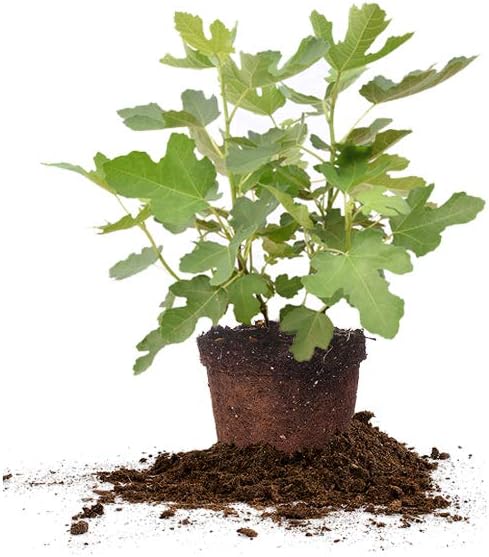
The Chicago Hardy Fig in a 3-gallon container is a live fruit tree meant for buyers who want a productive, low-fuss fig they can keep on a patio or plant in the landscape. It arrives as a young tree with upright, leggy branches and large green leaves and is described as self-pollinating and cold-hardy, so it will set fruit without another tree and tolerate below-freezing temperatures. Typical use is planting in full sun either directly in the ground or in a large pot; the included fig food and care guide simplify first-season establishment. Practical benefits include strong fruiting potential, suitability for container culture when pruned and managed, and resilience to cold snaps that extend its geographic usability. Important limitations are its eventual mature size, which can be large if planted in ground, and the need for regular watering and pruning when grown in pots to control vigor and keep fruiting within reach. Buyers should expect to invest time in seasonal pruning and container maintenance to get reliable harvests.
Best for: Gardeners who prioritize fruit production and want a dependable, cold-tolerant fig they can grow on a sunny patio or in a container with attentive pruning and watering.
Less Ideal for: People with very small balconies or those unwilling to perform seasonal pruning and container care should consider smaller dwarf varieties instead.
- Self-pollinating so it sets fruit without another fig tree nearby
- Cold-hardy variety that tolerates below-freezing temperatures
- Comes in a ready-to-plant 3-gallon container with a care guide
- Suitable for full-sun locations and can fruit reliably when established
- Matures into a large tree if planted in ground, requiring significant space or regular pruning
- Needs consistent watering and container maintenance when grown in pots
Verdict: Choose this cold-hardy, self-pollinating fig when you want a productive fruit tree that can be grown in a large pot or planted in sunny landscapes for dependable annual harvests.
Hello Organics Chicago Hardy Fig Trees (4-pack)

| Indoor Outdoor Usage | Outdoor |
|---|---|
| Sunlight Exposure | Full Sun |
| USDA Hardiness Zone | 6 |
| Moisture Needs | Moderate Watering |
| Unit Count | 1 Count |
These are small, 2-inch rooted Chicago Hardy fig starts sold as a set of four that are intended for potting up and container growing. Chicago Hardy is known for cold tolerance and can fruit on new growth, which makes it a reliable choice for gardeners in cooler zones who want figs without complex overwintering. The plants arrive as 2 to 5 inch tall starter plants that should be moved into 4-inch to 1-gallon pots with a rich organic potting mix before planting out. Key attributes for container growers are full sun preference and moderate watering needs, and the variety typically gives a main fall crop with a smaller summer crop possible. Because these are very small starts, plan for several seasons of pot growth before you get substantial harvests, and follow recommended potting and watering guidance to avoid transplant shock. If you need vigorous, fruiting-size trees immediately this pack is not a quick fix, but for risk-averse gardeners who want a cold-hardy fig to grow in containers, these are sensible, low-maintenance starters.
Best for: Buyers who want a cold-hardy fig to grow in containers and prefer low-risk, easy-care starter plants they can nurture up over a few seasons.
Less Ideal for: Gardeners who need immediate fruit production or finished specimen trees right away should choose larger, more established plants instead.
- Cold-hardy variety that can fruit on new growth, reducing risk of crop loss after freeze back
- Sold as multiple starter plants, useful for trying several containers or replacing losses
- Suitable for container culture when potted up into 4-inch to 1-gallon pots
- Organic material features and simple water-based care recommendations
- Arrives as very small 2-inch rooted plants that require potting on and several seasons to reach productive size
- No detailed planting or sizing specs included with the listing, so growers must follow general fig care guidance
Verdict: A sensible option for container growers who want a cold-hardy fig variety to raise from small, low-maintenance starter plants.
Choosing the Right Fig Trees for Container: Key Factors to Consider
Cold Tolerance and Winter Protection
Cold tolerance determines whether a fig will survive winter in your climate when planted in a container. Potted trees have shallower root zones that lose heat faster than in-ground trees, so even a variety rated for your zone may suffer if left exposed. Assess typical winter lows and whether you can move or insulate containers before selecting a tree.
Practical winter protection options include moving pots into an unheated garage, wrapping the container with insulating material, or grouping pots against a sheltered wall. Choose a variety whose cold-hardiness matches the level of protection you can reliably provide.
Root Behavior and Container Adaptability
Root behavior affects how well a fig will stay healthy and productive in a confined pot. Some figs develop dense, fibrous root systems that tolerate regular root pruning and pot-bound conditions. Others need a larger soil volume to fruit well. Understanding a variety's root vigor helps you plan pot size, repotting frequency, and the timing of root pruning.
Container adaptability also covers how quickly a tree will dry out and its nutrient needs. Faster-growing roots can exhaust potting mix sooner, so pick a variety that matches your watering and feeding habits to avoid frequent repotting or stress-related fruit loss.
Size, Vigor, and Pruning Requirements
A container fig should be manageable in height and spread. Vigor affects how often you must prune to keep the tree within the pot and to maintain airflow through the canopy. Some varieties naturally stay compact or produce shorter internodes, making them better for small spaces.
Regular pruning shapes the tree, controls fruiting wood, and helps maintain a balance between vegetative growth and fruit production. Consider how comfortable you are with seasonal pruning and whether you want a low-maintenance specimen or one that benefits from more hands-on training.
Fruiting Reliability in Containers
Not all fig varieties fruit equally well when potted. Fruiting reliability depends on pollination needs, the tree's tendency to set breba (early) crops, and how stress from limited roots affects fruit development. Some varieties are consistent producers in pots, while others require larger rooting volumes to make a good crop.
Look for varieties noted for dependable yields under container culture if you plan to grow figs primarily for harvest. Consider bloom and ripening timing too, so you can pair your expectations with your local growing season and microclimate.
Disease Resistance and Pest Sensitivity
Container-grown figs still face fungal diseases, scale insects, and nematodes. A variety with reasonable disease resistance reduces the need for chemical controls and extra cultural care. In pots, soil-borne issues can concentrate, so starting with clean potting mix and choosing tolerant varieties lowers long-term maintenance.
Also consider how easy it is to spot and treat common pests on a container tree. Smaller trees make monitoring simpler, and selecting a less pest-prone variety can save time during the growing season.
Pot Size, Soil Mix, and Watering Needs
The right pot size and soil mix are essential for container figs. Too small a pot limits root volume and reduces fruiting, while an oversized, heavy pot is harder to move for winter protection. A well-draining, nutrient-rich potting mix that retains moisture without waterlogging helps roots stay healthy.
Watering frequency ties directly to pot dimensions and exposure. Larger pots buffer moisture swings, but most container figs need consistent moisture during fruit development. Match variety selection with the level of irrigation you can provide to avoid stress-related fruit drop.
Why Grow Figs in Containers
Containers make figs accessible to gardeners without suitable in-ground sites by giving control over soil, drainage, and microclimate. They allow you to move trees to capture sun or shelter them during cold snaps, extending the range where figs can be grown successfully.
Potted figs also reduce the risk of root competition from nearby trees and make it simpler to trial different varieties on a small scale. For small yards and patios, container culture transforms otherwise large trees into productive, manageable fruit producers.
- Portable protection from frost and wind
- Easier soil and fertility management
- Smaller footprints for patios and balconies
Container and Potting Recommendations
Choose a pot that balances root volume with mobility. Fiberglass or resin pots offer lighter weight for large sizes, but any container must have adequate drainage holes. A 15 to 20 gallon pot is often a good starting point for a young container fig; larger pots support more consistent fruiting as trees mature.
Use a free-draining potting mix amended with compost or slow-release fertilizer. Avoid heavy garden soil that compacts in pots. Topdress annually and monitor nutrient levels, especially nitrogen and potassium, which influence foliage growth and fruit quality.
- Aim for a pot with good drainage and enough volume for root growth
- Use a lightweight, well-draining mix and refresh topsoil yearly
- Place pots where they get full sun for most of the day
Training and Pruning Container Figs
Pruning keeps container figs within useful size and encourages fruit-bearing wood. Prune in late winter when the tree is dormant to remove crossing branches and to shape a stable framework. Summer pruning can reduce excessive vigor and help direct energy into fruit production.
Root pruning every few years is a practical tool for controlling size. Remove the tree from the pot, trim up to a third of the outer roots, refresh the potting mix, and repot into the same container. This refreshes the root zone without forcing an immediate increase in container size.
- Winter structural pruning, summer light pruning for vigor control
- Root prune and refresh mix every 2 to 4 years as needed
- Train scaffolds to keep fruiting wood accessible
Managing Water and Fertility in Pots
Containers dry out faster than ground beds, so consistent watering is crucial during bud set and fruit development. Water deeply until excess drains, then allow the top inch of mix to dry before the next irrigation. Mulching the surface reduces evaporation and stabilizes root temperatures.
Feed container figs with balanced fertilizer on a schedule suited to your potting mix. Slow-release formulas reduce the risk of nutrient leaching, while light applications of soluble fertilizer during the growing season can support heavy fruit loads.
- Water deeply, monitor moisture frequently in hot weather
- Use slow-release fertilizer and supplement during heavy cropping
- Mulch the pot surface to conserve moisture
Dealing with Common Pests and Diseases
Inspect container figs regularly for scale, leaf spot, and root issues. Good air circulation and proper watering reduce fungal problems. If pests appear, targeted cultural controls such as hand removal and pruning are often effective on small trees.
Rotate pot mix when repotting and avoid reusing contaminated soil. Treat problems early, and favor tolerant varieties if your site is prone to specific pests or humidity-driven diseases.
- Monitor for scale and leaf-spot diseases
- Avoid overwatering to reduce root rot risk
- Replace potting mix if soil shows signs of persistent disease
How We Chose the Best Fig Trees for Container
We focused on traits that matter for growing figs in containers and filtered out trees that require full in-ground root spread or extensive training. Selection criteria emphasized cold tolerance for moved plants, compact or controllable vigor, and reliable fruit set under container conditions. We also prioritized root behavior, looking for varieties known to respond well to root pruning or to remain productive in restricted soil volumes. Other editorial filters included ease of routine care, compatibility with common container media, and responsiveness to pruning for size control. We excluded varieties that habitually develop aggressive, invasive roots or need large permanent root volumes to fruit. The process favored options that combine predictable harvests with straightforward winter protection and container management to suit patios, decks, and small yards. Evaluation dimensions used across the shortlist were cold tolerance, root control and container adaptability, fruiting consistency in pots, maintenance and pruning needs, and disease resistance in container environments. These concrete factors guided placement on the list and informed the scoring criteria used on each product card.
FAQ
How large should a pot be to start a container fig?
Start with a pot around 15 to 20 gallons for a young tree to provide enough root volume for early growth. As the tree matures, you can either repot into a slightly larger container or manage roots through root pruning. Balance size with your ability to move the pot for winter protection.
Can container figs survive winter outdoors?
They can if you provide adequate winter protection or move them to a sheltered location. Survival depends on the variety's cold tolerance and how low temperatures go in your area. Insulating the pot and sheltering trees from wind reduces freeze damage to roots and lower trunks.
How often should I repot or root-prune a fig in a container?
Most container figs benefit from root pruning and potting mix refresh every 2 to 4 years, depending on vigor. Fast-growing varieties may need attention sooner. Root pruning keeps trees productive and prevents them from becoming permanently pot-bound.
Do container fig trees need full sun?
Yes, most figs perform best with full sun for at least six hours daily to set and ripen fruit reliably. In very hot climates some afternoon shade can protect fruit and reduce sunscald, but reduced light often lowers yield and sweetness.
What soil mix is best for a fig in a pot?
A well-draining, fertile potting mix amended with compost or aged organic matter works best. Avoid heavy garden clay. Good drainage prevents root rot while organic matter supplies nutrients and moisture retention appropriate for fruit development.
Final Verdict
Choose a container fig by balancing cold tolerance, root behavior, and how much pruning you are willing to do. Prioritize varieties that handle root restriction and respond well to root pruning if you need a long-term, movable specimen. Accept tradeoffs between pot mobility and rooting volume: larger pots support bigger crops but are harder to shelter. Focus on matching a tree's vigor and winter needs to your site and care routine so you can enjoy reliable harvests from a compact tree.
