

Note: This article contains affiliate links. If you click on these links and make a purchase, I may earn a small commission at no extra cost to you. This helps support my research and content. Read my full affiliate disclosure here.
If you want thriving greenery without direct sun, choosing the right floor plants for low light makes all the difference. Plants adapted to shaded indoors tolerate lower light levels, slow growth, and are more forgiving with irregular watering. This guide shortlists five top floor plants for low light and explains the practical traits that matter: true shade tolerance, watering needs, growth habit, and pest resistance. Below you will find focused descriptions of each shortlisted plant and clear notes on how they behave in real rooms and apartments. Use the evaluation criteria to match a plant to your light level, decorating needs, and maintenance rhythm.
Top Picks at a Glance
| Best Quality Built to a higher standard if you want something more solid | United Nursery ZZ Plant (Zamioculcas zamiifolia) in Decorative Pot |  |
| Best Value The sweet spot between price and what you get | Costa Farms Peace Lily Live Indoor Plant in Decorative Pot (6-in) |  |
| Highest Rated A top-rated pick with lots of positive feedback | Live ZZ Plant in Spencer Bamboo Planter by Wild Interiors |  |
| Most Popular A crowd favorite that many people choose with confidence | Costa Farms Snake Plant (Sansevieria), Live Floor Plant in Decorative Planter |  |
| Best Seller A high-volume bestseller chosen again and again | Plants for Pets Pothos 4-Pack (4" Assorted) |  |
United Nursery ZZ Plant (Zamioculcas zamiifolia) in Decorative Pot

| Indoor Outdoor Usage | Indoor |
|---|---|
| Other Special Features of the Product | Air Purification |
| Sunlight Exposure | Full Shade |
| USDA Hardiness Zone | 9-11 |
| Moisture Needs | Moderate Watering |
This United Nursery ZZ Plant is a low-maintenance indoor floor plant grown and delivered in a decorative pot. It produces upright stems with thick, glossy leaves that tolerate low to bright indirect light, making it suitable for bedrooms, offices, or dim living rooms. The plant stores moisture in its rhizomes so watering every 2 to 4 weeks is normally enough, which reduces the chance of overwatering for busy owners. Its hardiness listing (USDA zones 9–11) and notes about adapting to varying indoor light mean it will remain resilient when moved around the home. Practical benefits include air-purifying qualities and a tidy, architectural look that works with modern decor. Important limitations are that it is a tropical houseplant so it does not tolerate freezing outdoor conditions and its slow growth means it will not rapidly fill a large space. Buyers should also plan to remove yellow or damaged leaves as needed to keep the plant looking its best.
Best for: Buyers who prioritize a reliable, low-effort houseplant that stays attractive in low-light rooms and requires infrequent watering.
Less Ideal for: Gardeners who want fast-growing filler plants or who expect an outdoor-hardy specimen for cold climates should look elsewhere.
- Very low watering needs thanks to moisture-storing rhizomes
- Tolerates low to bright indirect light so placement is flexible
- Glossy, upright foliage provides a strong decorative presence
- Pre-potted and ready to display out of the box
- Slow grower so it will take time to become a large floor specimen
Verdict: A reliable, low-water ZZ plant that adds long-lasting, low-light greenery with minimal care.
Costa Farms Peace Lily Live Indoor Plant in Decorative Pot (6-in)

| Indoor Outdoor Usage | Indoor |
|---|---|
| Other Special Features of the Product | Air Purification, Flowers |
| Sunlight Exposure | Partial Sun |
| Moisture Needs | Regular Watering |
| Product Care Instructions | Bright, Indirect Sunlight; Water 1 cup once a week |
This Costa Farms Peace Lily arrives potted and ready to display, offering broad dark green leaves and the white, calla-like blooms peace lilies are known for. It is typically used as a tabletop or corner plant where it receives bright, indirect light but will tolerate lower-light rooms, making it suitable for living rooms, offices, or bedrooms. Notable features include its air-purifying reputation and low-maintenance care routine of roughly one cup of water once a week and bright indirect sun; the decorative bamboo-style pot is non-draining to avoid spills during shipping. Practical benefits include an instant decorative statement without repotting, straightforward weekly watering cues from leaf droop, and moderate growth that does not demand frequent intervention. Important limitations are that the shipped container has no drainage holes so repotting is needed for long-term health, and it prefers higher humidity and bright indirect light to bloom best, so truly dark rooms will limit flowering. The plant is hardy only in warm USDA zones and, as a living product, individual specimens may vary in size and appearance.
Best for: Buyers who want an easy-care, attractive indoor plant that adds greenery and occasional blooms to lower-light rooms without complex maintenance.
Less Ideal for: People seeking a plant that will reliably flower in dim rooms or those unwilling to repot into a draining container for long-term health.
- Arrives pre-potted and display-ready for immediate use indoors
- Tolerates lower light while performing best in bright, indirect light which helps blooms
- Simple weekly watering routine with visible leaf cues for watering needs
- Decorative pot and foliage provide instant visual impact without extra styling
- Shipping pot lacks drainage holes so repotting is recommended for long-term growth
- Performs best with higher humidity and may not bloom in very low-light or dry indoor conditions
Verdict: A low-effort, decorative houseplant that brings green foliage and occasional white blooms to lower-light interiors while requiring only simple weekly care.
Live ZZ Plant in Spencer Bamboo Planter by Wild Interiors

| Sunlight Exposure | Partial Sun |
|---|---|
| Soil Type | Well-draining soil. |
| Moisture Needs | Regular Watering |
| USDA Hardiness Zone | 2 |
This Live ZZ Plant arrives potted in a Spencer bamboo planter and is designed as a low-maintenance indoor accent for low-light rooms. The ZZ plant is known for glossy, upright stems and tolerance of a range of indoor light levels, so it works well on desks, shelves, or corners that receive only indirect light. The included bamboo planter gives a finished look for immediate display without needing to repot, and greenhouse-grown stock from an established grower helps ensure a healthy specimen on arrival. Practical benefits include minimal watering needs and resilience to occasional neglect, which suits busy households and offices. Important limitations are that it still needs well-draining soil and regular but infrequent watering, and like other houseplants it will eventually outgrow the 5-inch pot and require repotting for long-term health. If you want a fuss-free, attractive plant that performs reliably in low light and comes ready to display, this is a sensible choice.
Best for: Buyers who want a reliable, low-effort indoor plant for low-light spaces and prefer a ready-to-display planter that minimizes setup.
Less Ideal for: Collectors who want large, fast-growing specimens or those seeking a long-term planter solution without future repotting.
- Tolerates low to bright indirect light, suitable for rooms with limited natural light
- Arrives planted in a decorative bamboo planter ready for immediate display
- Low-maintenance and drought-tolerant, reducing the need for frequent care
- Greenhouse-grown stock increases the likelihood of receiving a healthy plant
- Comes in a small pot and will need repotting as it grows
- Requires well-draining soil despite being low-maintenance
Verdict: A hassle-free, attractive ZZ plant that reliably thrives in low-light indoor spots and comes ready to display in a bamboo planter.
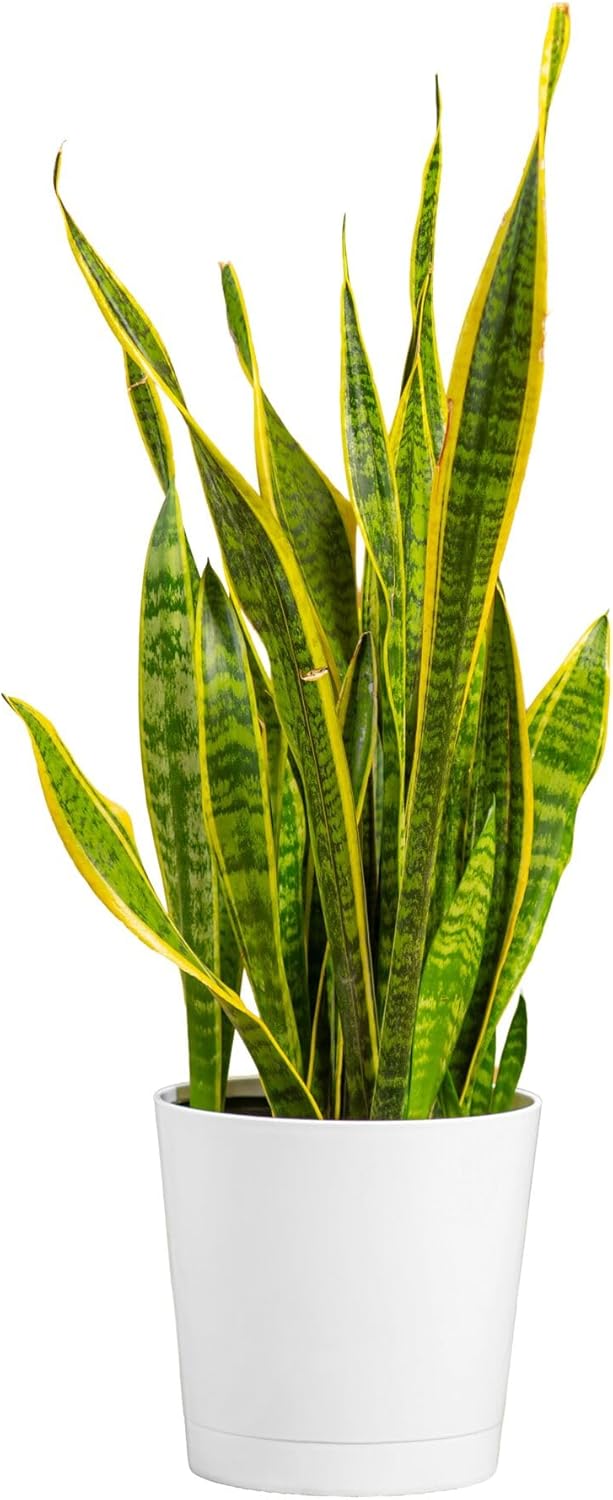
Costa Farms Snake Plant (Sansevieria), Live Floor Plant in Decorative Planter
| Indoor Outdoor Usage | Indoor |
|---|---|
| Other Special Features of the Product | Air Purification, Drought Tolerant, Low Maintenance |
| Sunlight Exposure | Partial Sun |
| Soil Type | Sandy Soil |
| Moisture Needs | Moderate Watering |
This Costa Farms Snake Plant is a tall, easy-care indoor plant meant to add architectural interest to low-light rooms while requiring minimal upkeep. Packaged in a decorative plastic planter, the plant arrives ready to display and is typically used as a floor accent in living rooms, entryways, or offices where vertical foliage adds height without taking much floor space. Notable features include drought tolerance, air-purifying qualities, and broad tolerance for partial and low light, which make it forgiving for new plant owners. Care guidance calls for bright indirect light when possible and light weekly watering, so it performs best when occasionally watered and not oversoaked. The plastic container and pre-potted presentation simplify setup but limit immediate customization of the planting medium or drainage if you prefer to repot right away. Overall this is a straightforward, low-effort choice for someone wanting a durable, statement indoor plant that fits into dimmer corners and busy lifestyles.
Best for: Buyers who want a tall, low-light tolerant houseplant that looks finished out of the box and requires minimal weekly care, especially those new to indoor plants who value reliability and ease.
Less Ideal for: People who want fully customizable planting conditions, specialty soils, or a permanently breathable ceramic or terracotta container without repotting.
- Tolerates low and partial light, suitable for dim rooms
- Low water needs and drought tolerant, easy for beginners
- Arrives potted in a decorative planter so it is display-ready
- Marketed for air purification which can improve indoor air quality
- Comes in a plastic planter that may offer limited drainage and might require repotting for long-term growth
Verdict: A dependable, low-light floor plant that delivers big visual impact with minimal care, ideal for buyers seeking a fuss-free tall houseplant.
Plants for Pets Pothos 4-Pack (4" Assorted)

| Indoor Outdoor Usage | Indoor |
|---|---|
| Other Special Features of the Product | Air Purification |
| Sunlight Exposure | Full Sun |
| Moisture Needs | Regular Watering |
| USDA Hardiness Zone | 3 |
This four-pack delivers beginner-friendly pothos varieties that suit low-light rooms and simple indoor care routines. Each plant comes rooted in a 4" nursery pot and the assortment rotates between familiar types such as Marble Queen, Golden, Neon, and Satin, so you get visual variety without extra effort. Pothos are typically grown in hanging planters, on shelves, or trained up a support; they prefer bright, indirect light but tolerate lower light levels that many apartments and offices have. The listing emphasizes air-purifying benefits and gives clear care guidance: allow the soil to dry between waterings and keep temperatures above about 60 F. Practical strengths are resilience, fast trailing growth for a lush look, and compatibility with common indoor spots like living rooms, kitchens, or bathrooms. Limitations are that you may receive different varieties than pictured and plants arrive in small 4" pots, so plan to repot sooner if you want bigger specimens or longer-term display without frequent watering.
Best for: Buyers who want low-maintenance greenery for indoor spaces and prefer reliable, easy-to-care-for plants that tolerate lower light and occasional neglect.
Less Ideal for: Growers seeking large, mature plants ready for instant statement displays or those who want guaranteed, specific rare varieties.
- Easy to grow and tolerant of low to bright indirect light
- Four different varieties provide visual variety in one purchase
- Ships in small nursery pots that establish quickly and are ready for hanging or shelving displays
- Listed care guidance is straightforward for first-time plant owners
- Arrives in 4" pots so plants may need repotting soon for faster growth or long-term display
- Specific varieties are not guaranteed and assortment can vary
Verdict: A simple, low-maintenance way to add trailing, low-light-friendly pothos to your home with minimal fuss.
Choosing the Right Floor Plants for Low Light: Key Factors to Consider
Actual Light Level and Window Orientation
Low light can mean different things depending on placement. A north-facing room with thick window glass or heavy shade from trees delivers much less light than an east-facing room with morning sun. Measure the practical light level by observing how bright the room is during midday on an overcast day. If you can read comfortably without artificial light, you likely have moderate indirect light; if you need a lamp, treat the spot as true low light.
Matching a plant to the real light in your space prevents chronic stress. Some plants labeled "low light" still prefer bright indirect light to maintain vigor. Choose species that genuinely thrive under the measured conditions rather than relying on labels alone.
Watering Routine and Soil Drainage
Plants in low light often use water more slowly because evaporation and photosynthesis rates drop. That changes how you should pot and schedule watering. Opt for well-draining potting mix and a container with drainage to avoid root rot. Learn the plant's typical moisture preference: some low-light floor plants like to dry nearly completely between waterings while others want consistently moist but not soggy soil.
Adjust frequency seasonally. Growth slows in winter, so water less. Monitor by feeling the top inch of soil or lifting the pot to judge weight rather than relying on a calendar. This reduces overwatering, the most common cause of failure in shaded interiors.
Size at Maturity and Growth Rate
Floor plants are visible and occupy footprint and vertical space. Consider the plant's mature height and spread so it fits the intended spot without constant pruning. Slow-growing, compact species suit tight corners and apartments; faster or tall-growing species need room and may require shaping.
Also think about how seasonal growth cycles interact with light. In low light a plant that normally grows quickly outdoors may remain small indoors, but some species still reach substantial size over a few years. Choose based on how much space and maintenance you want to commit to.
Leaf Texture, Color, and Interior Styling
Leaf size, texture, and color influence both light capture and the visual impact in a room. Broad, dark green leaves often indicate good low-light performance because they are efficient at capturing limited light. Variegated leaves can be attractive but usually require brighter conditions to maintain contrast; in very low light variegation may fade.
Consider the aesthetic effect alongside function. Large-leaf plants can become focal points and help hide imperfect corners, while fine-textured foliage reads lighter and suits minimalist decor.
Tolerance to Indoor Conditions and Pests
Indoor environments bring stable temperatures but often lower humidity and occasional dust accumulation on leaves. Choose plants known to tolerate dryer air and routine dusting. Durable species bounce back from intermittent misses in watering or humidity dips and are less likely to pick up scale, mealybugs, or spider mites.
Routine inspection and wiping leaves keeps plants healthier. If you cannot commit to frequent checks, favor plants with a track record of pest resistance and simple recovery from minor stress.
Container and Potting Considerations
Pot size, material, and drainage affect soil moisture and root health. In low light you want pots that do not hold excessive moisture, so avoid deep, oversized containers unless you increase drainage and use a free-draining mix. Porous materials like unglazed ceramic can help moderate moisture, while plastic retains it longer.
Also plan for occasional repotting. Some low-light species prefer to be slightly root-bound and can be kept in the same pot for longer, reducing maintenance. Choose a container that balances stability, drainage, and the aesthetic you want for a floor plant.
How Much Light Is Too Little for a Floor Plant
Many plants survive dim corners but do not actively thrive there. Bright indirect light on a cloudy day is a useful benchmark. If a spot never receives any natural light or is lit only by low-wattage bulbs, it is considered very low light and will limit your choices and growth.
In very low light, expect slower growth, smaller leaves, and longer periods between waterings. Use supplemental light only when you want larger, faster-growing specimens or to maintain variegation and strong color contrast.
- Readability test: if you can read a book comfortably at midday without a lamp, light is moderate.
- Avoid placing plants right against exterior walls that block reflected light.
- Consider rotating plants periodically to prevent one-sided growth.
Placement Tips for Floor Plants in Shady Rooms
Group plants to create a microclimate of slightly higher humidity and to make care simpler. Place a small tray of water or use pebble trays beneath pots to raise local humidity for sensitive species. Keep plants away from drafty doors and heating vents which dry the air.
Use stands or low tables to lift delicate specimens a little off the floor where light and airflow may be slightly better. For narrow hallways, choose upright, columnar types to keep pathways clear.
- Rotate plants monthly so all sides receive equal light.
- Avoid overcrowding; ensure airflow to reduce fungal risk.
- Place heavier, sturdier pots on the floor and lighter pots on stands.
Simple Pruning and Maintenance for Low-Light Specimens
Pruning in low light focuses on removing dead or shaded foliage rather than heavy shaping. Cut back leggy growth to encourage bushier form, but avoid large-scale trimming when light is minimal because the plant cannot replace tissue quickly.
Clean leaves occasionally to improve light capture and check for pests. A soft cloth and lukewarm water are usually sufficient. For species that shed lower leaves naturally, remove them promptly to keep the area tidy and reduce disease risk.
- Sterilize shears between cuts to prevent disease spread.
- Reduce fertilizer in winter when growth slows.
- Use slow-release or diluted liquid feed during active growth to support leaf health without forcing excessive growth in low light.
When to Consider Supplemental Lighting
Supplemental light is appropriate when you want lusher growth, maintain variegated patterns, or place a plant several feet from the nearest window. LED grow lights with a balanced spectrum work well and can be scheduled to mimic natural day length.
Keep supplemental lighting modest for truly low-light species; too much light can shift their needs and increase water demand. Use a simple timer to provide consistent photoperiods and protect plants from abrupt temperature changes caused by nearby fixtures.
- Aim for 10 to 12 hours of light when supplementing in a dim room.
- Position lights above the canopy rather than to the side for even coverage.
- Monitor plant response and adjust duration before increasing intensity.
Potting Mix and Repotting Guidance
Choose a mix that balances drainage with moisture retention. In low light you want soil that does not stay waterlogged for long periods. Adding coarse sand or perlite improves drainage without drying the mix too quickly. Use a slightly airy mix for species that are susceptible to root rot.
Repot only when the plant shows clear signs of being root-bound, such as slowed growth or roots emerging from drainage holes. When you do repot, increase pot size by only one step to prevent excess soil that retains too much moisture.
- Check roots during repotting for firm, white roots versus mushy, smelly roots.
- Top-dress with fresh mix annually for long-term container health.
- Use pots with adequate drainage holes and consider a saucer to catch excess water.
How We Chose the Best Floor Plants for Low Light
We started by prioritizing plants that are reliably tolerant of low indirect light rather than those that merely survive brief shade. Selection favored species with documented performance in indoor, lower-light situations and predictable growth habits suitable for floor placement. We evaluated each candidate across concrete, gardener-relevant dimensions: light tolerance, watering and moisture flexibility, seasonal growth rate and size control, and resilience against common indoor pests and fungal issues. We excluded plants that require bright indirect or direct sun, highly finicky humidity regimes, or aggressive root systems unsuitable for indoor pots. Filters applied included proven shade performance in interiors, compact to moderate mature size for floor use, and straightforward routine care. Plants that demand specialized greenhouse conditions or frequent repotting were not considered. The resulting list emphasizes reliable low-light behavior and manageable upkeep for realistic home conditions.
FAQ
Can floor plants survive in rooms with no windows?
Most real plants struggle with no natural light for long periods. A few low-light tolerant species can survive under strong artificial lighting, but in true zero-light conditions you will need continuous, purpose-built grow lights to maintain health.
How often should I water low-light floor plants?
Watering frequency often drops to once every 1 to 3 weeks depending on pot size, soil mix, and indoor humidity. Check soil moisture by touch or pot weight and let the top inch dry for species that prefer to dry between waterings.
Are variegated floor plants a bad idea in low light?
Variegated plants can survive in lower light but often lose contrast because the lighter leaf areas have less chlorophyll. If maintaining bright variegation is important, choose a brighter spot or use supplemental light occasionally.
How do I prevent pests on plants kept on the floor?
Keep the area clean, remove fallen leaves promptly, and inspect new plants before bringing them inside. Wiping leaves and using a gentle insecticidal soap when needed helps control common pests. Good airflow and avoiding overwatering reduce conditions that favor infestations.
Will low light make my plant grow leggy?
Yes. Insufficient light often leads to elongation as plants stretch toward available light. Regular rotation, periodic pruning, and moving the plant slightly closer to a light source will reduce legginess.
Final Verdict
Choosing floor plants for low light is largely about matching the plant's natural light tolerance, watering pattern, and mature size to the realities of your room. Prioritize species with proven shade performance, forgiving moisture needs, and compact growth habits if space and maintenance are limited. Accept that tradeoffs exist: very low light reduces growth rate and may dim leaf color, while brighter spots allow for a wider range of attractive foliage. Focus on stable placement, appropriate potting mix, and modest maintenance routines. With those priorities you can confidently select a low-light floor plant that fits your style and lifestyle and remain healthy in shaded interiors.
