

Note: This article contains affiliate links. If you click on these links and make a purchase, I may earn a small commission at no extra cost to you. This helps support my research and content. Read my full affiliate disclosure here.
You spend time planting and tending flower beds so they look their best. The right flower bed weeding tool makes routine maintenance faster, reduces repetitive strain, and removes weeds without tearing up tender roots around ornamentals. This guide shortlists the top options gardeners reach for when they need reliable root removal, good soil penetration, and comfortable handling. Each pick in this roundup was chosen for real garden use: how it performs in compacted or loose soil, how it handles shallow-rooted and deep-rooted weeds, and how comfortable it is for several passes through planting beds. Read on to see which tools met those criteria and why they fit common flower bed situations.
Top Picks at a Glance
| Best Overall The best all-around choice for most situations | CKLT 2-in-1 Garden Hoe and Weed Puller with Adjustable Handle |  |
| Best Quality Built to a higher standard if you want something more solid | Fiskars 39" Deluxe Stand-Up 4-Claw Weed Puller | 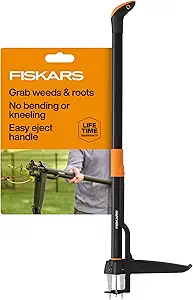 |
| Best Value The sweet spot between price and what you get | SIXCAR 4‑Tine Stainless Steel Hand Weeder with Rubber Handle |  |
| Best Budget The cheapest option that still gets the job done reliably | Linatikou Stainless Steel Stand-Up Dandelion Weeder with Ergonomic Handle |  |
| Highest Rated A top-rated pick with lots of positive feedback | Coopvivi 4-Tine Garden Hand Cultivator with Adjustable Long Handle |  |
| Most Popular A crowd favorite that many people choose with confidence | Grampa's Weeder Original Stand-Up Weed Puller with Bamboo Handle |  |
| Best Seller A high-volume bestseller chosen again and again | DonSail Adjustable Long-Handle Stirrup (Scuffle) Hoe |  |
CKLT 2-in-1 Garden Hoe and Weed Puller with Adjustable Handle

| Head material | Tempered spring steel |
|---|---|
| Rake width | 3.75 inches |
| Handle | 4-section adjustable up to 61 inches |
| Fasteners | 304 stainless steel bolts and nuts |
This CKLT 2-in-1 garden hoe and weed puller combines a sharp trapezoid hoe edge with a 3.75-inch tempered spring-steel rake to tackle weeding, digging, and light trenching. The tool is used either upright with the full-length handle to protect your back or shortened for close work around plants and in raised beds. Hardened spring-steel heads resist bending and provide enough spring-back to pull stubborn taproots and loosen compacted soil, while the pre-sharpened edge helps cut through roots and compacted ground. The four-section adjustable handle locks up to 61 inches so you can work standing up or reduce length for precision tasks. A sand-texture finish and 304 stainless fasteners improve corrosion resistance for outdoor use. Expect a durable, versatile weeder that covers beds, lawns, gravel, and pathways. Limitations: the head is best for surface weeding and loosening rather than heavy-duty excavation, and metal-to-metal joints may need occasional tightening after frequent heavy leverage work.
Best for: Buyers who prioritize durable, proven tools and prefer a single versatile weeder that lets them work standing up to reduce back strain while handling routine garden and lawn maintenance.
Less Ideal for: If you need a tool for deep digging, heavy root removal, or professional-scale landscaping, a dedicated digging spade or heavy pry bar would be a better choice.
- Dual-function head lets you switch between raking and hoeing without changing tools
- Tempered spring steel head resists bending and maintains sharpness for cutting roots
- Adjustable four-section handle provides upright working height or a shorter shaft for precision
- Sand-texture finish and stainless fasteners improve rust resistance for outdoor storage
- Pre-sharpened edge reduces effort when cutting through compacted soil and roots
- Not intended for heavy excavation or prying very large roots
- Adjustable locking sections can loosen over time and may require periodic tightening
Verdict: A practical, back-friendly two-in-one hoe and rake that reliably handles routine weeding and soil loosening across beds and paths.
Fiskars 39" Deluxe Stand-Up 4-Claw Weed Puller

| Head Material | Stainless Steel |
|---|---|
| Handle Material | Aluminum |
| Grip Material | Thermoplastic Elastomer (TPE) |
| Number of Items | 1 |
The Fiskars 39" Deluxe Stand-Up Weeder is built for fast, permanent removal of dandelions, thistles, and other deep-rooted weeds without kneeling or herbicides. You position the head over the weed, step on the reinforced foot pedal to drive four serrated stainless-steel claws into the soil, pull back to extract the root, then use the easy-eject mechanism to clear the head. The long aluminum shaft and offset handle reduce back and wrist strain for longer sessions, while the viewing window in the pedal helps accurate placement. It performs best in moist or recently watered soil; in hard, compacted, or clay-heavy ground you will need to pre-soften the area for the claws to penetrate fully. The tool is light enough for extended use yet feels sturdy when you step down, and the stainless blades are made to stay sharp through repeated use. If you want a durable, ergonomically designed manual weeder that prioritizes effective root removal and less physical strain, this is a practical choice.
Best for: Buyers who want an efficient, ergonomic hand tool to remove broadleaf and taproot weeds by the root while avoiding bending and repeated chemical treatments.
Less Ideal for: Gardeners who need a tool for cutting large woody roots, heavy-duty excavation, or frequent use in hard, compacted clay without pre-wetting the soil should consider more heavy-duty or powered options.
- Long 39-inch shaft and offset handle reduce bending and wrist strain for extended use
- Four serrated stainless-steel claws grab roots for thorough removal
- Reinforced foot pedal and viewing window enable confident placement and penetration
- Easy-eject mechanism clears pulled weeds quickly for faster repetition
- Requires moist or softened soil to penetrate compacted or clay-heavy ground effectively
- Not suited for very large woody roots or extremely dense turf
Verdict: Choose this weeder if you want a durable, ergonomic stand-up tool that reliably extracts weeds by the root with minimal bending.
SIXCAR 4‑Tine Stainless Steel Hand Weeder with Rubber Handle

| Manufacturer | SIXCAR |
|---|---|
| Item Weight | 7.7 ounces |
| Product Dimensions | 13.3 x 1.7 x 3.1 inches |
This handheld weeder is a simple, durable tool for removing dandelions, thistles, crabgrass and other common garden weeds by the root. The four polished stainless steel tines provide good penetration and leverage for prying and uprooting without excessive bending, while the rubber handle offers a comfortable grip for repeated use. It is typically used at close range in flower beds, vegetable plots, and tight spaces where a long-handled tool is impractical. The metal construction and polished finish make it rust resistant and easy to clean after use, and the compact size makes it convenient to carry or store in a tool belt. Limitations to expect are the short reach, which requires kneeling or bending for larger areas, and a moderately sharp blade edge that calls for gloves and care during handling. It is best suited for spot weeding and precision work rather than clearing large expanses of lawn.
Best for: Gardeners who want a reliable, no‑frills hand tool for targeted weeding and bed maintenance and who prioritize durability and comfort during frequent spot work.
Less Ideal for: People who need to clear large lawns or dig heavy roots without bending should choose a long‑handled or powered solution instead.
- Stainless steel four‑tine head for effective root removal and good durability
- Rubber handle improves grip and comfort during repeated use
- Polished finish resists rust and is easy to wipe clean
- Compact design is portable and suitable for tight beds and container gardens
- Short working length requires kneeling or frequent bending for larger areas
- Not intended for heavy excavation or very large, deep‑rooted weeds
Verdict: A sturdy, compact four‑tine hand weeder that delivers precise, durable root removal for spot weeding and bed maintenance.
Linatikou Stainless Steel Stand-Up Dandelion Weeder with Ergonomic Handle

| Material Type | Plastic, Stainless Steel |
|---|---|
| Blade Material | Stainless Steel |
| Handle Material | Plastic |
| Grip Type | Ergonomic Rubber |
This Linatikou weed puller is a simple hand tool aimed at removing deep-rooted weeds like dandelions by driving its V-shaped fork into the soil and levering out the root. It is typically used for spot weeding in lawns, flower beds, cracks in patios, and around delicate plants where a powered tool would be too aggressive. Notable features include a stainless steel blade and fork for rust resistance and strength, a curved ergonomic rubber handle for a non-slip comfortable grip, and a compact profile that lets you work accurately in narrow spaces. In practice it pulls whole roots when used with a short twisting and rocking motion, reducing regrowth compared with surface cutting. The tool is lightweight and easy to store, making it handy for regular maintenance sessions. Limitations are that it is a manual tool so larger infestations require time and physical effort, and it is best for individual plants rather than clearing large areas quickly.
Best for: Buyers wanting an inexpensive, no-frills hand weeder for spot removal and routine lawn or bed maintenance who prefer simple, durable tools over powered equipment.
Less Ideal for: People who need to clear large expanses of weeds quickly or prefer motorized solutions for heavy-duty yard work should consider larger or powered options.
- V-shaped stainless steel fork extracts deep roots to reduce regrowth
- Ergonomic rubber handle provides a secure, comfortable grip for extended use
- Compact design reaches tight spaces, cracks, and around plants with precision
- Manual operation is time-consuming for large areas and heavy infestations
Verdict: A dependable, budget-friendly hand weeder that pulls deep roots and is ideal for targeted spot weeding around the yard.
Coopvivi 4-Tine Garden Hand Cultivator with Adjustable Long Handle

| Power Source | manual |
|---|---|
| Operation Mode | Manual |
| Material Type | Carbon Steel, Stainless Steel |
| Number of Items | 1 |
This Coopvivi 4-tine hand cultivator is built for gardeners who need a reliable, no-frills tool for tough soil and regular use. The forged sharp tines penetrate compacted ground to loosen soil, remove deep-rooted weeds, and aerate beds, while the reinforced joint and double-screw connection reduce wobble under heavy use. The long adjustable stainless steel handle reduces bending and gives extra leverage for standing work, making it practical for raised beds and larger vegetable plots. It is manually powered so it works anywhere without fuel or batteries and the rust-resistant finish and stainless components help it withstand wet outdoor conditions. Expect a straightforward, durable tool that replaces multiple hand tools for cultivation, raking, and mixing compost. The main limitations are that it is still a manual tool so it requires physical effort on very hard or rocky ground and the sharp tines require careful storage and handling.
Best for: Gardeners who prioritize a dependable, long-lasting hand tool for frequent soil work in raised beds or vegetable plots and who prefer a simple manual cultivator over motorized equipment.
Less Ideal for: People who need a motorized or low-effort solution for very large areas or who work primarily in rocky, compacted clay where powered tillers are more efficient.
- Forged high-carbon steel tines that penetrate compacted soil for effective aeration and weed removal
- Reinforced connection with double screws for stability and reduced wobble during heavy use
- Adjustable long stainless steel handle that reduces back strain and adds leverage
- Rust-resistant finish and stainless components for longer outdoor durability
- Manual operation requires physical effort in very hard or rocky soil
- Sharp tines present a puncture risk and need careful storage and handling
Verdict: Choose this cultivator if you want a sturdy, rust-resistant hand tool that reliably breaks compacted soil and holds up to frequent garden use.
Grampa's Weeder Original Stand-Up Weed Puller with Bamboo Handle

| Handle Material | Bamboo |
|---|---|
| Head Material | Alloy Steel |
| Item Weight | 2.3 pounds |
| Head Size | Small |
Grampa's Weeder is a simple, hand-operated stand-up tool that uses a 4-claw alloy steel head and a long bamboo handle to pinch and extract weeds by their roots. To use it you press the footpad into soft or recently watered soil, lean the handle toward the footpad so the forks close around the weed, then lift to remove the root. The lightweight bamboo handle and footpad make repeated weeding less strenuous on the back and knees than traditional hand pulling or kneeling. The steel claws are effective on dandelions, crabgrass, and similar taproot weeds in softer soils but the tool is not intended for very hard clay or rocky ground. Its straightforward design requires no power, so it is quiet and chemical-free, and the lifetime guarantee reflects a confidence in build quality. If you have compacted soil or deep-rooted tough perennial weeds you may need additional leverage or a different tool, but for routine weeding in beds and lawns after watering this is a durable, low-effort solution.
Best for: Gardeners who value proven, low-effort hand tools and want a durable, chemical-free way to remove common taproot weeds while protecting their back and knees.
Less Ideal for: People who need to clear large weedy areas quickly or who work primarily in compacted clay or rocky ground should consider heavier-duty or powered alternatives.
- Stand-up design reduces bending and kneeling for gentler, ergonomically easier weeding
- 4-claw alloy steel head grips and pulls taproots effectively in soft or recently watered soil
- Bamboo long handle keeps the tool lightweight while providing comfortable reach
- Simple mechanical operation requires no power or chemicals and is easy to maintain
- Performance drops on hard clay or rocky soil where forks cannot penetrate easily
- Small head size can be slow for very large infestations or broad areas
Verdict: A lightweight, reliable stand-up weeder that removes taproot weeds without bending, ideal for routine gardening in soft or watered soil.
DonSail Adjustable Long-Handle Stirrup (Scuffle) Hoe

| Extendable Length | 30", 43", 60" |
|---|---|
| Material – Pole | Premium steel |
| Material – Blade | Premium steel |
| Handle Top Material | Plastic |
The DonSail adjustable stirrup hoe is a simple long-handle weeding tool built around a hollow, commercial-grade steel shaft and a looped cutting blade for push-pull scuffle weeding. It assembles by screwing three pole sections together and extends to several lengths so you can work from a more upright position and avoid bending. In use the stirrup blade slices weed roots with a short back-and-forth motion, making it efficient for row gardens, flower beds, and vegetable patches without disturbing nearby plants. The tool is lightweight yet made from thicker steel for durability, and the plastic top provides a comfortable grip for longer sessions. Limitations are that it is a single-purpose hand tool best for surface weeds and light cultivation rather than heavy digging or chopping roots, and the adjustable pole depends on threaded joints that should be checked periodically for tightness.
Best for: A cautious gardener who prefers dependable, low-effort tools for regular bed maintenance and wants to minimize bending and back strain while removing surface weeds.
Less Ideal for: Gardeners who need a multipurpose digging tool or who frequently tackle deep-rooted or woody weeds should choose a different heavy-duty hoe or digging implement.
- Adjustable handle length reduces bending and improves comfort for different heights
- Stirrup (scuffle) blade efficiently severs weeds with a push-pull motion
- Commercial-grade hollow steel construction balances strength with light weight
- Quick tool-free assembly by screwing three pole sections together
- Not suitable for heavy-duty digging or cutting large, established roots
- Threaded pole joints may loosen over time and require periodic tightening
Verdict: A practical, easy-to-use stirrup hoe that reduces bending and speeds routine weeding in garden beds.
Choosing the Right Flower Bed Weeding Tool: Key Factors to Consider
Handle Design and Ergonomics
A comfortable handle reduces fatigue during repeated weeding sessions. Look for shapes that support a natural wrist angle and materials that give a secure grip when your hands are sweaty or muddy.
The length and thickness of the handle matter depending on your preferred working posture. Short, pistol-style handles let you kneel or crouch close to delicate plants and apply precise leverage. Slightly longer handles can be useful if you prefer working from a low stoop. Consider also any shock-absorbing features or padding that soften impacts when levering stubborn roots.
Tip Shape and Root-Gripping Ability
The business end of the tool determines whether you extract a weed cleanly or leave root fragments behind. Narrow, forked tips are good for prying out taproots, while spoon or cup shapes scoop shallow-rooted weeds without disturbing surrounding soil.
A sharpened or tapered tip helps penetrate compacted soil and slice through fibrous roots. Conversely, blunt or wide blades may struggle with deep taproots and can tear roots instead of removing them, which often leads to regrowth.
Soil Penetration and Ground Clearance
How easily a tool enters the soil affects the time and effort needed per weed. Thin, rigid shafts concentrate force on a small area, allowing the tip to slide into tight, crusted surfaces. Wider profiles can create unnecessary disturbance and require more force.
Consider soil texture in your beds. In sandy, loose soils a gentler tip is fine, while heavier clay requires a stronger, sharper profile to break the surface and reach roots without excessive bending.
Durability and Corrosion Resistance
Garden tools face moisture, abrasive grit, and levering forces that can warp metal and wear away finishes. Durable steel alloys and corrosion-resistant coatings keep the tip straight and the edge intact season after season.
Pay attention to how well the tool's metal-to-handle junction is made. A loose or weak attachment point is the most common failure mode when levering out stubborn roots. Well-made joints and replaceable parts extend lifespan and reliability.
Maneuverability Around Plants
Flower beds are often tight spaces with stems, bulbs, and shallow-rooted perennials. A tool that lets you work close to desirable plants without uprooting them will save time and prevent accidental damage.
Look for slim profiles, angled heads, or offset shafts that give visibility and clearance. Tools that allow precise leverage and controlled pulling are easier to use in crowded beds and around fragile stems.
Ease of Cleaning and Maintenance
Soil, sap, and plant debris accumulate on tools and can accelerate wear or spread disease between beds. Tools with smooth metal finishes and simple shapes are quicker to scrape and wash. Removable blades or simple fasteners make sharpening, replacing, or deep-cleaning easier.
Routine maintenance like drying after use, light oiling, and occasional sharpening preserves performance and prevents rust. Consider how much time you are willing to invest in upkeep when choosing a tool.
Best Tool Types for Different Bed Conditions
Different tilling histories, soil types, and planting densities call for different weeding tools. Narrow fork-style tools excel in tight, established beds where you need to pry roots out without disturbing adjacent plants. Spoon-shaped or dandelion-style tools are better for isolated taproot removal in looser soils where you can lever the root out with a twisting motion.
If beds have compacted clay, choose a tool with a hardened, tapered tip to break the surface. In rocky beds, a thicker, sturdier shaft resists bending. For newly mulched or freshly tilled beds, a lighter, scooped tool can remove seedlings before they set strong roots.
- Forked tips for precision root removal
- Spoon or cup tips for shallow weed scooping
- Tapered tips for compacted soil and taproots
- Stout shafts for rocky conditions
Working Postures and Protecting Your Back
How you position your body changes the ideal tool geometry. If you kneel, short-handled, pistol-grip tools let you get close to the root zone with minimal leaning. If you prefer to crouch or work from a low stoop, slightly longer handles reduce the need to bend forward repeatedly.
Use a combination of proper technique and the right tool to reduce strain. Brace the opposite hand on the soil, use your legs to shift weight, and avoid twisting at the waist. A tool that requires less force to extract a root will cut overall physical stress on longer weeding chores.
- Kneeling favors short, precise tools
- Stooping benefits slightly longer handles
- Leverage technique reduces back strain
Maintaining Tools for Season-Long Performance
After each use, knock off excess soil and rinse tools to remove sticky clay and sap. Dry metal parts promptly to prevent surface corrosion. A quick scrape with a stiff brush or putty knife keeps edges sharp by removing gritty deposits.
Sharpen tips lightly when they dull, and inspect handle attachments for loosening. Light oiling of metal surfaces and moving joints before winter storage prevents rust and keeps tools working smoothly in spring.
- Rinse and dry after use
- Brush off grit to protect edges
- Oil and inspect joints before storage
Working Around Bulbs and Shallow-Rooted Perennials
When weeding near bulbs or young perennials, visibility and precision matter more than brute force. Use narrow tips and minimal disturbance techniques: loosen soil gently, slide the tip down beside the weed root, and lift with a controlled rocking motion.
Avoid broad shovels or wide blades near bulb clusters. Mark bulb locations if you have trouble seeing them among foliage so you can steer clear while removing nearby weeds.
- Use narrow tips for visibility
- Lift with a rocking motion to preserve bulbs
- Mark hidden bulbs to avoid accidental digging
Seasonal Weeding Strategies
Timing weeding to soil moisture and plant growth cycles makes a big difference. Pull weeds when soil is slightly moist so roots come out more completely. Avoid working in very dry or waterlogged soil when traction and root removal are poorest.
In spring, remove early seedlings before they establish deep roots. In late summer and fall, focus on perennial taproots before they harden off. The right tool used at the right time reduces effort and recurrence.
- Weed when soil is slightly moist for easier root removal
- Spring for seedlings, fall for stubborn perennials
- Avoid very dry or overly wet conditions
How We Chose the Best Flower Bed Weeding Tool
We focused on practical, repeatable criteria gardeners care about when keeping flower beds tidy. First, ergonomics and handle design were examined to determine how well a tool reduces wrist and lower-back strain during repeated use. Second, soil penetration and root gripping were evaluated so a tool can reach and extract entire taproots in both loose loam and compacted clay. Third, blade and tip durability mattered because a thin, brittle tip will bend or break after a season of prying and levering. Fourth, maneuverability in crowded beds and around stems was assessed so a tool can work between plants without causing collateral damage. Finally, ease of cleaning and corrosion resistance were weighed since residue and rust shorten a tool's useful life. We excluded tools intended for large-scale clearing or powered implements that are overkill for ornamental beds. We also set aside multipurpose long-handled tools designed mainly for lawns rather than tools optimized for close-in work in planted borders. The final shortlist reflects tools that balance root removal effectiveness, user comfort, and durability in typical flower bed conditions.
FAQ
What is the best way to remove a taproot without breaking it?
Loosen the soil around the taproot first, then use a narrow, tapered tip to get down beside the root. Rock the tool gently to widen the gap and pull steadily to extract the whole root. If the root resists, deepen the insertion and repeat rather than yanking abruptly.
Can I use a regular garden trowel for detailed weeding in flower beds?
A trowel can work for shallow seedlings, but it is often too wide for precision work near closely planted ornamentals. Dedicated narrow or fork-style weeding tools allow better access and reduce accidental digging around desirable plants.
How often should I sharpen or replace the tip on a hand weeder?
Sharpening frequency depends on soil grit and use intensity. Inspect the tip periodically and hone it lightly when you notice it skidding instead of slicing. Replace or reface tips if the metal becomes thinned or bent beyond safe repair.
Is a long-handled weeder better for preventing back pain?
Long handles can reduce bending but may sacrifice precision in tight beds. They help if you prefer standing posture in wider borders, but for crowded flower beds a short, ergonomic hand tool used with proper body mechanics often gives better results and less strain.
How do I avoid spreading disease with my weeding tool?
Clean metal surfaces between beds and after working on diseased plants. Scrub off soil, disinfect with a mild solution if needed, and dry tools before storing. Regular maintenance reduces the chance of transferring pathogens between planting areas.
Final Verdict
Choosing the right flower bed weeding tool comes down to matching tip shape and shaft strength to your soil and planting density, while prioritizing ergonomics to reduce fatigue. Narrow, tapered tips and sturdy shafts work well in clay and for taproots, while scooped or spoon shapes suit shallow, loose soils. Remember that a comfortable handle and low-maintenance metal finishes will keep a tool usable for seasons. Balance those tradeoffs against how you work in the bed: kneeling gardeners will prefer compact, precise tools while those who stoop may want slightly longer handles. Focus on extraction effectiveness and durability first, then ergonomics and maintenance, to pick a tool that makes routine flower bed care faster and less tiring.
