

Note: This article contains affiliate links. If you click on these links and make a purchase, I may earn a small commission at no extra cost to you. This helps support my research and content. Read my full affiliate disclosure here.
If you have a shaded porch, north-facing patio, or densely planted garden corner, the right flowering potted plants can add color where sun-loving species fail. Choosing plants suited to low light prevents wasted effort from repeated replanting and keeps containers looking lively through the growing season. This guide shortlists six flowering potted plants for shade that perform well in containers, and evaluates them on bloom reliability, shade tolerance, maintenance needs, and container habit. Below you will find practical notes to match plants to spot conditions, plus factors to consider when selecting pots, soil, and placement.
Top Picks at a Glance
| Best Overall The best all-around choice for most situations | Green Promise Farms Helleborus x 'Ivory Prince' (Christmas Rose) 1-Gallon Perennial |  |
| Best Quality Built to a higher standard if you want something more solid | Endless Summer Dream Cloud Hydrangea 1 Gal. Live Shrub |  |
| Best Value The sweet spot between price and what you get | Encore Azalea Autumn Kiss 1 Gal. Shrub |  |
| Most Popular A crowd favorite that many people choose with confidence | Perfect Plants Confederate Jasmine Live Plant, 1 Gallon |  |
| Best Seller A high-volume bestseller chosen again and again | PERFECT PLANTS Frostproof Gardenia Live Plant, 1 Gallon |  |
Green Promise Farms Helleborus x 'Ivory Prince' (Christmas Rose) 1-Gallon Perennial

| Sunlight Exposure | Full Shade |
|---|---|
| USDA Hardiness Zone | 6 |
| Expected Blooming Period | Fall |
| Soil Type | Sandy Soil |
| Moisture Needs | Moderate Watering |
The Green Promise Farms Helleborus x 'Ivory Prince' is a ready-to-plant perennial that performs in shade where many potted flowers struggle. It arrives in a 1‑gallon container with established roots and forms a tidy mound of leathery evergreen leaves; reddish-pink buds open to up-facing creamy white flowers from late fall into early spring, extending visual interest when most other plants are dormant. Use it in shaded patio containers, mixed shade borders, or as a low groundcover in rock gardens. It prefers organically rich, well-drained soil and moderate watering, and tolerates summer heat and humidity in USDA zones 5–8. Notable practical benefits are low ongoing maintenance, winter-to-spring bloom timing that fills a seasonal gap, and a compact habit that fits small pots and tight shade spots. Limitations are that it is adapted to part to full shade so it will not perform well in hot full sun, and buyers seeking very large showy summer blooms should consider other species. Planting instruction and care guidance are included to help ensure quick establishment after planting.
Best for: Gardeners who need a low‑maintenance, high‑impact shade perennial for patios, containers, or shaded borders and who prioritize seasonal performance over large summer blooms.
Less Ideal for: Those wanting bright full‑sun annuals or very large, showy summer flowering plants should look elsewhere.
- Delivered in a 1‑gallon pot ready to plant, reducing transplant shock
- Blooms in late fall through early spring to provide color when most shade flowers are dormant
- Evergreen, leathery foliage forms an attractive low mound year‑round
- Performs reliably in part to full shade and tolerates heat and humidity in appropriate zones
- Not suited for full sun exposure which can stress the plant
- Mature spread recommends planting multiple inches apart, so single small pots limit long‑term growth potential
Verdict: Choose this Helleborus if you want an easy‑care potted perennial that reliably blooms in late fall to early spring and thrives in shaded patios and containers.
Endless Summer Dream Cloud Hydrangea 1 Gal. Live Shrub

| Sunlight Exposure | Partial Shade |
|---|---|
| USDA Hardiness Zone | 4, 5, 6, 7, 8, 9 |
| Expected Blooming Period | Spring to Summer |
| Moisture Needs | Regular Watering |
The Endless Summer Dream Cloud hydrangea is a white-flowering shrub sold as a 1 gallon live plant that performs well in partial shade, making it a solid choice for shaded patios and containers. It produces large round white blooms from late spring into summer and can be used as a focal pot specimen or trimmed for cut arrangements. The plant ships dormant in winter through early spring and requires regular watering and basic care at planting such as watering before planting, planting slightly above soil level, mulching, and fertilizing in early spring. Notable practical benefits include its adaptability to shaded spots, appeal to pollinators, and low maintenance habit once established. Buyers should plan for its eventual mature spread and height of roughly 36 to 48 inches, so allow sufficient pot volume and space. This is a flowering shrub best treated as a long-term container or landscape specimen rather than an instant full-size display, and growers should expect seasonal dormancy and routine watering needs.
Best for: Gardeners who want a reliable, performance-focused flowering shrub for shady patios or containers and who plan to maintain a perennial specimen over multiple seasons.
Less Ideal for: People seeking a tiny, maintenance-free annual or those with very small balcony pots who cannot provide room for a plant that matures into a multi-foot shrub.
- Produces large, pure white blooms from late spring into summer suitable for shade or partial-shade spots
- Adaptable across USDA zones 4 to 9, allowing wide geographic use
- Attracts pollinators and is described as low maintenance once established
- Ships dormant for early-season planting and is suitable for cut flowers and arrangements
- Requires regular watering and seasonal fertilizing to perform well
- Will reach a mature size of about 36–48 inches, which can be large for small pots or tight patios
Verdict: A dependable shade-tolerant hydrangea that delivers showy white blooms and reliable performance for gardeners who want a long-term flowering container or landscape specimen.
Encore Azalea Autumn Kiss 1 Gal. Shrub

| Sunlight Exposure | Full Sun |
|---|---|
| USDA Hardiness Zone | 6, 7, 8, 9, 10 |
| Expected Blooming Period | Summer to Fall |
| Moisture Needs | Regular Watering |
The Encore Azalea Autumn Kiss is a reblooming azalea offered in a 1-gallon container that adds season-long color and evergreen foliage to patios and small gardens. It produces ruffled light-pink flowers with brighter edges in a heavy spring display followed by additional blooms through summer and fall, and its evergreen leaves keep containers looking full year round. Typical use is as a specimen in a mixed container, a standalone patio plant, or a small foundation accent where partial to full sun is available. Practical benefits include repeat flowering, low maintenance care, and attraction of pollinators. Planting is straightforward: water before planting, set slightly high, mulch, and fertilize in early spring. Limitations are that it prefers USDA zones 6 to 10 and regular watering, and the eventual mature spread (about 36–48 inches) means you may need occasional pruning or a larger container as it grows. It is best for gardeners who want a reliable, attractive container shrub without high upkeep, but plan container size and watering into your routine.
Best for: Gardeners who want an easy-care, attractive shrub for patio or balcony containers that provides repeated blooms and year-round foliage without constant maintenance.
Less Ideal for: Those seeking a small, permanently compact container plant for very small pots or gardeners in colder-than-zone-6 climates should consider alternative cold-hardy or dwarf varieties.
- Reblooms multiple times from spring through fall for extended color
- Evergreen foliage provides year-round container interest
- Low maintenance care with straightforward planting and seasonal fertilizing
- Attracts pollinators, adding ecological value to containers
- Requires regular watering and attention to moisture in containers
- Best suited to USDA zones 6–10 so not ideal in colder climates
Verdict: A reliable, low-maintenance reblooming azalea that keeps containers colorful and leafy throughout the growing season.
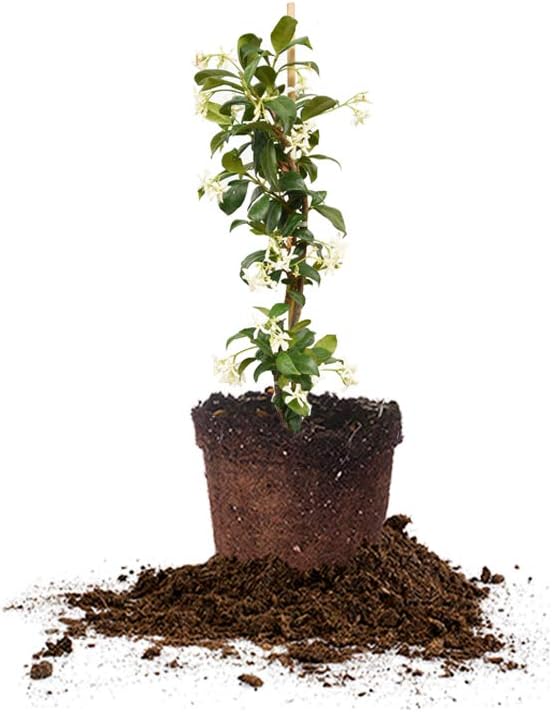
Perfect Plants Confederate Jasmine Live Plant, 1 Gallon
| Indoor Outdoor Usage | Outdoor |
|---|---|
| Other Special Features of the Product | Fragrant |
| Expected Blooming Period | Summer, Spring |
| Sunlight Exposure | Full Sun, Partial Shade |
| USDA Hardiness Zone | 4 |
This 1-gallon Confederate jasmine arrives as a young vine that quickly establishes in sunny spots and rewards with heavily scented, pale pinwheel flowers in spring and summer. Growers typically train it on a trellis, fence, hanging basket with support, or along railings; the vine is noted for cascading lime-green foliage and responds well to light shaping with clips or garden wire. Notable features from the listing include suitability for full sun to partial shade, moderate watering needs, and USDA hardiness to zone 4, which means it can persist in a wide range of climates when planted in appropriate sites. As a live plant it is straightforward to plant in loam-based soils and is described as easy to grow and maintain. Limitations to consider are that this is a young, single-plant offering so it will take time to reach its mature height and spread, and it requires support and periodic pruning to control vigor if used in baskets or confined containers. Also it does not ship to certain states according to the product notes.
Best for: Buyers who want an easy-care, fragrant climbing vine to add scent and cascading foliage to sunny baskets or supported containers and who value proven plant performance backed by customer feedback.
Less Ideal for: Gardeners seeking an instant full basket display or a no-maintenance groundcover should look elsewhere, as this vine needs time, training, and occasional pruning to fill space.
- Fragrant spring and summer blooms that add strong scent to outdoor spaces
- Tolerates full sun to partial shade making placement flexible
- Described as easy to grow which suits novice gardeners
- Hardy to USDA zone 4 so adaptable across many climates
- Sold as a single 1-gallon plant so it needs time and space to reach full coverage
- Requires a trellis or support and pruning to train and control growth
Verdict: A fragrant, easy-to-grow jasmine vine ideal for gardeners who want a proven, sun-tolerant climber to add scent and cascading foliage to hanging baskets and supported containers.
PERFECT PLANTS Frostproof Gardenia Live Plant, 1 Gallon

| Indoor Outdoor Usage | Outdoor |
|---|---|
| Other Special Features of the Product | Deer Resistant, Fragrant |
| Expected Blooming Period | Summer |
| Sunlight Exposure | Full Sun, Partial Shade |
| Expected Planting Period | Spring |
This 1-gallon Frostproof gardenia is a compact, fragrant shrub intended for outdoor landscape use. It arrives as a live plant with a recommended mature height around 5 feet and is typically planted in mulch beds, as a low hedge, or as an accent near entries where its scent can be enjoyed. Notable features include deer resistance, a history of reliable spring and summer blooms, and included easy-to-use plant food for a simpler start. The plant prefers full sun to partial shade, so it will tolerate some shaded locations but performs best where it receives several hours of direct light. Practical benefits for a cautious buyer are straightforward care, minimal pruning to maintain shape, and an aromatic presence that enhances small gardens or patios. Limitations are that it is sold as a 1-gallon specimen so it will need time to reach mature size, and the product text notes shipping exclusions to a few states which affects availability for some buyers.
Best for: Buyers who want an easy-care, scented shrub for a small garden or patio and prefer reliable, low-maintenance plants that establish steadily rather than instant large specimens.
Less Ideal for: Gardeners seeking an immediate tall screening hedge or a plant for deep, full shade should consider alternative species better suited to dense shade or instant privacy needs.
- Fragrant white blooms that enhance outdoor seating areas during spring and summer
- Deer resistant variety reduces need for protective measures in deer-prone yards
- Includes plant food to simplify initial establishment
- Tolerates partial shade, allowing placement in spots without full sun all day
- Sold as a small 1-gallon plant so it requires time to reach mature size
- Per product notes it does not ship to certain states which limits access for some buyers
Verdict: Choose this gardenia if you want a low-maintenance, fragrant shrub that tolerates some shade and adds seasonal white blooms to small outdoor spaces.
Choosing the Right Flowering Potted Plants for Shade: Key Factors to Consider
Light Level and Exposure
Shade is not a single condition. Deep shade under dense trees differs from bright, indirect light on a covered porch or dappled afternoon shade. Assess how many hours of direct sun, if any, the planting spot receives and whether light intensity changes seasonally. Plants labeled as shade tolerant often still need some indirect light to flower well.
Matching plant choices to the actual light you have improves flowering and reduces leggy growth. For containers moved between spots or brought indoors, factor in how that change affects daily light and adjust watering and feeding accordingly.
Pot Size and Drainage
Container volume controls rooting depth, moisture buffering, and how often you must water. Small pots dry out more quickly and produce stress that can reduce blooms, while oversized pots can retain too much moisture and cause root rot in shade where soils dry slowly.
Use pots with clear drainage and choose a size suited to the plant's root habit. For many shade-flowering plants, medium pots balance stability and moisture control. Consider saucers and elevated pot feet to prevent waterlogging and encourage air circulation under the container.
Soil Mix and Watering Routine
A light, well-draining container mix that still holds some moisture works best in shade. Heavy garden soil compacts in pots and restricts oxygen to roots, which is especially problematic when reduced sunlight slows evaporation.
Aim for mixes with peat or coir, compost for nutrients, and perlite or grit for drainage. Water consistently but avoid keeping the root zone saturated. Because shaded containers dry more slowly, check moisture before watering and reduce irrigation frequency compared with sunnier sites.
Feeding and Flowering Support
Shade-grown flowering plants often produce fewer blooms than their sun-exposed counterparts. Regular, balanced feeding tailored to container culture helps maintain bloom production and healthy foliage. Choose a slow-release granular fertilizer at planting or a regular liquid feed during the growing season to support repeated flowering.
Avoid excessive high-nitrogen feeds that encourage foliage at the expense of flowers. Timed fertilization and occasional deadheading or pruning encourage more blooms and maintain an attractive container display.
Disease and Pest Management in Shaded Sites
Shaded, humid microclimates can increase the risk of fungal diseases and some pests. Reduced airflow and slower leaf-drying times create conditions where powdery mildew, botrytis, and slugs thrive.
Promote good airflow by spacing containers, elevating pots, and trimming overcrowded foliage. Use well-draining soil and remove dead leaves promptly. Monitor regularly for pests and treat early with appropriate cultural or organic controls to avoid heavy infestations that reduce flowering.
Seasonal Performance and Winter Care
Not all flowering potted plants for shade behave the same across seasons. Some are tender perennials treated as annuals in cold climates, while others overwinter in pots with protection or indoor relocation. Understand each plant's hardiness and whether the container will need insulation, mulching, or moving to a protected spot for winter.
Plan containers with seasonal interest in mind so you still have attractive foliage or structure when blooms are absent. Consider swapping seasonal fillers to maintain color through spring to fall.
Matching Plants to Specific Shaded Locations
Different shaded spots have distinct plant lists. For a covered porch with bright, indirect light, choose plants that tolerate a little stronger illumination and reward it with more prolific flowering. In deep shade beneath trees pick species known for very low-light flowering and prioritize foliage contrast to keep containers interesting.
Consider mobility. If your site gets occasional sun patches, select containers that you can move seasonally to follow light. For permanently dim corners, plan combinations where foliage and texture are primary attractions and flowers are a bonus.
- Covered porches: choose plants that handle reflected light and variable temperatures.
- Dappled tree shade: pick species that tolerate root competition and lower light.
- North-facing walls: favor cool-season bloomers and bold foliage.
Container Design and Plant Combinations for Shade
Shade containers can be just as dynamic as sunny ones with the right layering. Use a structural thriller, a foliage spiller, and a flowering filler to create balanced composition. In shady conditions, foliage contrast and texture often read louder than blooms, so select leaves with different shapes and variegation to boost visual interest.
Pay attention to scale and rhythm. Place taller or more upright plants at the back of a display and allow trailing species to soften the pot edge. Keep colors coordinated so subtle blooms do not get lost among bold leaves.
- Thriller: an upright foliage plant for height and structure.
- Filler: a compact flowering species that tolerates low light.
- Spiller: a trailing plant to soften the pot rim and add flow.
Practical Care Schedule for Shaded Containers
Create a simple routine that addresses water, feed, deadheading, and occasional soil refresh. Check moisture daily in warm weather and reduce watering in cooler, humid conditions. Feed on a schedule appropriate to the fertilizer type you use and cut back in late season as flowering slows.
Plan light pruning to prevent legginess and encourage repeat blooming. Every few weeks remove spent flowers and thin crowded growth to improve airflow, which reduces disease pressure in shaded microclimates.
- Watering check: probe the top 2 inches of soil before irrigating.
- Feeding cadence: slow-release at planting or liquid feed every 2 to 4 weeks.
- Maintenance: deadhead spent blooms and remove yellowed leaves promptly.
Troubleshooting Common Problems
If blooms are sparse, check light and feeding first. Insufficient light or too much nitrogen often reduces flowering. Move the container to a slightly brighter location if possible and switch to a bloom-focused fertilizer if needed.
For leggy growth, trim stems back to a healthy node and increase indirect light or reduce nitrogen inputs. If fungal spots or rot appear, improve drainage, increase air movement, and remove affected tissue to prevent spread.
- Sparse blooms: check light level and adjust feeding.
- Legginess: prune and improve light exposure.
- Fungal issues: reduce humidity and improve airflow.
Design Ideas for Small Shade Spaces
Even compact balconies or shady stair landings can support flowering containers. Use vertical interest like a tiered stand or wall-mounted pots to maximize display without overcrowding. Choose a small number of strong performers and repeat them to create cohesion and a sense of abundance.
Mix evergreen foliage with seasonal flowering pots to ensure year-round appeal. In tight spots, lighter colored pots and foliage help visually brighten the area and make small blooms read as more significant.
- Use verticality to expand planting area.
- Repeat a few varieties for visual unity.
- Light-colored pots and foliage increase perceived brightness.
How We Chose the Best Flowering Potted Plants for Shade
We selected contenders based on attributes that matter in real shaded gardens and container situations. Key criteria included consistent bloom production in low to dappled light, proven tolerance of shade-related stress (reduced leaf burn and etiolation), container adaptability (root behavior and pot size range), and maintenance demands like pruning and feeding frequency. We also considered seasonal interest and foliage appeal so containers still read as attractive when not in heavy bloom. Plants known to require direct sun, extremely large beds, or specialized greenhouse culture were excluded. Our filters prioritized species and varieties that establish reliably in typical outdoor pots and require ordinary garden care, excluding highly experimental cultivars and plants that need constant climate control.
FAQ
Can flowering potted plants bloom well in deep shade?
They can, but expect fewer blooms than in brighter spots. Choose species known for low-light flowering and emphasize foliage texture to maintain visual interest. Occasional relocation to slightly brighter areas can improve bloom performance.
How often should I water shade containers compared with sunny ones?
Shade containers usually require less frequent watering because evaporation is lower. Check the top couple inches of soil and water only when it feels dry, reducing irrigation frequency in cool or humid conditions.
Do shade-loving flowering plants need different fertilizer?
Use a balanced fertilizer but avoid high nitrogen formulas that promote leaf growth over flowers. Slow-release fertilizers at planting or a regular low-dose liquid feed during the season support steady flowering without excessive foliage.
What pests or diseases are most common in shaded containers?
Fungal problems such as powdery mildew and botrytis are more likely in humid, shaded spots, along with slugs and snails in moist conditions. Good air circulation, prompt removal of debris, and regular inspection reduce risk.
Can I overwinter potted shade plants outdoors?
It depends on hardiness and container insulation. Some perennials can survive with protected placement and mulching, while tender plants should move indoors or to a frost-free area. Root protection is more challenging in pots, so plan accordingly.
Final Verdict
Choosing flowering potted plants for shade means balancing light, container conditions, and maintenance. Prioritize species with proven shade tolerance and container adaptability, provide a well-draining yet moisture-retentive mix, and feed appropriately to support bloom production. Remember that foliage quality and texture matter as much as flowers in dimmer sites. Focus on matching plant habits to your specific shaded location and accept tradeoffs between bloom quantity and ease of care. With the right selections and a practical care routine, you can enjoy attractive, flowering containers even in the shadiest corners of your garden.
