

Note: This article contains affiliate links. If you click on these links and make a purchase, I may earn a small commission at no extra cost to you. This helps support my research and content. Read my full affiliate disclosure here.
When flying ants show up inside or around entryways, you need a solution that stops swarms quickly without creating new hazards in the home or yard. The right flying ant killer combines rapid knockdown with low residual risk and simple application so you can clear a room and return to normal activities. This guide covers five top-rated flying ant killers shortlisted for typical household infestations. We focus on how each option behaves in real indoor and immediate outdoor settings, and the evaluation looks at speed of control, user safety, application ease, and cleanup. Read on to find the type of product and features that match the spaces and safety priorities you have.
Top Picks at a Glance
| Best Quality Built to a higher standard if you want something more solid | Ortho Home Defense Insect Killer for Indoor & Perimeter, 1.33 gal. with Comfort Wand |  |
| Best Value The sweet spot between price and what you get | ZEVO Flying Insect Trap Refill Cartridges, 4 Count |  |
| Highest Rated A top-rated pick with lots of positive feedback | NCSIFDD Ant Away Ant Repellent Gel, 6-Pack |  |
| Most Popular A crowd favorite that many people choose with confidence | TERRO Liquid Ant Killer Bait Stations, 12-Pack (T300B) |  |
| Best Seller A high-volume bestseller chosen again and again | HOT SHOT Total Release Fogger with Odor Neutralizer, 2 oz cans (12-count) |  |
Ortho Home Defense Insect Killer for Indoor & Perimeter, 1.33 gal. with Comfort Wand

| Item Form | Spray |
|---|---|
| Target Species | Insects |
| Liquid Volume | 1.33 gallons |
| Active Ingredients | Bifenthrin 0.05%, Zeta-Cypermethrin 0.0125% |
This 1.33 gallon Ortho Home Defense spray is designed to treat both indoor problem spots and the outdoor perimeter of a home to reduce ants, roaches, spiders and many other crawling and flying insects. It comes with a battery-powered Comfort Wand that delivers a continuous spray so you can apply a uniform band around foundations, patios and entry points without bending or pumping. The formula with bifenthrin and zeta-cypermethrin is intended to kill on contact and establish a barrier that the manufacturer says lasts up to 12 months for ants, roaches and spiders on non-porous indoor surfaces. In real-world use that means fewer repeat treatments in busy yard perimeters and around doors and windows. The spray dries clear with minimal fumes which helps for indoor use near kitchens and living areas. Limitations are that this is a chemical insecticide so users should follow safety directions around children, pets and plants and it is not a specific solution for pests not listed on the label. For homeowners focused on strong, perimeter-level protection this product simplifies application and covers a large area per container.
Best for: Homeowners who want a performance-focused perimeter treatment to reduce recurring yard and entry-point insect problems and prefer a ready-to-use product that is easy to apply.
Less Ideal for: People seeking organic or non-chemical control methods or those who need a targeted solution for pests not listed on the label should consider alternative products.
- Includes battery-powered Comfort Wand for continuous, fatigue-free application
- Ready-to-use 1.33 gallon container covers large perimeters without mixing
- Formula creates a barrier claimed to provide up to 12 months protection against ants, roaches and spiders on non-porous indoor surfaces
- Dries clear and gives off minimal fumes, making indoor use more practical
- Contains synthetic insecticides so precautions are required around children, pets and ornamentals
- Protection claims are specific to certain species and surfaces so results vary by pest and conditions
Verdict: A powerful, ready-to-use perimeter and indoor spray for homeowners who want long-lasting, performance-oriented protection against common yard and household insects.
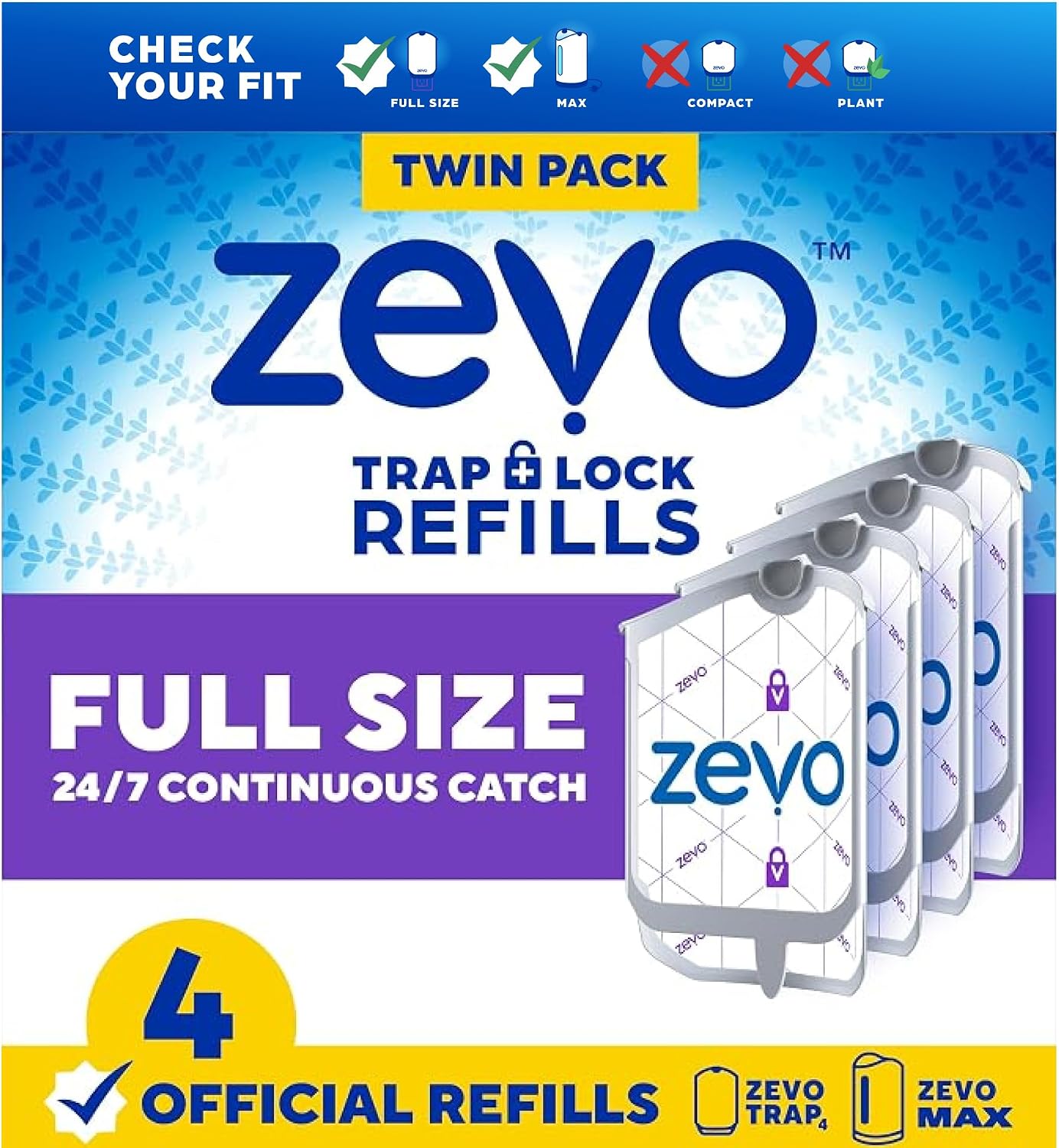
ZEVO Flying Insect Trap Refill Cartridges, 4 Count
| Brand Name | ZEVO |
|---|---|
| Unit Count | 4 Count |
| Target Species | Fly, Fruit Fly, Gnat |
| Power Source | Electric |
| Material Type | Plastic |
These ZEVO refill cartridges are designed to slide into ZEVO plug-in trap bases and replace the adhesive capture pads when they fill up. They rely on the trap's blue and UV light to lure small flying pests and use a strong adhesive backing to trap insects out of sight for mess-free disposal. Typical use is straightforward: pop the old cartridge from the device, insert a fresh refill, and keep the trap plugged in for continuous indoor coverage in kitchens, bathrooms, garages, or screened porches. Notable features include compatibility with both ZEVO standard and ZEVO MAX bases, odorless operation with no added dyes, and the Trap+Lock adhesive that minimizes handling of dead insects. Practical benefits are easy replacement, continuous 24/7 capture without sprays, and safety for homes with pets and children when used as directed. Limitations are that these are consumable pads so ongoing cost is required and their effectiveness depends on placement and the trap base's light rather than the refills themselves.
Best for: Buyers who want a low-maintenance, chemical-free way to keep kitchens and indoor living spaces free of small flying pests and prefer a plug-and-play solution that runs continuously.
Less Ideal for: People who need a one-time permanent fix, want outdoor or large-area coverage, or prefer non-electric traps should consider other methods.
- Designed specifically for ZEVO plug-in bases for straightforward, tool-free replacement
- Adhesive Trap+Lock surface provides mess-free disposal without touching insects
- Chemical-free and odorless, safe for use around children and pets when used as directed
- Works continuously day and night when paired with a powered ZEVO device
- Ongoing consumable cost since refills require periodic replacement
Verdict: If you want a simple, chemical-free refill that keeps a ZEVO plug-in trap working continuously to control indoor fruit flies and gnats, these official cartridges are the practical choice.
NCSIFDD Ant Away Ant Repellent Gel, 6-Pack

| Unit Count | 12 Count |
|---|---|
| Number of Pieces | 1 |
This ant repellent gel is a concentrated applicator product intended for targeted spot treatments around entry points, baseboards, window frames, and known ant trails. You remove the cap, attach the precision tip, and apply pea‑sized drops into crevices or along trails; the manufacturer notes it can take 3–5 days to work through a colony and helps keep ants away for up to 60 days in treated areas. Practical benefits include the narrow applicator for neat placement in tight gaps, suitability for both indoor and outdoor problem spots, and a formulation presented as family and pet safe when used as directed. Important limitations are that results are not instantaneous and multiple applications or placements may be needed to control larger or multiple colonies, and effectiveness depends on correctly locating trails and nest access points. For someone who wants a low‑mess, targeted solution rather than broad broadcast treatments, this gel is a convenient option.
Best for: Buyers who prioritize dependable, low‑mess spot treatment for recurring ant sightings and prefer a product they can place precisely where ants travel.
Less Ideal for: People needing rapid elimination of very large or widespread infestations or those who prefer broadcast sprays or professional colony eradication services.
- Precision applicator allows neat, pea‑sized placements in tight crevices and along ant trails
- Labeled for both indoor and outdoor use so the same product can treat kitchens, baseboards, and patios
- Formulation described as family and pet safe when used according to directions
- Single placements can provide protection in treated areas for up to 60 days
- Not an immediate knockdown—can take 3–5 days to affect a colony
- May require several placements and correct trail identification to fully control larger infestations
Verdict: Use this precision gel when you want a neat, family‑safe spot treatment that targets ant trails and entry points rather than a broad spray solution.
TERRO Liquid Ant Killer Bait Stations, 12-Pack (T300B)

| Unit Count | 12 Count |
|---|---|
| Item Form | Liquid |
| Target Species | Insects |
| Active Ingredients | Sodium Tetraborate Decahydrate (Borax), 5.40% |
Terro Liquid Ant Killer bait stations are prefilled, single-use traps designed for indoor control of common sugar-loving ants. You place the small stations along baseboards, in corners, under appliances, or on countertops where you see ant activity. Worker ants are drawn to the sweet liquid, feed on it, and take it back to the nest so the borax-based active ingredient can eliminate the colony over days to weeks. The product is easy to use with no mixing or setup and the 12-pack gives coverage for several rooms. Because the bait is contained inside a low-profile plastic station, it reduces incidental contact risk compared with loose sprays or powders and lasts for weeks while ants continue to visit. Limitations are that the formula targets sugar-preferring species so very protein- or grease-attracted ants may ignore it, and control can take 2 to 4 weeks for larger infestations. Also stations should be placed away from pets and children despite the contained design since the bait contains borax.
Best for: Homeowners who prioritize an easy, low-hassle indoor solution and want a bait that works at the colony level with minimal hands-on pest handling.
Less Ideal for: People who need immediate knockdown of ants or who have pets or children that frequently access treated areas and cannot reliably keep them away from placed stations.
- Ready-to-use stations require no mixing or setup
- Designed to be carried back to the nest for colony-level control
- Low-profile enclosed bait reduces messy exposure compared with loose liquids or sprays
- 12 stations provide coverage for multiple rooms or hotspots
- Formulation is sugar-based so less effective on ants that prefer protein or grease
- Control can take 2–4 weeks for large or established colonies
Verdict: A simple, low-contact indoor bait system that reliably reduces sugar-loving ant infestations by getting worker ants to carry borax back to the colony.
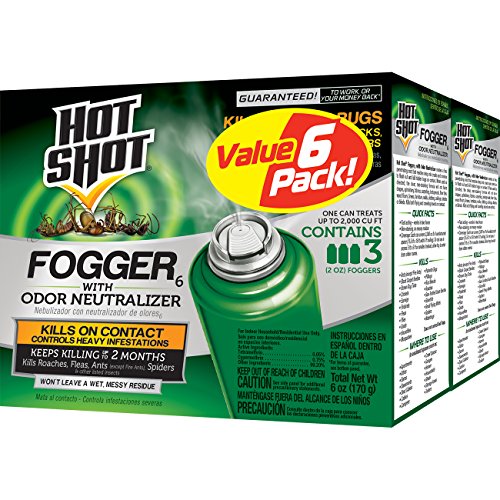
HOT SHOT Total Release Fogger with Odor Neutralizer, 2 oz cans (12-count)
| Item Form | Aerosol |
|---|---|
| Target Species | Insects |
| Unit Count | 12 Ounce |
| Active Ingredients | Tetramethrin, Cypermethrin |
The HOT SHOT Total Release Fogger delivers a fine aerosol mist that penetrates cracks and crevices to kill many common household insects on contact and provide residual control for up to two months. It is used by placing a covered stand in the center of the room, activating a single can, exiting the area, and allowing the mist to settle and work in enclosed spaces such as basements, attics, garages, sheds and campers. Notable features include a clear, non-staining formula that the manufacturer says will not harm fabrics or most furnishings and an odor neutralizer to reduce lingering smell. Practical benefits are rapid knockdown of visible infestations, reach into hidden hiding spots, and a long residual effect that helps suppress re-emergence. Important limitations are that it is a broad-spectrum insecticide containing tetramethrin and cypermethrin so safety precautions are required, it is not labeled for bed bug control, and it should not be used in very small or poorly ventilated spaces or near ignition sources. Follow all label directions before use.
Best for: A cautious homeowner who wants a product that quickly treats visible and hidden infestations in enclosed rooms and values a non-staining formula and reduced odor.
Less Ideal for: People seeking a pesticide-free, low-toxicity option or a targeted solution for bed bugs should consider alternative control methods or specialist treatments.
- Penetrating fine mist reaches cracks and crevices to target hidden insects.
- Clears a wide range of flying and crawling pests on contact and provides up to two months residual activity.
- Clear non-staining formula safe for most fabrics and household surfaces when used as directed.
- Includes an odor neutralizer to reduce chemical smell after application.
- Contains synthetic insecticides (tetramethrin and cypermethrin) requiring strict safety and ventilation precautions.
- Not effective or labeled for bed bug control.
Verdict: Choose this fogger when you need a fast, wide-reaching treatment that knocks down and helps suppress common household spiders and other insects in enclosed spaces.
Choosing the Right Flying Ant Killer: Key Factors to Consider
Formulation and Mode of Action
The active chemistry determines how fast flying ants are incapacitated and whether the product provides any residual barrier. Fast-acting contact formulations deliver immediate visible results for swarms in a room, which is helpful when you need quick control. Residual chemistries may continue to protect entry points after application, but they can leave traces on surfaces that require cleaning.
Understanding the mode of action also helps you choose safer options around children and pets. Some formulations degrade quickly and pose less long-term exposure, while others persist longer and are better suited to outdoor perimeter use. Read label directions for dwell time and allowed indoor placement to match the formulation to where you plan to use it.
Application Method and Precision
How you apply the product affects both effectiveness and safety. Aerosol sprays and pump sprays offer targeted bursts to the flying insects and nearby surfaces, while foggers and misters can cover a room quickly but may settle on furniture and fabrics. A trigger spray or directional nozzle gives greater control so you can focus on doorways, windows, and light fixtures where flying ants congregate.
Consider whether you need a portable hand-held applicator for spot treatment or a device that disperses across a larger area. Also think about refillability and how easy it is to aim or adjust the spray to avoid overspray on delicate surfaces.
Indoor Safety and Reentry Time
Indoor use requires paying attention to label guidance on how long to vacate treated rooms and how well the product ventilates. Short reentry times reduce disruption for household members, but very short reentry claims may indicate volatile formulations that can have stronger odors. Look for products with clear instructions on ventilation and safe reentry for occupied spaces.
Also consider sensitivity issues: household members with asthma, allergies, or chemical sensitivities may need a gentler option or to remain out of treated spaces longer. Pet safety is another practical consideration; some products require pets to be removed until surfaces dry or until treated air clears.
Residue, Staining, and Surface Compatibility
Some flying ant control products leave oily or sticky residues that attract dust or stain fabrics and painted surfaces. If you plan to use a product in living rooms, kitchens, or near textiles, choose formulations noted for nonstaining residues and easy cleanup. Products intended for outdoor perimeter use often tolerate rougher surfaces but may be unsuitable for indoor furniture or bedding.
Test any spray on an inconspicuous area if surface compatibility is uncertain. Consider whether wiping with a damp cloth after treatment is recommended and whether residues break down with simple cleaning agents like soap and water.
Coverage Area and Quantity Needed
Estimate the treated area before buying so you have enough product to treat rooms, entryways, or perimeters. Foggers and room misters are sized to specified room volumes and may require multiple units for larger spaces. Handheld aerosols deliver bursts of product and can be efficient for small rooms or spot treatments but may run out faster if you have widespread activity.
Think about whether you need repeat applications. Some treatments provide immediate knockdown but little lasting protection, meaning follow-up sprays at the first sign of returning ants. Others are labeled for residual perimeter use and reduce frequency of reapplication.
Scent, Odor Control, and Ventilation Needs
Odor matters indoors. Some insect control products have strong odors while others are formulated to be low-odor or scented to mask chemical smells. Strong odors can linger on fabric, curtains, and carpets and may require extended ventilation to dissipate.
Plan for ventilation after treatment, and consider fragrance-sensitive household members. Low-odor options can be preferable for quick reentry, but verify that a low odor does not mean harmful volatile residues remain. The label will indicate whether forced ventilation or a specific reentry interval is recommended.
When to Use Spot Treatment Versus Room Fogging
Spot treatment is the best first choice when flying ants are localized to a doorway, window, or light fixture. A directional spray lets you target the swarming area and limits how much chemical contacts furniture and fabrics.
Room fogging or misters are useful when flying ants are widespread or repeatedly appearing in multiple rooms, but they require more planning. You will need to remove people, pets, and exposed food, then ventilate thoroughly afterward.
- Use spot spray for quick knockdown and minimal cleanup.
- Use fogging when activity is across several rooms or when nests are inside wall voids.
- Always follow label reentry and ventilation guidelines.
Protecting Indoor Plants and Beneficial Insects
Indoor plants and beneficial insects such as predatory mites or pollinator-attracting species can be sensitive to insect control products. Move potted plants out of the treatment area or cover them before you spray to prevent residue settling on leaves.
Avoid treating flowering plants where beneficial insects may forage. For outdoor perimeter work near gardens, choose application methods and formulations that minimize drift to desirable plants.
- Cover or move houseplants before indoor applications.
- Avoid fogging near open flowers outside.
- Rinse plant foliage if label allows after treatment to remove accidental residue.
Timing Treatments Around Seasonal Swarms
Flying ant swarms often happen during warm, humid days, commonly after rain. Time outdoor perimeter treatments a day or two before expected swarming events when possible to reduce the number of winged ants that emerge into living spaces.
For indoor swarms, act quickly when you notice activity to prevent large numbers from entering living areas. Seasonal timing can reduce how often you need to treat and helps isolate the problem for targeted control.
- Inspect entry points and seal cracks before peak swarm season.
- Treat outside perimeters ahead of anticipated swarms to intercept ants.
- Use light management at doors and windows to reduce attraction.
Safe Cleanup and Disposal After Treatment
After treatment, remove dead insects and wipe treated surfaces according to label instructions. Use gloves when handling residue or carcasses if the product label recommends it, and dispose of dead insects in a sealed trash bag.
Ventilate treated rooms fully before reentering for an extended period. If fabrics or linens were exposed, follow label guidance about laundering or airing items to remove residual particles.
- Wipe visible residues with a damp cloth when allowed.
- Wash exposed linens separately if label permits.
- Follow local regulations for disposal of empty product containers.
Minimizing Reinfestation Risk
Control of flying ants often requires attention to entry points and habitat modification. Seal gaps around doors, screens, and vents to reduce access. Remove easily accessible food and clean up spills that attract ants.
Inside, reduce indoor humidity and fix leaks where ant colonies may develop in wall cavities or near foundations. Ongoing sanitation and sealing combined with targeted control products reduce the need for repeated heavy treatments.
- Seal gaps and repair screens around doors and windows.
- Keep kitchen surfaces free of crumbs and standing liquids.
- Address moisture issues that create nesting opportunities.
How We Chose the Best Flying Ant Killer
We selected products based on criteria that matter for controlling winged ant swarms in and around homes. Effectiveness against flying ants was the primary filter, assessed by the active formulation and documented knockdown behavior for winged Hymenoptera. Safety around people, pets, and indoor surfaces was weighted heavily, including label restrictions, reentry times, and residue potential. Application method and ease-spray aerosol, pump, or fogger-and how precisely the product can be targeted in a room or entry point were considered because practical use often determines success. We also reviewed cleanup and residue characteristics, looking for options that leave minimal visible or sticky residue and that are straightforward to wipe or ventilate away. Surface compatibility and suitability for indoor use versus outdoor perimeter use were factored in so that recommendations match intended placement. We excluded products intended exclusively for structural or agricultural use and anything that requires professional-only application. The result is a shortlist of options that balance quick control with practical safety and straightforward application in residential settings.
FAQ
Are indoor foggers safe for use when people are present?
Foggers require vacating the treated space while the fog disperses and for the reentry interval specified on the label. Safety depends on the formulation and ventilation; many labels recommend removing people and pets until particles settle and the area is aired out.
How long does it take for a flying ant treatment to stop visible swarms?
Contact sprays often produce visible knockdown within minutes, while residual treatments reduce numbers over hours to days by interrupting subsequent activity. The specific timeframe depends on the product formulation and how densely the swarm is concentrated.
Can I use outdoor perimeter products indoors?
Not usually. Products labeled for outdoor perimeter use may leave heavier residues or require different ventilation practices and can be unsuitable for indoor surfaces. Always follow label directions about intended use locations.
What should I do if a treated room still smells after ventilation?
Air the room longer, open windows and use fans to speed dissipation. Wipe washable surfaces as allowed by the label and launder exposed textiles. If odors persist, consult the product instructions for additional cleanup recommendations.
Will treating flying ants indoors affect household pets?
Pets can be affected if they enter treated areas before particles settle or touch treated surfaces. Remove pets from treated rooms until the label allows reentry, and follow any specific pet-safety precautions listed by the manufacturer.
Final Verdict
Choose a flying ant control approach that matches where the activity occurs and how quickly you need results. For localized indoor swarms, targeted sprays offer fast knockdown with less cleanup. For broader activity, room fogging or perimeter treatments can reduce numbers but require careful planning for ventilation and surface compatibility. Prioritize products with clear indoor-use guidance, short reentry times, and minimal residue when treating living spaces. Combine application with exclusion and sanitation measures to reduce repeat problems and choose the method that fits your household safety needs.
