

Note: This article contains affiliate links. If you click on these links and make a purchase, I may earn a small commission at no extra cost to you. This helps support my research and content. Read my full affiliate disclosure here.
If you need fast, wide-area pest control for a yard, greenhouse, patio, or storage space, choosing the right fogging insecticide matters. A fogger applies insecticide as a fine aerosol that reaches cracks, plant canopies, and other hard-to-reach zones where flying and resting insects hide. The wrong product can leave inadequate coverage, harm beneficials, or fail to give any meaningful residual effect. This guide covers six top fogging options shortlisted for effective knockdown, droplet control, and suitable use in common outdoor and semi-enclosed gardening situations. We explain the practical strengths and limitations that matter in the garden and summarize the evaluation criteria used to pick the list. Read on to match fogging performance to your site, target pests, and safety needs.
Top Picks at a Glance
| Best Quality Built to a higher standard if you want something more solid | MGK Shockwave Fogging Concentrate, 1 Gallon |  |
| Best Value The sweet spot between price and what you get | Black Flag 1-Gallon Ready-to-Use Fogging Insecticide |  |
| Best Budget The cheapest option that still gets the job done reliably | Raid Yard Guard Outdoor Mosquito Fogger, 16 oz |  |
| Highest Rated A top-rated pick with lots of positive feedback | MGK Pyrocide 100 Fogging Concentrate (1% Pyrethrum, Synergized) | 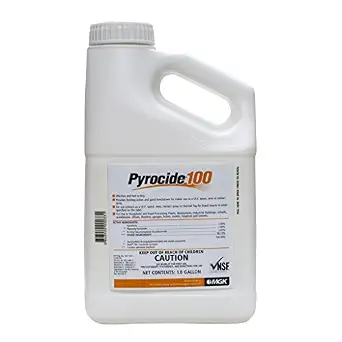 |
| Most Popular A crowd favorite that many people choose with confidence | Black Flag 32 oz. Thermal Mosquito Fogging Liquid |  |
| Best Seller A high-volume bestseller chosen again and again | HOT SHOT Total Release Fogger with Odor Neutralizer, 2 oz cans (12-count) |  |
MGK Shockwave Fogging Concentrate, 1 Gallon

| Unit Count | 128 Fluid Ounces |
|---|---|
| Target Species | Insects |
| Liquid Volume | 1 gallons |
The MGK Shockwave Fogging Concentrate is a professional-strength liquid designed to be mixed and used in thermal or cold foggers to treat indoor spaces for pantry pests, crawling insects, and flying insects. It is supplied as a full gallon of concentrate, so technicians or serious DIYers can treat multiple rooms, warehouses, or food-handling areas without frequent refills. The label states it controls over 75 pest types and lists uses that include homes, restaurants, hotels, schools, and food processing facilities, which makes it suitable for both residential and commercial fogging tasks. Practical benefits include concentrated formula volume for extended coverage and compatibility with standard fogger equipment. Limitations are that it is a concentrate requiring correct dilution and fogger setup, and users must follow label directions and safety precautions for occupied spaces and food areas. It is not a ready-to-use aerosol and requires appropriate protective equipment and ventilation during and after application.
Best for: Buyers who need a high-capacity, professional-grade fogging concentrate for repeated treatments in homes, commercial spaces, or facilities where broad-spectrum insect control is a priority.
Less Ideal for: Casual users who want a ready-to-use spray or small-quantity treatments should consider pre-mixed products or handheld aerosols instead.
- Large 1-gallon concentrate provides material for multiple treatments
- Claims control of over 75 species of pantry, crawling, and flying insects
- Suitable for use with common thermal or cold fogging equipment in commercial and residential settings
- Requires proper dilution and compatible fogger equipment before use
- Safety precautions and ventilation are necessary for occupied or food-handling areas
Verdict: Choose this 1-gallon concentrate when you need a professional-strength fogging solution that covers many pest types across multiple treatments.
Black Flag 1-Gallon Ready-to-Use Fogging Insecticide

| Brand | Black Flag |
|---|---|
| Unit Count | 1 Count |
| Item Type Name | Insecticide Mosquito |
| Manufacturer | FOUNTAINHEAD GROUP |
This ready-to-use fogging insecticide is designed for use with Black Flag and Burgess foggers to treat lawns, patios, decks and other outdoor living spaces. The odorless formula sprays a fine fog that dissipates quickly while killing mosquitoes, black flies, horse flies, stable flies, gnats, moths, fleas and ticks, and it is intended for outdoor residential use only. Its no-mix gallon container makes setup simple for treating large areas without measuring or mixing, and the quick knockdown can keep treated zones insect free for hours. Because it is a fogging product, application is broad rather than targeted, so it is best for open areas rather than spot treatment around plants or close to food preparation zones. Users should follow safety directions for people, pets and plants and avoid direct exposure during application. For homeowners who need a fast, large-area solution for flying pests, this product delivers an easy-to-use, effective option with the convenience of a ready-to-use formulation.
Best for: Homeowners who need a straightforward, no-mix solution to quickly reduce flying insect activity across lawns, patios and other open outdoor areas and who prioritize ease of use and fast results.
Less Ideal for: Gardeners seeking targeted spot treatments near edible plants, people who need indoor or sensitive-area pest control, or those who prefer non-chemical or long‑term integrated pest management approaches.
- Ready-to-use gallon formula requires no mixing and is convenient for treating large areas
- Odorless fog dissipates quickly while delivering broad knockdown of flying insects
- Compatible with common Black Flag and Burgess foggers for straightforward application
- Covers a wide range of pests including mosquitoes, biting flies, gnats, fleas and ticks
- Fogging provides broad area coverage rather than precise, localized treatment
- Intended for outdoor residential use only and requires careful avoidance of people and pets during application
Verdict: A simple, ready-to-use fogging insecticide that lets homeowners quickly treat large outdoor areas for flying pests with minimal setup.
Raid Yard Guard Outdoor Mosquito Fogger, 16 oz

| Unit Count | 16 Ounce |
|---|---|
| Item Form | Aerosol |
| Item Highlight | Kills flies, mosquitoes, small flying moths, wasps and hornets; lasts up to 6 hours |
| Item Volume | 5 liters |
Raid Yard Guard is a straightforward outdoor aerosol fogger designed to reduce flying insect activity around patios, decks and similar outdoor spaces. You shake and spray the 16 oz can from 4 to 6 feet away, allowing the mist to drift across vegetation, furniture and likely insect resting spots; the formula kills mosquitoes, flies, non-biting gnats, small moths, wasps and hornets on contact and claims protection for up to six hours over an area about 30 x 30 ft. Its main benefits are speed and convenience for pre-treating an area before a gathering and the familiar Raid efficacy for common yard pests. Important limitations are that it is an aerosol and flammable, toxic to aquatic life so it must not be used near water, and it is for outdoor use only; it also treats a limited area per can so larger yards will need multiple cans. For simple, occasional backyard fogging this product delivers predictable, quick knockdown but it is not a substitute for perimeter treatments or professional control for heavy infestations.
Best for: Homeowners who want an inexpensive, easy-to-use product to quickly reduce flying insects around a patio or small yard before outdoor gatherings.
Less Ideal for: People needing long-term perimeter control for large properties or those who prefer non-chemical or aquatic-safe pest management methods.
- Fast knockdown of common flying insects on contact
- Covers approximately a 30 x 30 ft area for short-term protection
- Easy to use aerosol can for quick pre-treatment before outdoor events
- Well-known brand formulation with multi-insect effectiveness
- Aerosol is flammable and contains ingredients hazardous to aquatic life
- Limited single-can coverage means multiple cans are needed for larger yards
Verdict: A low-cost, no-fuss aerosol fogger for quick short-term control of flying yard insects around patios and decks.
MGK Pyrocide 100 Fogging Concentrate (1% Pyrethrum, Synergized)

| Active ingredient | 1% pyrethrum |
|---|---|
| Synergists | Piperonyl butoxide and MGK-264 |
| Intended use sites | Indoor, food-handling, animal premises, grain/storage |
Pyrocide 100 is a concentrated fogging product designed for use in thermal or cold foggers to flush and quickly knock down cockroaches, flies, ants, stored-product pests and other listed insects. Typically used by pest-control pros or experienced building managers, it is mixed and applied through a fogger to treat indoor spaces, food-handling areas and animal premises where labeled. The formula is dual-synergized with piperonyl butoxide and MGK-264 to enhance pyrethrum effectiveness, which helps produce fast initial control and better results against tolerant pests. Practical benefits include broad-spectrum activity and suitability for commercial settings that need thorough building-wide treatments. Important limitations are that it is a concentrate requiring proper mixing and fogging equipment, it must be used exactly to label directions because of site restrictions, and it is intended for trained users rather than casual home gardeners. Read and follow all label instructions for safety, application sites and reentry intervals.
Best for: Buyers who prioritize reliable, professional-level pest control for buildings, storage areas, or commercial sites and who are comfortable using fogging equipment and following label requirements.
Less Ideal for: Casual homeowners seeking an easy consumer spray or those unwilling to follow regulatory label restrictions and safety precautions should consider simpler ready-to-use options instead.
- Dual-synergized pyrethrum formula for faster knockdown and improved efficacy
- Broad-spectrum label covering many crawling and flying pests used in commercial and residential fogging
- Designed for use with fogging equipment to treat large or hard-to-reach areas
- Suitable for food-handling and animal premise sites when label directions are followed
- Concentrate requires correct mixing and compatible fogging equipment
- Not intended for untrained or casual users due to application and site restrictions
Verdict: Choose Pyrocide 100 when you need a professional, dual-synergized fogging concentrate that delivers fast, broad-spectrum knockdown for commercial and large indoor pest problems.
Black Flag 32 oz. Thermal Mosquito Fogging Liquid

| Unit Count | 1 Count |
|---|---|
| Included Components | Insecticide |
| Item Form | Spray |
| Target Species | Insects |
| Liquid Volume | 32 fluid ounces |
This ready-to-use thermal fogging liquid is formulated for use with common thermal foggers to treat yards quickly and deeply into foliage where mosquitoes rest. You pour the liquid into a compatible fogger and apply a drifting fog around shrubs, groundcover, and dense plantings; one application is intended to protect an average backyard and the fog dissipates in minutes so people and pets can re-enter the area soon after treatment. Notable features include a nearly odorless formulation, EPA specification compliance, and compatibility with multiple fogger brands. Practically, the product is fast and effective for short-term knockdown of adult mosquitoes and biting flies and is useful before outdoor gatherings or at dusk when mosquitoes become active. Important limitations are that it targets adult insects only and provides short-term protection rather than long-term population control, and it must be used with a thermal fogger and according to label safety instructions.
Best for: Buyers who prioritize a fast, reliable way to clear adult mosquitoes before outdoor events and who want a low-odor, regulatorily compliant solution they can apply themselves.
Less Ideal for: Gardeners seeking long-term mosquito prevention or non-chemical control methods should consider larval treatments, habitat modification, or traps instead.
- Ready-to-use formula requires no mixing for quick application
- Works with common thermal foggers from several brands
- Nearly odorless fog that dissipates within minutes so treated areas can be reoccupied quickly
- EPA specification met, indicating it conforms to regulatory standards
- Provides short-term adult mosquito knockdown rather than ongoing larval control
- Requires a compatible thermal fogger to apply, so an additional device is necessary
Verdict: A quick, nearly odorless thermal fogging liquid that delivers fast adult mosquito and biting fly knockdown for short-term backyard protection.
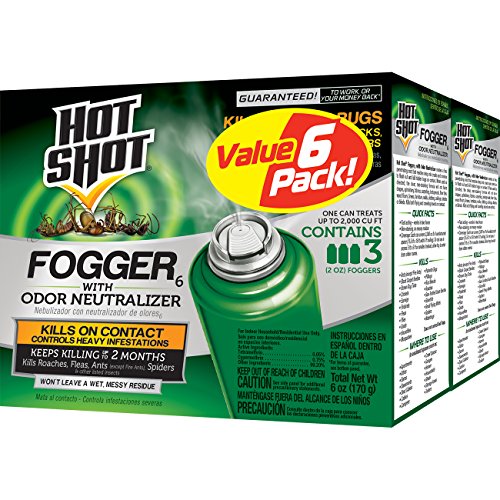
HOT SHOT Total Release Fogger with Odor Neutralizer, 2 oz cans (12-count)
| Item Form | Aerosol |
|---|---|
| Target Species | Insects |
| Unit Count | 12 Ounce |
| Active Ingredients | Tetramethrin, Cypermethrin |
The HOT SHOT Total Release Fogger delivers a fine aerosol mist that penetrates cracks and crevices to kill many common household insects on contact and provide residual control for up to two months. It is used by placing a covered stand in the center of the room, activating a single can, exiting the area, and allowing the mist to settle and work in enclosed spaces such as basements, attics, garages, sheds and campers. Notable features include a clear, non-staining formula that the manufacturer says will not harm fabrics or most furnishings and an odor neutralizer to reduce lingering smell. Practical benefits are rapid knockdown of visible infestations, reach into hidden hiding spots, and a long residual effect that helps suppress re-emergence. Important limitations are that it is a broad-spectrum insecticide containing tetramethrin and cypermethrin so safety precautions are required, it is not labeled for bed bug control, and it should not be used in very small or poorly ventilated spaces or near ignition sources. Follow all label directions before use.
Best for: A cautious homeowner who wants a product that quickly treats visible and hidden infestations in enclosed rooms and values a non-staining formula and reduced odor.
Less Ideal for: People seeking a pesticide-free, low-toxicity option or a targeted solution for bed bugs should consider alternative control methods or specialist treatments.
- Penetrating fine mist reaches cracks and crevices to target hidden insects.
- Clears a wide range of flying and crawling pests on contact and provides up to two months residual activity.
- Clear non-staining formula safe for most fabrics and household surfaces when used as directed.
- Includes an odor neutralizer to reduce chemical smell after application.
- Contains synthetic insecticides (tetramethrin and cypermethrin) requiring strict safety and ventilation precautions.
- Not effective or labeled for bed bug control.
Verdict: Choose this fogger when you need a fast, wide-reaching treatment that knocks down and helps suppress common household spiders and other insects in enclosed spaces.
Choosing the Right Fogging Insecticide: Key Factors to Consider
Droplet Size and Drift
Droplet size determines where insecticide deposits and how far it travels. Finer droplets penetrate dense foliage and disperse more evenly, which helps reach hidden resting places of flying insects. However, very fine droplets increase drift risk onto non-target plants, nearby water, or neighboring properties.
Match droplet size to your site: choose formulations and fogger settings that produce a mix appropriate for the canopy density and wind conditions you will encounter. Always follow label limits for droplet size and avoid fogging on breezy days to reduce off-target movement.
Active Ingredient and Target Spectrum
Different active ingredients control different groups of pests and have distinct modes of action. Pyrethroids and pyrethrins provide fast knockdown of flying insects but vary in residual activity. Neonicotinoids or other systemic actives are rarely used as direct fogs, so check labels for which pest types are listed and whether eggs or larvae are affected.
Select a product whose labeled spectrum matches the pests you need to manage, and plan integrated tactics when the insecticide does not affect all life stages. Rotate chemistries over time to reduce resistance pressure if you will fog regularly.
Residual Duration and Reapplication Interval
Residual duration tells you how long treated surfaces remain lethal to returning insects. Long residual control reduces the need to fog frequently but can increase impacts on beneficial insects. Short residuals are useful for rapid knockdown during outbreaks with reduced lingering exposure.
Use residual expectations to schedule treatments and limit repeated applications. Check label reapplication intervals and avoid exceeding cumulative application limits over a season.
Label Restrictions and Safety Instructions
The product label sets legal and safety boundaries for use, including personal protective equipment, reentry times, and environmental precautions. Some fogging insecticides restrict use near water, pollinator-attractive plants, or edible crops.
Read and follow labels carefully. Choose products with feasible safety windows for your household and garden setup, and plan treatments when people, pets, and pollinators are unlikely to be exposed.
Compatibility with Fogger Equipment
Not all formulations suit every fogger type. Thermal foggers, ULV cold-foggers, and handheld aerosol foggers each require compatible carrier solvents and viscosities to work properly and produce intended droplet spectra.
Confirm the product is labeled for your fogger class and inspect machine calibration guidance. Misusing a formulation in an incompatible fogger can produce inadequate coverage or damage equipment.
Environmental and Non-target Considerations
Fogging disperses insecticide into the air, which can affect beneficial insects, birds, and aquatic life if it drifts. Weather, proximity to pollinator forage, and nearby water bodies change the environmental risk profile.
Plan applications during times of low pollinator activity, keep a buffer from water and beneficial plantings, and consider targeted spot treatments or alternative tactics when non-target exposure is a high concern.
Choosing the Right Fogging Method
Fogging method matters as much as the chemistry. Thermal foggers create warm aerosols that can rise and penetrate dense foliage, while cold-ULV foggers make highly controlled fine droplets for even coverage. Handheld aerosol fogs are convenient for small spaces but offer limited volume and may require more frequent treatments.
Consider the physical layout of the treatment area and whether you need short-term knockdown or longer residual control. For larger yards or heavily planted greenhouses, a machine capable of consistent output and droplet-size adjustment is typically more effective than small consumer aerosols.
- Thermal fogging: good for dense vegetation and quick penetration
- Cold-ULV: precise droplet control, lower heat stress on plants
- Aerosol cans: best for spot treatments and small areas
Timing Applications for Best Results
Timing affects both efficacy and safety. Apply early morning or late evening when target flying insects are active but pollinators are less likely to be foraging. Avoid fogging in midday with high pollinator activity or when wind speeds exceed label recommendations.
Consider temperature inversions and humidity. High humidity can increase droplet settling and improve contact with insects, while inversions can trap aerosols and increase off-target deposition.
- Ideal windows: dawn or dusk with light winds
- Avoid fogging during flowering or when pollinators are present
- Check short-term weather forecasts for wind shifts
Minimizing Impact on Beneficial Insects
Fogging can harm beneficial predators and pollinators. To minimize impacts, limit treatments to problem hotspots, apply when beneficial activity is low, and avoid flowering plants. Use baits or traps first when practical to reduce the need for broad-area fogging.
Establish untreated refuges and schedule fogging outside peak pollinator seasons when possible. Consider integrating nonchemical controls and habitat improvements to reduce long-term reliance on fogging.
- Create untreated shelter zones for beneficial insects
- Use targeted fogging rather than blanket coverage
- Combine with traps, sticky cards, or biological controls
Preparing the Site and People
Before fogging, clear the area of people, pets, and food items, and cover or remove sensitive plants or exposed produce. Close greenhouse vents briefly if the label permits and you need contained coverage, but follow reentry and ventilation instructions carefully after treatment.
Wear recommended personal protective equipment during mixing and application. Notify household members and neighbors if drift could reach adjacent properties and adhere strictly to label distances from water and non-target habitats.
- Remove or cover exposed edible crops
- Post notices for scheduled treatments if appropriate
- Ventilate enclosed spaces only after label-specified reentry time
Mixing, Calibration, and Application Rate
Accurate mixing and correct application rate are critical for efficacy and safety. Many fogging failures result from under-dosing or improper dilution rather than the active ingredient. Use calibrated measuring tools and follow label rates for the treated volume or area.
Test your fogger in a small area to verify droplet size and output before a full treatment. Track treated areas and dates so you do not exceed cumulative application limits indicated on the label.
- Measure carefully and mix only what you will use
- Calibrate output for consistent droplet size
- Record treatment date, location, and conditions
How We Chose the Best Fogging Insecticide
We prioritized products that deliver consistent aerosol characteristics and labeled directions suited to garden and outdoor use. Key evaluation criteria included droplet size and distribution to judge coverage and drift risk, active ingredient type and spectrum for target pest control, labeled residual duration to predict how long treated areas remain protected, and application flexibility for different fogger machines and site sizes. We also assessed safety labels and reentry intervals to determine how the product fits around people, pets, and beneficial insects. Excluded items included formulations intended only for indoor home use or for food-contact surfaces, products lacking clear application rates for yard or greenhouse fogging, and unregistered mixes. Where label guidance was vague, we discounted the product for practical gardener use. Our approach weights measurable spray characteristics and label-driven use instructions so the shortlist contains fogging insecticides that are realistic to apply and effective for common outdoor pest scenarios.
FAQ
How long after fogging can I re-enter a greenhouse or treated area?
Reentry times vary by product and are specified on the label, often ranging from a few hours to longer. Always follow the label reentry interval and ventilate the area as directed before occupying the space.
Can I fog when plants are flowering?
Fogging during flowering is usually discouraged because it increases risk to pollinators. If treatment is necessary, choose a product with minimal residual and apply when pollinators are least active, such as early morning or late evening.
Will fogging control larvae or only adult flying insects?
Many fogging formulations provide rapid knockdown of adults but limited effect on larvae hidden in substrates. Check the label for life stage effectiveness and integrate larval-targeted tactics like habitat reduction or soil treatments when needed.
Is thermal fogging better than cold-ULV for garden use?
Each method has strengths. Thermal fogging penetrates thicker canopies and produces visible fog for quick knockdown, while cold-ULV offers finer droplet control and less heat stress on plants. Choose based on canopy density, target pest behavior, and equipment availability.
How can I reduce drift when fogging near neighbors or water?
Reduce drift by fogging in low winds, selecting coarser droplet settings when appropriate, maintaining buffer distances, and following label restrictions. Avoid fogging during weather conditions that promote drift, such as strong crosswinds or thermal inversions.
How often can I legally fog the same area?
Application frequency is governed by the product label, which sets reapplication intervals and seasonal limits. Follow those instructions closely to avoid overapplication and to remain compliant with safety guidelines.
Final Verdict
When selecting a fogging insecticide, prioritize droplet control that matches your site, an active ingredient spectrum that targets the pests you face, and label-driven safety instructions that fit your household and garden layout. Balance the need for rapid knockdown against potential impacts on beneficials and water resources, and plan application timing and buffers to reduce non-target exposure. Confident choices come from matching fogging method and formulation to the treatment area and from careful adherence to label directions for mixing, application, and reentry. Use fogging as one tool within an integrated approach and reserve broad-area treatments for situations where other control tactics are insufficient.
