

Note: This article contains affiliate links. If you click on these links and make a purchase, I may earn a small commission at no extra cost to you. This helps support my research and content. Read my full affiliate disclosure here.
If you deal with stinging nettles in beds, borders, or along paths, the right pair of gloves keeps you comfortable and prevents painful weals. Gloves designed for nettles must balance puncture and sting resistance with enough fingertip feel for pruning, weeding, and harvesting nearby crops. This guide shortlists five top gardening gloves for nettles and walks through the practical features that matter in the garden, from material and cuff height to grip and washability. Use the evaluation notes to match a glove to the jobs you do most, whether clearing a patch, harvesting, or supervising children around wild areas.
Top Picks at a Glance
| Best Overall The best all-around choice for most situations | Acdyion Thorn-Proof Cowhide Leather Gardening Gloves with Long Gauntlet |  |
| Best Quality Built to a higher standard if you want something more solid | Craft911 Thorn-Proof Long Rose Pruning Gloves (Large) |  |
| Best Budget The cheapest option that still gets the job done reliably | HANDLANDY Women's Breathable Leather Gardening Gloves with Touchscreen Tip |  |
| Highest Rated A top-rated pick with lots of positive feedback | MERTURN Leather Gardening Gloves for Women — Thorn-Proof Heavy Duty |  |
| Most Popular A crowd favorite that many people choose with confidence | WZQH Leather Work Gloves — Reinforced Palm, Cotton Lining (Large) |  |
Acdyion Thorn-Proof Cowhide Leather Gardening Gloves with Long Gauntlet

| Material | Leather |
|---|---|
| Glove Or Mitt | Glove |
| Sleeve Length Description | Long Sleeve |
| Is Waterproof | True |
| Stitching Type | Reinforced Stitching |
These Acdyion gloves are built for heavy-duty thorn protection during pruning, bramble clearing, and cactus or rose work. Constructed from thick cowhide with reinforced palms and fingertips and an elbow-length gauntlet, they block thorns and scratches from reaching hands and forearms while still allowing a reasonable degree of dexterity for shears and small tools. Breathable leather and an anatomically shaped thumb improve grip and comfort for longer sessions, and reinforced stitching increases durability for repeated outdoor use. They are pull-on style with a loose fit that slips on quickly but may require sizing attention for a snug feel. New pairs can have a leather odor that fades with airing. These gloves trade some fingertip sensitivity and snugness for significantly better puncture resistance and forearm coverage, making them a durable option for gardeners who tackle thorny plants frequently.
Best for: Gardeners who prioritize maximum thorn and forearm protection during frequent pruning, bramble or cactus work and who accept a bit less fingertip finesse for durable safety.
Less Ideal for: People who need very fine fingertip sensitivity for tasks like delicate transplanting or frequent seed work or those who prefer a tight, form-fitting glove for precision handling.
- Elbow-length gauntlet protects forearms from thorns and scratches
- Thick cowhide leather with reinforced palms and fingertips for puncture resistance
- Breathable leather and anatomical thumb design for improved grip and reduced fatigue
- Reinforced stitching increases durability for repeated outdoor tasks
- Loose pull-on fit may feel bulky and reduce fingertip sensitivity for fine tasks
- New leather smell that requires airing before regular use
Verdict: If your priority is heavy-duty thorn and forearm protection during pruning and bramble work, these thick cowhide gauntlet gloves deliver durable, reliable defense.
Craft911 Thorn-Proof Long Rose Pruning Gloves (Large)

| Material | Leather |
|---|---|
| Palm Material | cowhide |
| Sleeve Length Description | Long Sleeve |
| Reusable | Reusable |
| Is Waterproof | False |
These Craft911 gloves are built for heavy-duty pruning and working around thorny plants like nettles and roses. Constructed from cowhide leather with reinforced stitching and a padded palm, they combine abrasion and puncture resistance with enough flexibility to grip pruners and handle frequent yard tasks. The long gauntlet cuff extends well past the wrist to protect forearms when reaching into shrubs and brambles. They are reusable and pull-on style for quick wear, and the regular fit and ambidextrous design keep hand movement natural during pruning, weeding, and landscaping. Limitations to note are the leather construction and lack of water resistance, so wet conditions or prolonged exposure to moisture will stiffen the gloves and require drying and care. Sizing and break-in are typical for heavyweight leather gloves, so expect a short period to gain full dexterity. For demanding thorn-prone work these gloves prioritize protection and durability over breathability and wet-weather comfort.
Best for: Gardeners who prioritize robust protection when working with nettles, roses, or thorny shrubs and who need durable gloves for frequent, performance‑focused pruning and landscaping.
Less Ideal for: Casual gardeners who need lightweight, breathable gloves for hot or consistently wet conditions or anyone who wants disposable or low‑maintenance gloves.
- Thick cowhide leather and reinforced stitching for strong abrasion and puncture resistance
- Extended gauntlet cuff protects wrists and forearms when reaching into thorny plants
- Padded palm and wing thumb improve grip and reduce vibration during tool use
- Reusable heavy‑duty construction suited for frequent, demanding garden work
- Not water resistant so performance degrades when wet and they require drying and care
- Heavyweight leather requires a short break-in period and reduces breathability
Verdict: If you need maximum thorn and puncture protection for heavy pruning around nettles and roses, these rugged cowhide gauntlet gloves deliver reliable, long‑lasting defense.
HANDLANDY Women's Breathable Leather Gardening Gloves with Touchscreen Tip
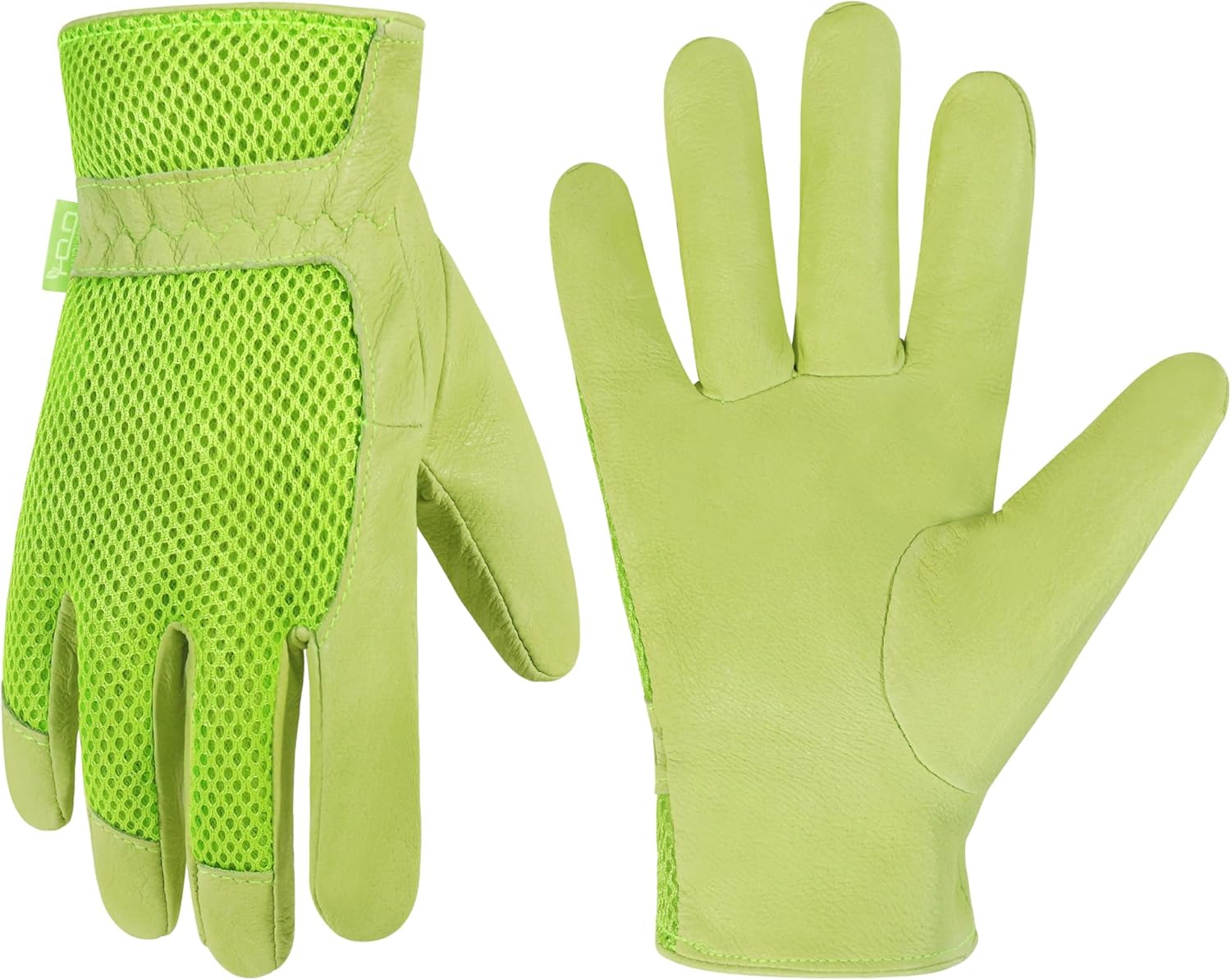
| Brand | HANDLANDY |
|---|---|
| Intended use | Gardening, yard maintenance |
| Material (palm) | Leather |
| Touchscreen | Yes |
These HANDLANDY gloves combine a leather palm and reinforced fingertips with a breathable fabric back to protect hands during everyday gardening tasks. They are used for pruning, light digging, thorn and nettle handling, and carrying tools; the leather palm gives decent abrasion resistance while the stitched reinforcements help prevent premature wear in high-contact areas. The breathable back reduces hand sweat during longer sessions and a touchscreen-capable fingertip lets you check a phone without removing a glove. For budget shoppers these gloves deliver solid protection for routine yard work, but they are not heavy-duty gauntlets so they will not stop deep nettle stings or protect from very aggressive thorns on larger brambles. Expect good value for light-to-moderate garden maintenance and easy replacement when they wear out.
Best for: Buyers looking for an inexpensive, everyday gardening glove that balances protection, breathability, and touchscreen convenience for routine yard tasks.
Less Ideal for: Gardeners who need heavy-duty thorn or sting protection for dense bramble or frequent nettle harvesting should choose thicker gauntlet-style gloves instead.
- Leather palm offers abrasion resistance for pruning and tool handling
- Breathable fabric back reduces sweat during extended wear
- Reinforced fingertips and stitching improve durability in high-wear spots
- Touchscreen-capable fingertip lets you use a phone without taking gloves off
- Not a full gauntlet design so limited protection against deep nettle hairs or large thorns
- Likely to wear out faster under heavy, professional use
Verdict: A budget-friendly leather gardening glove that gives reliable protection and breathability for routine nettle and yard work.
MERTURN Leather Gardening Gloves for Women — Thorn-Proof Heavy Duty

| Brand | MERTURN |
|---|---|
| Material | Leather |
| Intended use | Gardening, thorn protection |
| Date First Available | August 22, 2023 |
These MERTURN leather gardening gloves are built to protect hands when working with prickly plants like nettles and rose bushes. Constructed from heavy-duty leather, they cover the palm and fingers with reinforced material to resist punctures and abrasion while maintaining decent dexterity for pruning, weeding, and handling thorny stems. The short and long styles shown suggest options for wrist or forearm coverage depending on how much protection you need. In use they feel sturdy and well stitched, which helps them hold up during repetitive outdoor tasks. Expect reduced finger sensitivity compared with thin fabric gloves, and they will require occasional cleaning and conditioning to keep the leather supple. These are best for gardeners who put durability and puncture resistance first and who work often with bristly or thorny vegetation. They are not the lightest or most breathable option for long hot-weather wear, but they reliably keep thorns and rough edges from reaching the skin.
Best for: Gardeners who prioritize dependable puncture and abrasion protection when working with nettles, roses, or brambles and who want gloves that withstand frequent use.
Less Ideal for: If you need very light, highly breathable gloves for long hot days or maximum fingertip sensitivity for delicate hand-planting, choose a thinner fabric or synthetic pair instead.
- Thick leather construction provides strong resistance to thorns and abrasion
- Reinforced stitching that supports repeated yard work
- Available in short and long styles to choose wrist or forearm coverage
- Good tactile control for pruning compared with bulky gauntlets
- Leather reduces fingertip sensitivity compared with thin gloves
- Less breathable than fabric gloves for hot conditions
Verdict: Choose these gloves when you want dependable leather puncture protection for regular work with nettles and other thorny plants.
WZQH Leather Work Gloves — Reinforced Palm, Cotton Lining (Large)

| Material | Leather |
|---|---|
| Glove Liner Material | Cotton |
| Protective Glove Temperature Rating | 350°F |
| Closure Type | Adjustable |
| Reusability | Reusable |
These WZQH leather work gloves are built for tough outdoor tasks where hand protection matters. Made from split cowhide with a reinforced palm and keystone thumb, they deliver abrasion, puncture, thorn, cut, oil, flame, and heat resistance up to 350°F while a soft cotton lining improves comfort and reduces sweat. The adjustable wrist drawstring keeps debris out during digging, pruning, and brush clearing, and the ergonomic cuff helps with dexterity for tasks like planting, using a weed wacker, or handling thorny shrubs. They are reusable and machine washable, so maintenance is straightforward after muddy jobs. Limits to note are the lack of water resistance and no stretch in the fabric, so wet gardening or tasks requiring a snug, glove-like fit for fine handwork may feel bulky. Also sizing advice in the listing suggests sizing up for broad hands, so pick accordingly if you have narrow hands. For gardeners who prioritize durable protection over a thin tactile fit, these gloves offer dependable coverage in heavy-duty outdoor use.
Best for: Gardeners who do heavy-duty outdoor work and want robust hand protection from thorns, abrasion, heat, and punctures while still retaining reasonable comfort for prolonged use.
Less Ideal for: People who need thin, highly tactile gloves for delicate seed starting, transplanting, or frequent wet-weather gardening should consider thinner waterproof or touchscreen-capable alternatives.
- Durable split cowhide construction with reinforced palm for strong abrasion and puncture resistance
- Cotton inner lining that improves comfort and reduces sweat during extended wear
- Adjustable wrist drawstring and ergonomic cuff that keep debris out and allow reasonable wrist movement
- Rated for high temperatures (350°F) and flame resistant for grilling, fireplace or light welding tasks
- Not water resistant, so hands can get wet during watering or wet weather
- No fabric stretch which can reduce fine dexterity for delicate planting or seed work
Verdict: Choose these gloves if you need tough, heat- and puncture-resistant hand protection for heavy gardening and outdoor chores.
Choosing the Right Gardening Gloves for Nettles: Key Factors to Consider
Material and Layering
The base material and how layers are constructed determine how well nettle hairs and thorns are kept from reaching your skin. Thick leather or multi-layer synthetic fabrics tend to offer the best physical barrier, while knitted fabrics with a protective coating can reduce sting transfer without becoming too bulky.
Layering matters because a single thick layer may resist penetration but kill fingertip feel, whereas a multi-layer build can place a protective barrier over a thin, sensitive liner. Look for gloves that place the protective layer on the back and fingers where nettle contact is likely, while keeping inner liners soft against skin for comfort.
Cuff Height and Closure
Cuff height is critical when dealing with standing nettles. A short cuff exposes the wrist and lower forearm to hairs that can flick upward when pulling or cutting plants. Mid-length or gauntlet cuffs that extend several inches up the forearm help keep hairs out and reduce direct contact during clearing.
Closure systems that secure the cuff-such as hook-and-loop straps or elasticated wrists-prevent nettle hairs from slipping down the sleeve. Consider how the cuff integrates with your typical clothing; loose sleeves can still allow hairs in unless the glove closes snugly against the arm.
Fingertip Fit and Dexterity
You will still need to perform fine tasks around nettles, such as pinching seedlings, cutting stems, or tying supports. Gloves that are too thick at the fingertips make those tasks awkward and can lead you to remove them and expose skin. A well-fitting glove that shapes to your fingers preserves tactile feedback while retaining protection.
Pay attention to finger length relative to your hand size and whether the glove design narrows at the tips. Some gloves use a thinner material at the fingertips or a separate inner liner to give more precision without sacrificing exterior protection.
Grip and Surface Texture
Handling nettles often means gripping stems, tools, or damp weeds. A textured palm or a tacky coating helps hold tools and plant material securely, reducing slips that could lead to accidental deeper contact. Smooth leather palms may be durable but slippery when wet; synthetic palms with patterned coatings balance grip and resistance.
Also consider how coating thickness affects breathability and flexibility. A highly textured surface that is inflexible at the fingertips can hinder small tasks, so look for patterns that preserve bend and control.
Maintenance and Longevity
Gloves used around nettles get sap, soil, and plant hairs embedded in seams and fibers. Materials that tolerate washing or simple rinsing maintain protective qualities and comfort over seasons. Leather may require different care than synthetics, but both should be evaluated for how they age under abrasion and repeated cleaning.
Inspect seam quality and reinforcements in high-wear areas because a torn seam or worn spot can become an entry point for stinging hairs. Choosing gloves with replaceable liners or easily cleanable exteriors extends service life and reduces the chance of accidental exposure.
Protective Materials Compared
Garden gloves for nettles come in several material families, each with tradeoffs. Thick leather offers excellent puncture resistance and often performs well against nettle hairs, but it can be stiff and warm in summer. Multi-layer synthetics use a woven inner liner for comfort, a dense outer fabric for protection, and sometimes a coated palm for grip. Nitrile or rubber coating adds tack and water resistance but can reduce breathability.
For tasks requiring long periods of wear in warm weather, look for hybrid constructions that combine a thin inner liner with protective overlays on the back of the hand and fingers. This keeps the protective elements where nettles are most likely to touch while maintaining fingertip sensitivity.
- Leather: strong barrier, lower fingertip feel
- Woven synthetic with coating: balanced protection and grip
- Rubber-coated palms: superior wet grip, less breathability
Choosing Cuff Styles for Different Jobs
Cuff style should match the task and the plant height. Short cuffs are fine for quick weeding of low nettles if you are wearing long sleeves, but for stand-up clearing or cutting plants in shoulder-high patches, mid-length or gauntlet cuffs keep hairs from brushing your forearms.
If you layer gloves under outer sleeves, test mobility to ensure you can still bend the wrist and operate tools without the glove bunching. Adjustable closures are helpful when you need a tighter seal during aggressive clearing and a looser fit for ventilation during lighter tasks.
- Short cuff: easy on/off, best for low tasks
- Mid-length cuff: good balance for general clearing
- Gauntlet cuff: best protection when pulling tall nettles
When Dexterity Beats Maximum Bulk
Not every nettle job requires the thickest glove possible. If you are harvesting edible shoots or pruning delicate plants near nettles, a glove that preserves finger movement reduces mistakes and speed issues. Thin liners under a protective shell can give a compromise that protects against stings while letting you tie, snip, and pinch.
Test gloves with the tools and tasks you do most. Practice tying a knot, snipping a stem, or picking small leaves while wearing them to ensure the glove will not push you to remove it and expose skin during a job.
- Use thin liners under protective shells for precision
- Avoid overly bulky palms if frequent tool use is required
Care and Cleaning Tips
Keep gloves free of sap and plant debris so nettle hairs do not work into seams. Most synthetics can be rinsed or machine washed on a gentle cycle; leather should be wiped clean and conditioned to prevent cracking. Allow gloves to dry thoroughly before storage to avoid mildew.
Inspect gloves regularly for worn spots, loose stitching, or compressed padding. Replace or repair gloves that show compromised protection at seams or tips; small failures are how stings can reach skin despite otherwise good materials.
- Rinse synthetics after use; machine wash when safe
- Wipe and condition leather to extend life
- Check seams and fingertips before each season
Using Gloves with Other Protective Gear
Combine gloves with long sleeves, gaiters, or arm guards for extra protection when nettles are dense or overgrown. A sealed cuff interface between glove and sleeve reduces the chance of nettle hairs sneaking in during pulling motions. For high-volume clearing, lightweight arm protection is often more comfortable than a thicker glove alone.
When working around food crops, consider glove materials that are easy to sanitize and do not shed fibers. Take care when switching between weedy areas and clean beds to avoid transferring nettle hairs or plant debris.
- Pair gloves with arm guards for tall nettle work
- Create a sealed sleeve-to-glove interface for thorough protection
- Sanitize gloves when moving between beds and harvest areas
How We Chose the Best Gardening Gloves for Nettles
We focused on features that matter when working specifically with stinging nettles and similar bristly plants. Our selection criteria prioritized material resistance to punctures and stings, cuff length and closure to keep hairs out, and fingertip dexterity for tasks such as harvesting young shoots or handling pruning shears. We also weighed grip and surface texture for confident handling of tools and plant stems, plus breathability and washability for comfort during extended work sessions. Durability under repeated abrasion and ease of cleaning were included so gloves remain protective over seasons. Gloves that sacrificed basic fit, allowed nettle hairs to penetrate at seams or cuffs, or were unsuitable for common garden tasks were excluded. We applied these filters uniformly to find well-rounded options suitable for clearing, harvesting, and routine maintenance around nettled areas.
FAQ
Are leather gloves the best choice for nettles?
Leather often provides a strong physical barrier against nettle hairs, but it can be bulky and warm. Depending on your need for fingertip precision and breathability, a layered synthetic design may be a better balance.
Can thin liners protect against nettles if I wear them under thicker gloves?
Yes. A thin liner adds comfort and can reduce friction that draws hairs through fabric. When combined with an outer protective glove, liners help maintain dexterity while adding a secondary barrier.
How long should cuffs be to protect against standing nettles?
Mid-length cuffs that extend several inches up the forearm are a good compromise for most jobs. For shoulder-high nettles or aggressive clearing, gauntlet-style cuffs give better coverage and reduce wrist exposure.
Will coated palms stop nettle hairs from penetrating?
Coated palms increase grip and create an additional surface barrier, but protection depends on the coating type and thickness. Coatings help with wet-hand grip but may not fully replace a robust back-of-hand protective layer.
How should I clean gloves used on nettles?
Rinse off sap and debris promptly. Machine-washable synthetics can be washed on a gentle cycle; leather should be wiped clean and conditioned. Always dry gloves fully before storage to prevent mildew and degradation.
Final Verdict
When choosing gardening gloves for nettles, prioritize barrier protection in areas most likely to get contact-the fingers and back of the hand-while balancing cuff height to block hairs from the forearm. Decide whether fingertip dexterity or maximum bulk is more important for your usual tasks, and select materials and cuff styles that match those needs. Maintain gloves carefully and inspect them for wear so protection is reliable. With the right tradeoffs, you can confidently clear, prune, and harvest around nettles without sacrificing the control you need.
