

Note: This article contains affiliate links. If you click on these links and make a purchase, I may earn a small commission at no extra cost to you. This helps support my research and content. Read my full affiliate disclosure here.
Choosing the right pair of gardening gloves for roses matters because rose work combines sharp thorns with precise tasks like pruning and deadheading. You need gloves that keep your hands safe without removing the tactile feedback you rely on when tying canes, handling seedlings, or placing clips. This guide covers five shortlisted glove options chosen for thorn resistance, fit, dexterity, and durability. We explain what matters in real rose-care work so you can pick gloves that match how you garden, whether you do heavy pruning, routine bed maintenance, or fine-detail tasks in a small patio rose collection.
Top Picks at a Glance
| Best Overall The best all-around choice for most situations | Exemplary Gardens Rose Pruning Gloves — Goatskin Leather with Elbow-Length Suede Gauntlet |  |
| Best Quality Built to a higher standard if you want something more solid | HESTRA Pro Garden Rose Long Leather Gauntlet Gardening Gloves | 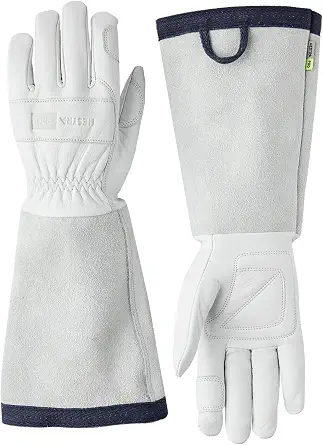 |
| Best Budget The cheapest option that still gets the job done reliably | YRTSH Medium Women's Microfiber Leather Gardening Gloves |  |
| Highest Rated A top-rated pick with lots of positive feedback | LELETEIL Thorn Proof Gardening Gloves, Long Leather Garden Gloves |  |
| Most Popular A crowd favorite that many people choose with confidence | HANDLANDY Thorn-Proof Long Leather Rose Pruning Gloves |  |
Exemplary Gardens Rose Pruning Gloves — Goatskin Leather with Elbow-Length Suede Gauntlet

| Item model number | EXGA01 |
|---|---|
| Department | unisex-adult |
| Manufacturer | Exemplary Gardens |
| Date First Available | January 8, 2016 |
These gloves pair a supple goatskin leather hand with an extended cowhide suede gauntlet to give full hand and forearm protection when pruning roses and handling thorny shrubs. You wear them like standard gloves; the goatskin offers dexterity for剪ing, tying, and handling stems while the long gauntlet covers wrists and lower arms against scratches. Notable features include premium leather on the palm for a comfortable fit and elbow-length coverage to prevent spines from reaching skin. In practice they balance protection with finger sensitivity better than thick gauntlet-only designs, so you can manage pruning shears and delicate tasks without constantly removing the gloves. Limitations are typical for leather: they require occasional cleaning and will stiffen if exposed to heavy moisture, and sizing is important to retain dexterity so measure before buying. If you want strong, reliable thorn protection with good touch and a long cuff for rose beds, these gloves are a practical choice.
Best for: Gardener who wants dependable thorn protection while retaining finger sensitivity for pruning and detailed rose care; ideal for regular rose maintenance in beds and borders.
Less Ideal for: People who need fully waterproof gloves for wet conditions or those who prefer heavy insulated gloves for cold-weather tasks should look elsewhere.
- Goatskin leather hand for good dexterity and comfortable fit
- Elbow-length cowhide suede gauntlet provides extended forearm protection
- Designed specifically for pruning roses and handling thorny plants
- Lightweight construction that allows fine manipulation of tools
- Leather can stiffen and requires care if exposed to repeated moisture
- Proper fit is important for dexterity so sizing mistakes reduce usefulness
Verdict: Choose these gloves if you want leather-level dexterity plus an elbow-length gauntlet for reliable thorn protection while pruning roses.
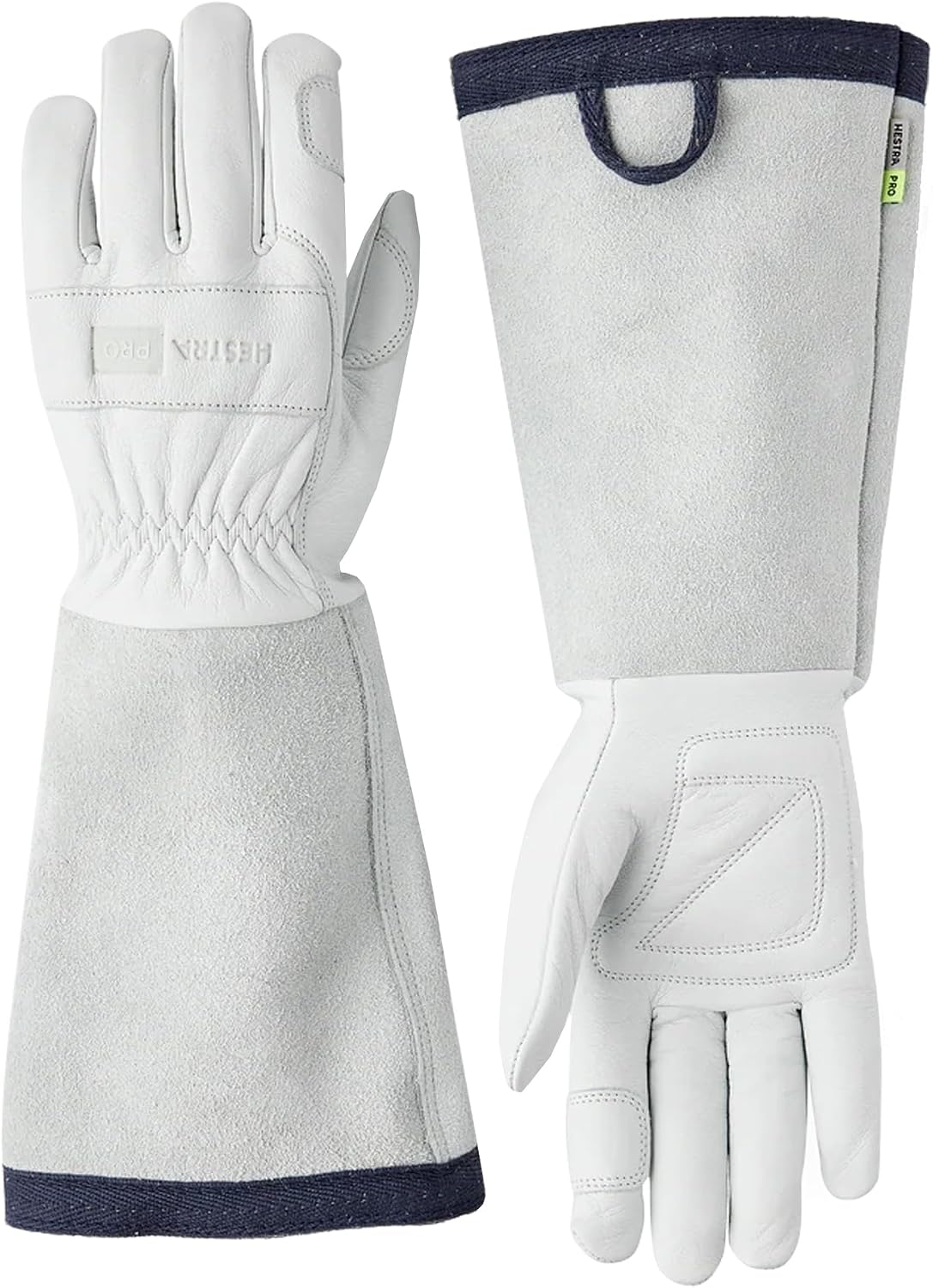
HESTRA Pro Garden Rose Long Leather Gauntlet Gardening Gloves
| Item model number | 73410 |
|---|---|
| Department | womens |
| Manufacturer | Hestra Gloves |
These Hestra Pro Garden Rose gloves are long leather gauntlets built for tasks that need serious protection, such as pruning roses and working around thorny shrubs. They combine supple goat leather on the outer hand with an extended cuff that shields the wrist and lower forearm from scratches and punctures. The gloves are typically used for cutting back canes, handling thorny branches, and other close-up garden work where dexterity and protection both matter. Notable features include a long protective cuff, flexible backhand construction for reasonable finger movement, and durable leather that holds up to repeated use. In practice the gloves feel more protective than thin fabric gloves while still allowing enough fingertip control for pruning shears and tying plants. Expect some break-in time before the leather softens and fits closely. These are not lightweight nitrile or fabric gloves, so they will feel warmer and less breathable in hot weather and require occasional leather care to stay supple. For gardeners who prioritize protection around roses, they perform very well.
Best for: Gardeners who work regularly with roses or thorny shrubs and need high protection without giving up practical finger control.
Less Ideal for: Casual gardeners who only perform light weeding or prefer inexpensive disposable gloves for quick chores.
- Long leather cuff protects wrists and lower forearms from thorns and scratches
- Goat leather outer provides durable abrasion resistance for repeated pruning
- Design preserves reasonable dexterity for using pruning shears and tying plants
- Built to withstand heavy garden use and requires only basic leather care
- Leather construction is warmer and less breathable than fabric gloves in hot weather
- Requires break-in time and periodic conditioning to maintain suppleness
Verdict: Choose these long leather gauntlets when you need serious, durable protection for pruning roses while retaining usable dexterity.
YRTSH Medium Women's Microfiber Leather Gardening Gloves

| Material | Microfiber Leather |
|---|---|
| Closure Type | Elastic, Pull On |
| Reusability | Reusable |
| Water Resistance Level | Water Resistant |
| Fit Type | Regular |
These YRTSH gardening gloves combine a microfiber leather palm with a breathable stretch back to offer a balance of protection and feel for everyday garden work. They are typically used for weeding, planting, digging and light pruning where abrasion and thorn protection matter. Reinforced stitching and a reinforced thumb add durability in high-wear areas while the elastic pull-on closure keeps dirt out and makes them quick to put on. The lightly textured leather palm helps with grip on hand tools and the back-of-hand nylon provides breathability so hands stay cooler during longer sessions. They are machine washable for easy care and marketed as water resistant rather than fully waterproof, so they handle damp soil but will not keep hands dry in heavy wet conditions. Touchscreen-capable finger tips are a convenience for quick phone use without removing the gloves. If you need heavy-duty puncture resistance for thick thorny shrubs or waterproof protection for long wet tasks, these gloves are less suited to those extremes.
Best for: A frugal gardener who wants a reliable, reusable everyday glove for planting, weeding and light pruning without paying for heavy-duty specialty gloves.
Less Ideal for: People who routinely work with very thorny plants, heavy briars, or who need fully waterproof gloves for extended wet tasks should choose a more specialized heavy-duty glove.
- Microfiber leather palm for good grip and abrasion resistance
- Reinforced thumb and stitching increase durability in high-wear areas
- Breathable stretch back improves comfort during extended use
- Elastic pull-on closure is easy to use and helps keep out dirt
- Machine washable for simple cleaning and reuse
- Not fully waterproof so hands can get wet in heavy rain or when submerged
- May not provide enough puncture resistance for handling very thorny plants
Verdict: A budget-friendly, durable everyday gardening glove that balances protection, grip and breathability for most routine garden tasks.
LELETEIL Thorn Proof Gardening Gloves, Long Leather Garden Gloves

| Manufacturer | LELETEIL |
|---|---|
| Item model number | Thorn Proof Garden Gloves for Men Women |
| Date First Available | September 7, 2026 |
These LELETEIL thorn proof gloves are leather gauntlet-style gloves intended for heavy-duty garden work where roses, brambles, or other thorny plants are present. They extend up the forearm to shield skin from scratches and use a thicker leather palm and back for puncture resistance while still allowing enough dexterity for pruning, tying, and handling tools. In use they feel sturdy and protective for tasks like deadheading roses, pulling up briars, and transplanting thorny shrubs. The gloves are straightforward to put on and off and the longer cuff helps keep sleeves clean and prevents thorns from reaching the wrist. Limitations are typical for leather gauntlets: they are not waterproof and will stiffen if left wet, and they do not provide the fine fingertip sensitivity of thin fabric gloves for delicate seedling work. For gardeners who prioritize dependable puncture protection when working with thorny plants these gloves deliver clear practical benefits, but they are less suited to jobs that require high tactile feedback or frequent wet handling.
Best for: Gardeners who regularly work with roses, brambles, or thorny shrubs and need reliable, durable protection for hands and lower arms while pruning and clearing.
Less Ideal for: Those who need maximum fingertip dexterity for seed starting, delicate transplanting, or frequent wet tasks should consider thinner or waterproof glove options.
- Forearm-length gauntlet design shields wrists and lower arms from thorns
- Thicker leather construction offers strong puncture and abrasion resistance
- Sturdy palm provides good grip for pruning tools and handling branches
- Easy to put on and remove for quick transitions between tasks
- Not waterproof and can stiffen or absorb moisture when wet
- Less fingertip sensitivity compared with thin fabric or nitrile gloves
Verdict: Buy these gloves if you want dependable leather protection for hands and forearms when working with roses and other thorny plants.
HANDLANDY Thorn-Proof Long Leather Rose Pruning Gloves

| Material | Leather, Synthetic Leather |
|---|---|
| Sleeve Length | Long Sleeve |
| Protective Features | Abrasion Resistant, Cut-Resistant, Thorn Proof |
| Closure Type | Pull On |
| Temperature Rating | -10°C to +40°C |
These HANDLANDY thorn-proof gardening gloves use pigskin leather on the palm and back plus reinforced padding at the fingertips and palm to resist cuts, punctures, and abrasion while retaining good flexibility. The elbow-length gauntlet shields forearms from thorns and brambles, and the elastic slip-on cuff keeps dirt out during repetitive weeding, pruning, and brush clearance. Breathable pigskin helps keep hands cooler than heavier full-grain leather, and reinforced stitching and a padded palm improve durability for regular yard work. They are not waterproof and have no interior liner listed, so hands can get damp in wet conditions and dexterity with very fine tasks may feel slightly reduced compared with thin fabric gloves. For persistent thorny jobs these gloves trade a bit of fingertip finesse for confident protection and long wear. Care is simple: air out leather to remove initial smell and keep them dry between uses to prolong life.
Best for: Serious gardeners who prioritize protection and durability for thorny weeding and pruning tasks and want durable gloves that stand up to regular heavy use.
Less Ideal for: Gardners who need maximum fingertip sensitivity for delicate seeding, transplanting, or wet-weather work should consider lighter or waterproof alternatives.
- Thick pigskin leather palm and back for breathability with strong puncture resistance
- Extended elbow-length gauntlet protects forearms from thorns and brambles
- Reinforced palm and fingertip padding for better abrasion and cut resistance during heavy pruning
- Elastic slip-on cuff keeps debris out and provides a snug fit
- Reinforced stitching improves durability for frequent use
- Not water resistant so hands may get wet during damp weeding or rainy conditions
- No listed glove liner which can reduce warmth in cold weather and allow perspiration against skin
Verdict: Choose these gloves when thorny, heavy-duty weeding and pruning demand confident forearm and hand protection.
Choosing the Right Gardening Gloves for Roses: Key Factors to Consider
Thorn and Cut Resistance
Roses have sharp thorns that can pierce thin fabrics and cause painful scratches. Look for gloves with reinforced materials on the back of the hand and the palms, such as multiple fabric layers, leather reinforcement, or synthetic panels rated for cut resistance. Reinforcement should cover common contact zones: the thumb, index finger, and the palm where branches press against your hand. Strong wrist closures and gauntlet styles can also prevent thorns from sliding into the glove cuff.
Higher resistance materials will trade off some flexibility, so consider the thickness you need based on how heavy your pruning and handling tasks are. For routine deadheading and light pruning, midweight reinforcement is often sufficient. For major cane removal or handling large, thorny stems, prioritize thicker, more cut-resistant construction.
Fingertip Dexterity and Tactile Feedback
Many rose tasks require fine motor control: clipping a specific bud, tying a cane to a support, or placing a graft. Gloves that are too bulky make those tasks awkward and increase reliance on tools. Choose gloves with pre-curved fingers, thin but strong fingertip materials, or hybrid designs that leave fingertips more flexible while reinforcing the rest of the hand. Materials like thin leather, nitrile coatings, or tight-knit synthetic fabrics provide tactile feedback while protecting against scratches.
Fit interacts directly with dexterity. A glove that fits close to the skin without compressing will restore the best feel. If you expect to wear gloves for extended sessions, test different thicknesses to find the balance where you can still sense stems and fasten small ties.
Fit, Sizing Range, and Comfort
Glove fit affects protection, dexterity, and how long you can work comfortably. Gloves that are too loose allow thorns to shift and pierce the interior, while gloves that are too tight reduce circulation and make precise movement harder. Look for gloves offered in a range of sizes and with adjustable wrist closures or elasticized wrists to keep dirt and thorns out.
Comfort features matter for longer sessions: breathable liners, moisture-wicking fabrics, and flat seams to prevent chafing. Consider glove length as well. Short cuffs are fine for quick deadheading, while longer gauntlet styles add forearm protection when reaching into dense canes.
Palm Grip and Control
Secure grip is essential when using pruning shears or handling wet stems. Smooth leather can become slippery when wet, while textured palms, coated synthetics, or patterned silicone grips maintain traction in damp conditions. Reinforced palm patches not only protect against abrasion but also provide a stable surface to hold tools without twisting.
Evaluate grip placement relative to where you hold tools. Padding in the palm may add comfort but can reduce the sensitivity needed for small cuts and tie placement. Choose a grip that matches the most common tasks you perform: heavy cutting, training canes, or delicate deadheading.
Durability and Ease of Cleaning
Gloves for rose work meet thorny, dirty, and sap-sticky conditions, so material durability dictates how long a pair will last. Reinforcements at high-wear zones, double stitching, and abrasion-resistant fabrics extend usable life. Consider whether gloves can be wiped clean easily, are machine washable, or require spot cleaning. Sap and soil can degrade some materials quickly, so look for finishes that resist stains and sticky residues.
Durability also affects replacement frequency and overall cost of ownership. For gardeners who use gloves daily during the growing season, prioritize construction quality over minimal upfront savings.
Cuff Style and Wrist Protection
Cuff design determines how well thorns are kept out and how much forearm protection you get. Short cuffs are convenient for quick tasks and feel less bulky; gauntlet cuffs extend protection up the forearm and are valuable when reaching into dense shrubs or when training tall canes. Elastic or adjustable closures at the wrist prevent soil and thorn ingress while keeping sleeves clean.
Also consider how easy it is to remove the gloves when they are muddy or sticky. Gloves that are easy to pull off and put on help speed routine work without compromising safety.
Work Types and Glove Selection
Match the glove to the kind of rose tasks you do most often. Light tasks such as deadheading, light tying, and small-transplant work favor thinner, more tactile gloves. Heavy tasks like cane removal, large pruning cuts, or moving thorny branches call for thicker, more heavily reinforced gloves with extended cuffs.
Think of your glove closet the way you think of pruning tools: different tools for different jobs. Keeping a thin pair for precision work and a heavier pair for tough pruning reduces wear and keeps your hands safe without sacrificing control.
- Thin, flexible gloves for precision cutting and tying
- Reinforced, thicker gloves for major pruning and cane handling
- Gauntlet cuffs for forearm protection when reaching into dense shrubs
Materials and Their Tradeoffs
Leather offers durable abrasion resistance and can be excellent for palm protection, but it varies in stiffness and may need breaking in. Synthetic fabrics and coated palms provide consistent water resistance and easier cleaning. Some modern blends pair a breathable knit back with a coated palm to balance airflow and grip.
Consider how the material behaves when wet and how it will handle sap. Water-resistant coatings maintain grip but can reduce breathability, while natural materials like goatskin often remain supple and tactile after proper care.
- Leather: durable, protective, may require break-in
- Coated synthetics: good wet-grip and easy cleaning
- Knit back fabrics: improve breathability and fit
Sizing Tips and Fit Testing
Measure across your palm at the widest point and compare to size charts where available. Try gloves on with the type of tool you use to confirm fingertip reach and control. Pay attention to finger length and thumb placement, because misaligned seams can reduce dexterity and cause hot spots during extended use.
If you are between sizes, consider which tasks matter most. A slightly tighter glove improves dexterity, while a slightly larger glove increases insulation and can be easier to pull on and off with dirty hands.
- Measure palm width for sizing
- Check finger and thumb seam alignment
- Test gloves on with pruning shears or ties
Caring for Your Gloves
Proper cleaning and storage extend glove life. After use, brush off soil and rinse sticky sap from gloves according to the manufacturer care guidance. Air dry fully before storage to prevent mildew and leather stiffening. Periodically treat leather with appropriate conditioning products to keep it supple.
Rotate pairs so one can dry and rest between sessions. Repair small tears promptly if possible, and retire gloves that have deep cuts or compromised palms to avoid accidental injury.
- Brush off dirt and rinse sap promptly
- Air dry and condition leather when needed
- Rotate pairs and repair minor damage
Seasonal Considerations
In cooler weather, you may need insulating gloves that still allow pruning control. Thicker gloves hold heat but can reduce dexterity, so look for insulated options with reinforced fingertips or consider wearing thin liners under your usual rose gloves. In hot weather, breathability and moisture-wicking liners reduce sweat and improve grip.
For winter pruning of deciduous roses, prioritize warmth and protection over fingertip sensitivity. For spring and summer maintenance, prioritize tactile control and breathability.
- Use liners for added warmth without bulk
- Choose breathable materials for summer work
- Adjust cuff length seasonally based on canopy density
How We Chose the Best Gardening Gloves for Roses
We focused on practical performance in rose care and selected gloves that demonstrate clear strengths in the tasks that matter most to rose gardeners. Primary evaluation criteria included thorn and cut resistance, fingertip dexterity for pruning and tying, fit and sizing range, durability under repeated use, and ease of cleaning after sap and soil contact. We examined product materials and construction to judge abrasion resistance, cuff design to assess wrist protection and ease of removal, and grip materials to ensure control when using secateurs or handling thorny stems. We excluded gloves designed solely for light household or gardening chores that lack reinforced palms or fingertip protection. Also excluded were single-purpose gloves meant only for chemical handling rather than mechanical protection. Our selection favors well-rounded options that perform across typical rose tasks: pruning, planting, deadheading, and general bed work. The scoring labels reflect these same measurable dimensions so readers can compare tradeoffs between protection and tactile control.
FAQ
Can I prune roses while wearing thin gloves?
Often yes. Thin gloves with reinforced fingertips work well for light pruning and deadheading because they preserve dexterity. For heavier cane cutting or when moving large thorny stems, thicker reinforced gloves are safer.
How do I remove sap from gloves after pruning?
Sap is best removed by gently scraping off excess and washing the area with warm soapy water. For leather gloves, avoid soaking; instead use a damp cloth and a mild leather cleaner, then condition once dry.
Are gauntlet-style gloves necessary for rose care?
Gauntlets are useful when reaching into dense canes or training tall shrubs because they protect the forearm from scratches. They are not always necessary for light maintenance but are recommended for heavy pruning sessions.
How do I choose the right size for gloves if my hands swell in summer?
If your hands swell, choose a slightly roomier fit or select gloves with adjustable wrists and elasticized cuffs to accommodate changing hand volume. Breathable materials and moisture-wicking liners also reduce swelling from sweat.
Can I repair torn glove palms or is replacement better?
Minor tears and worn patches can sometimes be patched to extend life, especially on leather palms. However, deep cuts or compromised protective layers should prompt replacement to avoid thorn injuries.
Final Verdict
Pick gloves that match the tasks you do most often with roses. Prioritize thorn and cut resistance for heavy pruning and reinforced palms and good grip for tool work. For precision tasks, choose thinner, well-fitted gloves that preserve fingertip feel. Balance protection and dexterity according to season and workload. Keeping at least two pairs on hand – a tactile pair for detail work and a heavier pair for tough pruning – gives the most flexibility and safety in rose care.
