

Note: This article contains affiliate links. If you click on these links and make a purchase, I may earn a small commission at no extra cost to you. This helps support my research and content. Read my full affiliate disclosure here.
Choosing the right ground cover perennials for shade makes a big difference in how a shady bed or woodland edge looks and performs. The right plants help suppress weeds, hold soil on slopes, and create a living mulch that moderates soil moisture and supports beneficial insects. In this guide we shortlisted the top options that suit a range of shady situations, from dappled light beneath trees to deep, north-facing beds. Each pick was assessed on practical gardener concerns like shade tolerance, vigor, spread control, and seasonal interest. Read on to see which types fit your planting conditions and maintenance style.
Top Picks at a Glance
| Best Overall The best all-around choice for most situations | Touch Of ECO Hosta Bare Roots 6-Pack (Mixed Heart-Shaped) |  |
| Best Quality Built to a higher standard if you want something more solid | Pachysandra terminalis 'Green Sheen' Groundcover — 100 Bare Root Plants | 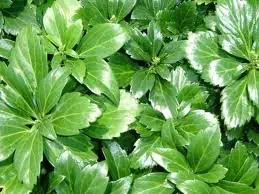 |
| Best Budget The cheapest option that still gets the job done reliably | Carpet Creeping Viola sororia Violet Seeds, 200 Count |  |
| Highest Rated A top-rated pick with lots of positive feedback | Loseedsoo Wild Ginger (Asarum canadense) Seeds — 30+ Perennial Woodland Groundcover |  |
| Most Popular A crowd favorite that many people choose with confidence | KVITER Forget Me Not Heirloom Flower Seeds (1200 count) |  |
Touch Of ECO Hosta Bare Roots 6-Pack (Mixed Heart-Shaped)

| Unit Count | 6 Count |
|---|---|
| Indoor Outdoor Usage | Outdoor |
| USDA Hardiness Zone | 3-9 |
| Moisture Needs | Regular Watering |
These Touch Of ECO hosta bare roots arrive dormant and are intended to be planted in fall or early spring for reliable, low-maintenance shade interest. Each pack contains six mixed heart-shaped hosta crowns that produce rich green foliage and fragrant white or purple flowers on tall stems from spring through fall. Hostas are typically used in shady borders, under trees, or in large planters where regular watering and indirect light suit them best. The listing notes hardiness to zones 3 through 9, so they will return year after year in a wide range of climates, and the plants attract pollinators while being resistant to deer. Practical gardeners will appreciate that the plants ship as bare roots for easy planting and faster establishment when placed with the crown at soil level and watered in. Limitations are that these are not container-ready potted plants and need initial attention to planting depth and moisture; smaller or shallow planters may not give the crowns enough room to spread.
Best for: Gardeners who want reliable, low-maintenance shade plants to establish in planters or beds and prefer economical bare-root stock they can plant themselves.
Less Ideal for: Buyers who want instant, display-ready potted plants or who need specimens sized for very small decorative containers.
- Six bare-root crowns per pack provide quick value for filling multiple planters or a shady border
- Hardy across USDA zones 3–9 so they are suitable for most climates
- Attractive heart-shaped foliage with seasonal fragrant blooms adds texture and pollinator value
- Ships dormant for easy handling and planting in fall or early spring
- Arrives as bare roots rather than established potted plants, so initial planting care is required
- Not suitable for very small or shallow containers where crowns cannot spread
Verdict: A cost-effective way to fill shady planters or beds with hardy, low-maintenance hostas if you are comfortable planting bare-root stock.
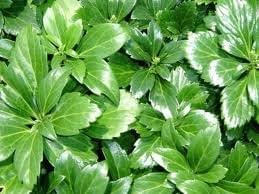
Pachysandra terminalis 'Green Sheen' Groundcover — 100 Bare Root Plants
| Hardiness Zone | 5 to 9 |
|---|---|
| Height | 6 to 12 inches |
| Spread | 1 to 1.5 feet |
| Sun | Part shade to full shade |
| Quantity | 100 bare root plants |
This 100-plant bundle of Pachysandra terminalis 'Green Sheen' is aimed at quickly establishing a glossy, shade-tolerant carpet in parts of the garden where sun is limited. The cultivar produces heavily rooted bare-root plants that spread by underground stems to form dense, dark green foliage 6 to 12 inches tall and about a foot to 1.5 feet across per plant. It performs well in part to full shade, tolerates zones 5 to 9, and offers low maintenance once established, with small white spring flowers and good erosion-control potential. Practical benefits include fast area coverage when planted at the recommended 6 to 9 inch spacing and simplified weed suppression from the dense growth habit. Limitations are that bare-root material requires prompt planting and good initial care to avoid losses, and pachysandra can be aggressive in some settings so it may need edging to prevent unwanted spread into adjacent beds.
Best for: Gardeners who need a high-performance, low-maintenance groundcover to quickly fill and stabilize shady areas and prioritize fast coverage over decorative variety.
Less Ideal for: People who want a non-spreading or highly controlled border plant or those unwilling to plant and establish bare-root material promptly.
- Very shade tolerant and suited for part shade to full shade sites
- Rapid spreading habit creates dense, low-maintenance groundcover that suppresses weeds
- Sold as 100 heavily rooted plants to establish coverage quickly
- Good for erosion control and forming a uniform carpet of foliage
- Bare-root plants must be planted promptly and cared for during establishment
- Can be invasive without edging or management in some landscapes
Verdict: Choose this 100-plant Green Sheen pachysandra pack when you want a fast-establishing, shade-tolerant groundcover that quickly forms a dense, low-maintenance carpet.
Carpet Creeping Viola sororia Violet Seeds, 200 Count

| Unit Count | 200 Count |
|---|---|
| Sunlight Exposure | Full Sun to Full Shade |
| USDA Hardiness Zone | 3 |
| Moisture Needs | Regular Watering |
| Material Features | GMO Free |
These Viola sororia seeds are a straightforward, low-cost way to establish a native violet ground cover in shady or partly sunny areas. The packet contains 200 seeds labeled non-GMO and is intended for outdoor planting in spring; with regular moisture and partial to full shade the plants form low clumps of heart-shaped leaves and produce violet to blue flowers in spring and early summer. Practical benefits include easy maintenance once established, attraction of pollinators and use as a natural weed-suppressing ground layer under trees or in shade gardens. Because they are a native perennial suited to USDA zones down to zone 3 and adaptable to common soil types, they fit a range of temperate garden sites. Limitations are typical for seed products: germination and establishment depend on site preparation, consistent watering, and local conditions so results can vary and some seedlings may be lost to competition or pests; buyers seeking instant coverage should plan for several seasons of growth rather than immediate dense matting.
Best for: Gardeners on a budget who want to convert shady patches into a native, pollinator-friendly groundcover and are willing to grow plants from seed.
Less Ideal for: People who need immediate, dense groundcover or who prefer planting mature plugs or sod for instant results.
- Large 200-count packet provides many seeds for seeding larger shady areas
- Non-GMO native species that attracts bees and butterflies
- Shade tolerant and adapts to a wide range of common soil types
- Low maintenance once established and returns as a perennial in suitable zones
- Seed establishment is slow and results depend on watering and site preparation
- Not an instant groundcover; several seasons may be needed for full coverage
Verdict: An inexpensive seed-based way to establish native violet groundcover in shady gardens that attracts pollinators once established.
Loseedsoo Wild Ginger (Asarum canadense) Seeds — 30+ Perennial Woodland Groundcover

| Botanical Name | Asarum canadense |
|---|---|
| Plant Type | Perennial |
| Light | Partial Shade to Full Shade |
| Unit Count | 1 Count |
These Loseedsoo wild ginger seeds provide a straightforward way to establish Asarum canadense as a durable, shade-tolerant groundcover. The packet includes 30+ seeds intended for partial to full shade planting in rich, moist, well-drained soil. Gardeners typically sow the seeds shallowly, keep the medium consistently moist, and often cold-stratify the seed first to improve germination because seedlings can be slow to appear. Once established, wild ginger forms heart-shaped foliage that spreads gradually to suppress weeds and fill shady borders beneath trees. Notable features are its native provenance, perennial habit, and distinctive low flowers hidden under the leaves. Practical benefits are low long-term maintenance and good performance where many sun-loving plants fail. Important limitations are the slow and sometimes erratic germination from seed and the need for consistent moisture during establishment, so results require patience and some initial care.
Best for: Gardeners who need a reliable, low-maintenance native groundcover for shaded areas and are willing to give seeds careful moisture and time to establish.
Less Ideal for: People who need instant coverage or a guaranteed quick result should choose plugs or established plants instead.
- Shade-adapted perennial suitable for partial to full shade sites
- Provides low, spreading heart-shaped foliage that creates a natural woodland groundcover
- Native species that fits well in shaded borders, beneath trees, and naturalized landscapes
- Includes 30+ seeds, allowing coverage of multiple small planting spots or patches
- Seeds germinate slowly and may require cold stratification and patient care
- Establishment needs consistently moist, rich soil during the early growth period
Verdict: A good choice for gardeners seeking a long-term, shade-loving native groundcover when they can commit to patient seed sowing and moist establishment.
KVITER Forget Me Not Heirloom Flower Seeds (1200 count)

| Unit Count | 1200 Count |
|---|---|
| Sunlight Exposure | Full Sun |
| Expected Blooming Period | Spring to Summer |
| Material Features | GMO Free, Heirloom |
| Moisture Needs | Regular Watering |
These KVITER Forget Me Not seeds come in a bulk 1200-count packet aimed at gardeners who want mass planting or ground cover in shady to part-sun spots. The seeds are heirloom and non-GMO and include a step-by-step growing guide on every packet, which makes them easy to use for direct sowing in spring. They are described as germinating without cold stratification in 10–21 days at typical spring temperatures and perform across USDA zones 1–12, so you can expect blue, low-growing clumps that reach about 16 inches at maturity. Practical benefits include the large seed quantity for filling borders or creating a carpet of flowers, seed-saving potential from mature seed pods, and suitability for cut flowers. Limitations are that results depend on proper moisture and soil (loam recommended) and that the bulk quantity may be more than small-scale gardeners need. Some buyers report variable germination, so plan to overseed or start extra trays if you want reliable coverage in a shady area.
Best for: Buyers who want an affordable way to establish a low, blue-flowering ground cover or fill borders in shady to part-sun areas and who prefer clear planting instructions and heirloom seed stock.
Less Ideal for: People seeking a small starter packet for container-only gardening or those who need instant mature coverage without waiting for seedlings to establish.
- Large 1200-count packet suitable for mass plantings or ground cover
- Heirloom non-GMO seeds with seed-saving potential
- Includes a detailed step-by-step growing guide with each packet
- No stratification required and germination window (10–21 days) provided
- Broad USDA zone range (1–12) so usable in most climates
- Bulk quantity may be excessive for small containers or tiny beds
- Germination performance can be inconsistent, so overseeding may be necessary
Verdict: A cost-effective bulk seed packet for creating blue, low-growing ground cover in shady to part-sun beds, especially for gardeners who value heirloom seed and clear planting guidance.
Choosing the Right Ground Cover Perennials for Shade: Key Factors to Consider
Light Level and Shade Type
Shade in a garden is not one thing. Some sites get bright, dappled light through deciduous trees while others sit in deep, persistent shade under evergreens or next to north-facing walls. Knowing whether your bed receives filtered sun, morning sun only, or full shade all day determines which perennial ground covers will photosynthesize enough to establish and spread.
Light level also affects flowering and leaf color. Plants that bloom in light shade may not flower in deep shade but still provide dense foliage. Match species to the measured light you actually have rather than the impression of "shady" to avoid disappointment.
Soil Moisture and Drainage
Shady spots often retain more moisture, especially under tree canopies or near foundations. Some ground covers prefer consistently moist, humusy soil while others need well-drained conditions even in low light. Assess whether your site is damp, seasonally wet, or dry under shade and choose perennials that tolerate that moisture pattern.
Soil preparation matters. Incorporating organic matter improves water retention in sandy soil and enhances drainage in heavy clay. Proper soil match reduces maintenance, limits disease risk, and helps plants establish more quickly.
Spread Rate and Control
Ground cover perennials vary from tight clumpers to aggressive runners. Predictable spread is important where you need to avoid crowding ornamentals or garden paths. Fast-spreading plants are useful for quick coverage and erosion control on slopes, but they may require edging or periodic thinning.
Consider how you will contain a vigorous spreader: barriers, periodic pruning, or dedicated beds. If you prefer low intervention, choose slower-spreading or clumping varieties that hold their footprint over time.
Maintenance and Grooming
Maintenance needs include winter cleanup, deadheading, dividing, and occasional thinning. Low-maintenance ground covers reduce weed pressure and free you from routine tasks, while some choices need seasonal grooming to look tidy. Think about whether you want evergreen foliage that hides debris year-round or deciduous covers that need spring tidying.
Maintenance also covers nutrient and irrigation needs. Many shade perennials do well on natural rainfall once established, but some benefit from occasional feeding or supplemental water during prolonged dry spells.
Ecological and Aesthetic Value
Beyond coverage, consider the benefits to pollinators, birds, and soil life. Flowering ground covers can provide nectar and pollen through the growing season, while dense foliage offers habitat for beneficial insects. Native species often integrate better with local ecosystems and support regional wildlife.
Aesthetic factors include leaf texture, evergreen versus deciduous habit, and seasonal color changes. Choose species that complement the larger planting scheme and provide layered interest beneath shrubs and trees.
Best Uses by Shade Situation
Different shady microsites have different best uses. In bright, dappled shade under deciduous trees, look for ground covers that produce flowers in spring and tolerate occasional sun. For deep, constant shade beneath evergreens, favor species selected for dark conditions and good basal foliage.
Use vigorous spreaders on erosion-prone slopes or where rapid soil stabilization is needed. In ornamental beds where you plant other perennials or bulbs, choose tighter clumpers that leave space and do not smother spring bulbs.
- Dappled shade: choose flowering, medium-spread perennials.
- Deep shade: select dense, shade-adapted foliage plants.
- Slopes: pick robust spreaders with root anchoring habit.
- Mixed beds: use clumping types to protect companion plants.
Planting and Establishment Tips
Prepare the bed by removing weeds and incorporating organic matter to improve texture and fertility. When planting under trees, avoid disturbing major roots; work with the topsoil and use shallow planting holes. Space plants according to mature spread recommendations to reduce early overcrowding.
Mulch with a thin layer of organic material to retain moisture and suppress weeds, but keep mulch away from crowns to prevent rot. Water consistently through the first season to encourage root establishment; once established, many shade perennials need much less supplemental irrigation.
- Avoid deep planting that buries crowns.
- Thin aggressive patches in spring by dividing or cutting back.
- Monitor for weeds during establishment; shade areas still get opportunistic weeds.
Combining Ground Covers with Other Plants
Ground covers work best when planned as part of a layered planting scheme. Underplanting shrubs and small trees with lower-growing perennials creates depth and helps hide bare soil. Select ground covers with different textures and heights to avoid a uniform carpeted look.
Leave space around trunk collars and avoid planting too close to stems of woody plants. Use ground covers to transition between taller perennials and lawn edges, or to create a low-maintenance foreground in a woodland palette.
- Mix evergreen and deciduous foliage for year-round interest.
- Allow breathing room around tree trunks to reduce competition.
- Use contrasting leaf shapes to add visual depth.
Managing Pests and Diseases in Shade
Shady, humid locations can encourage fungal diseases like leaf spot and crown rot. Good cultural practices reduce risk: ensure air circulation, avoid overhead watering, and remove dense litter in spring. Select disease-tolerant species when sites are prone to damp conditions.
Monitor regularly and remove infected foliage promptly. Improving soil drainage and avoiding high nitrogen feed can help prevent soft, disease-prone growth in shady beds.
- Thin overly dense patches to improve airflow.
- Water at the soil level to keep foliage dry.
- Rotate or replace problem patches with more tolerant species.
Seasonal Care and Renewal
Many perennial ground covers benefit from a light spring tidy: remove dead leaves, divide congested clumps, and refresh mulch. Some evergreen ground covers require almost no seasonal work beyond occasional trimming to keep edges neat.
If a patch has become too thick or depleted in vigor, divide plants in spring or fall to rejuvenate growth. Renewal also gives you an opportunity to control spread and re-space plants for a refreshed look.
- Divide clumps every few years to maintain vigor.
- Prune back spent flowering growth to encourage fresh foliage.
- Top up mulch annually to conserve moisture and suppress weeds.
How We Chose the Best Ground Cover Perennials for Shade
We looked for perennial ground covers that reliably thrive in low-light planting situations and that offer clear, measurable benefits for gardeners managing shady areas. Selection focused on shade tolerance across a range of light levels, from light dappled shade to deep, dense shade, because many garden sites vary across a single bed. We prioritized plants with predictable spread habits so gardeners can control coverage without constant intervention. Disease and pest resistance in shady, humid microclimates was a key filter to avoid options that need frequent treatments. Seasonal structure and ecological value were included so the plants provide winter cover, flowers for pollinators, or evergreen foliage where appropriate. Excluded from consideration were aggressive, invasive species that escape beds easily, annuals that need replanting, and plants that require specialized greenhouse starts. The final shortlist emphasizes dependable garden performance, ease of maintenance, and compatibility with typical soil and moisture conditions found in shade. These editorial criteria align with the scoring metrics used below.
FAQ
How much sun is too much for shade-tolerant ground covers?
It depends on the species, but many shade-tolerant perennials can handle a few hours of morning sun. Bright, hot afternoon sun is often the problem. Choose species matched to your specific light profile and watch for leaf scorch in sunnier spots.
Can ground covers damage tree roots when planted under trees?
Shallow, low-growing perennials generally do not harm tree roots if planted carefully. Avoid deep digging that severs major roots and keep planting shallow. Use mulch to protect roots and choose species that do not demand heavy watering near trees.
How quickly will a ground cover fill in a shaded bed?
Fill rate varies widely by species and site conditions. Some vigorous spreaders cover an area in a single season, while clump-forming perennials may take several seasons to reach full coverage. Soil fertility, moisture, and initial spacing all influence how fast a bed fills.
Are native ground covers better for shady sites?
Native species are often well-adapted to local shade conditions and support local wildlife, but non-native perennials can also perform well if they are not invasive. Consider local ecological benefits alongside maintenance and aesthetic goals.
What maintenance is usually required for shade ground covers?
Typical tasks include seasonal thinning or dividing, removing dead foliage in spring, and occasional trimming to keep edges tidy. Most need little supplemental fertilizer and only occasional watering once established.
Final Verdict
When choosing ground cover perennials for shade, prioritize plants matched to your light level and soil moisture. Balance the desire for quick coverage with the need to control spread, and prefer species with good disease resistance in humid, low-light conditions. Aim for combinations that provide seasonal interest and support garden ecology while fitting your maintenance tolerance. With the right choices, you can create a durable, low-maintenance shady understory that stabilizes soil and looks attractive year-round.
