

Note: This article contains affiliate links. If you click on these links and make a purchase, I may earn a small commission at no extra cost to you. This helps support my research and content. Read my full affiliate disclosure here.
If you want long-running blooms that suppress weeds and protect soil, selecting the right ground covering perennial flowers matters. These plants behave differently by site: some form tight mats that choke weeds, others spread by runners and fill bare patches. In this guide we shortlisted six top ground covers suited to a range of conditions and garden goals. We evaluated each option for planting success in real gardens, focusing on light tolerance, spread and maintenance needs, and seasonal interest. Read on to understand which traits matter for your space and why these picks stand out for durability and low upkeep.
Top Picks at a Glance
| Best Quality Built to a higher standard if you want something more solid | HOME GROWN Verbena Moss Seeds (6,000 Seeds) |  |
| Best Value The sweet spot between price and what you get | PLANTMEW Forget Me Not Flower Seeds (5600+ seeds) |  |
| Best Budget The cheapest option that still gets the job done reliably | BuggyBeds Creeping Thyme Seeds — 19,000 Count Ground Cover |  |
| Highest Rated A top-rated pick with lots of positive feedback | Carpet Creeping Prairie Smoke (Geum triflorum) Seeds — 50 Count | 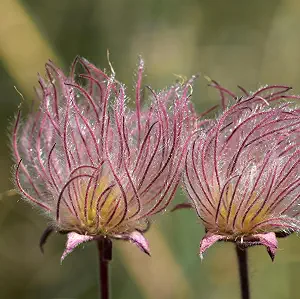 |
| Most Popular A crowd favorite that many people choose with confidence | Burpee Perennial Wildflower Mix — 25,000 Non-GMO Seeds (Perennial Pollinator Mix) |  |
| Best Seller A high-volume bestseller chosen again and again | KVITER Forget Me Not Heirloom Flower Seeds (1200 count) |  |
HOME GROWN Verbena Moss Seeds (6,000 Seeds)

| Expected Blooming Period | Spring to Fall |
|---|---|
| Sunlight Exposure | Full Sun |
| USDA Hardiness Zone | 2, 3, 4, 5, 6, 7, 8, 9, 10, 11 |
| Number of Pieces | 6000 |
| Moisture Needs | Moderate Watering |
These HOME GROWN Verbena Moss seeds provide a high-count mix (6,000 seeds) of Verbena tenuisecta designed for mass planting as a colorful ground cover. Intended for full‑sun sites, the seeds produce compact, feathery foliage topped by rounded clusters of tiny star-shaped flowers in shades from white to purple, blooming from spring through fall. The packet is marketed as heirloom and non-GMO and comes with an online grow guide, which helps with sowing, establishing, and basic care. In practice this mix is useful for filling borders, rock gardens, slopes, or bare patches to create a continuous floral carpet and to attract pollinators. Strengths are the very high seed count for wide coverage, long blooming season, and low maintenance once established. Expect moderate watering and loam soil for best results, and treat it as a perennial only where frost is mild; in colder zones it behaves more like an annual. Buyers should allow time for germination and establishment before judging density, and plan for deadheading or light pinching to keep plants tidy and encourage reblooming.
Best for: Gardeners who want an easy, showy ground cover for sunny beds and borders and who value social proof and guidance when trying a larger scale planting.
Less Ideal for: Shade gardeners or those needing an immediate, fully established lawn‑like cover; also unsuitable for planting sites where winter survival is critical and perennial habit is mandatory.
- Very high seed count suitable for large beds or mass plantings
- Heirloom non-GMO seed mix with an included online grow guide to support success
- Long bloom window from spring to fall for sustained garden color
- Low maintenance once established and attractive to pollinators
- Suitable for poor soils and erosion control on slopes
- Perennial performance depends on local winter hardiness so may behave as an annual in cold climates
- Requires full sun and moderate watering so not suited to shade or very dry xeric sites
Verdict: Choose this large non‑GMO seed pack when you want an affordable, pollinator‑friendly ground cover that delivers long, low‑maintenance color across large sunny areas.
PLANTMEW Forget Me Not Flower Seeds (5600+ seeds)

| Indoor Outdoor Usage | Outdoor |
|---|---|
| Expected Blooming Period | Summer to Fall |
| Sunlight Exposure | Full Sun |
| USDA Hardiness Zone | 4-11 |
| Moisture Needs | Moderate Watering |
These PLANTMEW forget-me-not seeds are sold as a generous packet of over 5,600 seeds intended for outdoor planting to create low, dense mats of small blue flowers. They are best sown in summer in moist, well-drained, sandy soil and will bloom from summer into fall in USDA zones 4 through 11. The seeds are described as having a high germination rate and the plants stay compact at roughly 3 inches tall, making them useful for edging paths, filling gaps between larger perennials, or seeding under light canopy. Because they prefer moderate watering and partial to full sun, they are fairly low maintenance once established and are attractive to pollinators. Limitations include the very small seed size which requires careful sowing and surface sowing or light raking for even coverage, and the pack is large so it will be more than needed for small plots. Expect seasonal self-seeding behavior that helps maintain coverage but may require occasional thinning to prevent crowding in mixed beds.
Best for: Gardeners who want an economical, low-growing perennial to quickly establish flowering ground cover across borders, pathways, or larger beds and who plan ahead for sowing and maintenance.
Less Ideal for: People who only need a few plants for small containers or those unwilling to manage delicate surface sowing and occasional thinning in mixed plantings.
- Very large seed count suitable for seeding large areas or repeated plantings
- High germination rate increases the chance of good coverage
- Compact mature height works well as a low ground cover and border filler
- Heirloom seeds attractive to bees and butterflies, useful for pollinator gardens
- Very small seeds require careful, often slow, surface sowing for even distribution
- Packet size is excessive for small containers or tiny gardens
Verdict: Buy this if you need an affordable, pollinator-friendly perennial that quickly establishes low, blue-flowering ground cover across larger garden areas.
BuggyBeds Creeping Thyme Seeds — 19,000 Count Ground Cover

| Unit Count | 19000 Count |
|---|---|
| Sunlight Exposure | Full Sun |
| USDA Hardiness Zone | 4-9 |
| Soil Type | Well-drained, Sandy, Rocky, Poor Soil |
| Moisture Needs | Low To Moderate |
This packet contains 19,000 creeping thyme seeds intended to establish a fragrant, low mat of ground cover in full sun. It is typically broadcast-seeded or sown between pavers, along borders, or across a lawn replacement area where well-drained, poor to sandy soil exists. Notable features include drought tolerance once established, perennial habit in USDA zones 4 to 9, and tiny flowers that attract pollinators. The high seed count is useful for covering large areas or multiple projects and keeps upfront cost per square foot low. Practical benefits are low maintenance after establishment, suitability for rocky or poor soils, and an evergreen low-growing habit that requires only occasional trimming after flowering. Important limitations are that seeds need proper seedbed preparation and consistent moisture until established, germination and coverage can be slow or patchy depending on soil contact and conditions, and it is best for low-traffic areas rather than heavy-use lawns.
Best for: Buyers who want an inexpensive way to cover large sunny areas with a low-maintenance, drought-tolerant living carpet and who are willing to prepare and tend seedlings through establishment.
Less Ideal for: Gardeners seeking an instant green solution or a high-traffic lawn replacement should consider pre-grown mats or turf alternatives instead.
- Very large seed count suitable for covering extensive areas or multiple beds
- Drought tolerant once established, reducing long-term watering needs
- Low-growing fragrant foliage that attracts pollinators and suits pathways and rock gardens
- Perennial in zones 4–9 so it returns year after year with minimal care
- Seed establishment requires good soil contact and consistent moisture at first, which can be labor intensive
- May germinate unevenly and take time to form a dense carpet, especially in poor seeding conditions
Verdict: If you need a budget-friendly way to establish a fragrant, drought-tolerant ground cover for sunny, well-drained areas, this large pack of creeping thyme seeds gives the best value per square foot.
Carpet Creeping Prairie Smoke (Geum triflorum) Seeds — 50 Count
| Sunlight Exposure | Full Sun to Partial Shade |
|---|---|
| Expected Blooming Period | Spring to Fall |
| Soil Type | Sandy/Loam Soil |
| Moisture Needs | Moderate Watering |
| Unit Count | 50 Count |
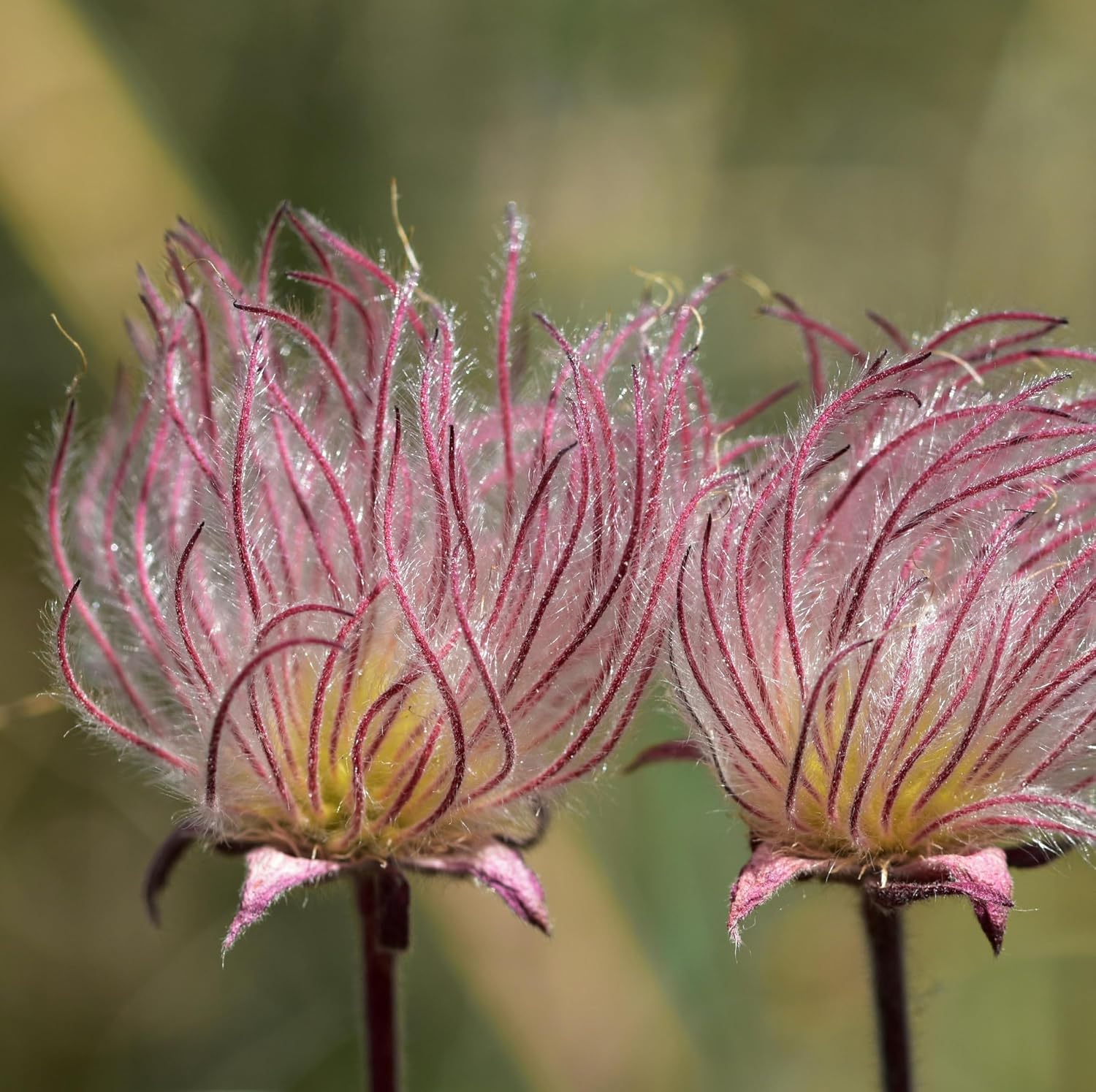
These Prairie Smoke seeds are sold as a 50-count packet of Geum triflorum, a native perennial valued for its nodding pink flowers and plume-like seed heads. Gardeners sow the seed on the soil surface after a cold stratification period of 30–60 days, keep the bed moist until seedlings appear, then transplant or thin to 8–12 inch spacing. Once established plants form low-growing mats with 12–18 inch flower stems that add long-lasting pink, airy plumes to rock gardens, dry meadows, and xeriscapes. Notable features are drought tolerance, pollinator appeal, and self-seeding habit, which reduce maintenance and help the stand fill in over seasons. Limitations: seeds need refrigerated stratification to germinate reliably and require well-drained sandy or loamy soil, so they are not suited to heavy clay or constantly wet sites. Expect a few weeks to germination and a season or two for a fully settled planting.
Best for: Buyers who prioritize a dependable, low-maintenance perennial ground cover with ornamental pink plumes for dry, well-drained sites and naturalistic plantings.
Less Ideal for: Gardeners needing a rapid dense turf or those with heavy clay or waterlogged soils should consider other ground covers better adapted to wet conditions.
- Distinctive feathery pink seed plumes provide season‑long visual interest and dried flower use
- Drought tolerant once established, suitable for xeriscape and rock garden settings
- Attracts native bees and other pollinators
- Self-seeding habit helps the planting persist and expand with minimal intervention
- Seeds require cold stratification before sowing for reliable germination
- Performs poorly in heavy, poorly drained soils
Verdict: Choose these prairie smoke seeds if you want a reliable, low‑maintenance native ground cover that adds long‑lasting pink, feathery plumes to dry gardens.
Burpee Perennial Wildflower Mix — 25,000 Non-GMO Seeds (Perennial Pollinator Mix)

| Unit Count | 25000 Count |
|---|---|
| Expected Blooming Period | Spring to Fall |
| Sunlight Exposure | Full Sun |
| USDA Hardiness Zone | 4, 5, 6, 7, 8, 9, 10 |
| Moisture Needs | Moderate Watering |
This Burpee perennial wildflower mix is a bulk seed blend intended to quickly establish a colorful, pollinator-friendly planting across a large sunny area. The bag contains 18 named varieties and 25,000 seeds, so it is typically broadcast-sown directly into loam or similar garden soils after frost and lightly mulched with peat or coir to hold moisture. It favors full sun and moderate watering and is formulated to provide staggered blooms from early spring into fall, attracting bees and butterflies. Practical benefits include broad coverage for up to roughly 1,000 square feet, a diversity of flower forms and bloom times to extend visual interest, and non-GMO heirloom varieties selected for home gardens. Limitations are germination variability with mixes this large so some spots will be thinner than others, and many included species require careful early watering and some light maintenance to establish. Also this is a mix of perennials and annuals, so the composition and appearance will change year to year as certain species naturalize more successfully than others.
Best for: Gardeners who want the most cost-effective way to convert sunny turf or disturbed ground into a pollinator-friendly wildflower patch and who prefer a low-overhead, broadcast-sow approach.
Less Ideal for: People seeking a uniform, curated perennial border of specific species or gardeners who want instant, predictable results in small containers or shaded sites.
- Very large seed count and coverage suitable for establishing a meadow or large pollinator patch
- Mix of 18 varieties provides staggered bloom times and visual diversity
- Non-GMO heirloom seeds selected for garden use
- Formulated for full sun and typical garden soils with simple care guidance
- Germination rates can vary within a mixed bulk so coverage may be uneven
- Requires consistent early watering and attention for seedlings to establish
Verdict: Buy this if you want an economical, large-coverage seed mix to establish a sunny, pollinator-friendly meadow with minimal upfront fuss.
KVITER Forget Me Not Heirloom Flower Seeds (1200 count)

| Unit Count | 1200 Count |
|---|---|
| Sunlight Exposure | Full Sun |
| Expected Blooming Period | Spring to Summer |
| Material Features | GMO Free, Heirloom |
| Moisture Needs | Regular Watering |
These KVITER Forget Me Not seeds come in a bulk 1200-count packet aimed at gardeners who want mass planting or ground cover in shady to part-sun spots. The seeds are heirloom and non-GMO and include a step-by-step growing guide on every packet, which makes them easy to use for direct sowing in spring. They are described as germinating without cold stratification in 10–21 days at typical spring temperatures and perform across USDA zones 1–12, so you can expect blue, low-growing clumps that reach about 16 inches at maturity. Practical benefits include the large seed quantity for filling borders or creating a carpet of flowers, seed-saving potential from mature seed pods, and suitability for cut flowers. Limitations are that results depend on proper moisture and soil (loam recommended) and that the bulk quantity may be more than small-scale gardeners need. Some buyers report variable germination, so plan to overseed or start extra trays if you want reliable coverage in a shady area.
Best for: Buyers who want an affordable way to establish a low, blue-flowering ground cover or fill borders in shady to part-sun areas and who prefer clear planting instructions and heirloom seed stock.
Less Ideal for: People seeking a small starter packet for container-only gardening or those who need instant mature coverage without waiting for seedlings to establish.
- Large 1200-count packet suitable for mass plantings or ground cover
- Heirloom non-GMO seeds with seed-saving potential
- Includes a detailed step-by-step growing guide with each packet
- No stratification required and germination window (10–21 days) provided
- Broad USDA zone range (1–12) so usable in most climates
- Bulk quantity may be excessive for small containers or tiny beds
- Germination performance can be inconsistent, so overseeding may be necessary
Verdict: A cost-effective bulk seed packet for creating blue, low-growing ground cover in shady to part-sun beds, especially for gardeners who value heirloom seed and clear planting guidance.
Choosing the Right Ground Covering Perennial Flowers: Key Factors to Consider
Light Requirements and Site Match
Light exposure strongly determines whether a ground covering perennial will thrive or struggle. Some species perform best in full sun, producing dense growth and abundant blooms, while others tolerate deep shade and persist where perennials that need sun fail. Understanding the exact light at your site through the day helps you match a plant to a microclimate and avoid chronic thinning or leggy growth.
Mistakes on light needs often show up in the first two seasons. A sun-adapted groundcover planted in a shaded bed will stretch and fail to form a stable mat, leaving bare soil that invites weeds. Conversely, a shade-preferring species in hot, exposed positions will scorch and decline. Choose varieties whose described light range includes your garden's prevailing conditions.
Spreading Habit and Controllability
Ground covers achieve soil coverage through different modes of spread: clumping expansion, rhizomes, stolons, or self-seeding. Each habit has tradeoffs for control and longevity. Clump-formers expand slowly and are easier to keep inside borders. Plants with stolons or aggressive rhizomes will fill open ground quickly but may require edging, periodic division, or physical removal where they encroach on beds or paths.
Consider how much space you can dedicate and whether you prefer a tidy border or a freer, meadow-like patch. If you want quick coverage on a slope to prevent erosion, a more vigorous spreader can be an asset. In tightly planted borders, choose species that are steady growers and respond well to division to keep them in bounds.
Establishment Time and Planting Density
How quickly a groundcover establishes affects weed pressure and how long you must nurse young plugs. Some perennials form a dense carpet in one season when planted at appropriate spacing, while others need two to three seasons to reach full coverage. Planting density affects both time to cover and long-term maintenance; closer spacing reduces initial weed control needs but costs more plants.
Plan for initial weed control with mulch or temporary covers, and follow recommended spacing for the species. Faster-establishing groundcovers are helpful on slopes or exposed soil where erosion is a concern. For long-term beds, slower growers may reward patience with less aggressive maintenance later.
Soil and Drainage Compatibility
Soil texture and drainage determine root health and persistence. Many groundcover perennials prefer well-drained soil and will rot in consistently wet sites, while a smaller set tolerate heavier clay or seasonally wet patches. Soil fertility also shapes vigor: lean soils often keep spreaders more compact, while rich soil can encourage aggressive growth that needs containment.
Test or observe your soil before planting and amend only as needed to improve structure and drainage. On slopes, improving infiltration and using erosion-control planting techniques will help young plants anchor quickly. Selecting species adapted to your soil conditions reduces failures and future remedial work.
Maintenance and Long-Term Care
Maintenance expectations vary widely across groundcover perennials. Some need annual trimming or division to prevent legginess, while others require almost no attention once established. Consider tasks such as occasional shearing, removing dead material, dividing clumps every few years, and controlling runners with edging.
Choose plants that match how much time you want to spend on upkeep. Low-maintenance groundcovers that retain tidy form reduce seasonal labor but may offer less aggressive filling of gaps. Factor in winter clean-up needs and how the plant looks during dormant months if year-round appearance matters.
Ecological Benefits and Pollinator Value
Beyond looks and soil coverage, many perennial groundcovers provide nectar and pollen for pollinators and habitat for beneficial insects. Flowering timing and abundance determine how valuable a groundcover is to bees and butterflies through the season. Some species also offer habitat or seeds that support birds and other wildlife.
If pollinator support is a priority, select groundcovers with abundant or extended bloom periods and avoid options known to be sterile or exclusively foliage-based. Balancing ecological benefits with site fit will help you choose plants that perform functionally and support local biodiversity.
Best Ground Covers for Slopes and Erosion Control
Stabilizing loose soil requires plants that root quickly and spread to bind the surface. Look for perennials with a robust spreading habit and good drought tolerance once established. Planting pattern and initial ground preparation, such as terracing or mulch, also influence how well the cover will reduce runoff.
On slopes, staggered planting in groups rather than single rows helps create a woven root network. Combine quick-fill species with longer-lived clump-formers in mixed plantings to maintain season-long cover without letting one species dominate.
- Plant denser on steep runs to prevent washout
- Use erosion control fabric temporarily on newly planted slopes
- Water deeply but infrequently during establishment to encourage deep roots
Ground Covers That Tolerate Shade and Dry Shade
Deep shade or dry shade under trees is a common challenge for gardeners wanting floral ground cover. Choose perennials that naturally persist in low light and can compete with tree roots. If soil is dry under canopy, prioritize species adapted to lower moisture and avoid heavy-mulch approaches that block water from reaching roots.
Layering plantings with selective pruning of the canopy can improve light and extend the palette of suitable groundcovers. Expect slower spread in dense shade and plan for slightly closer spacing to achieve a uniform carpet.
- Improve irrigation at planting time to help establishment
- Avoid heavy soil disturbance near tree roots
- Consider leaf-litter management that retains nutrients without smothering seedlings
Designing Colorful Mixed Groundcover Beds
Combining several groundcover perennials creates visual interest and staggered bloom times. Use a mix of early and late bloomers to extend seasonal color, and vary foliage textures to maintain structure when flowers fade. Make sure chosen species have compatible spread rates and maintenance rhythms so one does not smother the others.
Plan planting groups in drifts rather than single specimens for a natural look. Leave small access gaps for occasional maintenance and to divide plants when they overrun preferred zones.
- Mix foliage colors to add winter interest
- Place taller bloomers toward the center or back of a bed
- Account for mature spread when deciding initial spacing
Using Ground Covers in Containers and Raised Beds
Some groundcover perennials adapt well to large containers and raised beds, offering cascading form and surface coverage. In confined soils, root-bound tendencies and aggressive runners can be a problem, so choose steady, clump-forming species and plan for periodic division.
Ensure containers have excellent drainage and a well-draining potting mix. Watering frequency will be higher than in-ground plantings, and nutrients deplete faster, so top-dress or feed lightly during the growing season.
- Select shallow-rooted species for wide containers
- Use root barriers to control spread in raised beds
- Repot or divide every few years to refresh vigor
Seasonal Care and Division Timing
Timing division and pruning around bloom cycles keeps groundcover perennials healthy and attractive. Many respond well to division in spring or fall when soil temperatures allow rapid root recovery. Shearing after bloom can tidy a bed and encourage denser leaf growth, but avoid cutting into woody crowns late in the season.
Regular observation is the easiest way to determine care timing: if patches thin or flowering declines, division or selective removal can rejuvenate the planting without wholesale replacement.
- Divide clumps when plants become congested or bloom declines
- Remove dead material in early spring to reveal new growth
- Limit heavy pruning to periods of active growth for faster recovery
How We Chose the Best Ground Covering Perennial Flowers
We prioritized traits gardeners actually observe in the bed, border, slope, or container setting rather than abstract rankings. Selection began with species known for perennial habit and reliable ground-covering behavior in established plantings. We excluded short-lived self-seeders and purely annual fillers to keep the list focused on long-term soil protection and recurring bloom. Evaluation emphasized measurable, garden-facing criteria: shade and sun tolerance, spreading habit and controllability, ease of establishment, maintenance frequency, and seasonal ornamental value such as bloom duration or foliage interest. We considered ecological benefits like pollinator value and erosion control potential where relevant. Plants that require frequent division or heavy pruning were deprioritized unless they offered substantial ornamental or functional payoff. Sourcing difficulty and known disease resilience were also part of the filter to favor options home gardeners can manage without specialist care.
FAQ
How quickly will a ground covering perennial fill in bare soil?
Speed varies by species and planting density. Some vigorous spreaders can cover a patch within a single season, while many perennials take two to three seasons to achieve full coverage. Establishment is faster with closer spacing and good initial care.
Can groundcover perennials be used under trees without harming the roots?
They can, but success depends on root competition and shade. Choose shade-tolerant, shallow-rooted species and avoid deep soil disturbance near the tree trunk. Water and mulch carefully to help young plants establish without stressing the tree.
How do I control a groundcover that becomes too aggressive?
Control methods include installing edging, regular hand pulling of runners, dividing and removing sections, and selective shearing. Choosing slower-spreading varieties for confined beds reduces the need for constant control.
Are groundcover perennials good for pollinators?
Many are, especially species that produce abundant flowers over a period of weeks. Flowering groundcovers can provide nectar and pollen for bees and butterflies, though foliage-dominant options may offer less pollinator value.
What soil preparation helps groundcover establishment?
Loosening compacted soil, improving drainage if needed, and removing persistent weeds will give new plants the best start. Incorporating organic matter can improve structure, but avoid over-fertilizing which can encourage lanky growth in some species.
Can groundcover perennials reduce weed pressure?
Yes. Dense, well-established groundcovers shade the soil and limit weed establishment. However, until the cover is fully established, expect to manage weeds with hand weeding or temporary mulch.
Final Verdict
Choosing the right ground covering perennial flowers comes down to matching plant habit to the conditions and maintenance you can provide. Prioritize light and soil compatibility first, then decide how aggressive a spread you want and how much seasonal care you will do. Balance erosion control, bloom timing, and pollinator value to meet your garden goals. A thoughtful selection based on these priorities will give you a low-maintenance carpet that suppresses weeds, stabilizes soil, and adds reliable seasonal interest. Focus on the tradeoffs described earlier to pick a plant that fits your site and long-term plans.
